
 Apex Hides the Hurt
Quotes from the Book
As time went on, we learned to arm ourselves in our different ways. Some of us with real guns, some of us with more ephemeral weapons, an idea or improbable plan or some sort of formulation about how best to move through the world. An idea that will let us be. Protect us and keep us safe. But a weapon nonetheless.
30
Two people, two hands, and two songs, in this case "Big Shot" and "Bette Davis Eyes." The lyrics of the two songs provided no commentary, honest or ironic, on the proceedings. They were merely there and always underfoot, the insistent gray muck that was pop culture. It stuck to our shoes and we tracked it through our lives.
9
The only time "early bloomer" has ever been applied to me is vis-a-vis my premature apprehension of the deep dread-of-existence thing. In all other cases, I plod and tromp along. My knuckles? Well dragged.
8
The I-Remember-Whensters lumbered in with their musty catalogues of the bygone, dragging IVs of distilled nostalgia behind them on creaky wheels,
7
in the slow motion that is the speed of humiliation.
5
I was nostalgic for everything big and small. Nostalgic for what never happened and nostalgic about what will be, looking forward to looking back on a time when things got easier.
3
Sitcom white folk, movie-of-the-week white folk were our coon show.
2
It was where we mingled with who we had been and who we would be. Sharing space with our echoes out in the sun.
2
I had a roll of non sequiturs in my pockets and I was just tossing them out across the water trying to get a good skip going.
2
If the correct things belonged to you, perhaps you might belong.
2
All over the world the teenage millions searched for routes out of their dank, personal labyrinths. Signing up for that perfect extracurricular, rehearsing fake smiles before toothpaste-flecked mirrors, rummaging through their personalities to come up with laid-back greetings and clever put-downs to be saved for that special occasion. Lying sprawled on their beds, ankles crossed, while they overanalyzed the lyric sheet of the band that currently owned their soul, until the words became a philosophy.
2
Rap was a natural resource, might as well pay for sunlight or the very breeze or an early-morning car alarm going off. No, I spent my money on music for moping. Perfect for drifting off on the divan with a damp towel on your forehead, a minor-chord soundtrack as you moaned into reflecting pools about your elaborate miserableness. The singers were faint, androgynous ghosts, dragging their too-heavy chains across the plains of misery, the gloomy moors of discontent, in search of relief. Let's just put it out there: I liked the Smiths.
2
it trains the kid in question to determine when people in the corner of his eye are talking about him and when they are not, a useful skill in later life when sorting out bona-fide persecution from perceived persecution, the this-is-actually-happening from the mere paranoid manifestation
2
A firefly blinked into existence, drew half a word in the air. Then gone. A black bug secret in the night. Such a strange little guy. It materialized, visible to human eyes for brief moments, and then it disappeared. But it got its name from its fake time, people time, when in fact most of its business went on when people couldn't see it. Its true life was invisible to us but we called it firefly after its fractions. Knowable and fixed for a few seconds, sharing a short segment of its message before it continued on its real mission, unknowable in its true self and course, outside of reach. It was a bad name because it was incomplete—both parts were true, the bright and the dark, the one we could see and the other one we couldn't. It was both. I
2
memory has a palette and broad brush.
2
For all his fear that people were watching all the time, that people will talk about you unless you're vigilant about what they see, no one was watching at all. No one cares about what goes on in other people's houses. The grubby dramas. It was just us. The soundstage was empty, the production lot scheduled for demolition. They'd turned off the electricity long ago. We delivered our lines in the darkness.
1
The tonic water hissed as the pressure in the bottle fizzed away. The bottle made a slight ting as it slid into the rack in the fridge door, next to the relish and mustard. I was well acquainted with all these sounds and heard the other silent things. This made no sound: my father stirring his drink with his finger. This also made no sound: that dreaded calculation, how many is that today? Certainly this made no sound: the understanding, I'm pushing my luck by hanging around here. And silent now but soon to make itself heard, the chemical reaction in his brain that said, Let's get this hate in gear.
1
Some kids rebelled to get attention. I did stupid things very carefully, spending all of my time thinking of ways to engineer small stupid things without getting caught. Things so small that no one else could see them and only I knew about them.
1
You were hard or else you were soft, in the slang drawn from the territory of manhood, the state of your erected self. Word on the Street was that we were soft, with our private-school uniforms, in our cozy beach communities, so we learned to walk like hard rocks, like B-boys, the unimpeachably down. Even if we knew better. We heard the voices of the constant damning chorus that told us we lived false, and we decided to be otherwise. We talked one way in school, one way in our homes, and another way to each other. We got guns. We got guns for a few days one summer and then got rid of them. Later some of us got real guns.
1
We were made to think of ourselves as odd birds, right? According to the world, we were the definition of paradox: black boys with beach houses. A paradox to the outside, but it never occurred to us that there was anything strange about it. It was simply who we were.
1
He was our best liar, a raconteur of baroque teenage shenanigans. Everything in his field of vision reminded him of some escapade he needed to share, or directed him to some escapade about to begin,
1
my junior-high schemes of social improvement. I was one of those dullards who thought that “Just be yourself” was the wisdom of the ages, the most calming piece of advice I had ever heard, and acted accordingly. It enabled these words, for example, to escape my mouth: “I can't wait for Master of Horror George A. Romero to make another film. Fangoria magazine—still the best horror and sci-fi magazine around if you ask me—says he has trouble raising funding, but I think Hollywood is just scared of what he has to say.” And also: “It seems like we—all of us—made a mistake by switching over to Advanced D&D. The Basic game was … purer, you know?” Statements (of simple truth!) that had been harmless weeks ago were now symptoms of disease. And possibly catching. I was just being myself, and I was just being avoided. For
1
I was one of them on the dance floor and they were one of me. I jostled, was jostled in turn, collision as communication: I am here, we're here together. The bass bounced my shirt on my chest.
1
Sometimes when you had your head down in the [ice cream] vats, time stopped. The swirling white mist stalled in the air, hanging like ribbons. All sound dropped out, the whirring of the blender and the radio, and even the static-y buzz of your own thoughts. I don't know where I went during these spells. They only lasted a few moments yet they contained a little scoop of the infinite, a waffle-perfumed eternity.
1
I thought, This is where the day curdles.
1
We were a made-for-TV family. Every new channel added to our lineup, every magnificent home-entertainment advance increased the possibility that we wouldn't have to talk to one another.
1
Saturdays in Sag Harbor, I liked to lie in bed listening to the weekend rev itself up.
1
The french-fry smell was almost another person in our room, stumbling around in the dark,
1
Dibs was dibs, we didn't have to call it. Ever since we were born, we'd lived according to the rough frontier justice of even Stephen, and even Stephen had a perfect memory.
1
Watch on YouTube
About Colson Whitehead
We have collected 243 quotes from 9 books by Colson Whitehead on BookQuoters.
More about the author →More by Colson Whitehead
All books by Colson Whitehead →
About the book
The warm, funny, and supremely original new novel from one of the most acclaimed writers in America
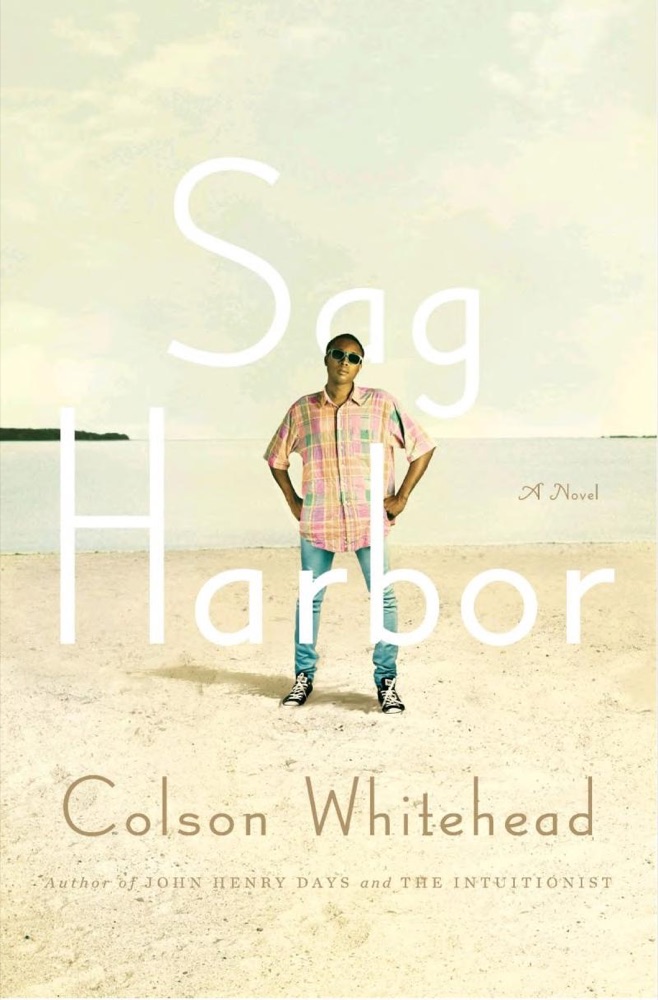
The year is 1985. Benji Cooper is one of the only black students at an elite prep school in Manhattan. He spends his falls and winters going to roller-disco bar mitzvahs, playing too much Dungeons and Dragons, and trying to catch glimpses of nudity on late-night cable TV. After a tragic mishap on his first day of high school—when Benji reveals his deep enthusiasm for the horror movie magazine Fangoria—his social doom is sealed for the next four years.
But every summer, Benji escapes to the Hamptons, to Sag Harbor, where a small community of African American professionals have built a world of their own. Because their parents come out only on weekends, he and his friends are left to their own devices for three glorious months. And although he’s just as confused about this all-black refuge
Book details
- First published
- 2009
- Author
- Colson Whitehead
- Genre
- Fiction
- Goodreads rating
- 3.57 (12k ratings)
The buzz
- The New York TimesReview in The New York Timesprofessional review (via Book Marks)
- The Washington PostReview in The Washington Postprofessional review (via Book Marks)
- The GuardianReview in The Guardianprofessional review (via Book Marks)
- Los Angeles TimesReview in Los Angeles Timesprofessional review (via Book Marks)
- Kirkus ReviewsReview in Kirkus Reviewsprofessional review (via Book Marks)
- Publishers WeeklyReview in Publishers Weeklyprofessional review (via Book Marks)
Keep reading
 The Fortress of Solitude
 The Beginning of Everything
 The Discomfort Zone: A Personal History
 Severance
 Stay Awake
 I Have Some Questions for You
 White Tears
 Generation X: Tales for an Accelerated Culture
 Welcome to Braggsville
 Foster Dade Explores the Cosmos
 Spin
Spin
 A Home at the End of the World
 Netherland
 The Likeness
 Underworld
 When We Were Animals
 The Keep
 Sleepwalk
 Super Fake Love Song
 The Miseducation of Cameron Post
 Wonder Boys
 Middlesex
 Notes on Your Sudden Disappearance
 A Fraction of the Whole
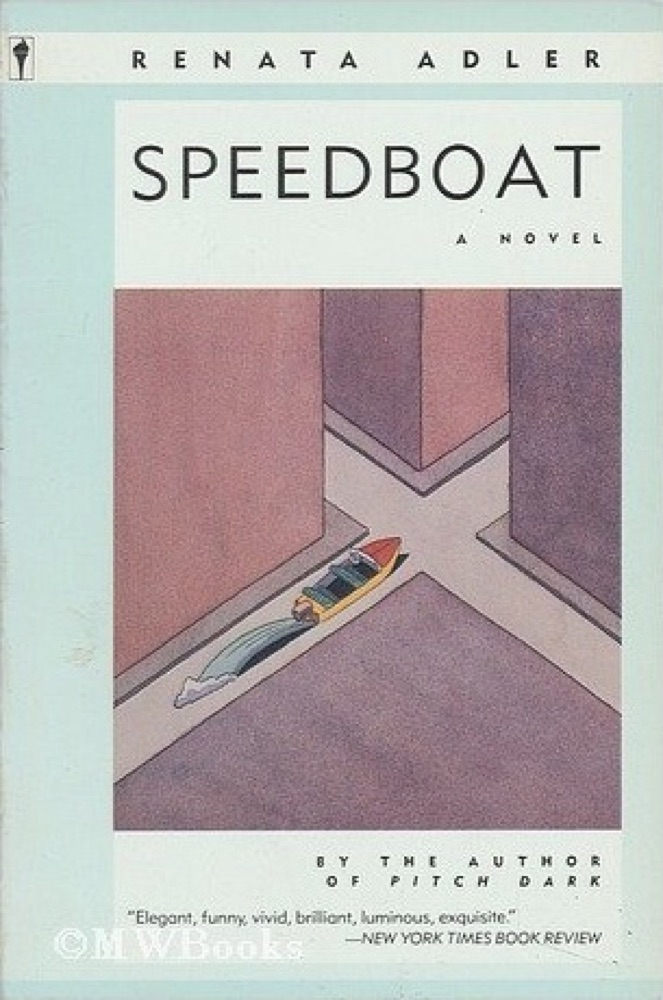 Speedboat
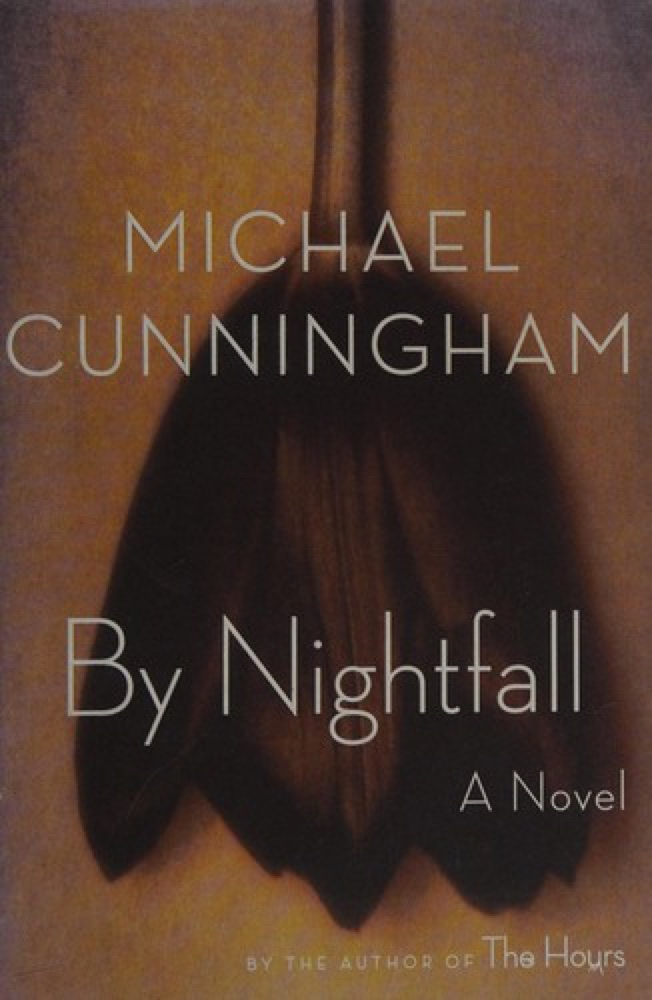 By Nightfall
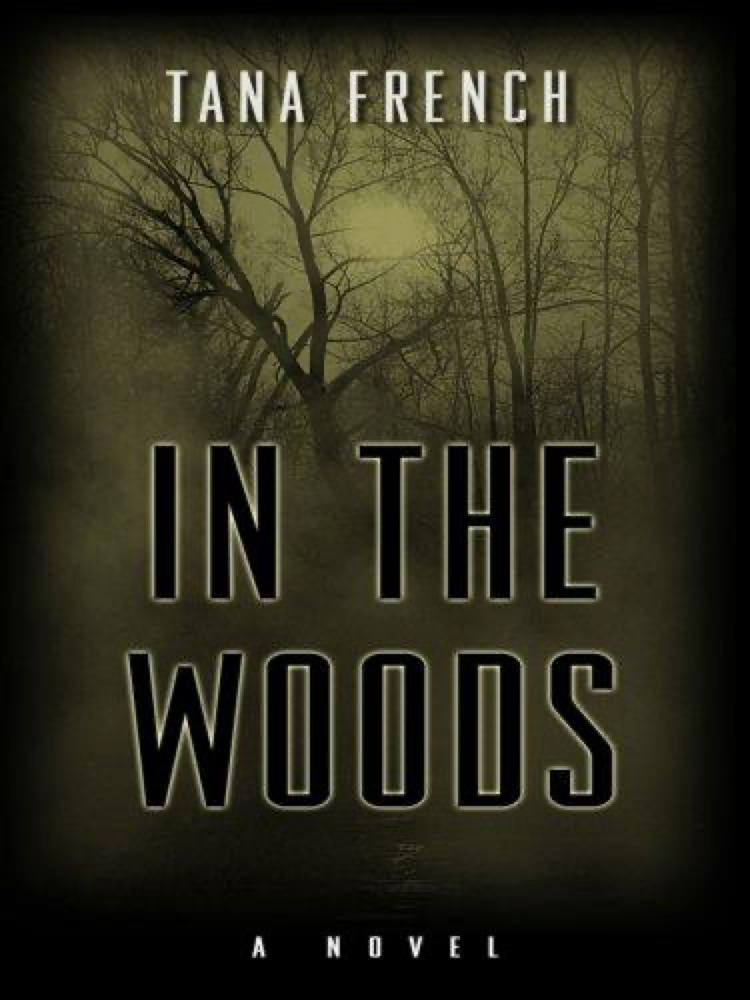 In the Woods
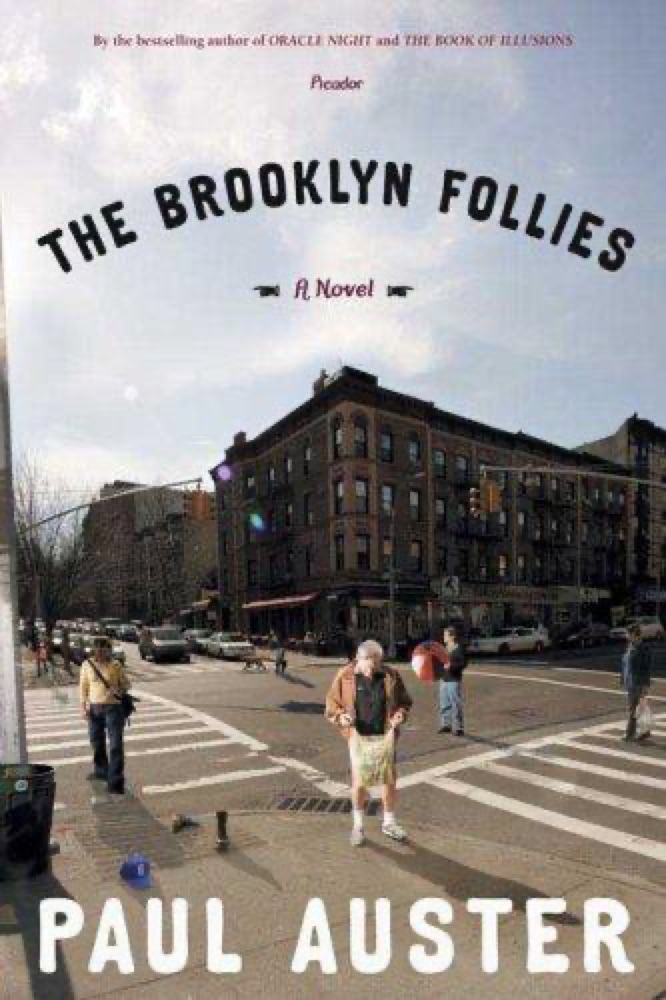 The Brooklyn Follies
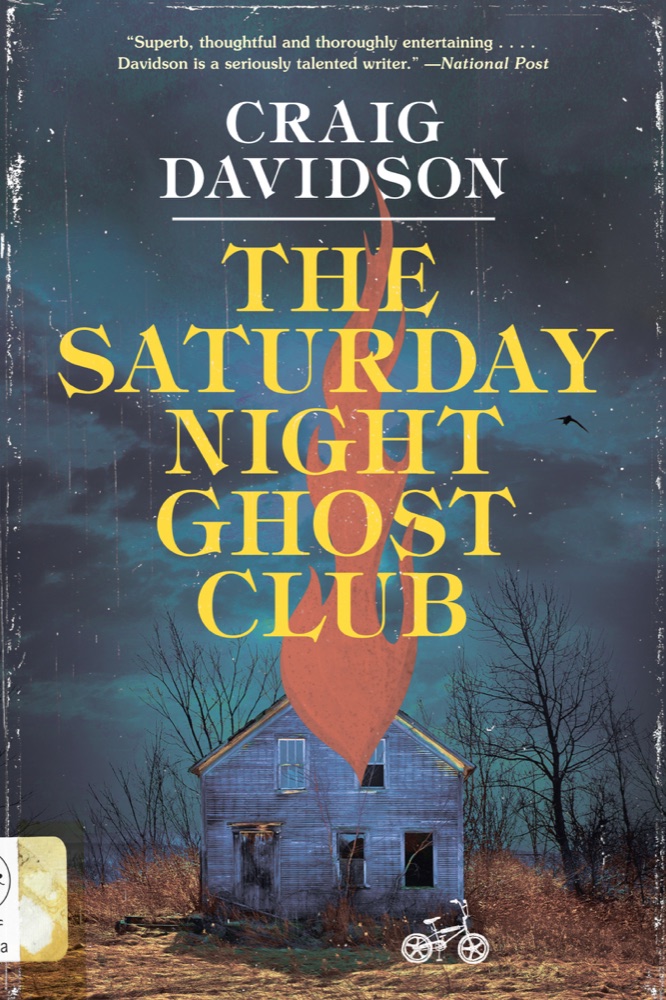 The Saturday Night Ghost Club
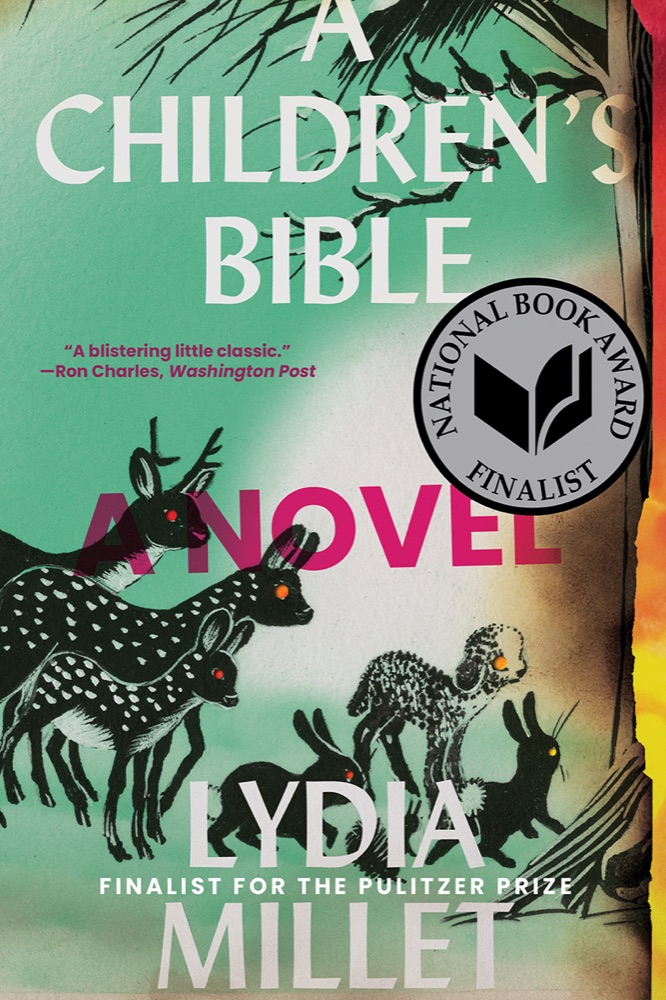 A Children's Bible
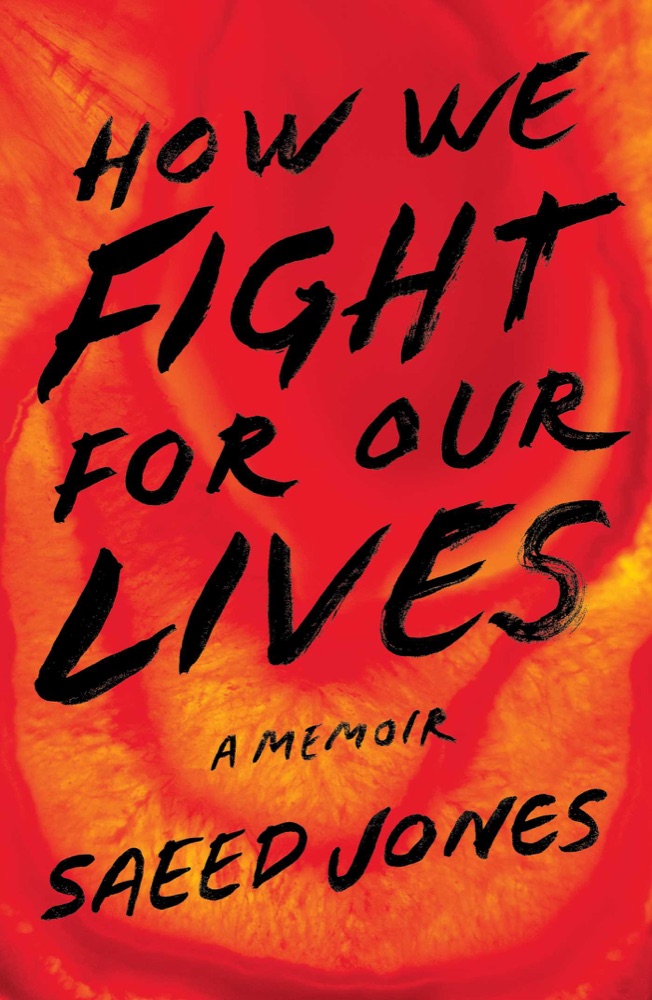 How We Fight For Our Lives
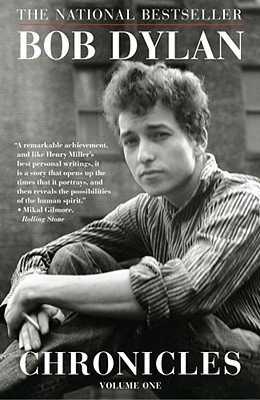 Chronicles, Volume One
 The Cat's Table
 The Liars' Club
 The Story of a New Name
 Naked
Naked
 Tell No One
 The Bachman Books
 What I Was
 The Tsar of Love and Techno
 A Thousand Acres
 Three-Martini Lunch
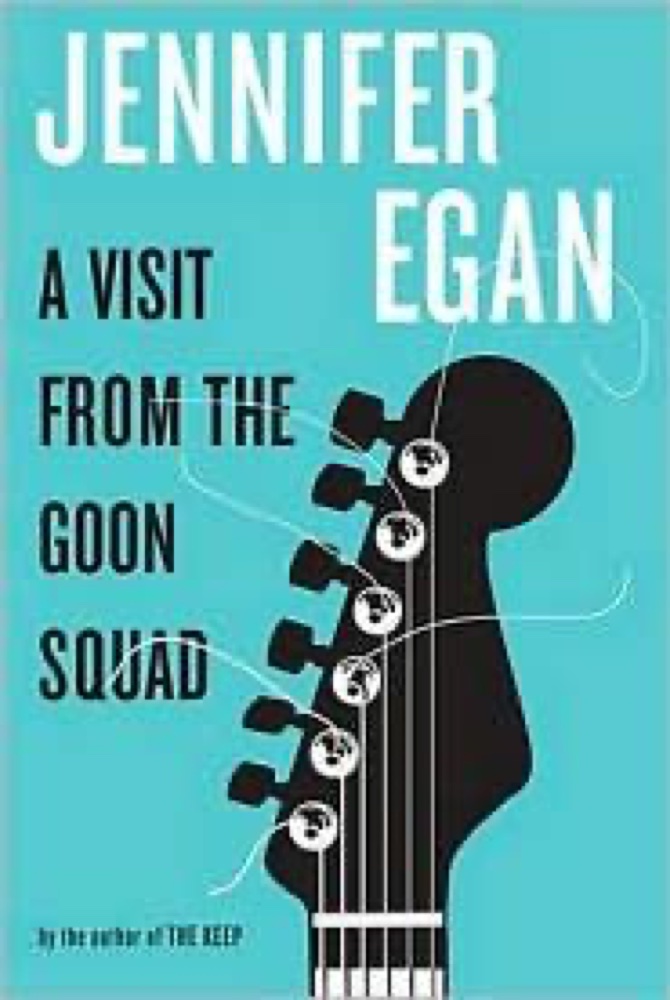 A Visit from the Goon Squad
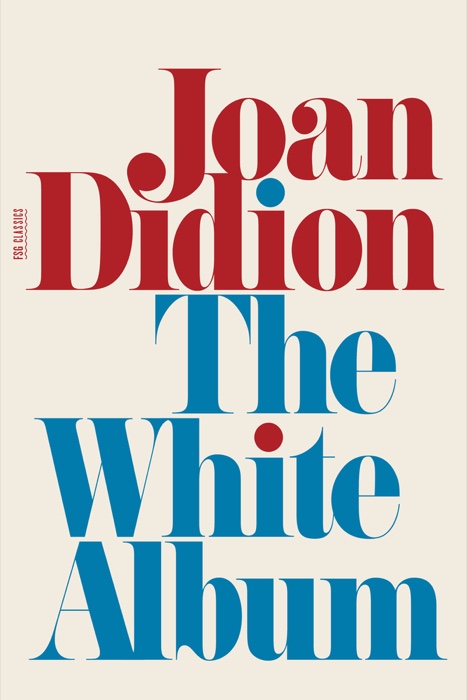 The White Album
 Hush
Hush
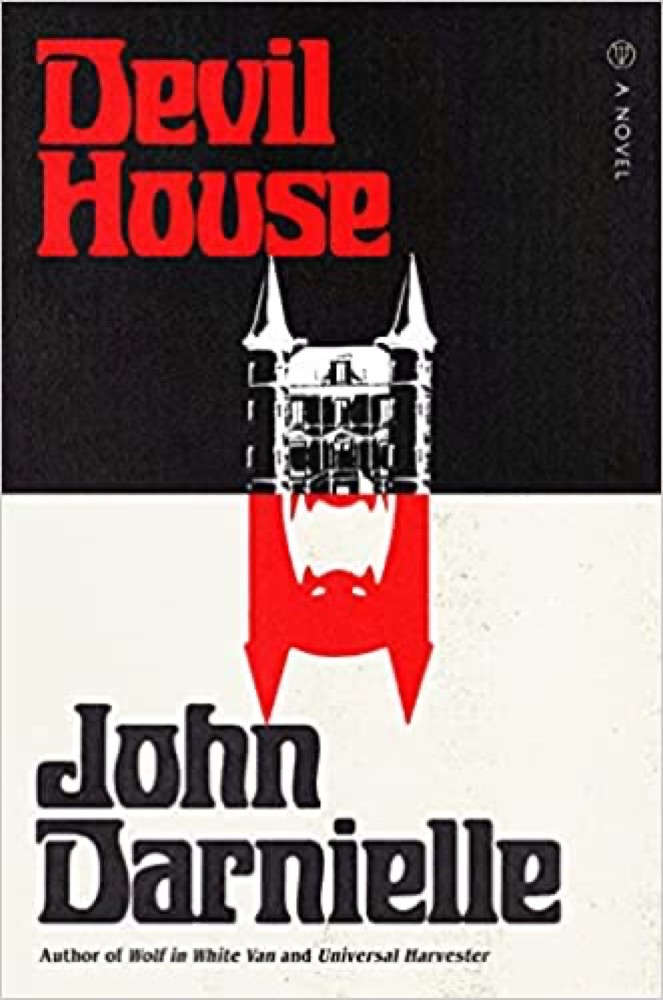 Devil House
 World's Fair
 The Emperor of Gladness
 Where Things Come Back
 I Cheerfully Refuse
 Just Kids
 Oblivion
 Kids of Appetite
 Ham on Rye
 The Uncool
 Mao II
 Orient
 Smoke and Mirrors: Short Fiction and Illusions
 No One Is Talking About This
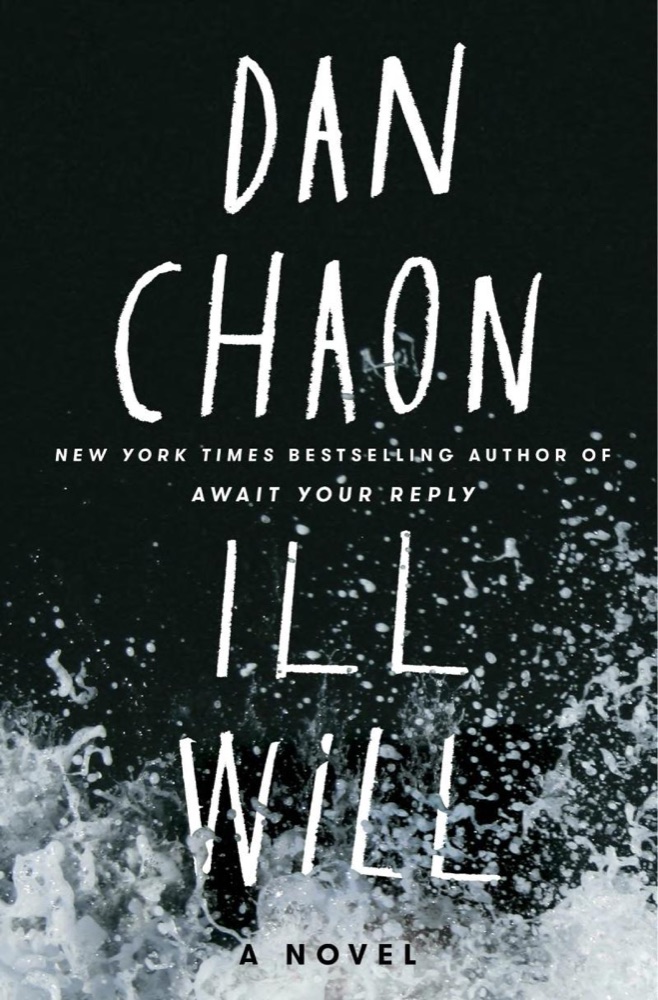 Ill Will