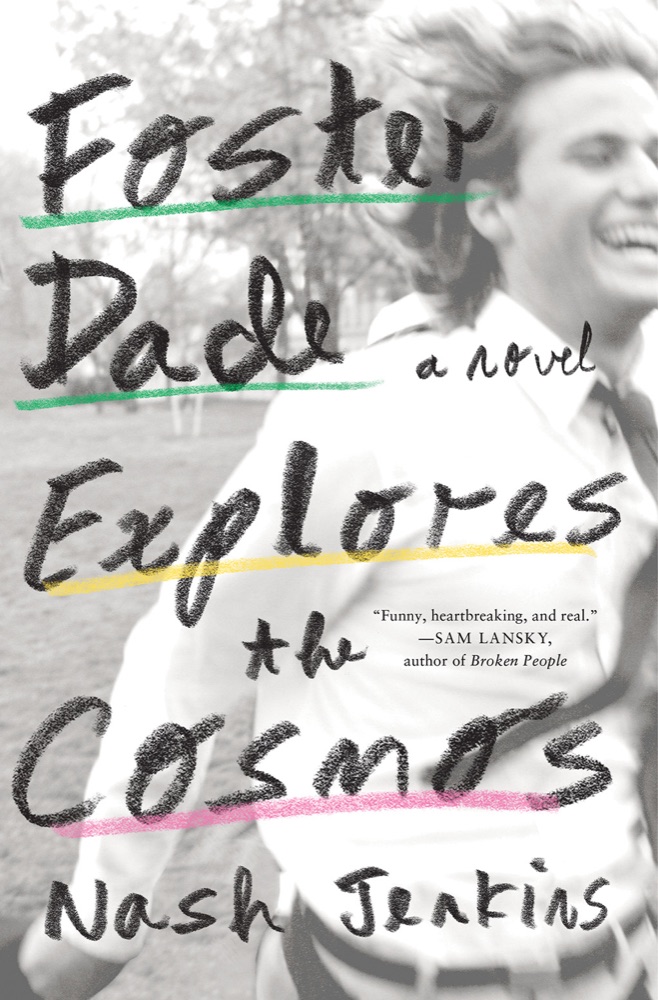

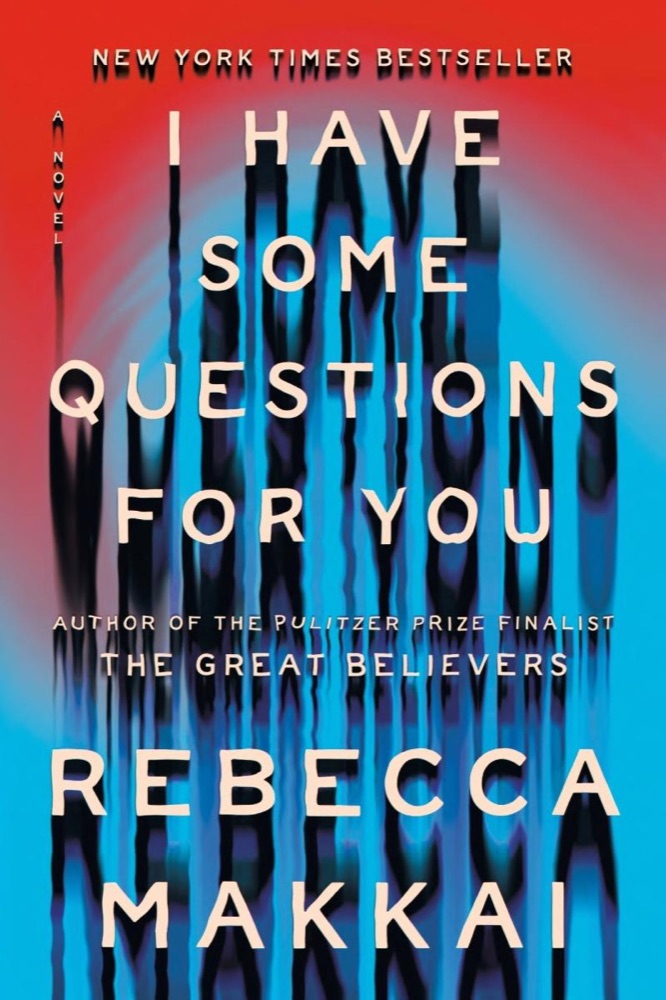
 I Have Some Questions for You
Quotes from the Book
There are moments like this when I allow myself to see the beauty I’d always foreclosed to myself. Part of me thinks that my ability to see it when I do is inseparable from the pain I feel, and when I think that, the pain suddenly isn’t so bad. The sun’s going to come up in the morning. I really don’t like myself a lot of the time, but sometimes I look back at the words I’ve written on my blog and elsewhere and I kind of smile at my own bullshit. I’ll grow up, and then I will come back to them again. It’s fine. I will be fine. There is a spastic firelight in everything. The trick is knowing where to find it.
7
Sometimes, late at night, when I find myself clicking through photos of the alumni events I didn’t attend, I’ll pull out my old coffee-stained copy of Still Life with Woodpecker and blink at the last line: It’s never too late to have a happy childhood. And perhaps safer if it isn’t your own.
1
Adolescence is an exercise in coveting what exists just beyond our grasp; it is this inaccessibility that sustains its magic.
When I witness certain moments I believe I am a voyeur to the memories being made, and it makes me sad
I know subconsciously that I do these things because they bring a complexity to life—to myself—that fills the gaps left there by the things that have happened.
Years later … those who were at Kennedy that day would still sometimes talk about the strangeness of it: the unnerving music of what can accurately be described as collective weeping.
They found themselves standing immediately before each other, their toes facing, and for a moment they both grinned at the absurdity of it, as if they were emperor penguins preparing to march.
I think,” he said finally, “that a child is not supposed to hurt like this.
It was an adolescent question, but Foster Dade was an adolescent.
And I can’t sit here and tell you how I finally grew up, because to this day now I don’t have a clue. I wrote a lot. And I came here. And the scars don’t ever go away, and sometimes they still hurt like an absolute bitch, and it’s been twenty years. But somehow you learn to carry them inside of you. It’s how love songs are written, probably. I say ‘probably’ because what the hell do I know about writing love songs, but I do know that I hear them differently than I used to. When I was a kid.
Do you know what Leonard Cohen said about love songs? … He said: ‘Children show scars like medals. A scar is what happens when the world is made flesh.
In quiet but diametric opposition to the spirit and practice of the Ross-Daniels administration, Tierney though motive mattered.
... at the end of the day he understood that the law was only as good as the living souls it ensconced.
He’d later remember his two-year stint as Dean of Students in the mid-1990s as the psychological nadir of his tenure at Kennedy—”Jeez, man, I got a little bit of power and all of a sudden I kind of knew why Mussolini had so much fun”—but it had left him with a fluency in the contradictions and tensions within the Kennedy disciplinary code that was almost Brandeisian in its elegance.
One of the hardest things about writing about boarding school in the twenty-first century is figuring out how to convey to the unacquainted reader that the world of Dead Poets Society is about as familiar to the most recent generations of Kennedians, Exonians, et al. as a German technical college.
She brought with her none of the cloying irony that over the course of our early adulthood had become our generation’s default style: the vocabulary of shibboleths and grammar of flat detachment in which we found an orthopedic substitute for feeling the things that had become too visceral to feel.
What they did remember—and in the nightmares that bridged the weeks and months that followed, this was no better—were the faces that populated the billious light of the train windows on the other side of the tracks, where the final double-decker carriages in the train’s long chain had finally jerked to a stop. Those who occupied those cars would recount similar relationships with those who stood on the platform. Together they played out an improvised duet on the emergence of human horror.
The thing is that I believe you,” she said finally. “And I didn’t come here to give you a free pass for what you did. You fucked up. But,” and there was a meager but merciful tenderness in her brown eyes then, “my suspicion is that you’ve been feeling pretty alone. And sometimes the punishment is a lot worse than the crime and—well, my dad’s a lawyer.” Her lips betrayed something close to a smile. “So I’m biased towards justice. And I just wanted to tell you that.
That a teacher had built himself an extrajudicial deep state within Kennedy’s wider polity was less distressing to administrators than it perhaps should have been …
The speakers along the dance floor suddenly spasmed with the loud farting chords of “Party in the U.S.A.” by Miley Cyrus; as if bewitched into some glitter-spangled coven, what seemed like every girl present threw her head back and shrieked in unison, moving in harmony toward the center of the dance floor in a sort of manic horah.
Imagine getting into Harvard and then killing yourself,” Porter said aloud. “I like the name Quentin, though.
Foster couldn’t remember a time when these expressions of testosteronal discharge did not leave him feeling alienated and more than vaguely annoyed—his own early attempts to participate had felt unnatural and somehow indicting—and he rolled his eyes and returned the earphone to his head.
Like the private universities to which they proudly matriculate their graduates, American boarding schools are for all intents and purposes investment funds.
It’s in the definitional nature of clairvoyance to seem preposterous until it suddenly it does not.
… whose social capital … would after graduation suffer the precipitous collapse that they knew from AP Economics always follows periods of grotesque overvaluation.
If I had to parcel this project in the Trojan horse of, say, cultural sociology, I might say that it’s my attempt to comprehend the adolescent predisposition to mythology: how coveting the spell of others’ stories allows us to find faith in what our own might become, and keep going.
And once again, his eyes caught hers with that rare locking clutch—the one that engenders a mutual magnetism, the one that precedes a kiss.
I was hung on on Kennedy … I thought nothing could ever be as special as it had been, at least in my own experience … But it was years before I finally realized that I’d been miserable there. I’d done very well but—I never fit in. … It’s almost like I was too earnest for the place—and I don’t say that to congratulate myself or make myself feel better. Earnestness has its merits and its limits.” She looked thoughtfully at me. “Though I’d imagine I’m now guilty of something of an overcorrection.” I looked back at her, briefly silenced by the truth her words had carried, which left me with the discomfort of recognition. “But when you realized you’d been unhappy,” I said finally, “Did you become any less hung up on the place, or less infatuated with it?” She smiled as the bartender placed the wine in front of her. “Nah.
It’s a different sort of belonging, a safer sort—and I’m now wondering why I ever feared that safety, and why I instead chose a belonging where I never really belonged.
I feel—like everything and nothing,” she whispered. “I feel so young.
Watch on YouTube
About Nash Jenkins
We have collected 30 quotes from 1 book by Nash Jenkins on BookQuoters.
More about the author →About the book
Prep meets The Secret History in this sprawling debut novel about a tragic scandal at an American prep school, told in the form of a literary investigation through a distinctly millennial lens
When Foster Dade arrives at Kennedy, an elite boarding school in New Jersey, the year is 2008. Barack Obama begins his first term as president; Vampire Weekend and Passion Pit bump from the newly debuted iPhone; teenagers share confidences and rumors over BlackBerry Messenger and iChat; and the internet as we know it is slowly emerging from its cocoon. So, too, is Foster emerging—a transfer student and anxious young man, Foster is stumbling through adolescence in the wake of his parents’ scandalous divorce. But Foster soon finds himself in the company of Annabeth Whittaker and Jack Albright, the twin centers of Kennedy’s social gravity, who take him under their wing to navigate the cliques and p
Book details
- First published
- 2023
- Author
- Nash Jenkins
- Genre
- Fiction
- Goodreads rating
- 3.83 (3k ratings)
Keep reading
I Have Some Questions for You
 Sag Harbor
 The Discomfort Zone: A Personal History
 Testament of Youth
 Wonder Boys
 The Liars' Club
 Notes on Your Sudden Disappearance
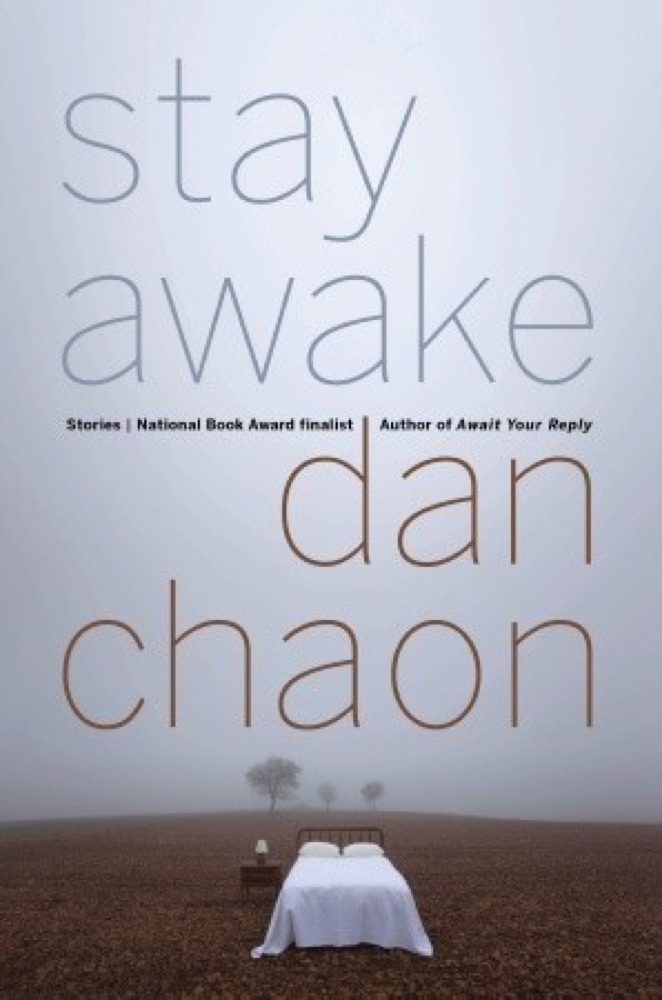 Stay Awake
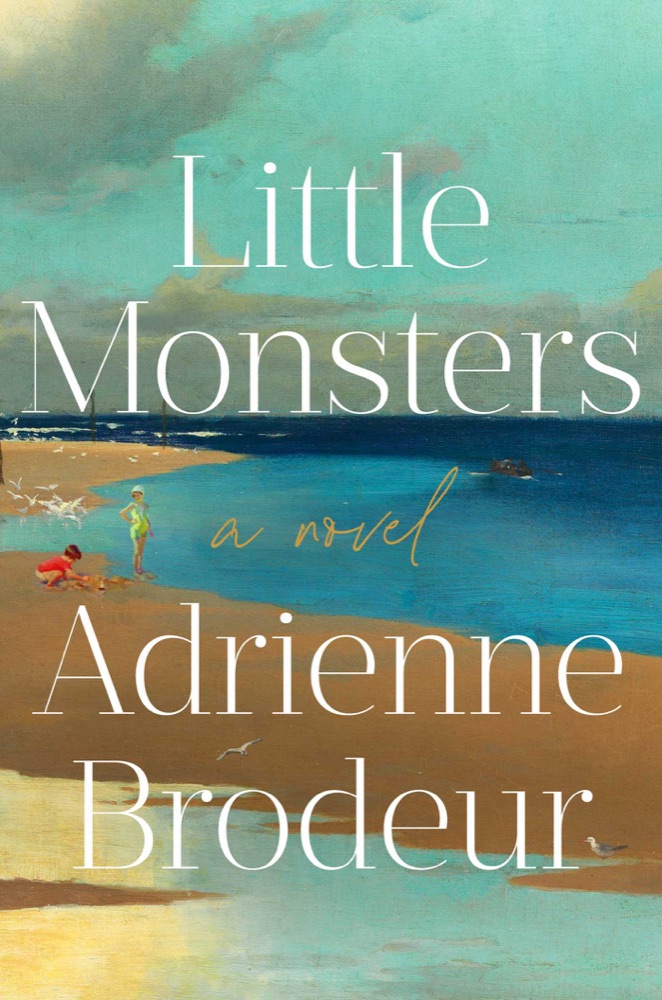 Little Monsters
 Mayflies
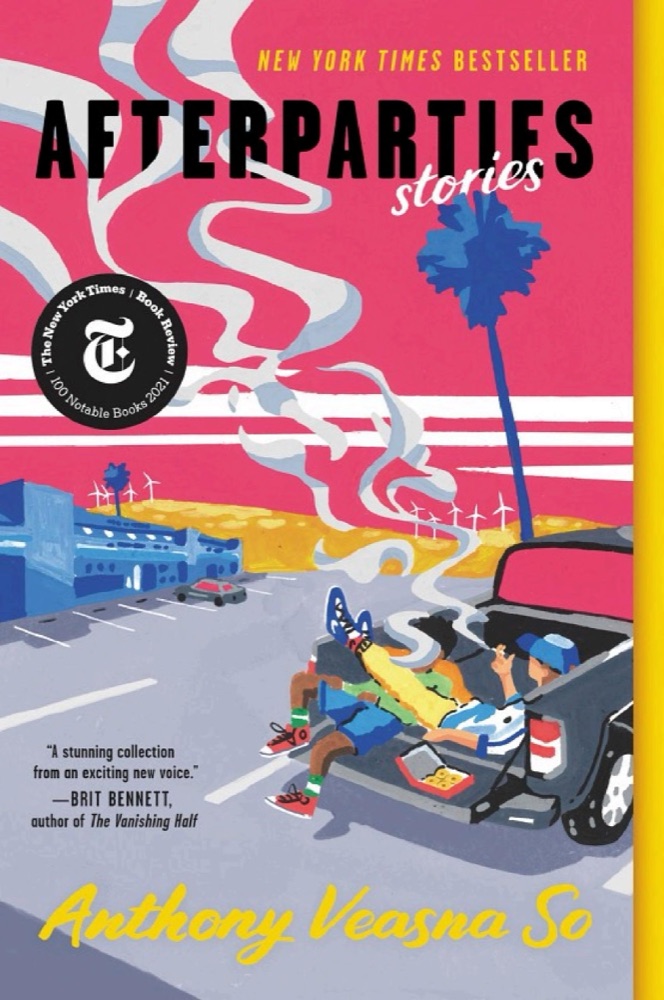 Afterparties
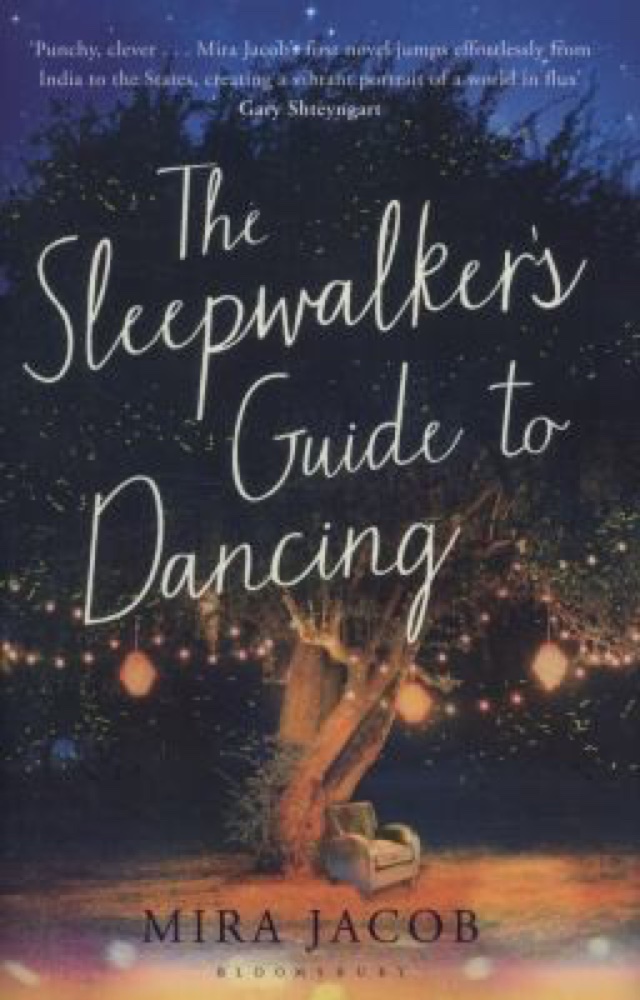 The Sleepwalker's Guide to Dancing
 In the Woods
 The Rachel Incident
 A Dance to the Music of Time: 1st Movement
 The White Album
 The Age of Innocence
 Kids of Appetite
 The Office of Historical Corrections
 What Is Not Yours Is Not Yours
 The Tsar of Love and Techno
 Speedboat
 Underworld
 Hush
Hush
 A Thousand Acres
 The Untouchable
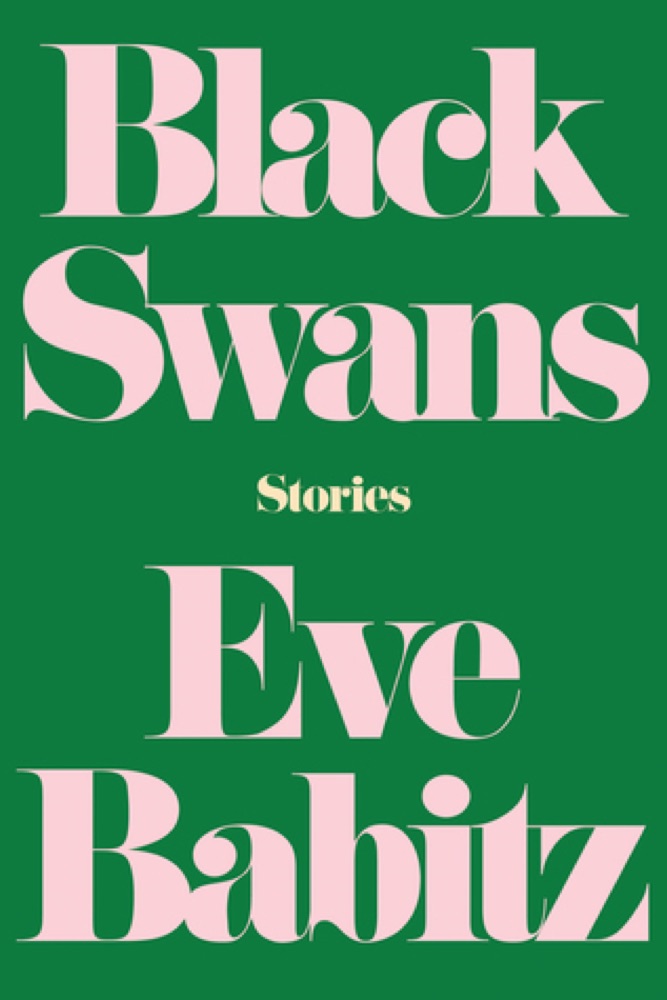 Black Swans
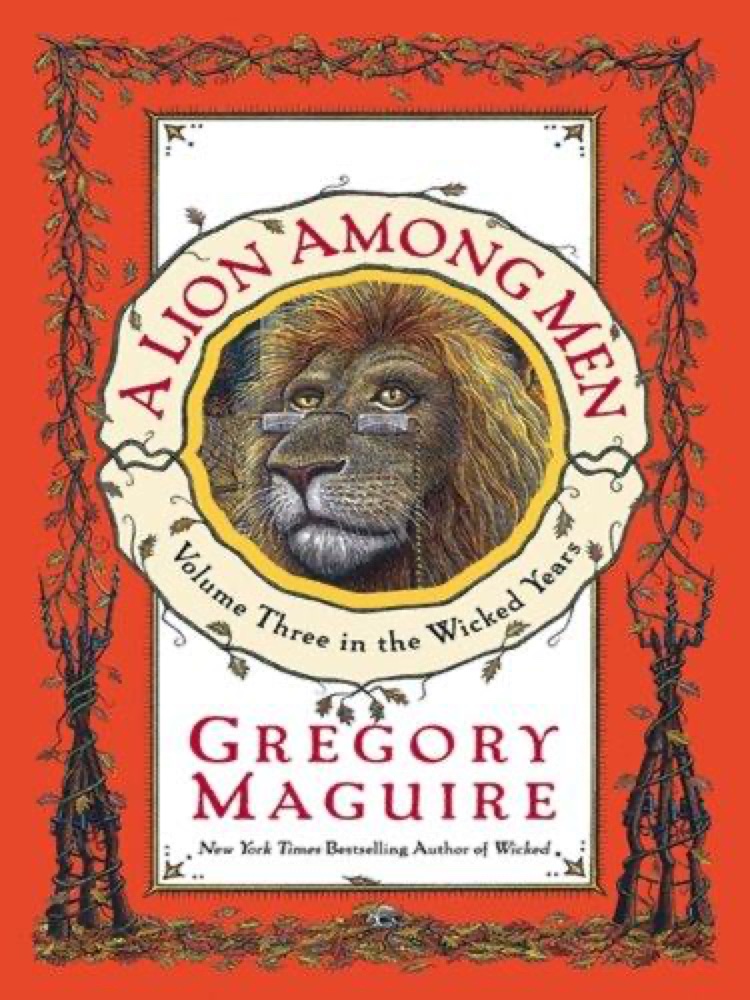 A Lion Among Men
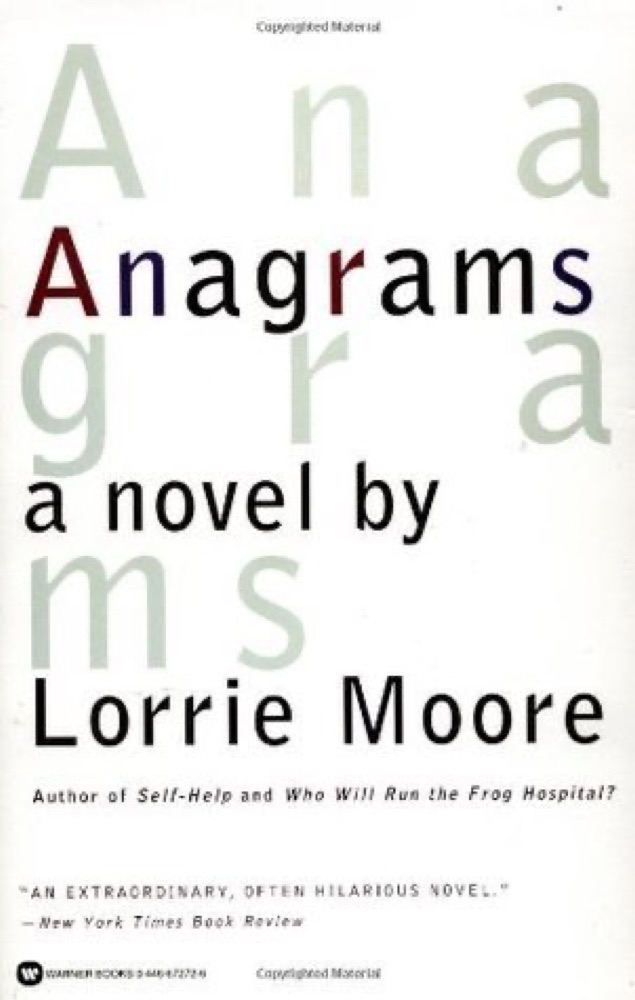 Anagrams
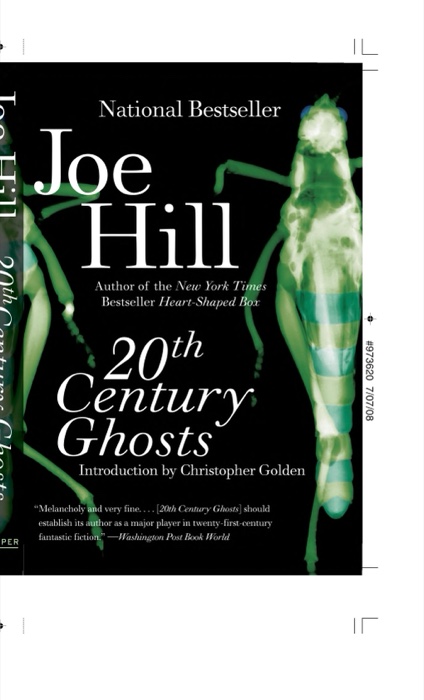 20th Century Ghosts
 The Novel Habits of Happiness
 The Book of Love
 Fire Shut Up in My Bones: A Memoir
 Mislaid
 Brideshead Revisited: The Sacred and Profane Memories of Captain Charles Ryder
 Too Much Happiness: Stories
 The Beginning of Everything
 Sixty Stories
 The Walls Around Us
 Chances Are...
 The Basic Eight
 Lethal White
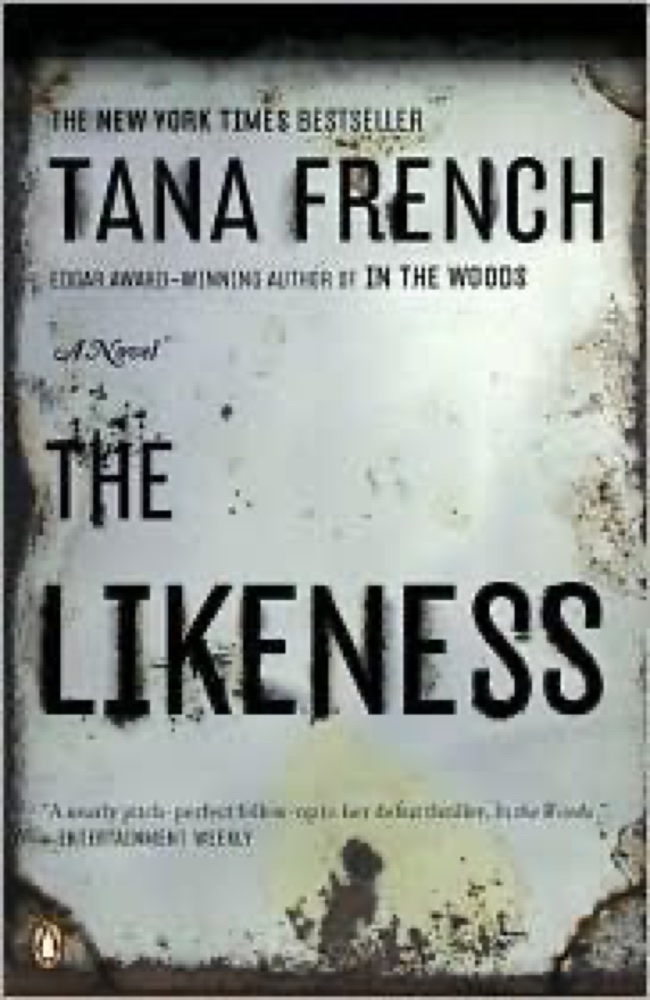 The Likeness
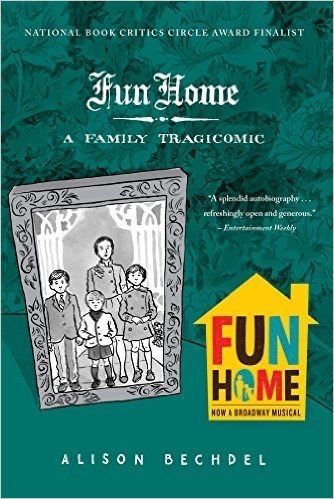 Fun Home: A Family Tragicomic
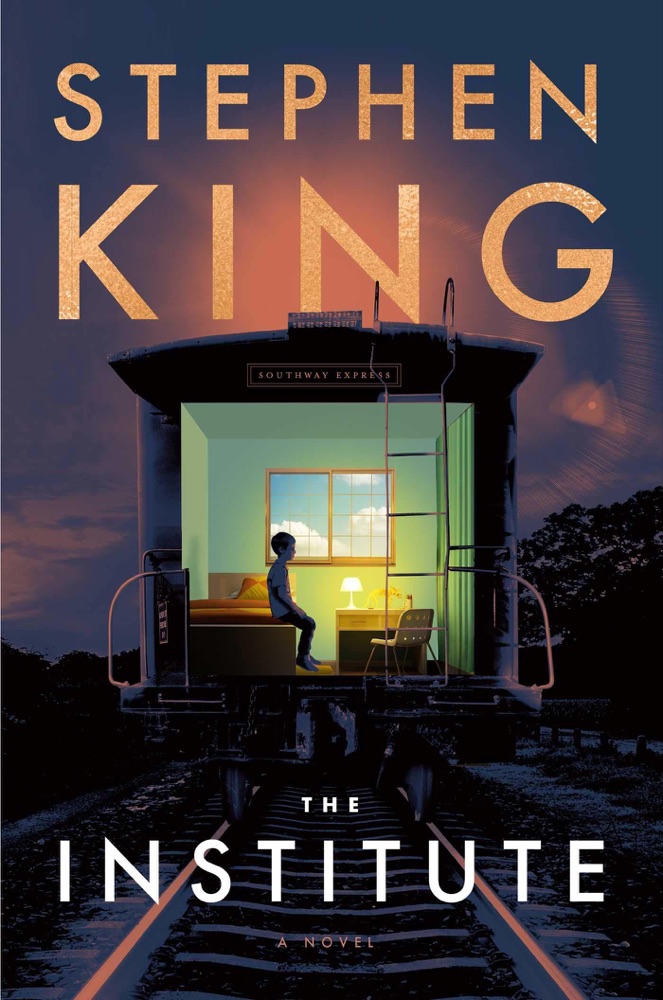 The Institute
 City on Fire
 The Story of a New Name
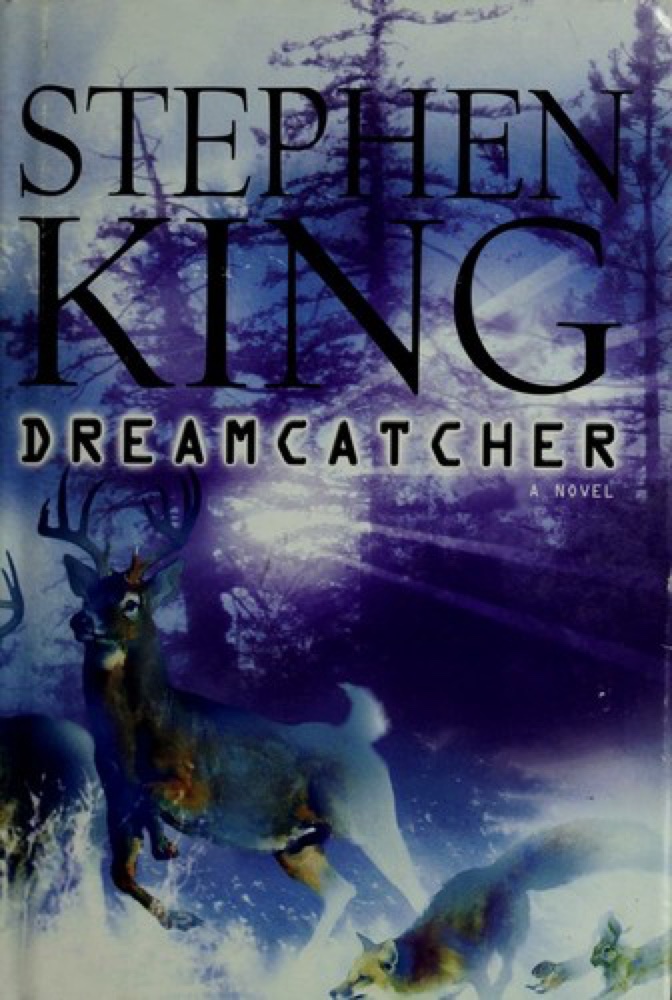 Dreamcatcher
 Girls on Fire
 Little Children
 The Miseducation of Cameron Post
 The Mandarins
 Girl with Curious Hair
 Netherland
 The Secret Place
 Living to Tell the Tale
 Devil House
 Honey
Honey
 Six Years
 The Corrections