
 Paint it Black
Quotes from the Book
Loneliness is the human condition. Cultivate it. The way it tunnels into you allows your soul room to grow. Never expect to outgrow loneliness. Never hope to find people who will understand you, someone to fill that space. An intelligent, sensitive person is the exception, the very great exception. If you expect to find people who will understand you, you will grow murderous with disappointment. The best you'll ever do is to understand yourself, know what it is that you want, and not let the cattle stand in your way.
Always learn poems by heart. They have to become the marrow in your bones. Like fluoride in the water, they'll make your soul impervious to the world's soft decay.
She would be half a planet away, floating in a turquoise sea, dancing by moonlight to flamenco guitar.
Isn't it funny.I'm enjoying my hatred so much more than i ever enjoyed love. Love is temperamental. Tiring. It makes demands. Love uses you, changes its mind. But hatred, now, that's something you can use. Sculpt. Wield. It's hard, or soft, however you need it. Love humiliates you, but Hatred cradles you.
Let me tell you a few things about regret...There is no end to it. You cannot find the beginning of the chain that brought us from there to here. Should you regret the whole chain, and the air in between, or each link separately as if you could uncouple them? Do you regret the beginning which ended so badly, or just the ending itself?
I don't let anyone touch me," I finally said. Why not?" Why not? Because I was tired of men. Hanging in doorways, standing too close, their smell of beer or fifteen-year-old whiskey. Men who didn't come to the emergency room with you, men who left on Christmas Eve. Men who slammed the security gates, who made you love them then changed their minds. Forests of boys, their ragged shrubs full of eyes following you, grabbing your breasts, waving their money, eyes already knocking you down, taking what they felt was theirs. (...) It was a play and I knew how it ended, I didn't want to audition for any of the roles. It was no game, no casual thrill. It was three-bullet Russian roulette.
I know what you are learning to endure. There is nothing to be done. Make sure nothing is wasted. Take notes. Remember it all, every insult, every tear. Tattoo it on the inside of your mind. In life, knowledge of poisons is essential. I've told you, nobody becomes an artist unless they have to.
I imagined the lies the valedictorian was telling them right now. About the exciting future that lies ahead. I wish she'd tell them the truth: Half of you have gone as far in life as you're ever going to. Look around. It's all downhill from here. The rest of us will go a bit further, a steady job, a trip to Hawaii, or a move to Phoenix, Arizona, but out of fifteen hundred how many will do anything truly worthwhile, write a play, paint a painting that will hang in a gallery, find a cure for herpes? Two of us, maybe three? And how many will find true love? About the same. And enlightenment? Maybe one. The rest of us will make compromises, find excuses, someone or something to blame, and hold that over our hearts like a pendant on a chain.
The pearls weren't really white, they were a warm oyster beige, with little knots in between so if they broke, you only lost one. I wished my life could be like that, knotted up so that even if something broke, the whole thing wouldn't come apart.
It's such a liability to love another person.
I regret nothing. No woman with any self-respect would have done less. The question of good and evil will always be one of philosophy's most intriguing problems, up there with the problem of existence itself. I'm not quarreling with your choice of issues, only with your intellectually diminished approach. If evil means to be self-motivated, to live on one's own terms, then every artist, every thinker, every original mind, is evil. Because we dare to look through our own eyes rather than mouth cliches lent us from the so-called Fathers. To dare to see is to steal fire from the Gods. This is mankind's destiny, the engine which fuels us as a race.
I hated labels anyway. People didn't fit in slots--prostitute, housewife, saint--like sorting the mail. We were so mutable, fluid with fear and desire, ideals and angles, changeable as water.
I understood why she did it. At that moment I knew why people tagged graffiti on the walls of neat little houses and scratched the paint on new cars and beat up well-tended children. It was only natural to want to destroy something you could never have.
Women always put men first. That's how everything got so screwed up.
Beauty was deceptive. I would rather wear my pain, my ugliness. I was torn and stitched. I was a strip mine, and they would just have to look. I hoped I made them sick. I hoped they saw me in their dreams.
To know I was beautiful in his eyes made me beautiful.
That was the thing about words, they were clear and specific-chair, eye, stone- but when you talked about feelings, words were too stiff, they were this and not that, they couldn't include all the meanings. In defining, they always left something out.
How vast was a human being's capacity for suffering. The only thing you could do was stand in awe of it. It wasn't a question of survival at all. It was the fullness of it, how much could you hold, how much could you care.
Just because a poet said something didn’t mean it was true, only that it sounded good.
Oleander time, she said. Lovers who kill each other now will blame it on the wind.
...You know the mistrust of heights is the mistrust of self, you don't know whether you're going to jump.
And I realized as I walked through the neighborhood how each house could contain a completely different reality. In a single block, there could be fifty seperate worlds. Nobody ever really knew what was going on just next door.
But I knew one more thing. That people who denied who they were or where they had been were in the greatest danger.
Don't turn over the rocks if you don't want to see the pale creatures who live under them.
Whenever she turned her steep focus to me, I felt the warmth that flowers must feel when they bloom through the snow, under the first concentrated rays of the sun.
If sinners were so unhappy, why would they prefer their suffering? But now I knew why. Without my wounds, who was I?
If I were a poet, that’s what I’d write about. People who worked in the middle of the night. Men who loaded trains, emergency room nurses with their gentle hands. Night clerks in hotels, cabdrivers on graveyard, waitresses in all-night coffee shops. They knew the world, how precious it was when a person remembered your name, the comfort of a rhetorical question, “How’s it going, how’s the kids?” They knew how long the night was. They knew the sound life made as it left. It rattled, like a slamming screen door in the wind. Night workers lived without illusions, they wiped dreams off counters, they loaded freight. They headed back to the airport for one last fare.
When you started thinking it was easy, you were forgetting what it cost.
Panic was the worst thing. When you panicked, you couldn't see possibilities. Then came despair.
Did you know?
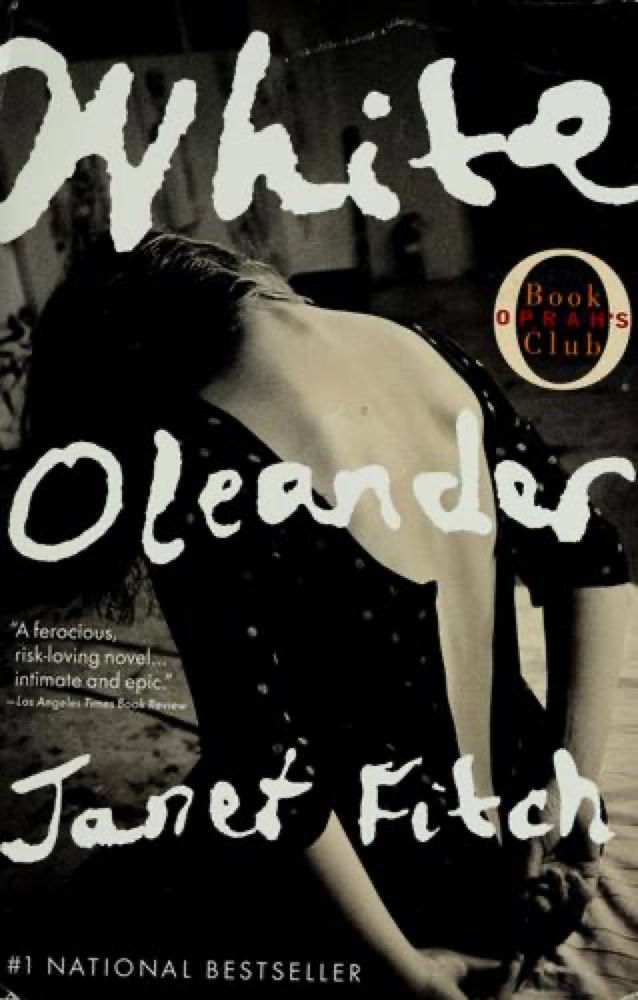
- White Oleander was Janet Fitch's debut novel.
- It was selected for Oprah's Book Club in May 1999, after which it became a national bestseller.
- The book was adapted into a 2002 feature film directed by Peter Kosminsky.
- The film starred Michelle Pfeiffer as Ingrid and Alison Lohman as Astrid, with Robin Wright and Renee Zellweger in supporting roles.
- The title refers to the poisonous oleander flower Ingrid uses to kill her lover.
- Fitch grew up in Los Angeles, the city where the novel is set.
About Janet Fitch
Janet Fitch is an American novelist born in Los Angeles in 1955, a third-generation native who grew up in a family of avid readers and later taught fiction in the Master of Professional Writing Program at the University of Southern California. White Oleander was her debut novel; she also wrote Paint It Black (2007).
More about the author →More by Janet Fitch
Paint it Black
About the book
White Oleander is Janet Fitch's 1999 debut novel, narrated by Astrid Magnussen, the artistic twelve-year-old daughter of Ingrid, a brilliant, beautiful, and fiercely self-possessed poet in Los Angeles. When Ingrid poisons a lover who has betrayed her and is sentenced to life in prison, Astrid's world collapses and she is cast into the foster-care system. The book follows her through a series of foster homes, each its own harsh universe with a new set of laws to learn, as she survives abuse, neglect, and hard-won moments of tenderness while corresponding with her incarcerated mother.
At its heart the novel is a study of the mother-daughter bond and the long, painful work of separating one's own identity from a dominating parent. As Astrid moves between guardians such as the jealous former stripper Starr, the fragile actress Claire, and the tough Russian immigrant Rena, she absorbs contradictory lessons about love, loyalty, sexuality, and betrayal. Fitch threads these episodes with recurring images of the poisonous, beautiful oleander, using art and self-creation as the forces that finally allow Astrid to emerge as her own person.
Chosen for Oprah's Book Club in May 1999, White Oleander became a national bestseller and established Fitch as a major literary voice, praised for prose that reviewers called luminous and poetic. It was adapted into a 2002 feature film starring Michelle Pfeiffer and Alison Lohman, and it remains widely read for its unsparing portrait of resilience and the search for self.
Key characters
- Astrid MagnussenArtistic twelve-year-old narrator who comes of age in foster care
- Ingrid MagnussenAstrid's manipulative poet mother, imprisoned for murder
- StarrFirst foster mother, a former stripper in recovery
- Claire RichardsFragile foster mother and former actress
- Rena GrushenkaAstrid's final foster mother, a Russian immigrant
- Paul TroutArtistic boy Astrid meets and comes to love
- Barry KolkerIngrid's lover whom she poisons
Book details
- First published
- 1999
- Length
- 446 pages
- Reading time
- 8 hours
- Author
- Janet Fitch
- Genre
- Fiction
- Goodreads rating
- 4.00 (370k ratings) →
- First line
- “The Santa Anas blew in hot from the desert, shriveling the last of the spring grass into whiskers of pale straw.”
Movie & TV adaptations
- IMDb
Keep reading
 The Likeness
 Watermelon
 Black Iris
 What I Loved
 Petals on the Wind
 The Year of the Flood
 Norwegian Wood
 Tell No One
 Scar Tissue
 Cat's Eye
 Eleanor Oliphant Is Completely Fine
 Lisey's Story
 When We Were Animals
 Sign Here
 The First Bad Man
 The Gargoyle
 Jazz
Jazz
 Women
Women
 The Woman Destroyed
 In the Woods
 No One Belongs Here More Than You
 The Blind Assassin
 Trust: Betrayed
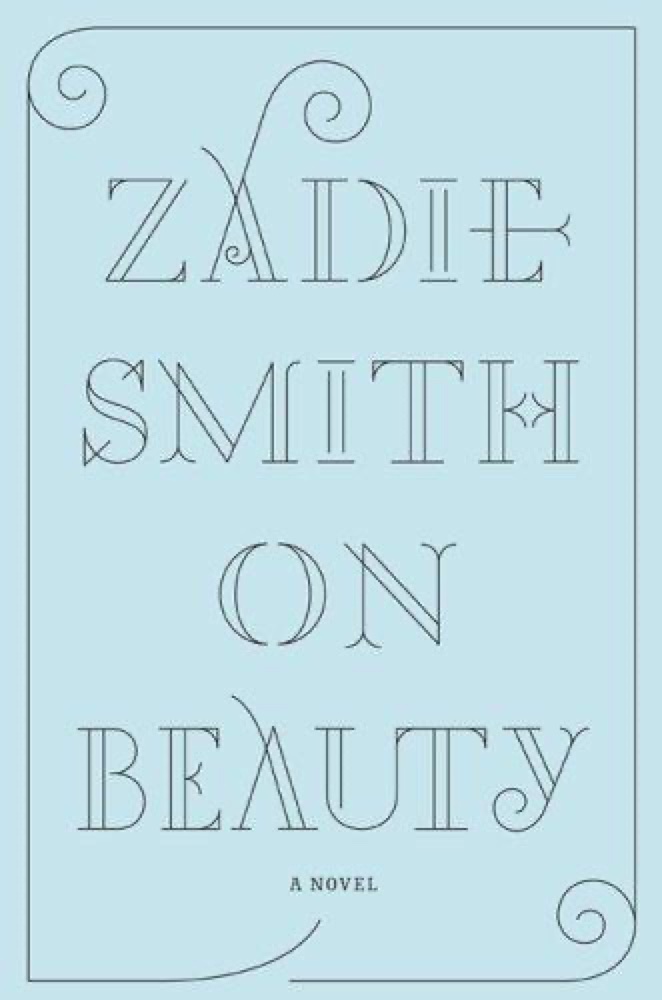 On Beauty
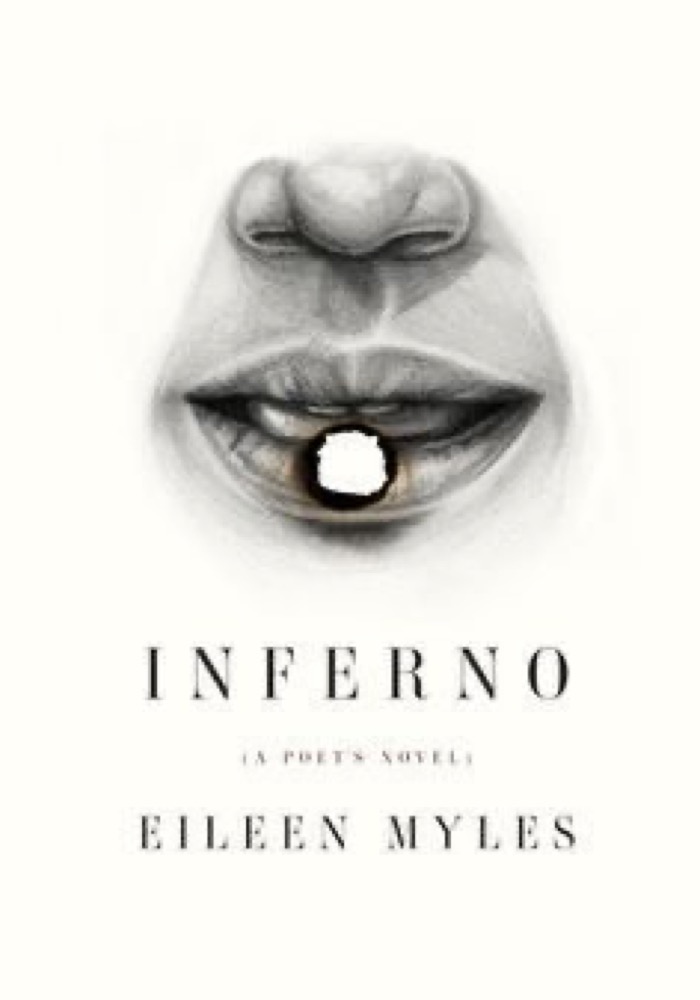 Inferno
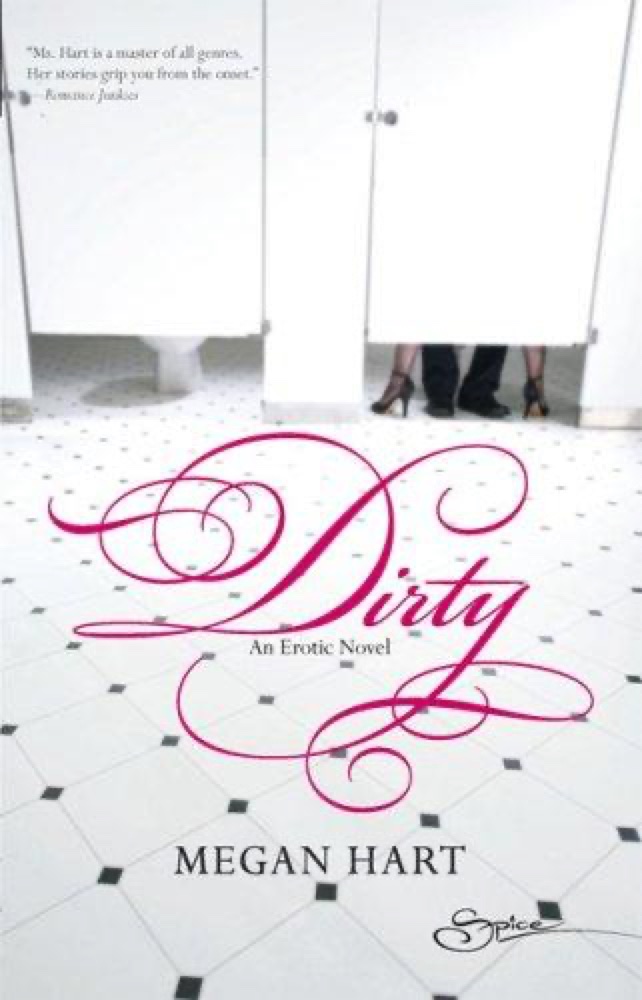 Dirty
Dirty
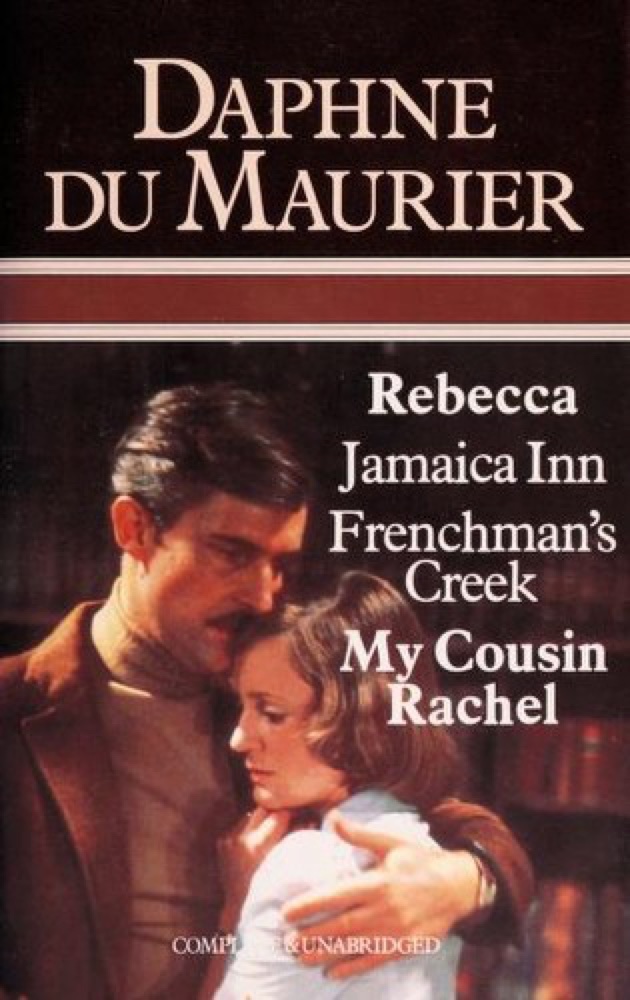 Rebecca
 Incantation
 A Great and Terrible Beauty
 Wide Sargasso Sea
 South of the Border, West of the Sun
 Swimming in the Dark
 Library of Souls
 Breakable
 Oranges Are Not the Only Fruit
 Cerulean Sins
 All the Ugly and Wonderful Things
 And the Mountains Echoed
 Juliet
 The Hazel Wood
 Incubus Dreams
 Beauty and the Mustache
 Middlesex
 A Northern Light
 The Goldfinch
 The Mermaid Chair
 What Is the What
 Fear of Flying
 Burned
 A Fraction of the Whole
 Sexing the Cherry
 The Reader
 A Small Indiscretion
 All Fours
 Under the Udala Trees
 The Pisces
 Little Bee
 Poems, 1962-2012
 The Lies About Truth
 Six Years