
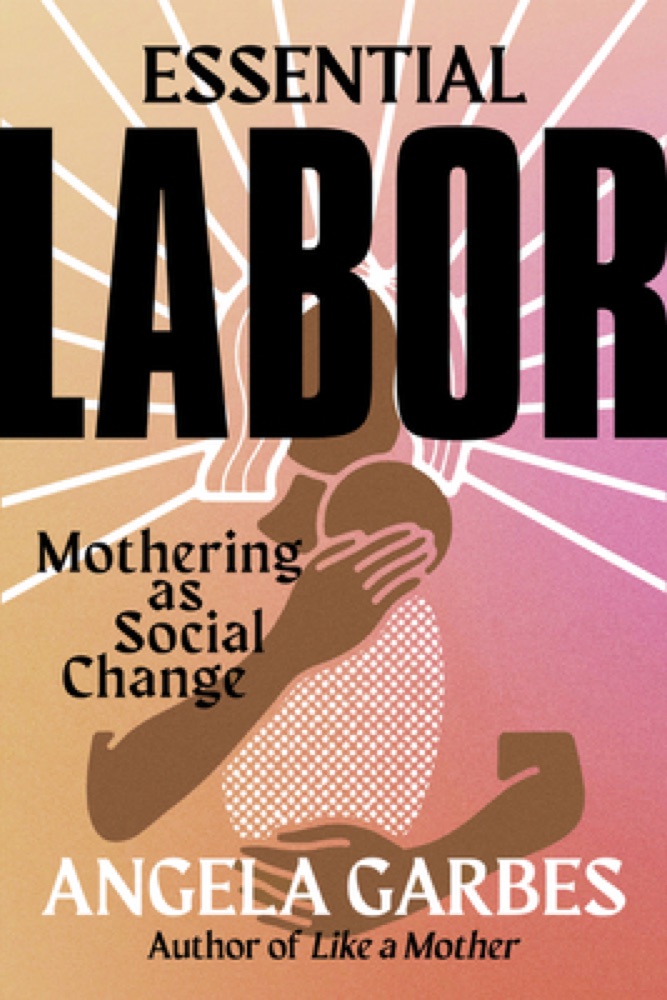
 Essential Labor: Mothering as Social Change
Quotes from the Book
There is no right or wrong way to be pregnant, to become a mother, to make a family. There is only one way—your way, which will inevitably be filled with tears, mistakes, doubt, but also joy, relief, triumph, and love.
6
We are volcanoes,” wrote the American novelist Ursula K. Le Guin. “When we women offer our experience as our truth, as human truth, all the maps change. There are new mountains.
4
According to Hinde, when a baby suckles at its mother's breast, a vacuum is created. Within that vacuum, the infant's saliva is sucked back into the mother's nipple, where receptors in her mammary gland decipher it. This "baby spit backwash," as she delightfully described it, contains signals, information about the baby's immune system-including any infections it might be fighting.
2
Throughout pregnancy, I liked to lie in bed and imagine all the changes happening inside me: cells splitting, fingernails and eyelashes growing, veins spreading, brain and gray matter forming and folding.
2
In pregnancy, developing babies are of the utmost importance, yes. But so are mothers. There are no babies without us. Without being allowed our autonomy–ownership of who we are, messiness, flaws, contradictions, and all–we can begin to fade into the background, a shadow to ourselves and our future children.
2
There is no such standard protocol for the treatment of pelvic floor disorders, which affect up to 1.3 million of the 4 million American women who give birth annually.
1
exclusively on a dozen enslaved women, without the use of anesthesia. Their owners brought these women to Sims, only three of whom—Anarcha, Betsey, and Lucy—were named in his records. Slaves were considered property and, as such, the women were never paid for their participation. Only after mastering his technique (he operated on Anarcha thirteen times) did Sims repair the fistulas of white women, all with anesthesia.
The foundation of the female pelvis is composed of two hip bones, which come together to form a deep bowl that is filled by the uterus, ovaries, bladder, urethra, vagina, and colon.
The origins of the placenta can be traced back to a virus.
Weeks after talking to Kristen Swanson, I couldn't stop thinking about something she said- that birth and life and death exist in women's bodies simultaneously. I picture pregnancy loss as a primordial river rushing through me; it carries forces so big, they eclipse my imagination. It runs through my femoral artery and vena cava, through my spleen, my brain, and the chambers of my heart. At first, this force is strong like rapids, flooding everything. With time it slows, but it never goes away. It rearranges my cells like stones in a riverbed. It never stops running, even after I can no longer see it or feel it.
Scientists know that the majority of pregnancy losses are caused by aneuploidy- chromosomal abnormalities that, for reasons we don't totally understand, result in forms of life that are incapable of being carried to term.
As a result, our culture has adopted the belief that sacrifice and suffering—in silence—are simply the costs of becoming a mother.
Her enthusiasm for the organ is contagious. Enough to convince you that the alphabet posters in kindergarten classrooms should declare that "P" is for 'placenta'...
People look at me weird, or they say something, and I just can’t deal.” How many pregnant women have hidden out in their homes, fearing judgment from others who can’t handle them making decisions about their own bodies?
Eventually, our experiences—with pregnancy loss, labor, birth, and motherhood—will reinforce to us that there is little we actually control.
What I didn’t know then was that due dates are bullshit. Or at least only a very rough idea of when you might give birth. According to the American Pregnancy Association, only about 5 percent of babies are actually born on their estimated due date.
Watch on YouTube
About Angela Garbes
We have collected 30 quotes from 2 books by Angela Garbes on BookQuoters.
More about the author →More by Angela Garbes
Essential Labor: Mothering as Social Change
About the book
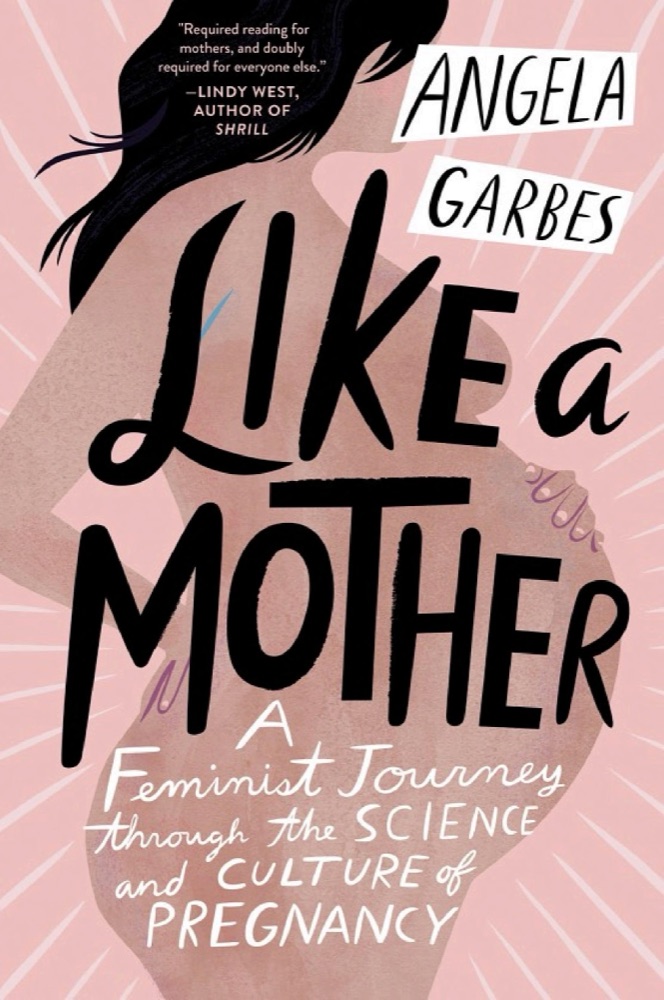
What to read after What to Expect . . . . A badass, feminist, and personal deep-dive into the science and culture of pregnancy and early motherhood that debunks myths and dated assumptions, offering guidance and camaraderie to women navigating one of the biggest and most profound changes in their lives.
Like most first-time mothers, Angela Garbes was filled with questions when she became pregnant. What exactly is a placenta? How does a body go into labor? Why is breast best? What are the signs and effects of post-partum depression?
But as she discovered, it’s not easy to find satisfying answers. Your OB will cautiously quote statistics; online sources will scare you with conflicting and often inaccurate information; and even the most trusted books will offer information with a heavy dose of judgment. To educate herself, the food and culture writer embarked on an intensive journey o
Book details
- First published
- 2018
- Author
- Angela Garbes
- Genre
- Nonfiction
- Goodreads rating
- 4.19 (12k ratings)
Keep reading
 Ina May's Guide to Childbirth
 Delicate Condition
 Constellations
 Woman: An Intimate Geography
 Ladyparts
 Animal: The Autobiography of a Female Body
 Unwell Women: Misdiagnosis and Myth in a Man-Made World
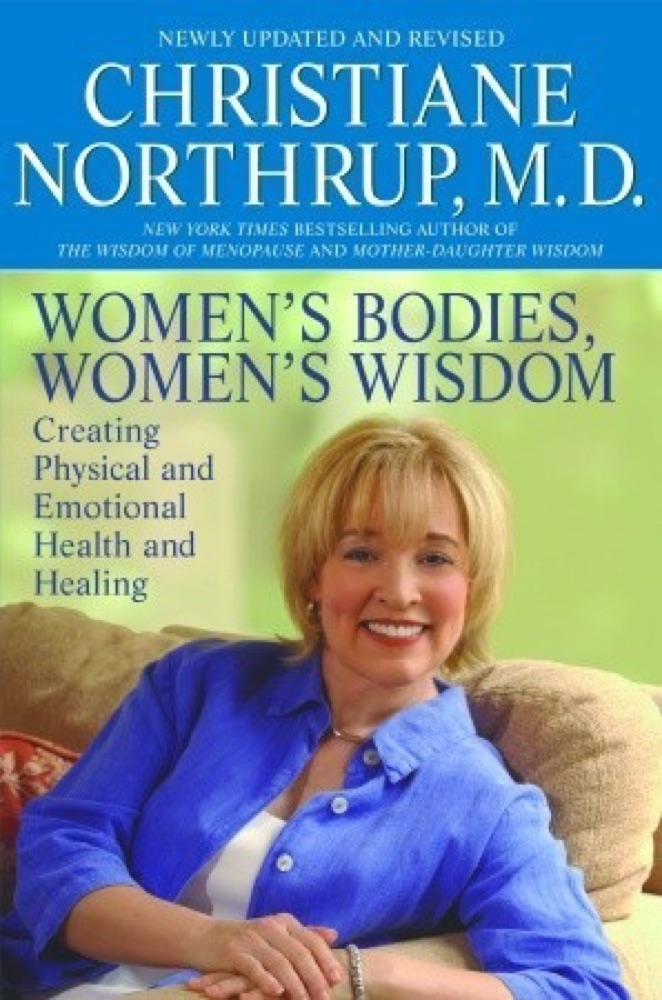 Women's Bodies, Women's Wisdom: Creating Physical and Emotional Health and Healing
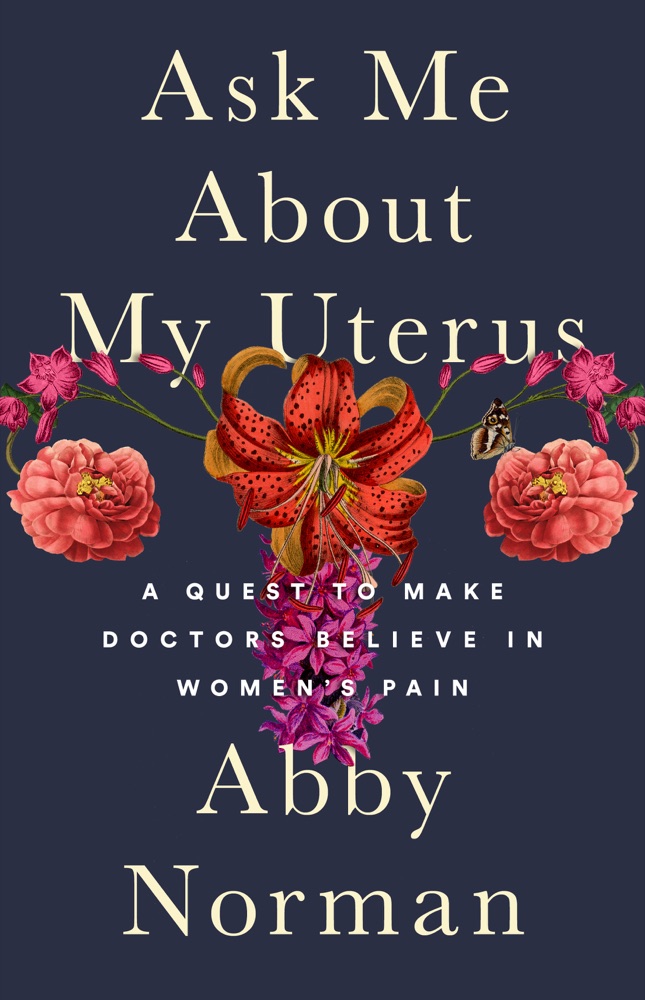 Ask Me About My Uterus: A Quest to Make Doctors Believe in Women's Pain
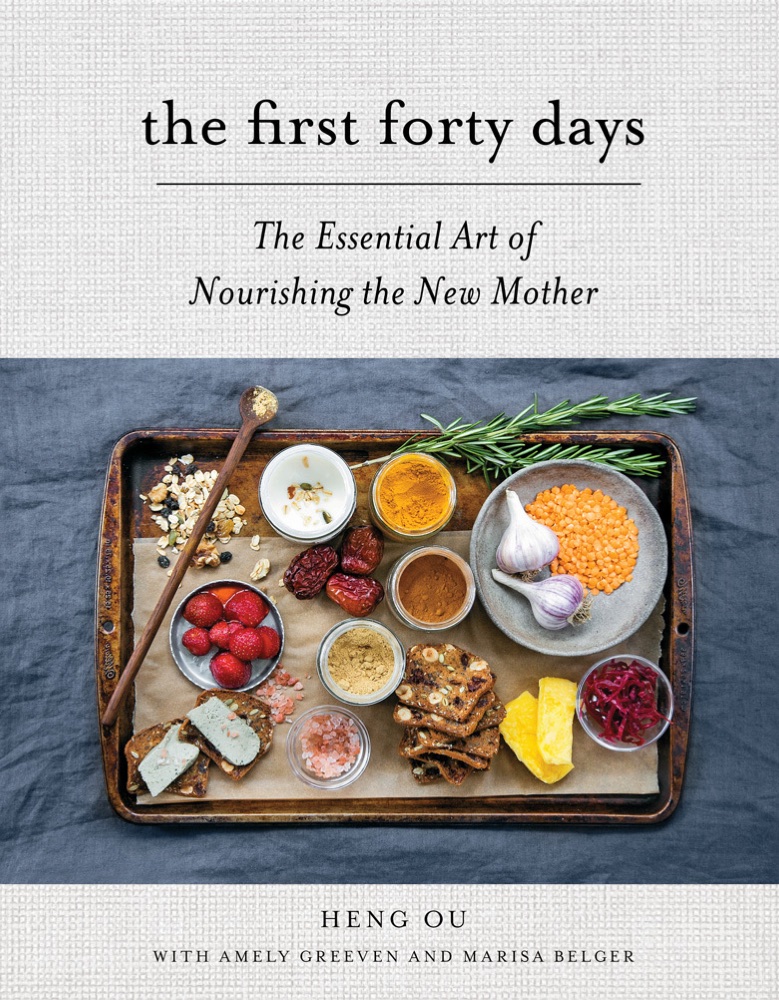 The First Forty Days: The Essential Art of Nourishing the New Mother
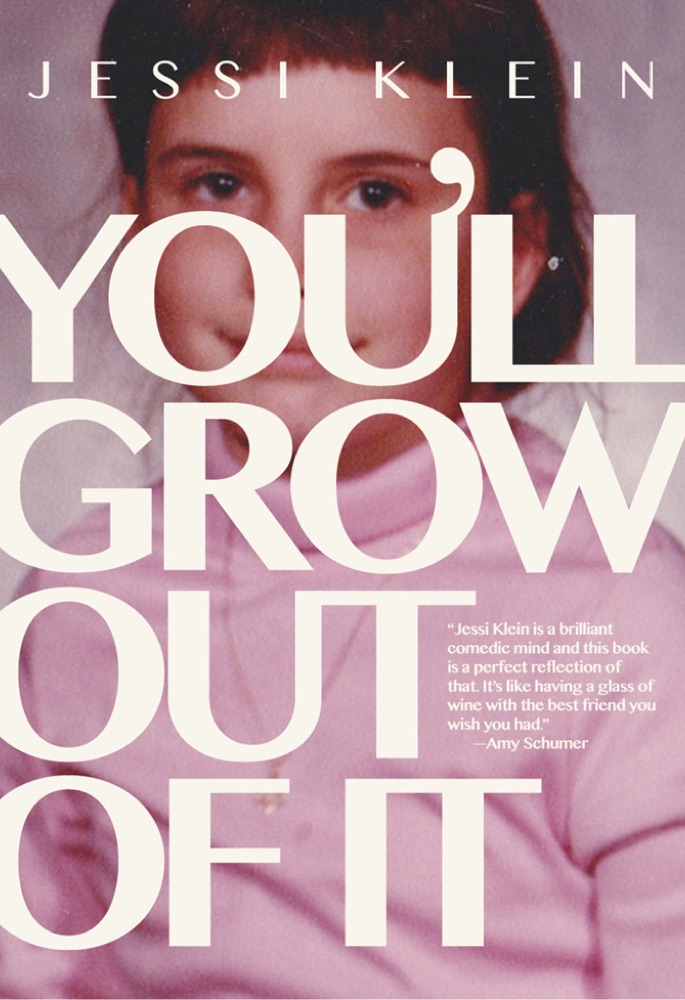 You'll Grow Out of It
 Of Woman Born: Motherhood as Experience and Institution
 To Have and to Hold: Motherhood, Marriage, and the Modern Dilemma
 Motherhood
 Detransition, Baby
 Natural Hospital Birth: The Best of Both Worlds
Essential Labor: Mothering as Social Change
Natural Hospital Birth: The Best of Both Worlds
Essential Labor: Mothering as Social Change
 Nightbitch
 The Push
 Breasts and Eggs
 The Feminine Mystique
 Call the Midwife
 All in Her Head: The Truth and Lies Early Medicine Taught Us About Women’s Bodies and Why It Matters Today
 Joan Is Okay
 Nestlings
 Dear Girls: Intimate Tales, Untold Secrets, & Advice for Living Your Best Life
 Abortion: Our Bodies, Their Lies, and the Truths We Use to Win
 The Vagina Monologues
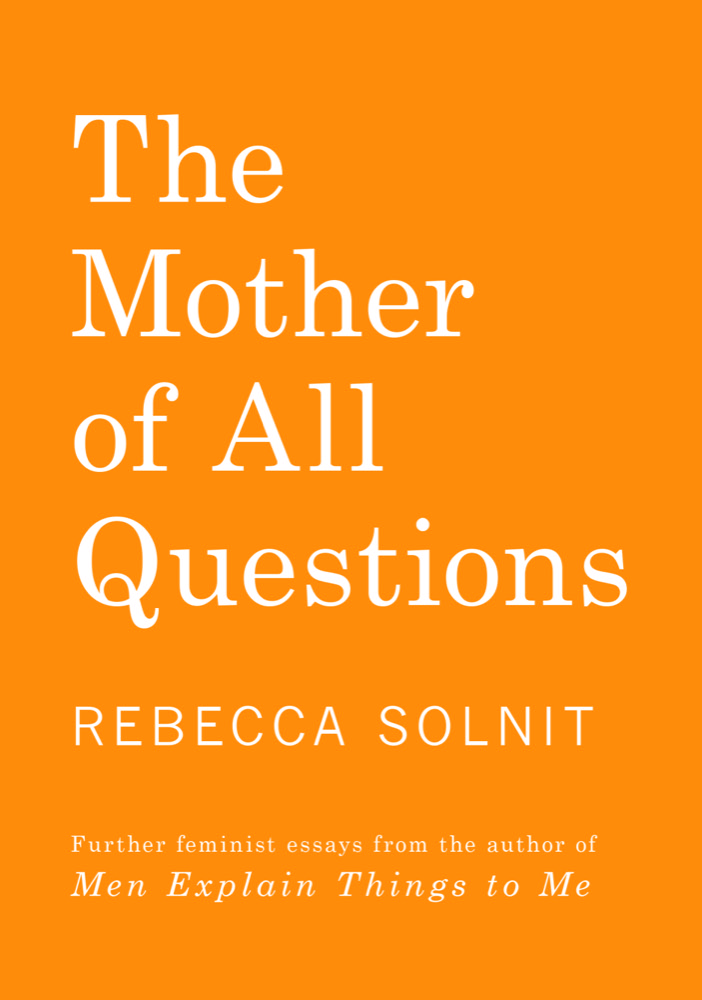 The Mother of All Questions
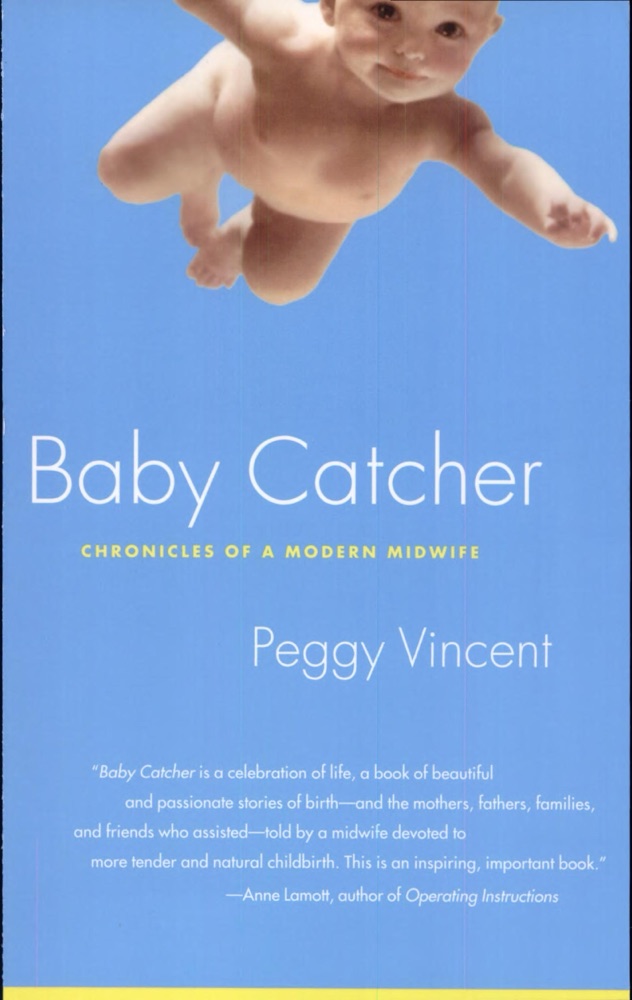 Baby Catcher: Chronicles of a Modern Midwife
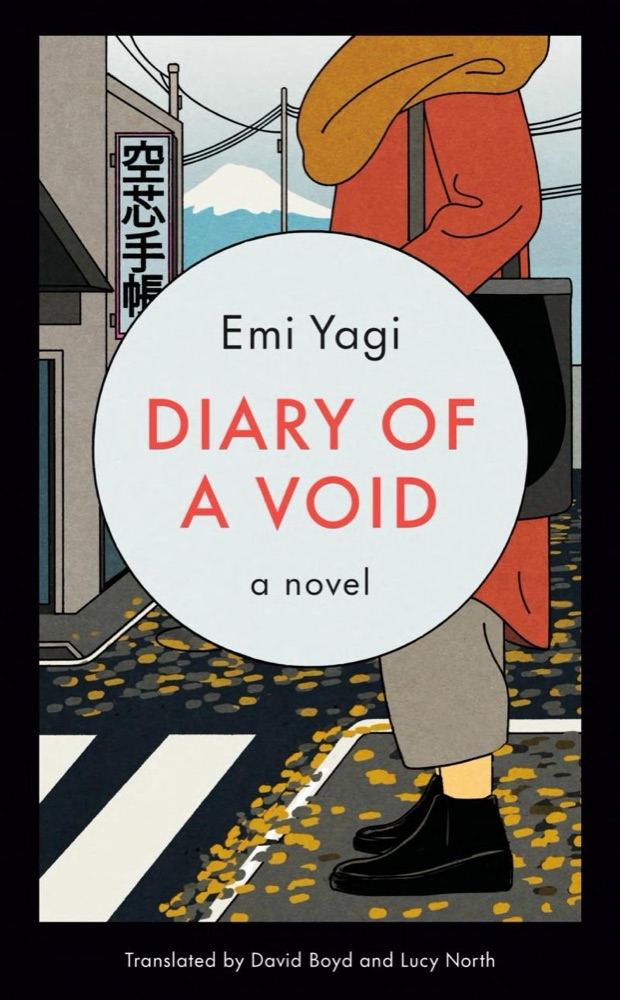 Diary of a Void
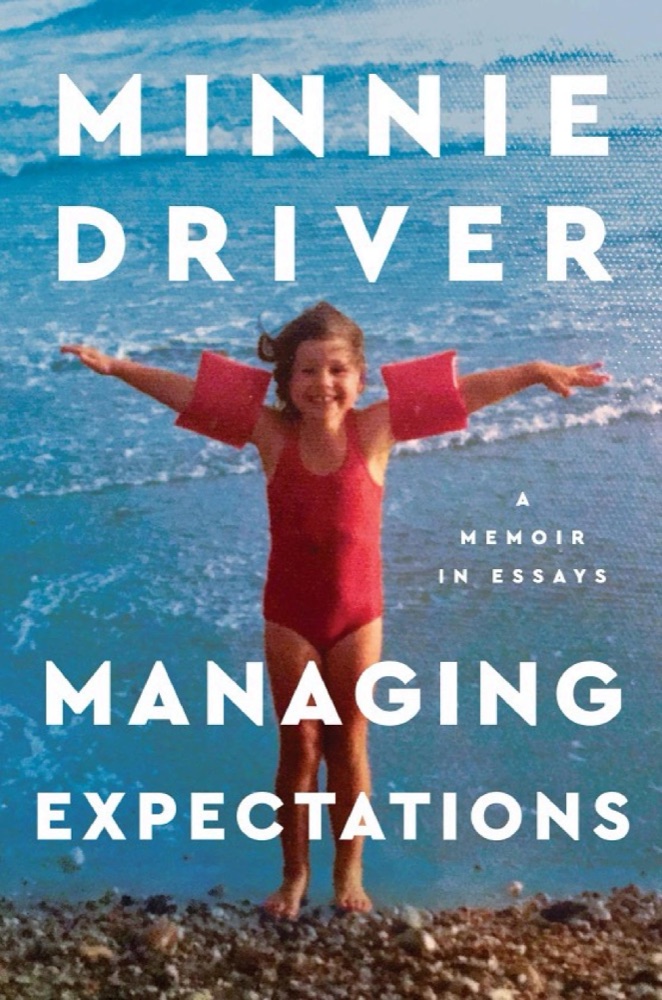 Managing Expectations: A Memoir in Essays – A Poignant Collection of Personal Stories on Acting, Failure, and Motherhood's Joy
 Mad Honey
 Glitter and Glue
 The Soul of a Woman
 The Rules Do Not Apply
 MILF: Motherhood, Identity, Love and F*ckery
 Herland
 The Frozen River
 Doing Harm: The Truth About How Bad Medicine and Lazy Science Leave Women Dismissed, Misdiagnosed, and Sick
 Mr. Splitfoot
 Beautyland
 The Women's Room
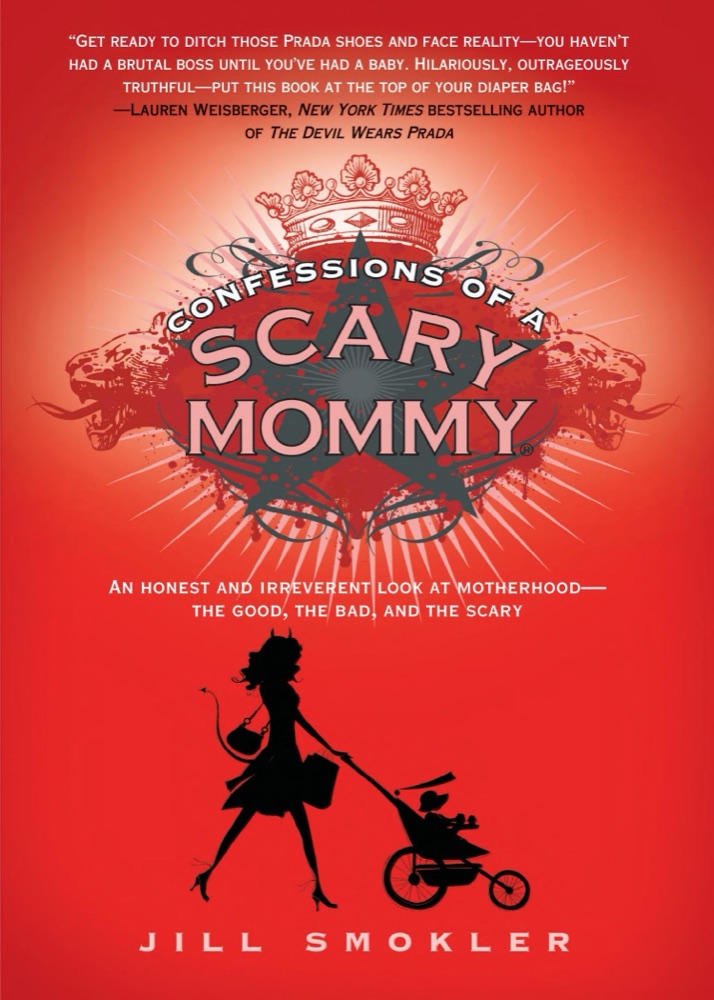 Confessions of a Scary Mommy: An Honest and Irreverent Look at Motherhood - The Good, The Bad, and the Scary
 Old Babes in the Wood: Stories
 Bumped
 A Woman's Worth
 The Birth House
 What Fresh Hell Is This?: Perimenopause, Menopause, Other Indignities, and You
 Thin Girls
 Natural Causes: An Epidemic of Wellness, the Certainty of Dying, and Killing Ourselves to Live Longer
 Come as You Are: The Surprising New Science that Will Transform Your Sex Life
 I Can Barely Take Care of Myself: Tales From a Happy Life Without Kids
 Love, Loss, and What We Ate: A Memoir
 Range of Motion
 Of Women and Salt
 More Than a Woman: A Brutally Honest and Hilarious Feminist Memoir on Parenting, Marriage, and Middle-Age
 All Fours
 In The Blood