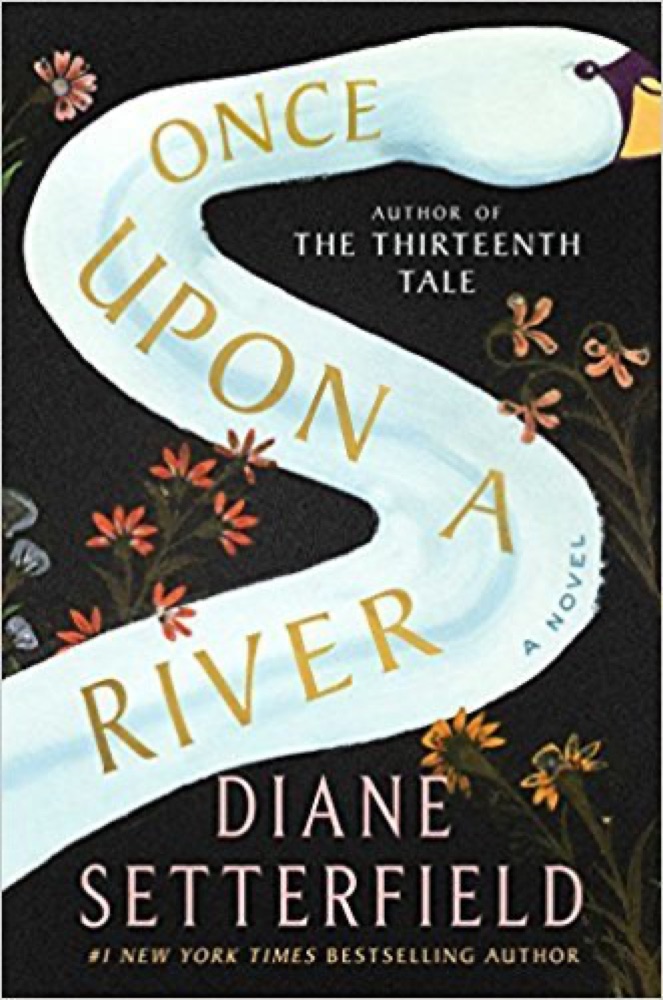
 Once Upon a River
Quotes from the Book
Science doesn't reduce things, or explain mysteries away; it just discovers stranger and stranger things.
6
It's only when you've pieced together a story in several different ways that you realise where the holes are, discover the knowledge that is still missing, the questions you still need to ask.
5
Beyond this point on the river Cambridge became a kind of miniature Venice, its river water lapping up against the ancient stone of college walls, here mottled and reddened brick, there white stone. Stained, lichened, softened by water light. Here the river became a great north-south tunnel, a gothic castle from the river, flanked by locked iron gates, steps leading nowhere, labyrinths, trapdoors, landing stages where barges had unloaded their freight: crates of fine wines, flour, oats, candles, fine meats carried into the damp darkness of college cellars.
3
Isn't it always unfair - death always a kind of outrage? A life ended too soon with jagged and torn edges, a sentence incomplete.
1
I didn't like crab. Not at all. My stepmother had tricked my into eating a crab sandwich once in a cafe in Cromer, told me it was tuna. I'd never forgiven her.
1
Stepping into the smell of a long-abandoned aple crop, Cameron called towards the house, hoping to catch his mother's attention in the window where she would be sitting working
1
The great skill in lying is not lying, you'd say. Just leaving things out. Keeping everything as close to the actual truth as possible. Nothing overblown.
About Rebecca Stott
About the book
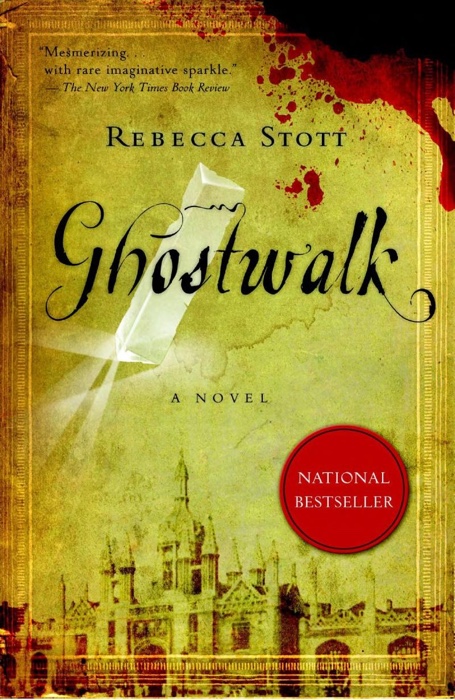
Filled with evocative descriptions of Cambridge, past and present, of seventeenth-century glassmaking, alchemy, the Great Plague, and Newton’s scientific innovations, Ghostwalk centers around a real historical mystery that Rebecca Stott has uncovered involving Newton’s alchemy.
A Cambridge historian, Elizabeth Vogelsang, is found drowned, clutching a glass prism in her hand. The book she was writing about Isaac Newton’s involvement with alchemy—the culmination of her lifelong obsession with the seventeenth century—remains unfinished. When her son, Cameron, asks his former lover, Lydia Brooke, to ghostwrite the missing final chapters of his mother’s book, Lydia agrees and moves into Elizabeth’s house—a studio in an orchard where the light moves restlessly across the walls. Soon Lydia discovers that the shadow of violence that has fallen across present-day Cambridge, which escalates to
Book details
- First published
- 2007
- Author
- Rebecca Stott
- Genre
- Fiction
- Goodreads rating
- 3.08 (4k ratings)
Keep reading
Once Upon a River
 Truly, Devious
 The Novel Habits of Happiness
 The Aosawa Murders
 Bluebeard's Egg
 Greenglass House
 The Secret History
 The Lighthouse Witches
 Sometimes a Great Notion
 The Cat's Table
 The Book of Love
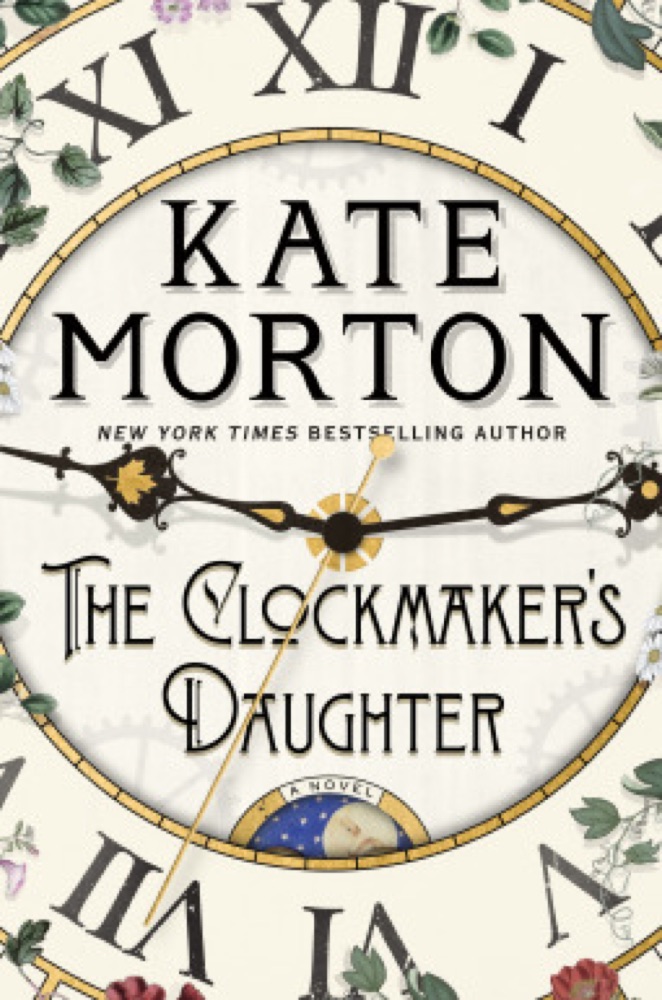 The Clockmaker's Daughter
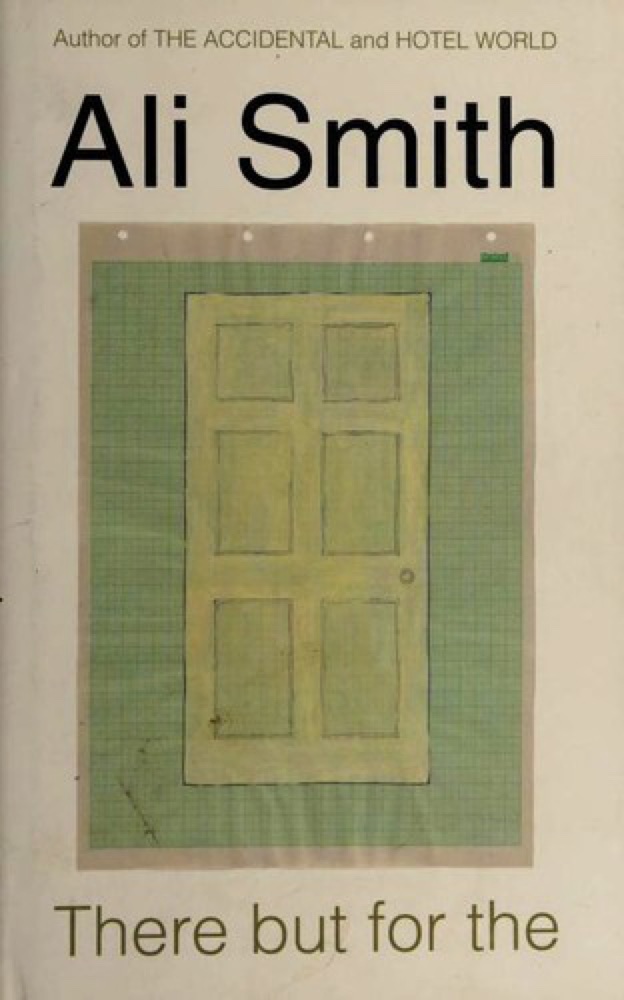 There but for the
 Speaking from Among the Bones
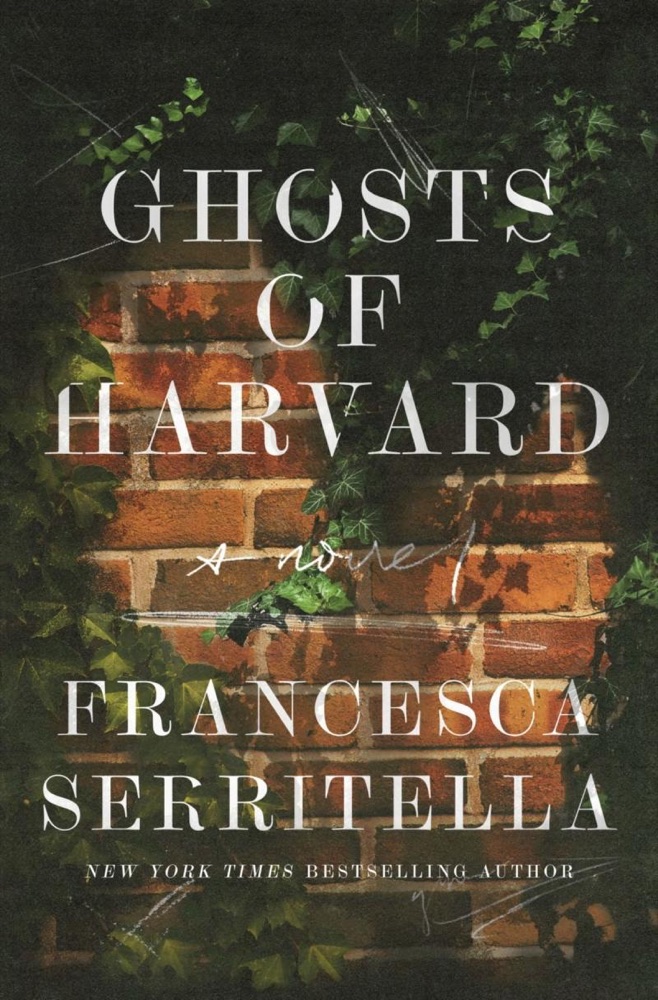 Ghosts of Harvard
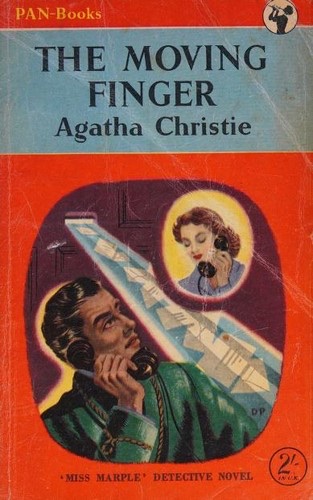 The Moving Finger
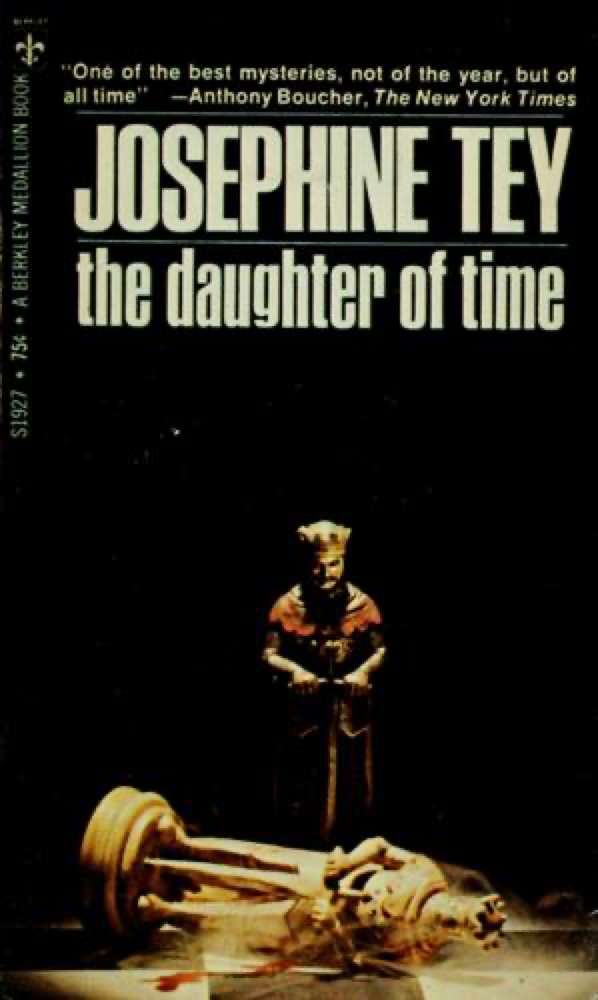 The Daughter of Time
 The Ghost
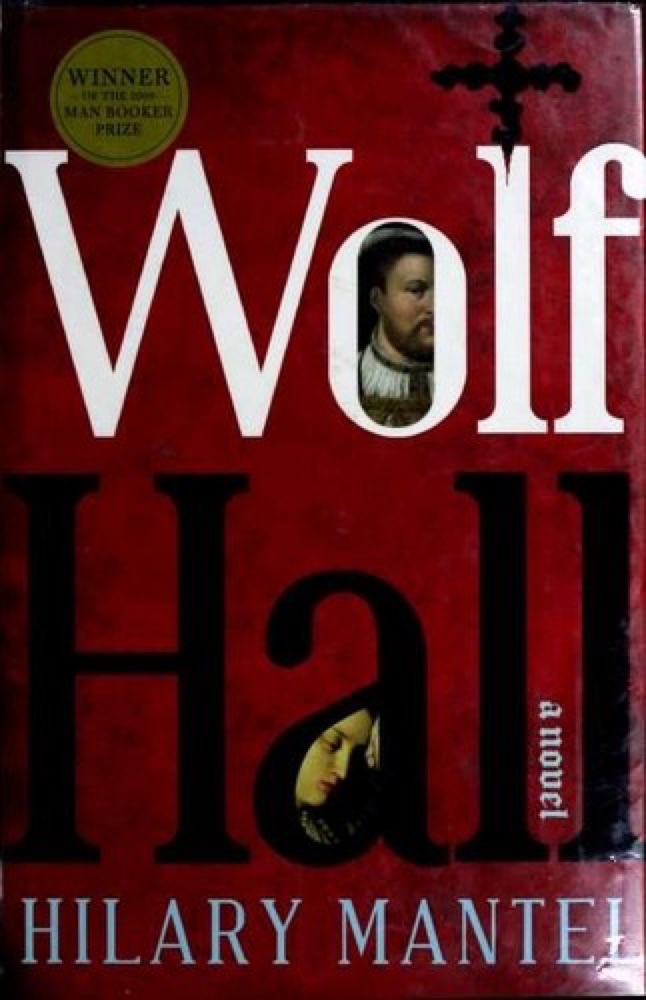 Wolf Hall
 Sixty Stories
 Fellside
 The Art of Inheriting Secrets
 Too Much Happiness: Stories
 Dirk Gently's Holistic Detective Agency
 MaddAddam
 The Confessions of Frannie Langton
 Parade
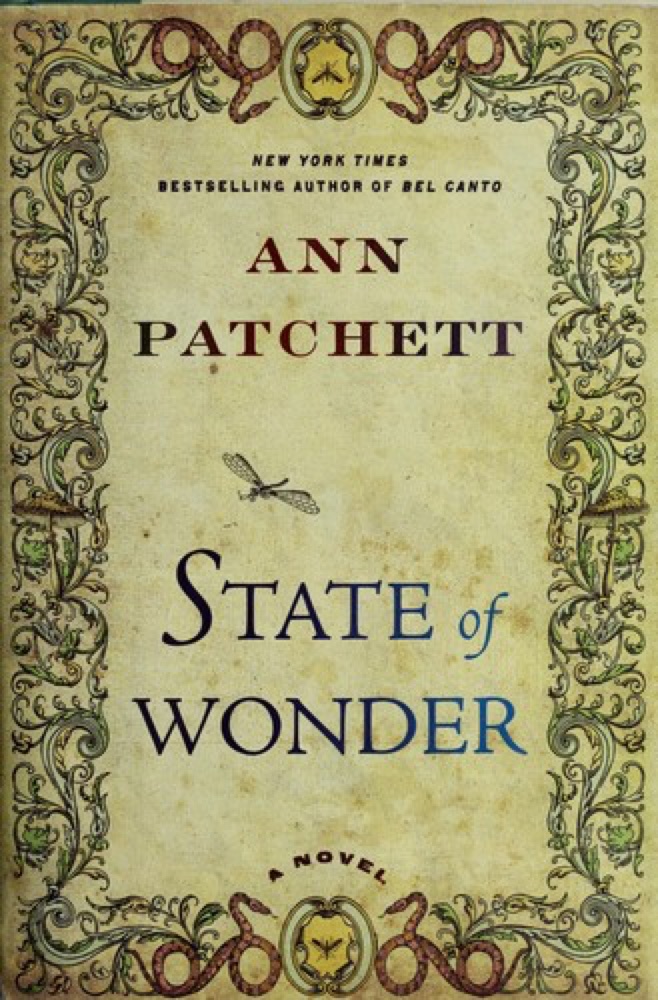 State of Wonder
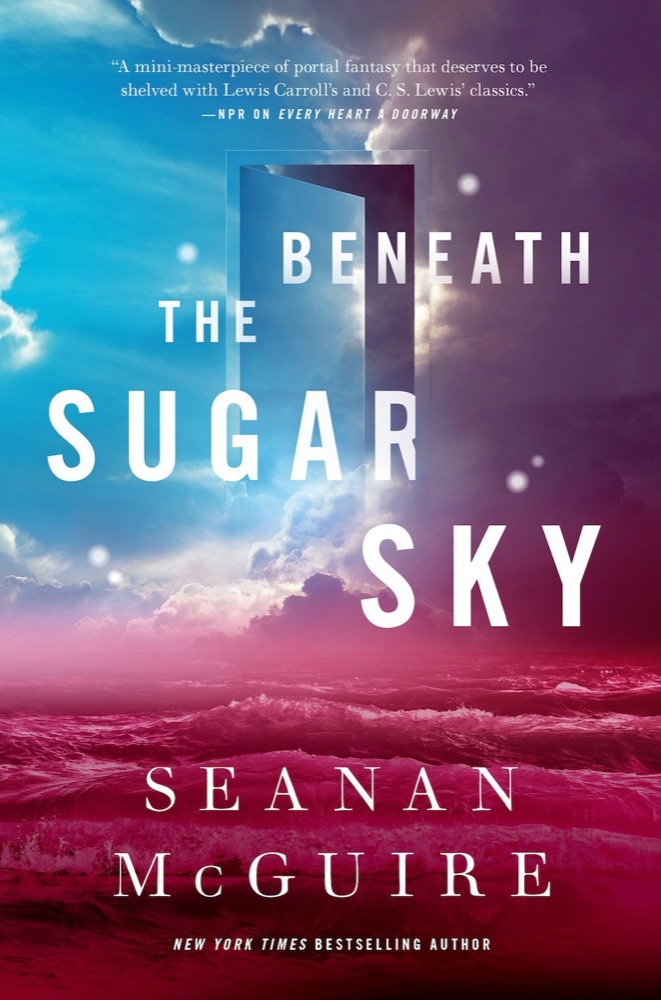 Beneath the Sugar Sky
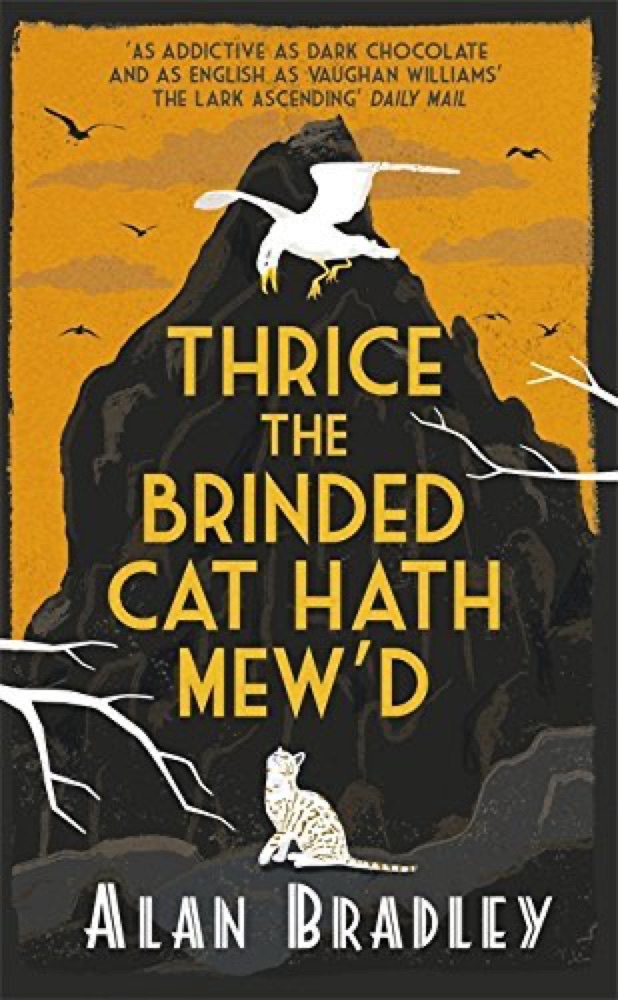 Thrice the Brinded Cat Hath Mew'd
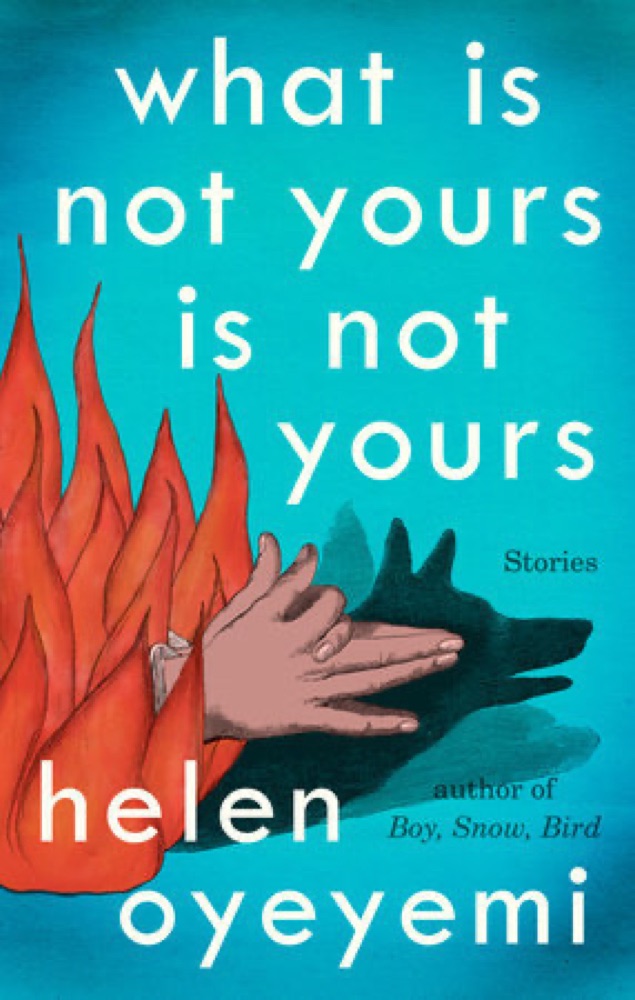 What Is Not Yours Is Not Yours
 The Hidden Girl and Other Stories
 Authority
 Case Histories
 The Golden Tresses of the Dead
 Palimpsest
 The Last Continent
 The Absolute Book
 The Nobodies Album
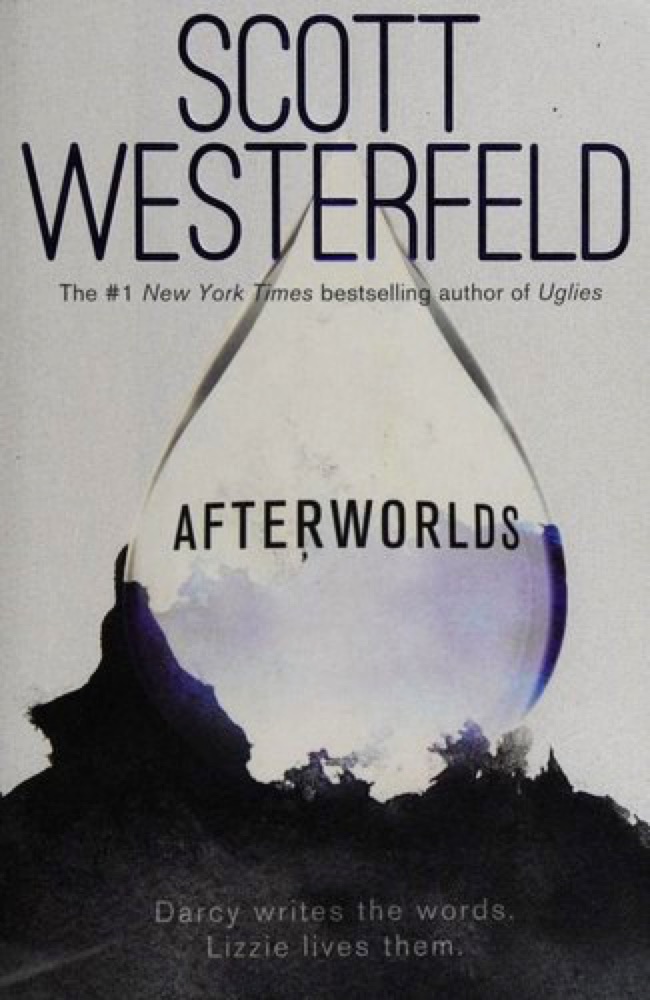 Afterworlds
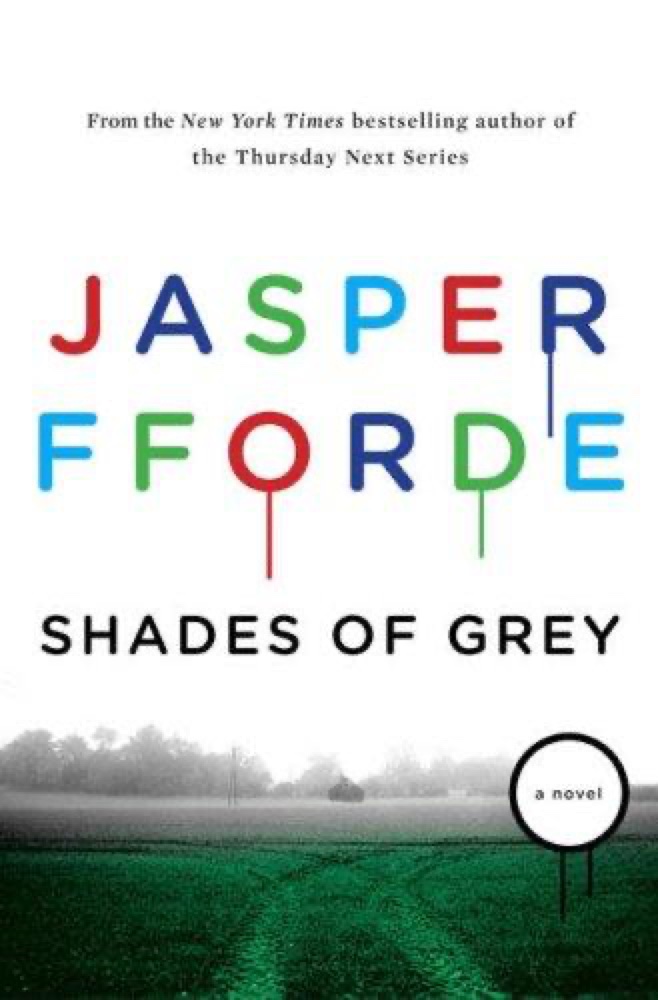 Shades of Grey
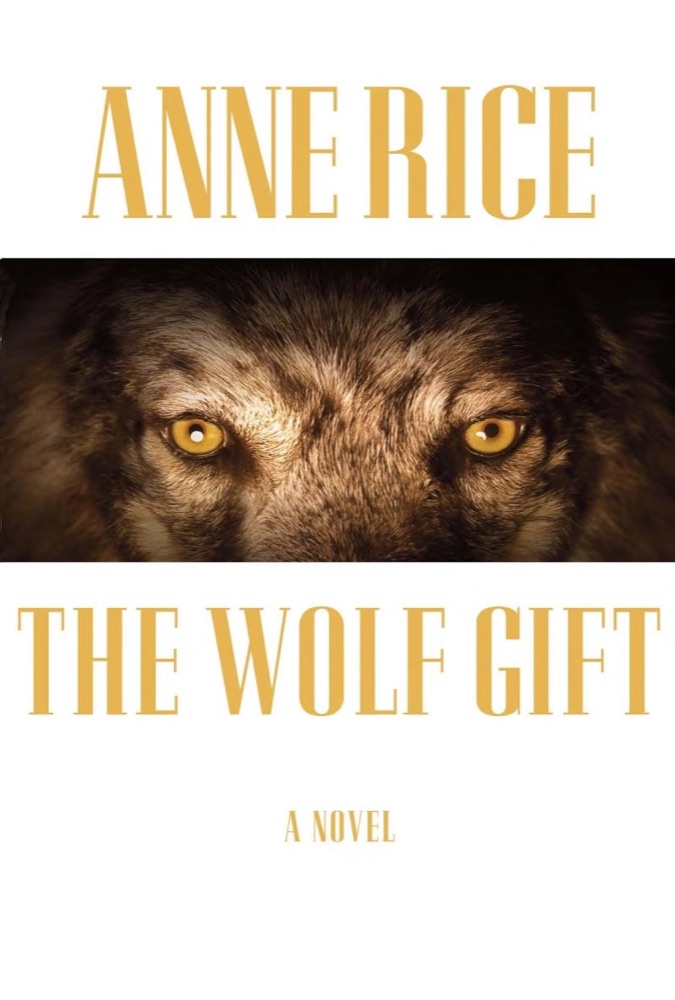 The Wolf Gift
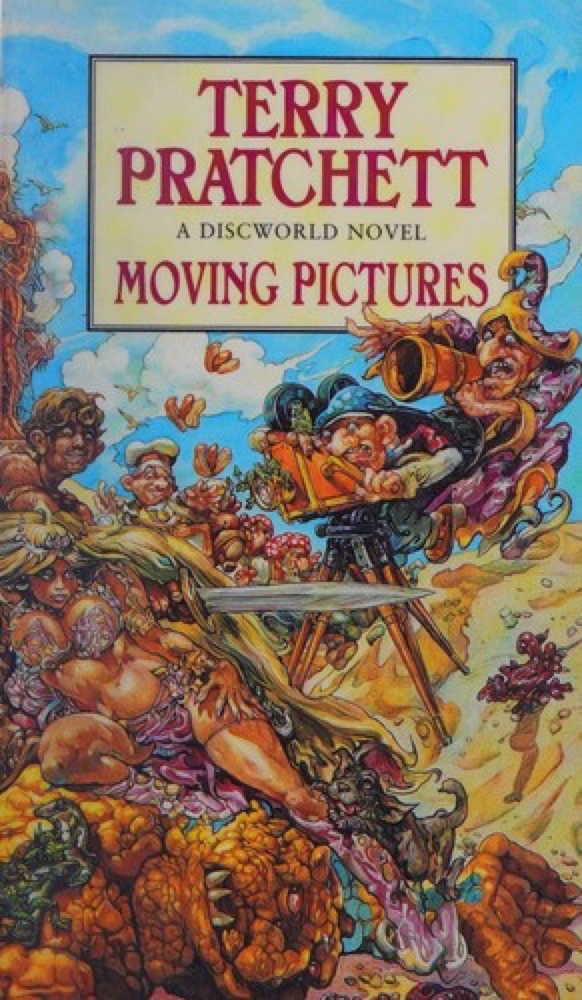 Moving Pictures
 The Eyre Affair
 Old Babes in the Wood: Stories
 Keeper of Enchanted Rooms
 The Shipping News
 Giving Up the Ghost
 Before the Frost
 Familiaris
 Thrust
 The Daughters of Temperance Hobbs
 The Carnivorous Carnival
 The Story of Edgar Sawtelle
 The Murder of Roger Ackroyd
 The High Mountains of Portugal
 Experimental Film
 Warlight
 Equal Rites
 How to be Both