
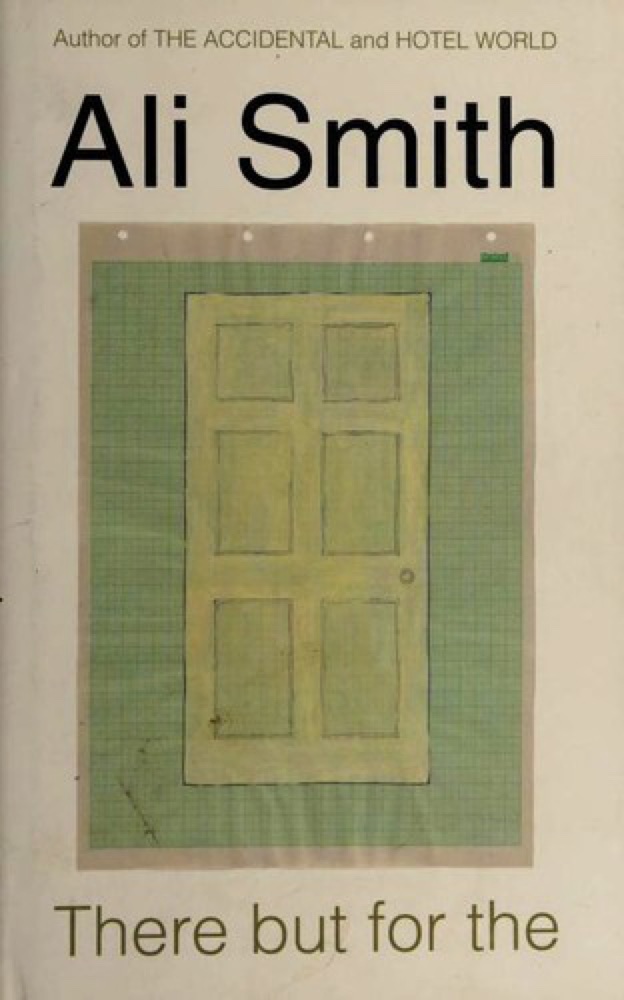
 There but for the
Quotes from the Book
Art makes nothing happen in a way that makes something happen.
47
Girl : do you hear me? cause although it seemed to be the end of the world to me - it wasn't. There was a lot more world : cause roads that look set to take you in one direction will sometimes twist back on themselves without ever seeming anything other than straight, ... many things get forgiven in the course of a life : nothing is finished or unchangeable except death and even death will bend a little if what you tell of it is told right.
36
Cause nobody's the slightest idea who we are, or who we were, not even we ourselves - except, that is, in the glimmer of a moment of fair business between strangers, or the nod of knowing and agreement between friends. Other than these, we go out anonymous into the insect air and all we are is the dust of colour, brief engineerings of wings towards a glint of light on a blade of grass or a leaf in a summer dark.
29
... always looking off to the side. But that's good too. It's good, to be seen past, as if you're not the only one, as if everything isn't happening just to you. Because you're not. And it isn't.
25
I forgive. Cause nobody knows us : except our mothers, and they hardly do (and also tend disappointingly to die before they ought). Or our fathers, whose failings while they’re alive (and absences after they’re dead) infuriate. Or our siblings, who want us dead too cause what they know about us is that somehow we got away with not having to carry the bricks and stones like they did all those years. Cause nobody’s the slightest idea who we are, or who we were, not even we ourselves – except, that is, in the glimmer of a moment of fair business between strangers, or the nod of knowing and agreement between friends. Other than these, we go out anonymous into the insect air and all we are is the dust of colour, brief engineering of wings towards a glint of light on a blade of grass or a leaf in a summer dark.
22
All we are is eyes looking for the unbroken or the edges where the broken bits might fit each other.
20
It was all : it was nothing : it was more than enough.
20
When you've nothing, at least you've all of it.
19
And which comes first? her unbearable mother is saying. What we see or how we see it?
15
How are you feeling? Mrs Rock said. I'm okay, George said. I think it's because I don't think I am. You're okay because you don't think you're okay? Mrs Rock said. Feeling, George said. I think I'm okay because I don't think I'm feeling.
13
Or perhaps it is just that George has spent proper time looking at this one painting and that every single experience of looking at something would be this good if she devoted time to everything she looked at.
13
I want to be bored. But I can't. But I really don't want to be this thing that I'm having to be instead of being bored.
13
Finally she lets herself think about how it feels: to be so frightened that you almost can't breathe to speed so fast and be so completely out of control to know the meaning of helplessness to spin across a shining space knowing any moment you might end up hurt, but likewise, all the same, like plus wise you just might not.
11
Imagine if you made something and then you always had to be seen through what you'd made, as if the thing you'd made became you.
10
So always risk your skin, she said, and never fear losing it, cause it always does some good one way or another when the powers that be deign to take it off us.
10
beauty in its most completeness is never found in a single body but is something shared instead between more than one body.
9
It is like everything in layers. Things happen right at the front of the pictures and at the same time they continue happening, both separately and connectedly, behind, and behind that, and again behind that, like you can see, in perspective, for miles. Then there are the separate details, like that man with the duck. They're all also happening on their own terms. The picture makes you look at both--the close-up happenings and the bigger picture. Looking at the man with the duck is like seeing how everyday and how almost comic cruelty is. The cruelty happens in among everything else happening. It is an amazing way to show how ordinary cruelty really is.
7
Where’d it go? I said. Where’d what go? She said. The ring, I said. What ring? She said. She got straight down and looked in the pool : she saw the winged thing. That’s not a ring, she said. That’s a seed. I told her what happened : she laughed. Oh, she said. That sort of ring. I thought you meant a ring for a finger, like a wedding ring or a gold ring. My eyes filled with tears and she saw. Why are you crying? She said. Don’t cry. Your sort of ring is much better than those. It went, I said. It’s gone. Ah, she said. Is that why you’re crying? But it hasn’t gone at all. And that’s why it’s better than gold. It hasn’t gone, it’s just that we can’t see it any more. In fact, it’s still going, still growing. It’ll never stop going, or growing wider and wider, the ring you saw. You were lucky to see it at all. Cause when it got to the edge of the puddle it left the puddle and entered the air instead, it went invisible. A marvel. Didn’t you feel it go through you? No? But I did, you’re inside it now. I am too. We both are. And the yard. And the brickpiles. And the sandpiles … See how far your eye can go. … It’s passing through them and nothing and nobody will feel a thing but there it is doing it nonetheless. … The ring you saw in the water’ll never stop travelling till the edge of the world and then when it reaches the edge it’ll go beyond that too. Nothing can stop it.
7
No one remembering that old man. Except, I just did, there
6
there were yellow flowers dropping off the trees : they landed with a sound : who knew flowers had a voice?
4
it’s the best fish I’ve ever caught, that fish I didn’t catch, cause it’s a fish that will always be with me now and never be eaten, it’ll never die, that fish I’ll never land.
4
Because, George thought as she sat there with her eyes closed back before Christmas in Mrs Rock's self-consciously comfortable chair in the counselling office, how can it be that there's an advert on TV with dancing bananas unpeeling themselves in it and teabags doing a dance, and her mother will never see that advert? How can that advert exist and her mother not exist in the world? She didn't say it out loud, though, because there wasn't a point. It isn't about saying. It is about the hole which will form in the roof through which the cold will intensify and after which the structure of the house will begin to shift, like it ought, and through which George will be able to lie every night in bed watching the black sky.
4
when the boy sits up, ... , holds his holy votive tablet up with both hands as if to heaven, up at the level of his head like a priest raising the bread, cause this place is full of people who have eyes and choose to see nothing, who all talk into their hands as they peripatate and carry these votives, some the size of a hand, some the size of a face or a whole head, dedicated to saints perhaps or holy folk, and they look or talk to or pray to these tablets or icons all the while by holding them next to their heads or stroking them with fingers and staring only at them, signifying they must be heavy in their despair to be so consistently looking away from their world and so devoted to their icons.
4
Do things just go away? her mother says. Do things that happened not exist, or stop existing, just because we can't see them happening in front of us? They do when they're over, George says. And what about the things we watch happening right in front of us and still can't really see? her mother says.
3
I don’t know, her mother says. I don’t know much about it. It was quite hard to find out anything. But I’m finding it quite enjoyable, not knowing.
3
Actually, she went off on a tangent, I told her about your mother at one point and she went all (H starts doing a lightly French accent) it is not fair for your friend, she is not going to get the important boredoms and mournings and melancholies that are her due and are owing to her just from being the age that she is, for now it will be interrupted by real mournings and real melancholies, anyway then i thought I'd bring the picture round to get away from her going on about it, then I thought I could ask you if you want to come out to the car park with me.
3
It's good, to be seen past, as if you're not the only one, as if everything isn't happening just to you. Because you're not. And it isn't.
2
I feel the loss, dull the ache of it cause I had it, the place where his legs met his body, the muscular dark where his tunic flared up in the breeze as he went, I had it like telling the oldest story in the world cause there’s a very pure pleasure in a curve like the curve of a buttock : the only other thing as good to draw is the curve of a horse and like a horse a curved line is a warm thing, good-natured, will serve you well if not mistreated, and the curves of his sleeves concertina-ing down and back from his shoulders, blanket stitch then scallop-bite edge, round his waist a double yarnstrand to hold him well.
2
Then she told George that the story of the minotaur was one about facing what mazes you. She made it very clear that she was using the word maze, not amaze. Then, when you’d faced it, she said, the thing to do to get out of the labyrinth was to go back the way you’d come, follow your own thread, the thread you’d left behind you, and that this had a lot to do with knowing where we come from and what our roots are –
2
It’s as if that map they gave us is nothing to do with the actual experience of being here, she said.
2
Watch on YouTube
About Ali Smith
We have collected 142 quotes from 6 books by Ali Smith on BookQuoters.
More about the author →
About the book
Passionate, compassionate, vitally inventive and scrupulously playful, Ali Smith’s novels are like nothing else. A true original, she is a one-of-a-kind literary sensation. Her novels consistently attract serious acclaim and discussion—and have won her a dedicated readership who are drawn again and again to the warmth, humanity and humor of her voice.
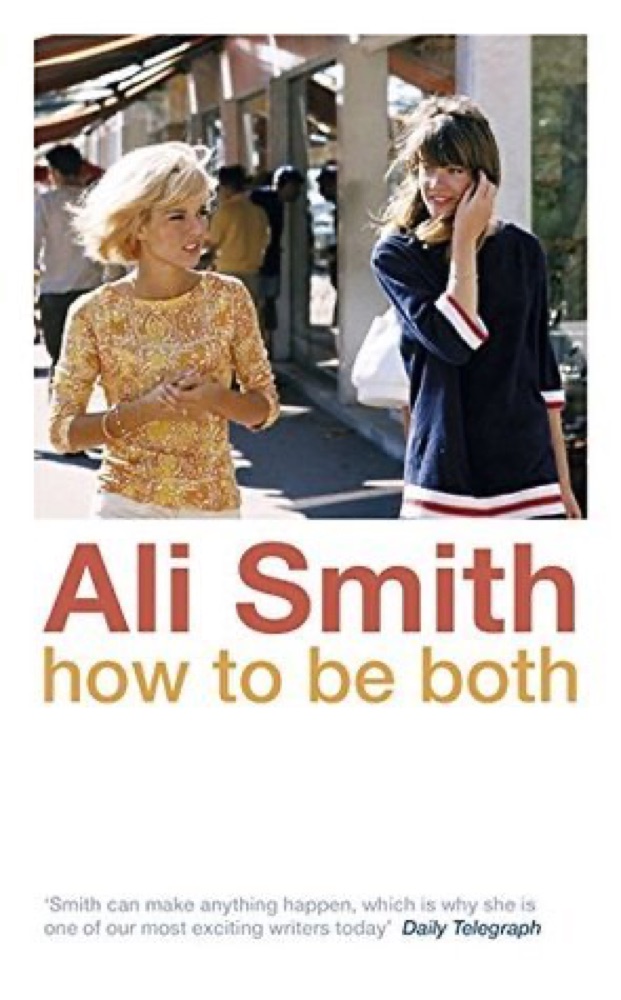
How to be both is a novel all about art’s versatility. Borrowing from painting’s fresco technique to make an original literary double-take, it’s a fast-moving genre-bending conversation between forms, times, truths and fictions. There’s a Renaissance artist of the 1460s. There’s the child of a child of the 1960s. Two tales of love and injustice twist into a singular yarn where time gets timeless, structural gets playful, knowing gets mysterious, fictional gets real—and all life’s givens get given a second chance.
A NOTE TO THE READER
The buzz
- The New York TimesReview in The New York Timesprofessional review (via Book Marks)
- The Washington PostReview in The Washington Postprofessional review (via Book Marks)
- The AtlanticReview in The Atlanticprofessional review (via Book Marks)
- NPRReview in NPRprofessional review (via Book Marks)
- Los Angeles TimesReview in Los Angeles Timesprofessional review (via Book Marks)
- The Boston GlobeReview in The Boston Globeprofessional review (via Book Marks)
Keep reading
 Winter
 The Color Master: Stories
 A Tale for the Time Being
 Out of Oz
 What I Loved
 What We Saw
 A Visit from the Goon Squad
 The Secret History
 Flights
 A Wrinkle in Time
 The Illustrated Man
 The Beginning of Everything
There but for the
The Beginning of Everything
There but for the
 Belong to Me
 NW
NW
 Now Is the Time to Open Your Heart
 The Muse
 Acceptance
 Blind Willow, Sleeping Woman
 The Reader
 Too Much Happiness: Stories
 Mr. Fox
 The Shock of the Fall
 Pure Colour
 The Likeness
 Hard-Boiled Wonderland and the End of the World
 The Goldfinch
 The Enchanted
 What Is Not Yours Is Not Yours
 The Handmaid's Tale
 Managing Expectations: A Memoir in Essays – A Poignant Collection of Personal Stories on Acting, Failure, and Motherhood's Joy
 Gliff
Gliff
 Parade
 Sexing the Cherry
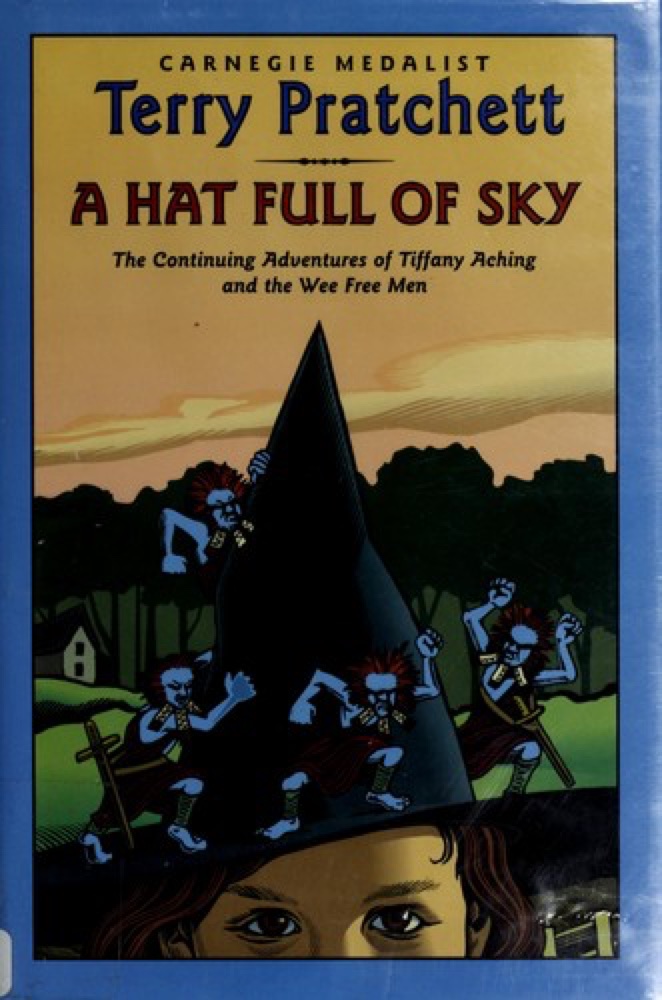 A Hat Full of Sky
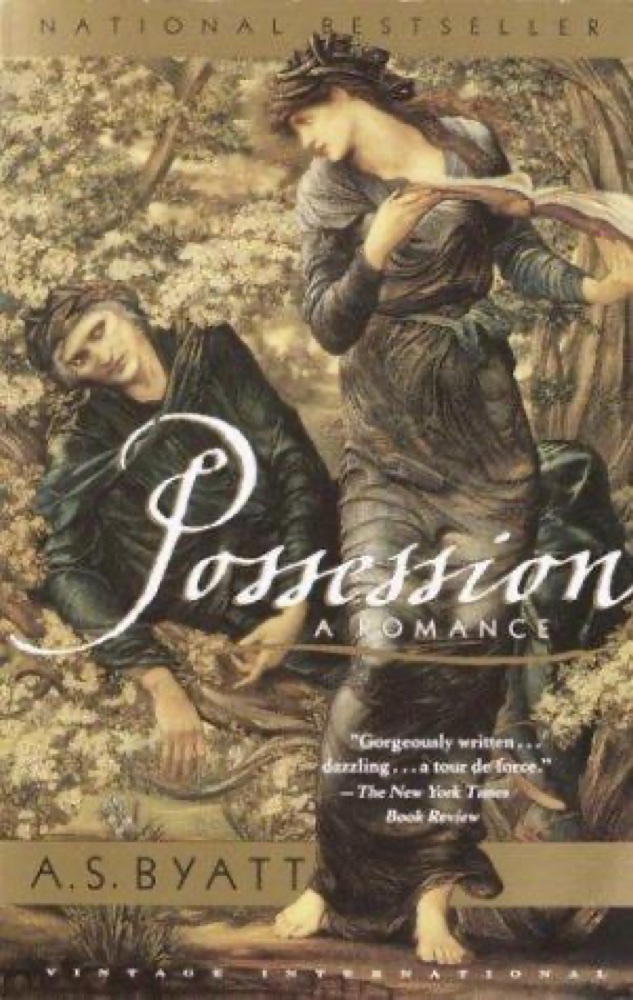 Possession
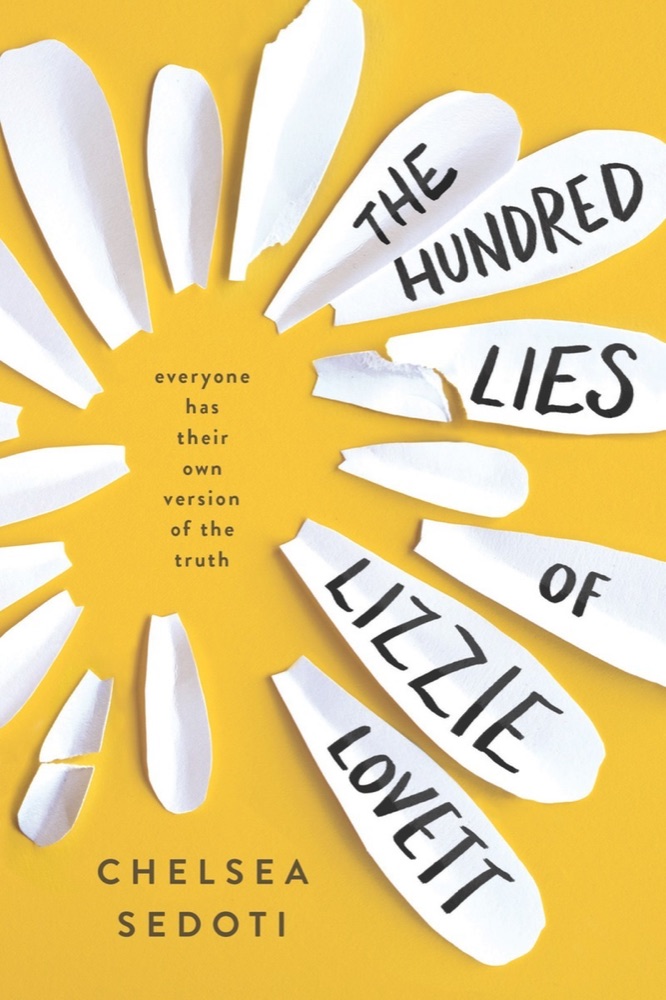 The Hundred Lies of Lizzie Lovett
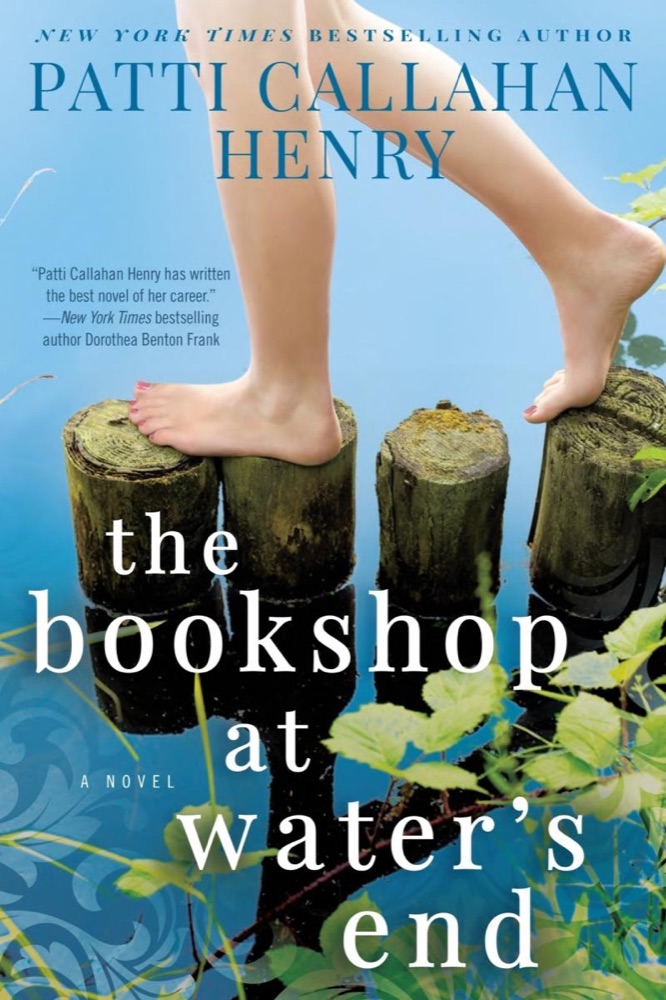 The Bookshop at Water's End
 The Hidden Girl and Other Stories
 Love from A to Z
 Kala
Kala
 The Book of Koli
 Dearly
 Future Home of the Living God
 The Rose Field
 Fragile Things: Short Fictions and Wonders
 The Book of Love
 They're Going to Love You
 Middlesex
 On Beauty
 One Italian Summer
 This Is Where the World Ends
 Stories of Your Life and Others
 The Last Little Blue Envelope
 The Book of Goose
 Girl with Curious Hair
 The Book of Tomorrow
 The Unlikely Escape of Uriah Heep