 The Mysterious Affair at Styles
Quotes from the Book
The truth, however ugly in itself, is always curious and beautiful to seekers after it.
It is completely unimportant. That is why it is so interesting.
You should employ your little grey cells
It is odd how, when you have a secret belief of your own which you do not wish to acknowledge, the voicing of it by someone else will rouse you to a fury of denial.
I have no pity for myself either. So let it be Veronal. But I wish Hercule Poirot had never retired from work and come here to grow vegetable marrows.
Women observe subconsciously a thousand little details, without knowing that they are doing so. Their subconscious mind adds these little things together—and they call the result intuition.
The things young women read nowadays and profess to enjoy positively frighten me.
Oh! money! All the troubles in the world can be put down to money—or the lack of it.
Fortunately words, ingeniously used, will serve to mask the ugliness of naked facts.
I demand of you a thousand pardons, monsieur. I am without defence. For some months now I cultivate the marrows. This morning suddenly I enrage myself with these marrows. I send them to promenade themselves - alas! not only mentally but physically. I seize the biggest. I hurl him over the wall. Monsieur, I am ashamed. I prostrate myself.
It is completely unimportant,” said Poirot. “That is why it is so interesting,” he added softly.
Things are simple as a rule
Les femmes,” generalized Poirot. “They are marvellous! They invent haphazard—and by miracle they are right. Not that it is that, really. Women observe subconsciously a thousand little details, without knowing that they are doing so. Their subconscious mind adds these little things together—and they call the result intuition.
Every new development that arises is like the shake you give to a kaleidoscope—the thing changes entirely in aspect.
always bear in mind that the person who speaks may be lying
One can press a man as far as one likes—but with a woman one must not press too far. For a woman has at heart a great desire to speak the truth. How many husbands who have deceived their wives go comfortably to their graves, carrying their secret with them! How many wives who have deceived their husbands wreck their lives by throwing the fact in those same husbands’ teeth! They have been pressed too far. In a reckless moment (which they will afterwards regret, bien entendu) they fling safety to the winds and turn at bay, proclaiming the truth with great momentary satisfaction to themselves.
Now there has been a rearrangement of the kaleidoscope.
I felt a distinct pleasure in passing on my own discomfiture.
My sister continued: 'What did she die of? Heart failure?' 'Didn't the milkman tell you that?' I inquired sarcastically. Sarcasm is wasted on Caroline. She takes it seriously and answers accordingly. 'He didn't know,' she explained.
It is well at any price to have peace in the home.
Women, in my experience, if they once reach the determination to commit suicide, usually wish to reveal the state of mind that led to the fatal action. They covet the limelight.
You seem to know a hell of a lot about everything, you little foreign cock duck.
One must always proceed with method. I made an error of judgment asking you that question. Toeach man his own knowledge. You could tell me the details of the patient's physical appearance- nothing there would escape you. If I wanted information about the papers on the desk, Mr. Raymond would have noticed anything there was to see. To find out about the fire, I must ask the man whose business is to observe such things. - Detective Hercule Poirot to Doctor Sheppard
The motto of the mongoose family, so Mr Kipling tells us, is: 'Go and find out.' If Caroline ever adopts a crest, I should certainly suggest a mongoose rampant. One might omit the first part of the motto. Caroline can do any amount of finding out by sitting placidly at home.
The truth, however ugly in itself, is always curious and beautiful to the seeker after it.
There's no doubt about what the man's profession has been. He's a retired hairdresser. Look at that moustache of his.
Remorse,” she said, with great gusto. “Remorse?
Did you know?
- The novel was serialised as 'Who Killed Ackroyd?' in the London Evening News between 1925, before its book publication in 1926.
- It was Agatha Christie's first novel published by William Collins, Sons, beginning a long association with that publisher.
- In 2013 the British Crime Writers' Association voted it the best crime novel ever written.
- The book is dedicated to 'Punkie,' the family nickname for Christie's older sister Madge.
- The story was adapted into the 1928 stage play 'Alibi,' the earliest theatrical adaptation of Christie's work.
- It is narrated by Dr. James Sheppard, the village doctor of King's Abbot.
About Agatha Christie
Agatha Christie (1890-1976) was an English writer celebrated as one of the best-selling novelists of all time, creator of the detectives Hercule Poirot and Miss Marple. She wrote dozens of mystery novels and short-story collections as well as the record-breaking play The Mousetrap.
More about the author →More by Agatha Christie
All books by Agatha Christie →
About the book
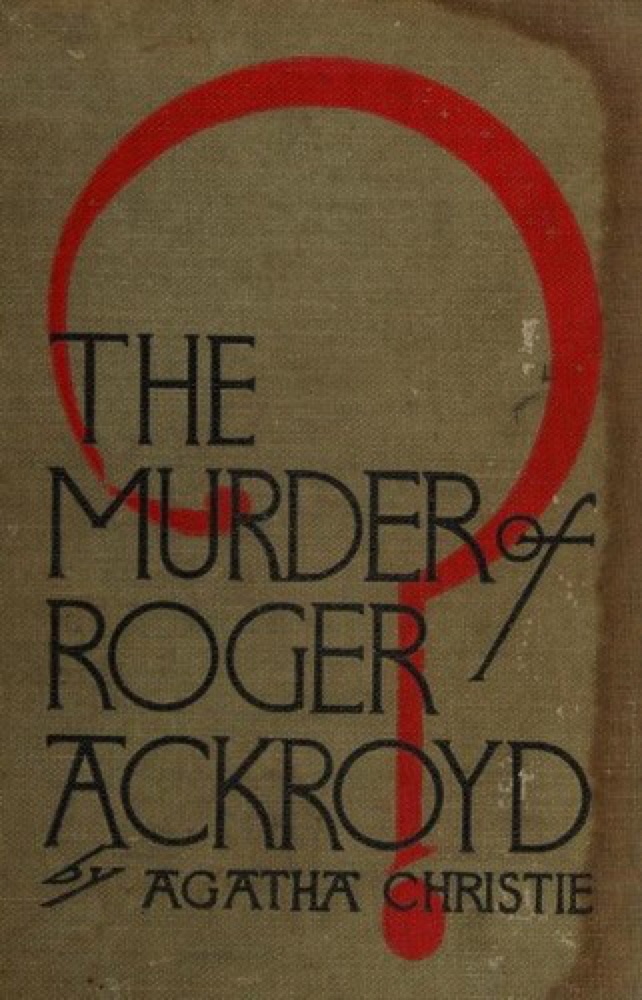
The Murder of Roger Ackroyd is a detective novel by Agatha Christie, first published by William Collins, Sons in June 1926 and one of the earliest cases to feature the Belgian detective Hercule Poirot. Set in the quiet English village of King's Abbot in the 1920s, it is narrated by the local physician, Dr. James Sheppard. The story opens with the death of the widow Mrs. Ferrars and soon centres on the killing of the wealthy Roger Ackroyd, who is found stabbed in his study on the very evening he learns the identity of the person who had been blackmailing the dead woman.
The novel is best known for its audacious use of narrative form and its startling twist ending, a device that made unconventional use of the first-person narrator and challenged readers' assumptions about who can be trusted to tell a mystery. Beyond the puzzle itself, the book plays with the conventions of the classic village whodunit, populating King's Abbot with gossiping neighbours, family suspects, and Poirot's methodical unravelling of the case. Its themes of concealed guilt, blackmail, and the gap between appearance and truth are central to its enduring appeal.
Widely regarded as one of Christie's finest and most influential works, the book helped cement her reputation and is often cited as a landmark in the development of detective fiction. In 2013 the British Crime Writers' Association voted it the best crime novel ever written. It has been adapted for stage, film, radio, and television over the decades, and it remains a touchstone for discussions of fair play and misdirection in the genre.
Key characters
- Hercule PoirotRetired Belgian detective who investigates the murder
- Dr. James SheppardVillage doctor of King's Abbot and the novel's narrator
- Roger AckroydWealthy man found stabbed in his study; the murder victim
- Caroline SheppardDr. Sheppard's inquisitive, gossip-gathering unmarried sister
- Flora AckroydRoger Ackroyd's niece
- Ralph PatonAckroyd's stepson and the primary suspect
- Mrs. FerrarsWidow whose death precedes and sets off the main plot
Book details
- First published
- 1926
- Length
- 312 pages
- Reading time
- 4 hours
- Author
- Agatha Christie
- Genre
- Classics
- Goodreads rating
- 4.26 (366k ratings) →
- First line
- “Mrs. Ferrars died on the night of the 16th-17th September—a Thursday.”
Movie & TV adaptations
- IMDb
- IMDb
- IMDb
If you liked this, read…
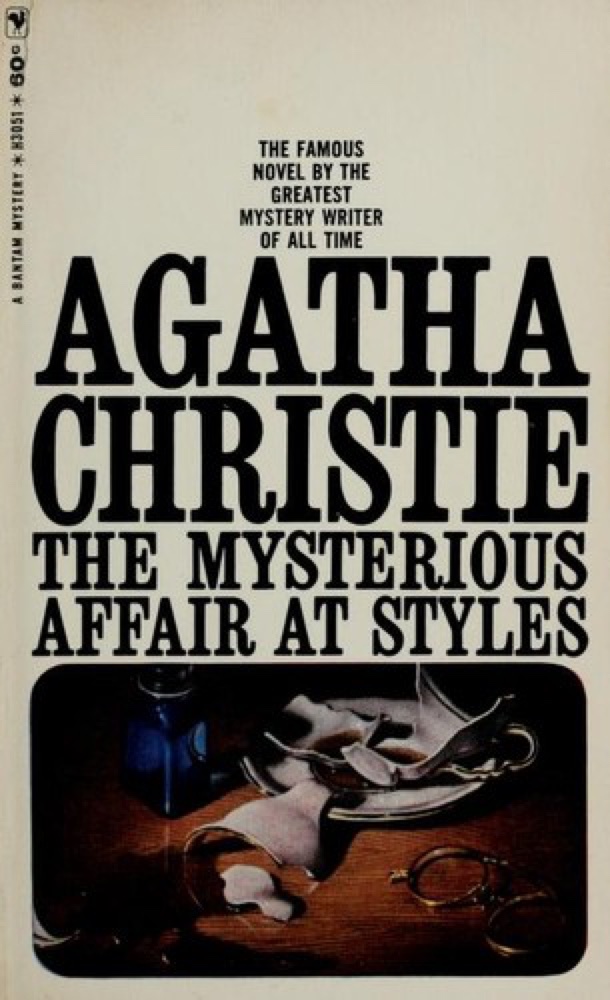
- 1The Mysterious Affair at StylesChristie's first Poirot novel, another classic country-house whodunit
- 2Murder on the Orient ExpressAnother famous Poirot mystery built around an ingenious solution
- 3And Then There Were NoneChristie's masterful closed-circle mystery with a shocking design
Keep reading
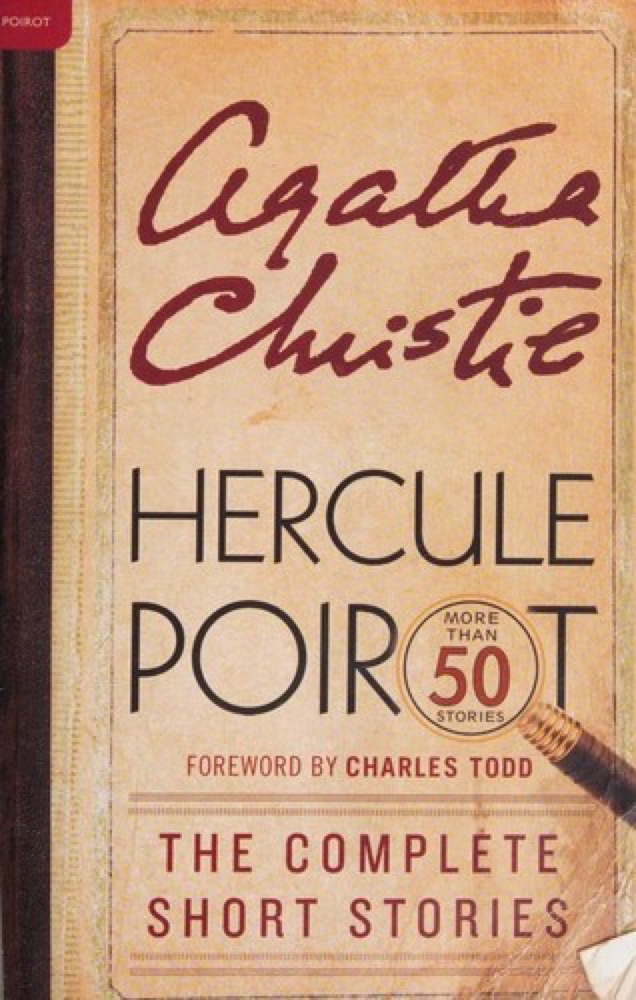 Hercule Poirot: The Complete Short Stories
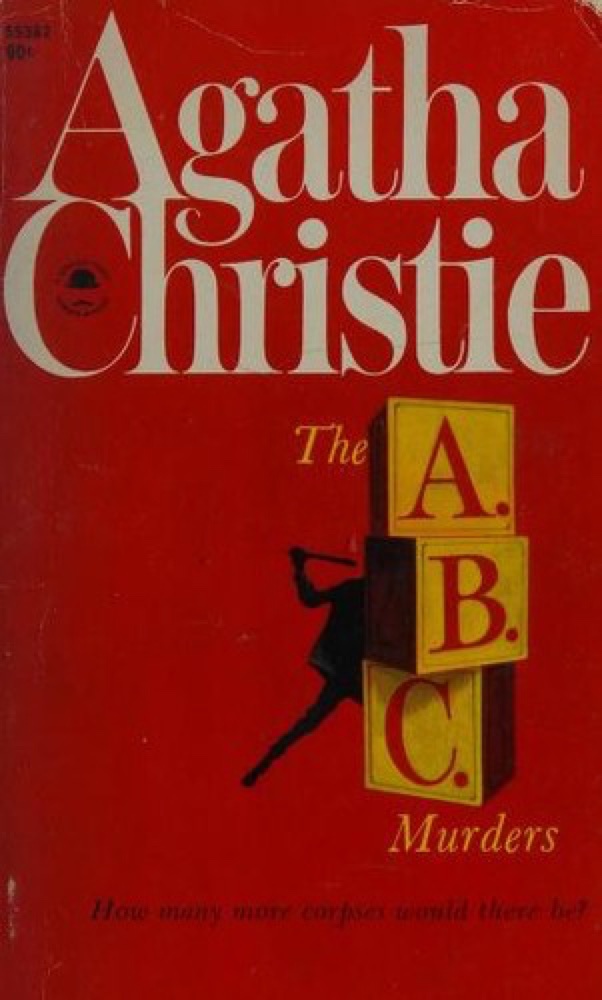 The A.B.C. Murders
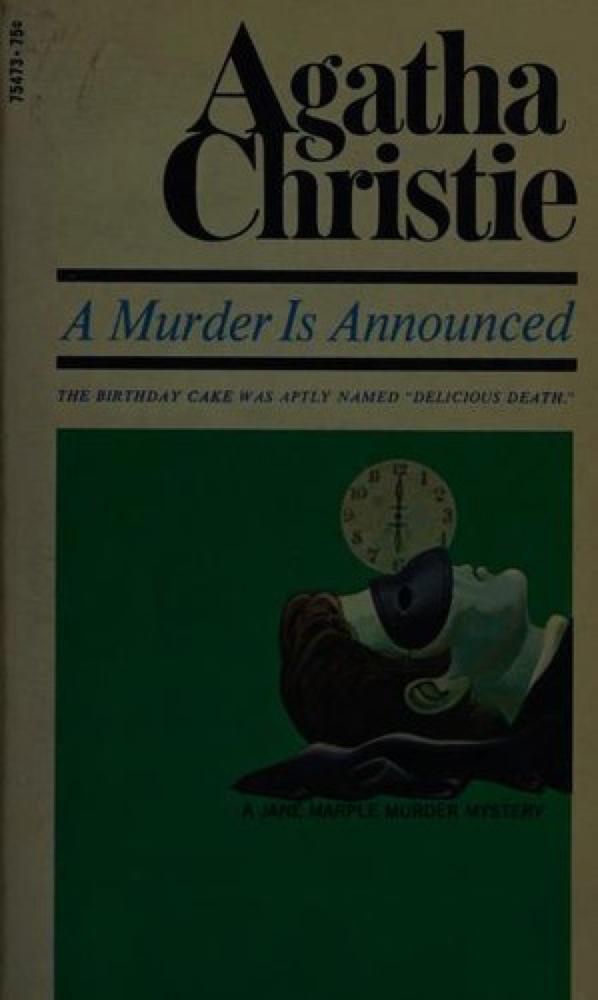 A Murder Is Announced
 Speaking from Among the Bones
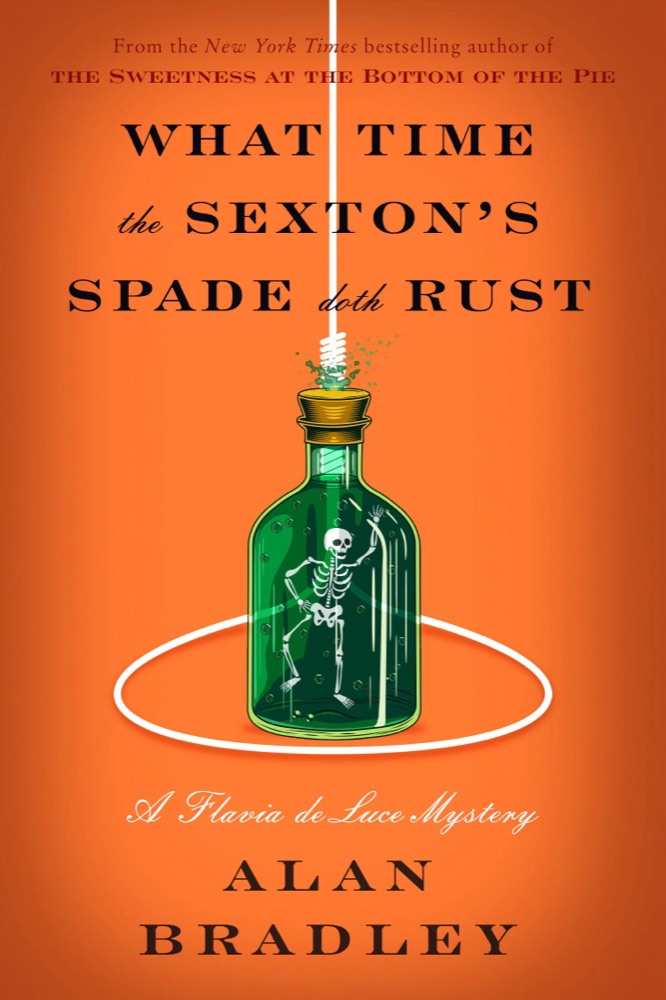 What Time the Sexton's Spade Doth Rust
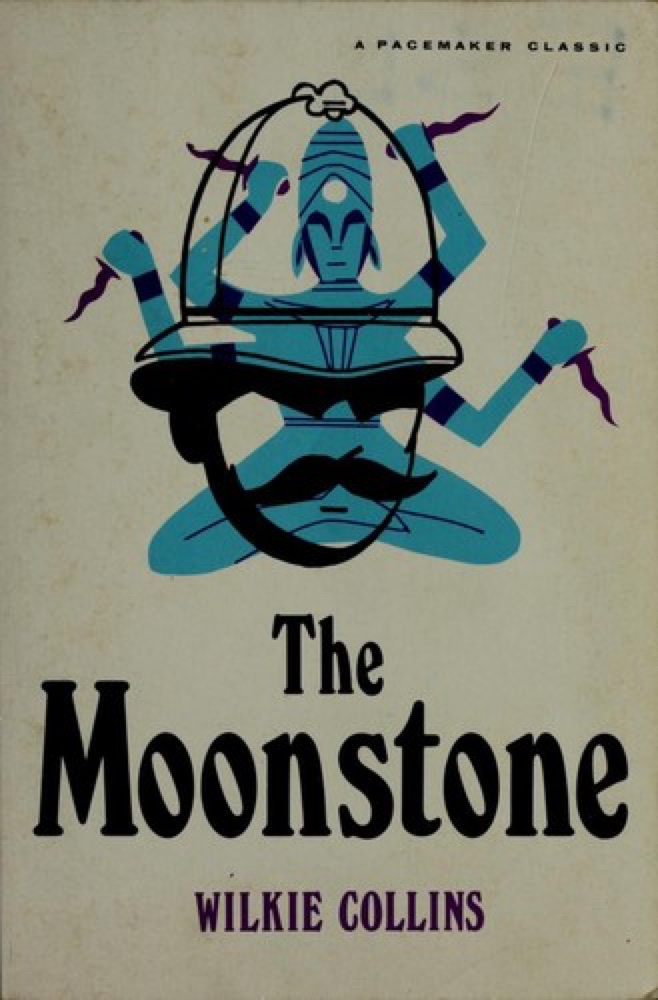 The Moonstone
 The Memoirs of Sherlock Holmes
 The Liar's Key
 An Instance of the Fingerpost
 The Jewel in the Crown
 Sixty Stories
 Gaudy Night
 The Subtle Knife
 Stranger in a Strange Land
 Shades of Grey
 The Golden Tresses of the Dead
 Whose Body?
 The Bourne Identity
 The Eyre Affair
 The Secret History
 A Study in Scarlet
 Look Closer
 Truly, Devious
 Snuff
Snuff
 Needful Things
 Bleak House
 The Complete Sherlock Holmes
 Libra
Libra
 Cat's Cradle
![What Was She Thinking? [Notes on a Scandal]](/i/book/g/08/what-was-she-thinking-notes-on-a-scandal.jpg) What Was She Thinking? [Notes on a Scandal]
What Was She Thinking? [Notes on a Scandal]
 The Weight of Words
 The Sea, the Sea
 That Hideous Strength
 The Wolf Gift
 The Black Obelisk
 The Poisonwood Bible
 The Testaments
 Ghostwritten
 The Other Typist
 Suspect
 Dept. of Speculation
 Senlin Ascends
 Mostly Harmless
 By Nightfall
 The Imperfectionists
 The Razor's Edge
 The Human Stain
 The Angel's Game
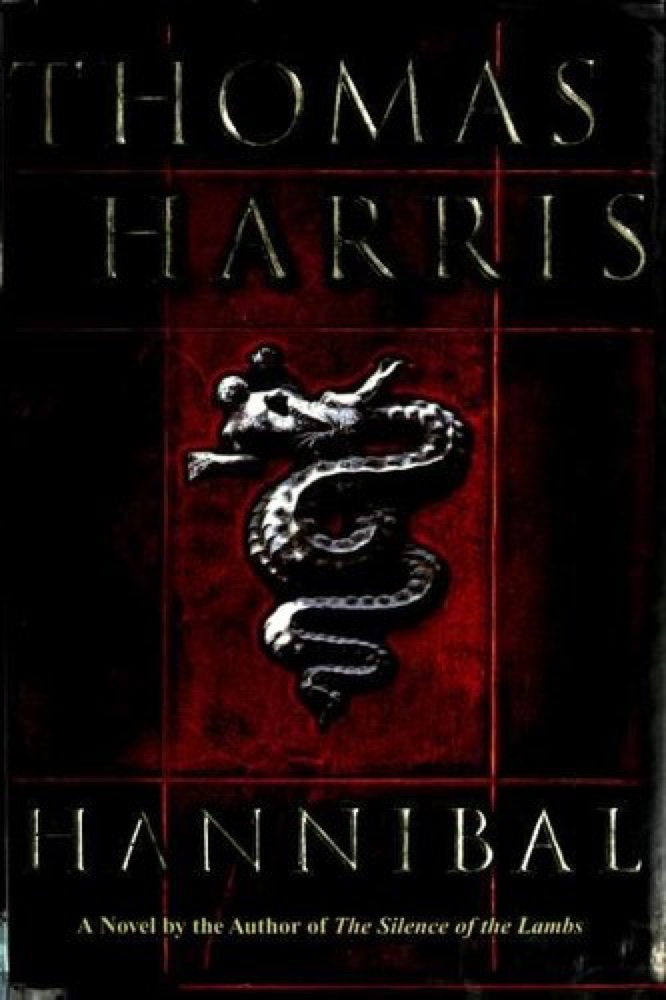 Hannibal
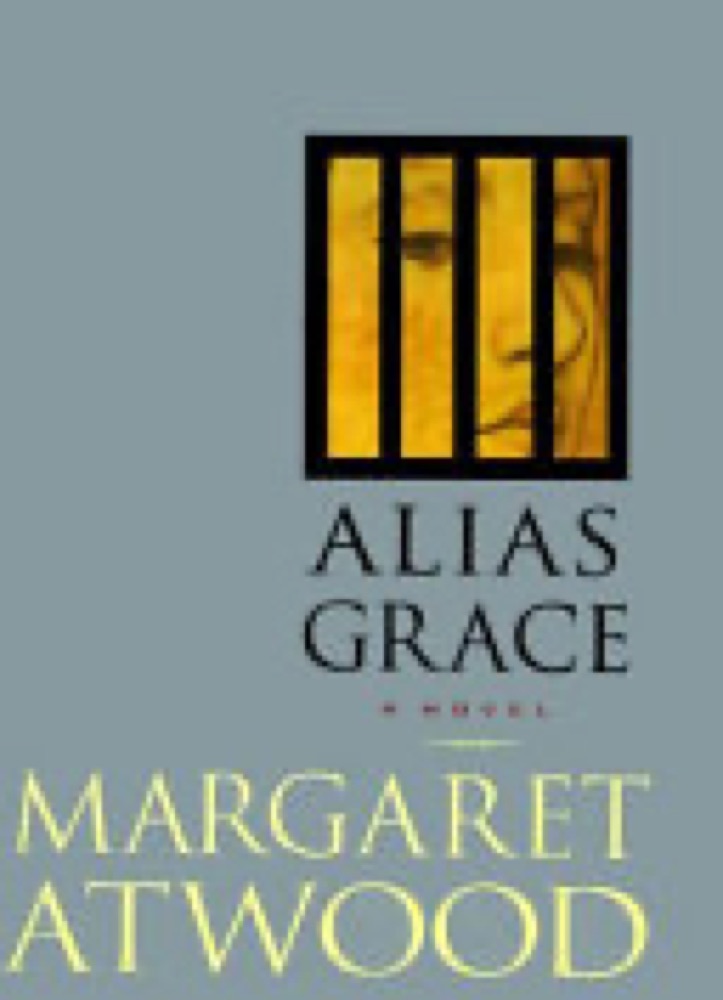 Alias Grace
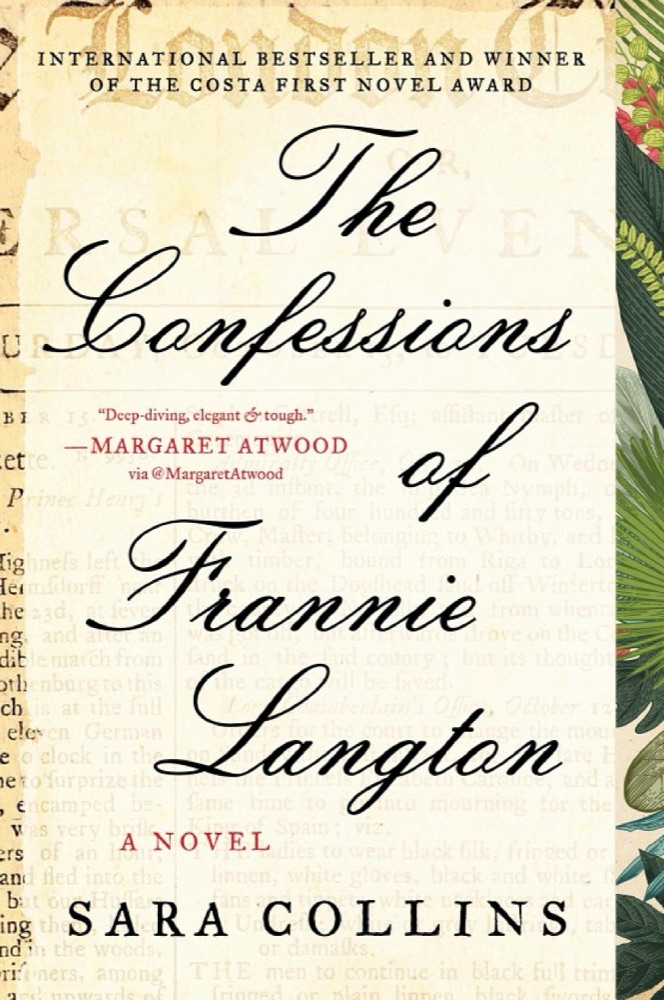 The Confessions of Frannie Langton
 The Nix
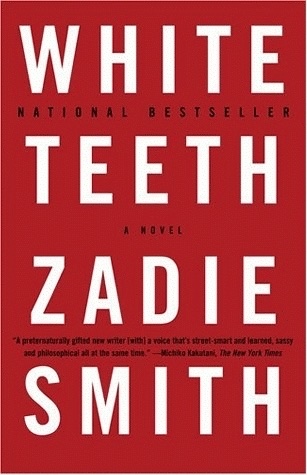 White Teeth
 Cuckold
 Cocaine
 Crime and Punishment
 The Hod King
 A Curious Beginning
 A Widow for One Year
 Agnes Grey