
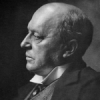
 The Portrait of a Lady
Quotes from the Book
I have never allowed a gentleman to dictate to me, or to interfere with anything I do.
45
They are hopelessly vulgar. Whether or no being hopelessly vulgar is being 'bad' is a question for the metaphysicians. They are bad enough to dislike, at any rate; and for this short life that is quite enough.
20
My father ain't in Europe; my father's in a better place than Europe." Winterbourne imagined for a moment that this was the manner in which the child had been taught to intimate that Mr. Miller had been removed to the sphere of celestial reward. But Randolph immediately added, "My father's in Schenectady.
16
Am I grave?', he asked. 'I had an idea I was grinning from ear to ear.' 'You look as if you were taking me to a funeral. If that's a grin, your ears are very near together.
8
The historic atmosphere was there, certainly; but the historic atmosphere, scientifically considered, was no better than a villainous miasma
8
The news that Daisy Miller was surrounded by half a dozen wonderful mustaches checked Winterbourne's impulse to go straightway to see her.
7
if nocturnal meditations in the Colosseum are recommended by the poets, they are deprecated by the doctors.
6
After this Daisy was never at home, and Winterbourne ceased to meet her at the houses of their common acquaintances, because, as he perceived, these shrewd people had quite made up their minds that she was going too far. They ceased to invite her, and they intimated that they desired to express observant Europeans the great truth that, though Miss Daisy Miller was a young American lady, her behaviour was not representative - was regarded by her compatriots as abnormal. Winterbourne wondered how she felt about all the cold shoulders that were turned towards her, and sometimes it annoyed him to suspect that she did not feel at all. He said to himself that she was too light and childish, too uncultivated and unreasoning, too provincial, to have reflected upon her ostracism or even to have perceived it. Then at other moments he believed that she carried about in her elegant and irresponsible little organism a defiant, passionate, perfectly observant consciousness of the impression she produced. He asked himself whether Daisy's defiance came from the consciousness of innocence or from her being, essentially, a young person of the reckless class. It must be admitted that holding oneself to a belief in Daisy's "innocence" came to see Winterbourne more and more a matter of fine-spun gallantry. As I have already had occasion to relate, he was angry at finding himself reduced to chopping logic about this young lady; he was vexed at his want of instinctive certitude as to how far her eccentricities were generic, national, and how far they were personal. From either view of them he had somehow missed her, and now it was too late.
6
In such hours as this what have we to do with pain? That is not the deepest thing; there is something deeper.
4
Well," said Winterbourne, "when you deal with natives you must go by the custom of the place. Flirting is a purely American custom; it doesn't exist here. So when you show yourself in public with Mr. Giovanelli, and without your mother—" "Gracious!
3
She seemed to him, in all this, an extraordinary mixture of innocence and crudity.
2
There was a waning moon in the sky, and her radiance was not brilliant, but she was veiled in a thin cloud-curtain which seemed to diffuse and equalize it. When, on his return from the villa (it was eleven o'clock), Winterbourne approached the dusky circle of the Colosseum, it occurred to him, as a lover of the picturesque, that the interior, in the pale moonshine, would be well worth a glance.
1
I think I like the English best. I like their style of conversation. But there are some lovely Americans. I never saw anything so hospitable. There's something or other every day. There's not much dancing; but I must say I never thought dancing was everything. I was always fond of conversation.
1
He found her that evening in the garden, wandering about in the warm starlight like an indolent sylph, and swinging to and fro the largest fan he had ever beheld. It was ten o'clock.
1
She paused again for an instant; she was looking at Winterbourne with all her prettiness in her lively eyes and in her light, slightly monotonous smile. 'I have always had,' she said, 'a great deal of gentlemen's society.
1
I was still under the illusion that, barring what I'd read in books, inferred from rumors, and overheard in bawdy talk all over, no one my age had ever wanted to be both man and woman-with men and women.
1
Watch on YouTube
About Henry James
We have collected 228 quotes from 10 books by Henry James on BookQuoters.
More about the author →More by Henry James
All books by Henry James →
About the book
It was in Rome during the autumn of 1877; a friend then living there but settled now in a South less weighted with appeals and memories happened to mention -- which she might perfectly not have done -- some simple and uninformed American lady of the previous winter, whose young daughter, a child of nature and of freedom, accompanying her from hotel to hotel, had "picked up" by the wayside, with the best conscience in the world, a good-looking Roman, of vague identity, astonished at his luck, yet (so far as might be, by the pair) all innocently, all serenely exhibited and introduced: this at least till the occurrence of some small social check, some interrupting incident, of no great gravity or dignity, and which I forget I had never heard, save on this showing, of the amiable but not otherwise eminent ladies, who weren't in fact named, I think, and whose case had merely served to point a
Book details
- First published
- 1879
- Author
- Henry James
- Genre
- Classics
- Goodreads rating
- 3.37 (39k ratings)
Keep reading
 A Dance to the Music of Time: 1st Movement
 Venetia
 The Stories of John Cheever
 The Go-Between
 Zuleika Dobson
 Don't Look Now and Other Stories
 Uncle Silas
 The Buccaneers
 Parade's End
 Silent in the Grave
 Dubliners
 A Curious Beginning
 Foreign Affairs
 The Age of Innocence
 Clouds of Witness
 The Wings of the Dove
 Armadale
 The Paying Guests
 The Nonesuch
 Belgravia
 Cold Comfort Farm
 The American Heiress
 Singin' and Swingin' and Gettin' Merry Like Christmas
 The Enchanted April
 Wives and Daughters
 The Chosen and the Beautiful
 The Moonstone
 Desperate Remedies
 Surrender to the Devil
 The Lady in the Lake
 The Wisteria Society of Lady Scoundrels
 Appointment with Death
 The Golden Tresses of the Dead
 Dombey and Son
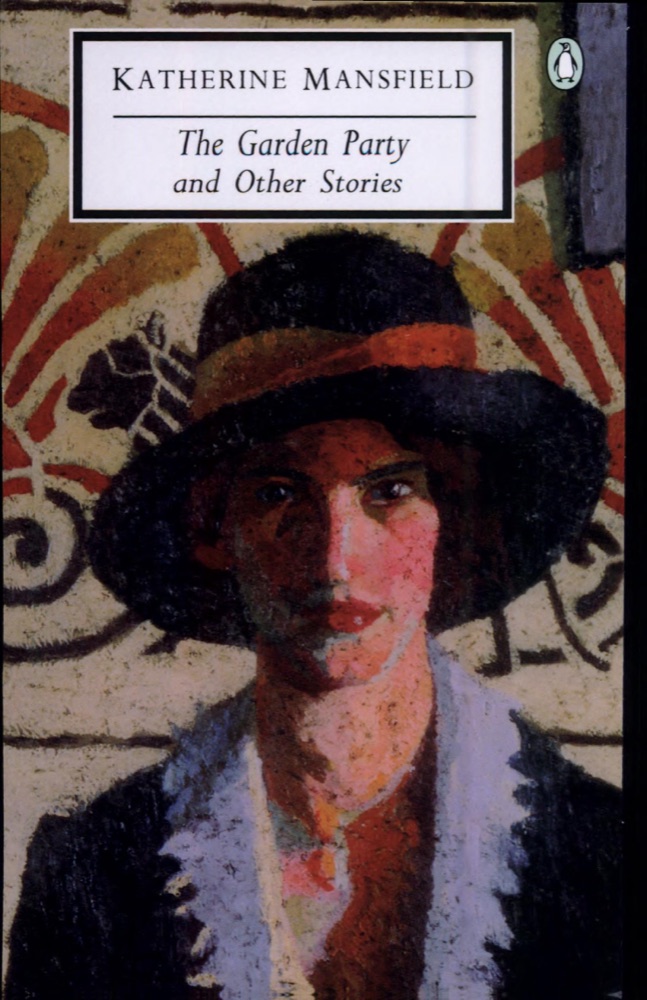 The Garden Party and Other Stories
 A Beautiful Blue Death
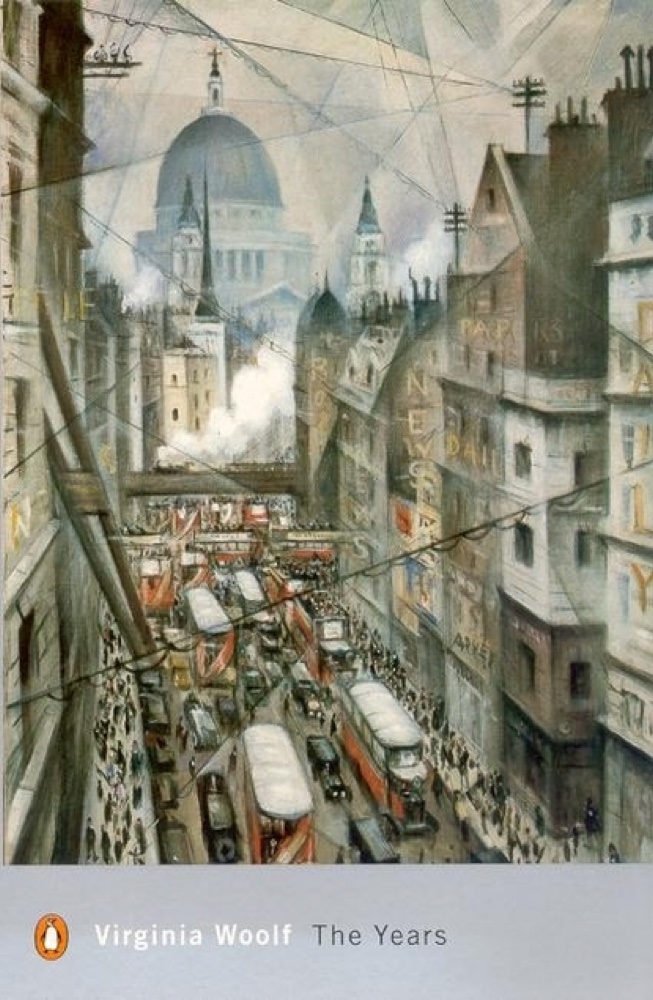 The Years
 Lord Arthur Savile's Crime and Other Stories
 The Wayward Bus
 The Spanish Daughter
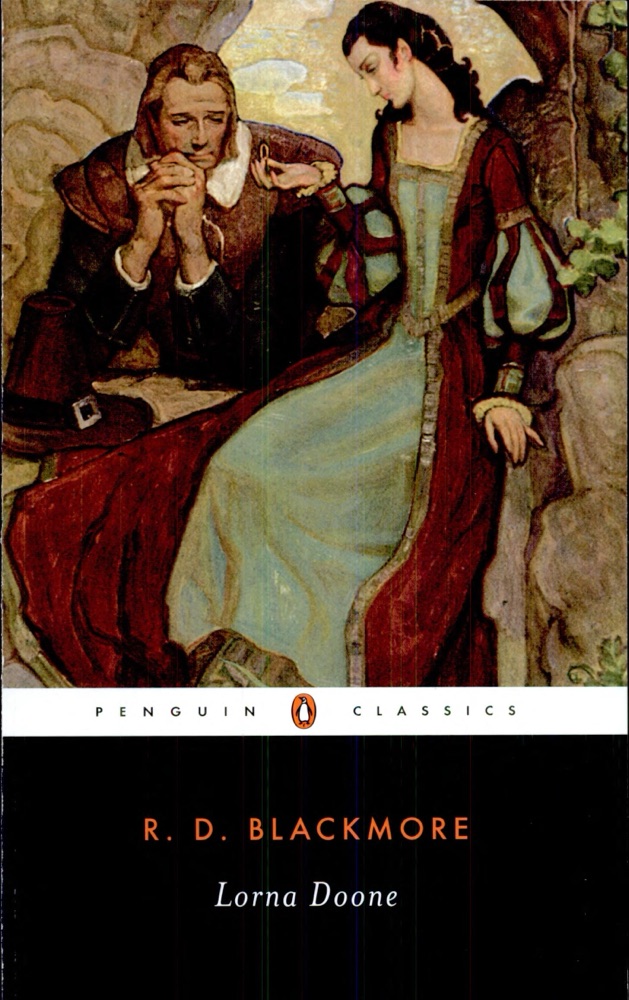 Lorna Doone
 The Golden Bowl
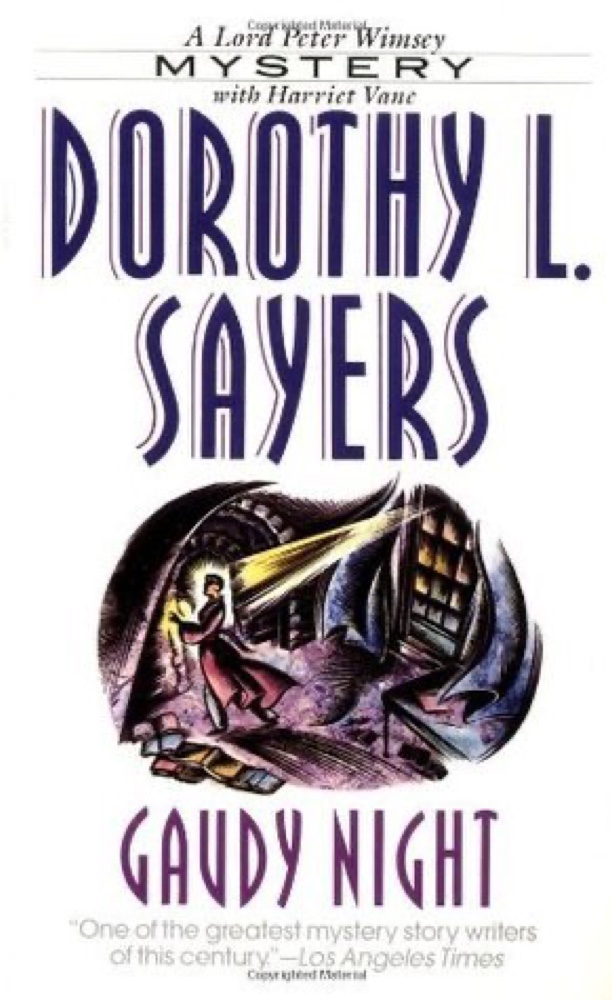 Gaudy Night
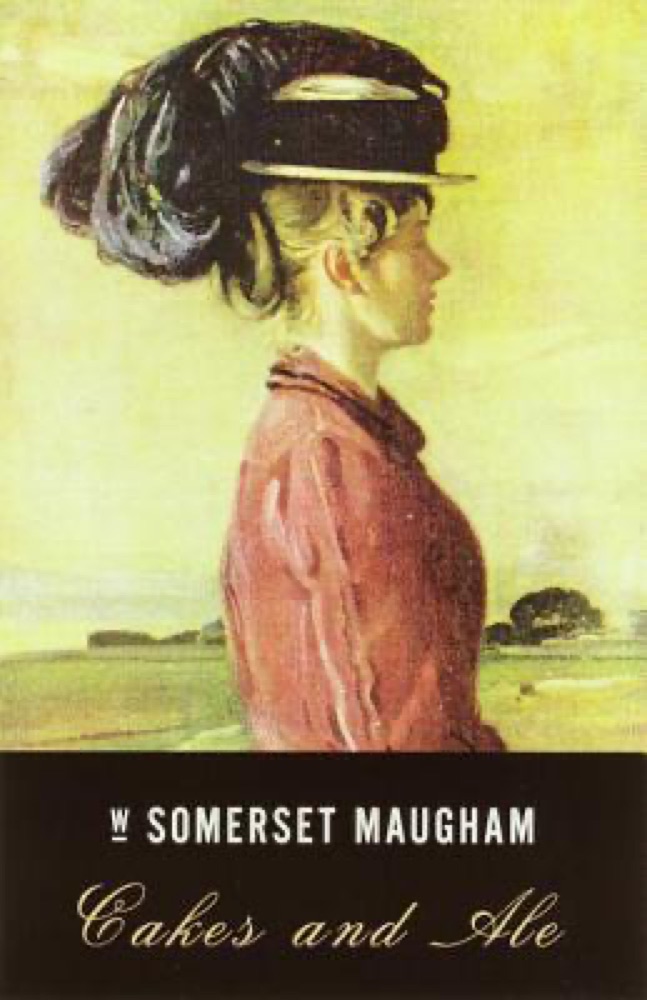 Cakes and Ale
 Tess of the D'Urbervilles
 The Mayor of Casterbridge
 Main Street
 The Transit of Venus
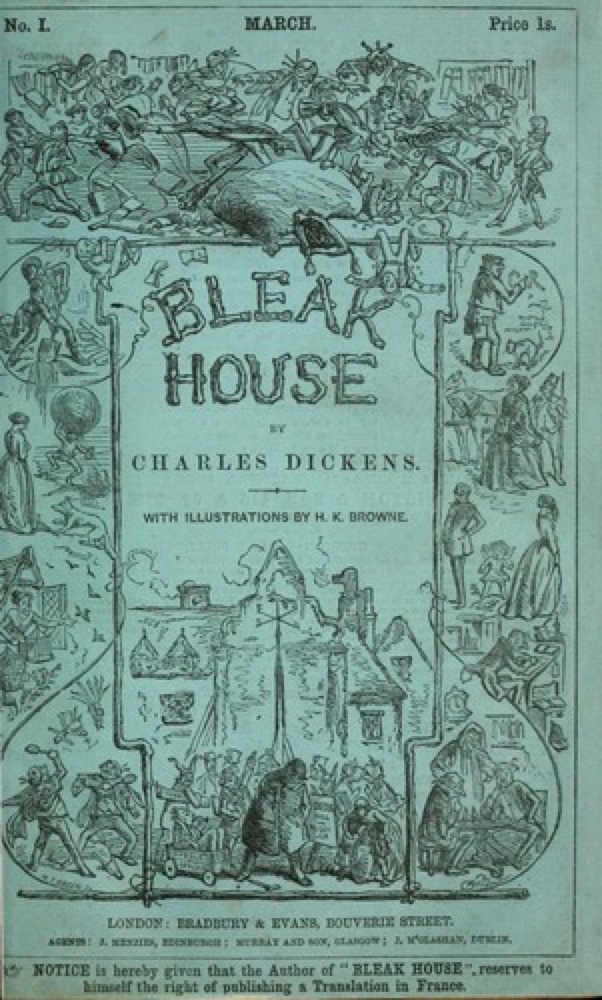 Bleak House
 Scandal in Spring
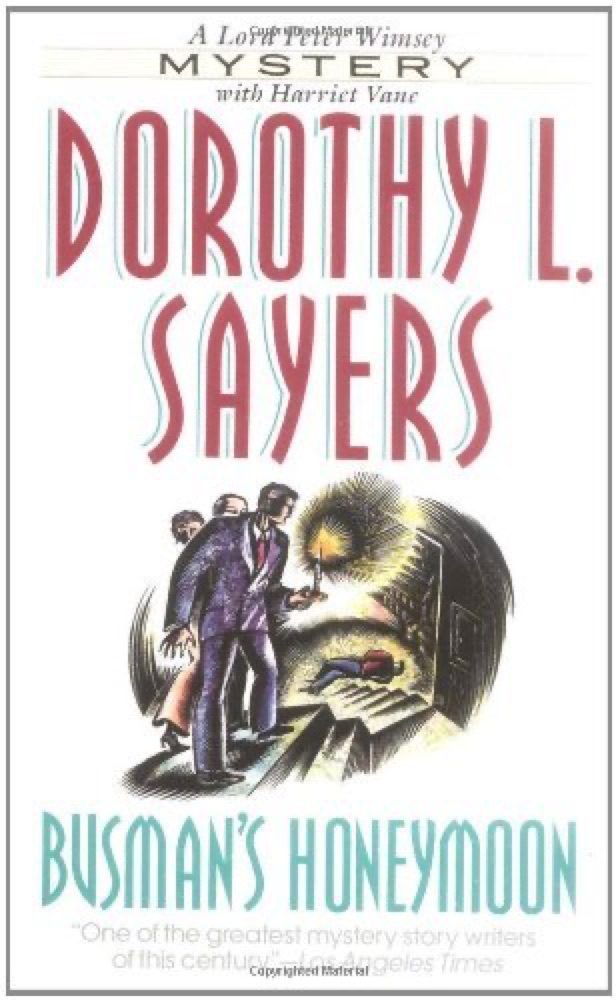 Busman's Honeymoon
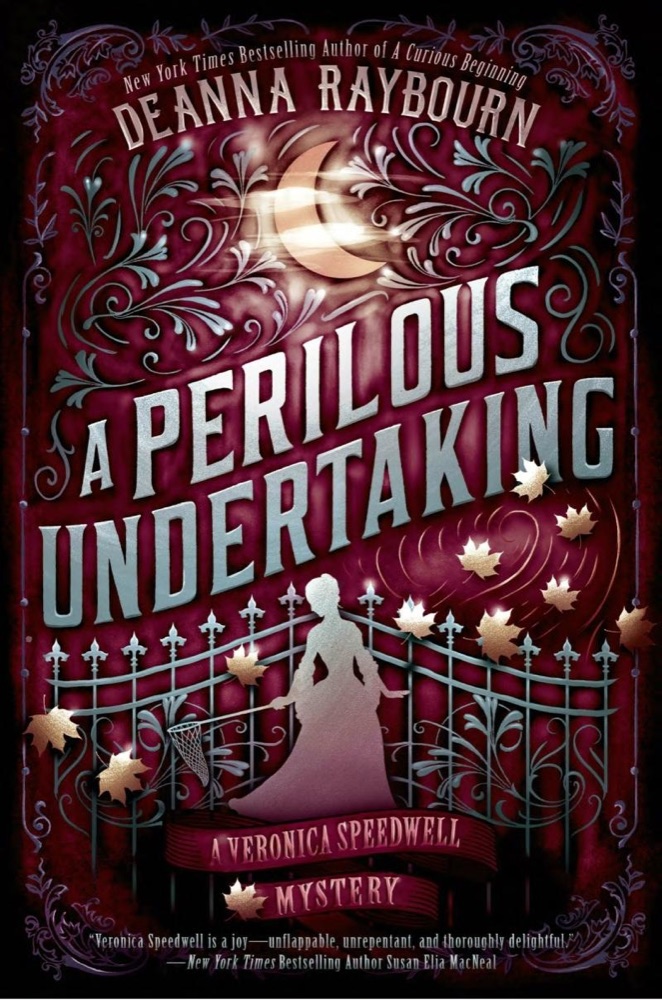 A Perilous Undertaking
 How the Marquess Was Won
 The Professor's House
 Where Angels Fear to Tread
 Jonathan Strange & Mr Norrell
 The Children's Book
 Competence
 The Benevolent Society of Ill-Mannered Ladies
 Destination Unknown