

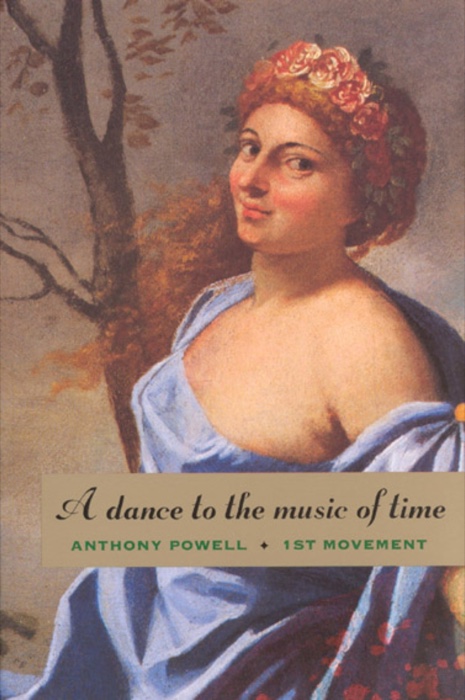
 A Dance to the Music of Time: 1st Movement
Quotes from the Book
early childhood she had given her deepest trust, and which for half a century has suggested what she might do, think, feel, desire, and become, has suddenly fallen silent. Now, at last, all those books have no instructions for her, no demands—because she is just too old. In the world of classic British fiction, the one Vinnie knows best, almost the entire population is under fifty, or even under forty—as was true of the real world when the novel was invented. The few older people—especially women—who are allowed into a story are usually cast as relatives; and Vinnie is no one’s mother, daughter, or sister. People over fifty who aren’t relatives are pushed into minor parts, character parts, and are usually portrayed as comic, pathetic, or disagreeable. Occasionally one will appear in the role of tutor or guide to some young protagonist, but more often than not their advice and example are bad; their histories a warning rather than a model. In most novels it is taken for granted that people over fifty are as set in their ways as elderly apple trees, and as permanently shaped and scarred by the years they have weathered. The literary convention is that nothing major can happen to them except through subtraction. They may be struck by lightning or pruned by the hand of man; they may grow weak or hollow; their sparse fruit may become misshapen, spotted, or sourly crabbed. They may endure these changes nobly or meanly. But they cannot, even under the best of conditions, put out new growth or burst into lush and unexpected bloom. Even today there are disproportionately few older characters in fiction. The
4
In this culture, where energy and egotism are rewarded in the young and good-looking, plain aging women are supposed to be self-effacing, uncomplaining--to take up as little space and breathe as little air as possible.
3
Of course some people say it is her own fault that she’s alone: that she is impossibly romantic, asks too much (or too little) of men, is unreasonably jealous, egotistical/a doormat; sexually insatiable/frigid; and so on—the usual things people say of any unmarried woman, as Vinnie well knows.
3
As I walked by myself And talked to myself, Myself said unto me, Look to thyself, Take care of thyself, For nobody cares for thee.
3
In most novels it is taken for granted that people over fifty are as set in their ways as elderly apple trees, and as permanently shaped and scarred by the years they have weathered. The literary convention is that nothing major can happen to them except through subtraction.
1
As Edwin once said, social life is like alchemy: mixing foreign elements is dangerous.
she prefers to study in these quiet, elegantly shabby surroundings, which for her are agreeably haunted by the shades of writers past and the shapes of writers present.
Vinnie does not comment, but it occurs to her for the first time that for such an intelligent man Edwin is disgracefully plump and self-indulgent; that his pretense of dieting is ridiculous; and that his demand that his friends join in the charade is becoming tiresome.
Exactly.” Edwin gives the wide smile that increases his resemblance, noted before by Vinnie, to the Cheshire Cat.
Vinnie refrains from remarking that she at least is not looking for an undying passion; Edwin surely knows that by now.
She is extremely pretty and charming; she also has a history of brief, impetuous, usually disastrous affairs.
In spite of his innocuous appearance, and a manner that matches it—amused, offhand, self-deprecating—Edwin is a figure of power in the children’s book world and a formidable critic of both juvenile and adult literature: learned, sharp-witted, and, when he chooses, sharp-tongued.
Roo was his red flag, his declaration of independence—and in the beginning, the less comfortable his family and more conventional friends were with her, the better pleased he was. Now he feels shamed and enraged to realize that they had judged her more accurately than he. His father, for instance, held the unspoken but clearly evident opinion that Roo was not a lady.
The marriage is an emotional disaster, a failed adventure that has, inevitably, shrunk his view of himself and of the world; he is wiser, maybe, but at the expense of being that much sourer and sadder.
The battles that followed this private view were fierce, painful, and prolonged.
Roo didn’t answer. But the question, he soon saw, was not a rhetorical one.
Though he had known Roo for nearly three months at this point, Fred was still intoxicated with her—and not only sexually. As if she had been some mind-expanding drug, he was in a constant state of heightened awareness: what he saw seemed both strange and amazingly familiar.
She was not the sort of girl/woman they had expected Fred to become serious about, and their congratulations had been manifested in the conventional form of faint and damning praise.
He doesn’t condemn the Vogelers for their opinion, since when he himself met Roo he also would have said they weren’t on the same wavelength, though in fact the signals she broadcast made him hum like a stereo amplifier.
Fred is active, energetic, impatient of confinement. When he’s in a library he likes to range through the stacks finding the books he wants, and coming across others he hadn’t known about.
Of course that’s inevitable anywhere,” her husband explains. “Tourism is a self-degrading process, kind of like oxidation of iron.” Joe has a fondness for scientific metaphor, the precipitate of undergraduate years as a biochemistry major.
She is known to be eccentric and touchy, and is also a devout Anglophile. In any encounter Fred probably has more of a chance of alienating her than of pleasing her; and if he admits his depression and his dislike of London and of the British Museum, her opinion of him, whatever it may be now, will sink.
Fred gets off to change at the Northern line, and so does the young woman in the green cape; he notices that she has been reading Joseph Conrad’s Chance. He quickens his pace, for he is a Conrad fan; then, uncertain of what he’s going to say to her, slows down. The young woman gives him a regretful backward glance as she turns toward the stairs to the southbound platform.
Since then, Roberto has collected women as he once collected baseball cards, always preferring quantity to quality: in grade school he once traded Mickey Mantle to Fred for three obscure and inept Red Sox. It is his contention that the world is full of good-looking horny women who are interested in a no-strings relationship.
The main problem is, he thinks, that visitors to a foreign country are allowed the full use of only two of their five senses. Sight is permitted—hence the term “sightseeing.” The sense of taste is also encouraged, and even takes on a weird, almost sexual importance: consumption of the native food and drink becomes a highly charged event, a proof that you were “really there.” But hearing in the full sense is blocked. Intelligible foreign sounds are limited to the voices of waiters, shopkeepers, professional guides, and hotel clerks—plus snatches of dubiously “native” music. Above all, the sense of touch is frustrated; visible or invisible KEEP OFF signs appear on almost everything and everyone.
But Fred doesn’t believe that there is no real and desirable London. That city exists: he dwelt there for six months as a child often, and last week he revisited it. Though some of its landmarks have vanished, those that remain shimmer with meaning and presence as if benignly radioactive.
He is living in the historic past, as he had planned and hoped to do—but not in eighteenth-century London. Instead he inhabits a more recent, private, and dismal era of his own history.
Fred Turner knows, of course, that he is a handsome, athletic-looking young man, the type that directors employ to battle carnivorous vegetables.
Fred is not embarrassed by this attention. He is used to it, regards it as normal, doesn’t in fact realize that few other humans are gazed at so often or so intensely. Since babyhood his appearance has attracted admiration, and often comment. It was soon clear that he had inherited his mother’s brunette, lushly romantic good looks: her thick wavy dark hair, her wide-set cilia-fringed brown eyes (“wasted on a boy,” many remarked).
Soon she is panting, her heart pounding; she has to slow down. No doubt about it, she is getting older, weaker in body and in spirit.
Watch on YouTube
About Alison Lurie
We have collected 30 quotes from 1 book by Alison Lurie on BookQuoters.
More about the author →About the book
Virginia Miner, a fifty-something, unmarried tenured professor, is in London to work on her new book about children’s folk rhymes. Despite carrying a U.S. passport, Vinnie feels essentially English and rather looks down on her fellow Americans. But in spite of that, she is drawn into a mortifying and oddly satisfying affair with an Oklahoman tourist who dresses more Bronco Billy than Beau Brummel.A
lso in London is Vinnie’s colleague Fred Turner, a handsome, flat broke, newly separated, and thoroughly miserable young man trying to focus on his own research. Instead, he is distracted by a beautiful and unpredictable English actress and the world she belongs to.
Both American, both abroad, and both achingly lonely, Vinnie and Fred play out their confused alienation and dizzying romantic liaisons in Alison Lurie’s Pulitzer Prize-winning novel. Smartly written, poignant, and witty, For
Book details
- First published
- 1984
- Author
- Alison Lurie
- Genre
- Fiction
- Goodreads rating
- 3.76 (13k ratings)
Keep reading
A Dance to the Music of Time: 1st Movement
 Cakes and Ale
 Zuleika Dobson
 Less Than Angels
 Five
Five
 The Custom of the Country
 Mislaid
 Shrines of Gaiety
 The Post-Birthday World
 Love
Love
 Can You Forgive Her?
 The Children's Book
 Down Cemetery Road
 The Man in the Brown Suit
 Cold Comfort Farm
 Stone Mattress: Nine Tales
 Bluebeard's Egg
 Table for Two
 The Love Affairs of Nathaniel P.
 A Widow for One Year
 The Deep Blue Good-By
 The Clocks
 Venetia
 NW
NW
 The Pursuit of Love
 The Mayor of Casterbridge
 What Is Not Yours Is Not Yours
 Dr. Thorne
 Capital
 The Buccaneers
 Sixty Stories
 The Accidental Tourist
 The Line of Beauty
 The Robber Bride
 Too Much Happiness: Stories
 The Stories of John Cheever
 Desperate Remedies
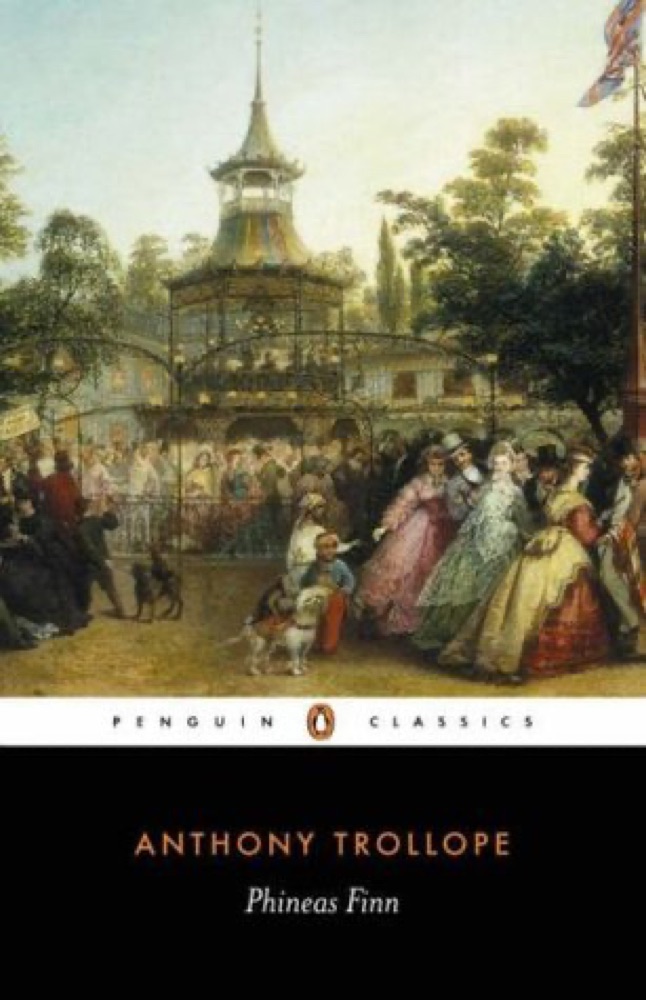 Phineas Finn
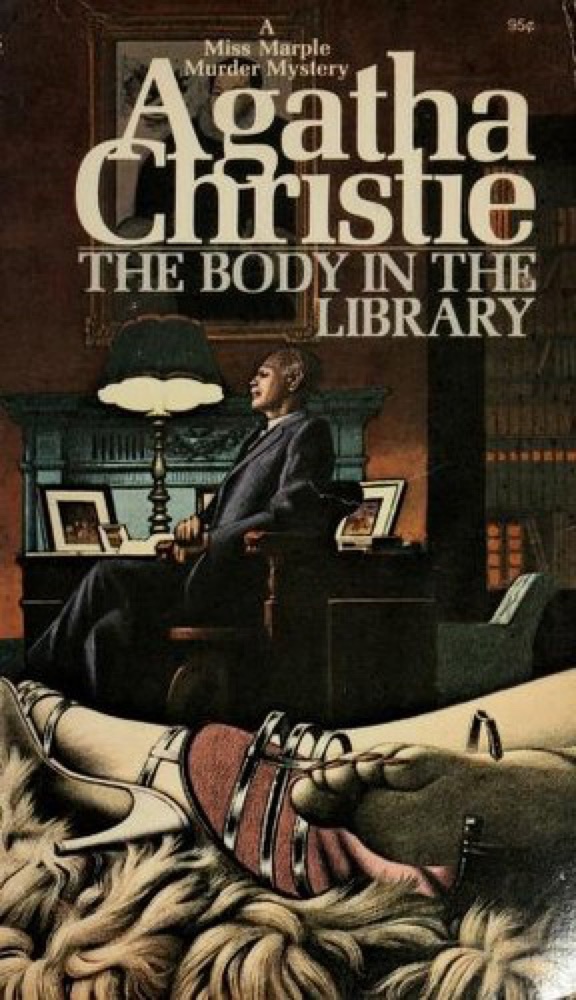 The Body in the Library
 The Little Friend
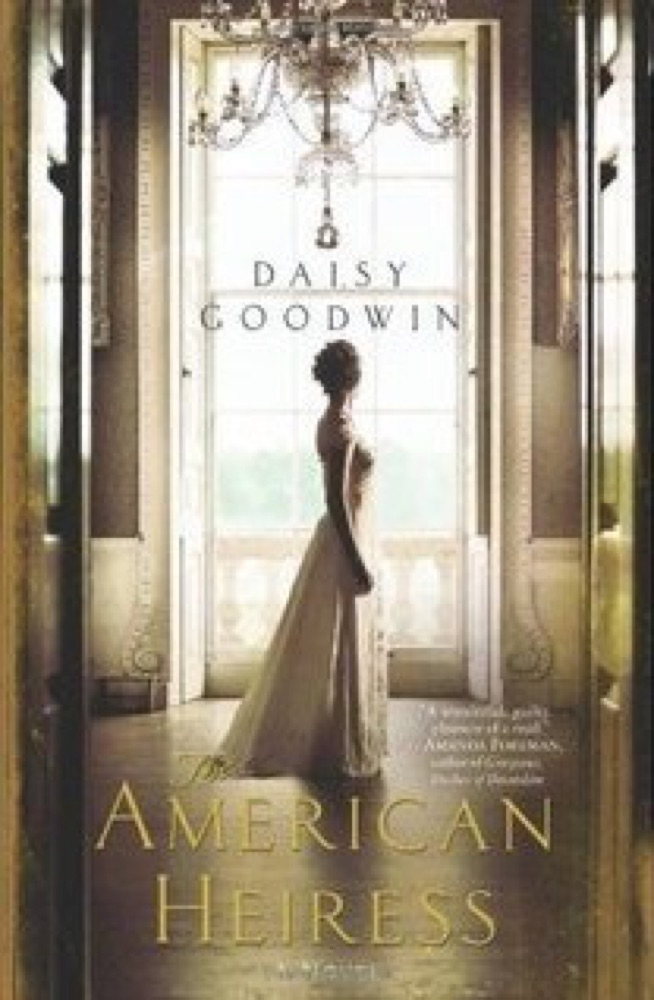 The American Heiress
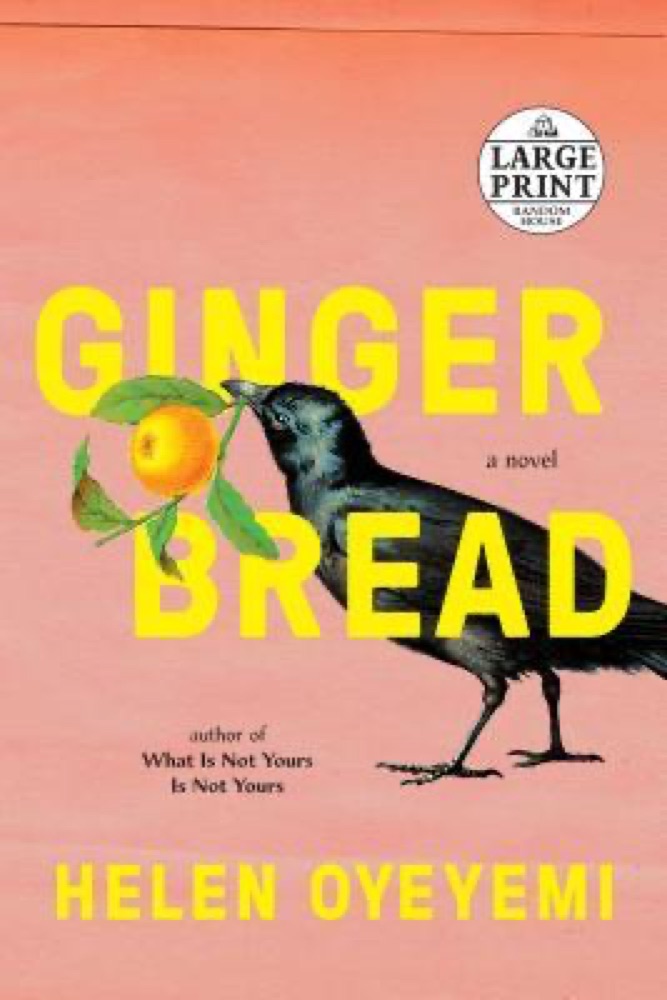 Gingerbread
 The Nonesuch
 Mohawk
 The Rise & Fall of Great Powers
 One Fifth Avenue
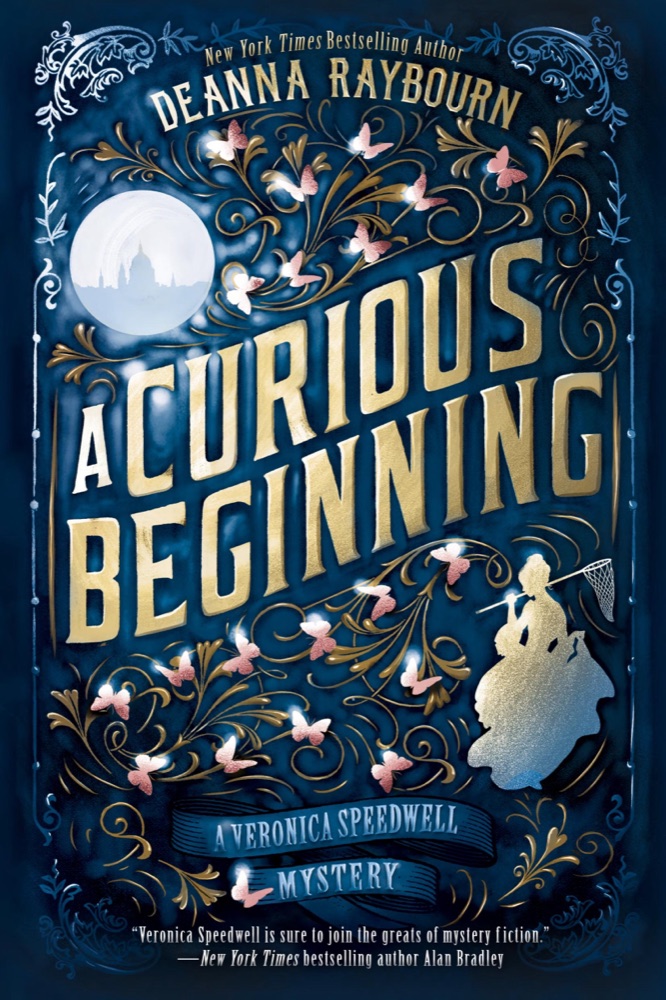 A Curious Beginning
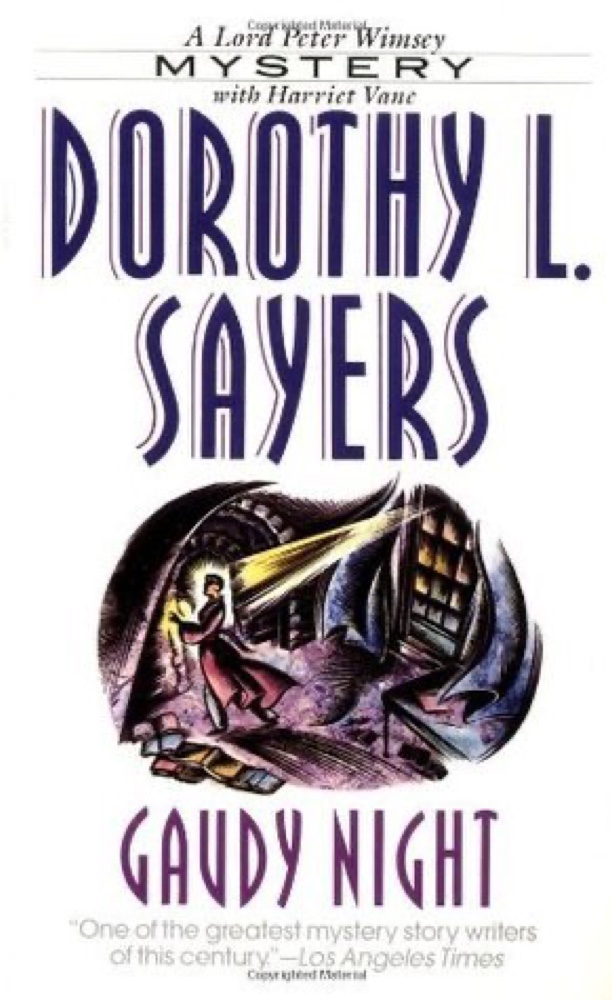 Gaudy Night
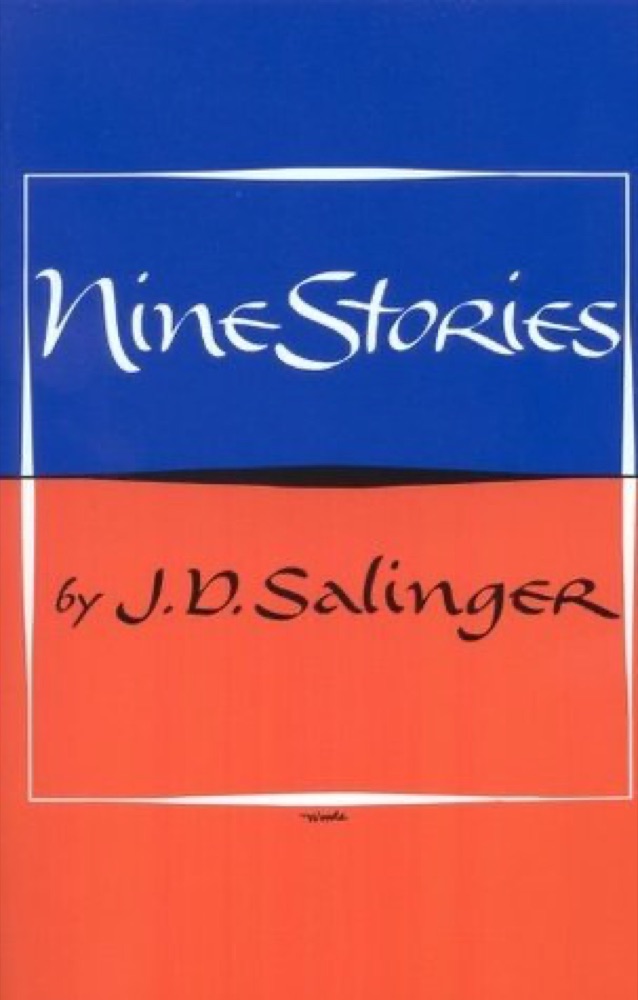 Nine Stories
 Wicked Becomes You
 The English Patient
 The Woman in White
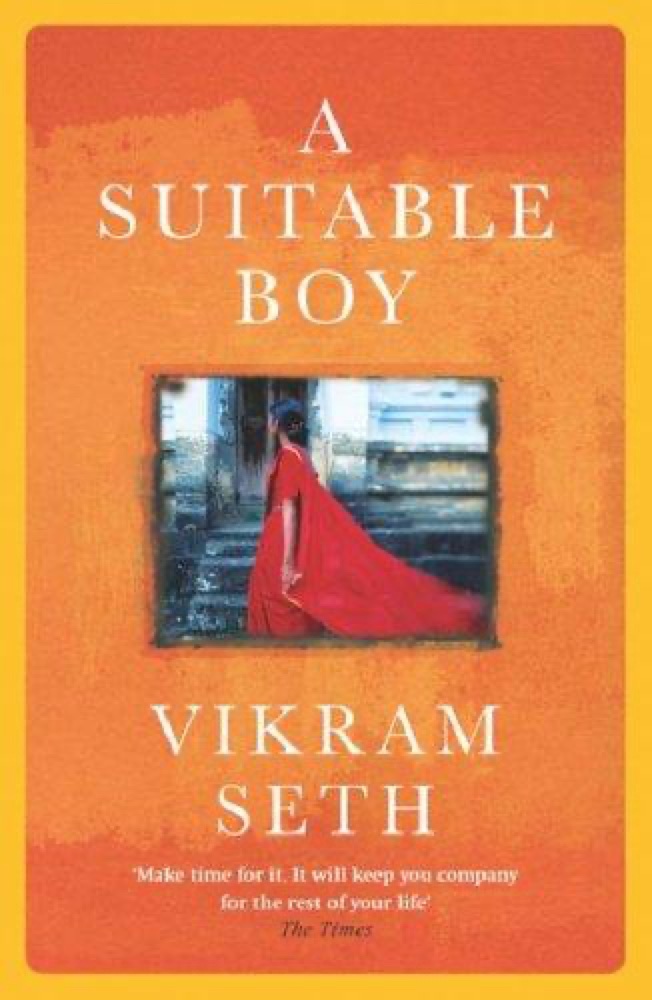 A Suitable Boy
 Mexican Gothic
 Girl with Curious Hair
 The Bonfire of the Vanities
 A Tramp Abroad
 Armadale
 A Lion Among Men
 Uncle Silas