

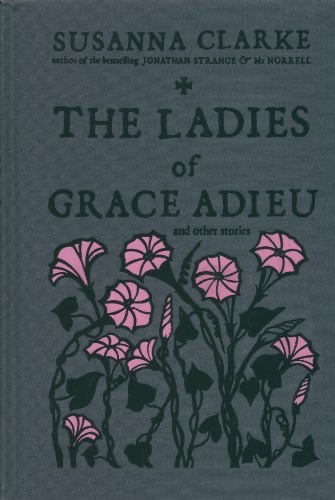
 The Ladies of Grace Adieu and Other Stories
Quotes from the Book
And how shall I think of you?' He considered a moment and then laughed. 'Think of me with my nose in a book!
Can a magician kill a man by magic?” Lord Wellington asked Strange. Strange frowned. He seemed to dislike the question. “I suppose a magician might,” he admitted, “but a gentleman never could.
Time and I have quarrelled. All hours are midnight now. I had a clock and a watch, but I destroyed them both. I could not bear the way they mocked me.
She wore a gown the color of storms, shadows, and rain and a necklace of broken promises and regrets.
There is nothing in the world so easy to explain as failure - it is, after all, what everybody does all the time.
Such nonsense!" declared Dr Greysteel. "Whoever heard of cats doing anything useful!" "Except for staring at one in a supercilious manner," said Strange. "That has a sort of moral usefulness, I suppose, in making one feel uncomfortable and encouraging sober reflection upon one's imperfections.
To be more precise it was the color of heartache.
I reached out my hand, England's rivers turned and flowed the other way... I reached out my hand, my enemies's blood stopt in their veins... I reached out my hand; thought and memory flew out of my enemies' heads like a flock of starlings; My enemies crumpled like empty sacks. I came to them out of mists and rain; I came to them in dreams at midnight; I came to them in a flock of ravens that filled a northern sky at dawn; When they thought themselves safe I came to them in a cry that broke the silence of a winter wood... The rain made a door for me and I went through it; The stones made a throne for me and I sat upon it; Three kingdoms were given to me to be mine forever; England was given to me to be mine forever. The nameless slave wore a silver crown; The nameless slave was a king in a strange country... The weapons that my enemies raised against me are venerated in Hell as holy relics; Plans that my enemies made against me are preserved as holy texts; Blood that I shed upon sncient battlefields is scraped from the stained earth by Hell's sacristans and placed in a vessel of silver and ivory. I gave magic to England, a valuable inheritance But Englishmen have despised my gift Magic shall be written upon the sky by the rain but they shall not be able to read it; Magic shall be written on the faces of the stony hills but their minds shall not be able to contain it; In winter the barren trees shall be a black writing but they shall not understand it... Two magicians shall appear in England... The first shall fear me; the second shall long to behold me; The first shall be governed by thieves and murderers; the second shall conspire at his own destruction; The first shall bury his heart in a dark wood beneath the snow, yet still feel its ache; The second shall see his dearest posession in his enemy's hand... The first shall pass his life alonel he shall be his own gaoler; The second shall tread lonely roads, the storm above his head, seeking a dark tower upon a high hillside... I sit upon a black throne in the shadows but they shall not see me. The rain shall make a door for me and I shall pass through it; The stones shall make a throne for me and I shall sit upon it... The nameless slave shall wear a silver crown The nameless slave shall be a king in a strange country...
Houses, like people, are apt to become rather eccentric if left too much on their own; this house was the architectural equivalent of an old gentleman in a worn dressing-gown and torn slippers, who got up and went to bed at odd times of day, and who kept up a continual conversation with friends no one else could see.
He understood for the first time that the world is not dumb at all, but merely waiting for someone to speak to it in a language it understands.
I have a scholar's love of silence and solitude. To sit and pass hour after hour in idle chatter with a roomful of strangers is to me the worst sort of torment.
..The argument he was conducting with his neighbor as to whether the English magician had gone mad because he was a magician, or because he was English.
Oh! And they read English novels! David! Did you ever look into an English novel? Well, do not trouble yourself. It is nothing but a lot of nonsense about girls with fanciful names getting married.
Mr. Robinson was a polished sort of person. He was so clean and healthy and pleased about everything that he positively shone - which is only to be expected in a fairy or an angel, but is somewhat disconcerting in an attorney.
For, though the room was silent, the silence of half a hundred cats is a peculiar thing, like fifty individual silences all piled one on top of another.
It has been remarked (by a lady infinitely cleverer than the present author) how kindly disposed the world in general feels to young people who either die or marry. Imagine then the interest that surrounded Miss Wintertowne! No young lady ever had such advantages before: for she died upon the Tuesday, was raised to life in the early hours of Wednesday morning, and was married upon the Thursday; which some people thought too much excitement for one week.
There is nothing else in magic but the wild thought of the bird as it casts itself into the void. There is no creature upon the earth with such potential for magic. Even the least of them may fly straight out of this world and come by chance to the Other Lands. Where does the wind come from that blows upon your face, that fans the pages of your book? Where the harum-scarum magic of small wild creatures meets the magic of Man, where the language of the wind and the rain and the trees can be understood, there we will find the Raven King.
When he awoke it was dawn. Or something like dawn. The light was watery, dim and incomparably sad. Vast, grey, gloomy hills rose up all around them and in between the hills there was a wide expanse of black bog. Stephen had never seen a landscape so calculated to reduce the onlooker to utter despair in an instant. "This is one of your kingdoms, I suppose, sir?" he said. "My kingdoms?" exclaimed the gentleman in surprize. "Oh, no! This is Scotland!
Woods were ringed with a colour so soft, so subtle that it could scarcely be said to be a colour at all. It was more the idea of a colour - as if the trees were dreaming green dreams or thinking green thoughts.
It [Ashfair House] was an old fashioned house—the sort of house in fact, as Strange expressed it, which a lady in a novel might like to be persecuted in.
Well, I suppose one ought not to employ a magician and then complain that he does not behave like other people.
He gave her his heart. She took it and placed it quietly in the pocket of her gown. No one observed what she did.
What nobility of feeling! To sacrifice your own pleasure to preserve the comfort of others! It is a thing, I confess, that would never occur to me.
It is also true that his hair had a reddish tinge and, as everybody knows, no one with red hair can ever truly be said to be handsome.
You mean to say he became mad deliberately?' ...Nothing is more likely,' said the duke.
Mr Norrell determined to establish himself in London with all possible haste. "You must get a house, Childermass," he said. "Get me a house that says to those that visit it that magic is a respectable profession - no less than Law and a great deal more so than Medicine." Childermass inquired drily if Mr Norrell wished him to seek out architecture expressive of the proposition that magic was as respectable as the Church? Mr Norrell (who knew there were such things as jokes in the world or people would not write about them in books, but who had never actually been introduced to a joke or shaken its hand) considered a while before replying at last that no, he did not think they could quite claim that.
It is these black clothes," said Strange. "I am like a leftover piece of funeral, condemned to walk about the Town, frightening people into thinking of their own mortality.
I have been quite put out of temper this morning and someone ought to die for it.
It is curious and we magicians collect curiosities, you know.
But when the fairy sang the whole world listened to him. Stephen felt clouds pause in their passing; he felt sleeping hills shift and murmur; he felt cold mists dance. He understood for the first time that the world is not dumb at all, but merely waiting for someone to speak to it in a language it understands. In the fairy’s song the earth recognized the names by which it called itself.
Did you know?
- The novel is written with numerous mock-scholarly footnotes that recount the history and folklore of English magic.
- Susanna Clarke worked on the book for roughly ten years while employed as a cookbook editor.
- It won the Hugo Award for Best Novel in 2005.
- Neil Gaiman championed Clarke's early work and helped bring the manuscript to publication.
- The BBC adapted it into a seven-part television miniseries in 2015, starring Bertie Carvel and Eddie Marsan.
- Time magazine named it one of the best novels of 2004.
About Susanna Clarke
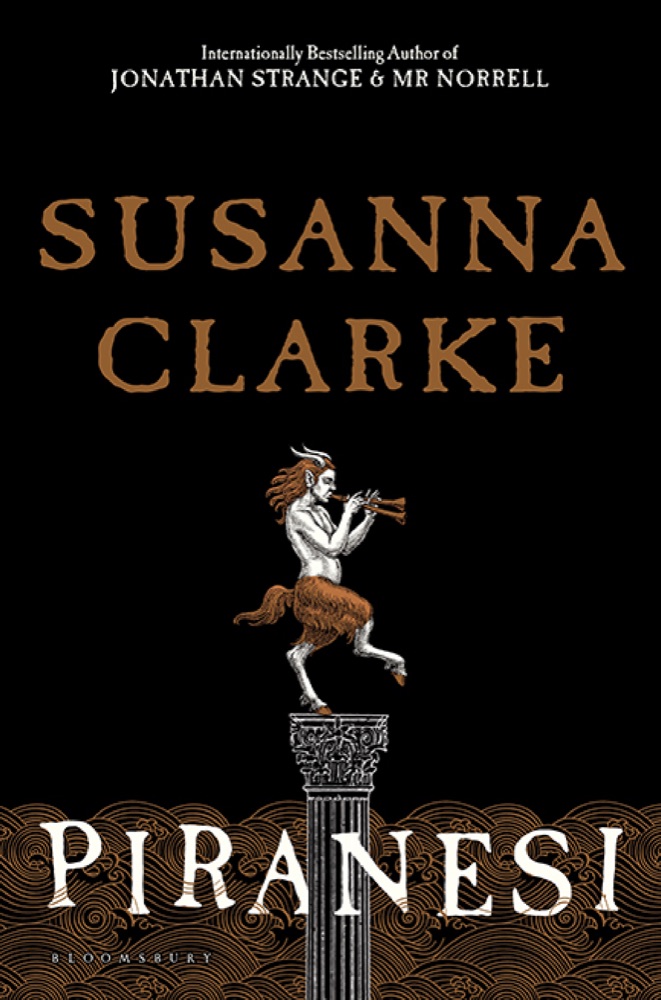
Susanna Clarke is a British writer who spent about ten years writing her debut novel while working as a cookbook editor in Cambridge. She later published the novel Piranesi in 2020, after chronic illness delayed further work.
More about the author →More by Susanna Clarke
About the book
Susanna Clarke's debut novel, published in 2004, is an alternative history set in early 19th-century England during the Napoleonic Wars, in a world where magic once flourished but has dwindled to mere scholarship. It follows the reclusive, pedantic Gilbert Norrell, who reestablishes practical magic in England, and his charismatic pupil-turned-rival Jonathan Strange. Their partnership and growing rivalry draws them into dangerous dealings with a malevolent fairy known as the Gentleman with the Thistledown Hair, whose bargains ensnare those around them.
Told in the voice of a 19th-century pastiche complete with mock-scholarly footnotes, the book weaves together threads of English national identity, the tension between reason and madness, and the buried history of magic tied to the legendary Raven King. Clarke contrasts Norrell's cautious, hoarding temperament with Strange's intuitive daring, using their differing philosophies of magic to explore friendship, ambition, and the cost of meddling with forces beyond human control. Silenced figures such as the butler Stephen Black and the resurrected Lady Pole prove central to the resolution.
Written over roughly a decade while Clarke worked as a cookbook editor, the novel became a critical and commercial success, reaching the New York Times bestseller list and winning the Hugo, World Fantasy, Locus, and Mythopoeic awards. Widely praised for blending the manners and prose of Austen and Dickens with modern fantasy, it was adapted by the BBC into a seven-part television miniseries in 2015 and remains a landmark of contemporary literary fantasy.
Key characters
- Gilbert NorrellReclusive, pedantic scholar who becomes England's first practical magician in centuries
- Jonathan StrangeCharming younger gentleman-magician who becomes Norrell's pupil and rival
- The Gentleman with the Thistledown HairMalevolent, powerful fairy and chief antagonist
- Stephen BlackSir Walter Pole's butler, drawn into the fairy's schemes
- Emma Wintertowne (Lady Pole)Woman resurrected by Norrell and secretly held captive in Faerie
- John ChildermassNorrell's shrewd servant and factotum, a practical magician in his own right
- VinculusRagged street magician who recites prophecies of the Raven King
Book details
- First published
- 2004
- Length
- 782 pages
- Reading time
- 19 hours
- Author
- Susanna Clarke
- Genre
- Science Fiction
- Goodreads rating
- 3.88 (261k ratings) →
- First line
- “Some years ago there was in the city of York a society of magicians.”
Movie & TV adaptations
- IMDb
If you liked this, read…
- 1PiranesiClarke's own later novel, sharing her atmospheric prose and interest in hidden worlds
- 2The Night CircusHistorical fantasy with rival practitioners of magic and lush period atmosphere
- 3Lud-in-the-MistClassic English fantasy of Faerie intruding on an ordinary human world, often cited alongside Clarke
Keep reading
The Ladies of Grace Adieu and Other Stories
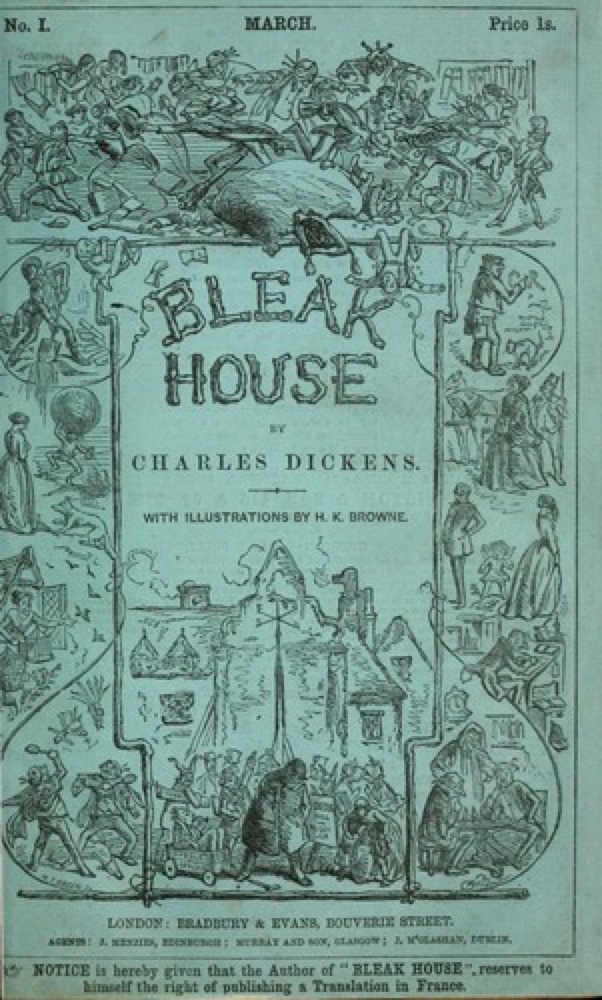 Bleak House
 The Magician's Nephew
 The Invisible Man
 Gaudy Night
 No Name
 The Light Fantastic
 A Beautiful Blue Death
 Lud-in-the-Mist
 Dombey and Son
 Wintersmith
 The Beekeeper's Apprentice
 Lord Arthur Savile's Crime and Other Stories
 Barnaby Rudge
 Sherlock Holmes
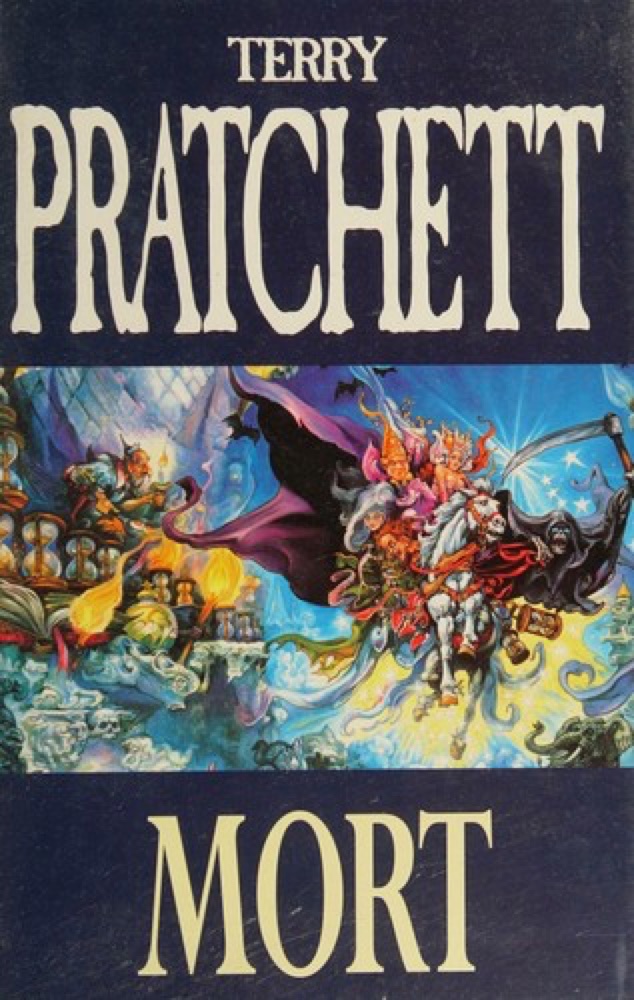 Mort
Mort
 Amongst Our Weapons
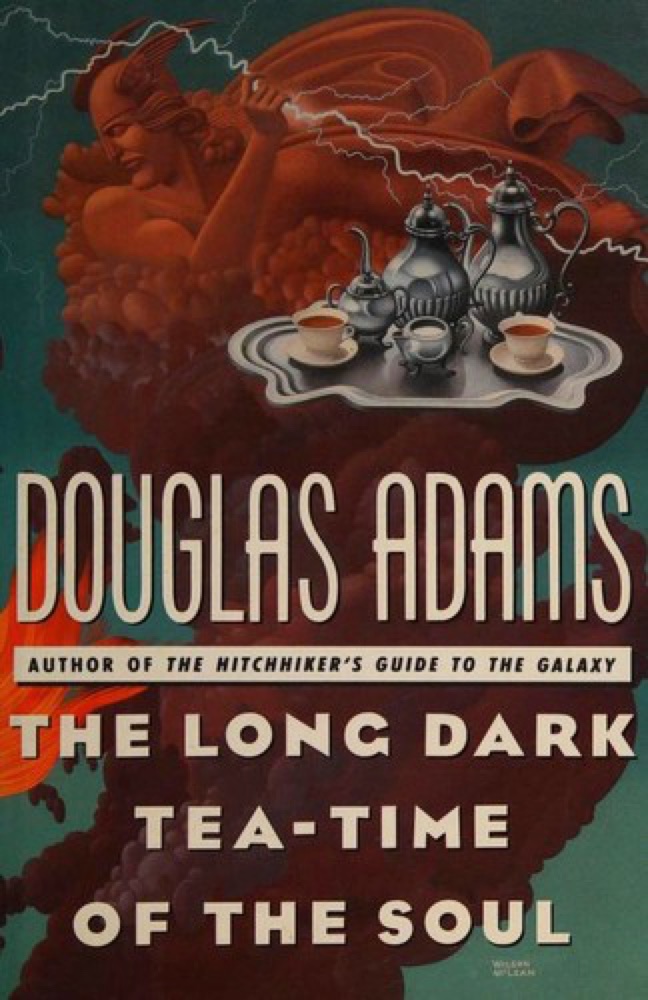 The Long Dark Tea-Time of the Soul
 At Swim-Two-Birds
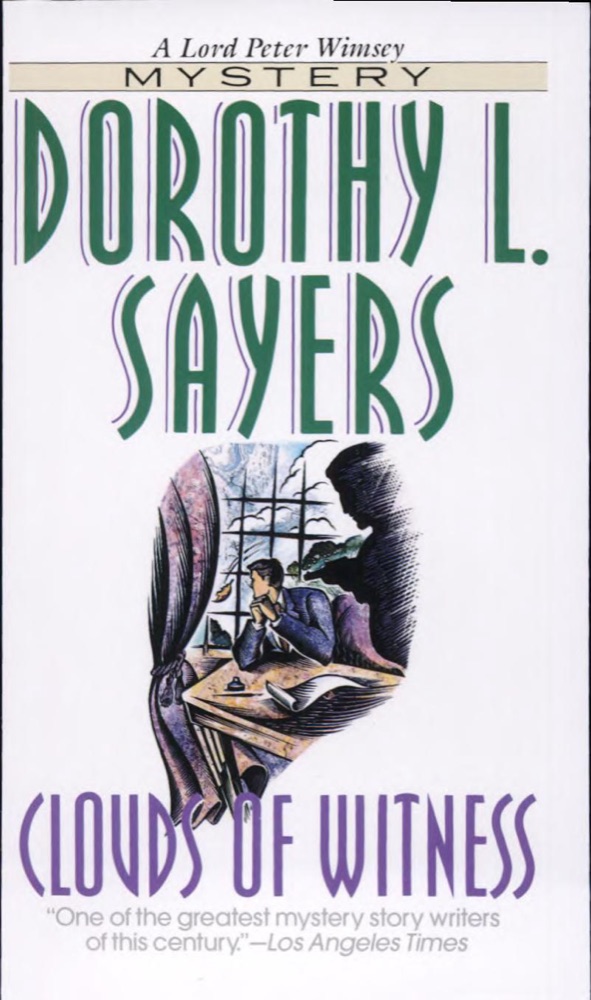 Clouds of Witness
 Fly by Night
 The Accursed
 Busman's Honeymoon
 Jude the Obscure
 The Real Life of Sebastian Knight
 The Lost World
 A Dance to the Music of Time: 1st Movement
 The Isle of Blood
 Uncle Silas
 The Go-Between
 Silent in the Grave
 The Truth: Stage Adaptation
 Armadale
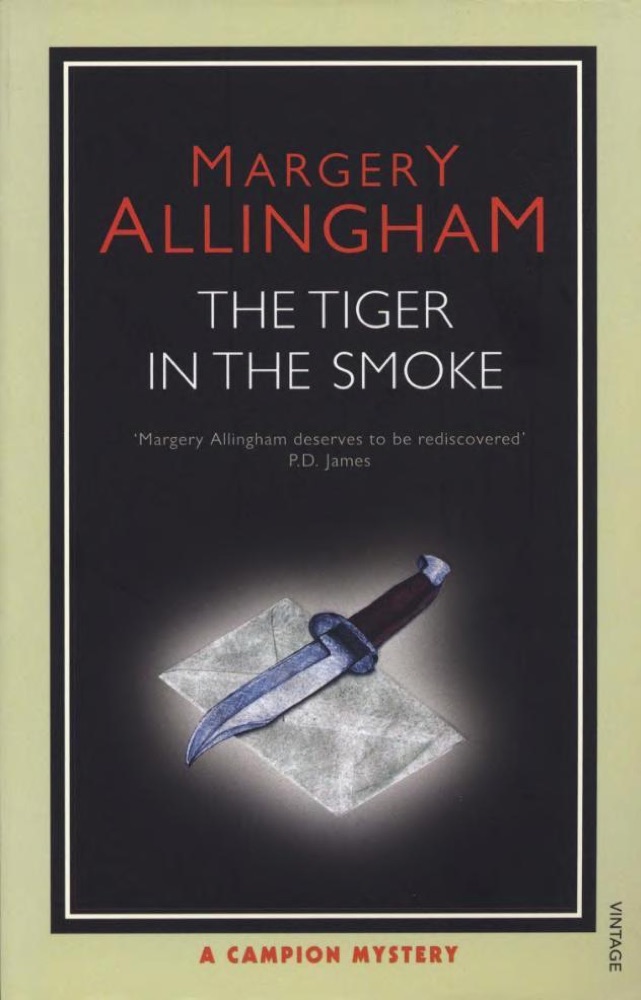 The Tiger in the Smoke
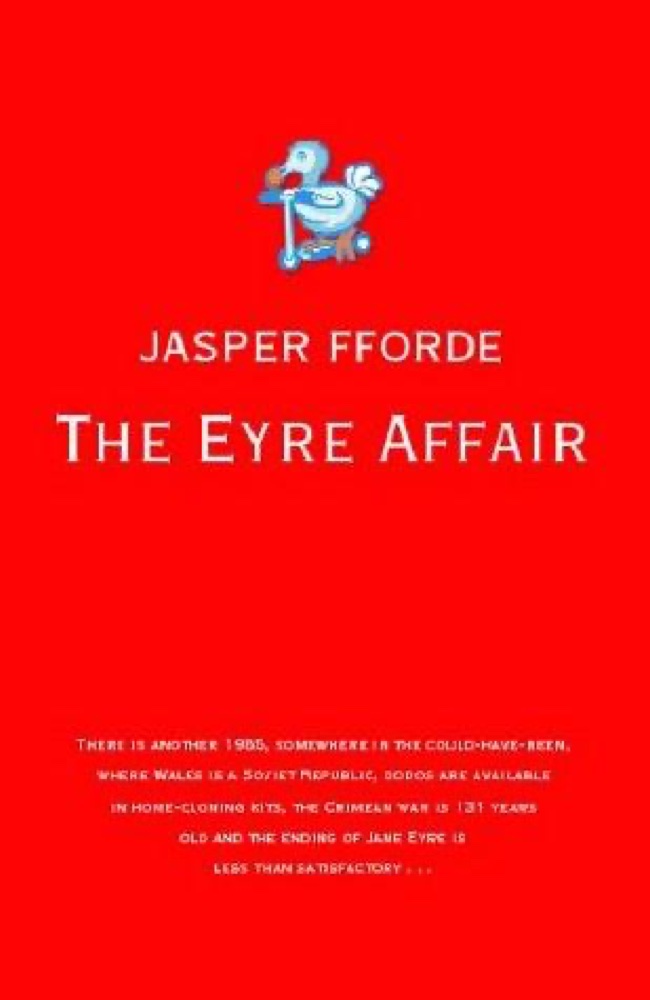 The Eyre Affair
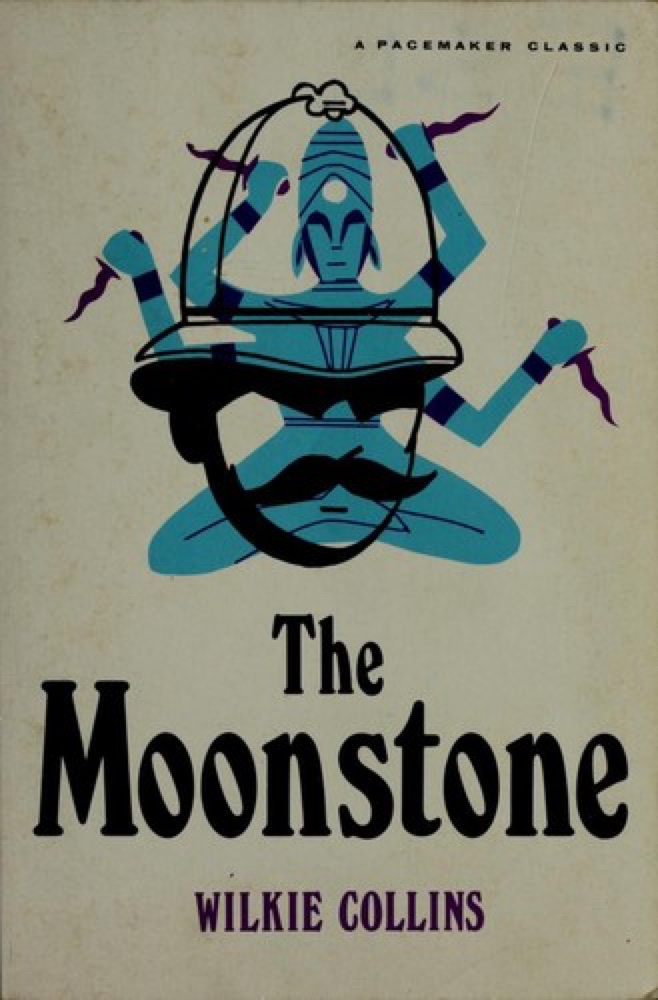 The Moonstone
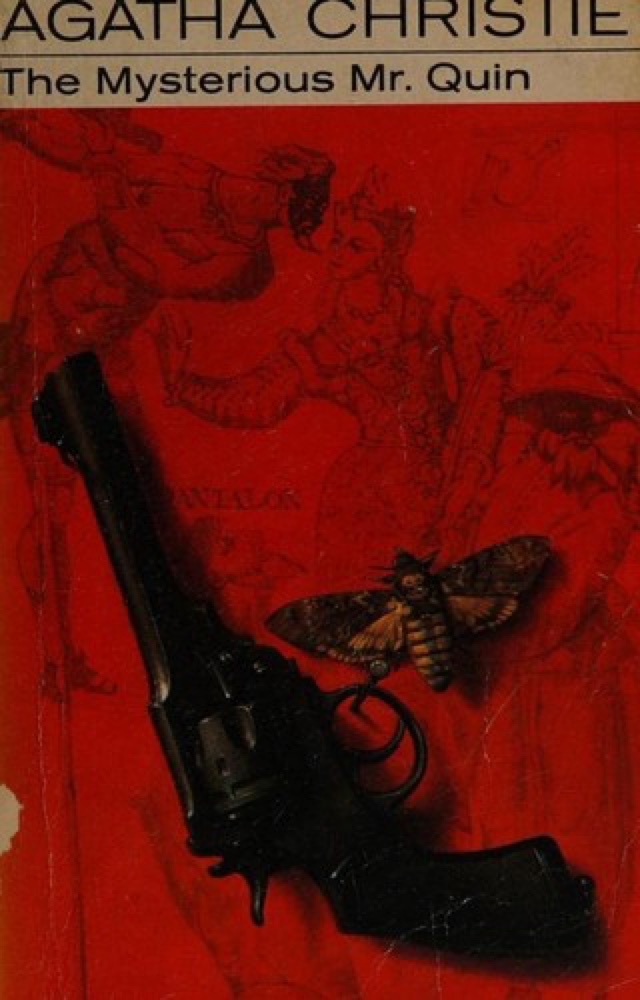 The Mysterious Mr. Quin
 Emily's Quest
 The Golden Tresses of the Dead
 Titus Groan
 How the Marquess Was Won
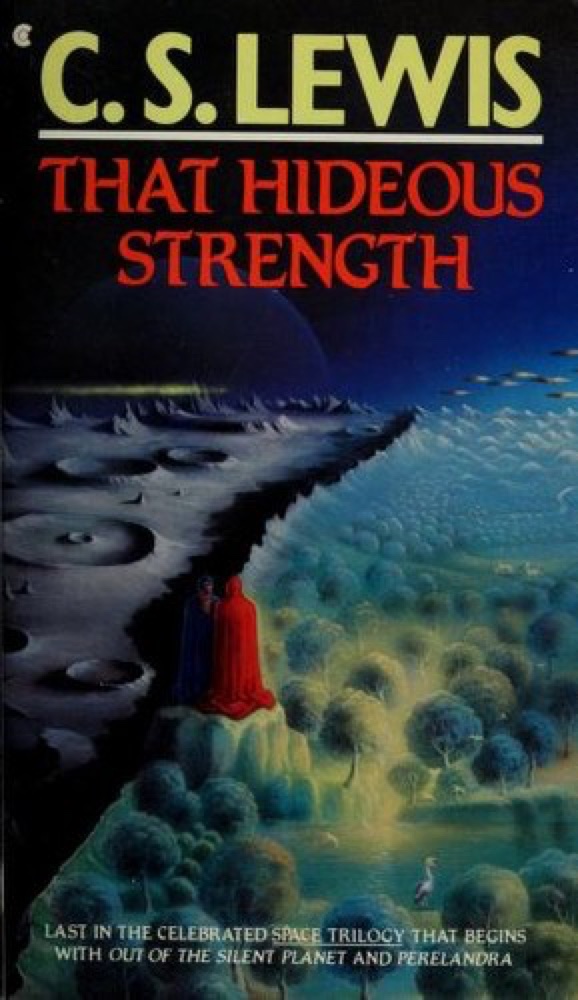 That Hideous Strength
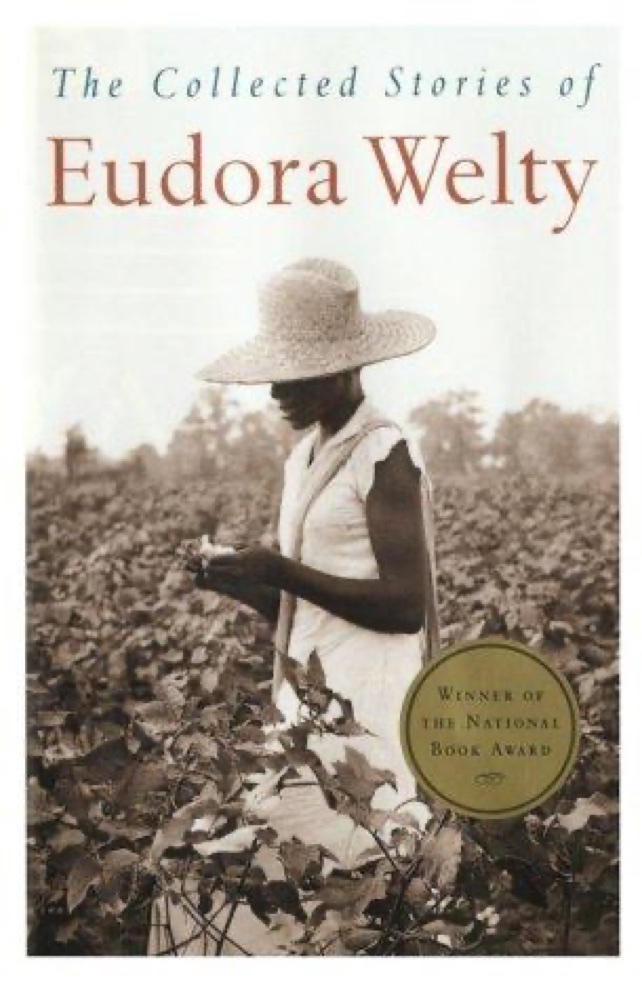 The Collected Stories
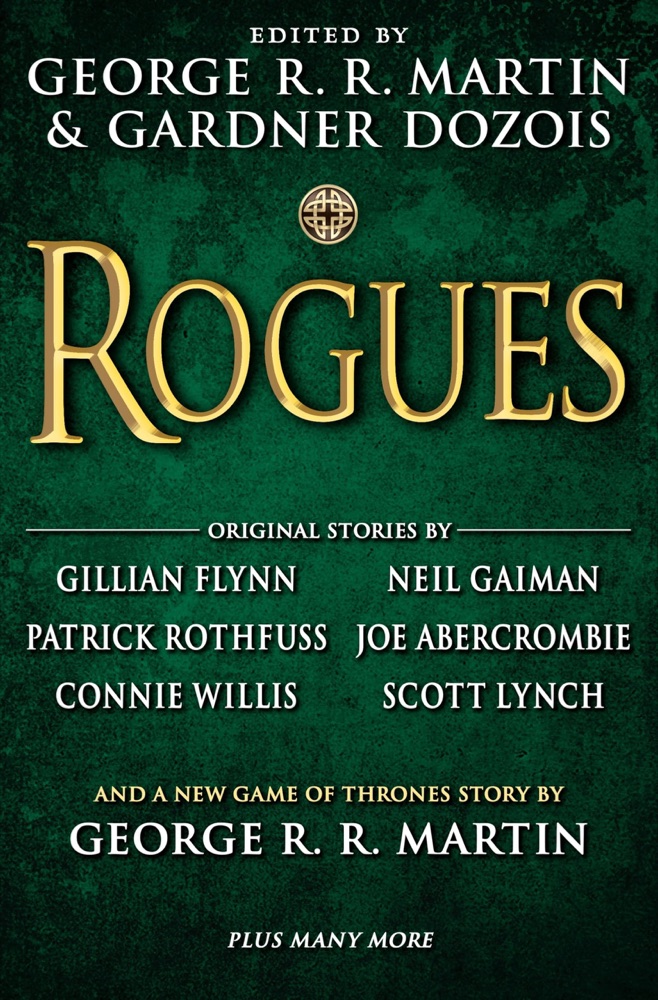 Rogues
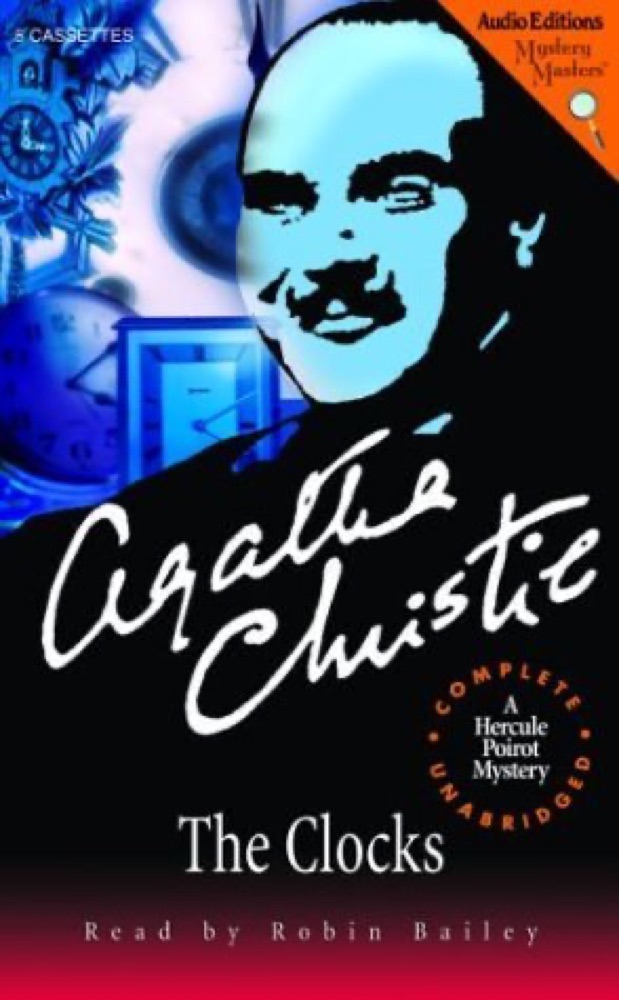 The Clocks
 Ptolemy's Gate
 Neverwhere
 Competence
 Victory
 The Moving Finger
 Venetia
 The Gormenghast Novels
 A Madness of Angels
 Shadow & Claw
 Strangers on a Train
 Zuleika Dobson
 The Children's Book
 The Hexologists
 Speaking from Among the Bones
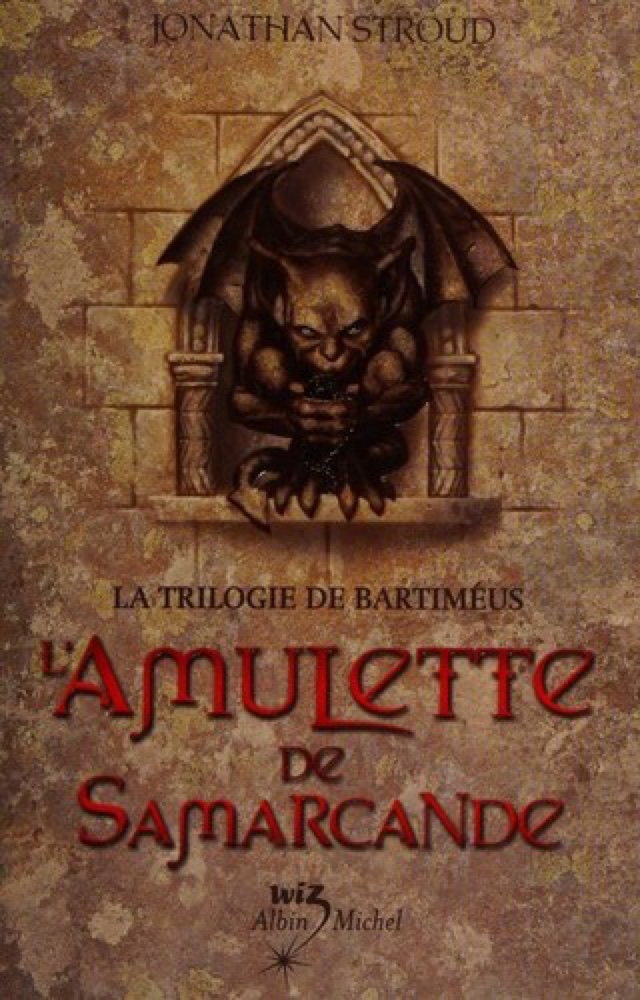 The Amulet of Samarkand