
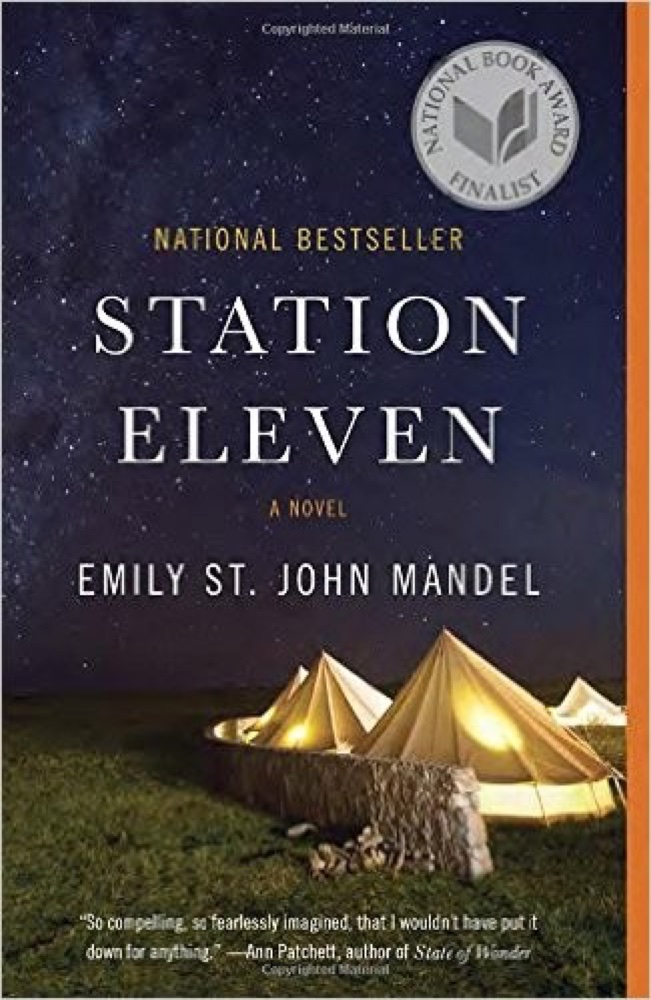
 Station Eleven
Quotes from the Book
My point is, there’s always something. I think, as a species, we have a desire to believe that we’re living at the climax of the story. It’s a kind of narcissism. We want to believe that we’re uniquely important, that we’re living at the end of history, that now, after all these millennia of false alarms, now is finally the worst that it’s ever been, that finally we have reached the end of the world.
276
A life lived in a simulation is still a life.
131
There’s a low-level, specific pain in having to accept that putting up with you requires a certain generosity of spirit in your loved ones.
112
Pandemics don’t approach like wars, with the distant thud of artillery growing louder every day and flashes of bombs on the horizon. The arrive in retrospect, essentially. It’s disorienting. The pandemic is far away and then it’s all around you with seemingly no intermediate step.
110
If there’s pleasure in action, there’s peace in stillness.
91
I’ve been thinking a great deal about time and motion lately, about being a still point in the ceaseless rush.
89
This is the strange lesson of living in a pandemic: life can be tranquil in the face of death.
88
If definitive proof emerges that we’re living in a simulation, the correct response to that news will be So what. A life lived in a simulation is still a life.
77
It’s shocking to wake up in one world and find yourself in another by nightfall, but the situation isn’t actually all that unusual. You wake up married, then your spouse dies over the course of the day. You wake up in peacetime and by noon your country is at war; you wake up in ignorance and by the evening it’s clear that a pandemic is already here.
72
When have we ever believed that the world wasn’t ending?
70
Sometimes you don't know you're going to throw a grenade until you've already pulled the pin.
54
The truth is,” Olive said, behind a lectern in Paris, “even now, all these centuries later, for all our technological advances, all our scientific knowledge of illness, we still don’t always know why one person gets sick and another doesn’t, or why one patient survives and another dies. Illness frightens us because it’s chaotic. There’s an awful randomness about it.
38
My personal belief is that we turn to postapocalyptic fiction not because we’re drawn to disaster, per se, but because we’re drawn to what we imagine might come next. We long secretly for a world with less technology in it.
36
Edwin is capable of action but prone to inertia.
36
It seems like it’s been fairly well contained,” but here’s an epidemiological question: if you’re talking about outbreaks of infectious disease, isn’t fairly well contained essentially the same thing as not contained at all?
32
What you have to understand is that bureaucracy is an organism, and the prime goal of every organism is self-protection. Bureaucracy exists to protect itself.
31
Everything offended Jessica, which is inevitable when you move through the world in search of offense.
29
You write a book with a fictional tattoo and then the tattoo becomes real in the world and after that almost anything seems possible. She’d seen five of those tattoos, but that didn’t make it less extraordinary, seeing the way fiction can bleed into the world and leave a mark on someone’s skin.
28
Perhaps we believe on some level that if the world were to end and be remade, if some unthinkable catastrophe were to occur, then perhaps we might be remade too, perhaps into better, more heroic, more honorable people.
26
You should have told me my cat was a time traveler.
26
The distance is unbearable if you let yourself dwell on it.
21
You know the phrase I keep thinking about?" a poet asked, on a different panel, at a festival in Copenhagen. "The chickens are coming home to roost.' Because it's never good chickens. It's never 'You've been a good person and now your chickens are coming home to roost.' It's never good chickens. It's always bad chickens.
18
A life of solitude could be a very pleasant thing.
16
We knew it was coming but we behaved inconsistently. We stocked up on supplies—just in case—but sent our children to school, because how do you get any work done with the kids at home?
16
Well," he said, "I saw some things I wish I hadn't." Understatement of the goddamned twentieth century.
15
Because we might reasonably think of the end of the world,” Olive said, “as a continuous and never-ending process.
14
—and my point is, there’s always something. I think, as a species, we have a desire to believe that we’re living at the climax of the story. It’s a kind of narcissism. We want to believe that we’re uniquely important, that we’re living at the end of history, that now, after all these millennia of false alarms, now is finally the worst that it’s ever been, that finally we have reached the end of the world.
13
Is this your first time staying with us?" a woman at a reception desk for the third or fourth hotel said to her, and Olive wasn't sure how to answer, because if you've stayed in one Marriott, haven't you stayed in all of them?
10
I think, as a species, we have a desire to believe that we’re living at the climax of the story. It’s a kind of narcissism. We want to believe that we’re uniquely important, that we’re living at the end of history, that now, after all these millennia of false alarms, now is finally the worst that it’s ever been, that finally we have reached the end of the world.
9
Did you know?
- It was Emily St. John Mandel's sixth novel.
- The novel was selected for Barack Obama's 2022 summer reading list.
- Mandel wrote much of the book during the COVID-19 pandemic, which shapes its storyline about a novelist touring with a pandemic novel as a real outbreak begins.
- It shares characters and settings with Mandel's earlier novels The Glass Hotel and Station Eleven.
- Its four timelines range from 1912 to 2401.
About Emily St. John Mandel
Emily St. John Mandel is a Canadian novelist and essayist born in 1979 in British Columbia, who trained as a dancer before turning to fiction. She is best known for Station Eleven (2014) and The Glass Hotel (2020), and as of the early 2020s lived in Brooklyn, New York.
More about the author →More by Emily St. John Mandel
About the book
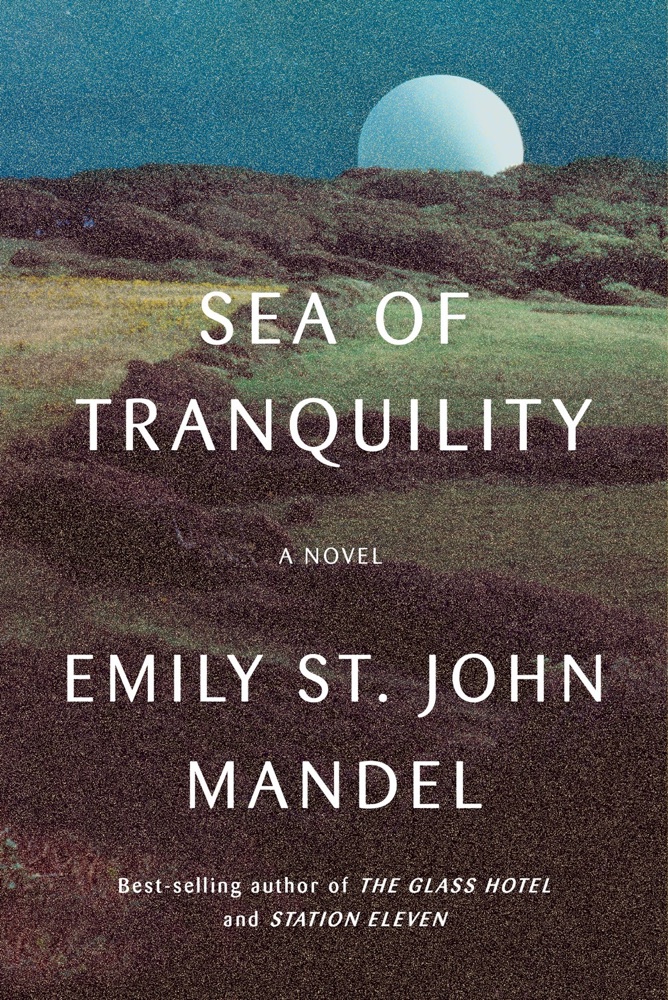
Sea of Tranquility is Emily St. John Mandel's sixth novel, a work of speculative fiction that braids together four storylines spanning nearly five centuries. It opens in 1912 with Edwin St. Andrew, a young exiled Englishman who experiences a strange moment of temporal disorientation in a Canadian forest, and reaches forward to 2401, when Gaspery-Jacques Roberts, an investigator from a lunar colony's Time Institute, is sent to examine a recurring anomaly that seems to connect witnesses across the centuries. Between these poles, a woman named Mirella in 2020 and a novelist named Olive Llewellyn on a book tour in 2203 each brush against the same inexplicable event.
Across its interlocking timelines the novel meditates on time, memory, and the simulation hypothesis, asking what it would mean if our reality were not the original one. Written largely during the COVID-19 pandemic, it folds the strangeness of living through a global outbreak into Olive's storyline, in which a novelist who once wrote about a fictional pandemic finds herself touring as a real one begins. The book also revisits characters and settings from Mandel's earlier novels The Glass Hotel and Station Eleven, extending her ongoing exploration of interconnection and contingency.
Published by Alfred A. Knopf in 2022, the novel was a critical and commercial success, appearing on Barack Obama's 2022 summer reading list and winning the Goodreads Choice Award for Best Science Fiction that year. Reviewers widely praised Mandel's spare, elegant prose and the ambition of its structure, while some critics felt the plotting and characterization were thinner than the sentence-level writing. It was longlisted for the 2023 Andrew Carnegie Medal for Excellence in Fiction.
Key characters
- Gaspery-Jacques RobertsInvestigator from a 25th-century lunar colony's Time Institute who probes the anomaly
- Edwin St. AndrewExiled young Englishman who experiences a temporal anomaly in Canada in 1912
- Olive LlewellynNovelist from a moon colony on an Earth book tour in 2203 as a pandemic begins
- MirellaWoman in 2020 connected to the events through her missing friend Vincent
Book details
- First published
- 2022
- Length
- 255 pages
- Reading time
- 2 hours
- Author
- Emily St. John Mandel
- Genre
- Fiction
- Goodreads rating
- 4.05 (309k ratings)
Critical reception
- Won the Goodreads Choice Award for Best Science Fiction in 2022.
- Appeared on Barack Obama's 2022 summer reading list.
- Reviewers praised the elegant prose and ambitious structure, while some critics found the plotting and characters comparatively thin.
Movie & TV adaptations
- IMDb
If you liked this, read…
- 1Station ElevenMandel's own earlier novel sharing themes of time, art, and interconnected lives
- 2This Is How You Lose the Time WarLyrical literary science fiction built around time travel across eras
- 3Cloud AtlasNested, time-spanning narratives that echo and connect across centuries
Keep reading
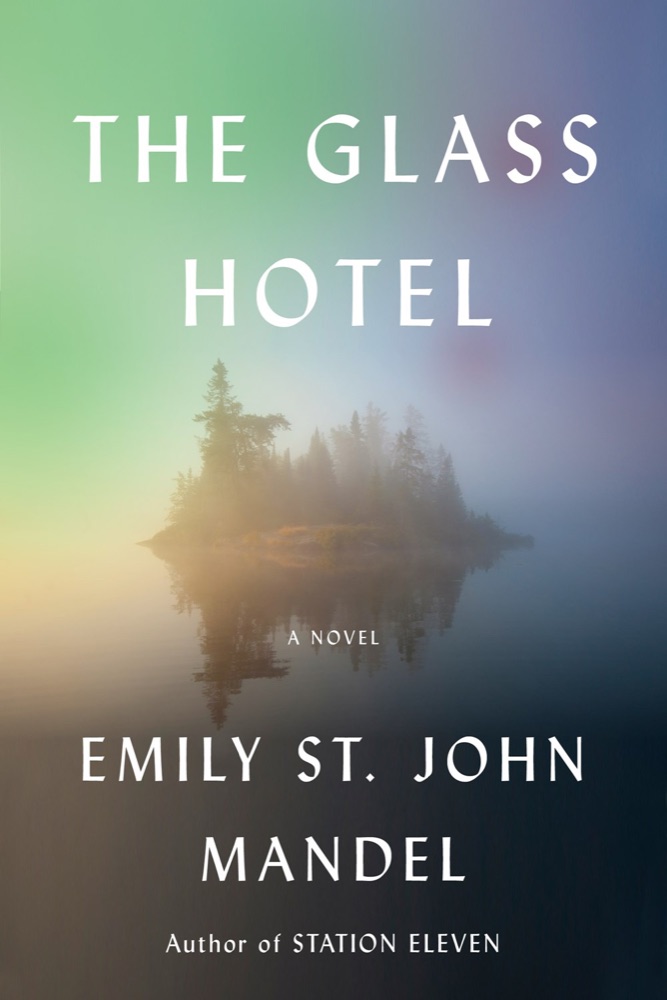 The Glass Hotel
 How High We Go in the Dark
 Point Omega
 Year of the Monkey
 The Future
 The Bee Sting
 The Toll
 The Last
 Thirteen Moons
 Winter
 White Noise
 Flights
 The Gone-Away World
 The Age of Miracles
 A Tale for the Time Being
 Kafka on the Shore
 Wanderers
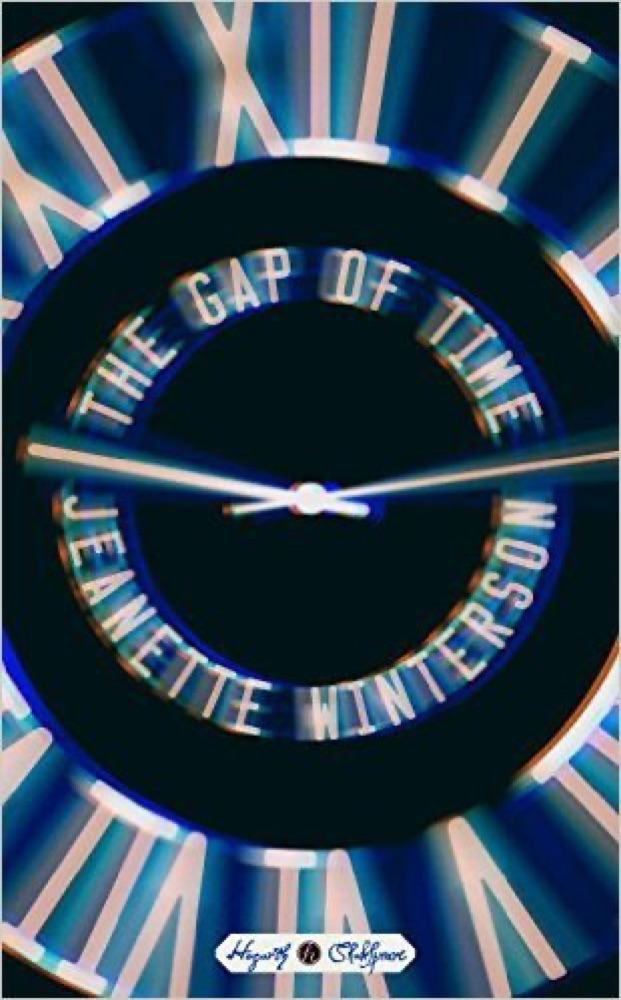 The Gap of Time
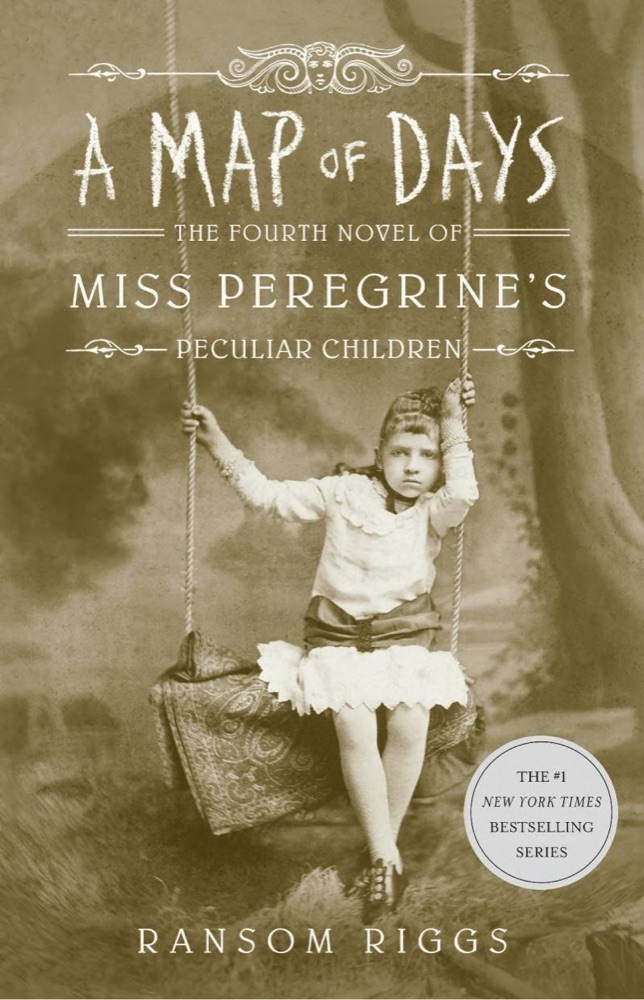 A Map of Days
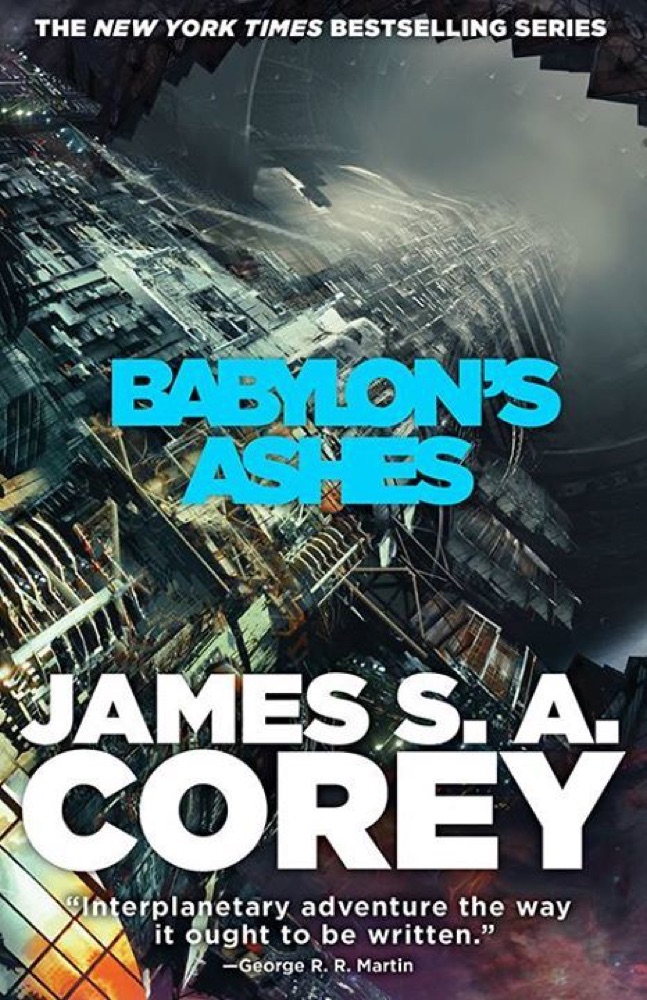 Babylon's Ashes
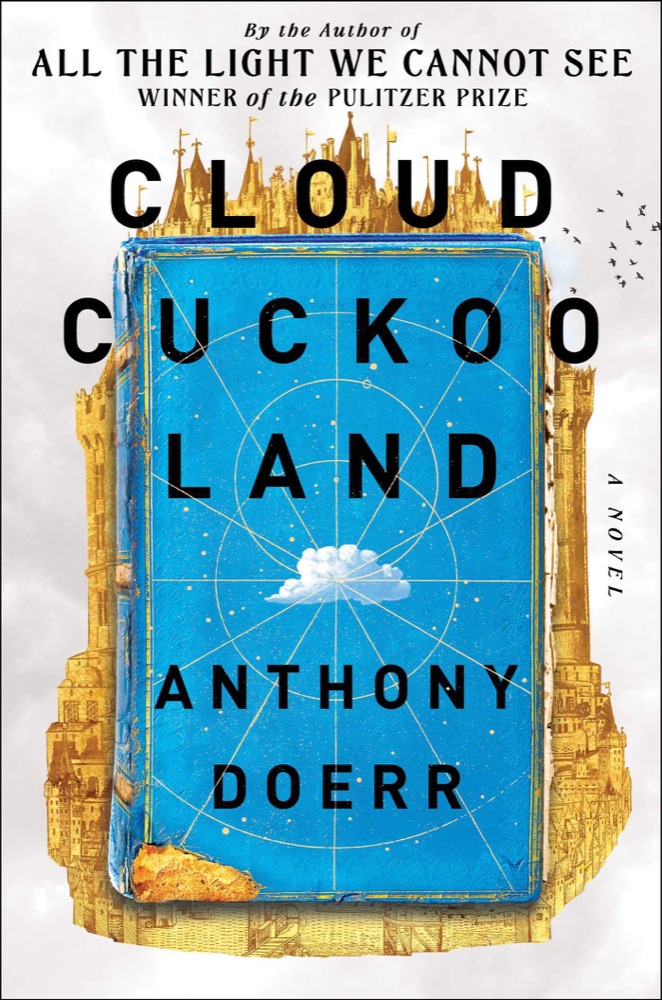 Cloud Cuckoo Land
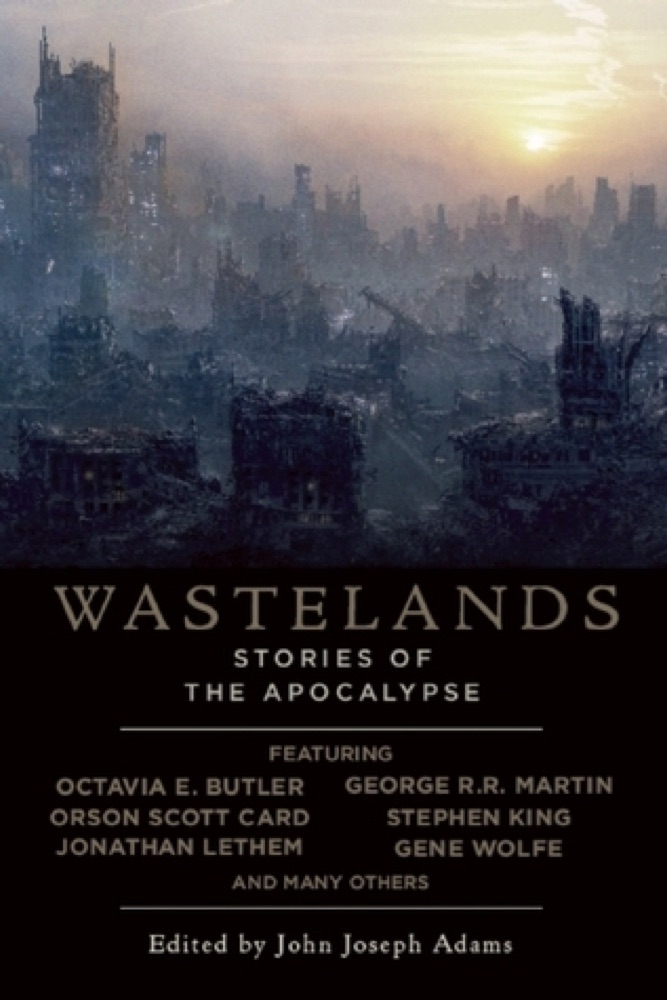 Wastelands: Stories of the Apocalypse
 The Fifth Science
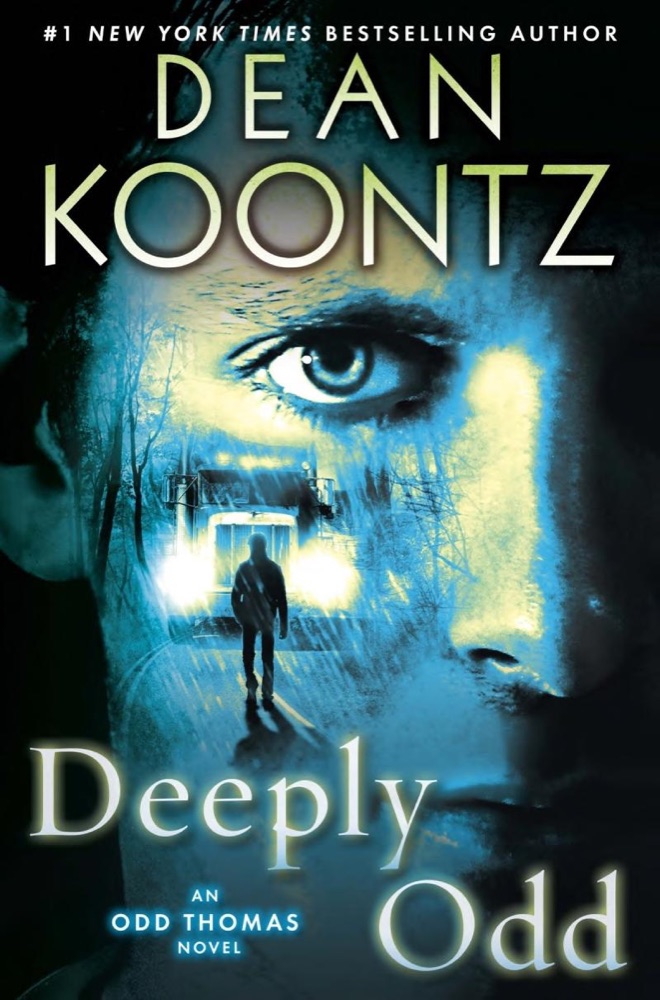 Deeply Odd
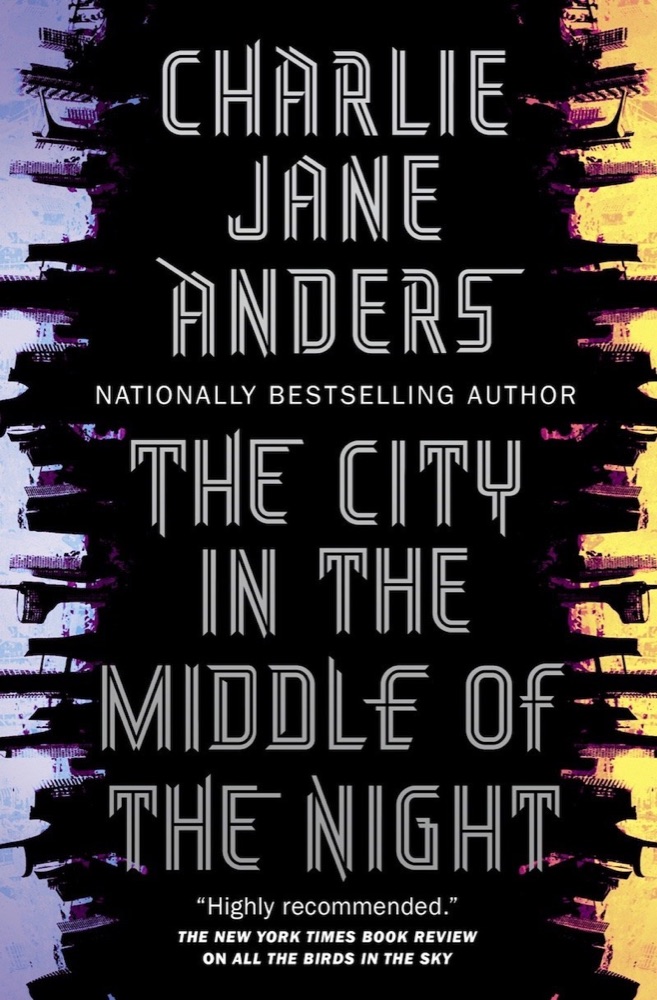 The City in the Middle of the Night
 Hard-Boiled Wonderland and the End of the World
 Let the Great World Spin
 The Angel Esmeralda
 To Be Taught, If Fortunate
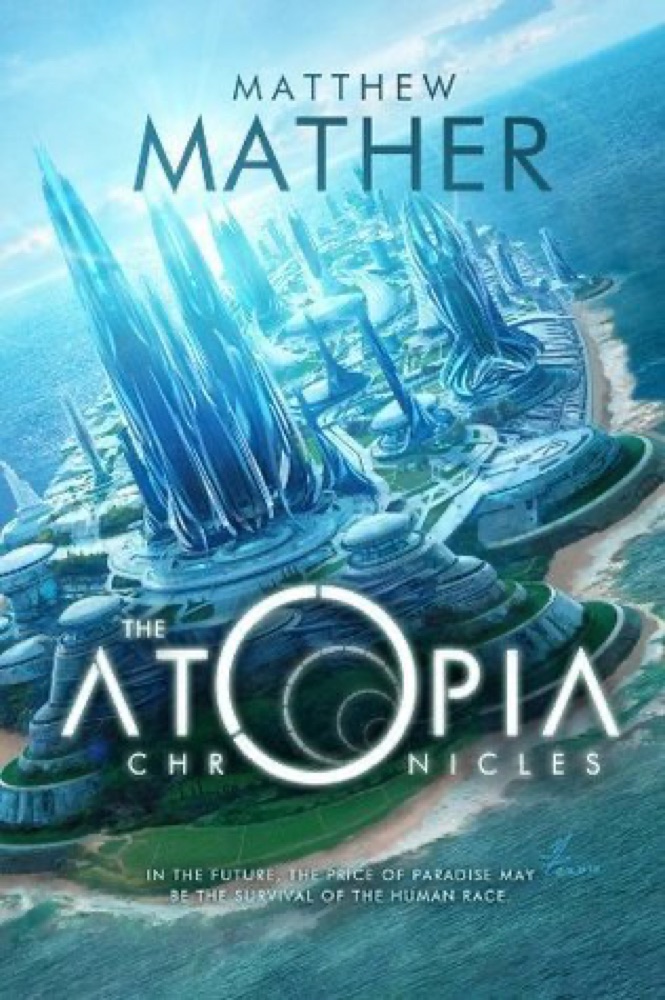 The Atopia Chronicles
 The Lay of the Land
 Twist
Twist
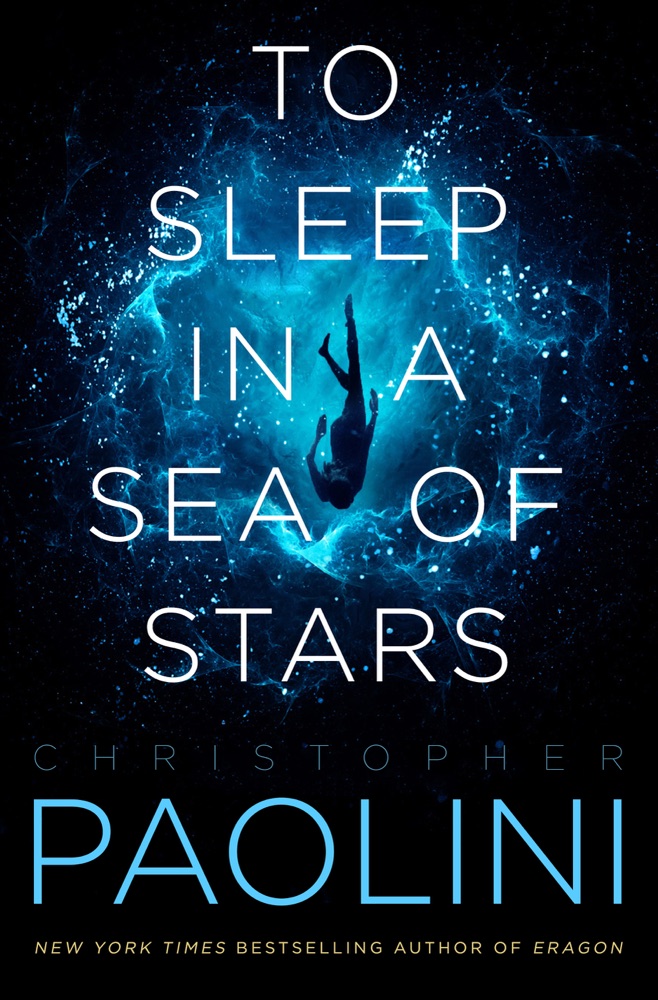 To Sleep in a Sea of Stars
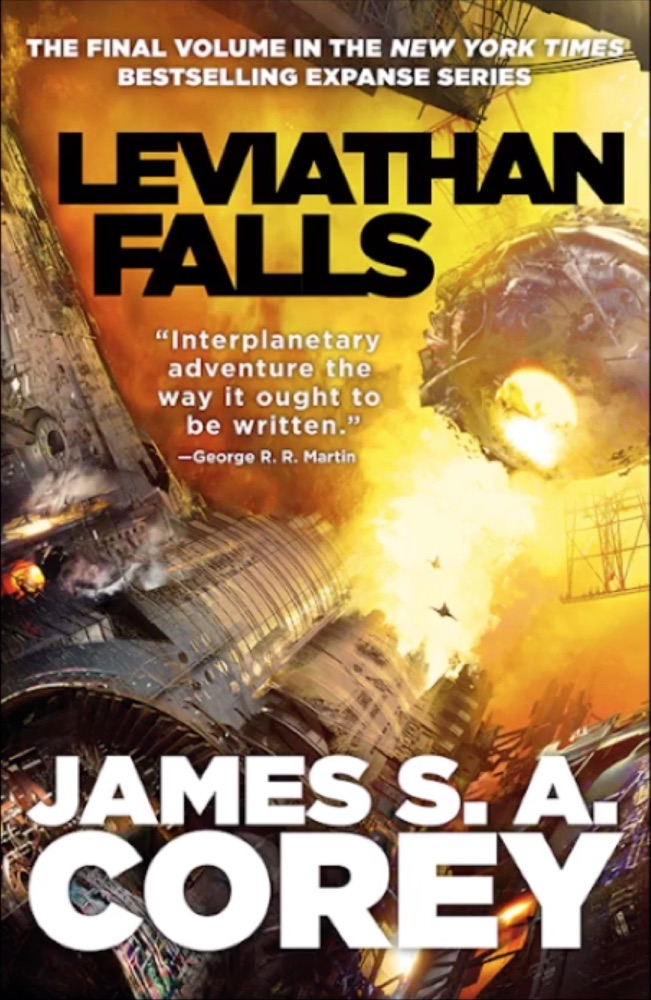 Leviathan Falls
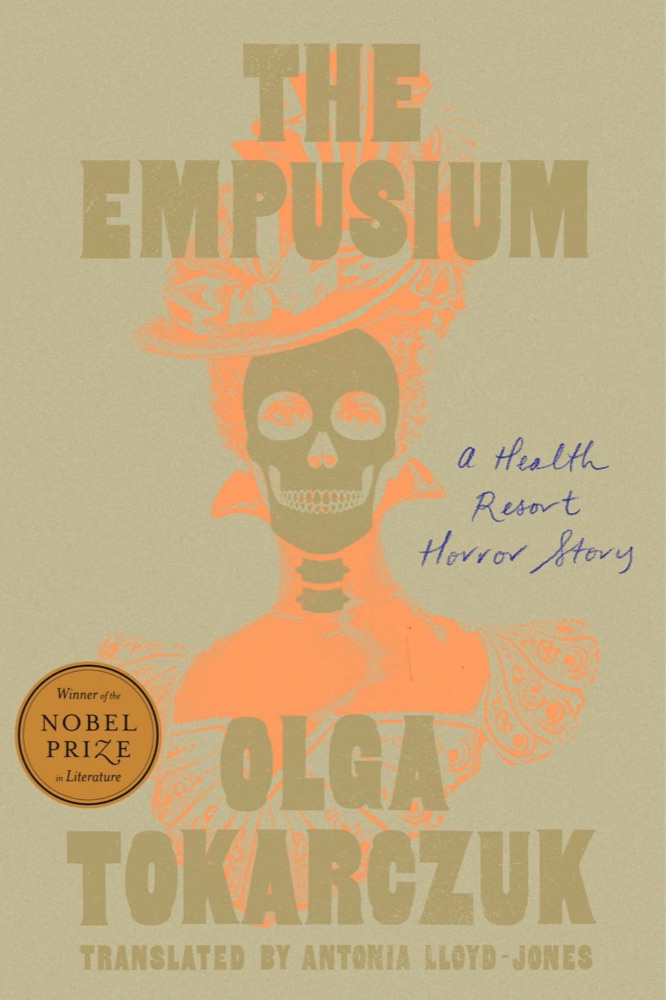 The Empusium
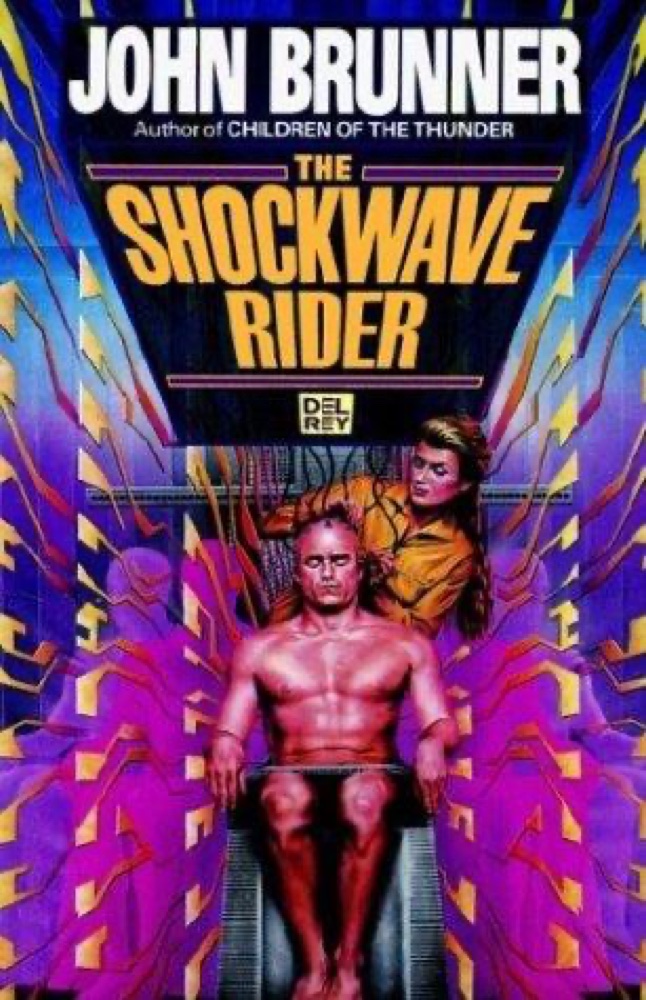 The Shockwave Rider
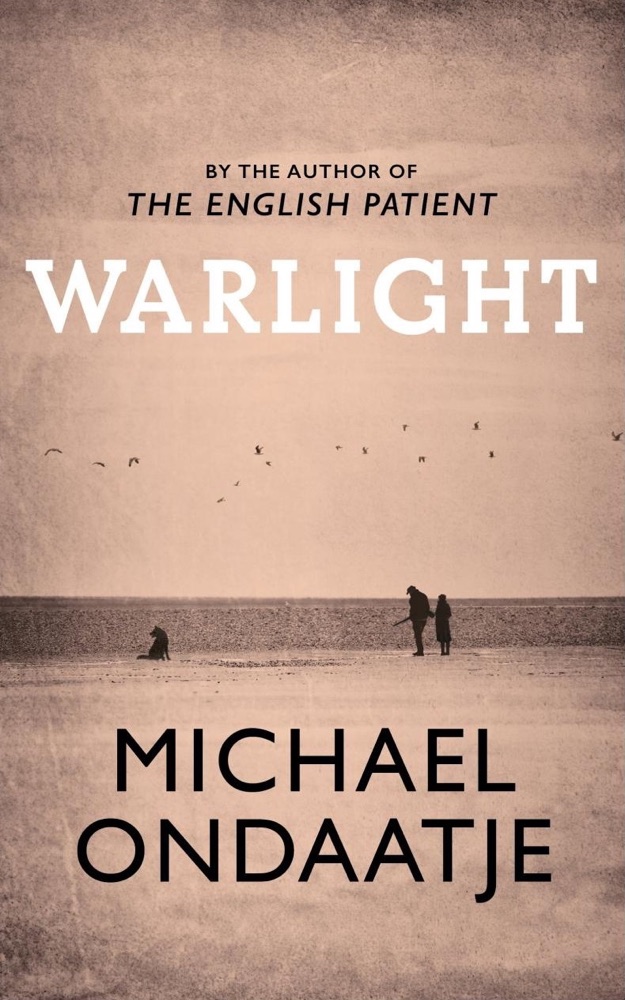 Warlight
 The Year of Magical Thinking
 Out of Oz
 The Anthropocene Reviewed: Essays on a Human-Centered Planet
 Aurora
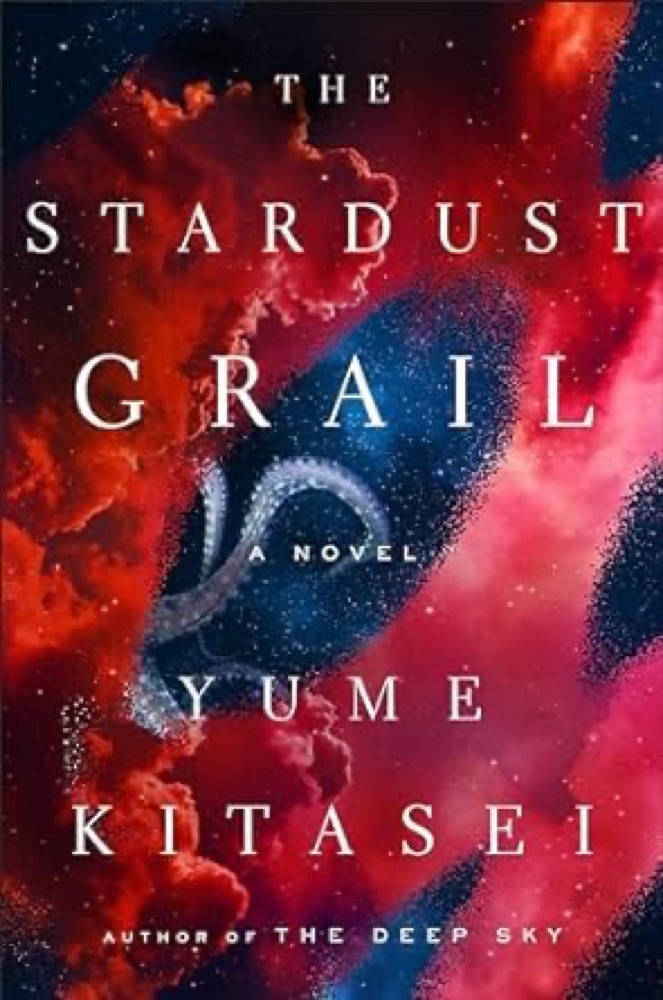 The Stardust Grail
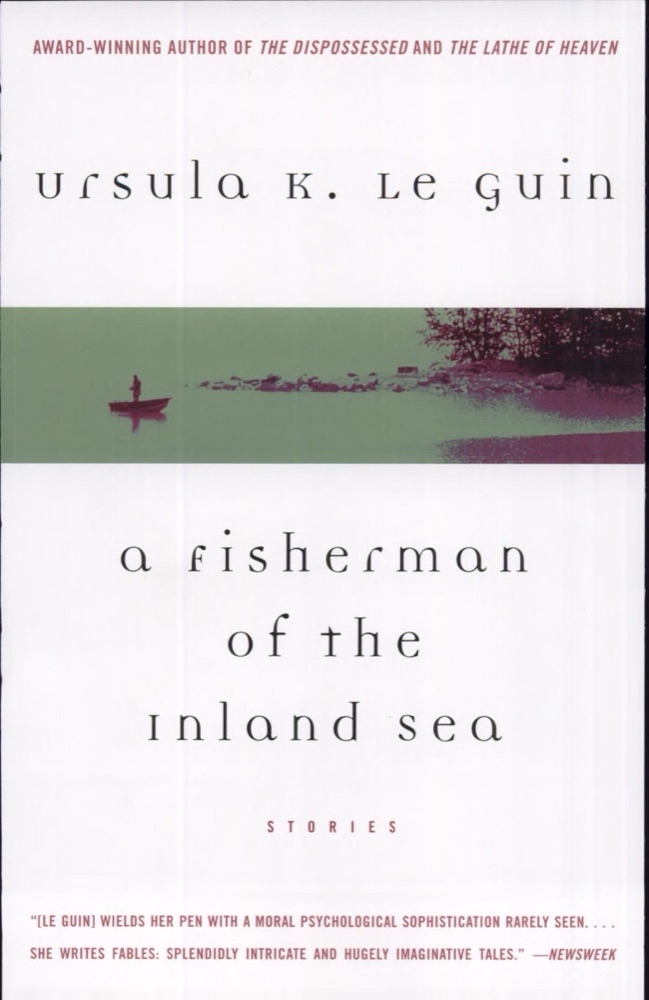 A Fisherman of the Inland Sea
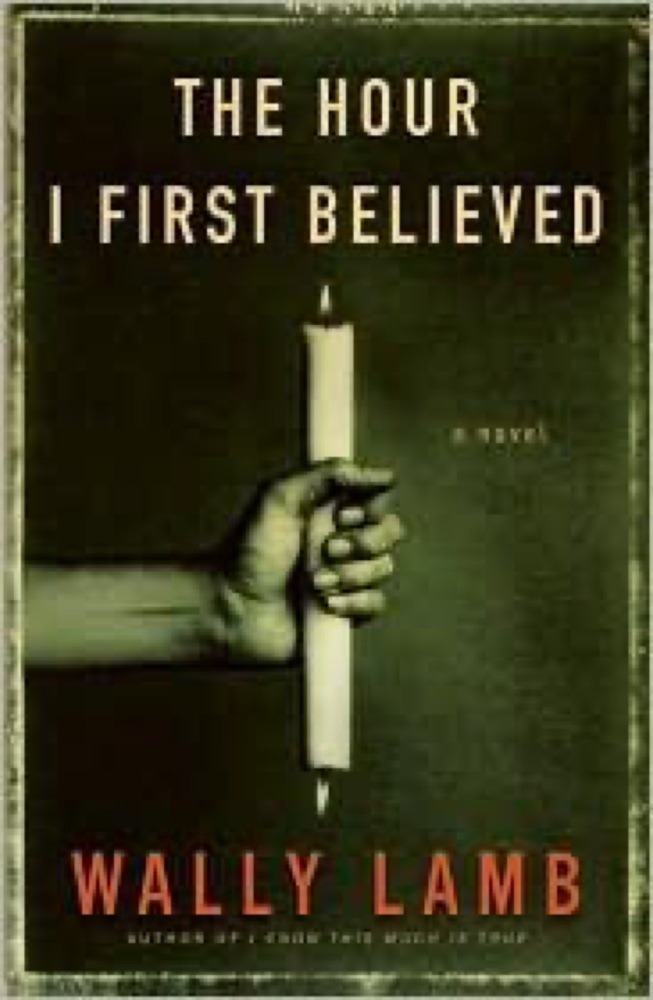 The Hour I First Believed
 The Aosawa Murders
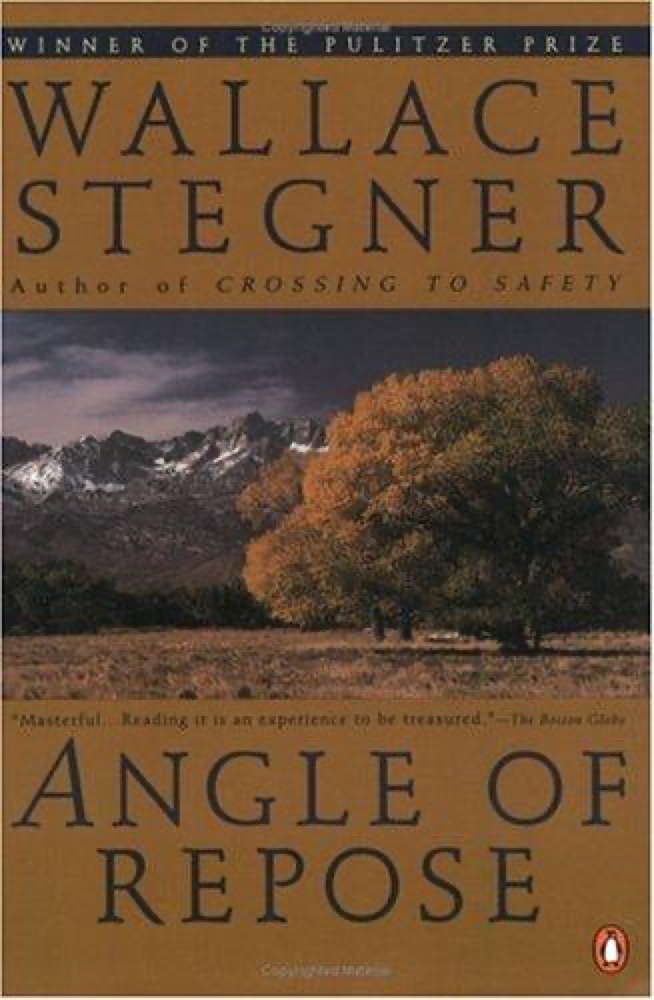 Angle of Repose
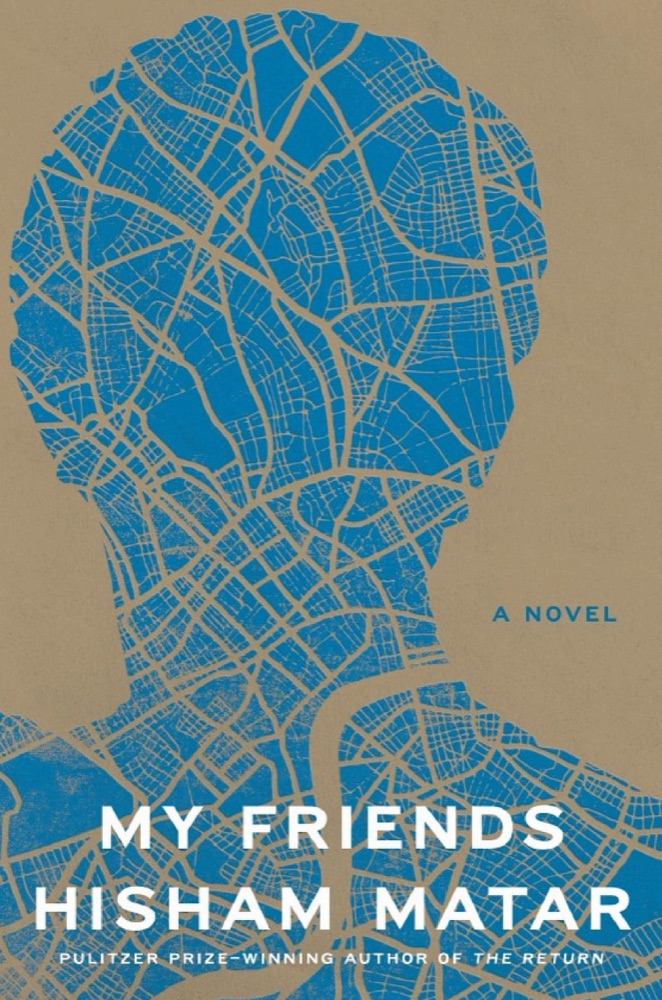 My Friends
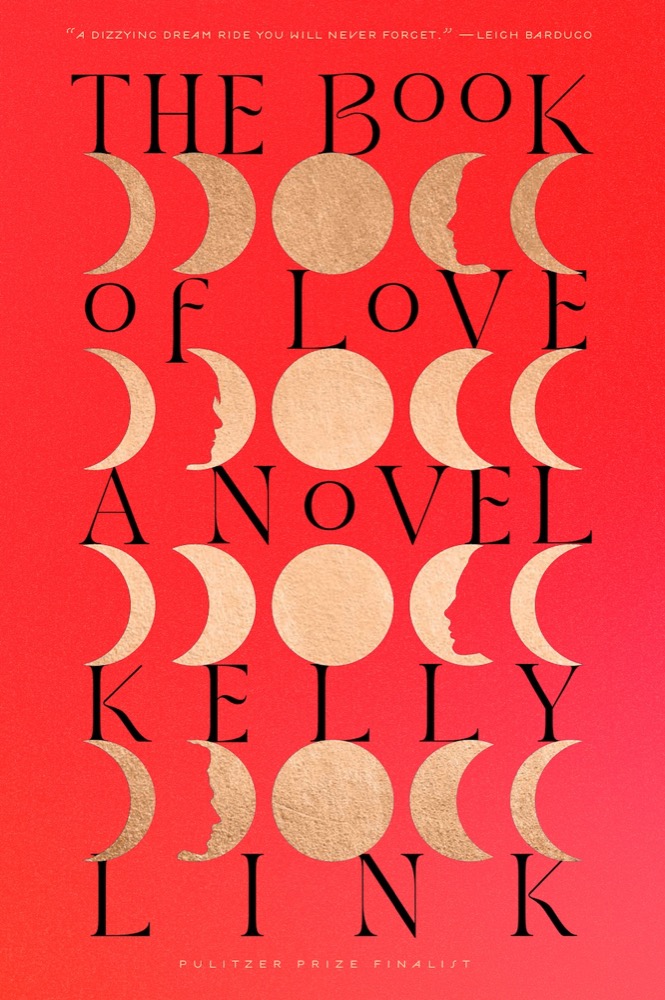 The Book of Love
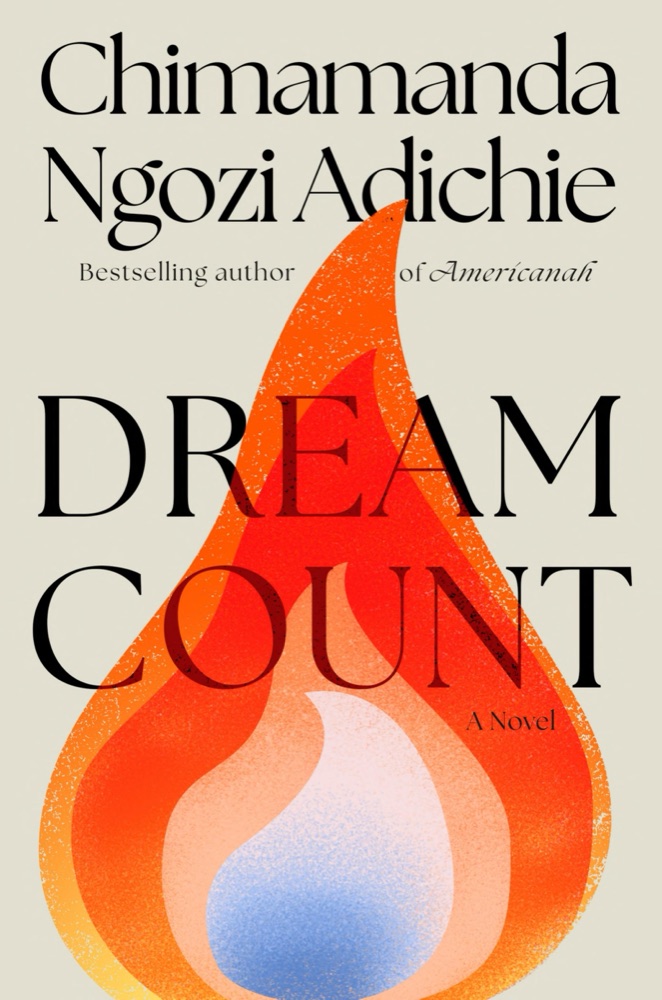 Dream Count
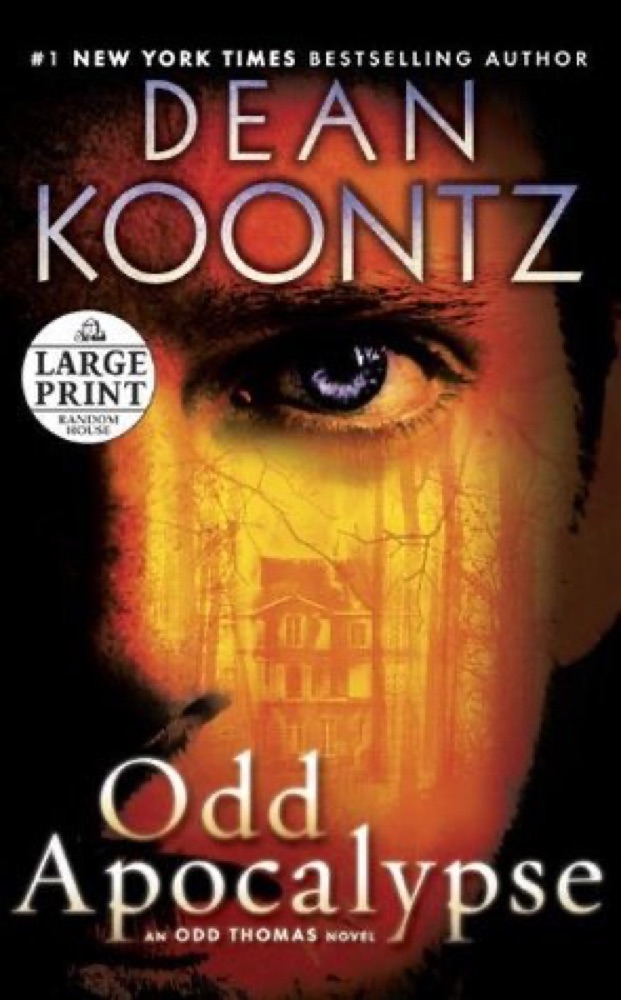 Odd Apocalypse
 Perfect
 Arm of the Sphinx
 Flight Behavior
 The Wolf Gift
 All the Birds in the Sky
 The End of the World Running Club
 Devolution: A Firsthand Account of the Rainier Sasquatch Massacre
 11/22/63
 Songs of Distant Earth