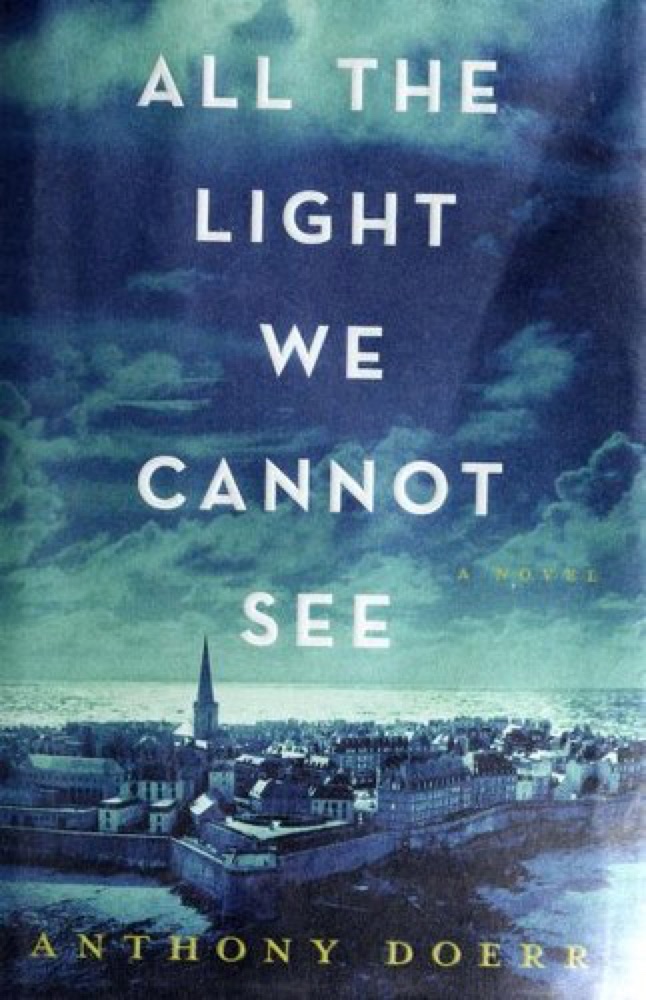

 Memory Wall
Quotes from the Book
Open your eyes and see what you can with them before they close forever.
But it is not bravery; I have no choice. I wake up and live my life. Don't you do the same?
Don’t you want to be alive before you die?
So how, children, does the brain, which lives without a spark of light, build for us a world full of light?
Time is a slippery thing: lose hold of it once, and its string might sail out of your hands forever.
You know the greatest lesson of history? It’s that history is whatever the victors say it is. That’s the lesson. Whoever wins, that’s who decides the history. We act in our own self-interest. Of course we do. Name me a person or a nation who does not. The trick is figuring out where your interests are.
I have been feeling very clearheaded lately and what I want to write about today is the sea. It contains so many colors. Silver at dawn, green at noon, dark blue in the evening. Sometimes it looks almost red. Or it will turn the color of old coins. Right now the shadows of clouds are dragging across it, and patches of sunlight are touching down everywhere. White strings of gulls drag over it like beads. It is my favorite thing, I think, that I have ever seen. Sometimes I catch myself staring at it and forget my duties. It seems big enough to contain everything anyone could ever feel.
All your life you wait, and then it finally comes, and are you ready?
When I lost my sight, Werner, people said I was brave. When my father left, people said I was brave. But it is not bravery; I have no choice. I wake up and live my life. Don't you do the same?
We rise again in the grass. In the flowers. In songs.
How do you ever know for certain that you are doing the right thing?
We all come into existence as a single cell, smaller than a speck of dust. Much smaller. Divide. Multiply. Add and subtract. Matter changes hands, atoms flow in and out, molecules pivot, proteins stitch together, mitochondria send out their oxidative dictates; we begin as a microscopic electrical swarm. The lungs the brain the heart. Forty weeks later, six trillion cells get crushed in the vise of our mother’s birth canal and we howl. Then the world starts in on us.
What do we call visible light? We call it color. But the electromagnetic spectrum runs to zero in one direction and infinity in the other, so really, children, mathematically, all of light is invisible.
A real diamond is never perfect.
It's embarrassingly plain how inadequate language is.
Some people are weak in some ways, sir. Others in other ways.
Your problem, Werner,” says Frederick, “is that you still believe you own your life.
His voice is low and soft, a piece of silk you might keep in a drawer and pull out only on rare occasions, just to feel it between your fingers.
Every hour, she thinks, someone for whom the war was memory falls out of the world.
A line comes back to Marie-Laure from Jules Verne: Science, my lad, is made up of mistakes, but they are mistakes which it is useful to make, because they lead little by little to the truth.
Stones are just stones and rain is just rain and misfortune is just bad luck.
That something so small could be so beautiful. Worth so much. Only the strongest people can turn away from feelings like that.
To shut your eyes is to guess nothing of blindness. Beneath your world of skies and faces and buildings exists a rawer and older world, a place where surface planes disintegrate and sounds ribbon in shoals through the air. Marie-Laure can sit in an attic high above the street and hear lilies rustling in marshes two miles away. She hears Americans scurry across farm fields, directing their huge cannons at the smoke of Saint-Malo; she hears families sniffling around hurricane lamps in cellars, crows hopping from pile to pile, flies landing on corpses in ditches; she hears the tamarinds shiver and the jays shriek and the dune grass burn; she feels the great granite fist, sunk deep into the earth’s crust, on which Saint-Malo sits, and the ocean teething at it from all four sides, and the outer islands holding steady against the swirling tides; she hears cows drink from stone troughs and dolphins rise through the green water of the Channel; she hears the bones of dead whales stir five leagues below, their marrow offering a century of food for cities of creatures who will live their whole lives and never once see a photon sent from the sun. She hears her snails in the grotto drag their bodies over the rocks.
What mazes there are in this world. The branches of trees, the filigree of roots, the matrix of crystals, the streets her father recreated in his models... None more complicated than the human brain, Etienne would say, what may be the most complex object in existence; one wet kilogram within which spin universes.
You know the greatest lesson of history? It's that history is whatever the victors say it is. That's the lesson. Whoever wins, that's who decides the history.
...the air a library and the record of every life lived, every sentence spoken, every word transmitted still reverberating within it.
She walks like a ballerina in dance slippers, her feet as articulate as hands, a little vessel of grace moving out into the fog.
What the war did to dreamers.
The way her fingers flutter through the space around her. Each a thing he hopes never to forget.
To men like that, time was a surfeit, a barrel they watched slowly drain. When really, he thinks, it’s a glowing puddle you carry in your hands; you should spend all your energy protecting it. Fighting for it. Working so hard not to spill one single drop.
Did you know?
- The novel won the 2015 Pulitzer Prize for Fiction.
- It was a finalist for the 2014 National Book Award for Fiction.
- It spent more than 200 weeks on The New York Times Best Seller list.
- Much of the story unfolds in the walled French coastal town of Saint-Malo during its 1944 battle.
- Anthony Doerr took roughly a decade to write the book.
- A four-part Netflix limited series adaptation premiered on November 2, 2023.
About Anthony Doerr
Anthony Doerr (born 1973 in Cleveland, Ohio) is an American author known for lyrical, richly researched fiction. He won the 2015 Pulitzer Prize for Fiction for All the Light We Cannot See and has also written Cloud Cuckoo Land, About Grace, and the story collections The Shell Collector and Memory Wall.
More about the author →More by Anthony Doerr
About the book
All the Light We Cannot See is Anthony Doerr's 2014 novel set during World War II, tracing the converging lives of two young people on opposite sides of the conflict. Marie-Laure LeBlanc is a blind French girl who flees Paris with her father after the Nazi invasion and takes refuge in her great-uncle's house in the walled coastal town of Saint-Malo. Werner Pfennig is a German orphan whose gift for radio technology draws him into the Nazi war machine. Told in a nonlinear structure that moves between the 1930s and the 1944 Battle of Saint-Malo, their paths gradually draw together.
The book explores the destructive nature of war alongside questions of sacrifice, greed, and moral ambiguity, dwelling on how ordinary people make difficult ethical choices rather than acts of clear-cut heroism. A cursed diamond pursued by a Nazi gemologist threads through the narrative as a symbol of desire and fate, while radio broadcasts become a recurring image of connection reaching across enemy lines. Doerr's prose is noted for its lyrical, sensory attention to light, sound, and the natural world.
On publication the novel became a major commercial and critical success, spending well over 200 weeks on The New York Times Best Seller list and selling millions of copies worldwide. It won the 2015 Pulitzer Prize for Fiction and the Andrew Carnegie Medal for Excellence in Fiction, and was a finalist for the National Book Award. In 2023 it was adapted into a Netflix limited series, cementing its place as one of the defining literary bestsellers of its decade.
Key characters
- Marie-Laure LeBlancBlind French girl who flees to Saint-Malo and becomes involved with the Resistance
- Werner PfennigGerman orphan with a gift for radio technology, conscripted into the Nazi military
- Daniel LeBlancMarie-Laure's father, a locksmith at the Paris Museum of Natural History
- Etienne LeBlancMarie-Laure's reclusive great-uncle, a World War I veteran, in Saint-Malo
- Reinhold von RumpelNazi gemologist searching for a legendary cursed diamond
- Jutta PfennigWerner's younger sister, his moral conscience back home
Book details
- First published
- 2014
- Length
- 544 pages
- Reading time
- 16 hours
- Author
- Anthony Doerr
- Genre
- Fiction
- Goodreads rating
- 4.31 (2M ratings) →
- First line
- “At dusk they pour from the sky.”
Movie & TV adaptations
- IMDb
If you liked this, read…
- 1The NightingaleAnother bestselling WWII novel of French civilians and resistance under Nazi occupation
- 2The Book ThiefLyrical WWII story centered on a young person's inner life in Nazi Germany
- 3Cloud Cuckoo LandDoerr's own later novel with interwoven timelines and luminous prose
Keep reading
 Invisibility
 The Light Between Oceans
 Hear the Wind Sing
 Light Years
 After Dark
 Lighthousekeeping
 Acceptance
 A Wrinkle in Time
 Out of Oz
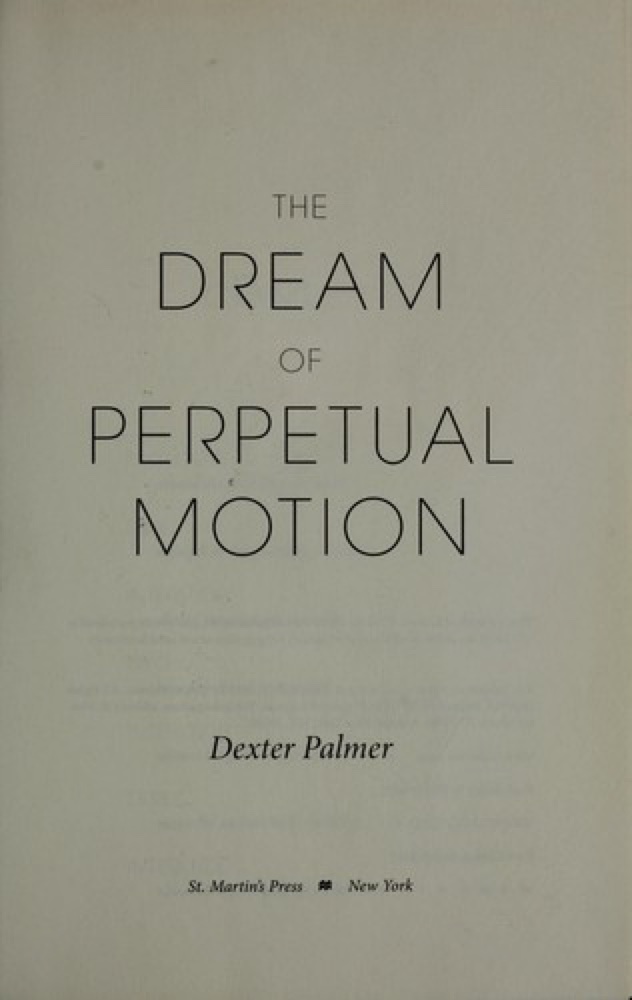 The Dream of Perpetual Motion
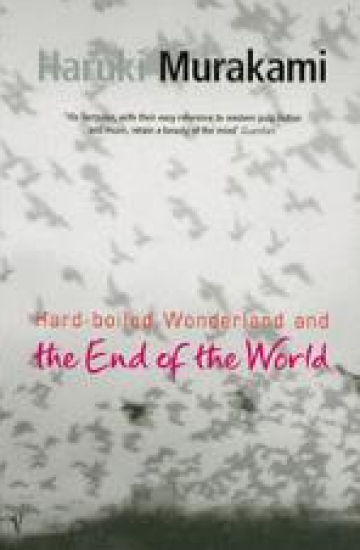 Hard-Boiled Wonderland and the End of the World
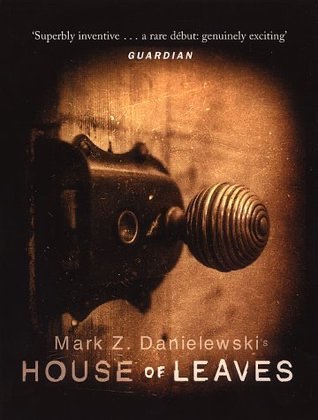 House of Leaves
 The Fall
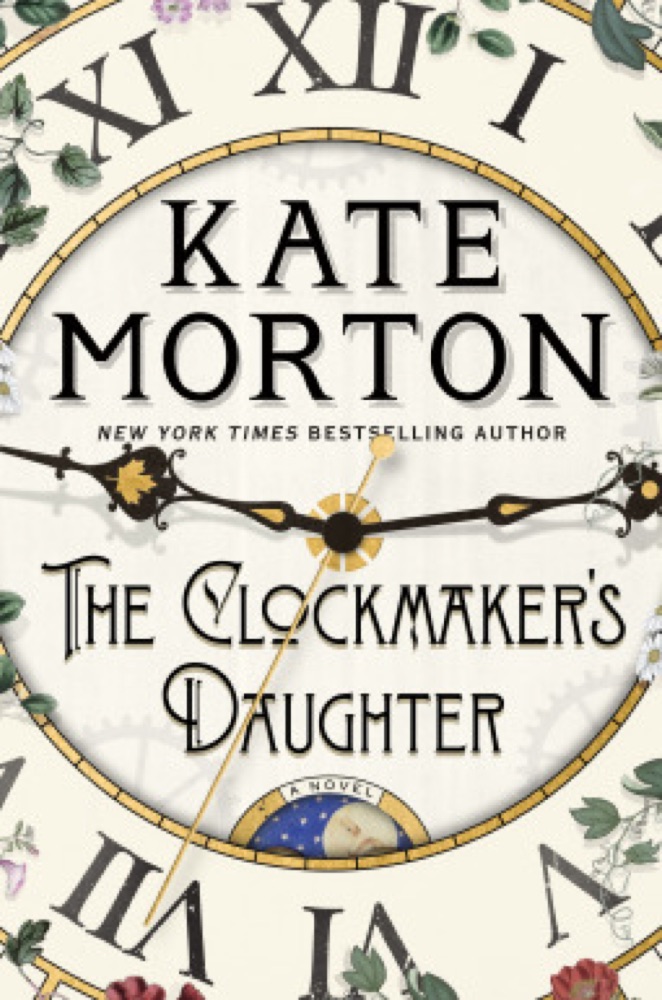 The Clockmaker's Daughter
 The Invisible Life of Addie LaRue
 Pandemonium
 Light in August
 The Lacuna
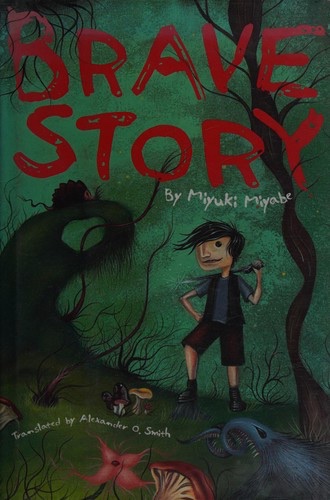 Brave Story
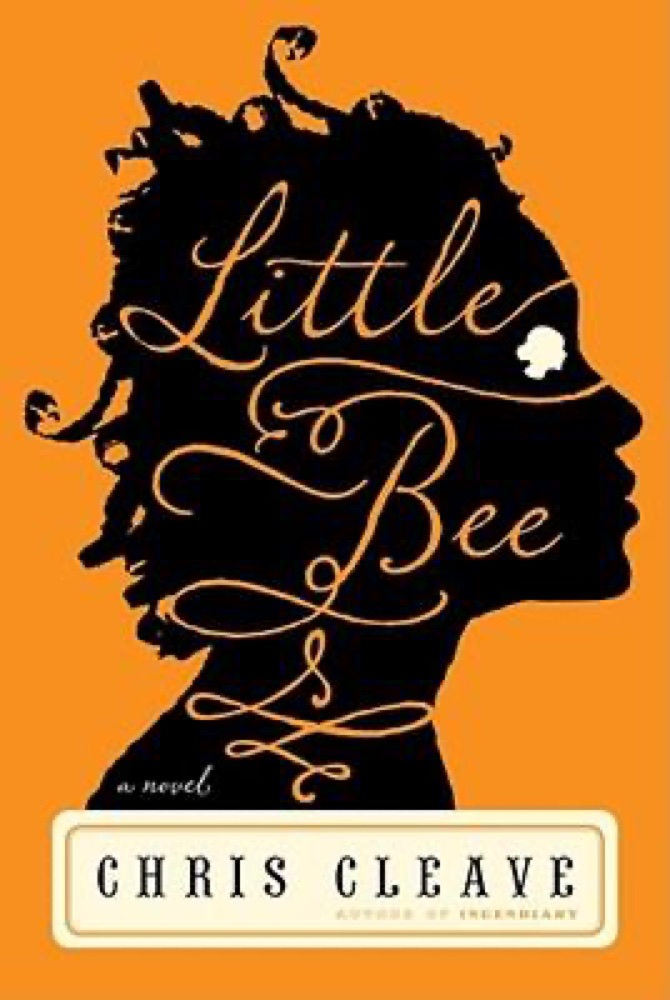 Little Bee
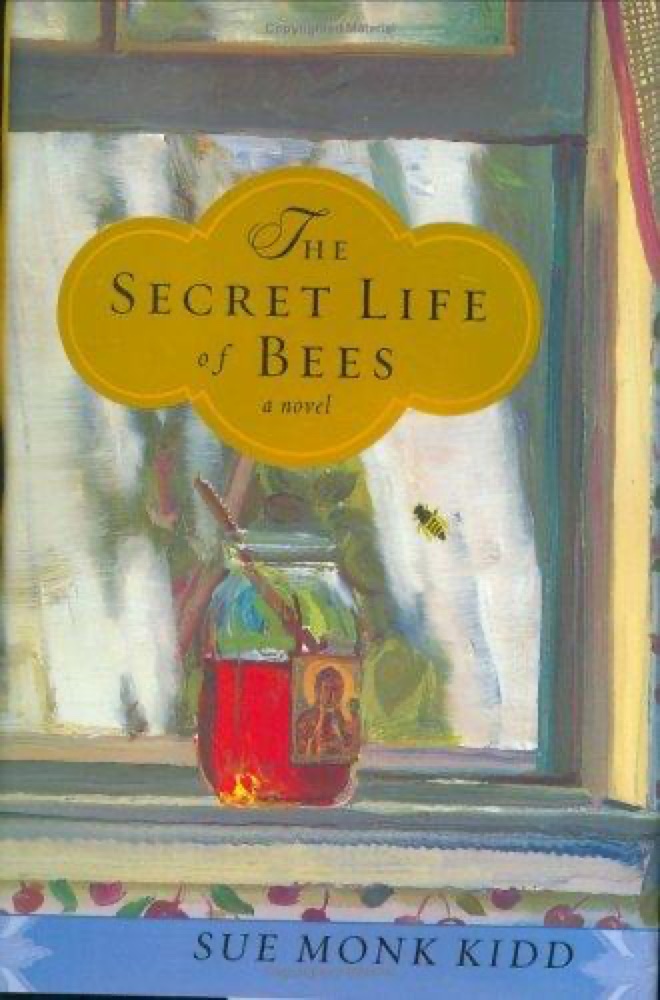 The Secret Life of Bees
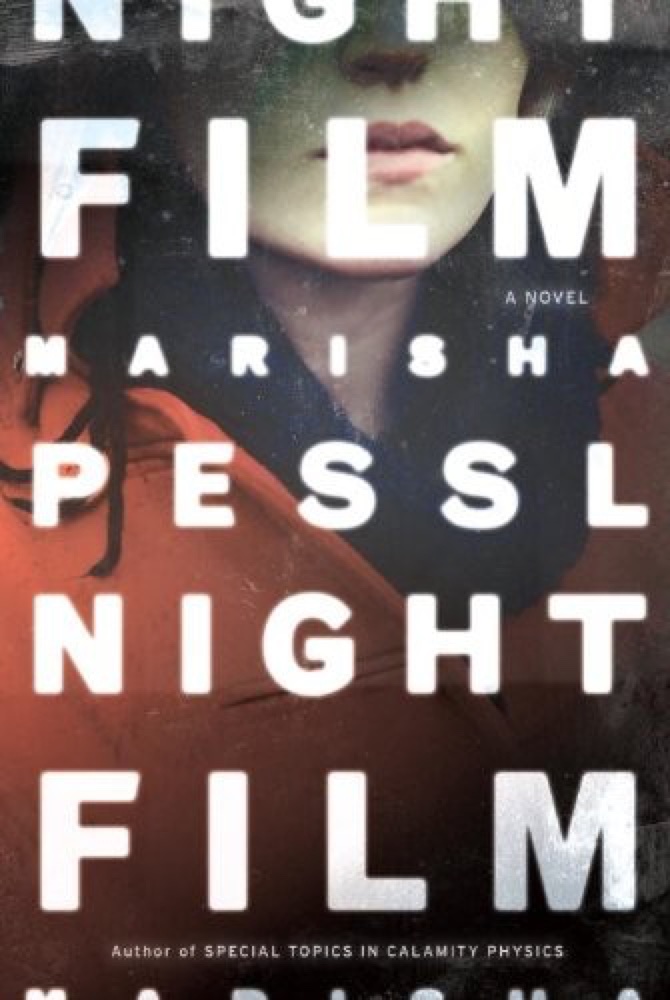 Night Film
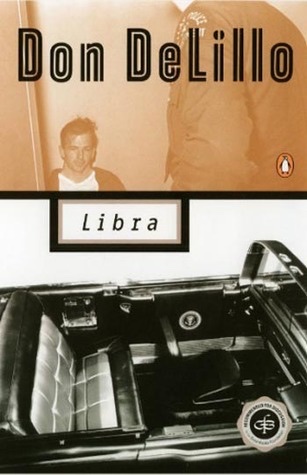 Libra
Libra
 The Angel Esmeralda
 We Are All the Same in the Dark
 There Are Rivers in the Sky
 The Dead-Tossed Waves
 One
One
 Here on Earth
 West with the Night
 Counting by 7s
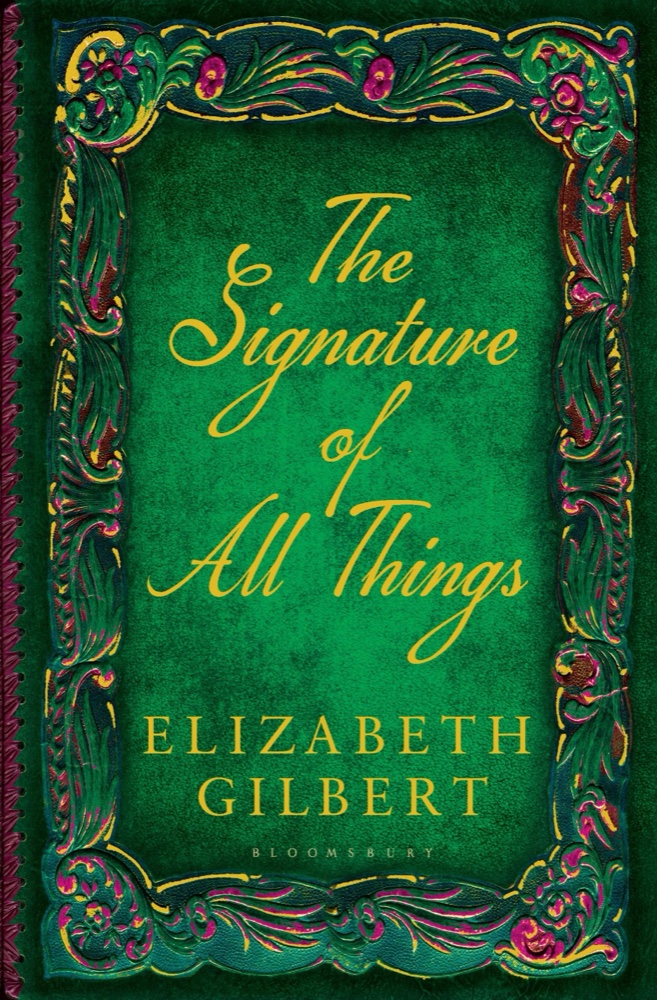 The Signature of All Things
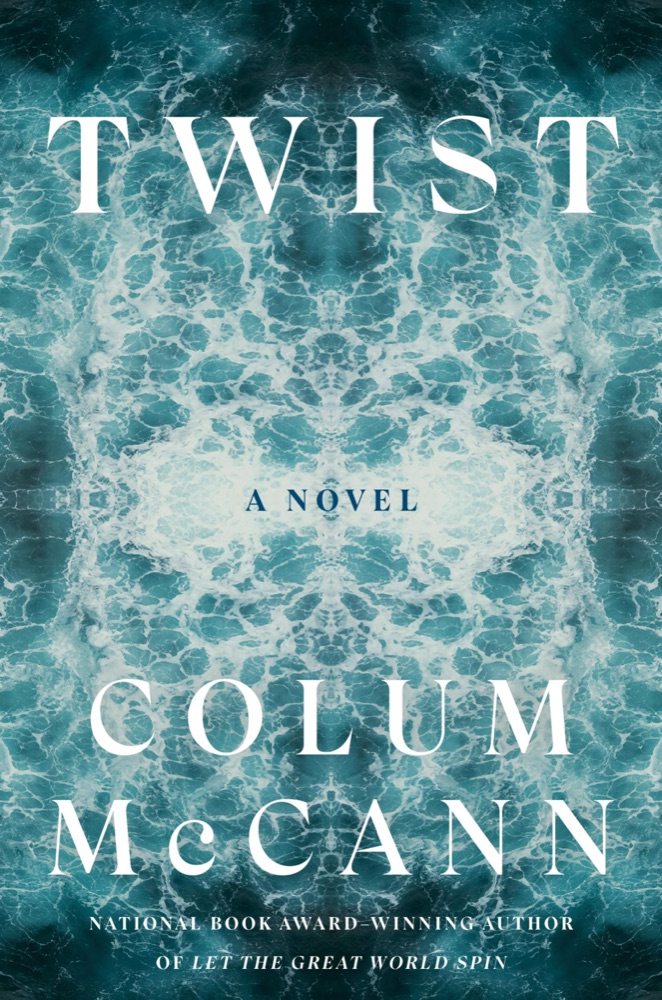 Twist
Twist
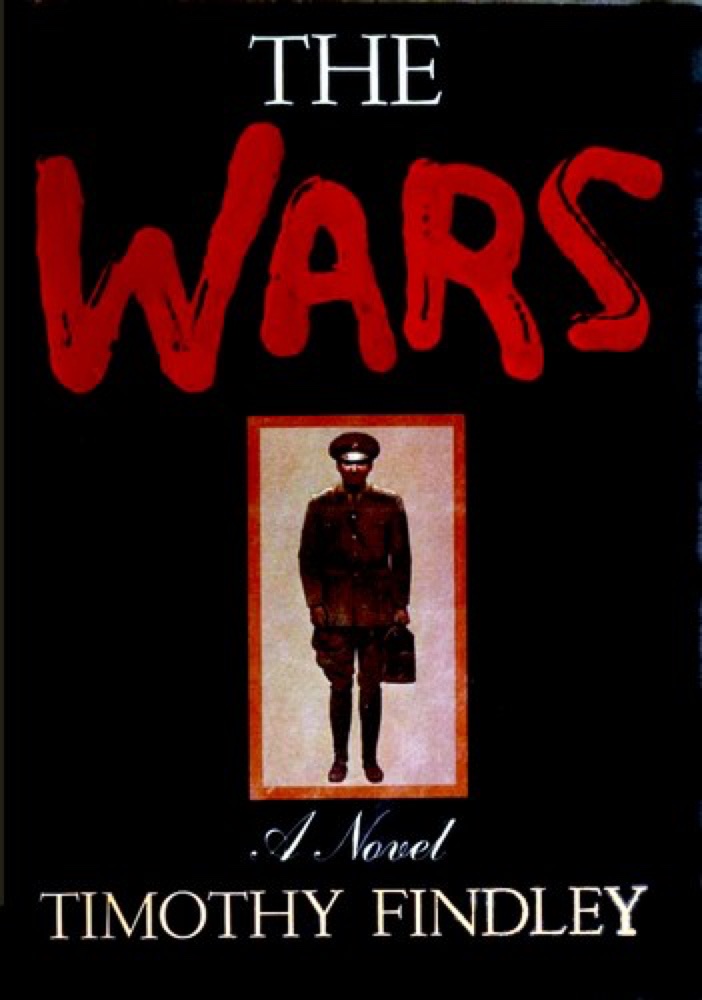 The Wars
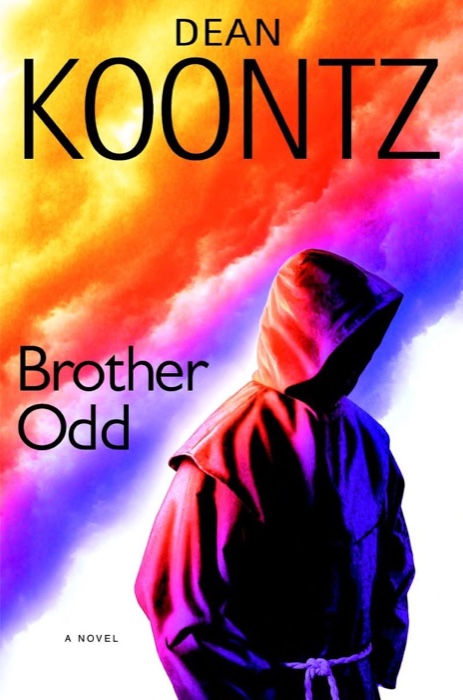 Brother Odd
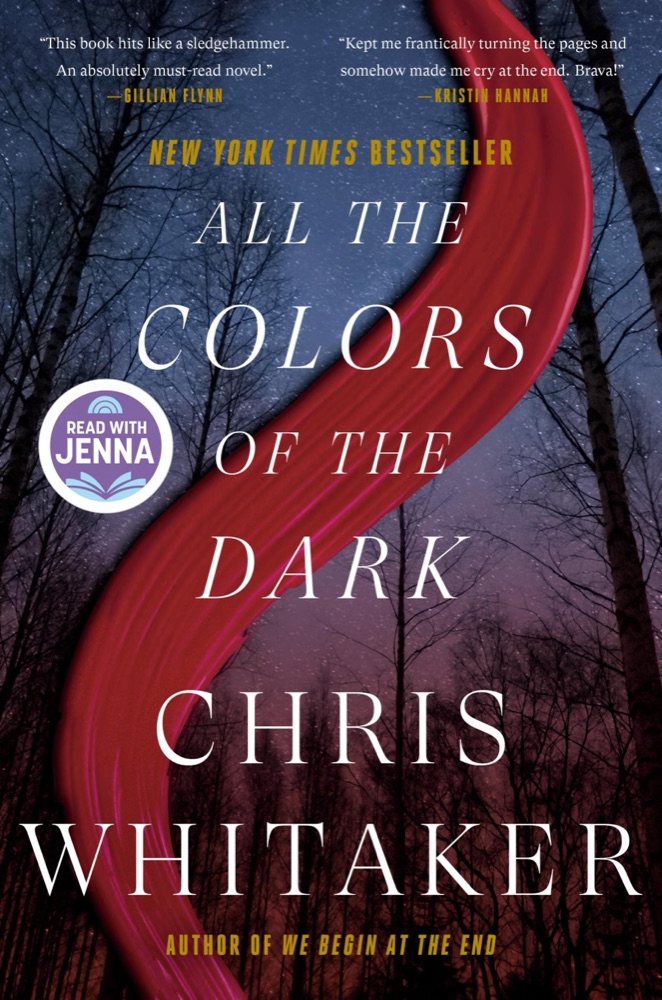 All the Colors of the Dark
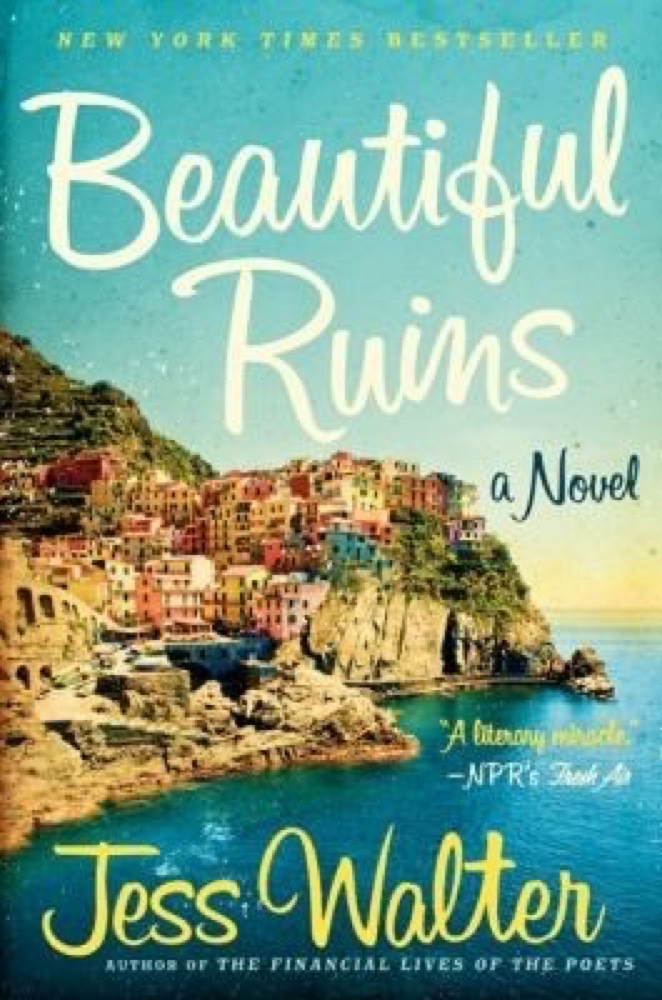 Beautiful Ruins
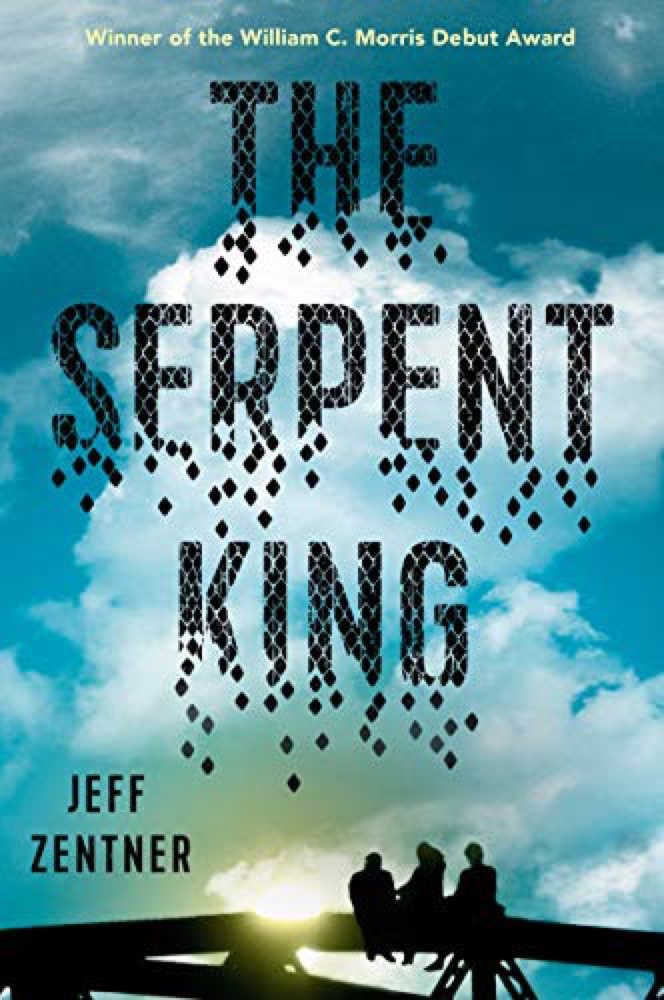 The Serpent King
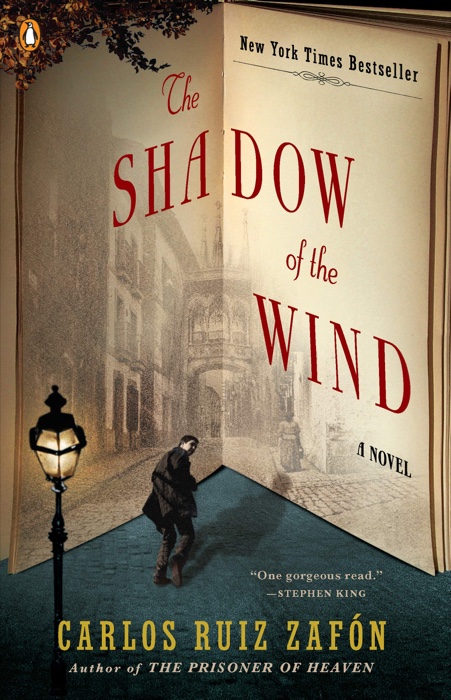 The Shadow of the Wind
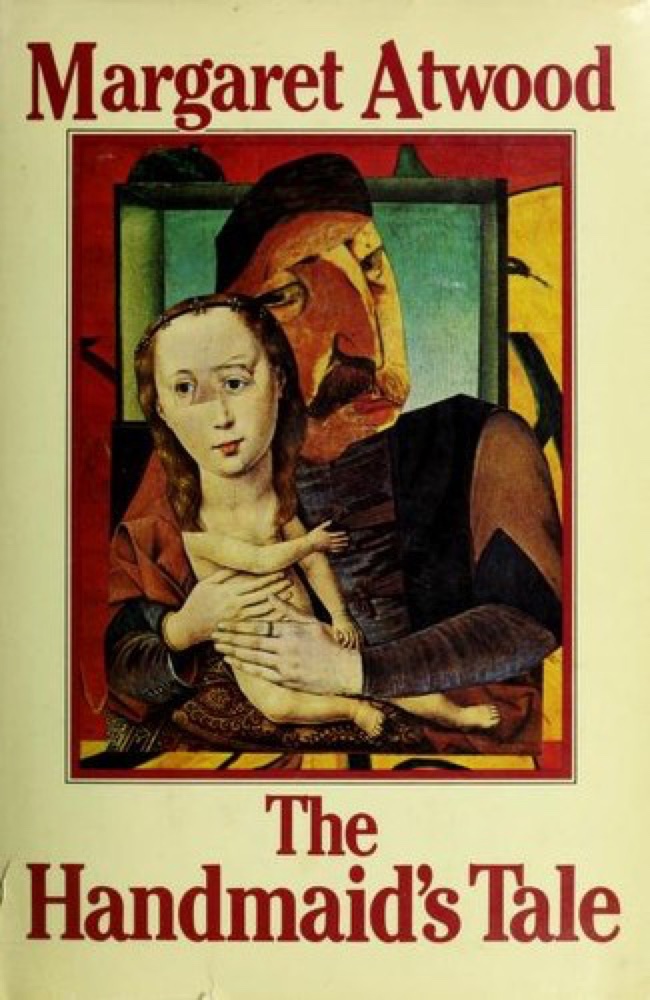 The Handmaid's Tale
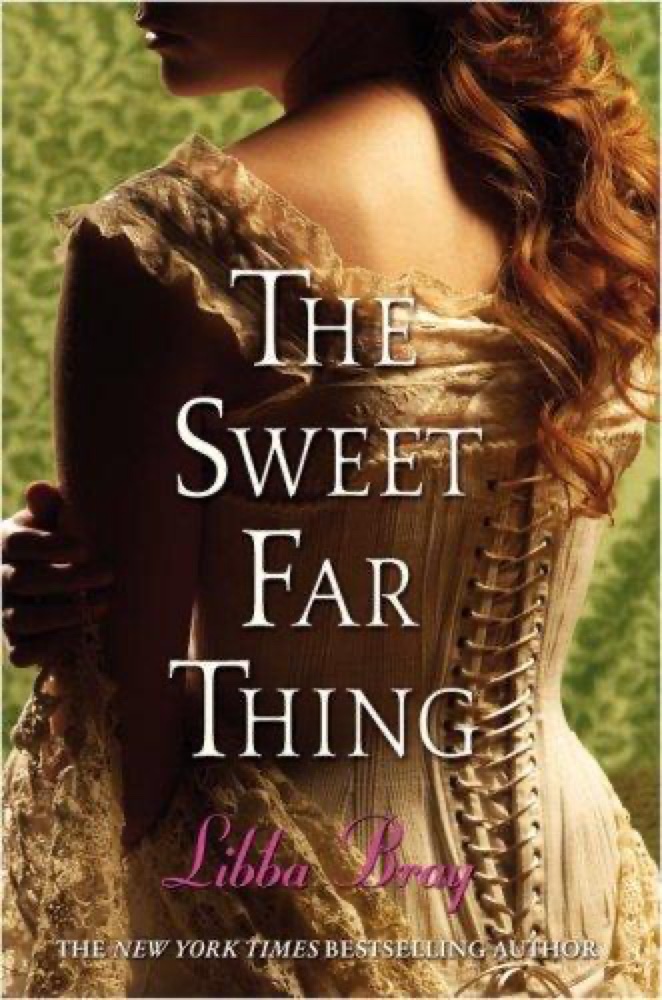 The Sweet Far Thing
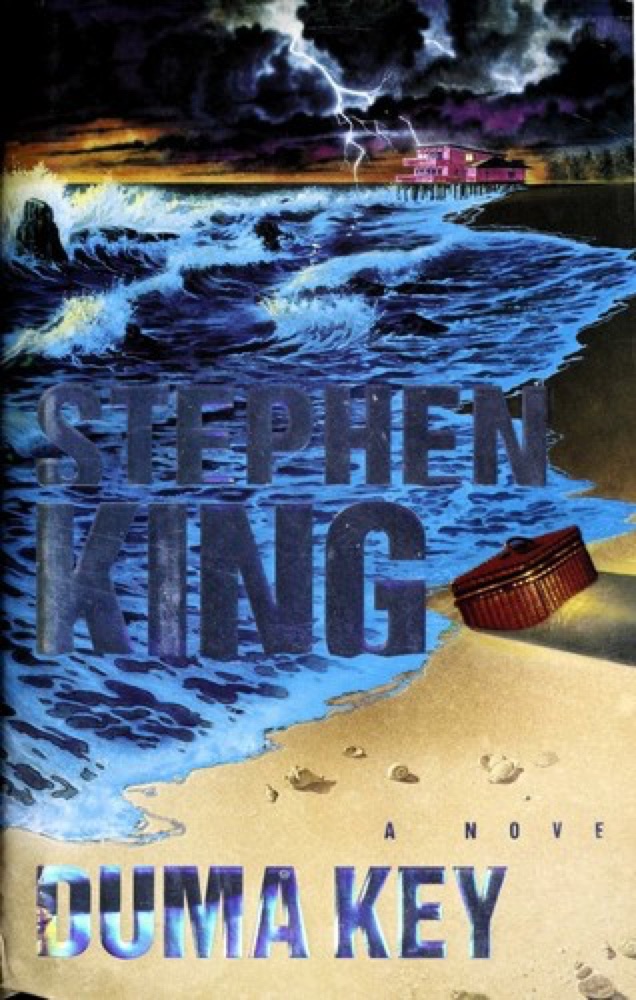 Duma Key
 The Tsar of Love and Techno
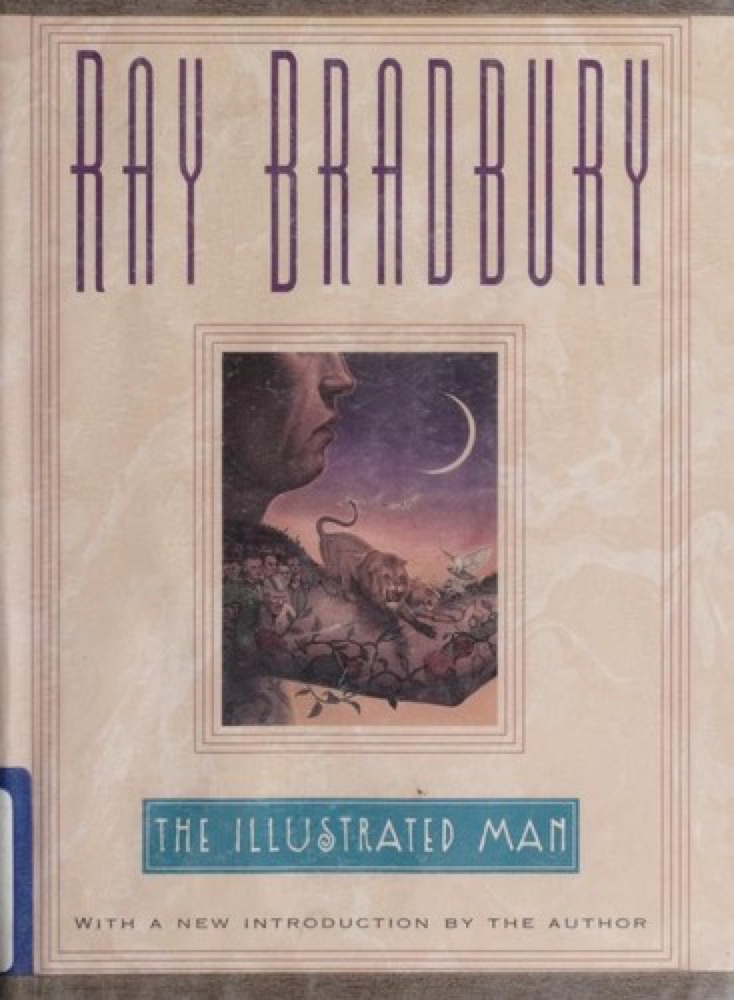 The Illustrated Man
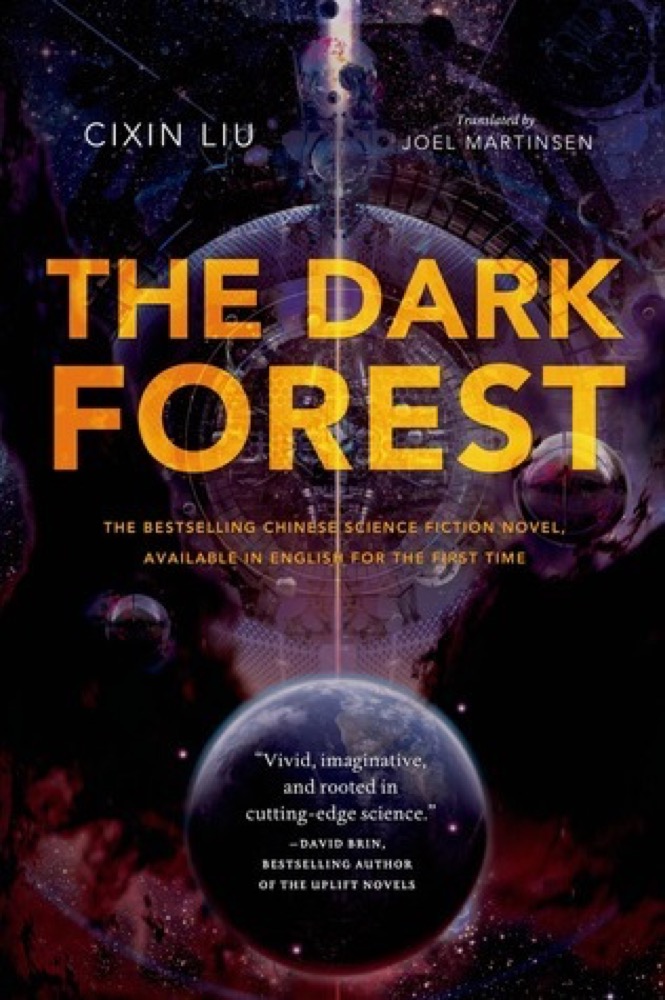 The Dark Forest
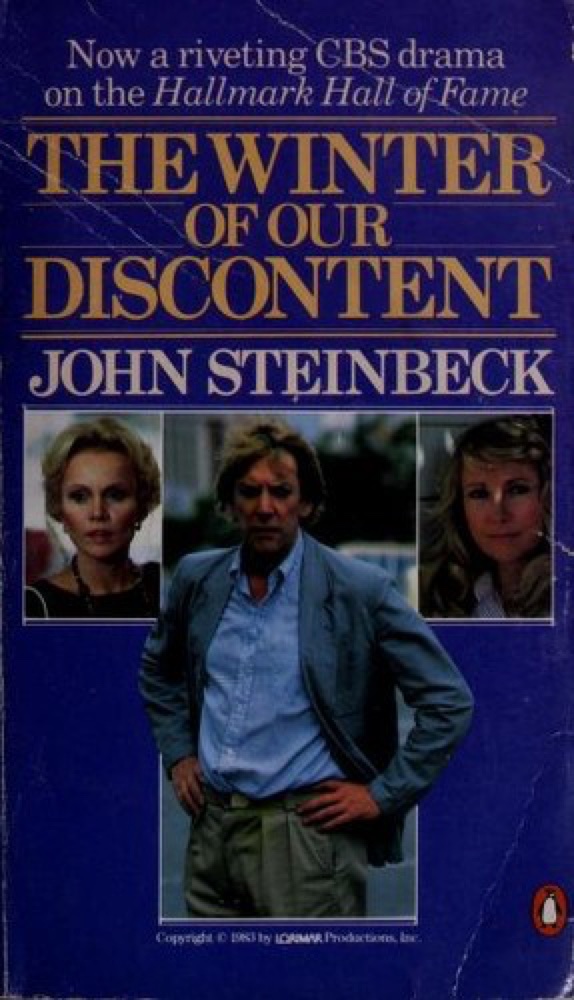 The Winter of Our Discontent
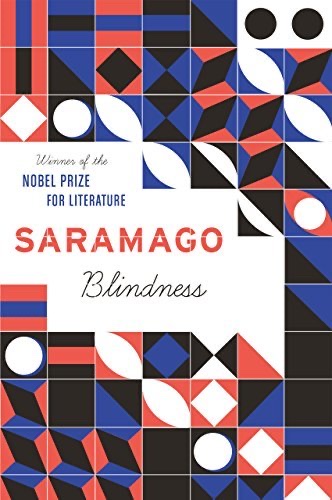 Blindness
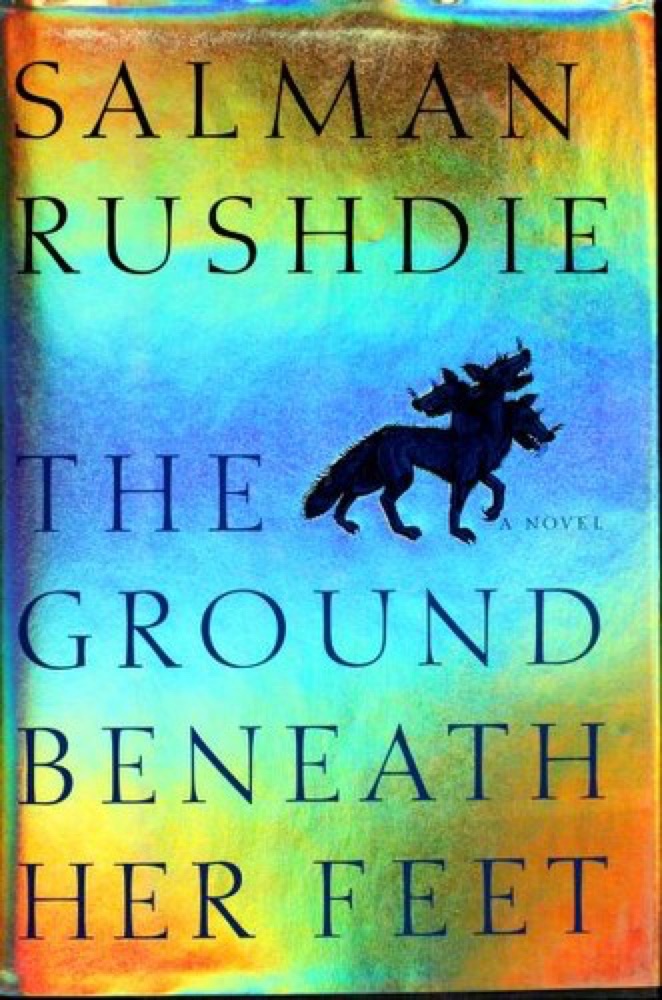 The Ground Beneath Her Feet
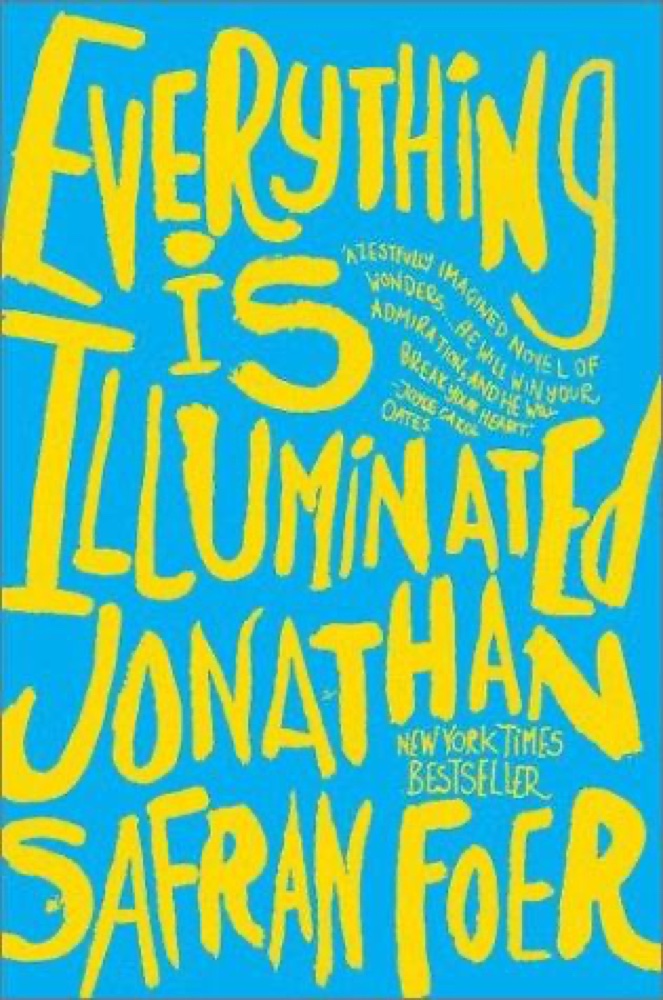 Everything Is Illuminated
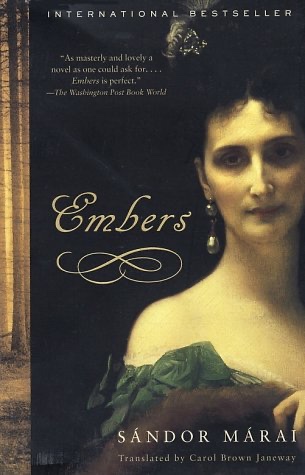 Embers
 A Room with a View
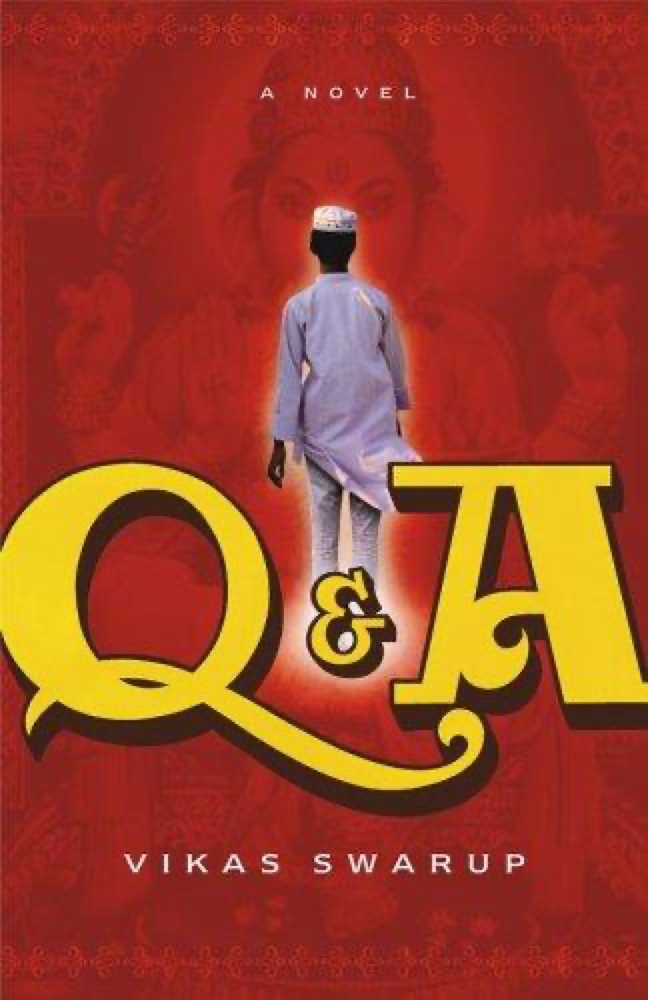 Q & A
Q & A
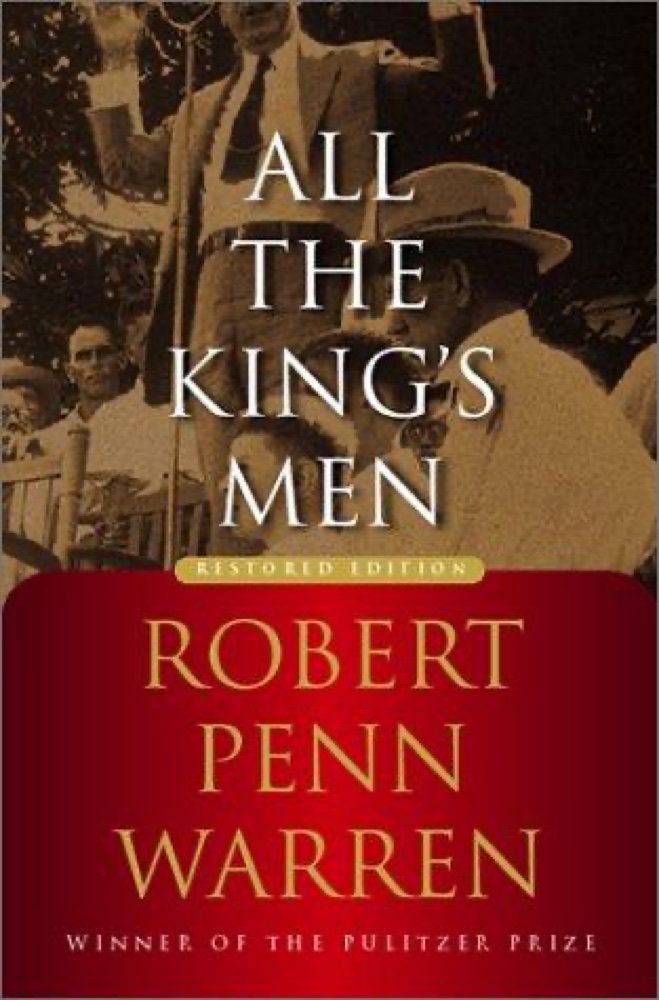 All the King's Men
 Dreams and Shadows
 Three Comrades
 Dust
Dust
 The Covenant of Water
 The Stone Diaries
 number9dream
 Sacred Journey of the Peaceful Warrior