
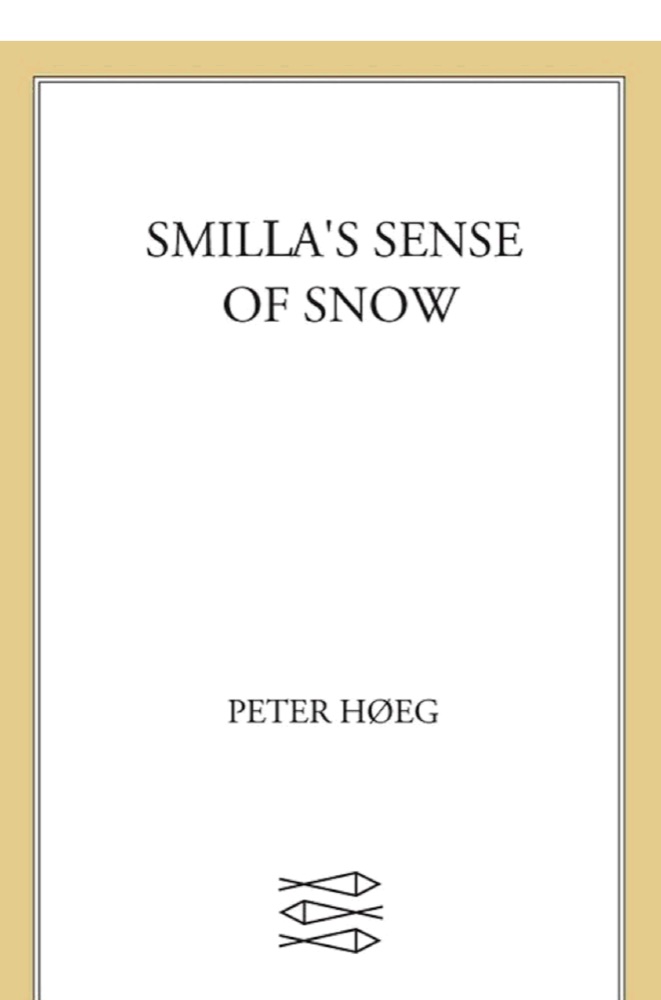
 Smilla's Sense of Snow
Quotes from the Book
Once you have realised that there is no objective external world to be found; that what you know is only a filtered and processed version, then it is a short step to the thought that, in that case, other people too are nothing but a processed shadow, and but a short step more to the belief that every person must somehow be shut away, isolated behind their own unreliable sensory apparatus. And then the thought springs easily to mind that man is, fundamentally, alone. That the world is made up of disconnected consciousnesses, each isolated within the illusion created by its own senses, floating in a featureless vacuum. He does not put it so bluntly, but the idea is not far away. That, fundamentally, man is alone.
16
When you let your mind go blank,' he said, 'or when you stop talking for a long time, something happens. Time becomes different. It goes away. It doesn't come back until you start to say something.
11
Those who were on the inside, the majority that is, for them it had been hard to get his point, mostly they were just pleased that they were on the inside, that they were the fittest. For those on the outside, the fear and abandonment amounts to almost everything; everybody knows that. Understanding is something one does best when one is on the borderline.
9
The regularity of the clock was a metaphor for the accuracy of the universe. For the accuracy of God's creative achievement. So the clock was, first and foremost, a metaphor. Like a work of art. And that is how it was. The clock has been like a work of art, a product of the laboratory, a question. And then, at some point, this has changed. At some point the clock has stopped being a question. Instead it has become the answer.
4
When people are going to be taken from you anyway, then it would be better if you had never come to care for them.
4
To Plato, God was a mathematician. To Kepler, too, and to Biehl and Fredhoj. I do not believe it was a coincidence that their main subjects were biology and mathematics. A purpose behind them, the purpose that steered both them and the school, had caused them to align their own fates as closely as possible with God.
3
So it is not fundamentally possible to be alone. Fundamentally, man has to be with other people. If man becomes totally, totally alone, then he is lost.
3
Time refuses to be simplified and reduced. You cannot say that it is found only in the mind or only in the universe, that it runs only in one direction, or in every one imaginable. That it exists only in biological substructure, or is only a social convention. That it is only individual or only collective, only cyclic, only linear, relative, absolute, determined, universal or only local, only indeterminate, illusory, totally true, immeasurable, measurable, explicable, or unapproachable. It is all of these things.
2
Time is a sphere made up of language, colours, smells, senses and sounds, a sphere in which you and the world coexist, an instrument with which to put the world in order and comprehend it, one of the reasons for your survival. But if time grows too tight, then it becomes a reason for doing away with yourself. Time is not an illusion. Nor is it the only reality. It is one possible, widespread form for encounters between the mind and the surrounding world. But not the only possible one. If you are driven by curiosity, or if you are ill and cannot survive any other way, then you can enter the laboratory and touch time. And then it will change.
2
But even they it was as though the time that the clock measured was not put to any use. For by far the majority of Europe's population, namely those living outside of the towns -- and, strictly speaking, also for those living in them -- the day began at dawn and ended with the onset of darkness, and work was regulated by the changing of the seasons. What fascinated people about he measurement of time was not time itself, because that was dictated by other factors. What fascinated them was the clock.
2
I saw how pure, in a way, they were – no matter what they had done. Each in their own way they had tried to stay what they were. Not like me, who had never been anything, and so had been trying all my life to be someone else. To come inside. I saw that they understood this, too. That they understood it and that it was okay. That, even so, I mattered, come what may.
2
You spend your whole life believing that you will always be on the outside or on the borderline. You struggle and struggle, and yet it all seems to be in vain. And then, suddenly, you are allowed inside and lifted up into the light.
2
She said she had been thinking about the way you remembered your past. What you remembered, she said, was a string of events and years stretching back from the point where you now found yourself. In other words, a line of time. This might be coloured differently, depending upon what had happened to you. For example, if you had lost someone then it would be black. Other spots might be lighter. On some sections of the line time would have passed quickly, on other sections more slowly. But, for a long way back, it would still be a line. Though not all the way back – at any rate, not in her case – and what about me? She asked me to think about it. For her, she said, and maybe for everyone, if you went far enough back the line disintegrated. If you went all the way back to your early childhood it was no longer a line. Then there was a sort of landscape of events. You could not remember their sequence, maybe they had none, they just lay scattered about, as if on a plain. She believed that this plain belonged to the days before time had entered your world.
2
When you assess something, you are forced to assume that a linear scale of values can be applied to it. Otherwise no assessment is possible. Every person who says of something that it is good or bad or a bit better than yesterday is declaring that a points system exists; that you can, in a reasonably clear and obvious fashion, set some sort of a number against an achievement. But never at any time has a code of practice been laid down for the awarding of points. No offense intended to anyone. Never at any time in the history of the world has anyone—for anything ever so slightly more complicated than the straightforward play of a ball or a 400-meter race—been able to come up with a code of practice that could be learned and followed by several different people, in such a way that they would all arrive at the same mark. Never at any time have they been able to agree on a method for determining when one drawing, one meal, one sentence, one insult, the picking of one lock, one blow, one patriotic song, one Danish essay, one playground, one frog, or one interview is good or bad or better or worse than another.
2
The child had wanted attention. She had just asked to be noticed. But she was given an assessment. 'What a clever girl!
2
Now I will say it. What I, personally, believe about time. To sense time, to speak about time you have to sense that something has changed. And you have to sense that within or behind this change there is also something that was present before. The perception of time is the inexplicable union in the consciousness of both change and constancy. In peoples' lives, in yours and mine, there ware linear time sequences, with and without beginnings and endings. Conditions and epochs that appear with or without warning, only to pass and never come round again. and there are repetitions, cycles: ups and downs, hope and despair, love and rejection, rearing up and dying away and returning again and again. And there are blackouts, time-lags. And spurts of time. And sudden delays. There is an overwhelmingly powerful tendency, when people are gathered together, to create a common time. And in between all of these, every conceivable combination, hybrid and intermediate state is to be found. And, just glimpsed, incidences of eternity.
1
For my part, I never talk to the child about time. We talk about other things -- though not about anything much -- and never about tomorrow. For me that is impossible. Tomorrow we could all be wiped out. You think back upon all the promises you did not manage to keep. Talk about time and you will always end up making promises. Then it is better to say nothing at all, no matter what.
1
Maybe a person can be born to the wrong people,” he said. “Maybe a person should have been put somewhere else.
1
If you remember,” he said, “and have a past, then you can be given the blame and be punished. See – if you don’t remember anything, you don’t have time like other people. It’s a bit like being crazy, so you get taken into protective custody. Then there’s a chance.
1
thinking about the way you remembered your past. What you remembered, she said, was a string of events and years stretching back from the point where you now found yourself. In other words, a line of time. This might be coloured differently, depending upon what had happened to you. For example, if you had lost someone then it would be black. Other spots might be lighter. On some sections of the line time would have passed quickly, on other sections more slowly. But, for a long way back, it would still be a line.
1
Wydorośleć znaczy najpierw zapomnieć, a potem zaprzeczyć temu, co było ważne, gdy się było dzieckiem.
Gdy się odkryło, że nie może istnieć obiektywny, zewnętrzny świat, że zna się tylko jego przefiltrowane, przetworzone odbicie, to łatwo wyciągnąć wniosek, że wobec tego inni też są tylko przetworzonymi cieniami, a stąd już blisko do przekonania, że każdy musi tkwić jakby w zamknięciu, odizolowany ze swoim własnym aparatem zmysłów, na którym nie można polegać. I wtedy bardzo szybko pojawia się myśl, że człowiek w gruncie rzeczy jest sam. Że świat składa się z różnych świadomości zamkniętych w iluzji własnych zmysłów, które płyną w przestrzeni pozbawionej jakichkolwiek cech.
In the long run, you can never be any better than your surroundings. When you are in the company of people who look down upon themselves as though they are animals, you, too, become like an animal. Or worse, because animals do not despise themselves.
Linear time has to be envisaged as a huge, endless knife blade scraping its way across the universe, and drawing it along with it. In its wake it leaves an endless broad stripe of past time, ahead of it lies the future, on the knife edge lies the present, in which we live.
What was meant was that time is something you have to hold on to and the place where we examined it that first time was where the Hornbæk line ran through the school grounds.
Nature is not a straitjacket that must be burst open. Nature is a blessing, an opportunity for growth that has been bestowed upon all living things.
I'll come, you'll see,' I said. I knew it was a lie, she knew it, too.
Time is something you have to hold on to.
Since we met, ever since that first time when we each sat on a toilet, up against the radiator, ever since then I have never been completely alone, even after you left me. Before that there had never really been anything in my life. But once someone has stood under the cold shower just so that you can stay under the warm one, then you can never really be totally alone again.
About Peter Høeg
We have collected 55 quotes from 2 books by Peter Høeg on BookQuoters.
More about the author →More by Peter Høeg
Smilla's Sense of Snow
About the book
Strange things are happening at Biehl's Academy when this elite school opens its doors to a group of orphans and reform-school rejects, kids at the end of the system's tether. The school is run by a peculiar set of rules by which every minute is regimented and controlled. Soon, they suspect they are guinea pigs in a bizarre social experiment and that their only hope of escape is to break through a dangerous threshold of time and space. Peter Høeg's "brilliant" and dystopian Borderliners is a "uniquely philosophical thriller" (Boston Sunday Globe) and a haunting story of childhood travail and hope.
Book details
- First published
- 1993
- Author
- Peter Høeg
- Genre
- Fiction
- Goodreads rating
- 3.66 (4k ratings)
Keep reading
 Flights
 Point Omega
 How to Stop Time
 Night Train to Lisbon
 Stories of Your Life and Others
 The Stone Gods
 Asymmetry
 The Invention of Solitude
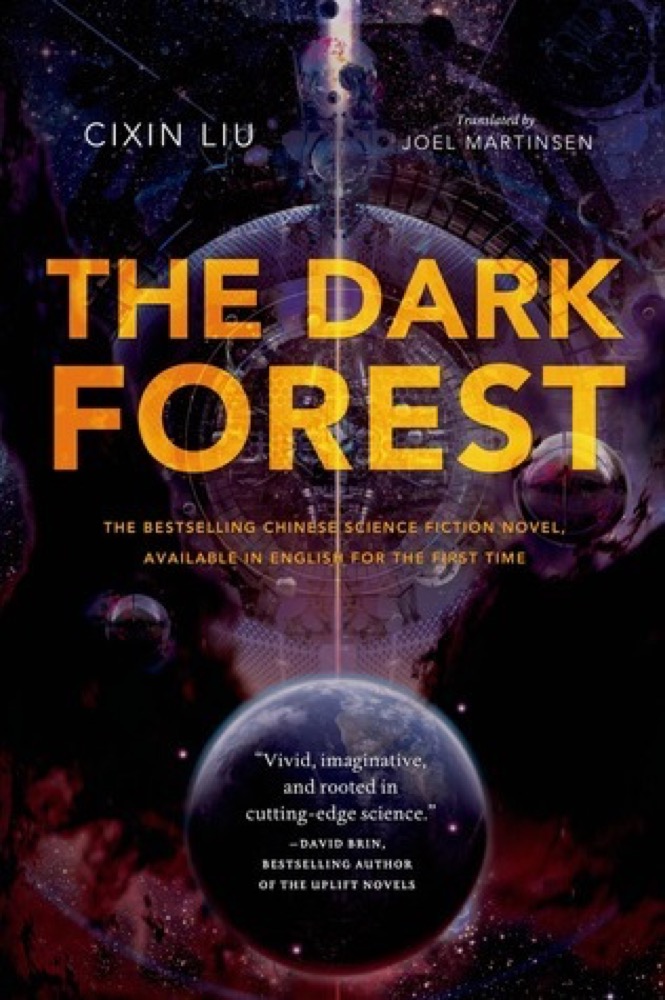 The Dark Forest
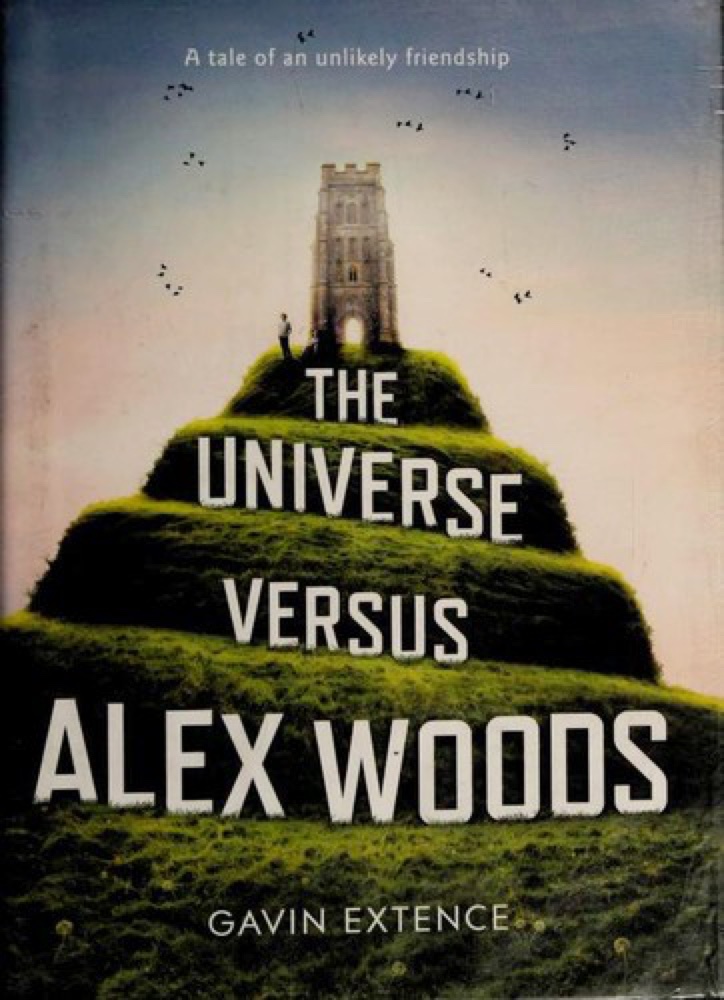 The Universe Versus Alex Woods
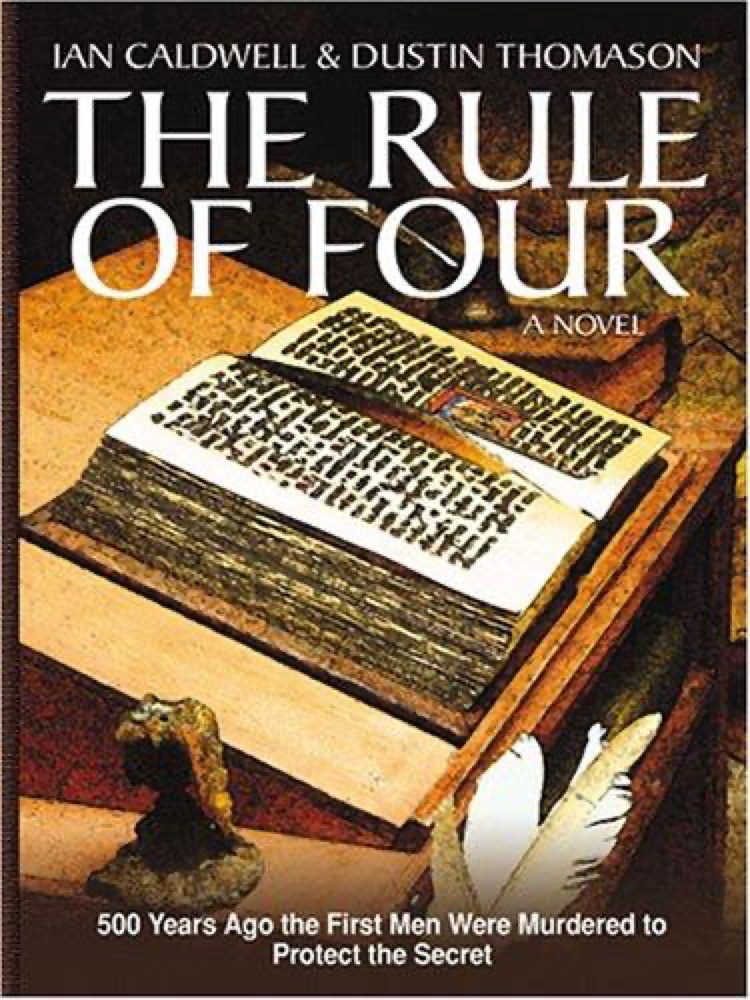 The Rule of Four
 Hard-Boiled Wonderland and the End of the World
 Foucault's Pendulum
 Drive Your Plow Over the Bones of the Dead
 Arcadia
 The Boy on the Bridge
 Recursion
 The Morning Star
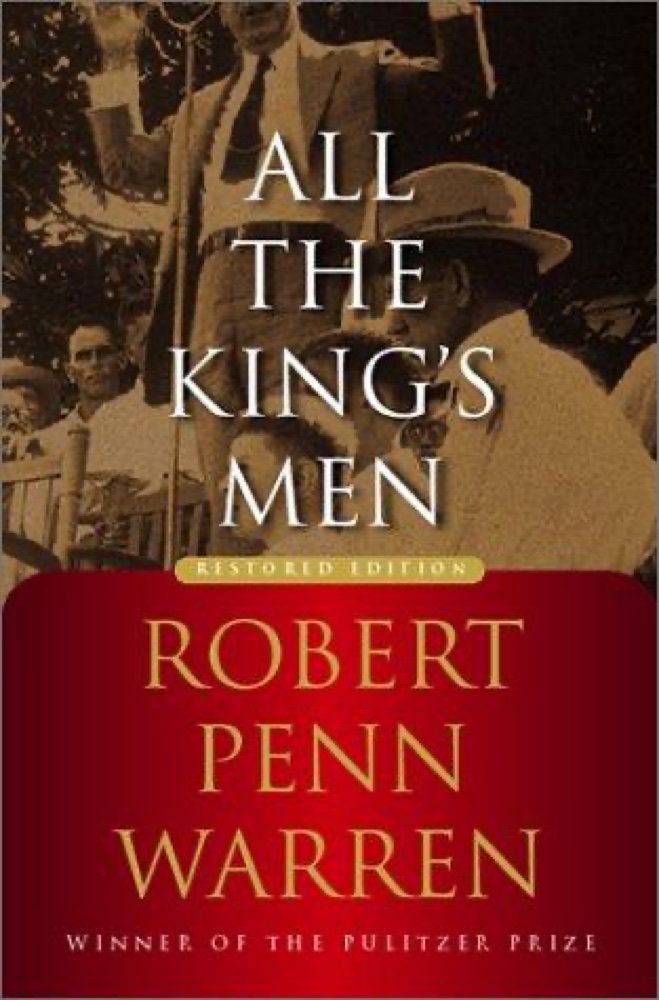 All the King's Men
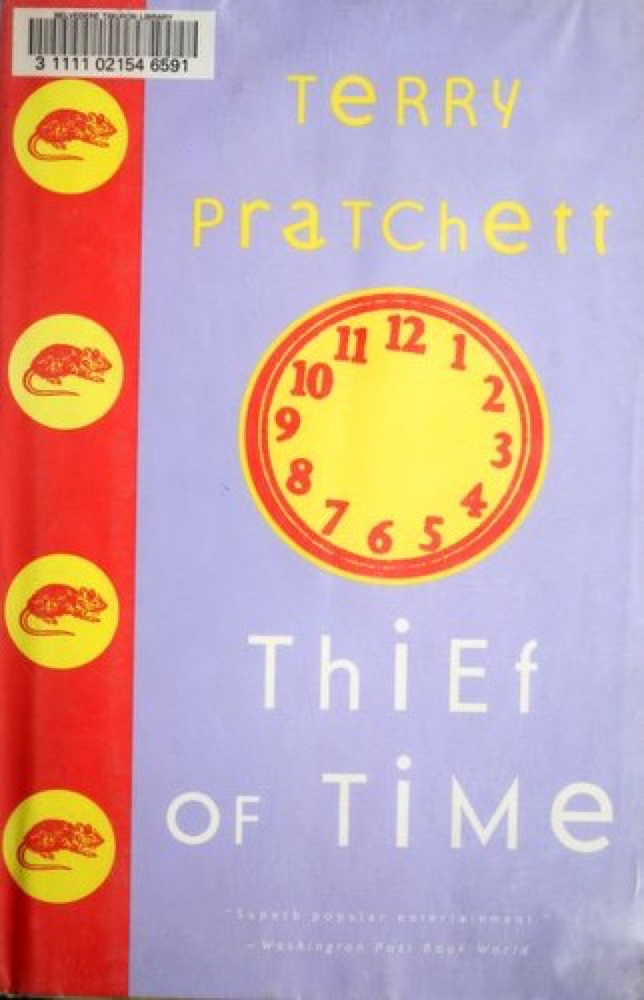 Thief of Time
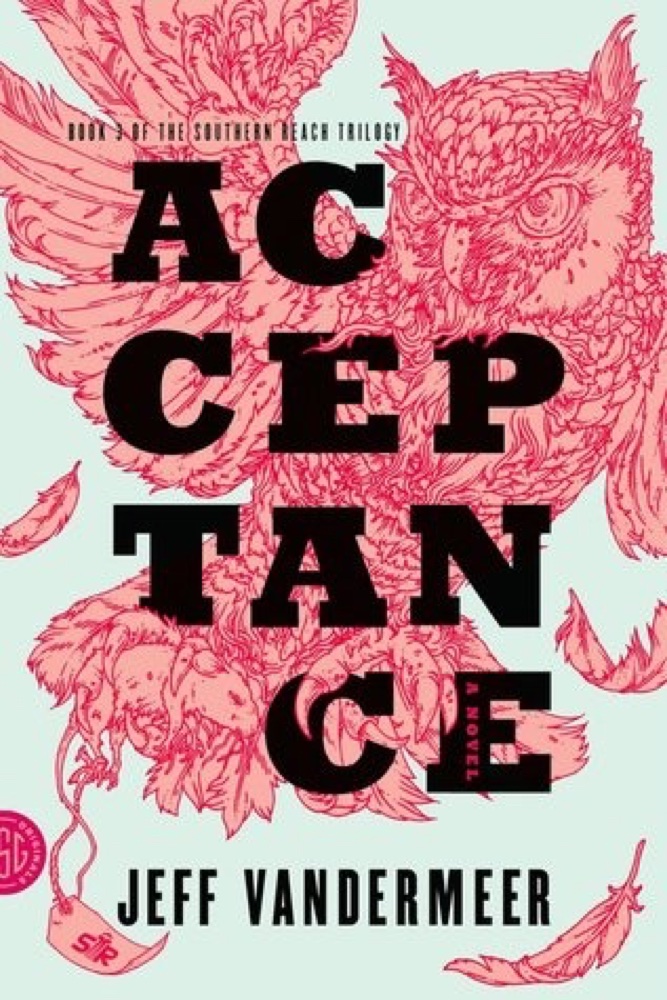 Acceptance
 Kafka on the Shore
 Anthropology of an American Girl
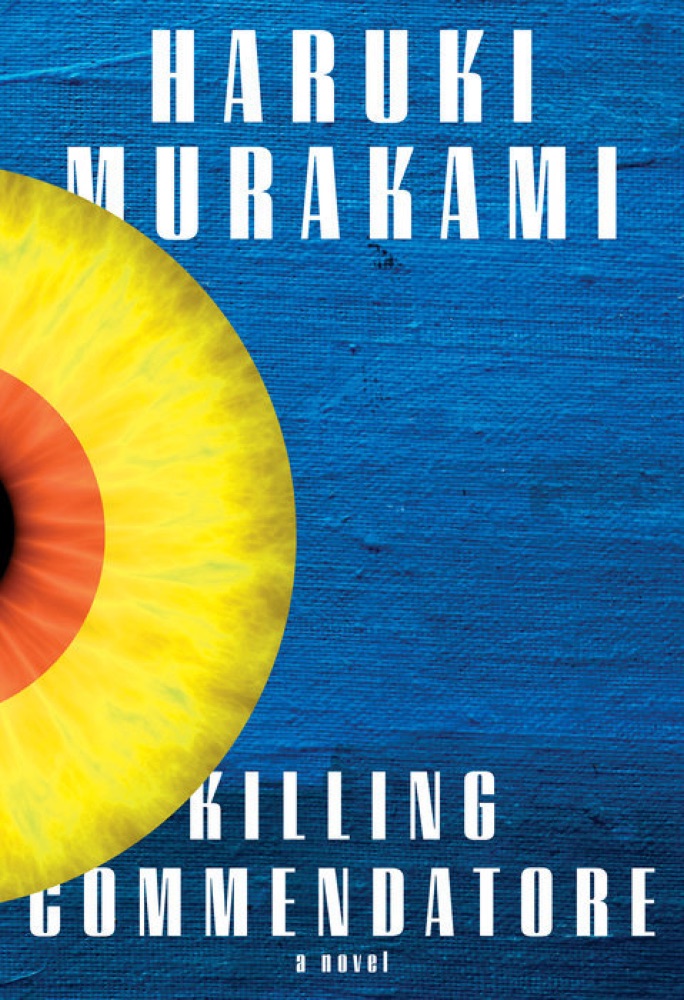 Killing Commendatore
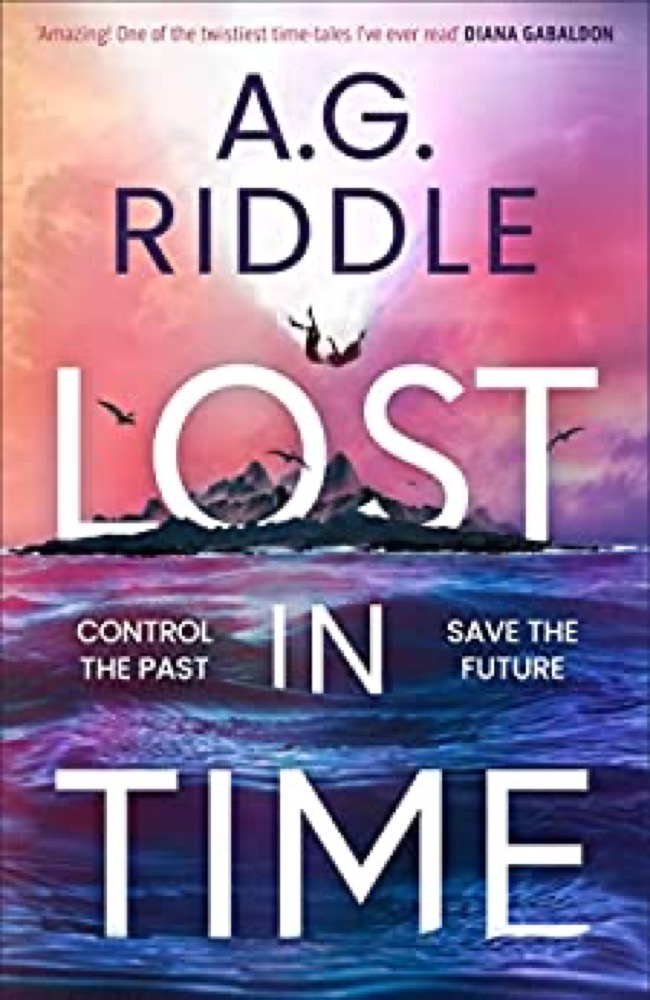 Lost in Time
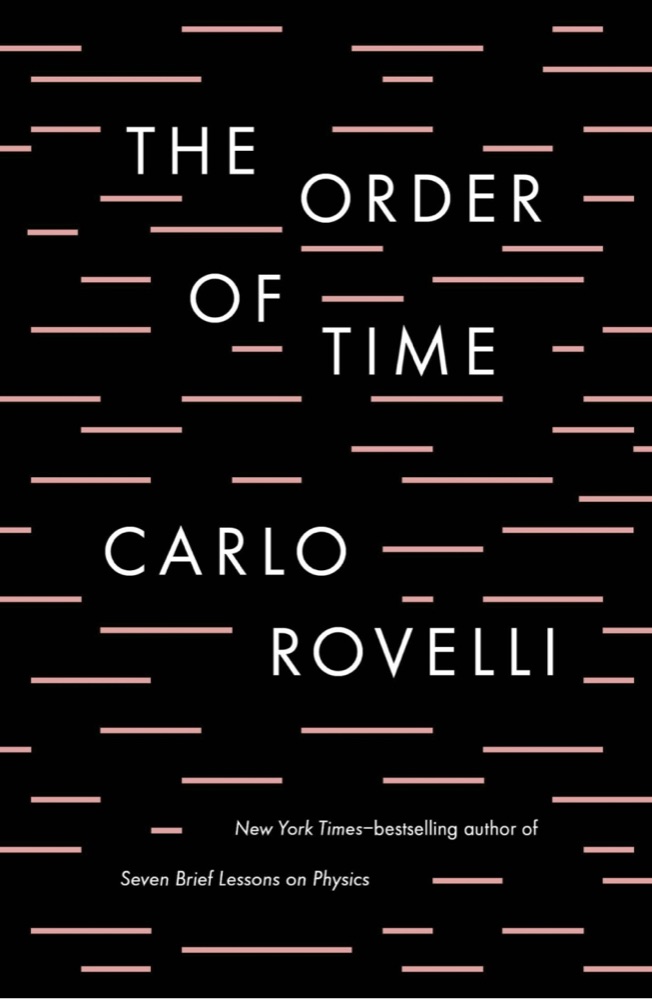 The Order of Time
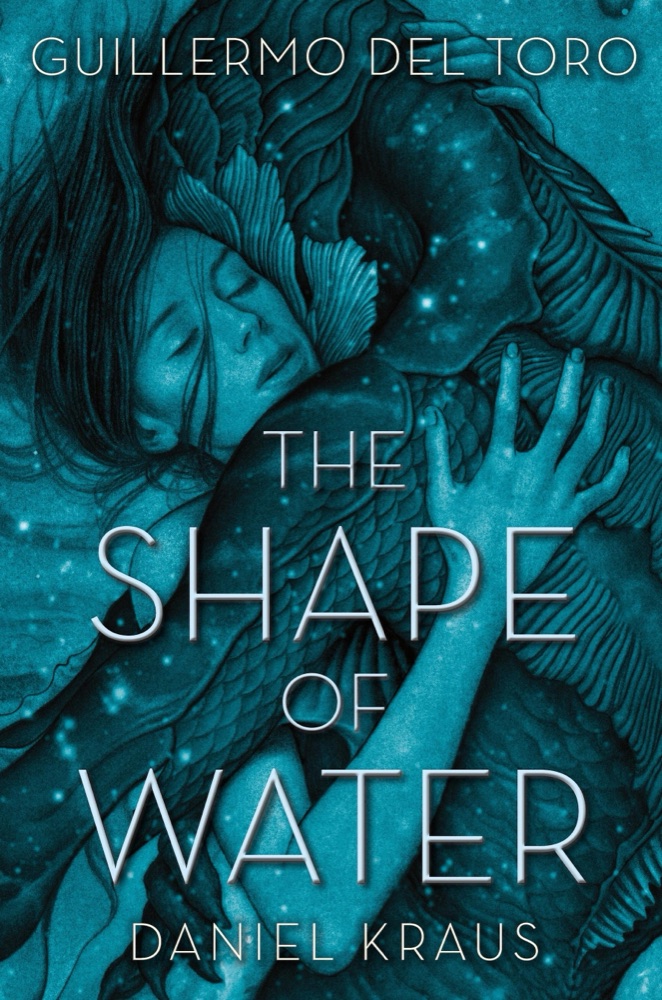 The Shape of Water
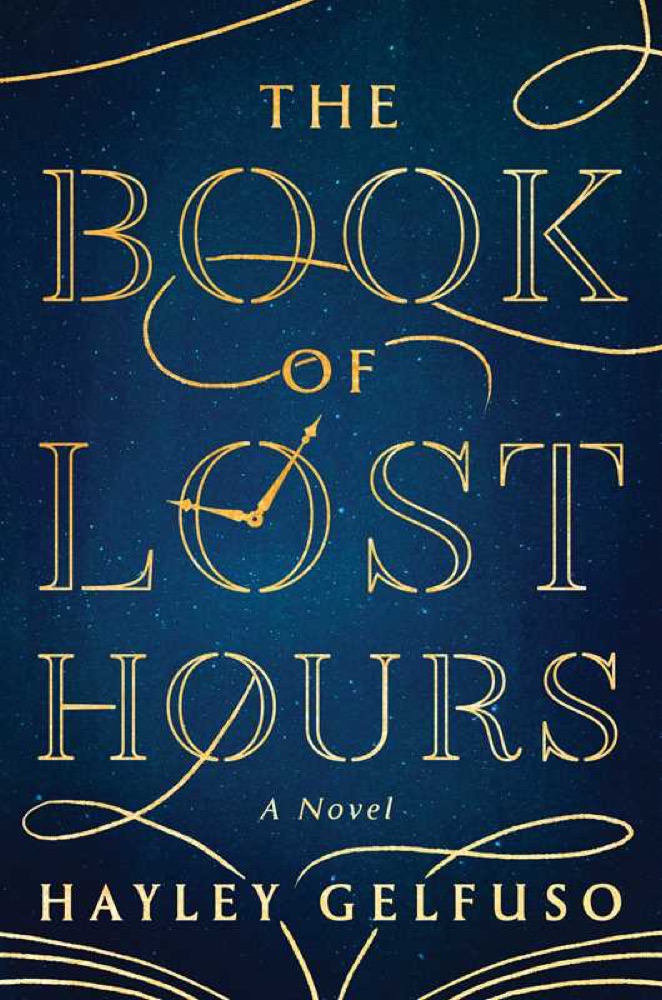 The Book of Lost Hours
 Ascension
 The Book of Tomorrow
 The Gap of Time
 Ghosts of Harvard
 The Empusium
 Oranges Are Not the Only Fruit
 Perfect
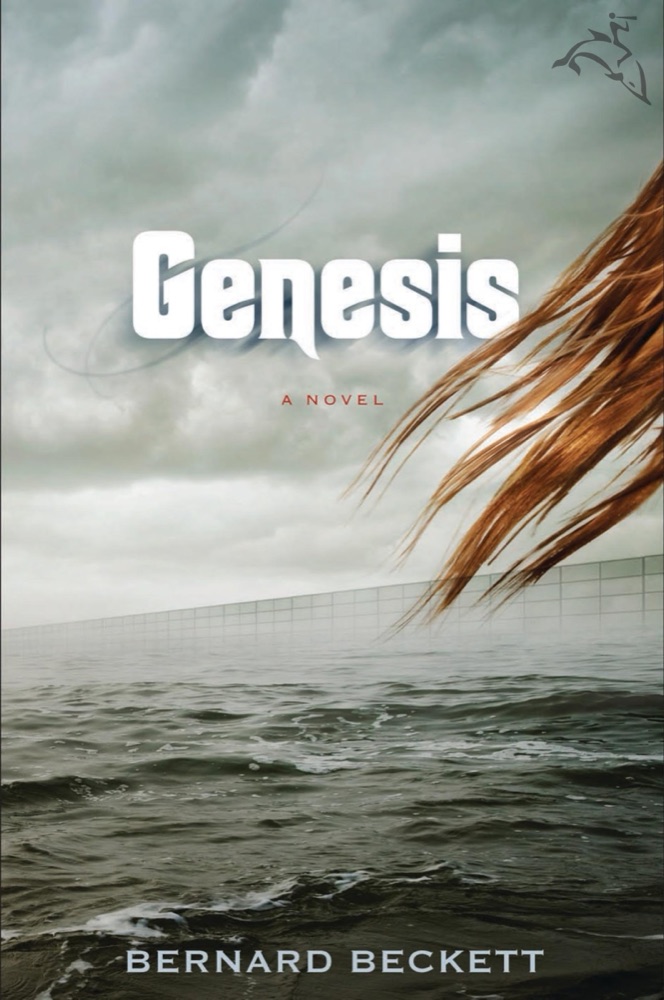 Genesis
 The Aosawa Murders
 The Book That Broke the World
 No One Writes Back
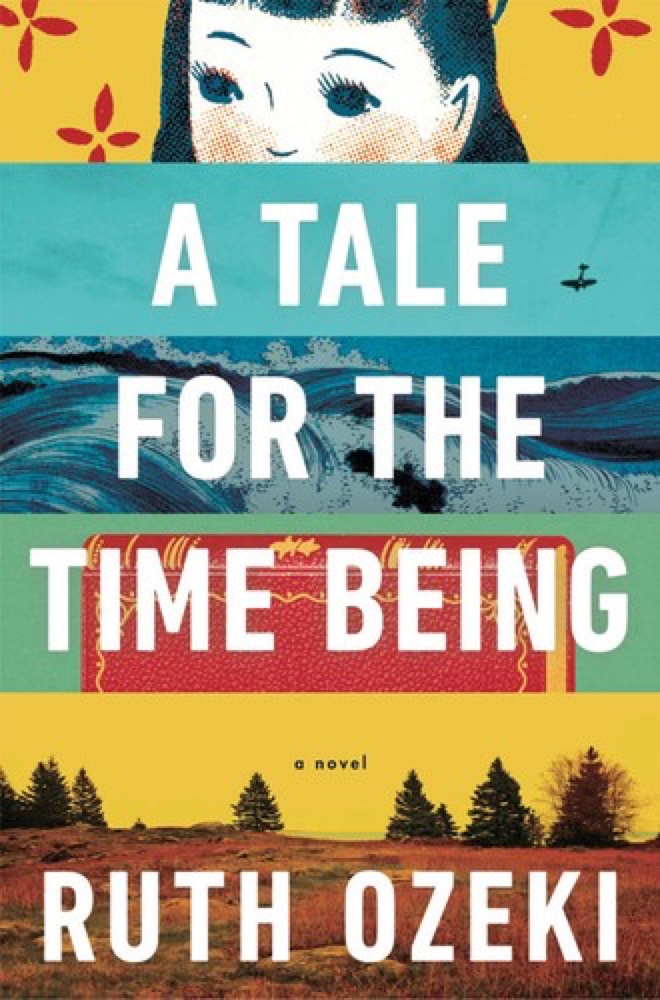 A Tale for the Time Being
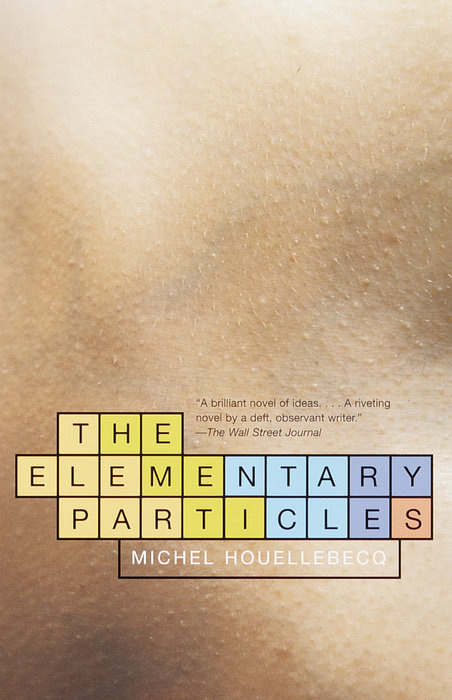 The Elementary Particles
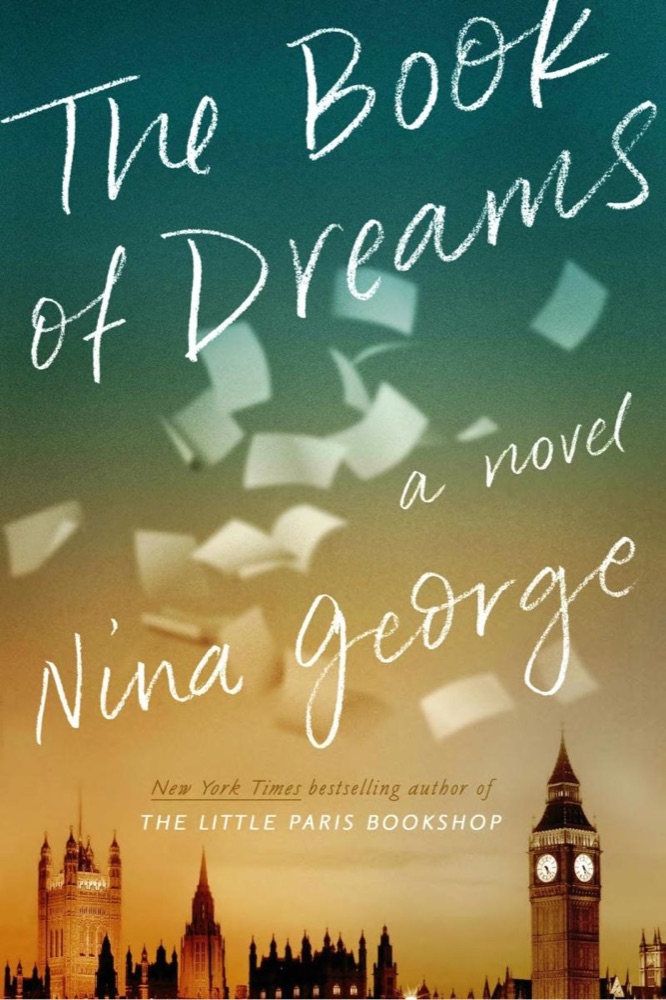 The Book of Dreams
 Wandering Stars
 The World to Come
 Permutation City
 Varina
 How to Live Safely in a Science Fictional Universe
 The Philosopher and the Wolf
 To Paradise
 All Our Wrong Todays
 The Curious Incident of the Dog in the Night-Time
 Stella Maris
 The Shock of the Fall
 Children of the Mind
 The Golden Compass
 The Fifth Science
 The Clockmaker's Daughter
 Love and Other Unknown Variables
 Identity
 The Chalk Man