
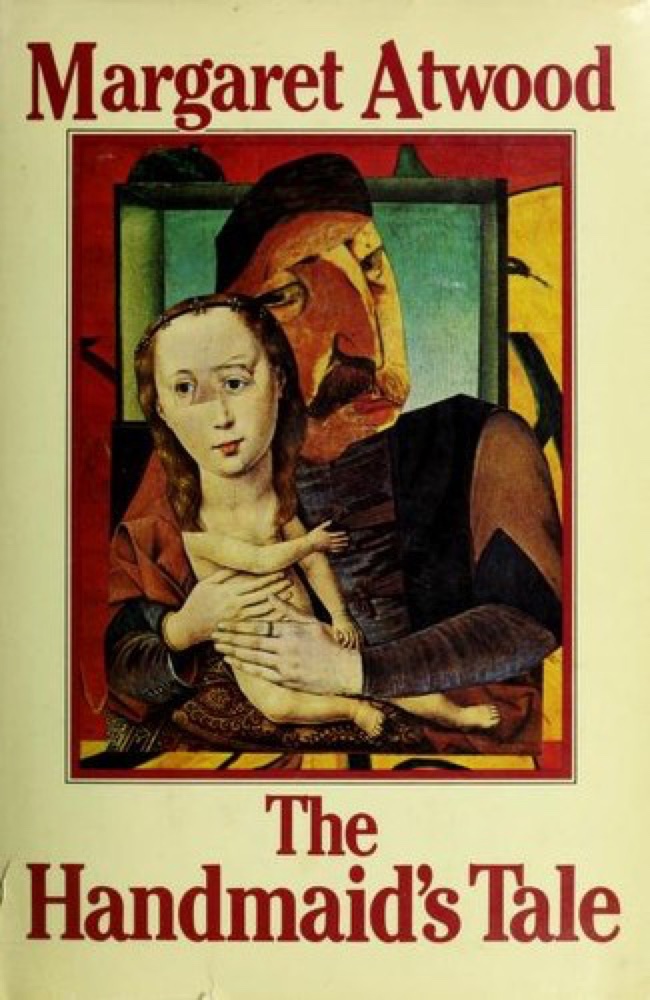
 The Handmaid's Tale
Quotes from the Book
She writes like a man,” a fellow poet said of me in the early 1970s, intending a compliment. “You forgot the punctuation,” I told him. “What you meant was, ‘She writes. Like a man.
4
People have asked me over the years, ‘If you could choose another century to live in, which would it be?’ ‘Too general,’ I have replied. ‘What gender, what age, what country, what social class? A princess of the nobility or a ditch-digger?’ I had little doubt, that without the Age of Print, I’d have been scrubbing floors.
3
In “Victorian Literature”, I taught George Eliot’s great novel Middlemarch. The younger group hated it: the characters in it made the wrong decisions and married the wrong people, and they themselves were never going to make such mistakes. The older group loved it: the characters in it made the wrong decisions and married the wrong people - it was just like real life.
1
I’ve said that utopias and dystopias are joined at the hip: every utopia contains a little dystopia—the dreadful state of society before the implementation of the utopia
1
The overriding of ordinary civil liberties is one of the signposts on the road to dictatorship. Terror tactics, such as bombings, kidnappings, and political murders, are another signpost on that road.
1
Do what you want and live with the consequences.
1
familiar saying about heroes and monsters: “The hero needs the monster, but the monster does not need the hero.” Quite the reverse: the monster can do without the hero very well. The plus side to being a monster is that you don’t need to care. If those are the only two roles on offer, I’ll take the monster.
1
If I watched carefully
The Handmaid’s Tale appeared in the fall of 1985 in Canada
The situation was summed up by a pleasant ditty the kids at the school sang: This land is my land
Anyone who thinks that females are perfect
a life in the arts is chancy in at least a hundred ways
Evolution wasn’t a concern among the Catholics—it was just God’s way of making the physical infrastructure of people—as long as you conceded that the soul was created and then stuck in to make the first really human being. Nicely finessed
This was even more baffling. What would that be like? Eighteenth-century mock-heroic couplets? Lo
So here it is at last
I set out to write a book that wouldn’t contradict any of the conflicting accounts. As to whether Grace murdered Nancy or not
The Stratford Festival had begun but was still quite small.
In her mistrust of the writerly me
I did the frying pan up as a frog
I scribbled; he roared. Division of labor.
Here are some of the names from the family shrubbery: Atwoods, Killams, Websters, McGowans,
Did you know?
- It is Margaret Atwood's first full-length memoir, published when she was in her mid-eighties.
- The book was published on November 4, 2025.
- It is illustrated throughout with photographs, drawings, maps, and other visual material.
- Atwood connects specific life experiences to her novels, such as the origins of "Cat's Eye" and writing "The Handmaid's Tale" in 1980s Berlin.
- The memoir recounts her unconventional childhood in the forests of northern Quebec and Ontario with her entomologist father.
- It became a New York Times bestseller and was longlisted for the National Book Critics Circle Award.
Watch on YouTube
About Margaret Atwood
Margaret Atwood is a Canadian writer born in 1939, best known for novels such as "The Handmaid's Tale," "Cat's Eye," "Alias Grace," and "The Blind Assassin." Over a career spanning more than six decades she has published dozens of books of fiction, poetry, and nonfiction and won numerous honors, including the Booker Prize twice.
More about the author →More by Margaret Atwood
All books by Margaret Atwood →
About the book
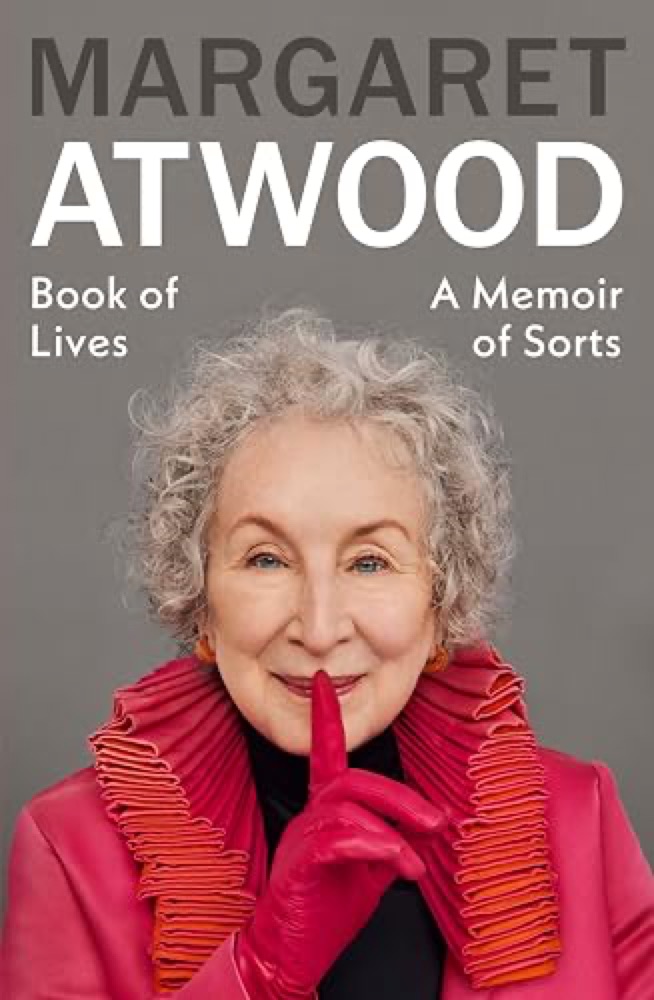
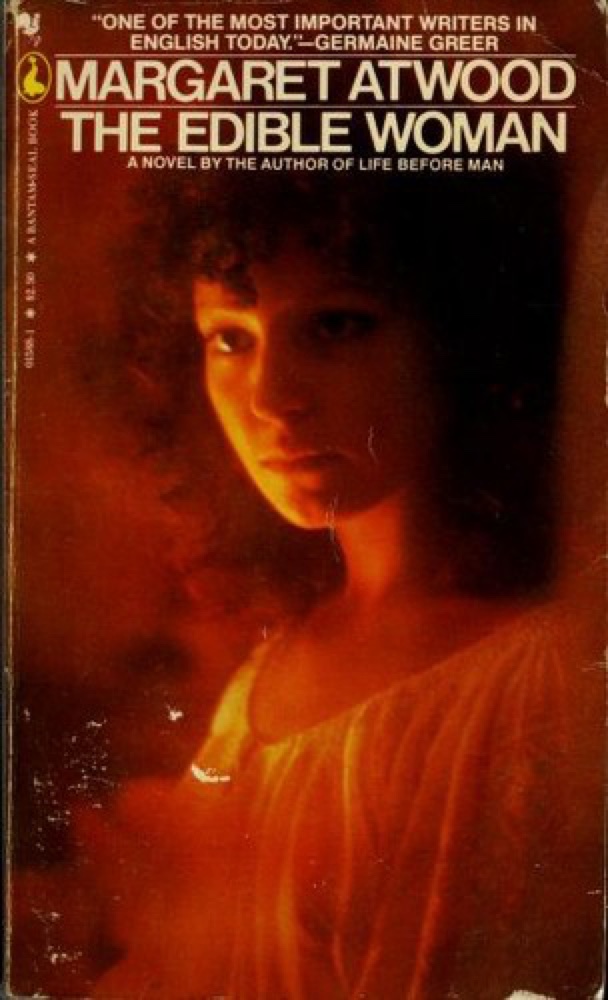
"Book of Lives: A Memoir of Sorts" is Margaret Atwood's first full-length memoir, published in 2025 when she was in her mid-eighties. The book traces her life from an unconventional childhood spent largely in the forests of northern Quebec and Ontario, where her entomologist father carried out fieldwork, through her education, her emergence as a writer, and her long career as one of the most celebrated novelists and poets of her generation. Rather than a strictly linear autobiography, it is a discursive, illustrated account that links the events and people of her life to the books that grew out of them.
Across its chapters Atwood weaves together recurring preoccupations: the natural world and her scientifically minded parents, reading and writing, major political turning points of the twentieth and twenty-first centuries, and her decades-long relationship with the writer Graeme Gibson. She connects specific life experiences to particular works, from the schoolyard cruelty that informed "Cat's Eye" to the Berlin of the 1980s where she began "The Handmaid's Tale." The memoir is illustrated throughout with photographs, drawings, and other visual material, and it touches on her lifelong interest in subjects ranging from nature to the occult.
The book was widely and warmly reviewed on publication, with critics praising its wit, candor, and generosity. It became a New York Times bestseller, was longlisted for the National Book Critics Circle Award, and was named a notable book of the year by outlets including The New York Times and The Washington Post. Reviewers highlighted both its humor and its reflective account of how a life and a body of work shaped one another.
Book details
- First published
- 2025
- Length
- 624 pages
- Reading time
- 11 hours
- Author
- Margaret Atwood
- Genre
- Biography
- Goodreads rating
- 4.27 (6k ratings)
Critical reception
- The memoir became a New York Times bestseller.
- It was longlisted for the National Book Critics Circle Award.
- It was named a notable book of the year by outlets including The New York Times and The Washington Post.
- Reviewers widely praised its wit, candor, and generosity.
Keep reading
 Negotiating with the Dead: A Writer on Writing
 Old Babes in the Wood: Stories
 The Children's Book
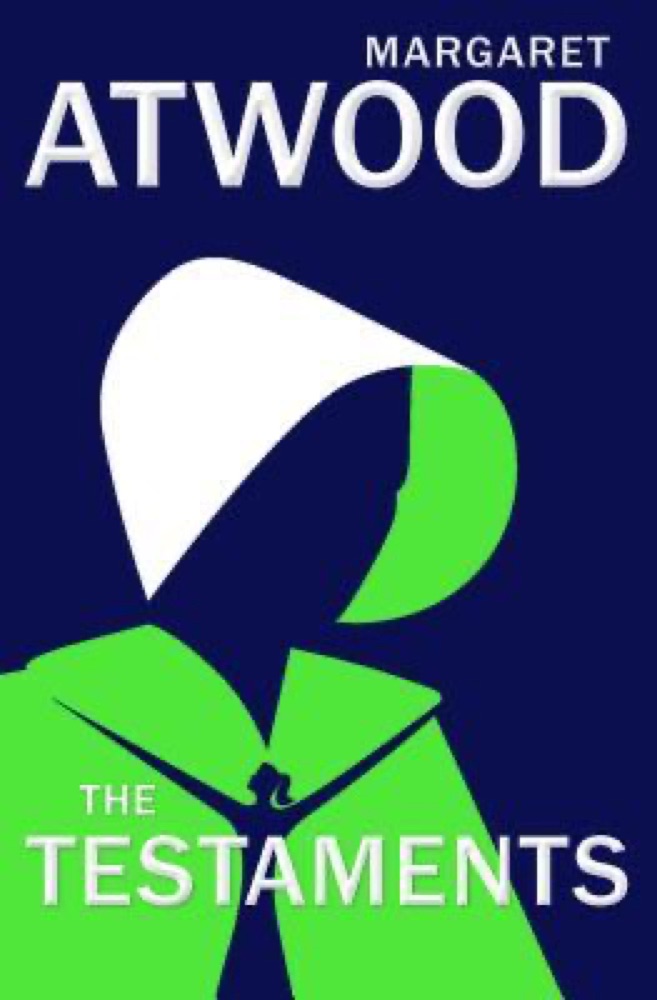 The Testaments
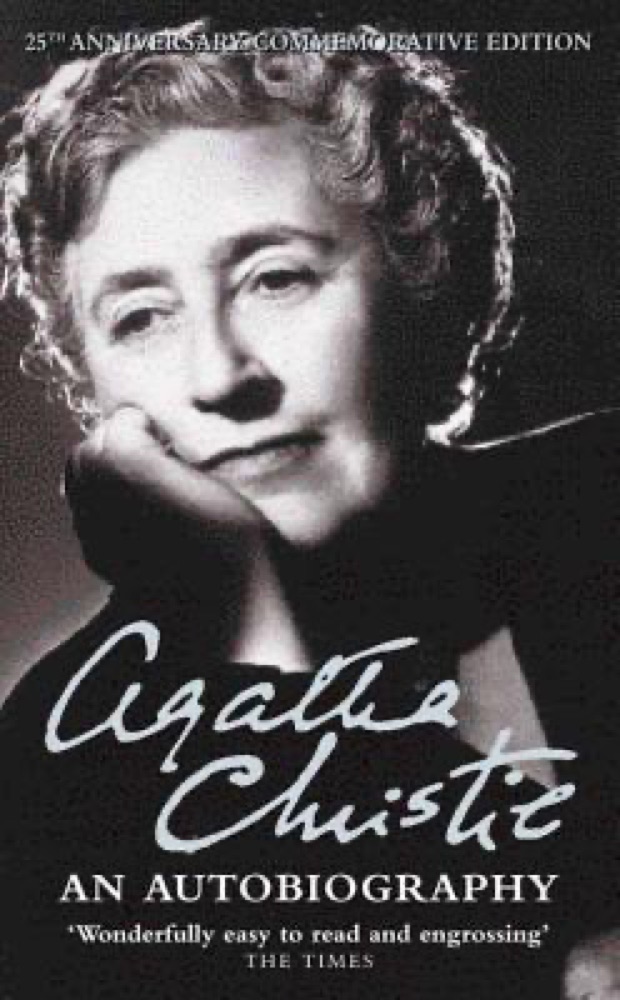 Agatha Christie: An Autobiography
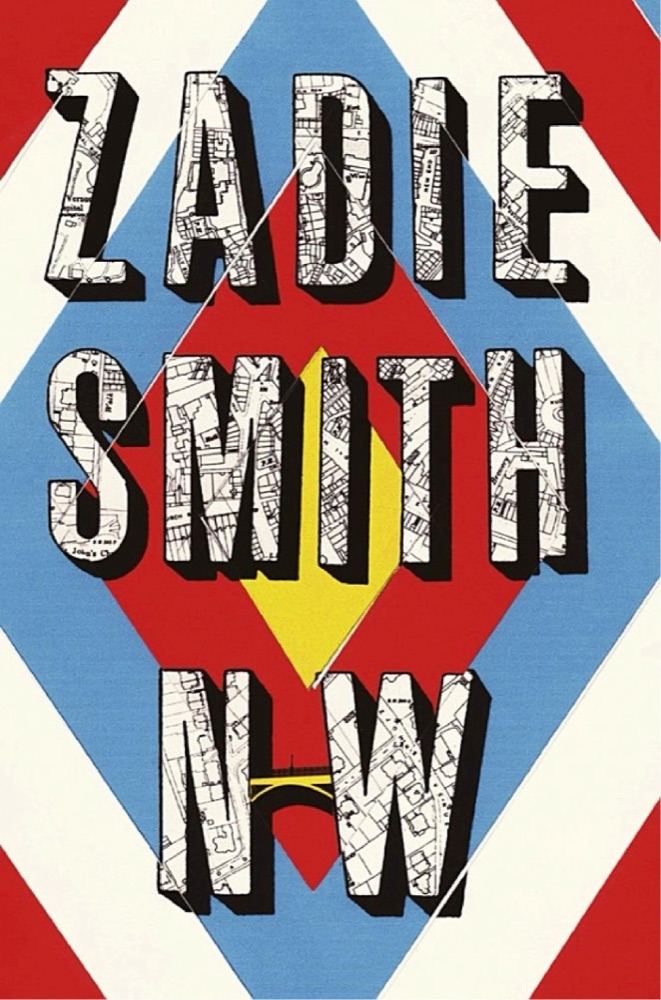 NW
NW
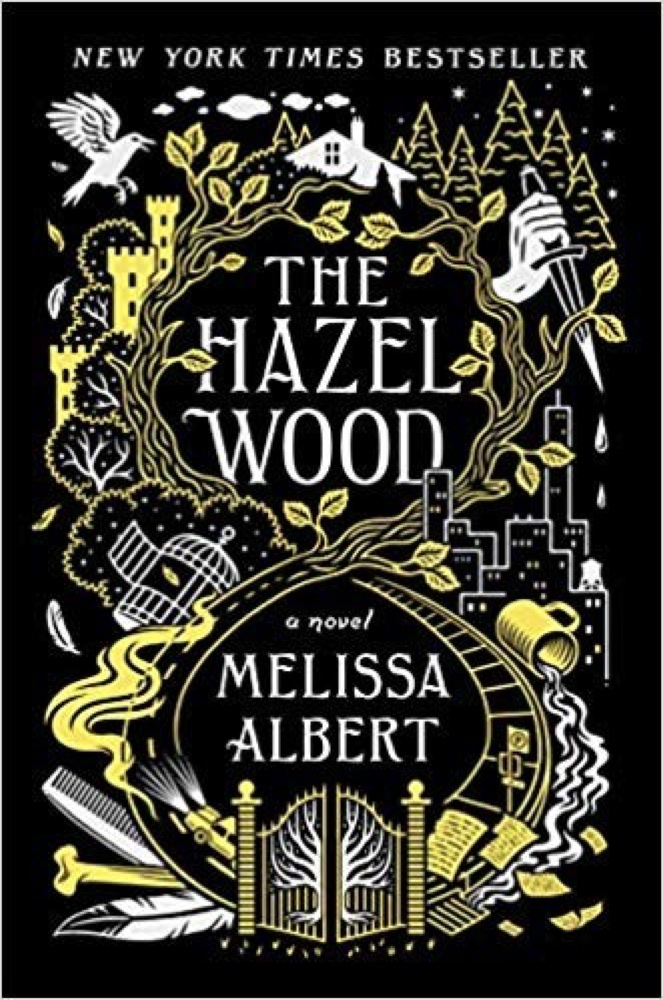 The Hazel Wood
 Warlight
 The Folded Clock: A Diary
 The Muse
 Too Much Happiness: Stories
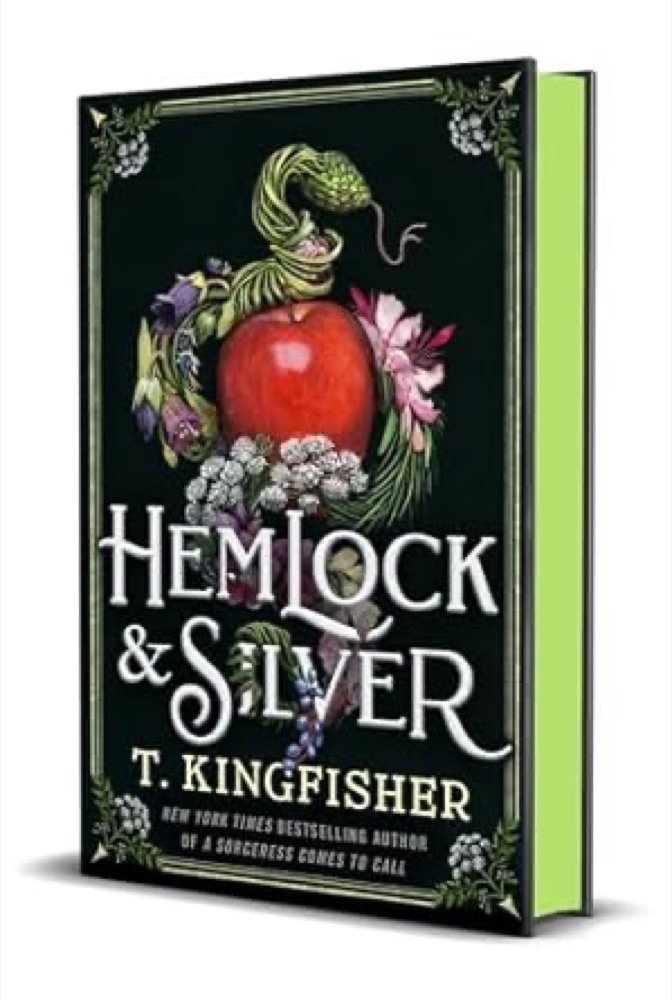 Hemlock & Silver
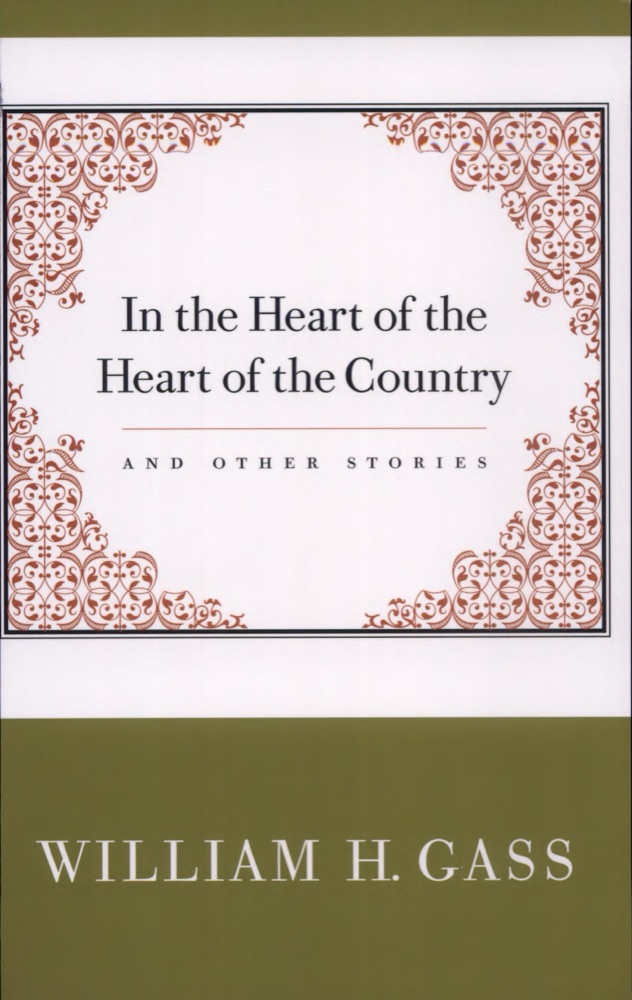 In the Heart of the Heart of the Country and Other Stories
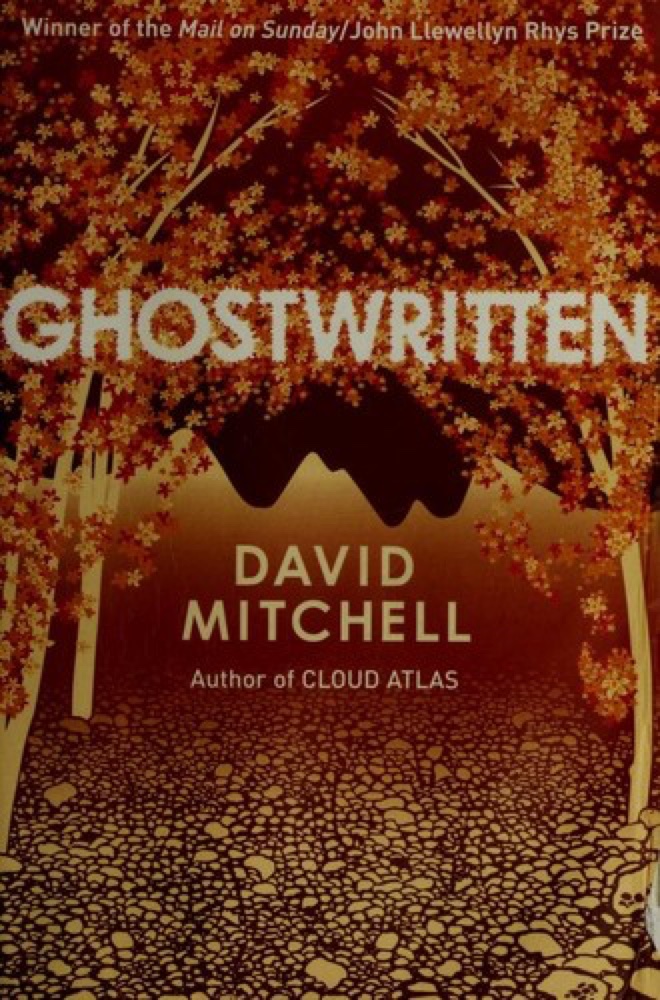 Ghostwritten
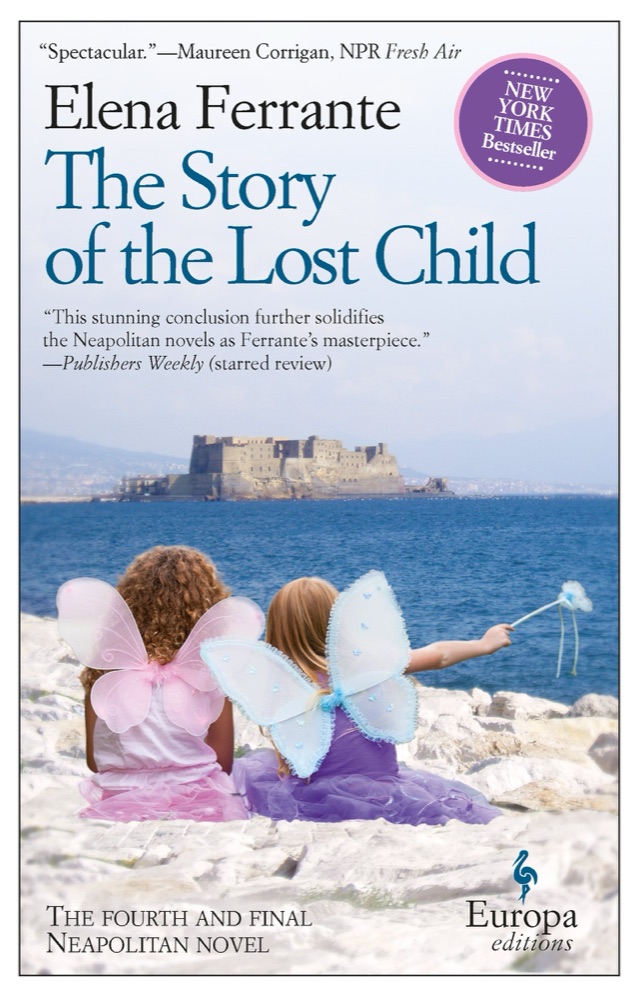 The Story of the Lost Child
 Smoke and Mirrors: Short Fiction and Illusions
 Out of Oz
 Experience
 Speedboat
 Mother Mary Comes to Me
 Let Me Tell You What I Mean
 Monday or Tuesday
 A People's Future of the United States: Speculative Fiction from 25 Extraordinary Writers
 Egg & Spoon
 Mislaid
 Giving Up the Ghost
 The Manticore
 The Madwoman Upstairs
 Sixty Stories
 My Booky Wook
 Skinny Legs and All
 Past Imperfect
 Our Hideous Progeny
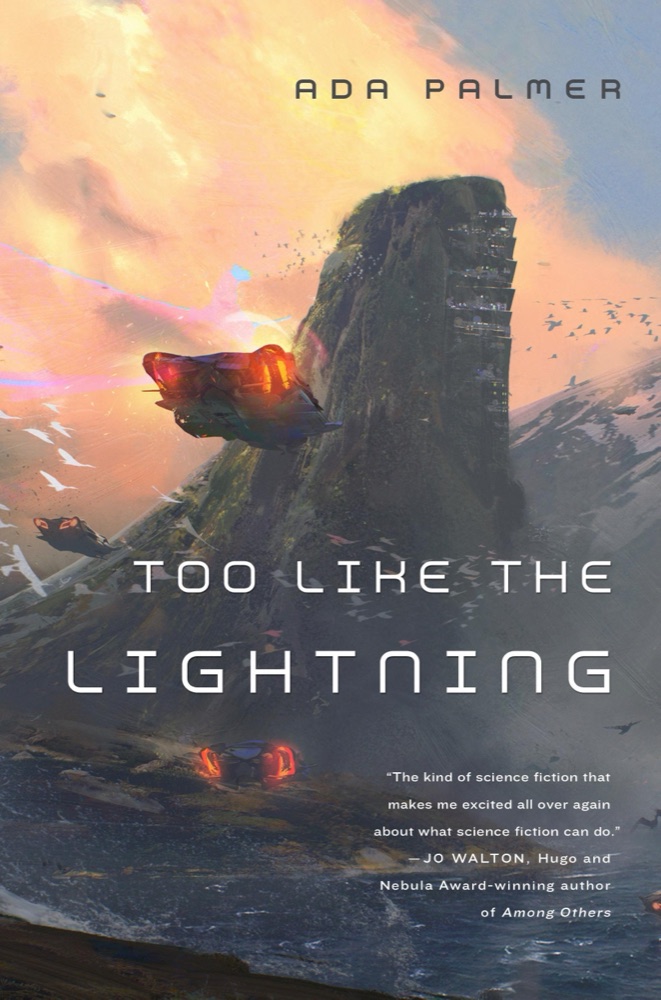 Too Like the Lightning
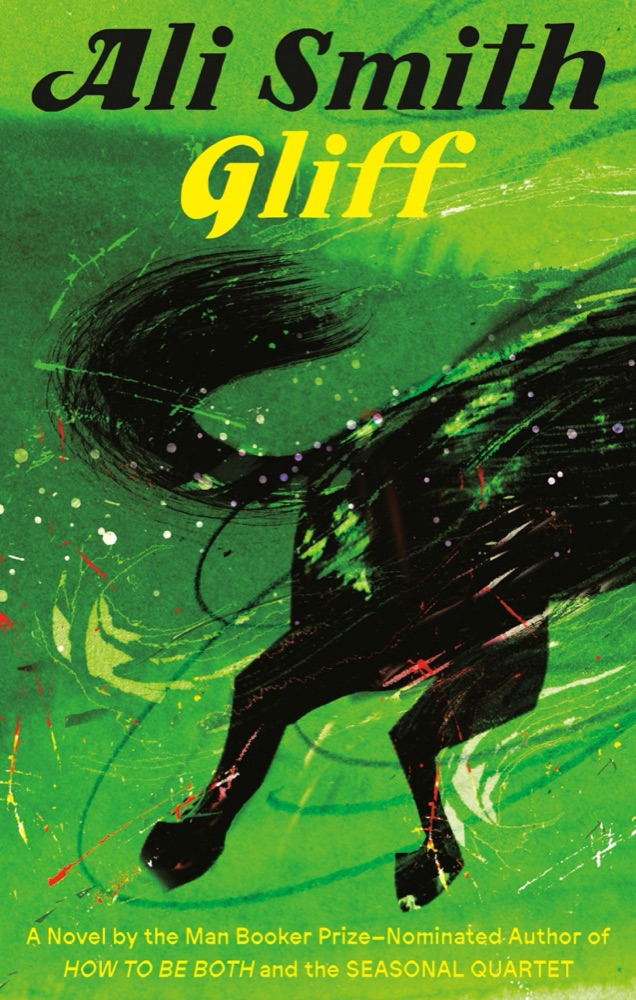 Gliff
Gliff
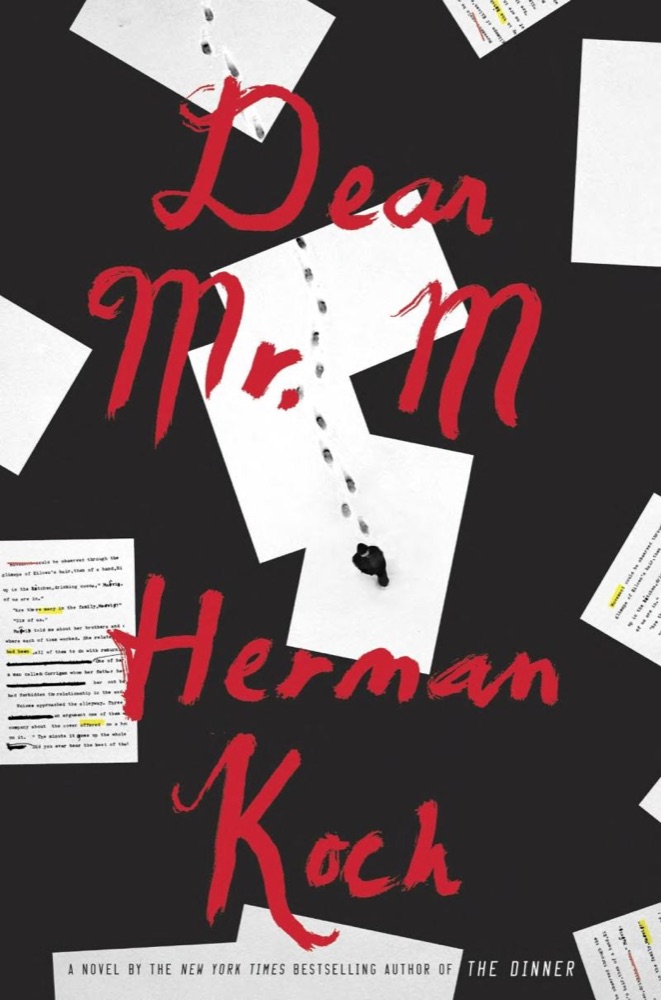 Dear Mr. M
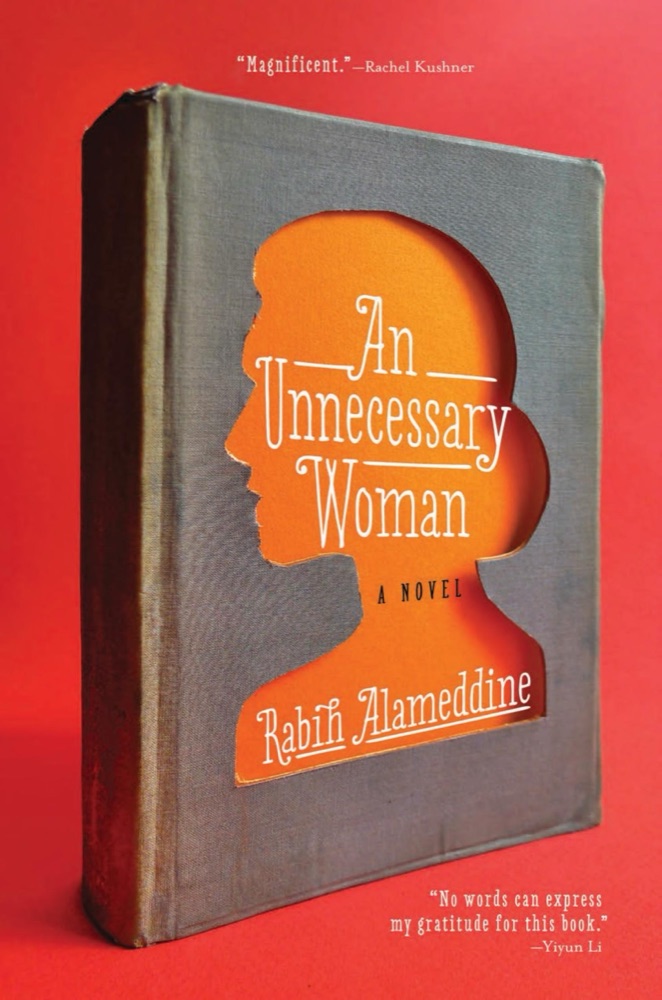 An Unnecessary Woman
 The Savage Detectives
 One Man's Meat
 Flaubert's Parrot
 The Mime Order
 Library of Souls
 In Search of Our Mothers' Gardens: Womanist Prose
 Emily Climbs
 A Collection of Essays
 The Summer Without Men
 Dept. of Speculation
 The Frozen River
 The Eyre Affair
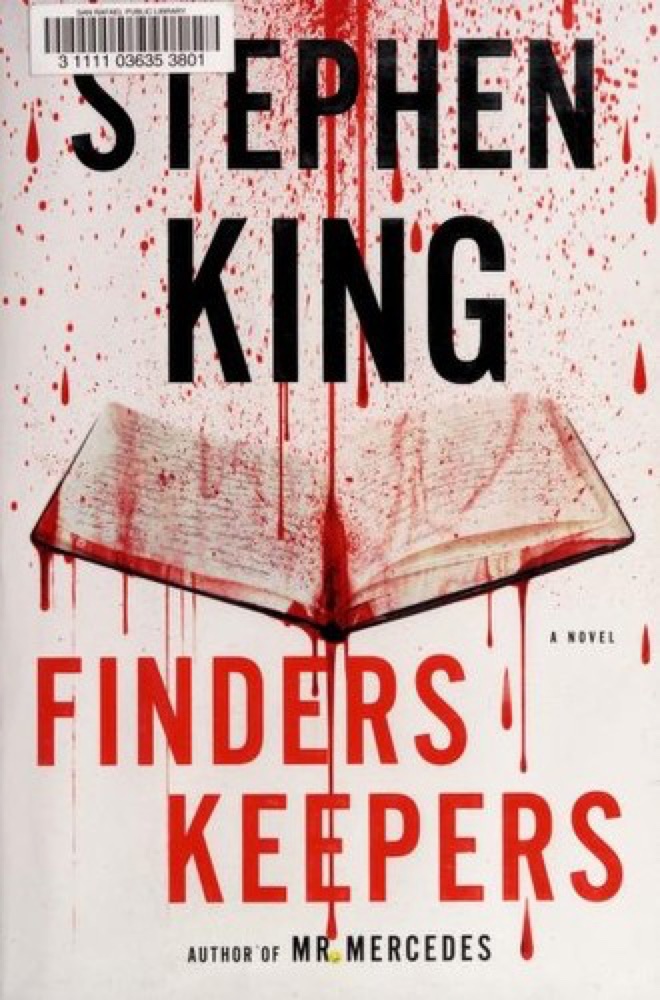 Finders Keepers
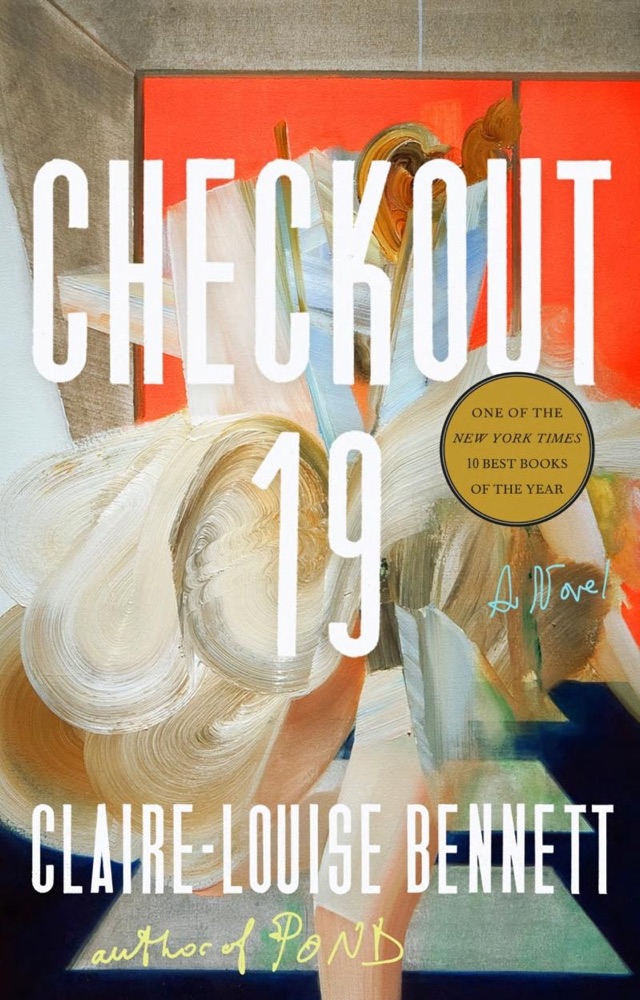 Checkout 19
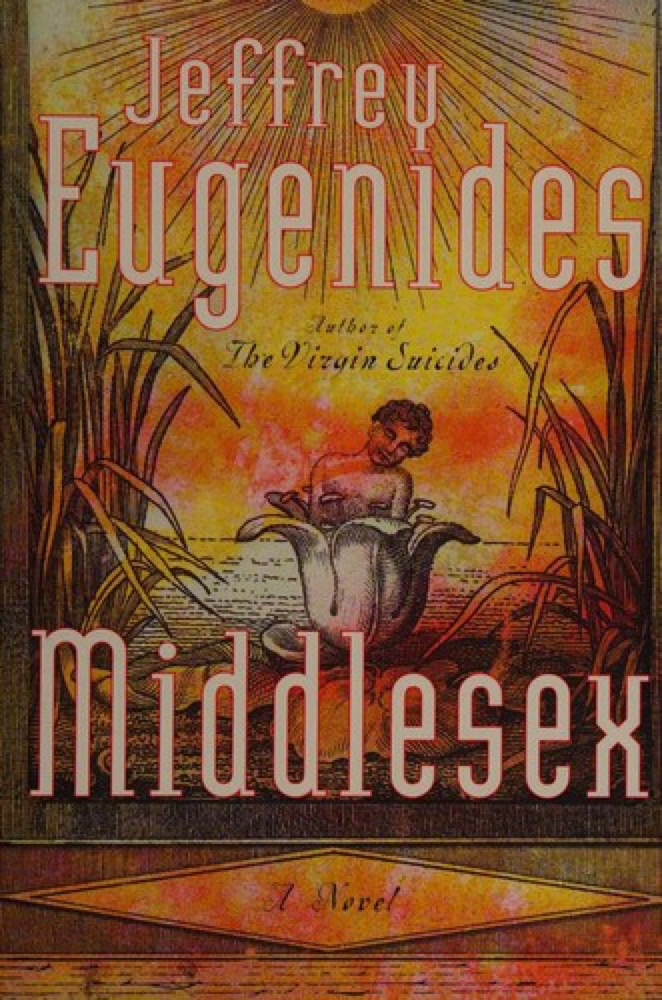 Middlesex
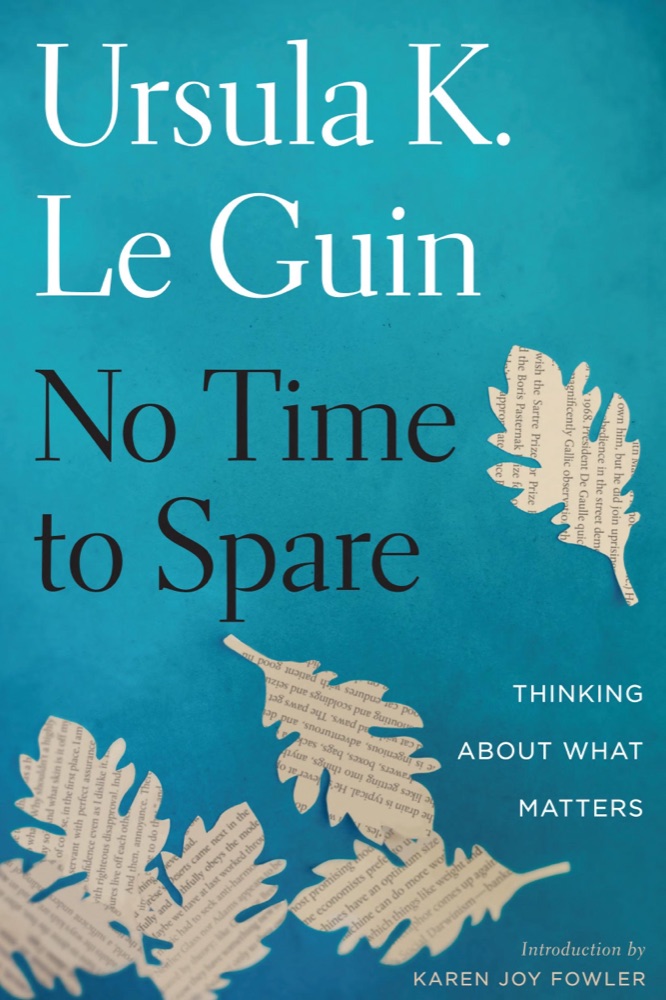 No Time To Spare: Thinking About What Matters
 Sea of Silver Light
 Sweet Tooth
 Everything's Eventual
 The Confessions of Frannie Langton
 One of Our Thursdays Is Missing
 Everything's Eventual