 The Metamorphosis
Quotes from the Book
It's only because of their stupidity that they're able to be so sure of themselves.
It would have been so pointless to kill himself that, even if he had wanted to, the pointlessness would have made him unable.
From a certain point onward there is no longer any turning back. That is the point that must be reached.
They're talking about things of which they don't have the slightest understanding, anyway. It's only because of their stupidity that they're able to be so sure of themselves.
it is not necessary to accept everything as true, one must only accept it as necessary.' 'A melancholy conclusion,' said K. 'It turns lying into a universal principle.
Logic may indeed be unshakeable, but it cannot withstand a man who is determined to live.
No," said the priest, "you don't need to accept everything as true, you only have to accept it as necessary." "Depressing view," said K. "The lie made into the rule of the world.
Someone must have slandered Josef K., for one morning, without having done anything truly wrong, he was arrested.
The right understanding of any matter and a misunderstanding of the same matter do not wholly exclude each other.
I like to make use of what I know
It is not necessary to accept everything as true, one must only accept it as necessary
You must not pay too much attention to opinions. The written word is unalterable, and opinions are often only an expression of despair.
Before he dies, all his experiences in these long years gather themselves in his head to one point, a ques-tion he has not yet asked the doorkeeper. He waves him nearer, since he can no longer raise his stiffening body. The doorkeeper has to bend low towards him, for the difference in height between them has altered much to the man's disadvantage. "What do you want to know now?" asks the doorkeeper; "you are insati-able." "Everyone strives to reach the Law," says the man, "so how does it happen that for all these many years no one but myself has ever begged for admit-tance?" The doorkeeper recognizes that the man has reached his end, and to let his failing senses catch the words roars in his ear: "No one else could ever be admitted here, since this gate was made only for you. I am now going to shut it.
The books we need are of the kind that act upon us like a misfortune,that makes us suffer like the death of someone we love more than ourselves, that make us feel as though we were on the verge of suicide,lost in a forest remote from all human habitation
I see, these books are probably law books, and it is an essential part of the justice dispensed here that you should be condemned not only in innocence but also in ignorance.
One must lie low, no matter how much it went against the grain, and try to understand that this great organization remained, so to speak, in a state of delicate balance, and that if someone took it upon himself to alter the dispositions of things around him, he ran the risk of losing his footing and falling to destruction, while the organization would simply right itself by some compensating reaction in another part of its machinery – since everything interlocked – and remain unchanged, unless, indeed, which was very probable, it became still more rigid, more vigilant, severer, and more ruthless.
Like a dog!" he said, it was as if the shame of it should outlive him.
It's sometimes quite astonishing that a single, average life is enough to encompass so much that it's at all possible ever to have any success in one's work here.
But I cannot find my way in this darkness," said K. "Turn left to the wall," said the priest, "then follow the wall without leaving it and you'll come to a door." The priest had already taken a step or two away from him, but K. cried out in a loud voice, "please wait a moment." "I am waiting," said the priest. "Don't you want anything more form me?" asked K. "No," said the priest. "You were so friendly to me for a time," said K., "and explained so much to me, and now you let me go as if you cared nothing about me." "But you have to leave now," said the priest. "Well, yes," said K., "you must see that I can't help it." "You must first see who I am," said the priest. "You are the prison chaplain," said K., groping his way nearer to the priest again; his immediate return to the Bank was not so necessary as he had made out, he could quite stay longer. "That means I belong to the Court," said the priest. "So why should I want anything from you? The court wants nothing from you. It receives you when you came and it dismisses you when you go.
You're not cross with me, though?" he said. She pulled her hand away and answered, "No, no, I'm never cross with anyone.
Judgement does not come suddenly; the proceedings gradually merge into the judgement.
Before the Law stands a doorkeeper on guard. To this doorkeeper there comes a man from the country who begs for admittance to the Law. But the doorkeeper says that he cannot admit the man at the moment. The man, on reflection, asks if he will be allowed, then, to enter later. 'It is possible,' answers the doorkeeper, 'but not at this moment.' Since the door leading into the Law stands open as usual and the doorkeeper steps to one side, the man bends down to peer through the entrance. When the doorkeeper sees that, he laughs and says: 'If you are so strongly tempted, try to get in without my permission. But note that I am powerful. And I am only the lowest doorkeeper. From hall to hall keepers stand at every door, one more powerful than the other. Even the third of these has an aspect that even I cannot bear to look at.' These are difficulties which the man from the country has not expected to meet, the Law, he thinks, should be accessible to every man and at all times, but when he looks more closely at the doorkeeper in his furred robe, with his huge pointed nose and long, thin, Tartar beard, he decides that he had better wait until he gets permission to enter. The doorkeeper gives him a stool and lets him sit down at the side of the door. There he sits waiting for days and years. He makes many attempts to be allowed in and wearies the doorkeeper with his importunity. The doorkeeper often engages him in brief conversation, asking him about his home and about other matters, but the questions are put quite impersonally, as great men put questions, and always conclude with the statement that the man cannot be allowed to enter yet. The man, who has equipped himself with many things for his journey, parts with all he has, however valuable, in the hope of bribing the doorkeeper. The doorkeeper accepts it all, saying, however, as he takes each gift: 'I take this only to keep you from feeling that you have left something undone.' During all these long years the man watches the doorkeeper almost incessantly. He forgets about the other doorkeepers, and this one seems to him the only barrier between himself and the Law. In the first years he curses his evil fate aloud; later, as he grows old, he only mutters to himself. He grows childish, and since in his prolonged watch he has learned to know even the fleas in the doorkeeper's fur collar, he begs the very fleas to help him and to persuade the doorkeeper to change his mind. Finally his eyes grow dim and he does not know whether the world is really darkening around him or whether his eyes are only deceiving him. But in the darkness he can now perceive a radiance that streams immortally from the door of the Law. Now his life is drawing to a close. Before he dies, all that he has experienced during the whole time of his sojourn condenses in his mind into one question, which he has never yet put to the doorkeeper. He beckons the doorkeeper, since he can no longer raise his stiffening body. The doorkeeper has to bend far down to hear him, for the difference in size between them has increased very much to the man's disadvantage. 'What do you want to know now?' asks the doorkeeper, 'you are insatiable.' 'Everyone strives to attain the Law,' answers the man, 'how does it come about, then, that in all these years no one has come seeking admittance but me?' The doorkeeper perceives that the man is at the end of his strength and that his hearing is failing, so he bellows in his ear: 'No one but you could gain admittance through this door, since this door was intended only for you. I am now going to shut it.
Next time I come here," he said to himself, "I must either bring sweets with me to make them like me or a stick to hit them with.
The books were old and well worn, the cover of one of them had nearly broken through in its middle, and it was held together with a few threads. "Everything is so dirty here," said K., shaking his head, and before he could pick the books up the woman wiped some of the dust off with her apron. K. took hold of the book that lay on top and threw it open, an indecent picture appeared. A man and a woman sat naked on a sofa, the base intent of whoever drew it was easy to see but he had been so grossly lacking in skill that all that anyone could really make out were the man and the woman who dominated the picture with their bodies, sitting in overly upright postures that created a false perspective and made it difficult for them to approach each other. K. didn't thumb through that book any more, but just threw open the next one at its title page, it was a novel with the title, What Grete Suffered from her Husband, Hans. "So this is the sort of law book they study here," said K., "this is the sort of person sitting in judgement over me.
You do not need to accept everything as true, you only have to accept it as necessary.
If he stayed at home and carried on with his normal life he would be a thousand times superior to these people and could get any of them out of his way just with a kick.
It puzzled K., at least it puzzled him looking at it from the policemen's point of view, that they had made him go into the room and left him alone there, where he had ten different ways of killing himself. At the same time, though, he asked himself, this time looking at it from his own point of view, what reason he could have to do so. Because those two were sitting there in the next room and had taken his breakfast, perhaps?
Anyway, it’s best not to think about them, as if you do it makes the discussions with the other lawyers, all their advice and all that they do manage to achieve, seem so unpleasant and useless, I had that experience myself, just wanted to throw everything away and lay at home in bed and hear nothing more about it. But that, of course, would be the stupidest thing you could do, and you wouldn’t be left in peace in bed for very long either.
Did you know?
- The novel was left unfinished at Kafka's death in 1924 and published posthumously in 1925.
- Kafka's literary executor Max Brod edited and published the book despite Kafka's instruction that his manuscripts be destroyed.
- The original German title is Der Process (also spelled Der Prozess).
- The book's depiction of irrational bureaucracy helped give rise to the term "Kafkaesque."
- Josef K. is arrested on his thirtieth birthday and executed on the eve of his thirty-first.
About Franz Kafka
Franz Kafka (1883-1924) was a German-language Jewish writer from Prague, in what was then Austria-Hungary. He published only a few works in his lifetime and died of tuberculosis at 40; his major novels, including The Trial, were published posthumously by his friend Max Brod against Kafka's wishes.
More about the author →More by Franz Kafka
All books by Franz Kafka →


About the book
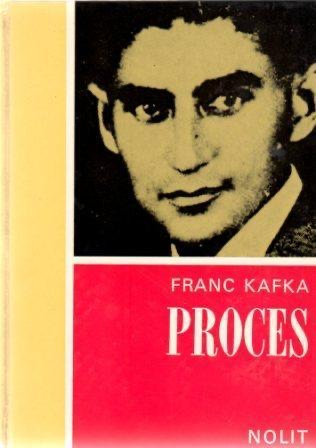
The Trial (Der Process) is Franz Kafka's unfinished novel about Josef K., a bank chief clerk who is arrested one morning by mysterious agents for a crime that is never named. Though left free to continue his ordinary life, K. is drawn ever deeper into a shadowy legal process, encountering an impenetrable court hidden in the attic of a rundown tenement, a lawyer who makes no discernible progress, and a court painter who explains that genuine acquittal is effectively impossible. On the eve of his thirty-first birthday, two men lead K. to a quarry outside the city and execute him.
The novel is a defining work of literary absurdism, dramatizing the individual's helplessness before an opaque, self-perpetuating bureaucracy. Its central preoccupations are guilt without knowable cause, the futility of seeking justice from a faceless system, and the anxiety of a life governed by rules one can neither see nor understand. The nightmarish, illogical machinery K. confronts gave rise to the adjective "Kafkaesque," now shorthand for surreal bureaucratic entrapment.
Kafka died of tuberculosis in 1924 without completing or publishing the book; he had asked that his manuscripts be destroyed. His friend and literary executor Max Brod ignored that wish, edited the fragments, and brought the novel out in 1925. Preserved against its author's instructions, The Trial became one of the foundational texts of twentieth-century literature and cemented Kafka's posthumous reputation as one of its most influential writers.
Key characters
- Josef K.Bank chief clerk arrested for an unspecified crime; the protagonist
- Fräulein BürstnerA lodger in K.'s boarding house
- Herr HuldK.'s advocate, who makes little progress on his case
- LeniHuld's assistant and caretaker
- TitorelliThe court painter, who explains how the court really works
- The PriestA prison chaplain who tells K. a parable before the law
Book details
- First published
- 1925
- Length
- 411 pages
- Reading time
- 8 hours
- Author
- Franz Kafka
- Genre
- Classics
- Goodreads rating
- 3.93 (413k ratings) →
- First line
- “Someone must have slandered Josef K., for without having done anything wrong, he was arrested one morning.”
Movie & TV adaptations
- IMDb
- IMDb
If you liked this, read…
- 1The CastleKafka's other unfinished novel of an individual thwarted by an inscrutable bureaucracy
- 2Nineteen Eighty-FourA nightmarish vision of the individual crushed by faceless, all-powerful authority
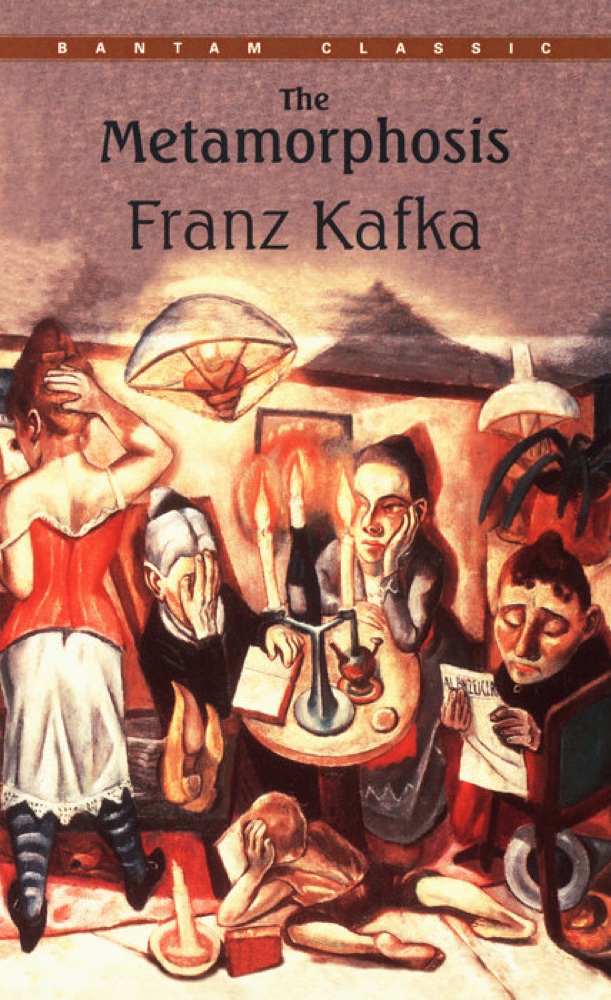
- 3The MetamorphosisKafka's novella of sudden, unexplained catastrophe and alienation
Keep reading
 Crime and Punishment
 The First Circle
 Death Comes as the End
 Authority
 That Hideous Strength
 Mostly Harmless
 Last Argument of Kings
 An Instance of the Fingerpost
 I Am Pilgrim
 The Long Dark Tea-Time of the Soul
 The Bourne Identity
 The Adolescent
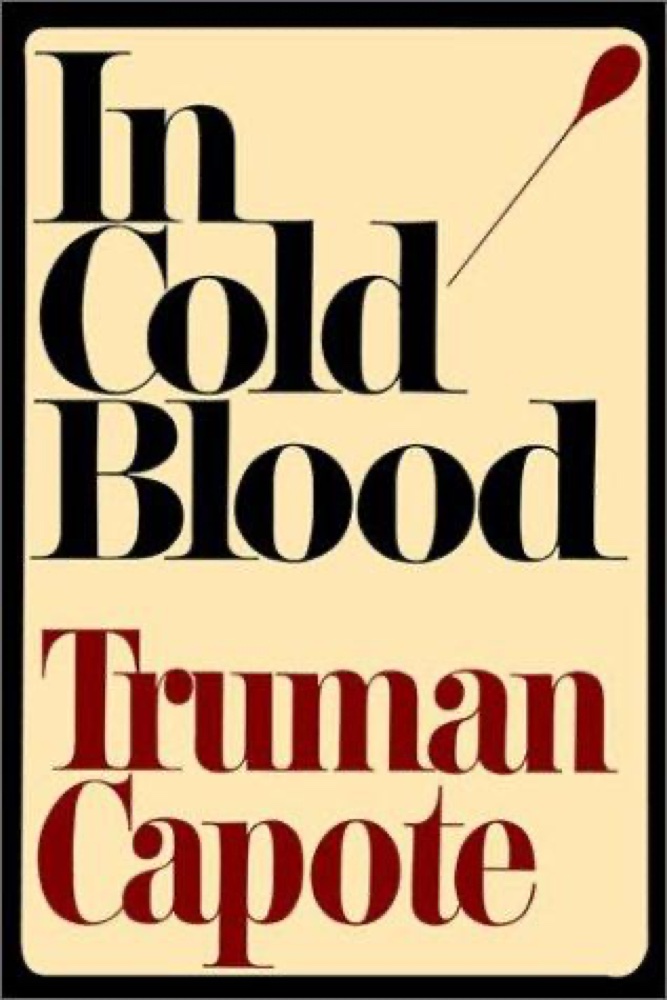 In Cold Blood
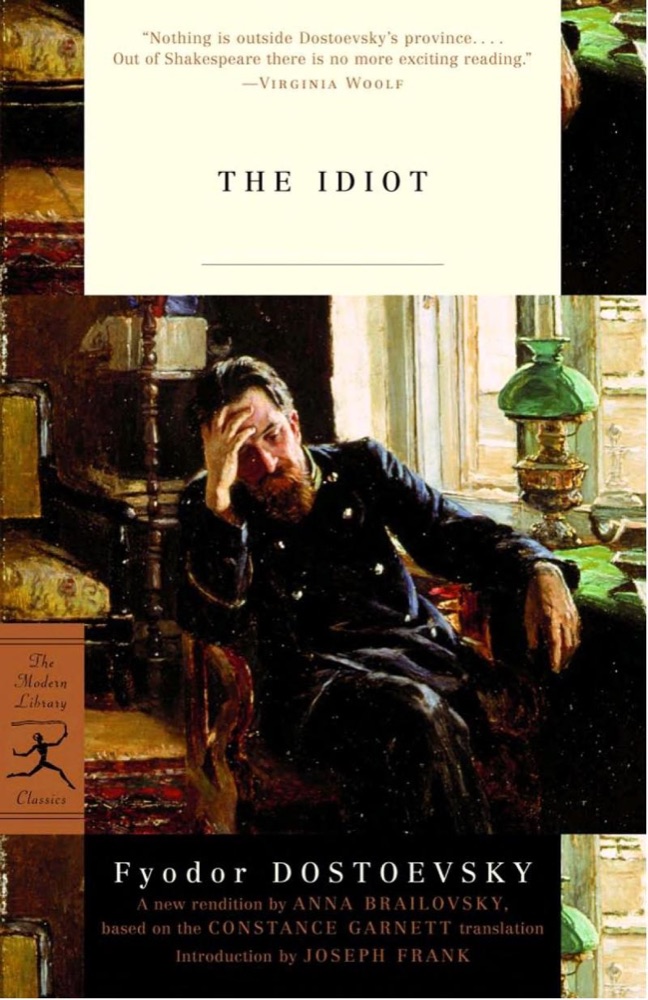 The Idiot
 Foundation
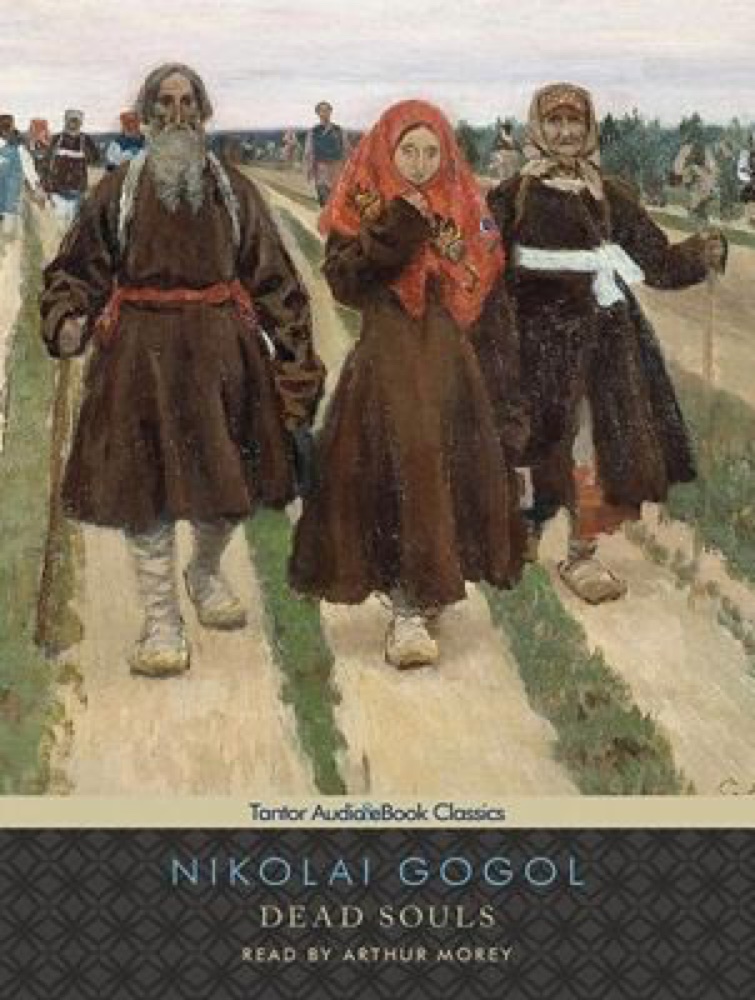 Dead Souls
 The Adventures of Augie March
 The Testaments
 The Black Prism
 Catch-22
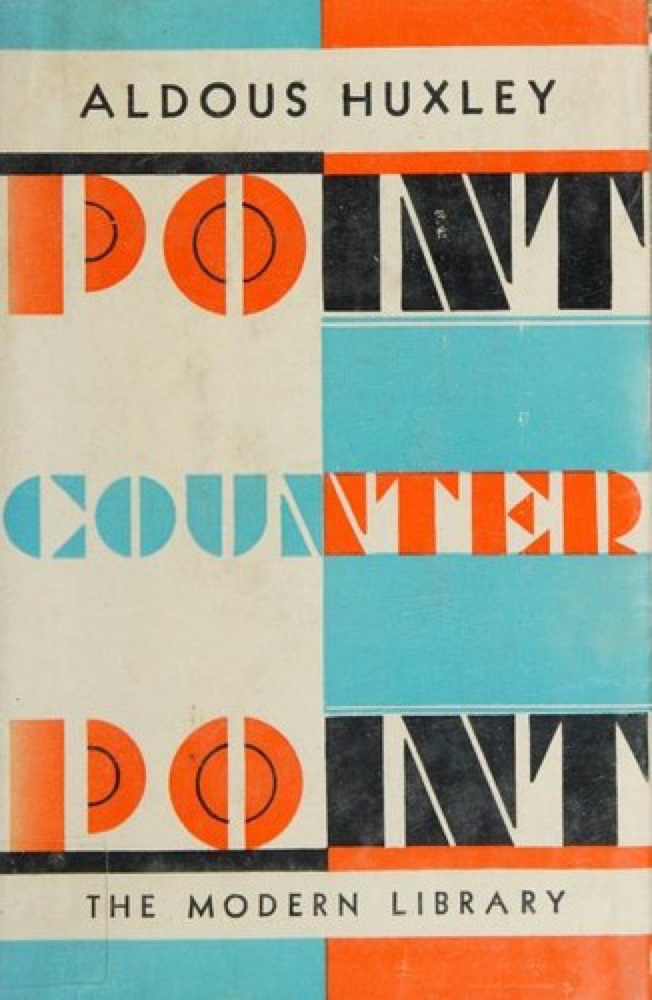 Point Counter Point
 Alias Grace
 Thief of Time
 VALIS
VALIS
 Assassin's Apprentice
 Light in August
 Stranger in a Strange Land
 The Complete Essays
 A Fatal Inversion
 Go Set a Watchman
 Disgrace
 The Promise
 Demons
 The Jewel in the Crown
 The Man Without Qualities
 Bring Up the Bodies
 Dirk Gently's Holistic Detective Agency
 The Stand
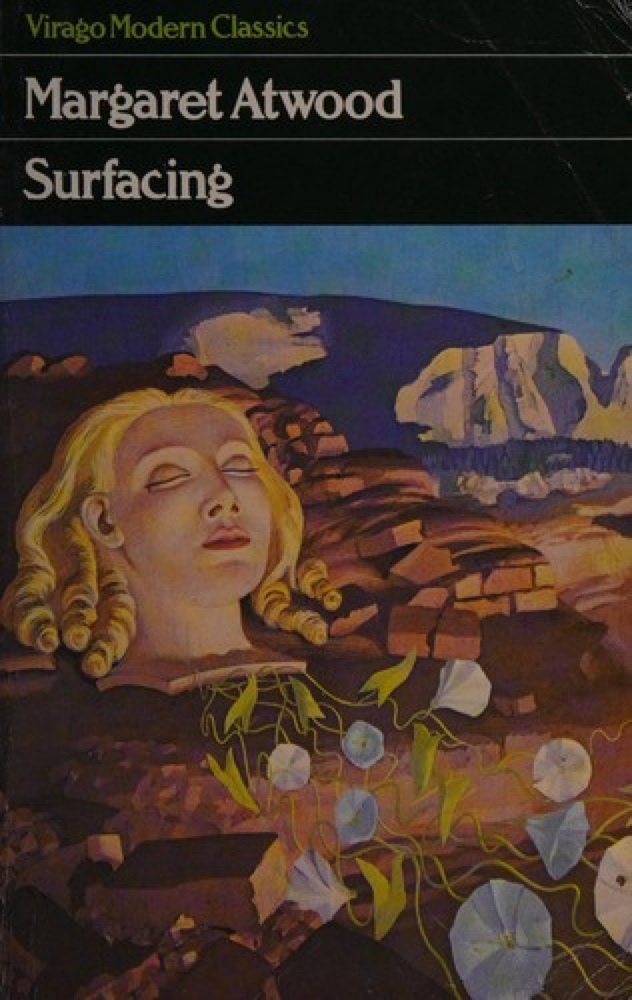 Surfacing
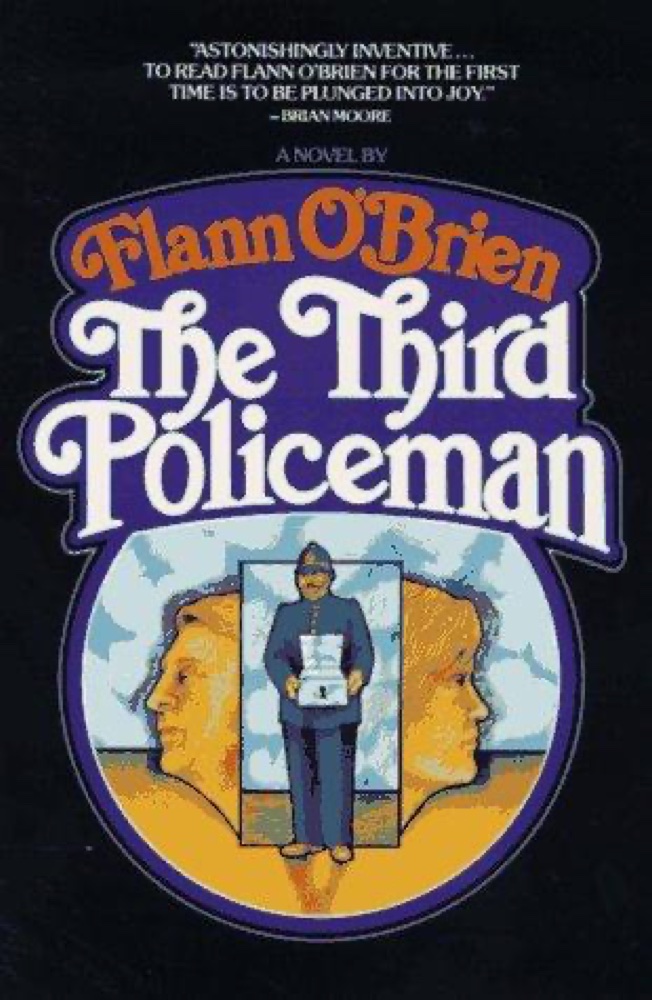 The Third Policeman
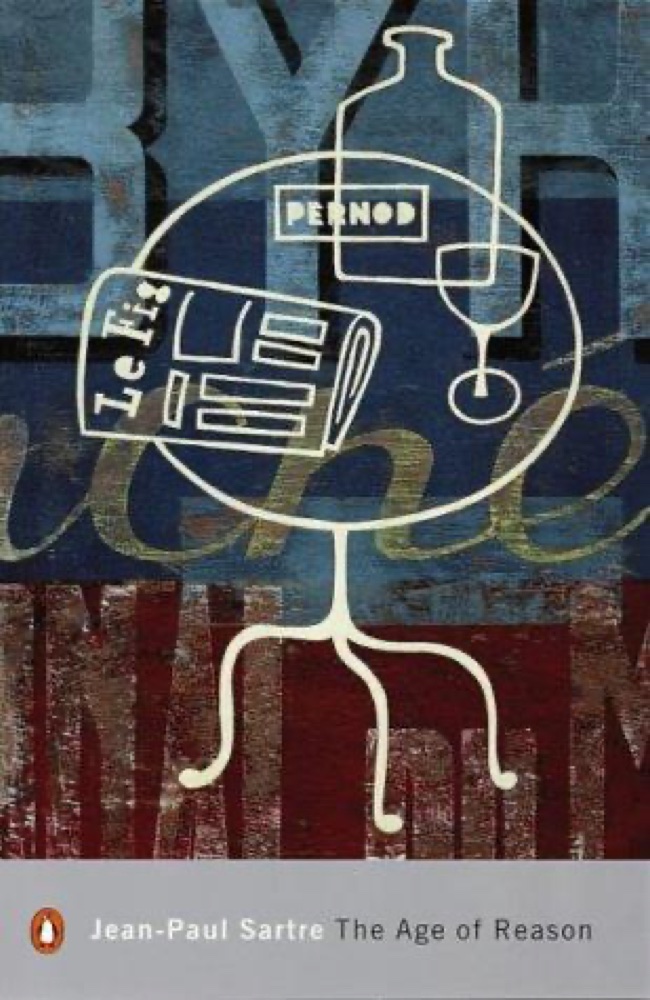 The Age of Reason
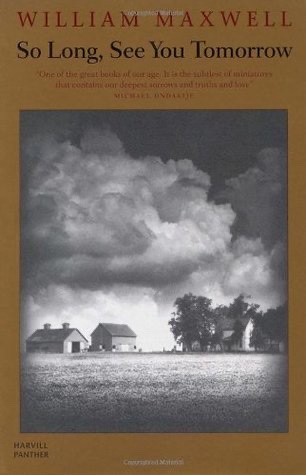 So Long, See You Tomorrow
 Beyond the Shadows
 The Son
 A Scanner Darkly
 Going Postal
 The Blinding Knife
 Flight Behavior
 Before They Are Hanged
 Use of Weapons
 Royal Assassin
 Ragtime
 Fathers and Sons
 The Man in the High Castle
 A Connecticut Yankee in King Arthur's Court
 V.
V.
 First Meetings in Ender's Universe
 The Mysterious Mr. Quin
 Empire Falls
 Sometimes a Great Notion