
 Grief Lessons: Four Plays by Euripides
Quotes from the Book
I am a restrained person. Otherwise my heart would race past my tongue to pour out everything. Instead I mumble, I gnaw myself. I lose hope. And my mind is burning.
31
PYLADES: I'll take care of you. ORESTES: It's rotten work. PYLADES: Not to me. Not if it's you.
29
We are slaves to the gods. Whatever gods are.
23
Yet again, isn’t there something terrible in randomness—the idea that at the very bottom of its calculations, real depravity has no master plan of any kind, it’s just a dreamy whim that slides out of people when they are trapped or bored or too lazy to analyze their own mania.
19
You have used me strangely.
15
Sophokles is a playwright fascinated in general by people who say no, people who resist compromise, people who make stumbling blocks of themselves, like Antigone or Ajax.
13
I am the shape you made me. Filth teaches filth.
12
Here he lies like something melting away. His mother’s blood comes quaking howling brassing bawling blacking down his mad little veins.
7
But whenever I take to my restless dreamless dewdrenched bed I cannot close my eyes – fear stands over me instead of sleep. And whenever I think to sing or hum a tune to stay awake then my tears fall. This house is in trouble. The good days are gone. How I pray for a change! A happy change! A light in darkness.
4
ELEKTRA: Whatever dooms there are men die, whatever harms there are men have-- Godsent: they blast, we bend. (Orestes)
1
ELEKTRA: If this is all you were, Orestes, how could your memory fill my memory, how is it your soul fills my soul?.... Look! You are nothing at all. Just a crack where the light slipped through. Oh, my child, I thought I could save you. I thought I could send you beyond. But there is not beyond. .....somewhere, I don't know where - suddenly alone you stopped - where death was. You stopped. And I would have waited and washed you and lifted you up from the fire like a whitened coal. ....Into your child's fingers I put the earth and the sky. No mother did that for you. No nurse. No slave. I. Your sister, without letting go, day after day, year after year, and you my own sweet child. But death was a wind too strong for that. One day three people vanished. Father. You. Me. Gone. Now our enemies rock with laughter. And she runs mad for joy - that creature in the shape of your mother - how often you said you would come one secret evening and cut her throat! But our luck canceled that, whatever luck is. And instead my beloved, luck sent you back to me colder than ashes, later than shadows. ....Oh, my love, take me there. Let me dwell where you are. I am already nothing. I am already burning. Oh, my love, I was once part of you - take me too! Only void is between us. And I see that the dead feel no pain. (Elektra, by Sophocles)
1
Oh stop whining . And why get angry at Helen? As if she singlehandedly destroyed those multitudes of men As if she all alone made this wound in us.
1
ELEKTRA: Apollo made us sacrificial victims in his murder exchange of father for mother. CHORUS: Justice, on the one hand. ELEKTRA: Evil, on the other. Mother, as you killed so you die. But you've ruined us all. You at least went off to be among the dead. I live on here as corpse beside Orestes' bed. Nights and tears and groaning, nothing else is mine. No marriage, no house, no children, just time. (Orestes)
I am the shape you made me. Filth teaches Filth.
I cannot not grieve.
Watch on YouTube
About Anne Carson
We have collected 227 quotes from 11 books by Anne Carson on BookQuoters.
More about the author →More by Anne Carson
Grief Lessons: Four Plays by Euripides
 Plainwater: Essays and Poetry
 Glass, Irony and God
 Decreation: Poetry, Essays, Opera
About the book
A Bold, Iconoclastic New Look at One of the Great Works of Greek Tragedy
In this innovative rendition of The Oresteia, the poet, translator, and essayist Anne Carson combines three different visions—Aischylos’ Agamemnon, Sophokles’ Elektra, and Euripides’ Orestes—giving birth to a wholly new experience of the classic Greek triumvirate of vengeance. After the murder of her daughter Iphegenia by her husband Agamemnon, Klytaimestra exacts a mother’s revenge, murdering Agamemnon and his mistress, Kassandra. Displeased with Klytaimestra’s actions, Apollo calls on her son, Orestes, to avenge his father’s death with the help of his sister Elektra. In the end, Orestes, driven mad by the Furies for his bloody betrayal of family, and Elektra are condemned to death by the people of Argos, and must justify their actions—signaling a call to change in society, a shift from the capricious governing
Book details
- First published
- 2009
- Author
- Anne Carson
- Genre
- Classics
- Goodreads rating
- 4.38 (3k ratings)
Keep reading
 Electra
 Electra
Grief Lessons: Four Plays by Euripides
Electra
Grief Lessons: Four Plays by Euripides
 The Oresteia
 Elektra
 Antigonick
 The Hymn to Dionysus
 In the Night Garden
 Morning in the Burned House: Poems
 Medea
Medea
 The Last Song of Penelope
 Kingdom of the Cursed
 Dark Harmony
 Memnoch the Devil
 The Iliad
 The Vampire Lestat
 The Knight and the Moth
 Styxx
Styxx
 Incarceron
 House of Chains
 No Exit and Three Other Plays
 The Burning Maze
 Othello
 Kingdom of the Feared
 Persephone
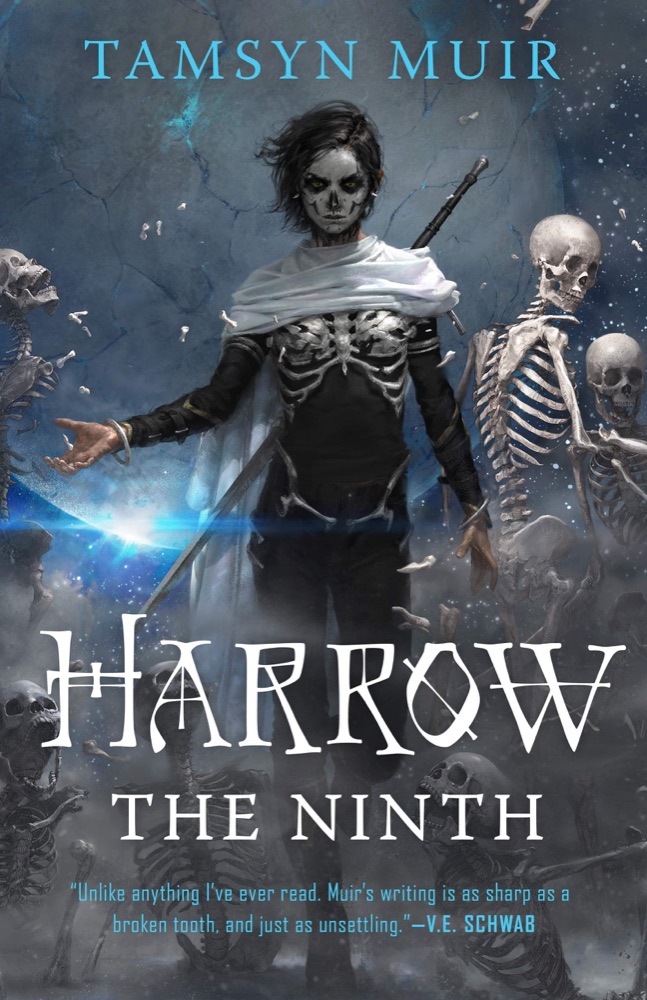 Harrow the Ninth
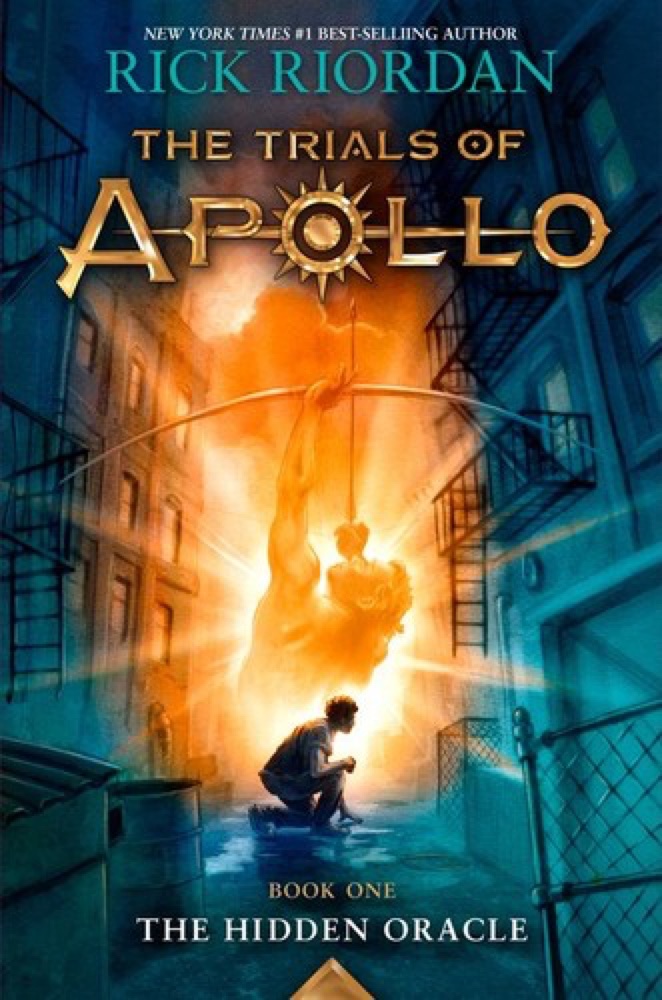 The Hidden Oracle
 King Lear
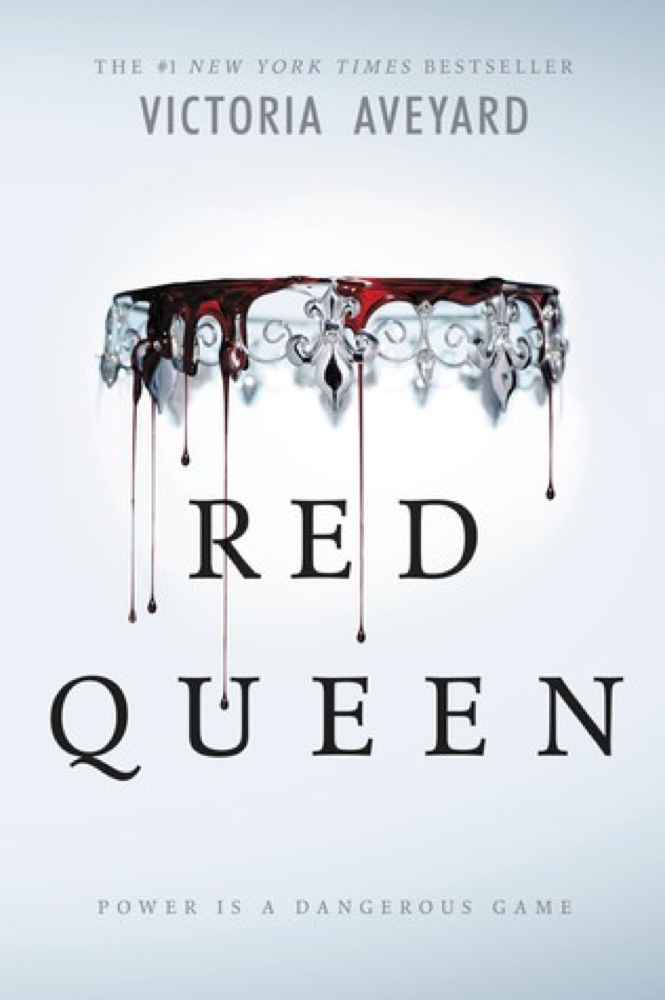 Red Queen
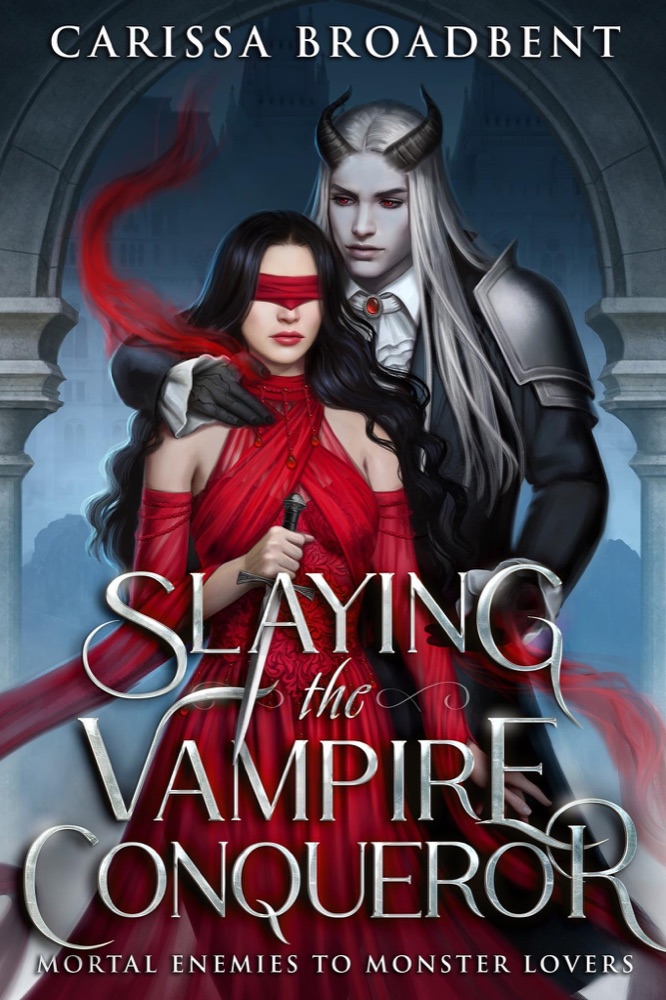 Slaying the Vampire Conqueror
 A Season in Hell/The Drunken Boat
 Titus Andronicus
 The Hallowed Hunt
 The Queen of the Damned
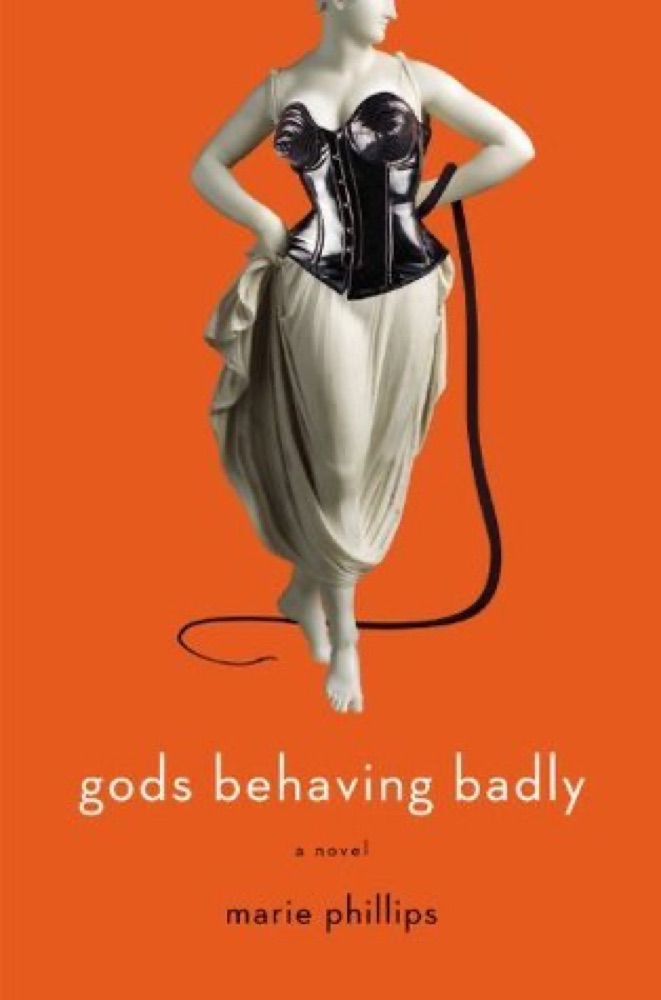 Gods Behaving Badly
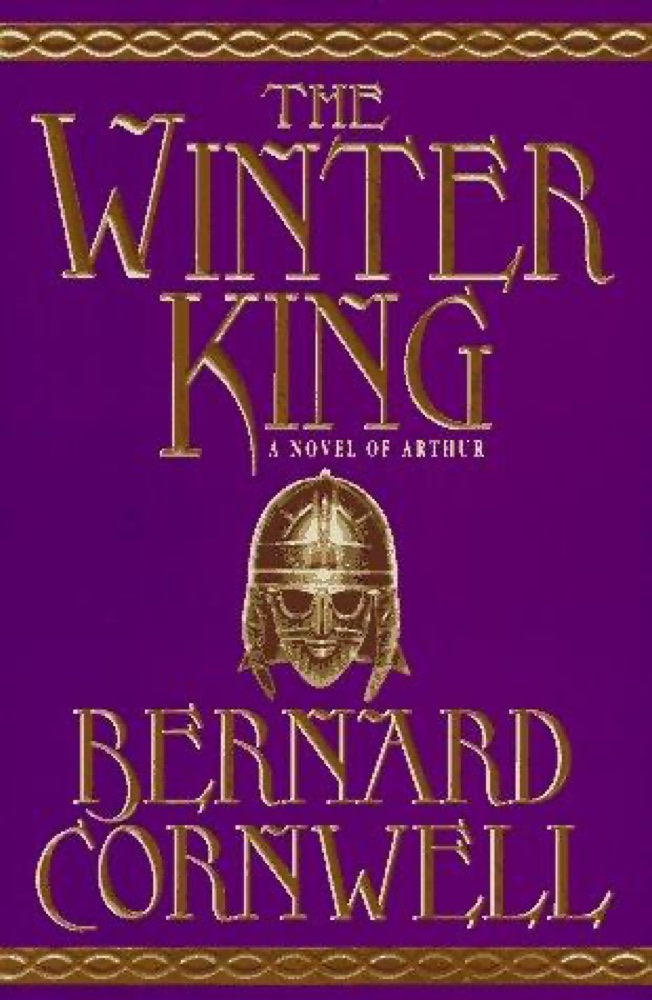 The Winter King
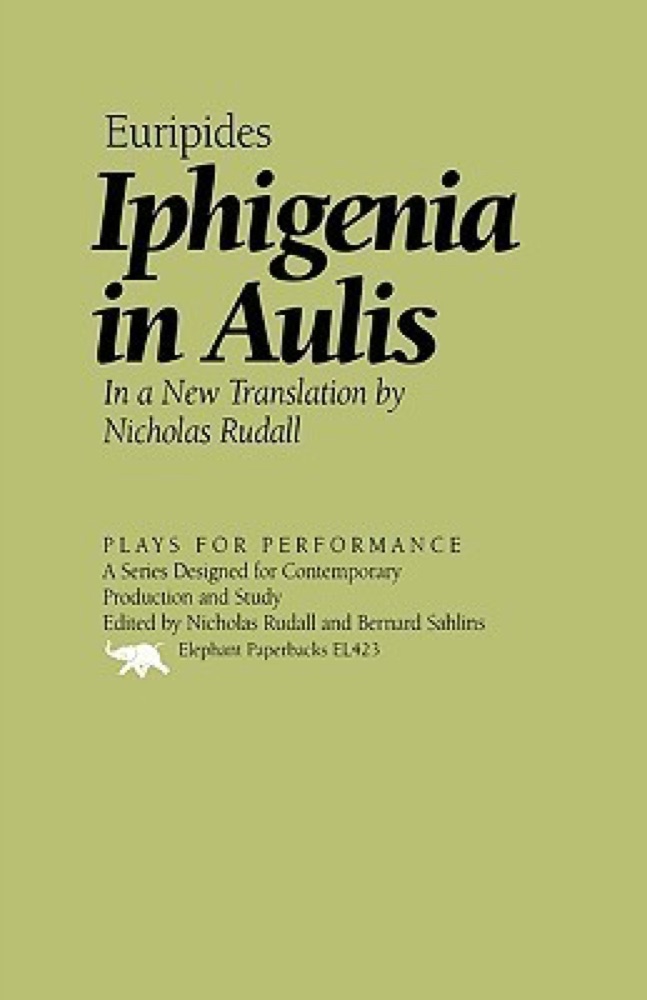 Iphigenia in Aulis
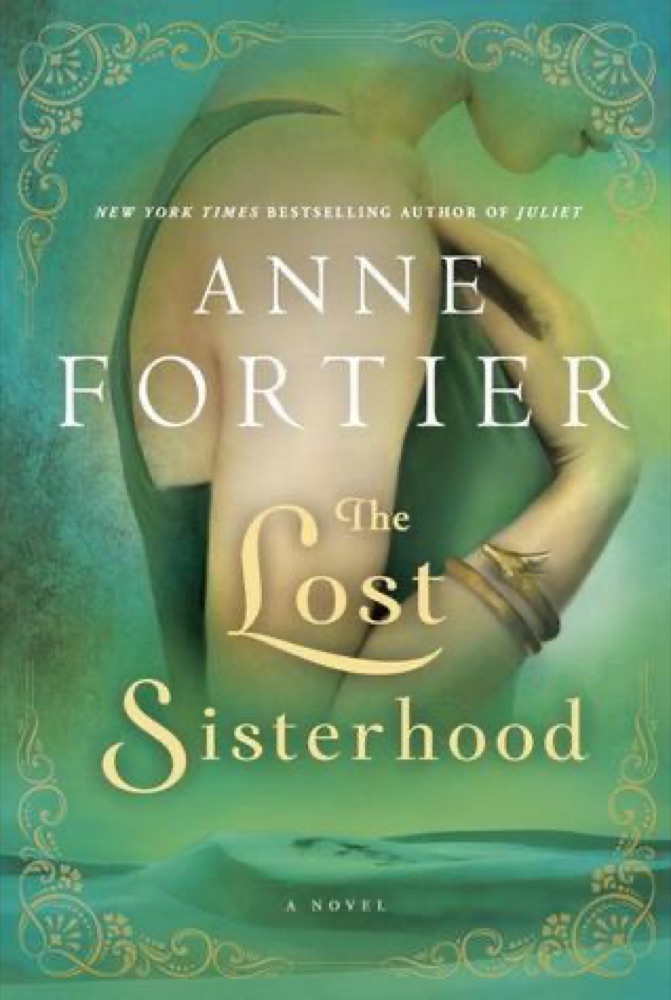 The Lost Sisterhood
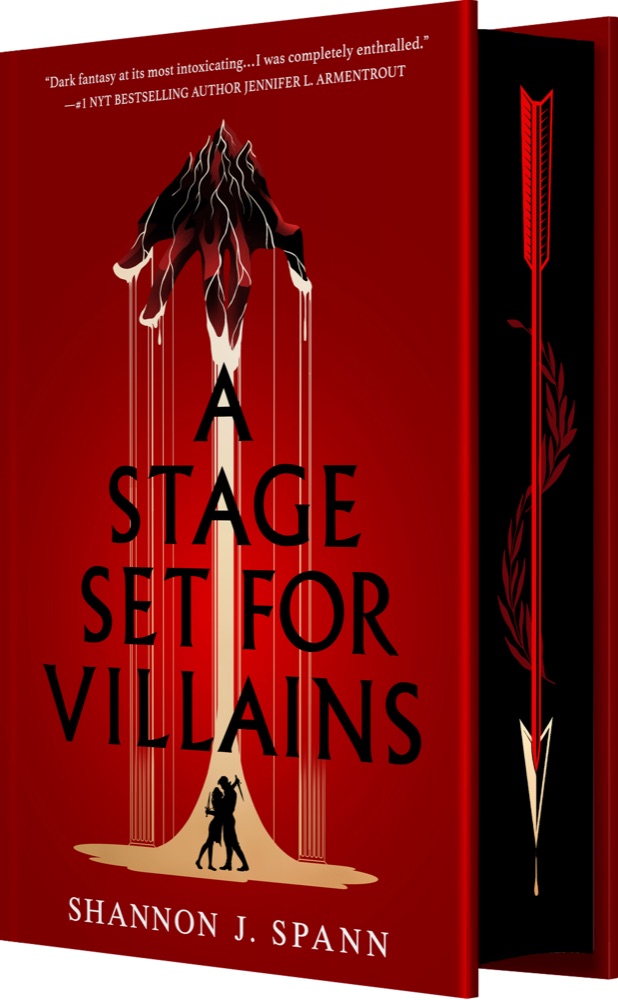 A Stage Set for Villains
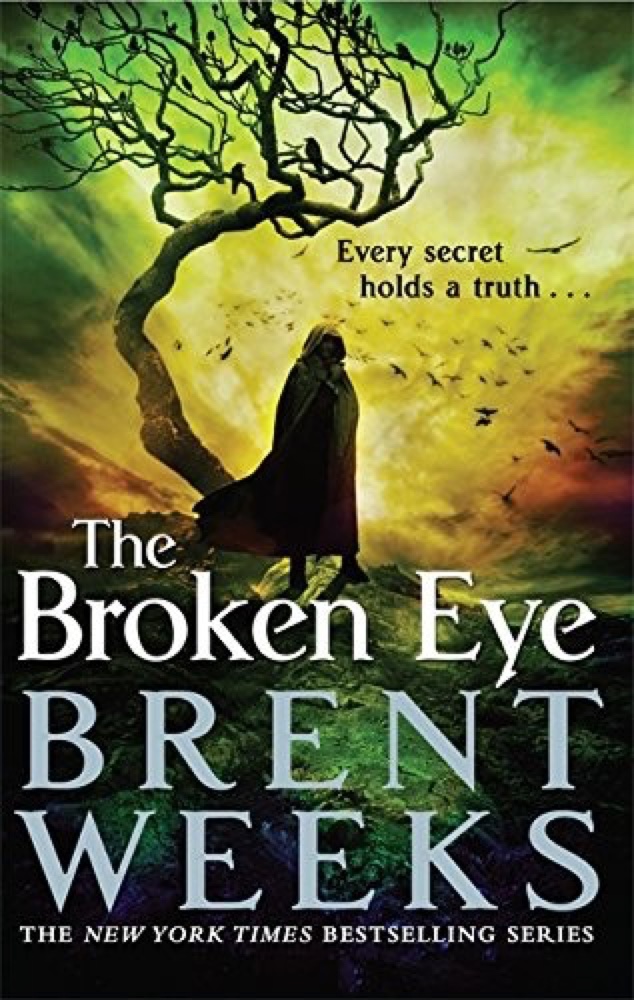 The Broken Eye
 Beta
Beta
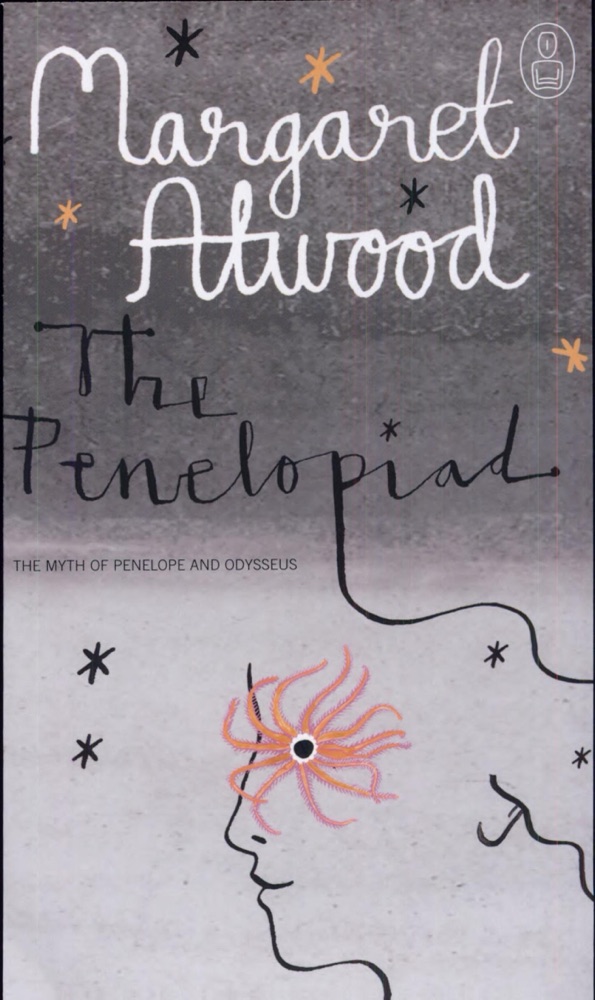 The Penelopiad
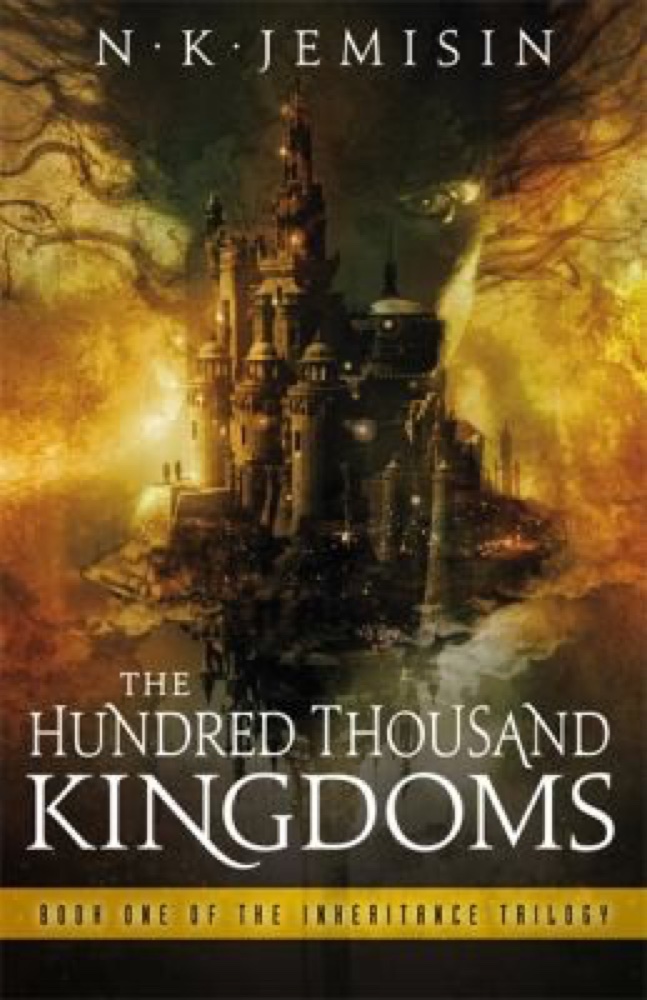 The Hundred Thousand Kingdoms
 The Diabolic
 Shirley
 King's Cage
 His Dark Materials
 Sword & Citadel
 Paladin of Souls
 The Sandman: Endless Nights
 Prince of Thorns
 Dreamfever
 Dangerous Creatures
 Born of Silence
 Acheron
 The Satyricon
 Art and Lies
 The Left Hand of God
 The Retribution of Mara Dyer
 Hunted