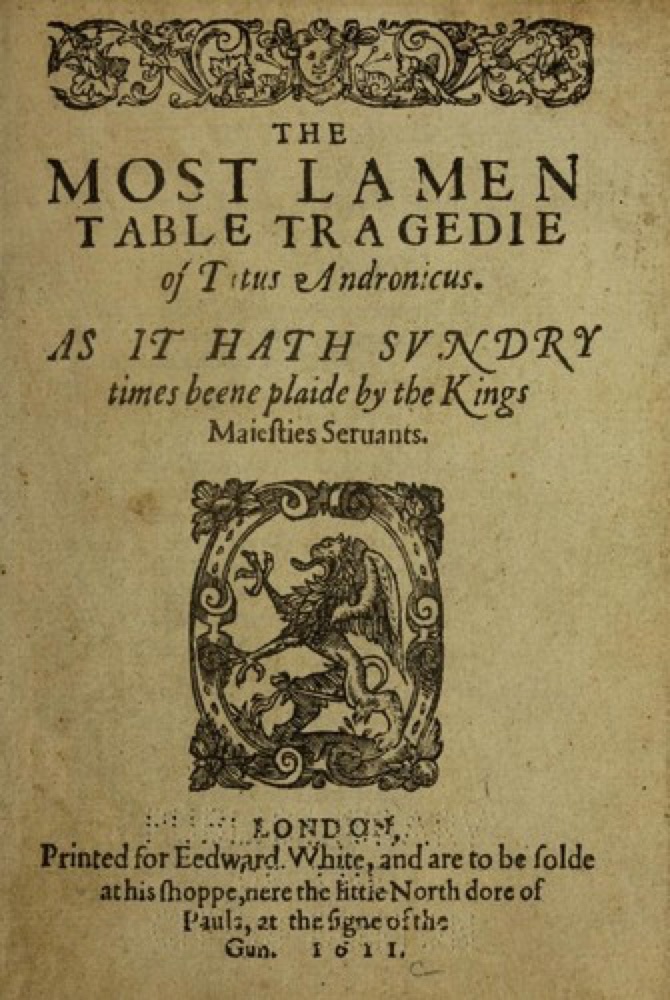

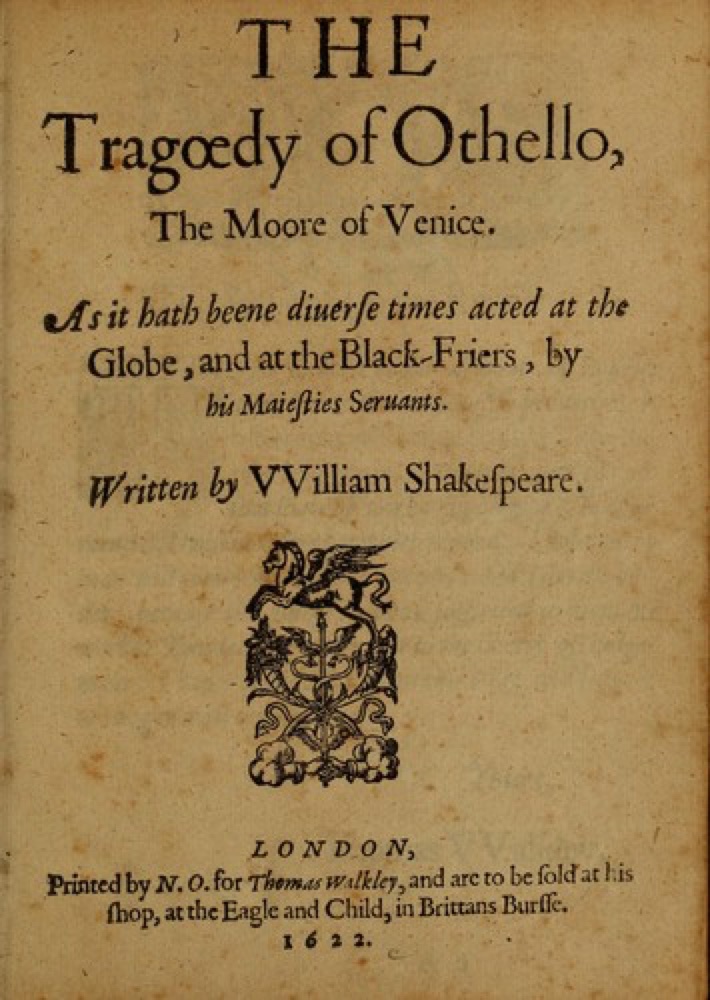
 Othello
Quotes from the Book
Demetrius: Villain, what hast thou done? Aaron: That which thou canst not undo. Chiron: Thou hast undone our mother. Aaron: Villain, I have done thy mother.
Vengeance is in my heart, death in my hand, Blood and revenge are hammering in my head
Therefore I tell my sorrows to the stones; Who, though they cannot answer my distress, Yet in some sort they are better than the tribunes, For that they will not intercept my tale: When I do weep, they humbly at my feet Receive my tears and seem to weep with me; And, were they but attired in grave weeds, Rome could afford no tribune like to these.
LUCIUS. Art thou not sorry for these heinous deeds? AARON. Ay, that I had not done a thousand more. Even now I curse the day- and yet, I think, Few come within the compass of my curse- Wherein I did not some notorious ill; As kill a man, or else devise his death; Ravish a maid, or plot the way to do it; Accuse some innocent, and forswear myself; Set deadly enmity between two friends; Make poor men's cattle break their necks; Set fire on barns and hay-stacks in the night, And bid the owners quench them with their tears. Oft have I digg'd up dead men from their graves, And set them upright at their dear friends' door Even when their sorrows almost was forgot, And on their skins, as on the bark of trees, Have with my knife carved in Roman letters 'Let not your sorrow die, though I am dead.' Tut, I have done a thousand dreadful things As willingly as one would kill a fly; And nothing grieves me heartily indeed But that I cannot do ten thousand more.
Ay, that I had not done a thousand more. Even now I curse the day—and yet, I think, Few come within the compass of my curse,— Wherein I did not some notorious ill, As kill a man, or else devise his death, Ravish a maid, or plot the way to do it, Accuse some innocent and forswear myself, Set deadly enmity between two friends, Make poor men's cattle break their necks; Set fire on barns and hay-stacks in the night, And bid the owners quench them with their tears. Oft have I digg'd up dead men from their graves, And set them upright at their dear friends' doors, Even when their sorrows almost were forgot; And on their skins, as on the bark of trees, Have with my knife carved in Roman letters, 'Let not your sorrow die, though I am dead.' Tut, I have done a thousand dreadful things As willingly as one would kill a fly, And nothing grieves me heartily indeed But that I cannot do ten thousand more.
O, why should wrath be mute, and fury dumb? I am no baby, I, that with base prayers I should repent the evils I have done: Ten thousand worse than ever yet I did Would I perform, if I might have my will; If one good deed in all my life I did, I do repent it from my very soul.
Tam: What begg’st thou then? fond woman, let me go. Lav: ’Tis present death I beg; and one thing more That womanhood denies my tongue to tell. O! keep me from their worse than killing lust, And tumble me into some loathsome pit, Where never man’s eye may behold my body: Do this, and be a charitable murderer. Tam: So should I rob my sweet sons of their fee: No, let them satisfy their lust on thee. Dem: Away! for thou hast stay’d us here too long. Lav: No grace! no womanhood! Ah, beastly creature, The blot and enemy to our general name. Confusion fall—
But, soft! methinks I do digress too much,
Come and take choice of all my library and so beguile thy sorrow.
Coal-black is better than another hue, In that it scorns to bear another hue; For all the water in the ocean Can never turn the swan's black legs to white, Although she lave them hourly in the flood.
O, why should nature build so foul a den, Unless the gods delight in tragedies?
I'll find a day to massacre them all And raze their faction and their family, The cruel father and his traitorous sons, To whom I sued for my dear son's life, And make them know what 'tis to let a queen Kneel in the streets and beg for grace in vain.
Hark, villains! I will grind your bones to dust. (Act V, Scene 2, 2503)
MARCUS ANDRONICUS: Now is a time to storm; why art thou still? TITUS ANDRONICUS: Ha, ha, ha! MARCUS ANDRONICUS: Why dost thou laugh? it fits not with this hour. TITUS ANDRONICUS: Why, I have not another tear to shed:
In peace and honour rest you here, my sons; Rome's readiest champions, repose you here in rest, Secure from worldly chances and mishaps! Here lurks no treason, here no envy swells, Here grow no damned grudges; here are no storms, No noise, but silence and eternal sleep: In peace and honour rest you here, my sons!
LUCIUS ... the judges have pronounced My everlasting doom of banishment. TITUS ANDRONICUS O happy man! they have befriended thee. Why, foolish Lucius, dost thou not perceive That Rome is but a wilderness of tigers? Tigers must prey, and Rome affords no prey But me and mine: how happy art thou, then, From these devourers to be banished!
Why makes thou it so strange? She is a woman, therefore may be wooed; She is a woman, therefore may be won; She is Lavinia , therefore must be loved.
My mistress is my mistress, this myself.
Watch on YouTube
About William Shakespeare
We have collected 956 quotes from 39 books by William Shakespeare on BookQuoters.
More about the author →More by William Shakespeare
All books by William Shakespeare →

Book details
- Author
- William Shakespeare
- Genre
- Classics
- Goodreads rating
- 3.67 (35k ratings) →
Keep reading
 The Spanish Tragedy
 King Henry VI, Part 3
 Coriolanus
Othello
Coriolanus
Othello
 The Oresteia
 Ivanhoe
 Electra
 The Satyricon
 A Season in Hell/The Drunken Boat
 Toll the Hounds
 The Aeneid
 The Duchess of Malfi
 Medea
Medea
 Sword & Citadel
 The Iliad
 Faust
Faust
 Grief Lessons: Four Plays by Euripides
 The White Devil
 Don Juan
 The Shadow Rising
 House of Chains
 Iphigenia in Aulis
 Agamemnon
 A Season in Hell
 The Last Song of Penelope
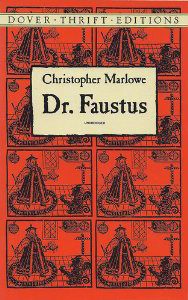 Dr. Faustus
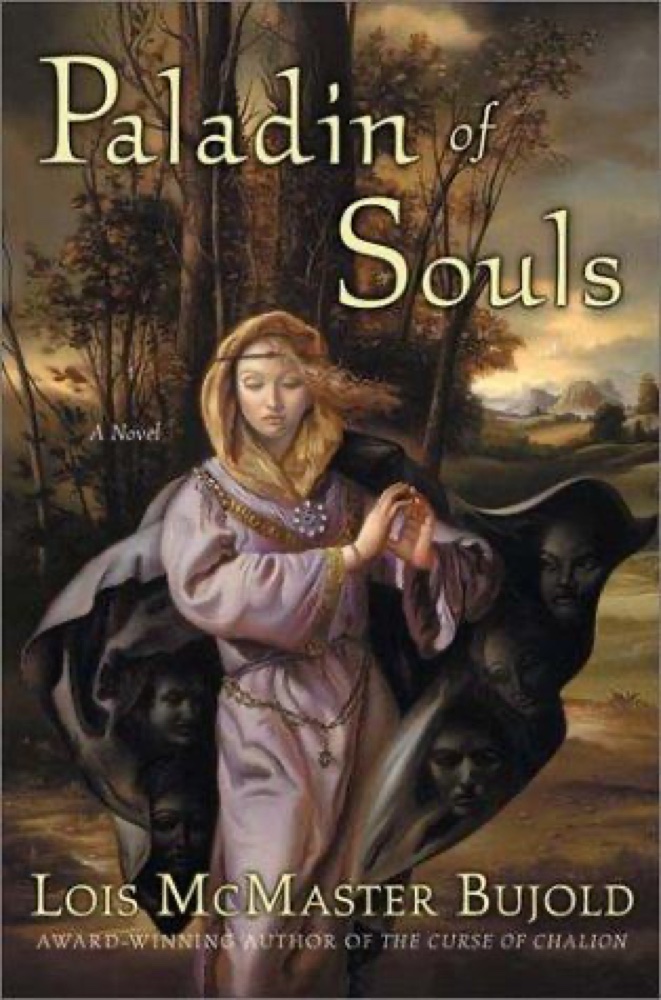 Paladin of Souls
 The Canterbury Tales
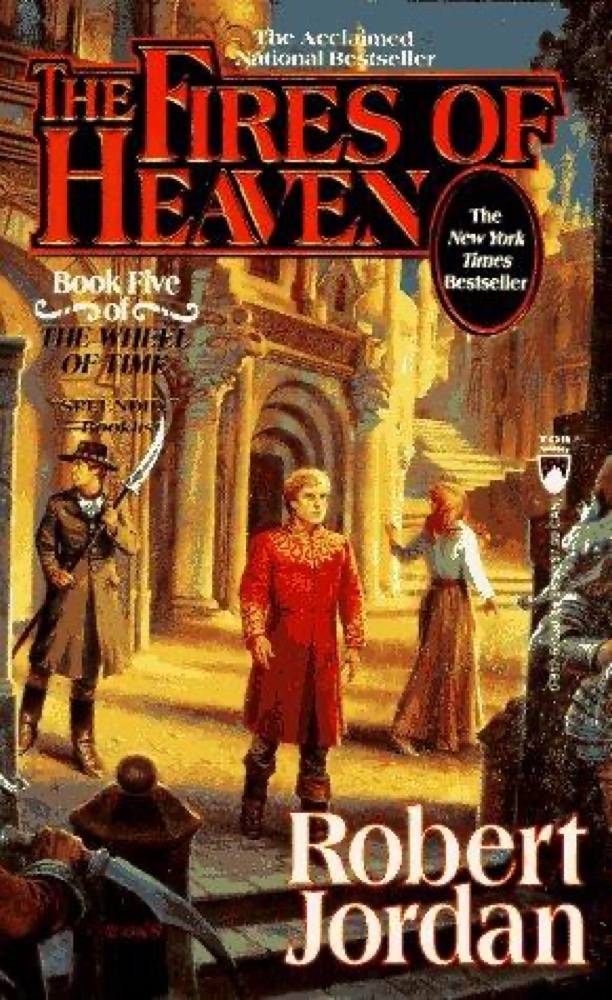 The Fires of Heaven
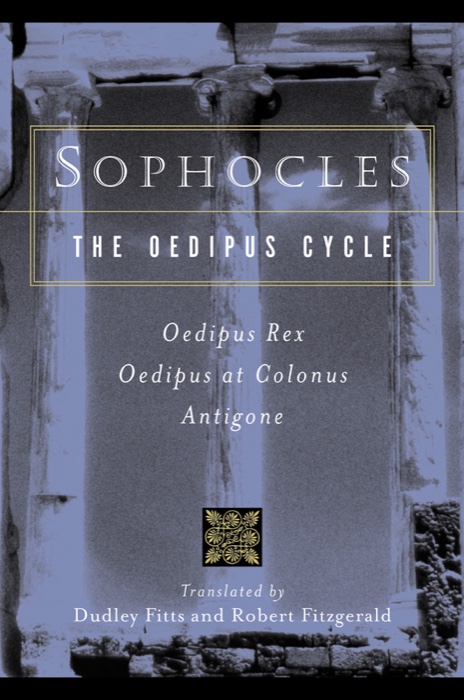 The Oedipus Cycle: Oedipus Rex/Oedipus at Colonus/Antigone
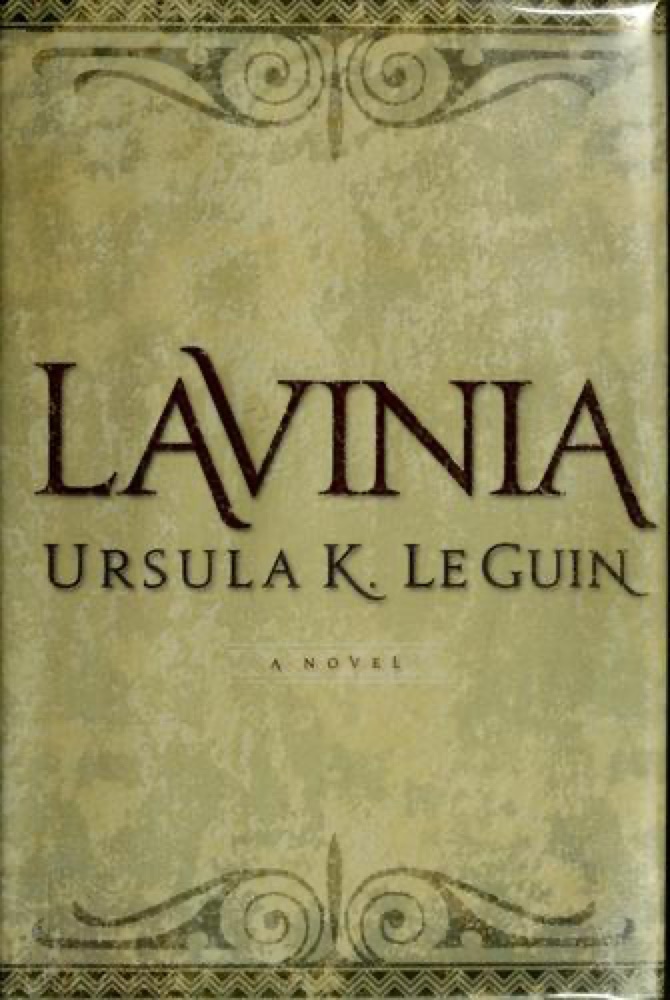 Lavinia
 Edward II
 The Crucible
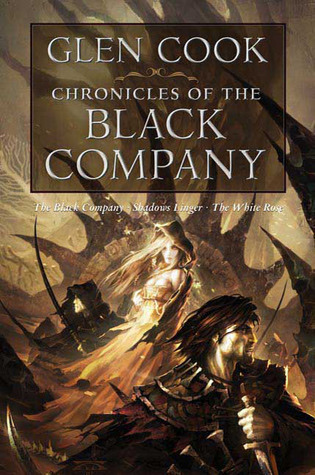 Chronicles of the Black Company
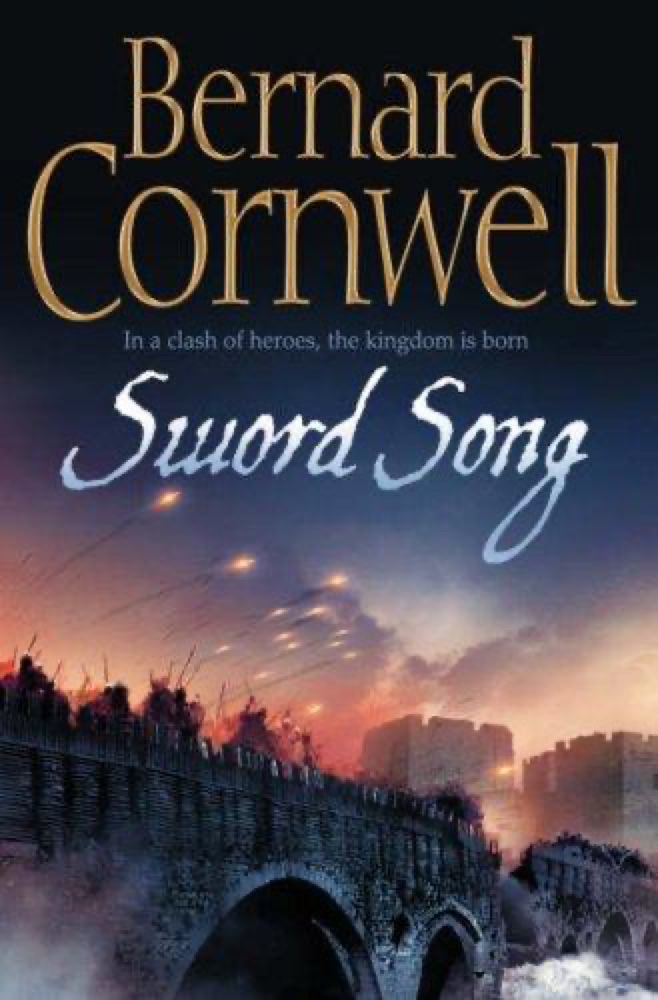 Sword Song
 The Faerie Queene
 Attrition: the First Act of Penance
 Fool
Fool
 Paradise Lost
 Bring Up the Bodies
 A Clash of Kings
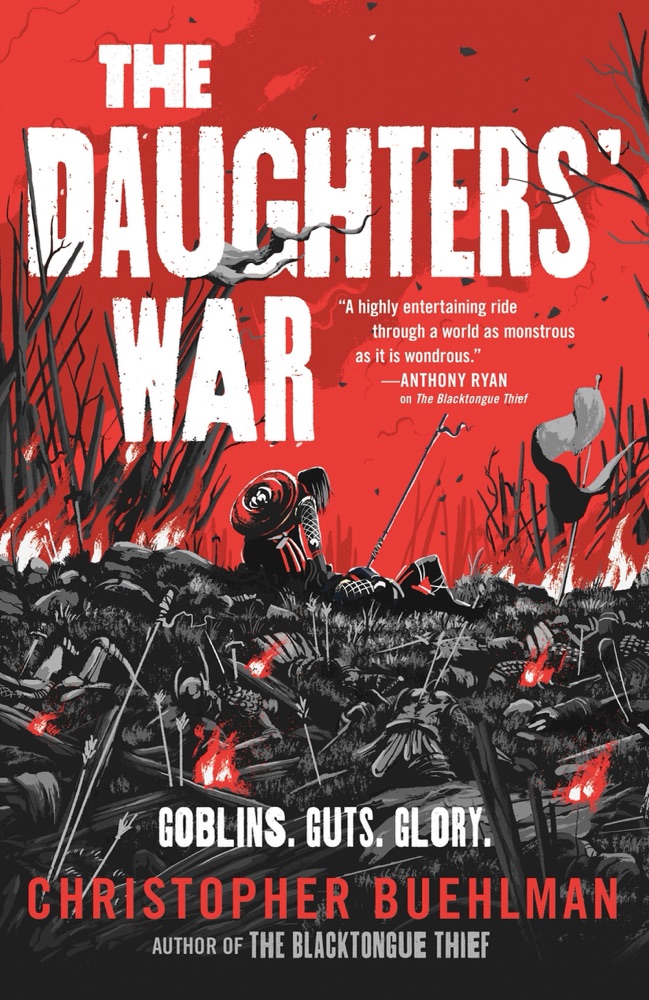 The Daughters' War
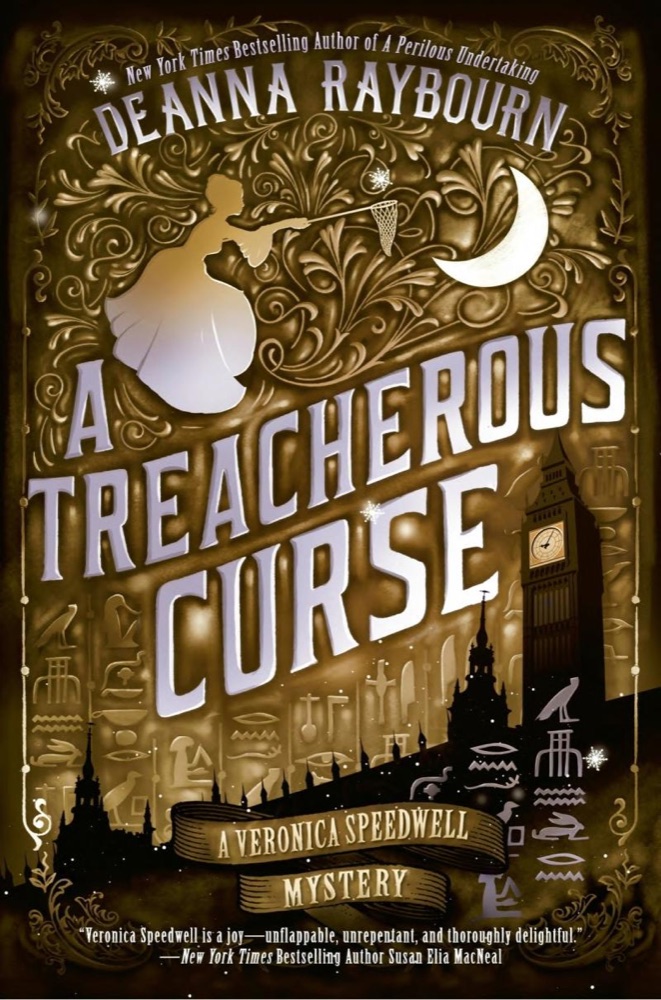 A Treacherous Curse
 Shirley
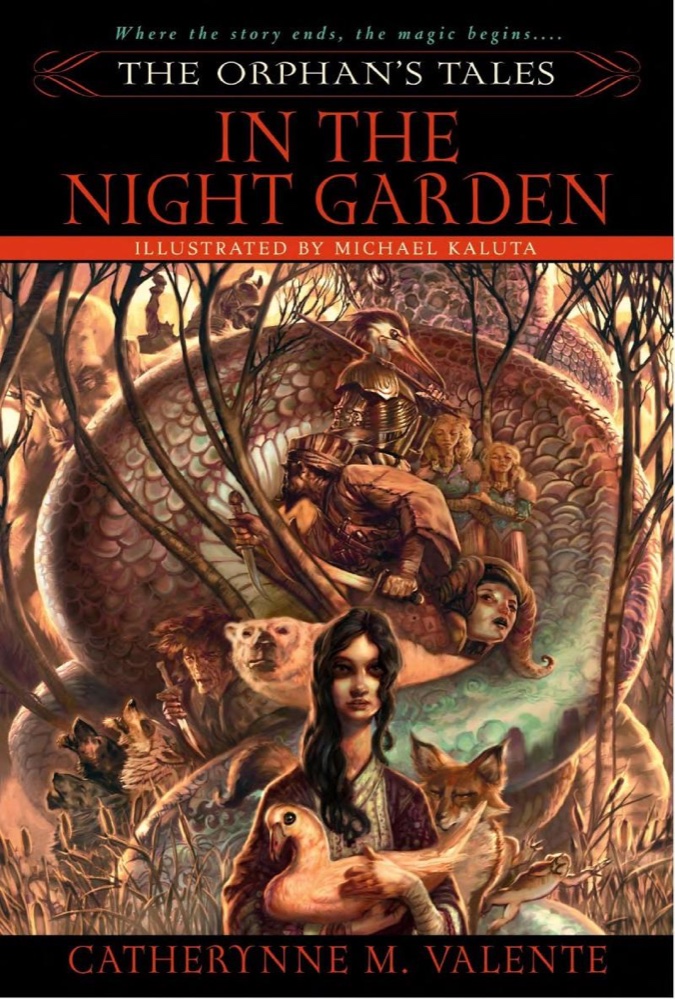 In the Night Garden
 An Oresteia
 Empire of the Vampire
 Moby-Dick
 The Mystery of Edwin Drood
 The Monk
 The Winter King
 Sheever's Journal, Diary of a Poison Master
 Excalibur
 The Odyssey
 Will in the World: How Shakespeare Became Shakespeare
 The Hallowed Hunt
 The Gadfly
 The Great Hunt
 Gardens of the Moon
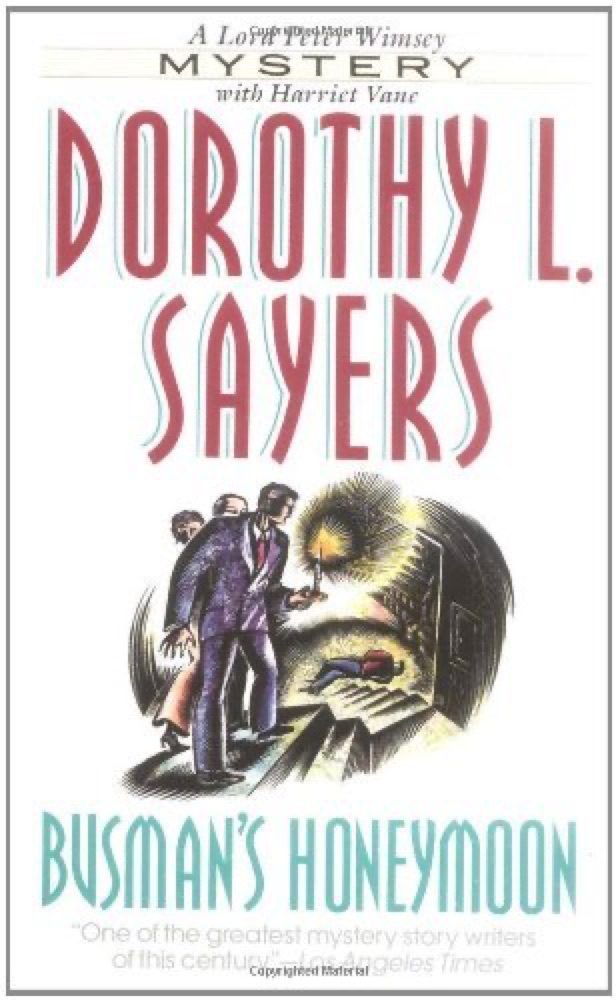 Busman's Honeymoon