
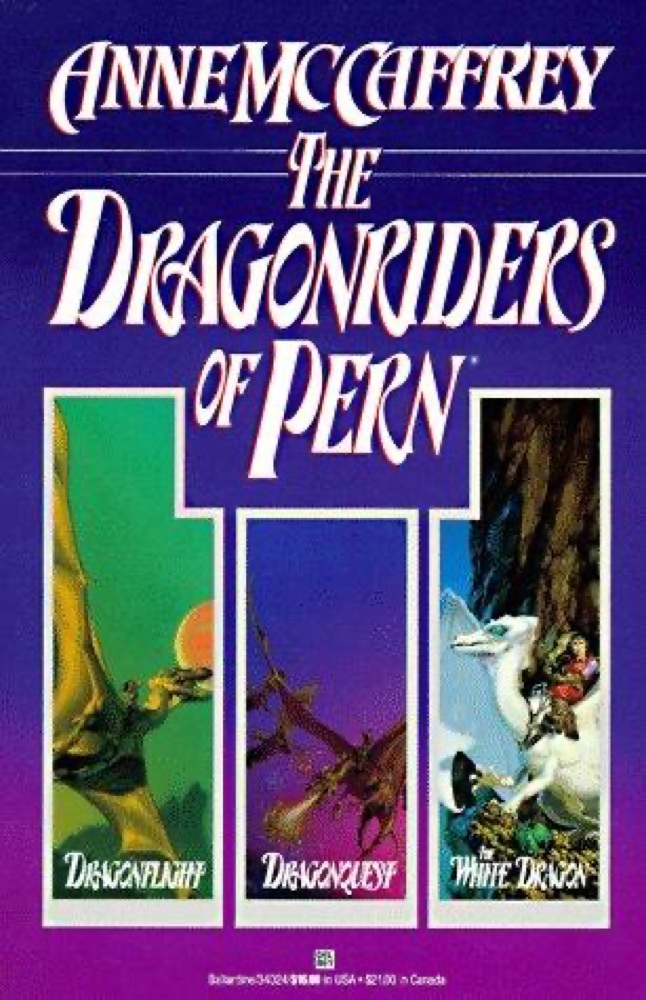
 The Dragonriders of Pern
Quotes from the Book
A real scientist solves problems, not wails that they are unsolvable.
Old family motto: "The best revenge is revenge.
You idiot! You misbegotten son of a jinn’s meeting with a jackass, may the grave of your maternal grandmother be defiled by the dung of ten thousand syphilitic she-camels!
When the tiger executes a merger with the goat, which one walks away?
all the time complaining at me that she could have had a career dancing topless at the Orbital Grill and Rendezvous Parlor. Her and her perky breasts. Yasmin, I told her, all the girls have perky breasts in zero-g, you were nothing special, you’re lucky a good man took you away from all that.
Watch on YouTube
About Anne McCaffrey
We have collected 59 quotes from 9 books by Anne McCaffrey on BookQuoters.
More about the author →More by Anne McCaffrey
All books by Anne McCaffrey →
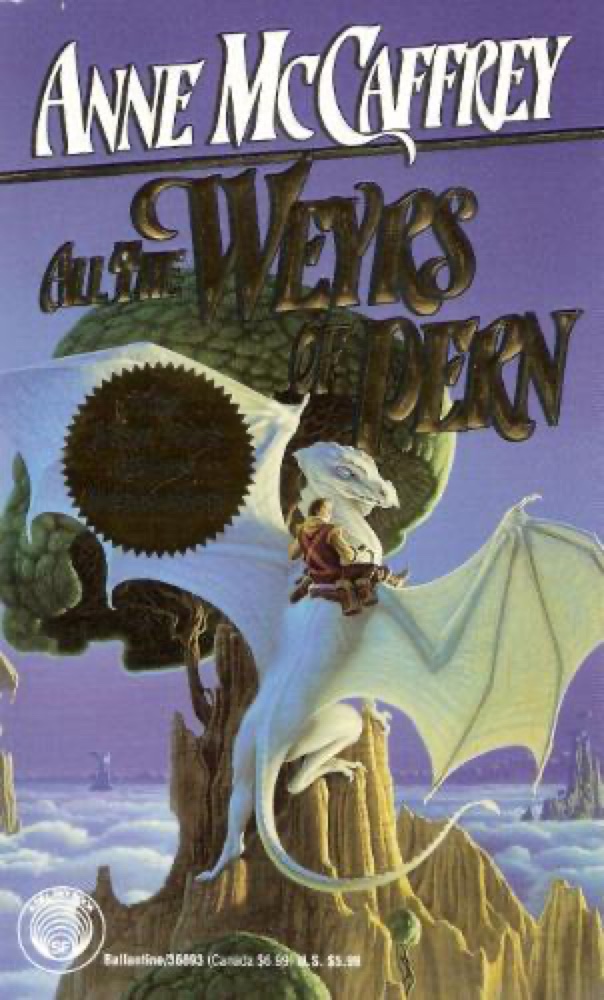

Book details
- Author
- Anne McCaffrey
- Genre
- Fiction
- Goodreads rating
- 3.72 (11k ratings) →
Keep reading
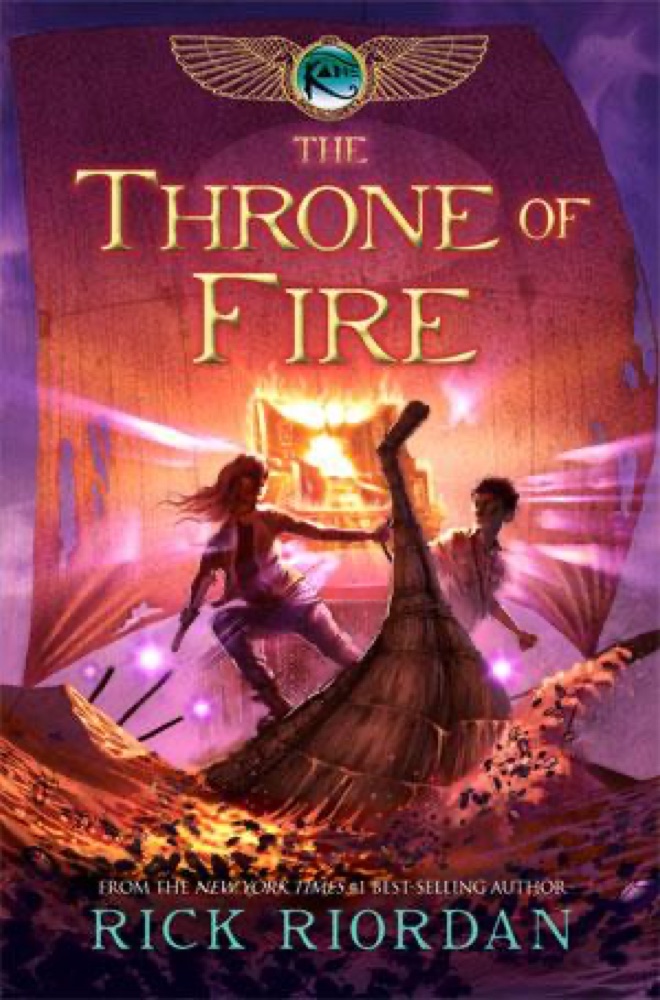 The Throne of Fire
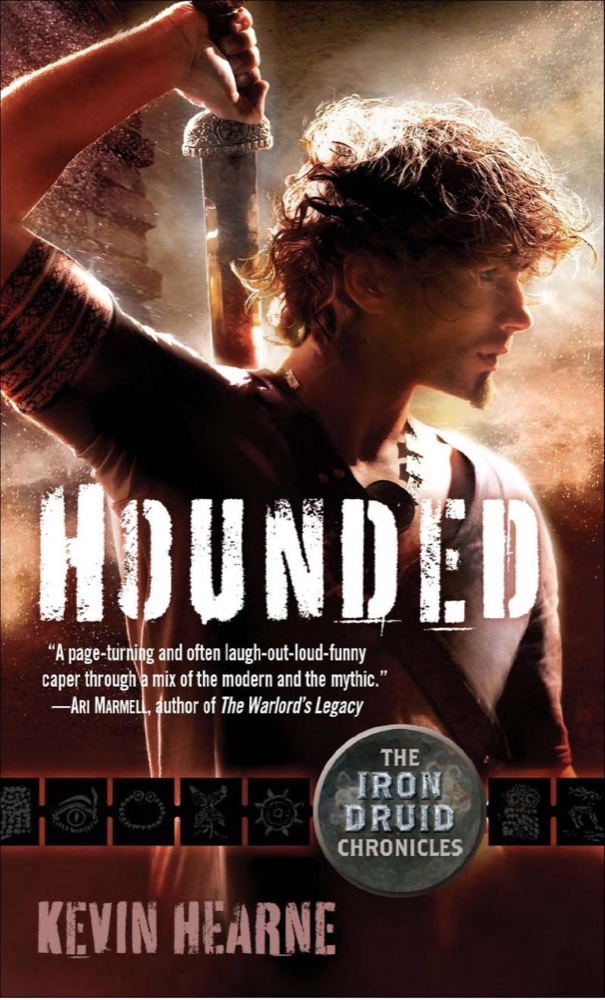 Hounded
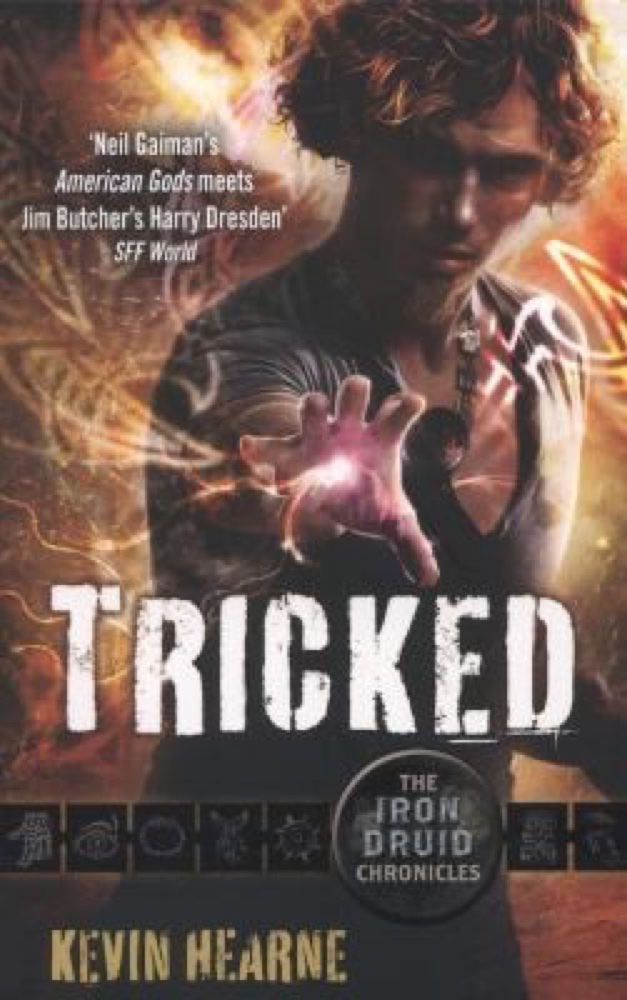 Tricked
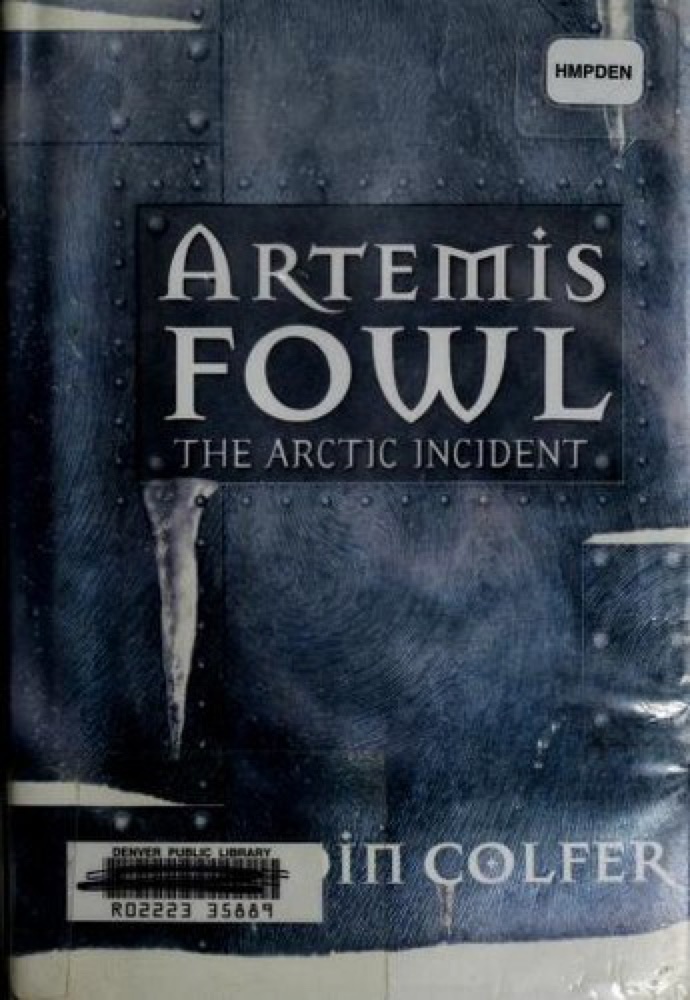 The Arctic Incident
 Born of Shadows
 The Dark Prophecy
 The Enchantress
 Burned
 Sweep in Peace
 Blood Rites
 Trapped
 The Serpent's Shadow
 The Long Way to a Small, Angry Planet
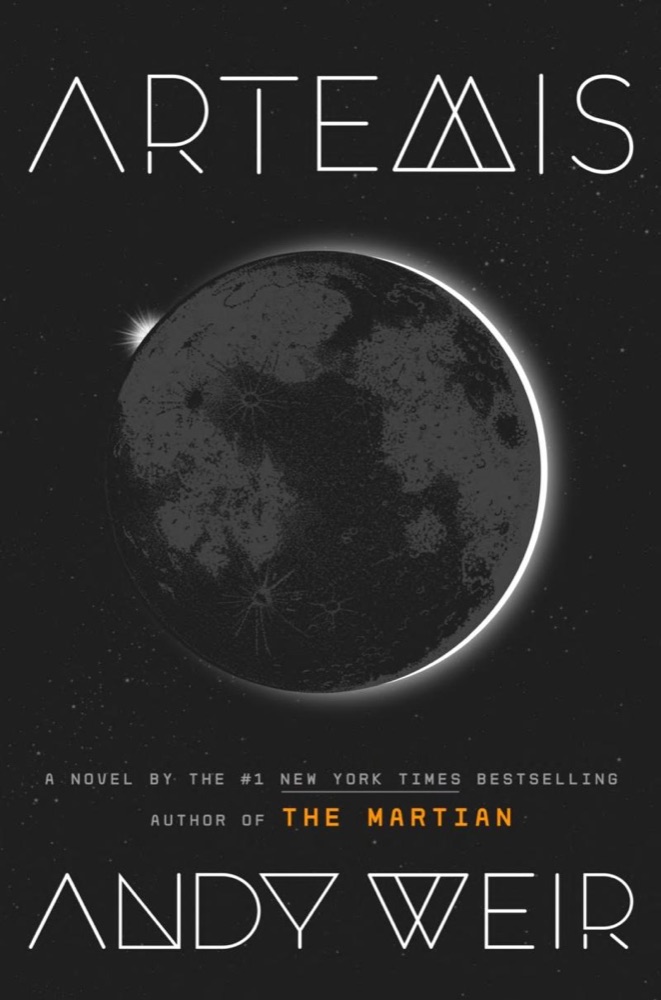 Artemis
 The Fires of Heaven
 In the Night Garden
 The Blood Mirror
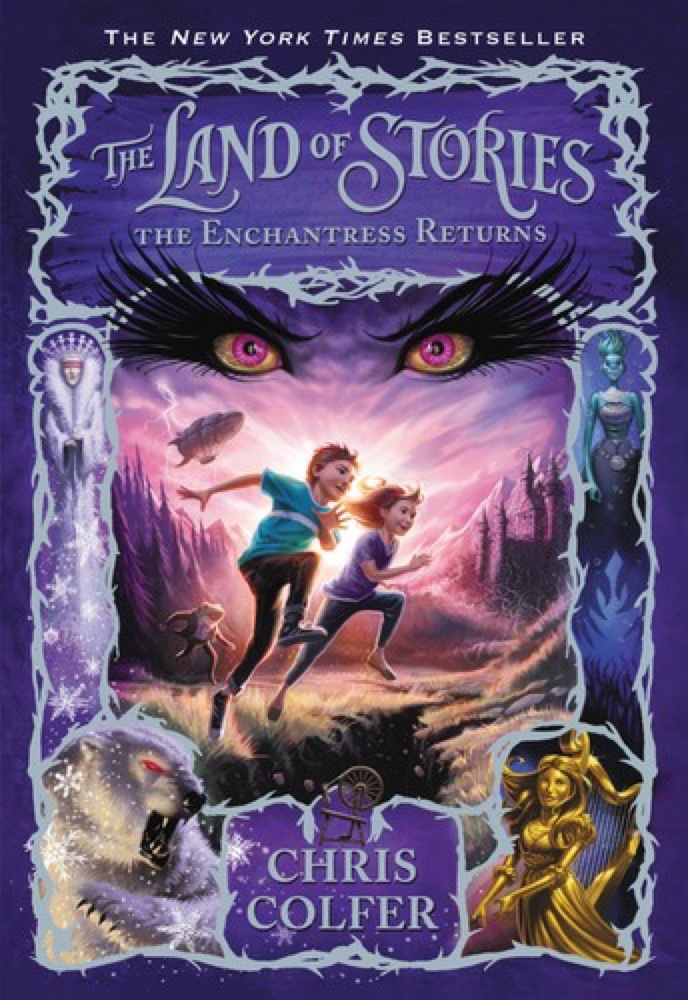 The Enchantress Returns
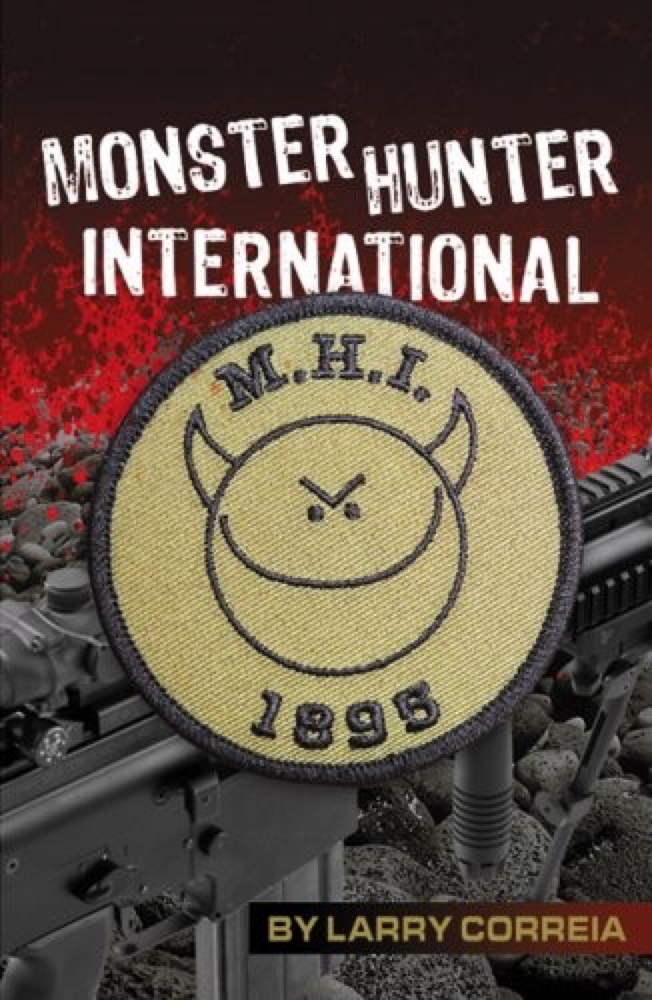 Monster Hunter International
 Mirror Dance
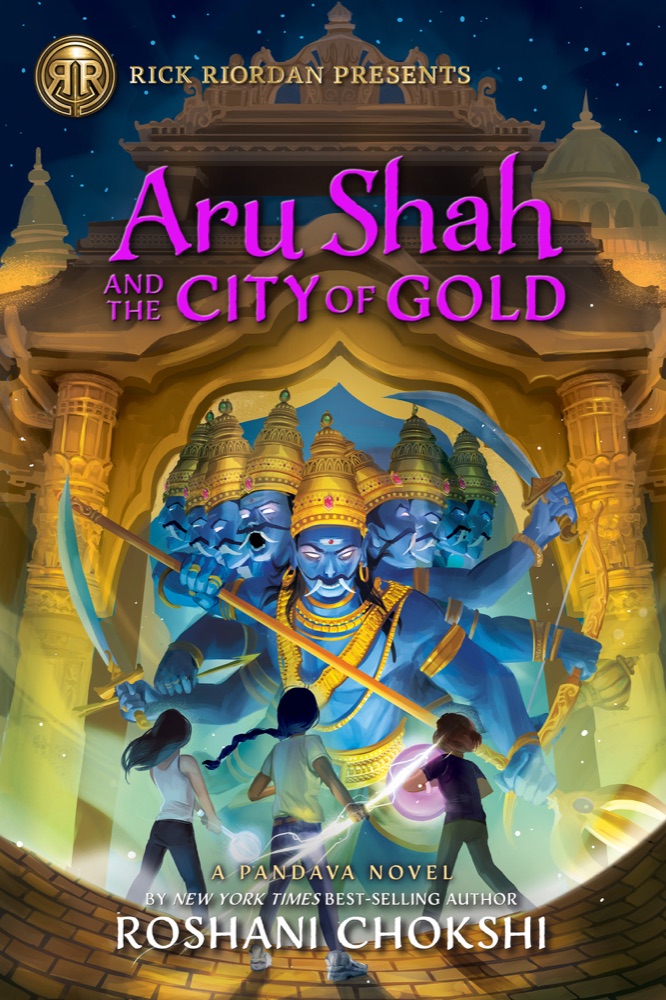 Aru Shah and the City of Gold
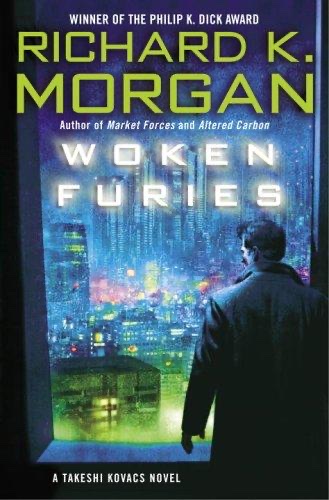 Woken Furies
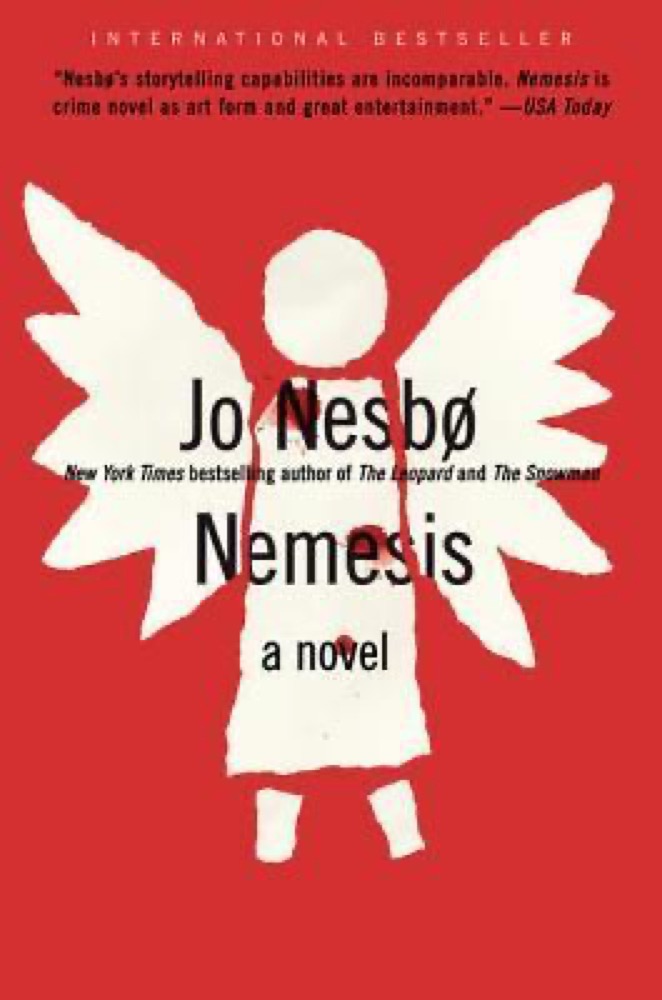 Nemesis
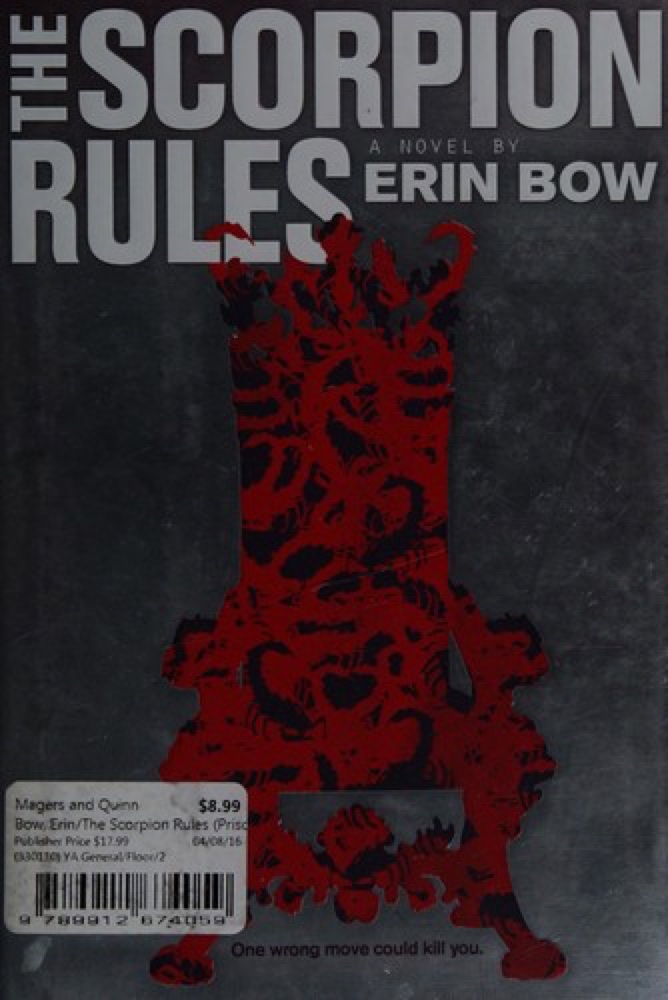 The Scorpion Rules
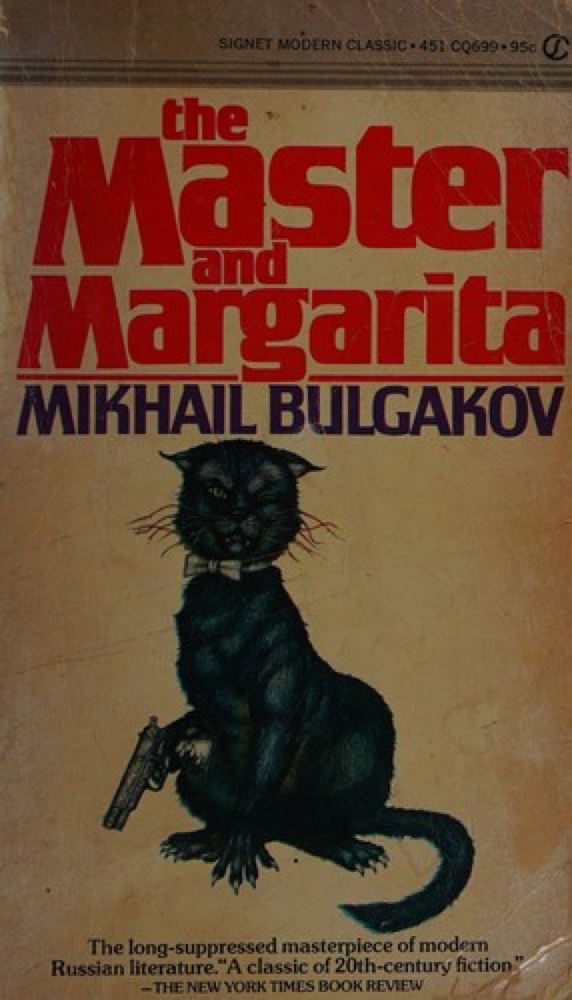 The Master and Margarita
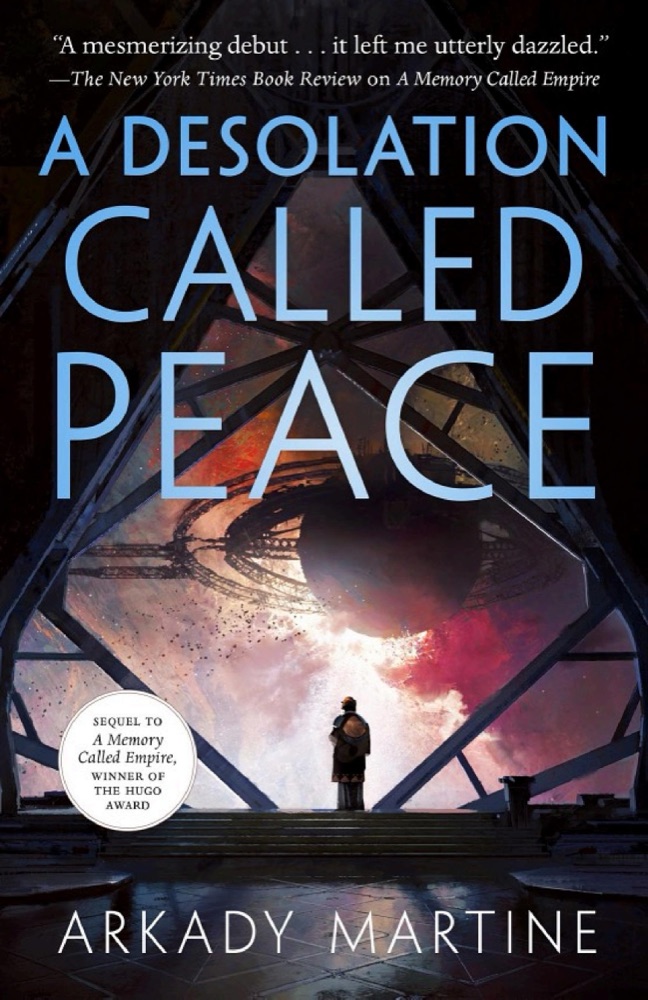 A Desolation Called Peace
 Retribution
 CryoBurn
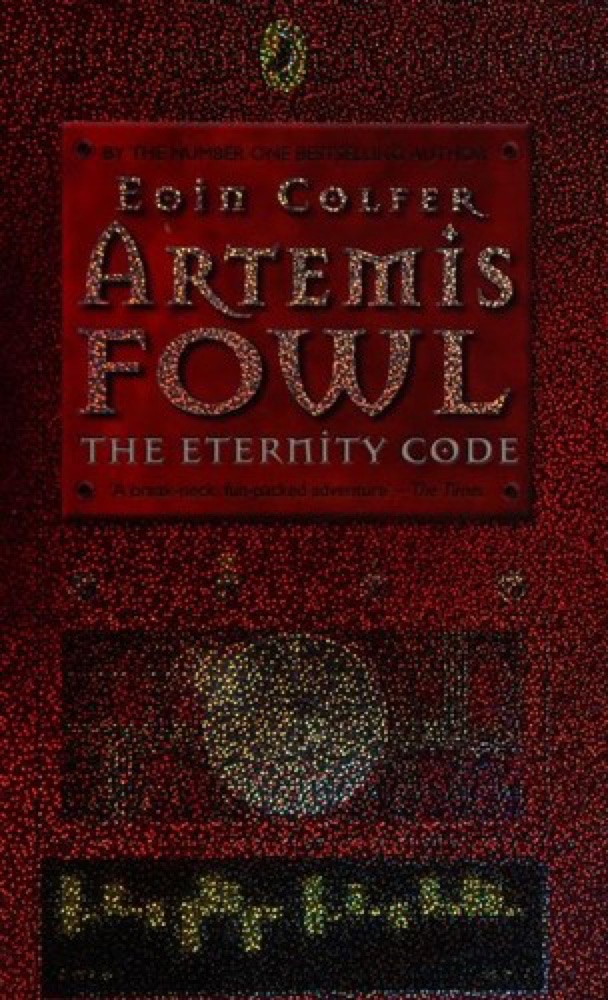 The Eternity Code
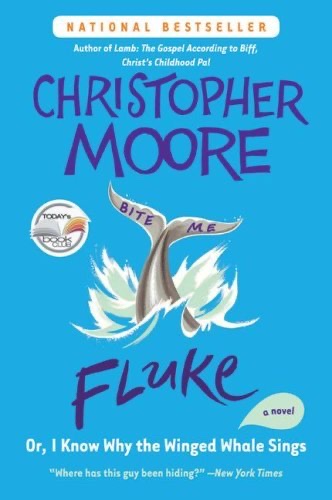 Fluke: Or, I Know Why the Winged Whale Sings
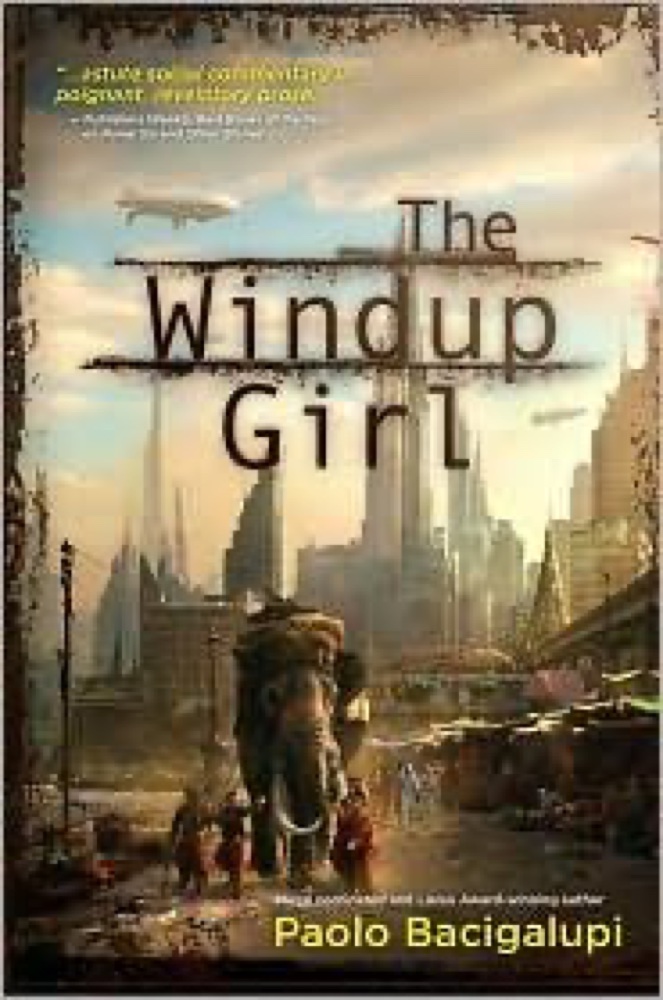 The Windup Girl
 Discount Armageddon
 The Hangman's Replacement: Sprout of Disruption
 Chasing Fireflies: A Novel of Discovery
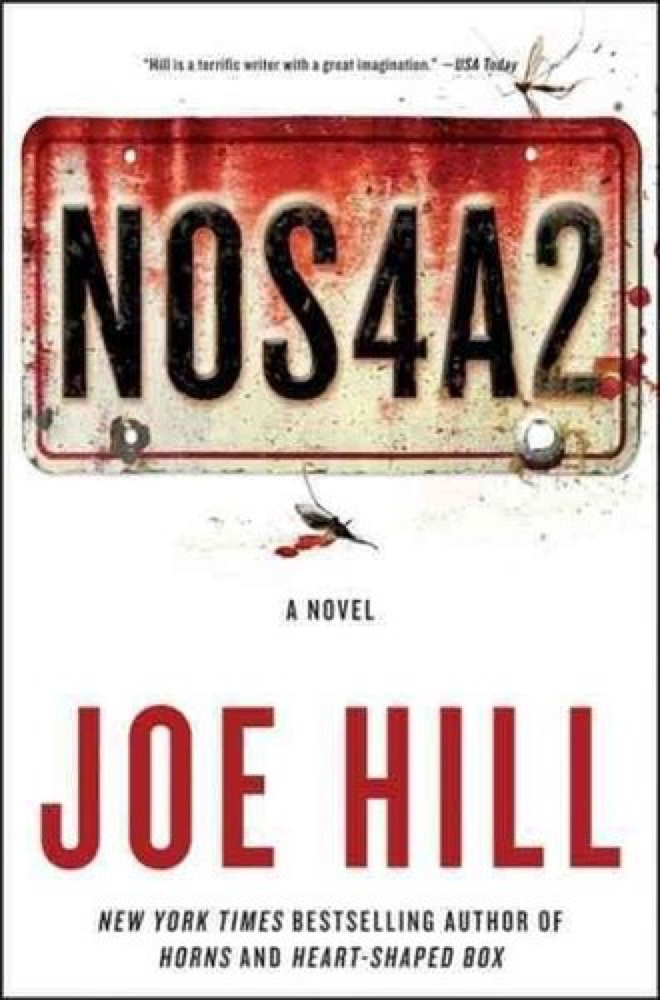 NOS4A2
 The Arabian Nights
 Flight Behavior
 Memory
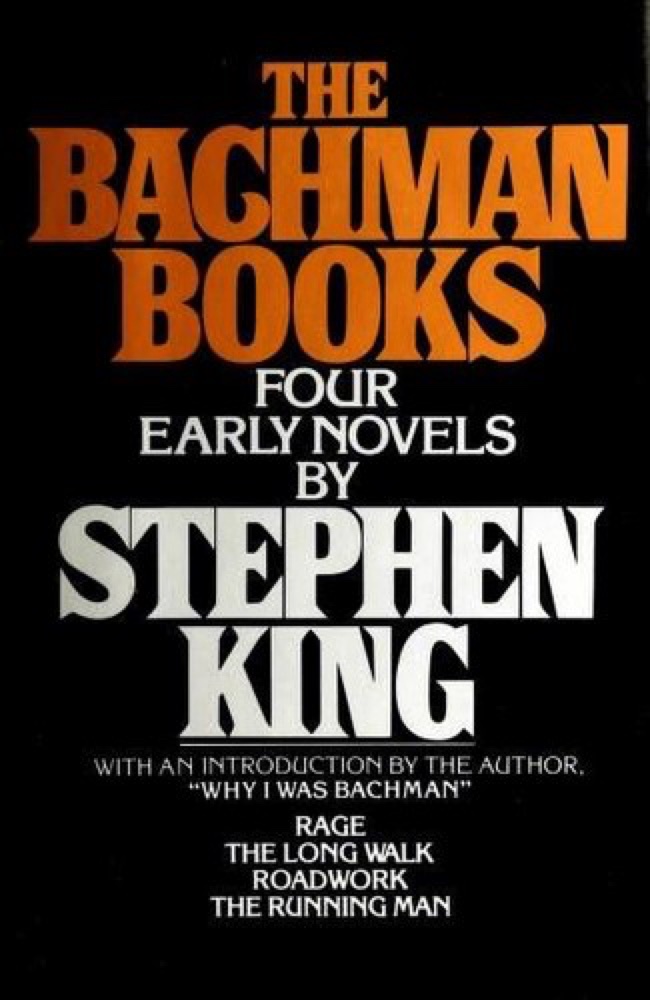 Rage
Rage
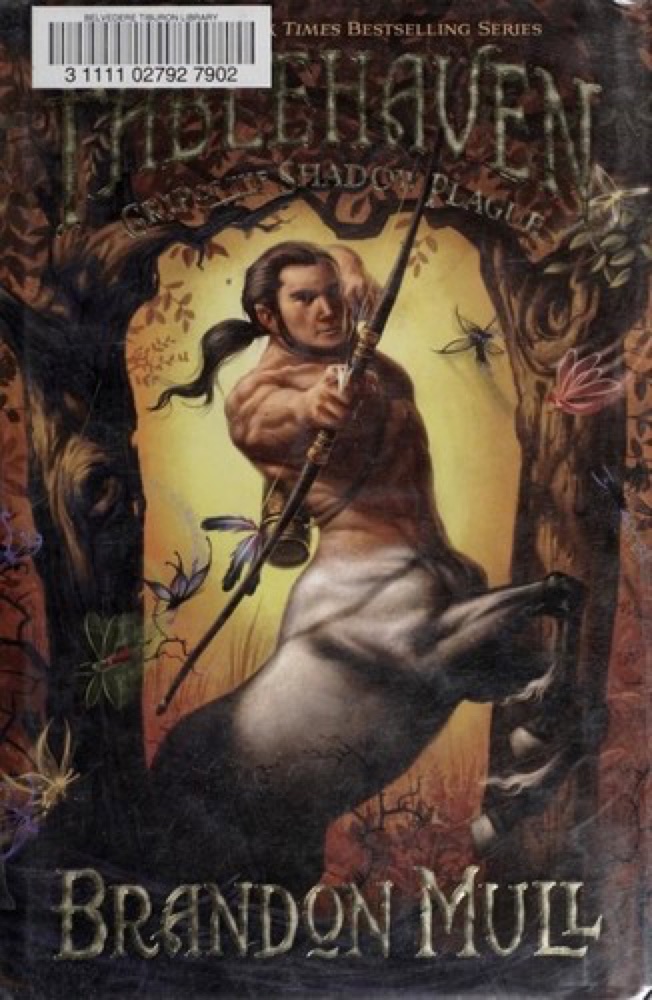 Grip of the Shadow Plague
 Pastoralia
 Carpe Jugulum
 Academ's Fury
 Wicked: The Life and Times of the Wicked Witch of the West
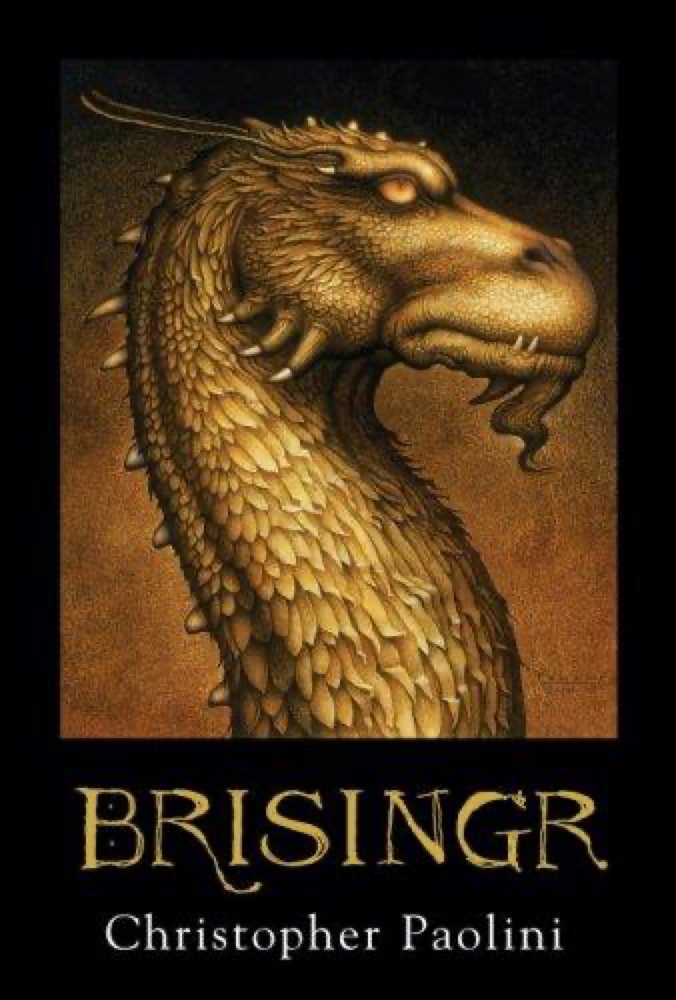 Brisingr
 Bloodhound
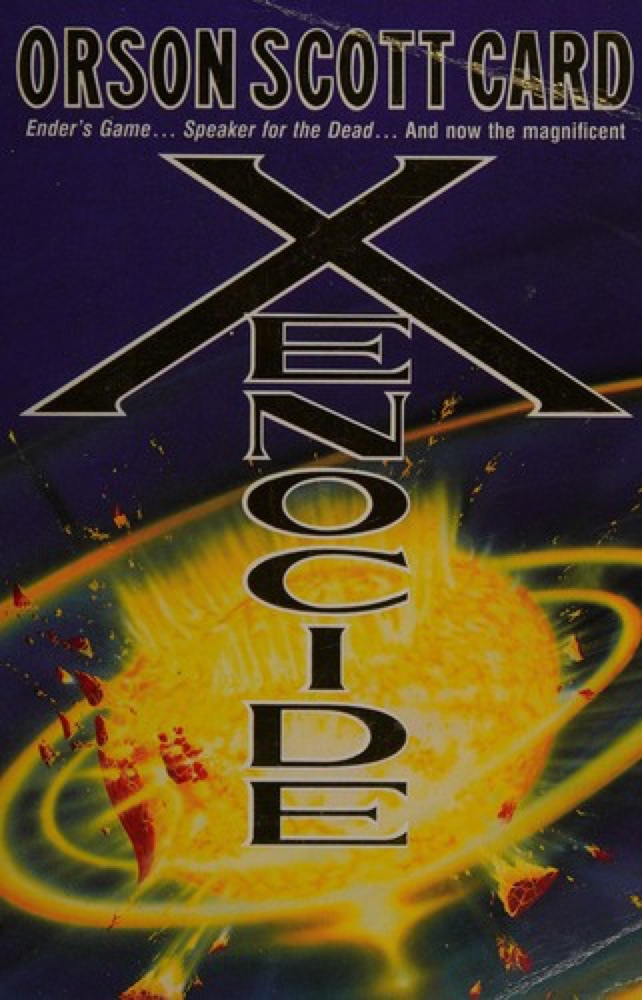 Xenocide
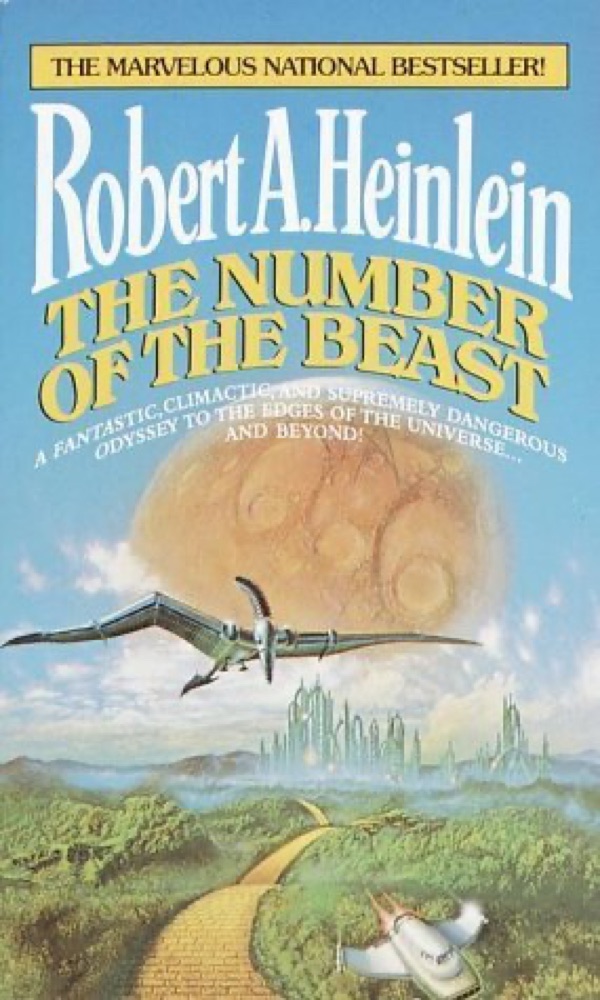 The Number of the Beast
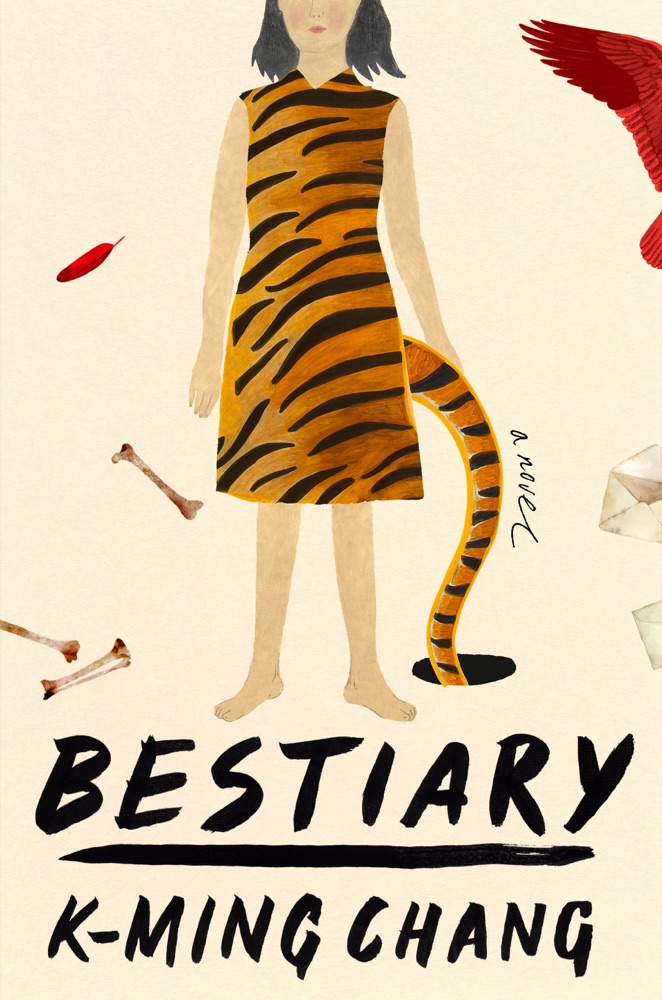 Bestiary
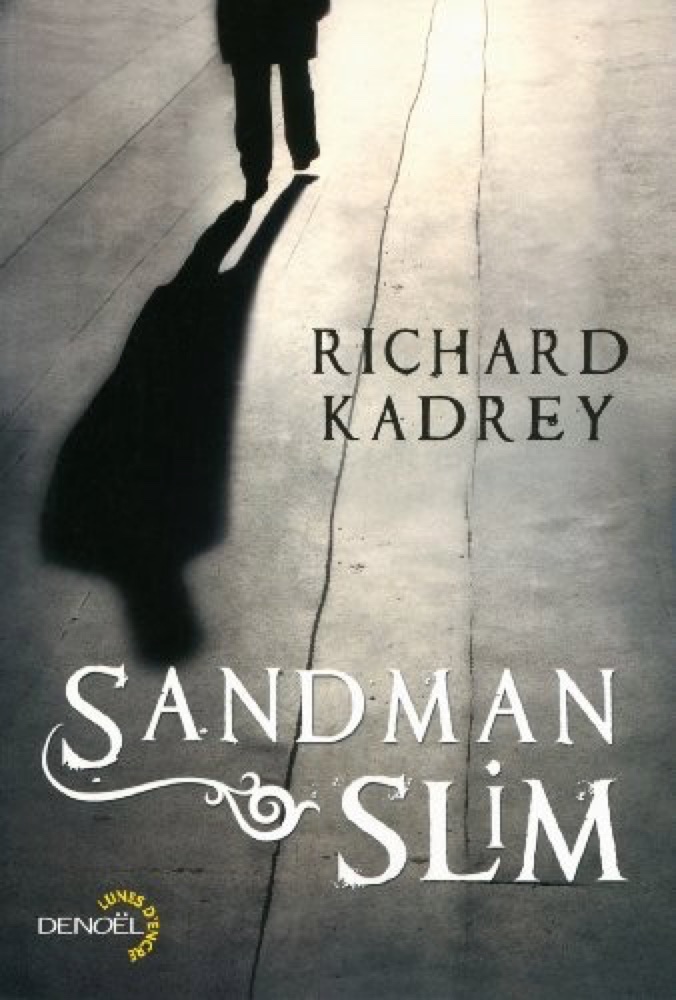 Sandman Slim
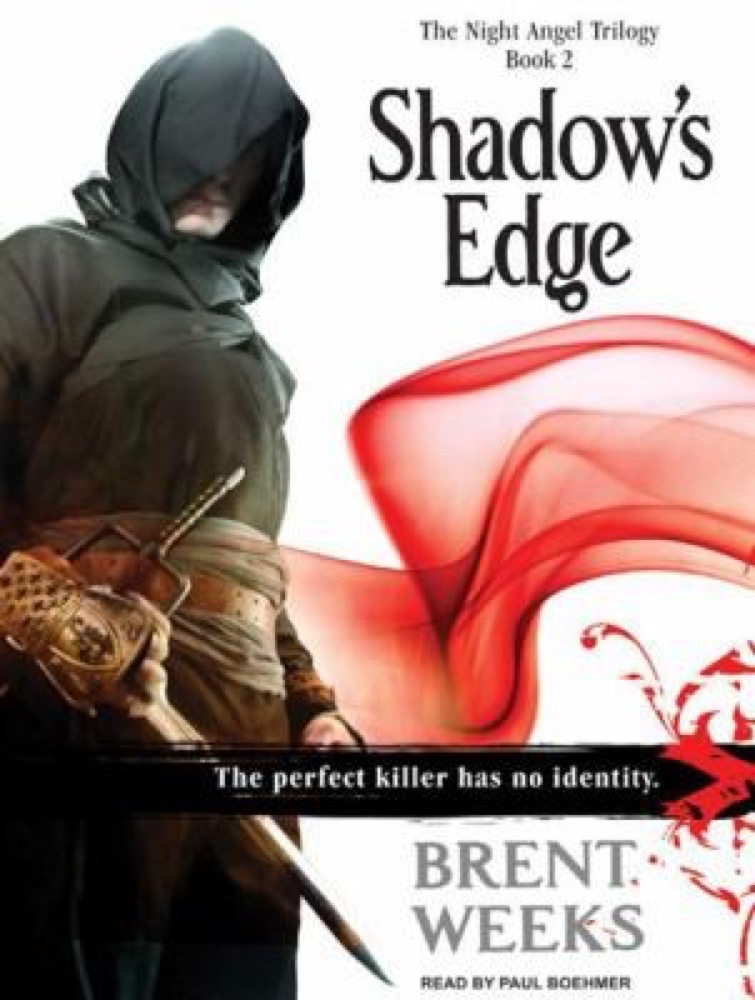 Shadow's Edge
 The Good Daughter
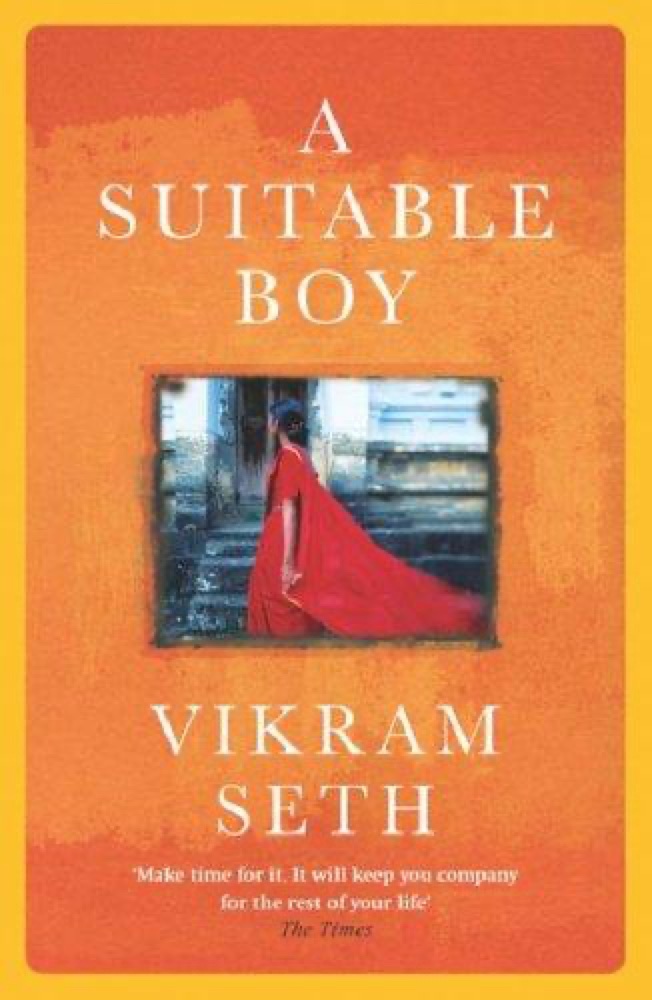 A Suitable Boy
 The Lives of Tao
 The Girl with the Dragon Tattoo
 Dead Heat
 Mr. Perfect
 The Stainless Steel Rat
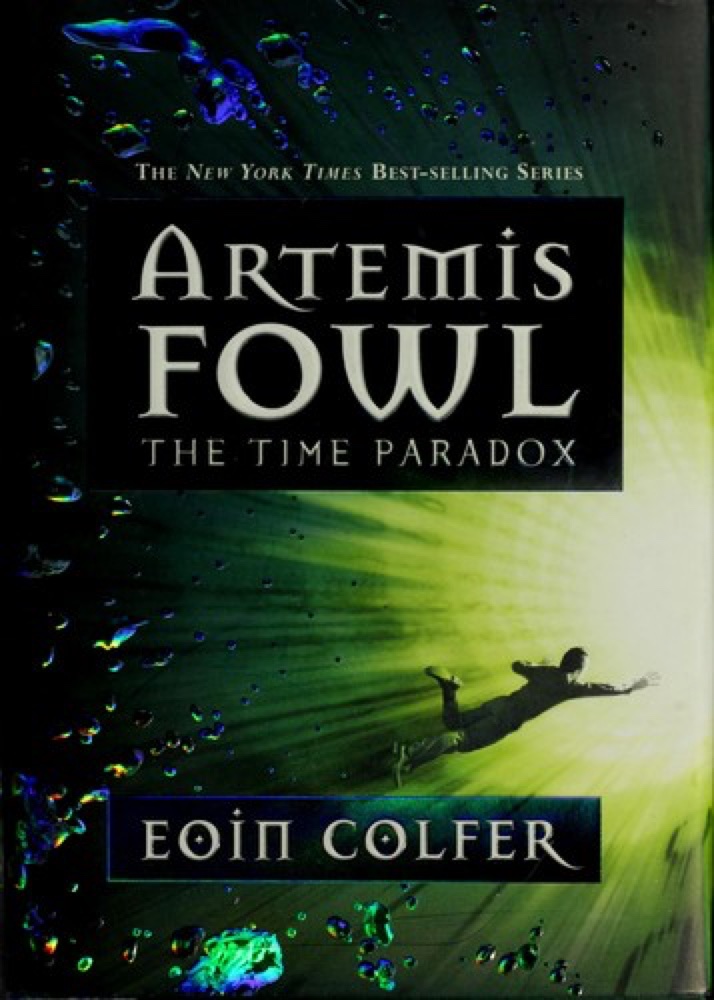 The Time Paradox
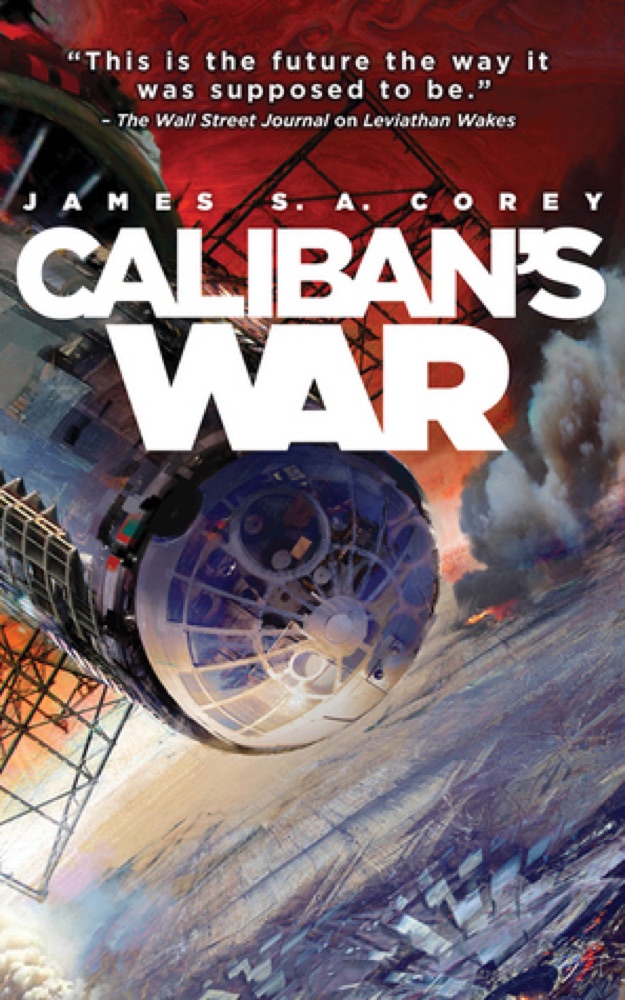 Caliban’s War