 The Sirens
Quotes from the Book
Witch. The word slithers from the mouth like a serpent, drips from the tongue as thick and black as tar. We never thought of ourselves as witches, my mother and I. For this was a word invented by men, a word that brings power to those that speak it, not those that it describes. A word that builds gallows and pyres, turns breathing women into corpses.
111
Perhaps one day (...) there will be a safer time, when women could walk the Earth, shining bright with power, and yet live.
105
Fiction became a friend as well as a safe harbor, a cocoon to protect her from the outside world and its dangers.
61
Everything is made out of magic, leaves and trees, flowers and birds, badgers and foxes and squirrels and people. So it must be all around us.
53
Weyward, they called us, when we would not submit, would not bend to their will. But we learned to wear the name with pride.
52
A great many things look different from a distance. Truth is like ugliness: you need to be close to see it.
47
We never thought of ourselves as witches, my mother and I. For this was a word invented by men, a word that brings power to those who speak it, not those it describes.
30
The physician spoke with confidence. He was a man, after all. He had no reason to think he would not be believed.
19
The connections between and among women are the most feared, the most problematic, and the most potentially transforming force on the planet. —Adrienne Rich
18
I had nature in my heart, she said. Like she did, and her mother before her. There was something about us---the Weyward women---that bonded us more tightly with the natural world. We can feel it, she said, the same way we feel rage, sorrow, or joy. The animals, the birds, the plants---they let us in, recognizing us as one of their own. That is why roots and leaves yield so easily under our fingers, to form tonics that bring comfort and healing. That is why animals welcome our embrace. Why the crows---the ones who carry the sign---watch over us and do our bidding, why their touch brings our abilities into sharpest relief. Our ancestors---the women who walked these paths before us, before there were words for who they were---did not lie in the barren soil of the churchyard, encased in rotting wood. Instead, the Weyward bones rested in the woods, in the fells, where our flesh fed plants and flowers, where trees wrapped their roots around our skeletons. We did not need stonemasons to carve our names into rock as proof we had existed. All we needed was to be returned to the wild. This wildness inside gives us our name. It was men who marked us so, in the time when language was but a shoot curling from the earth. Weyward, they called us, when we would not submit, would not bend to their will. But we learned to wear the name with pride.
17
Perhaps one day, she said, there would be a safer time. When women could walk the earth, shining bright with power, and yet live.
13
I am trying to think of where the beginning is. Who decides where things begin and end? I do not know if time moves in a straight line, or a circle. Here, the years do not pass so much as loop back on themselves: winter becomes spring becomes summer becomes autumn becomes winter again. Sometimes I think that all of time is happening at once.
10
He was a man, after all. He had no reason to think he would not be believed.
9
She hadn’t expected that love—if this was what she felt—to be so similar to fear.
9
Fiction became a friend as well as a safe harbor; a cocoon to protect her from the outside world and its dangers. She could read about Robin Redbreast but she must avoid at all costs the robins that tittered in the back garden.
8
She had thought, for a while, that she’d lost the magic of it: the ability to immerse herself in another time, another place. It had felt like forgetting to breathe. But she needn’t have worried. Now, worlds, characters, even sentences linger—burning like beacons in her brain. Reminding her that she’s not alone.
7
The panic is rising. Except it isn’t panic, Kate knows now. It never was. The feeling of something trying to get out. Rage, hot and bright in her chest. Not panic. Power.
7
She named me Altha, after all. Not Alice, meaning noble woman, nor Agnes, lamb of God. Altha. Healer.
5
Rage, hot and bright in her chest. Not panic. Power.
4
Sight is a funny thing. Sometimes it shows us what is before our eyes. But sometimes it shows us what has already happened, or will yet come to pass.
4
I thought he loved me for myself. But you were right. To him I am but an animal, like those he hunts and puts on display
4
But the sun shone, bright as gold, through my window. I could smell spring on the air: the garden is crowded with daffodils and bluebells now. Even as I write, lambs are being born wet and bewildered, nuzzling at their mothers to get back to that dark, warm place where nothing can hurt them.
4
She is a Weyward. And she carries another Weyward inside her. She gathers herself together, every cell blazing, and thinks: Now. The window breaks, a waterfall of sharp sounds. The room grows dark with feathered bodies, shooting through the broken window, the fireplace. Beaks, claws, and eyes flashing. Feathers brushing her skin. Simon yells, his hand loosening on her throat. She sucks in the air, falling to her knees, one hand cradling her stomach. Something touches her foot, and she sees a dark tide of spiders spreading across the floor. Birds continue to stream through the window. Insects, too: the azure flicker of damselflies, moths with orange eyes on their wings. Tiny, gossamer mayflies. Bees in a ferocious golden swarm. She feels something sharp on her shoulder, its claws digging into her flesh. She looks up at blue-black feathers, streaked with white. A crow. The same crow that has watched over her since she arrived. Tears fill her eyes, and she knows in that moment that she is not alone in the cottage. Altha is there, in the spiders that dance across the floor. Violet is there, in the mayflies that glisten and undulate like some great silver snake. And all the other Weyward women, from the first of the line, are there, too. They have always been with her, and always will be.
4
December. The days begin white and glittering with snow---on the roof, the branches of the sycamore, where a robin has taken up residence. It reminds Kate of Robin Redbreast from The Secret Garden---for so many years, her only safe portal to the natural world. Only now does she truly understand her favorite passage, memorized since childhood: "Everything is made out of magic, leaves and trees, flowers and birds, badgers and foxes and squirrels and people. So it must be all around us." Often, before she leaves for work, she stand outside to watch the sun catch on the white-frosted plants, searching for the robin's red breast. A spot of color against the stark morning. Sometimes, while she watches it flutter, she feels a tugging inside her womb, as if her daughter is responding to its song, anxious to breach the membrane between her mother's body and the outside world. The robin is not alone in the garden. Starlings skip over the snow, the winter sun varnishing their necks. At the front of the cottage, fieldfares---distinctive with their tawny feathers---chatter in the hedgerows. And of course, crows. So many that they form their own dark canopy of the sycamore, hooded figures watching.
4
There were bees somewhere---calling out to her, beckoning. She had wandered over to the tree and found the hive, hanging from a branch like a nugget of gold. The bees glimmering, circling. She drew closer, stretched out her arms and grinned as she felt them land, the tickle of their tiny legs against her skin.
4
My breath was like crystals in front of me. The valley was always at its most beautiful in the morning. I remember thinking that it was as if it had been made so on purpose, to remind us to keep living.
3
Perhaps being different wasn't such a bad thing after all. Perhaps it was something to be proud of.
3
For the first child born to a Weyward is always female, my mother told me. That is why she only had me, just as her mother only had her. There are enough men in the world already, she used to say.
3
Might it be possible to have both things? Love and insects?
3
Even her senses seem to have sharpened; sometimes, she thinks she can hear the most incredible sounds: the click of a beetle’s antennae on the ground, the whirr of a moth’s wings. A bird clamping its beak around a worm. It’s strange, how she feels attuned to things happening at such a great distance, and yet all the while her child’s heartbeat thrums in her ears.
3
Did you know?
- Hart wrote much of the novel while living in Cumbria, the region of northern England where the book is set.
- The story unfolds across three timelines set in 1619, 1942 and 2019.
- It became a New York Times bestseller, debuting at number eight on the list.
- "Weyward" won two Goodreads Choice Awards in December 2023, for Best Debut Novel and Best Historical Fiction.
- The book was published in the UK in February 2023 and in the United States in March 2023.
- The title plays on the archaic spelling of "weird," echoing the "weird sisters" of Shakespeare's Macbeth.
About Emilia Hart
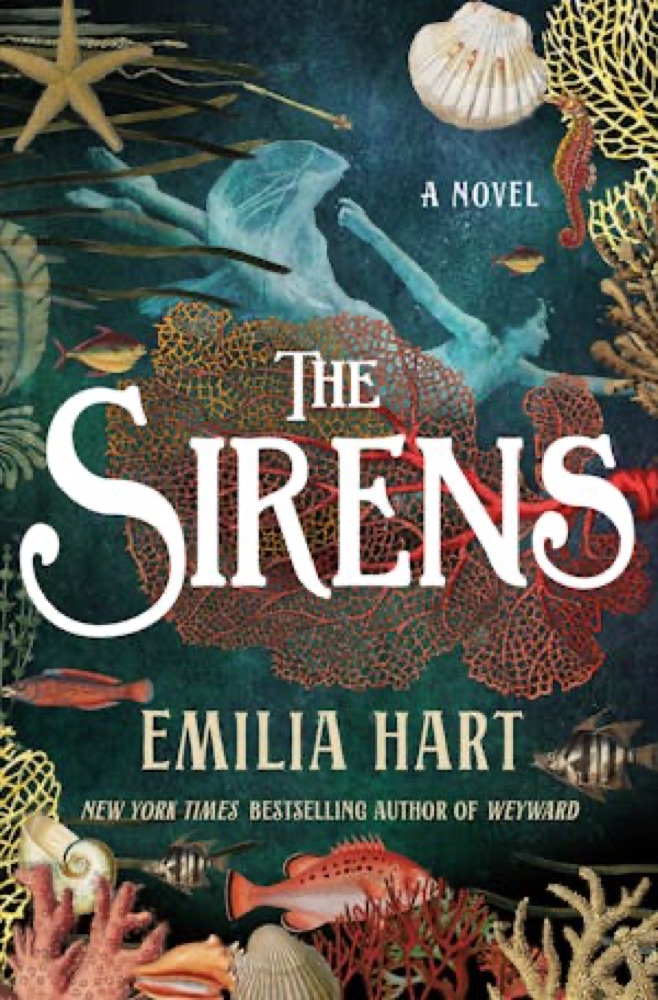
Emilia Hart was born in Sydney, studied law and English at the University of New South Wales, and worked as a lawyer before moving to London. "Weyward" was her debut novel, followed by "The Sirens" in 2025.
More about the author →More by Emilia Hart
The Sirens
About the book
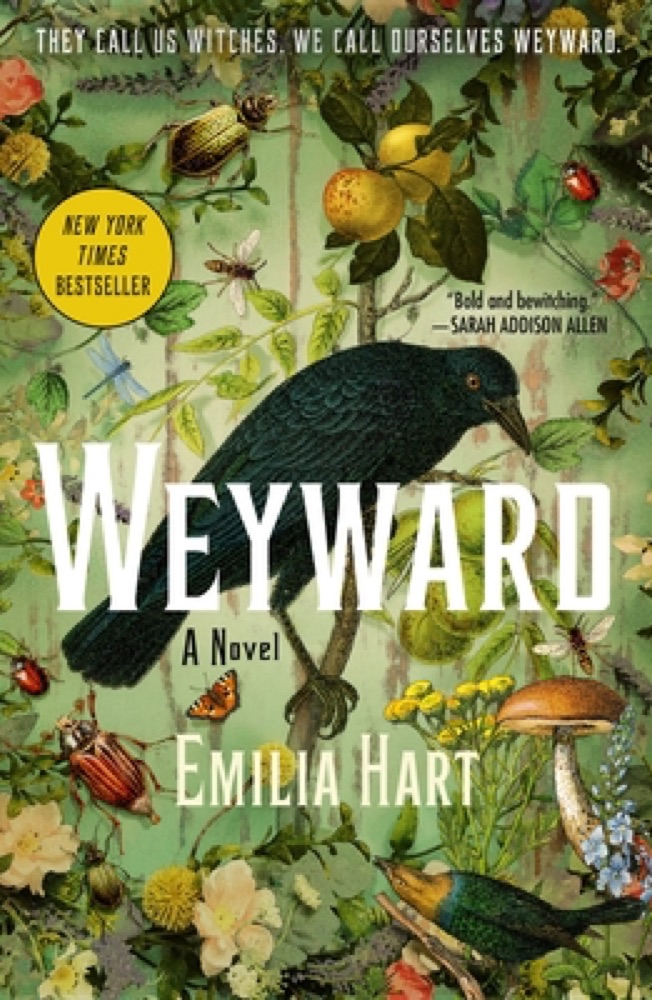
"Weyward" is the debut novel of Australian-born author Emilia Hart, interweaving the stories of three women across five centuries who are connected by blood, by a Cumbrian cottage, and by a quiet, nature-rooted power. In 2019, Kate flees an abusive partner in London for ramshackle Weyward Cottage, left to her by a great-aunt she barely knew. In 1619, Altha stands trial for witchcraft after a local farmer is trampled to death by his own cattle. In 1942, Violet chafes against the constraints placed on a young woman of her class, confined to a crumbling family estate as the Second World War rages.
At its heart the novel is about female resilience and the inheritance of strength passed down a maternal line. Hart explores patriarchal violence, the historical persecution of women branded as witches, and a kind of magic that lies not in spell-casting but in a deep kinship with the natural world and its creatures. The three timelines mirror one another, drawing parallels between the dangers each woman faces and the freedom each fights to claim.
"Weyward" became a commercial and critical success, debuting at number eight on the New York Times bestseller list and winning two Goodreads Choice Awards in 2023, for Best Debut Novel and Best Historical Fiction. Kirkus Reviews described it as a successful blend of historical fiction and modern feminism, while Publishers Weekly called it captivating and triumphant, praising the way Hart weaves the three women's stories together.
Key characters
- KateA woman in 2019 who escapes an abusive partner by fleeing to the inherited Weyward Cottage
- AlthaA healer in 1619 who stands trial for witchcraft after a farmer's death
- VioletA young woman in 1942 confined by class and convention on a crumbling family estate
Book details
- First published
- 2023
- Length
- 336 pages
- Reading time
- 5 hours
- Author
- Emilia Hart
- Genre
- Historical
- Goodreads rating
- 4.05 (436k ratings)
Critical reception
- Debuted at number eight on the New York Times bestseller list.
- Won the 2023 Goodreads Choice Awards for Best Debut Novel and Best Historical Fiction.
- Kirkus Reviews called it a successful blend of historical fiction and modern feminism.
- Publishers Weekly described it as captivating and triumphant, praising how Hart weaves the women's stories together.
Keep reading
 A Conjuring of Light
 A Day of Fallen Night
 Hunted
 Now Is the Time to Open Your Heart
 Ink Blood Sister Scribe
 The Age of Witches
 The Witching Hour
 Daughter of the Forest
 The Good People
 Ammonite
 Year of Wonders
 The Beekeeper's Promise
 The Daughters of Temperance Hobbs
 Out of Oz
 Hester
 Prodigal Summer
 The Heretic's Daughter
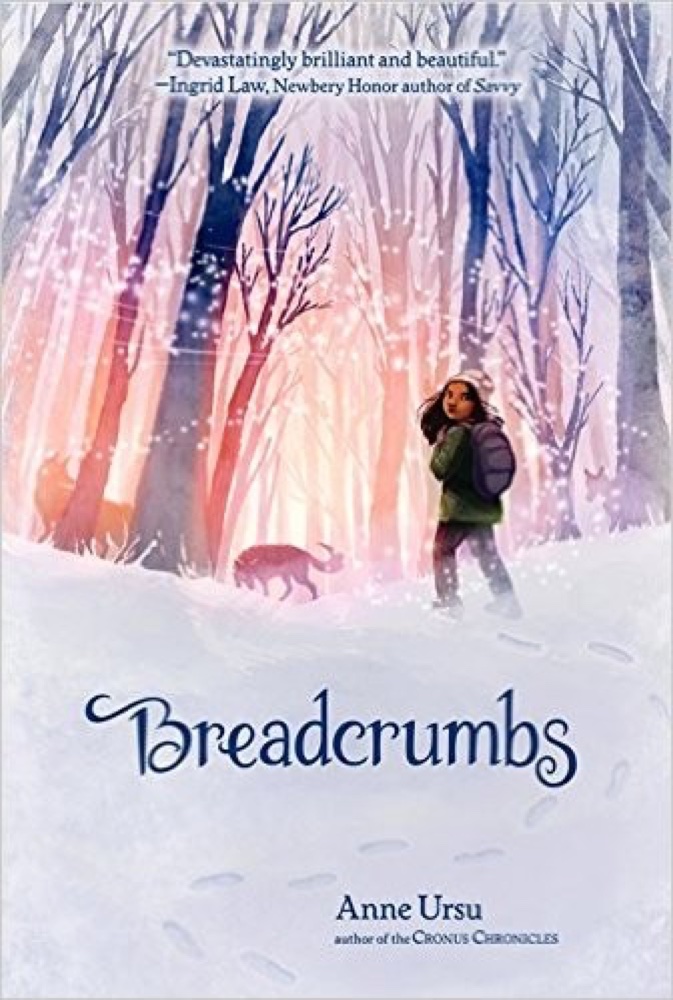 Breadcrumbs
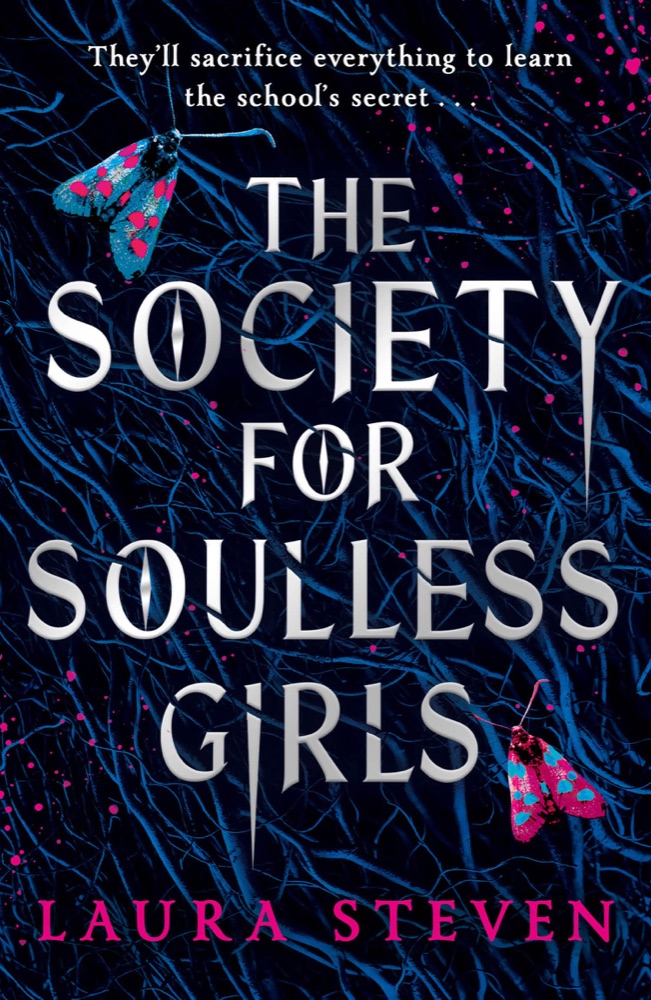 The Society For Soulless Girls
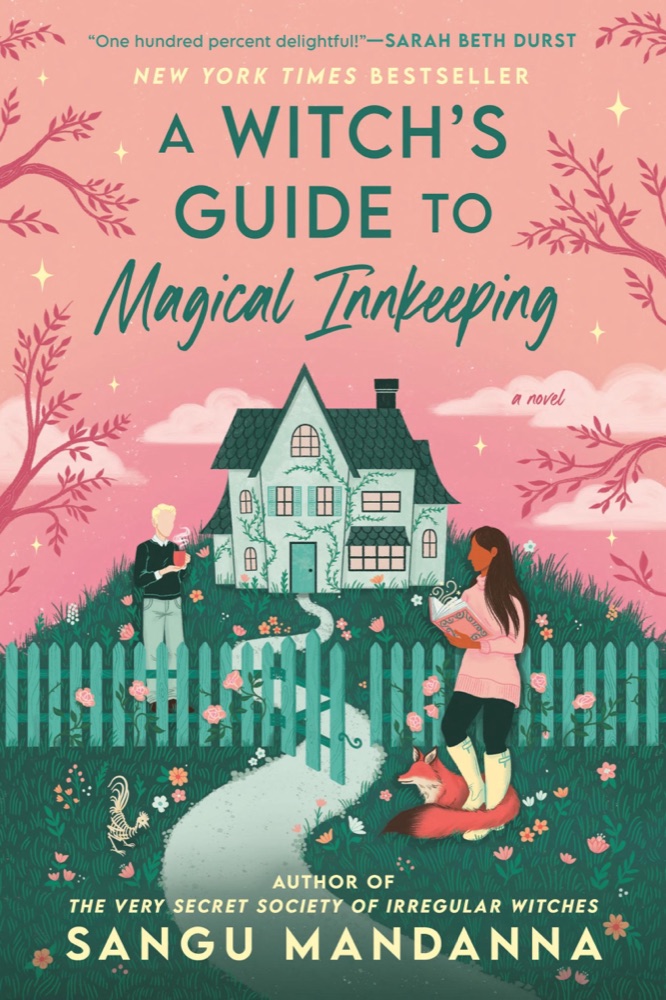 A Witch's Guide to Magical Innkeeping
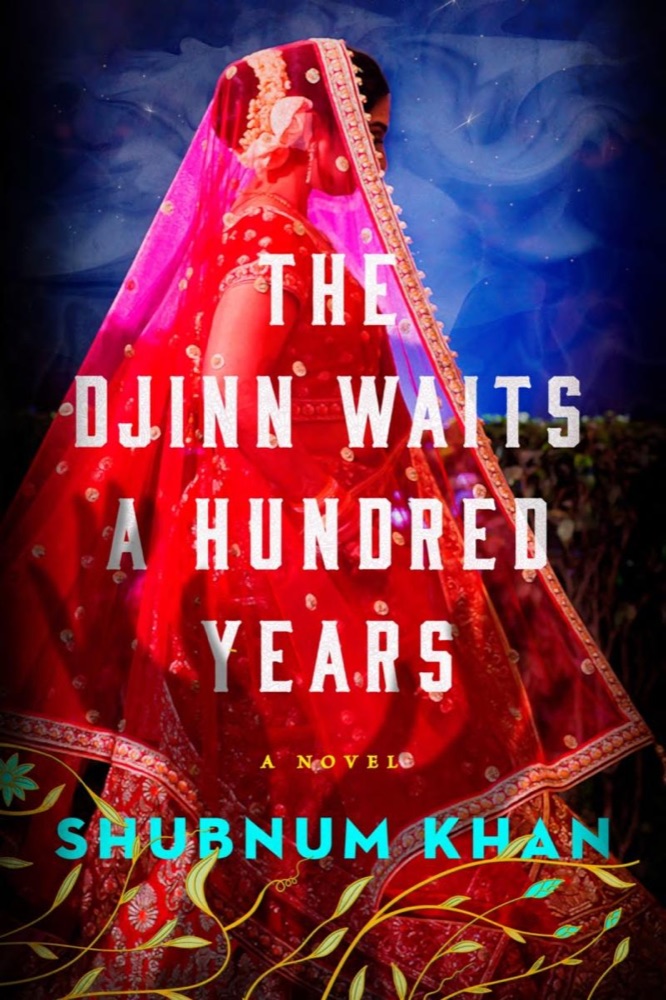 The Djinn Waits a Hundred Years
 Ahab's Wife, or The Star-Gazer
 The Girl Who Drank the Moon
 Gods of Jade and Shadow
 The Near Witch
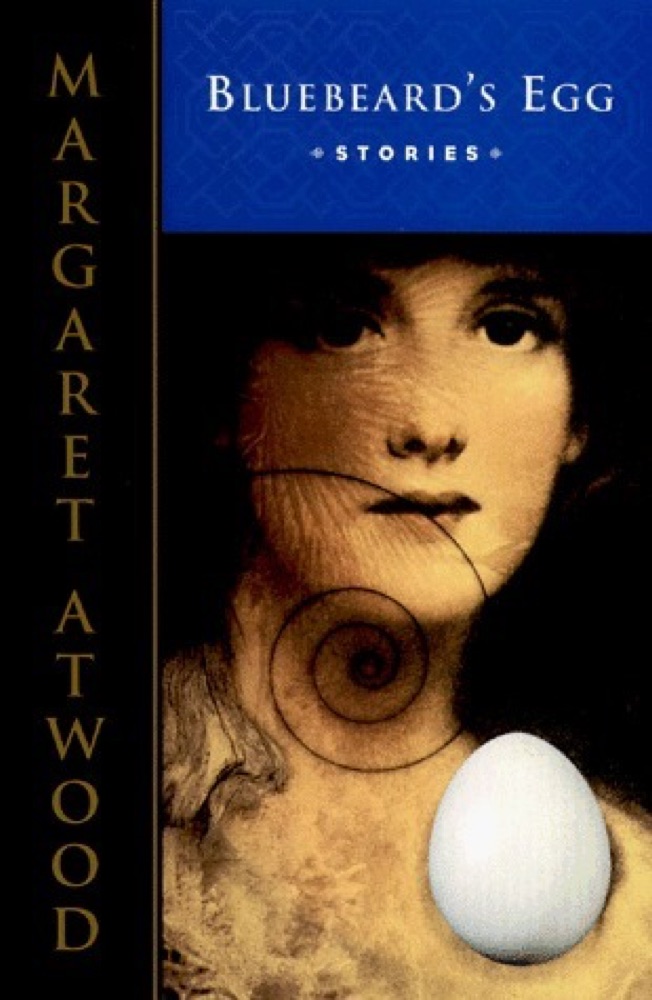 Bluebeard's Egg
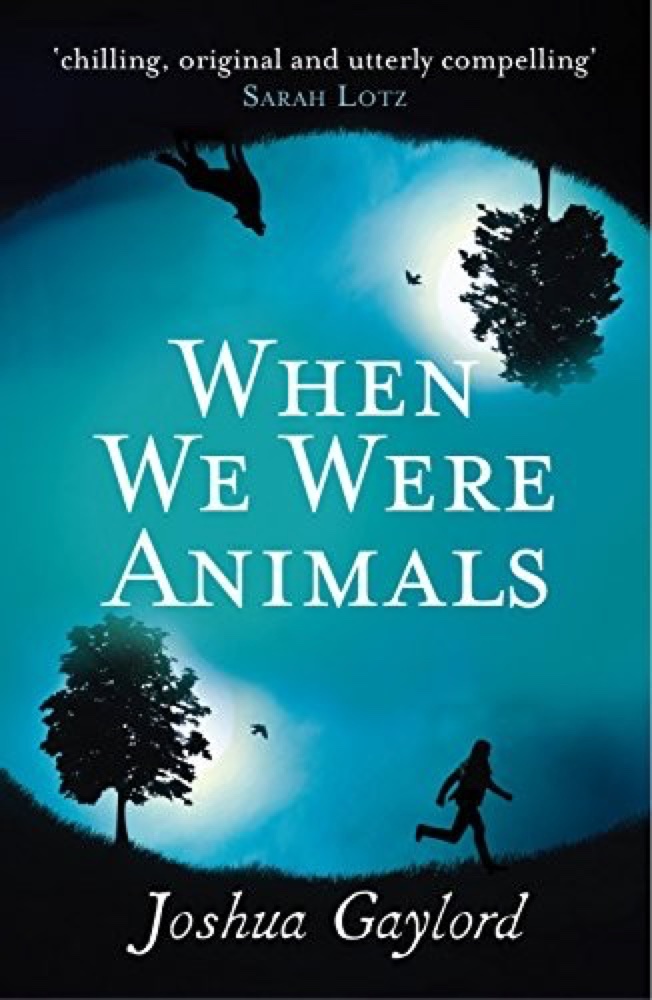 When We Were Animals
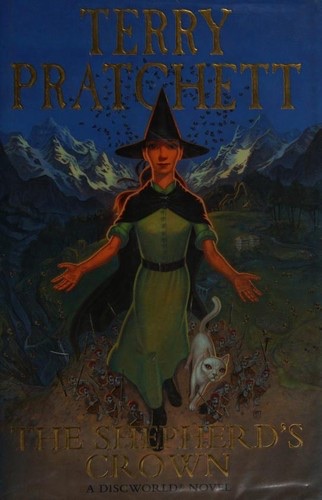 The Shepherd's Crown
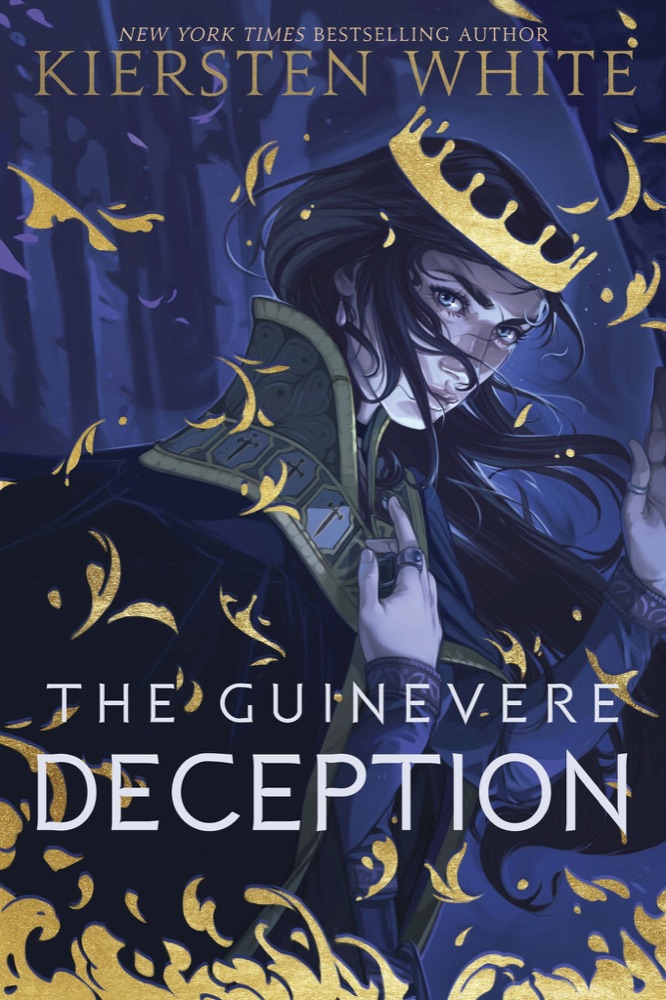 The Guinevere Deception
 The Night Watchman
 The Secret Book of Flora Lea
 Daughter of Smoke & Bone
 Lolly Willowes
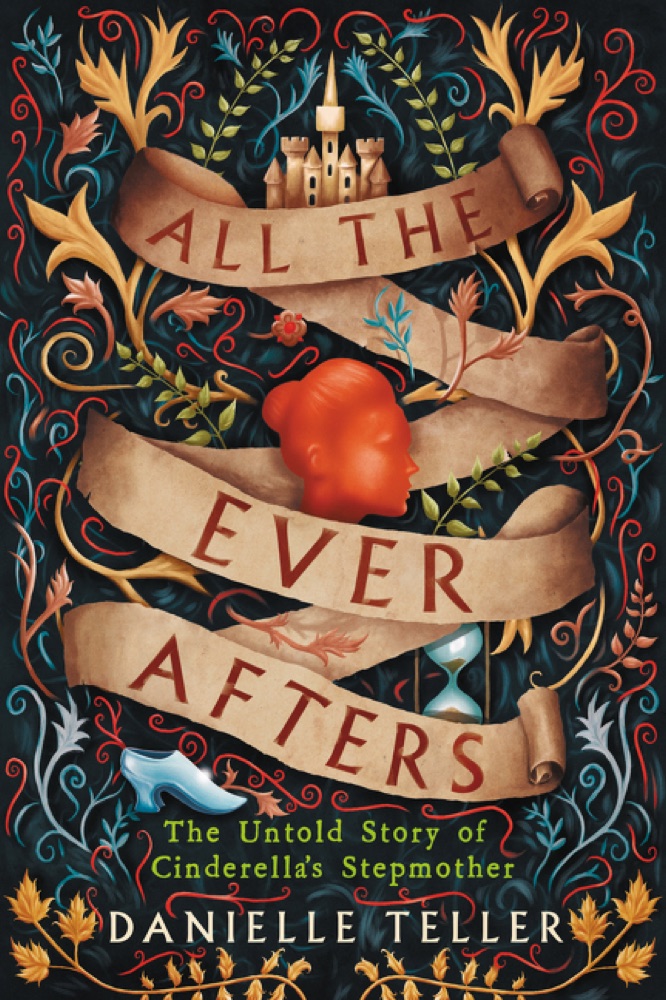 All the Ever Afters: The Untold Story of Cinderella’s Stepmother
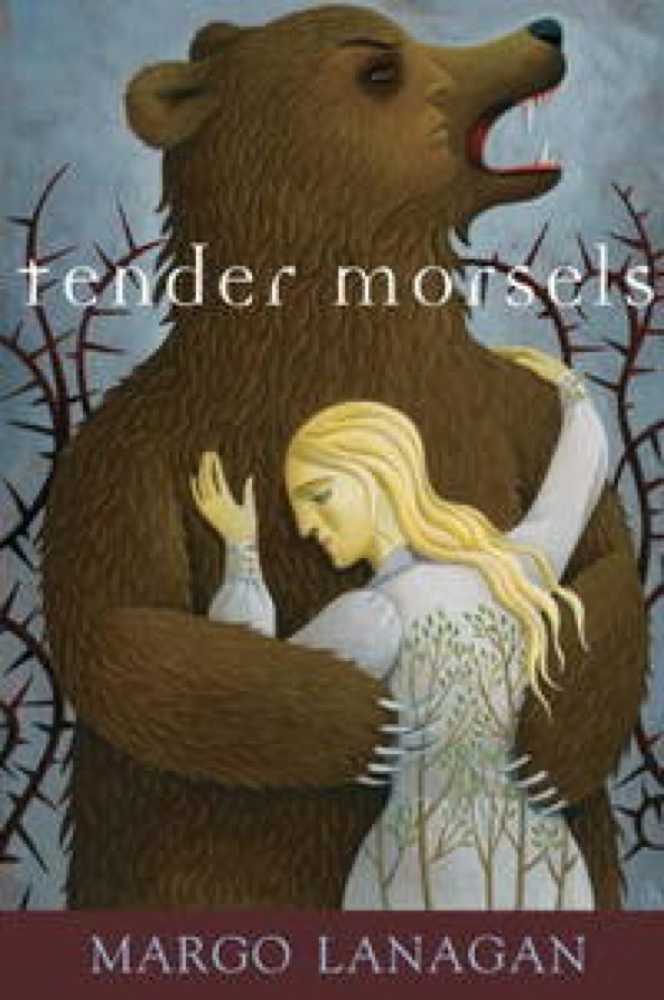 Tender Morsels
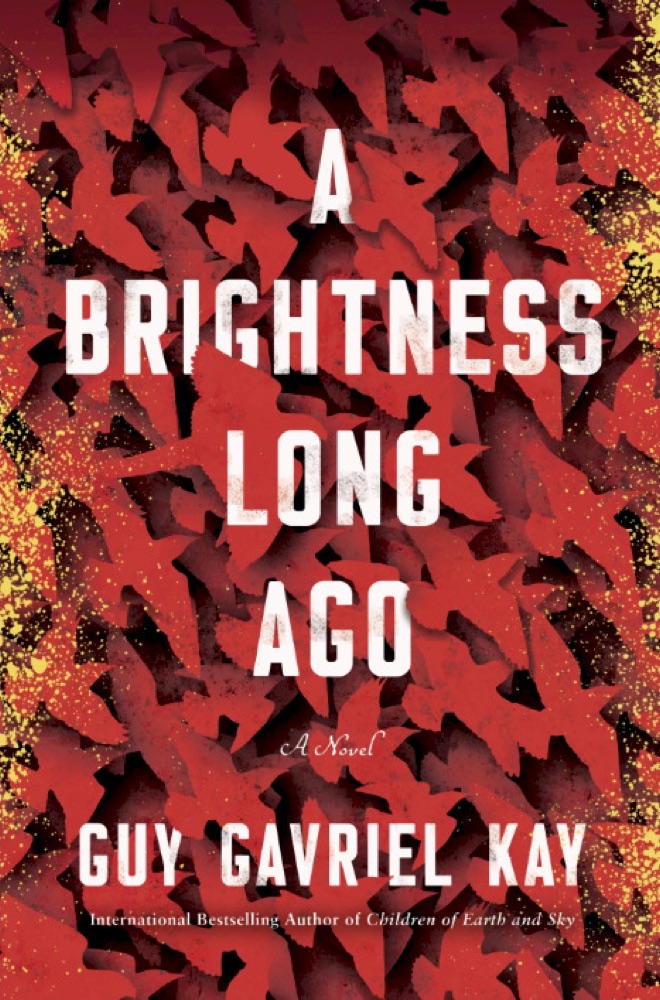 A Brightness Long Ago
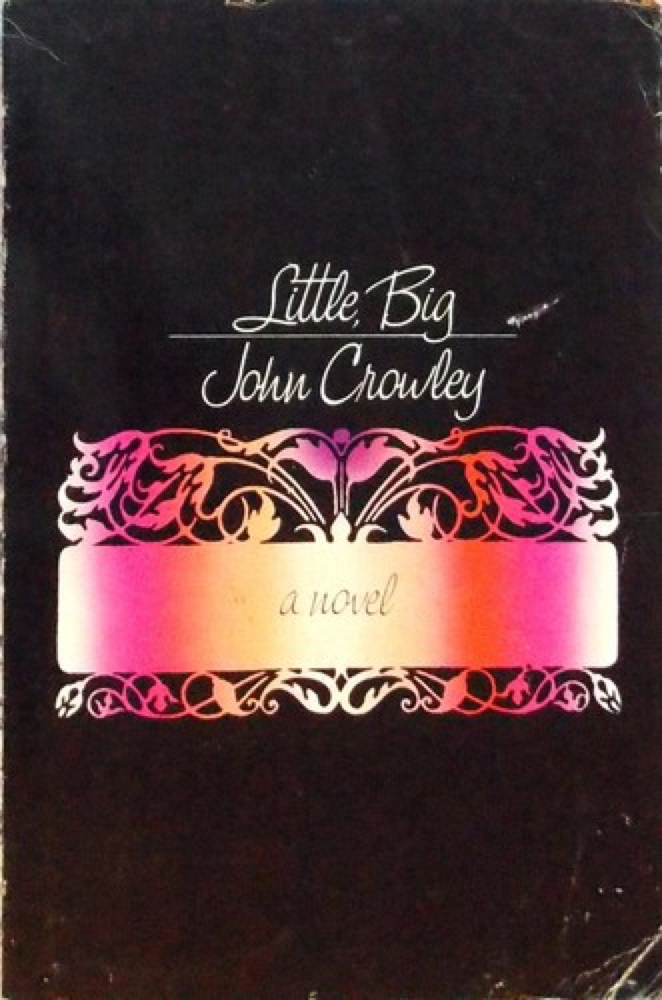 Little, Big
 Tess of the D'Urbervilles
 The Mere Wife
 Perennials
 Palimpsest
 Homecoming
 The Marriage of Opposites
 The Girl in the Tower
 The Ministry of Utmost Happiness
 The Nature of a Lady
 The Atomic Weight of Love
 Green Dolphin Street
 Deerskin
 Refuge: An Unnatural History of Family and Place
 The Golden Compass
 The Enchanted
 Age of Myth
 The Robber Bride
 Blackbird House
 Under the Udala Trees
 Corrag
 The Honey Witch
 Merrick
 The Cottingley Secret