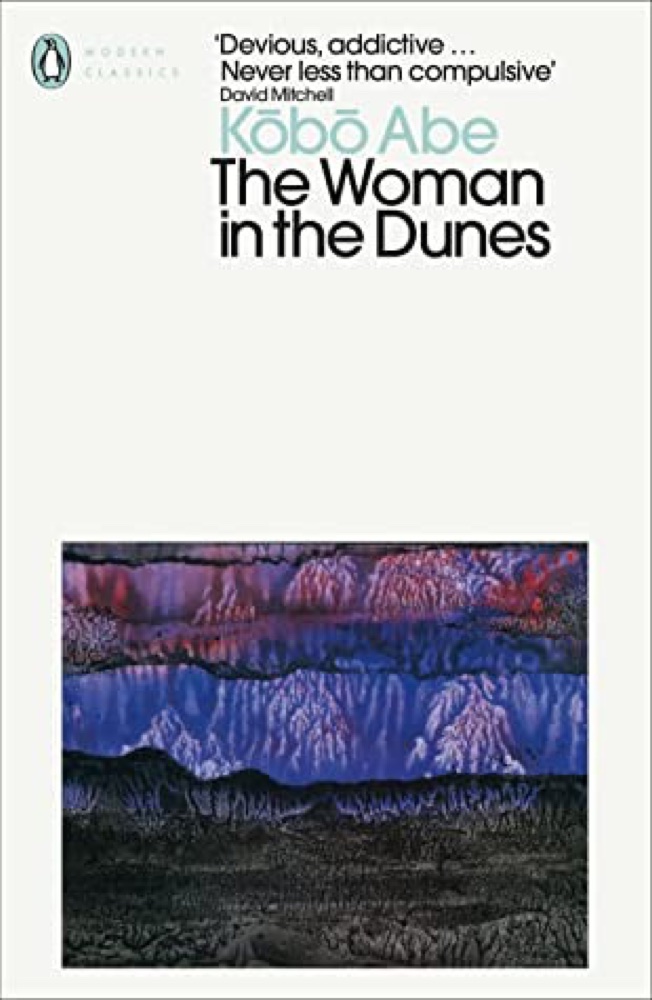
 The Woman in the Dunes
Quotes from the Book
You don't need me. What you really need is a mirror. Because any stranger is for you simply a mirror in which to reflect yourself. I don't ever again want to return to such a desert of mirrors.
Still, the one who best understands the significance of light is not the electrician, not the painter, not the photographer, but the man who lost his sight in adulthood. There must be the wisdom of deficiency in deficiency, just as there is the wisdom of plenty in plenty.
So nothing will ever be written down again. Perhaps the act of writing is necessary only when nothing happens.
Could having a face be such an important requirement? Was being seen the cost of the right to see?
It was perhaps relief and confidence stemming from the opportunity to tempt you into being my accomplice, however indirectly, in the lonely work of producing the mask. For me, whatever you may say, you are the most important "other person." No, I do not mean it in a negative sense. I meant that the one who must first restore the roadway, the one whose name I had to write on the first letter, was first on my list of "others." (Under any circumstances, I simply did not want to lose you. To lose you would be symbolic of losing the world.)
No matter how many faces I have, there is no changing the fact that I am me.
Loneliness—since I was trying to escape it—was hell; and yet for the hermit who seeks it, it is apparently happiness.
A crowd isn't formed after people gather; people gather after the crowd forms.
Unable to suspect others, unable to believe in others, one would to live in a suspended state, a state of bankrupt human relations, as if one were looking into a mirror that reflects nothing.
Of course, according to one theory a mask is apparently the expression of an extremely metaphysical aspiration to give oneself a kind of transcendental disguise, for the mask is not simply something compensatory.
If one clung too closely to reality, the result might well be far from realistic.
[...]love strips the mask from each of us, and we must endeavor for those we love to put the mask on so that it can be taken off again. For if there is no mask to start with, there is no pleasure in removing it, is there?
What we mean when we say "terrible conditions" is conditions which we are aware of as being terrible.
How wonderful it would be, frankly, if everybody in the world would suddenly lose his sight or forget the existence of light. Immediately, there would be agreement about form. Everybody would accept the fact that a loaf of bread is a loaf of bread whether triangular or round. The girl a little while ago would have kept her eyes shut and listened to my voice. If she had, perhaps we could have become friendly and I could have taken her to the playground and we could have eaten ice cream together. Just because there was light, she heedlessly thought that a triangular loaf of bread was not bread but a triangle. This thing called light is itself transparent, but it apparently changes into something nontransparent.
Basically, there is nothing new in the behavior of monsters, for the monster himself is nothing more than an invention of his victims.
Injuries to the body, especially the face, are not treated simply as problems of form. We should rather speak of themas belonging in the province of mental hygiene. Otherwise, who whould willingly devote his efforts to cosmetic work?
The torment of imprisonment lies in not being able to escape from oneself at any time.
What we call beauty is perhaps the strength of our feeling of resistance to destructibility. Difficulty of reproduction is the yardstick of the degree of beauty.
There are apparently two hypotheses about jealousy: that it is a product of civilization and that it is a basic instinct of animals.
The goal does not lie in the results of research, the very process of research is itself the goal.
The world itself, like the mask, began to seem difficult to believe in, and I was stricken with an unutterable sense of loneliness.
Who could imagine that one could be so ridiculed, so humiliated by oneself?
Lo que llamamos amor es en realidad jugar a arrancarnos mutuamente las máscaras; y, con tal fin, es imprescindible esforzarse en llevar tal máscara, por el bien de la persona amada. Se sigue de ahí que si no hay máscara, tampoco existe el placer de arrancarla
Lo que tú necesitas no soy yo: seguro que es un espejo. Pues cualquier otro que no seas tú no pasa de ser, para ti, más que un espejo en donde reflejarte. Yo, desde luego, no tengo el propósito de volver a un desierto de espejos como ese
Dnes již není hranice mezi bližním a nepřítelem tak jasná, jako tomu bylo v minulosti. Když nastoupíme do vlaku, lepí se na nás nesčetné množství nepřátel, jako by byli našimi bližními. Někteří nepřátelé pronikají až do našeho domova v přestrojení za poštovní zásilky, jiní, proti nimž není obrany, nenápadně vnikají až do našich buněk v podobě radiových vln. A tak se pro nás obklíčení nepřítelem stalo již běžnou, každodenní samozřejmostí, zatímco bližní se stali těžko postřehnutelnými bytostmi, které abychom hledali jako jehlu v kupce sena.
Es interesante la novela que relata los hechos del monstruo de Frankenstein. Por lo general, cuando un monstruo rompe platos, hay cierta tendencia a atribuir esto al instinto destructor del monstruo, pero la autora de dicha novela procede al contrario, y da la siguiente interpretación al tema: es que los platos son frágiles de por sí; y él, como monstruo, sólo pretendía acallar su soledad, pero era la fragilidad de sus víctimas la que inevitablemente lo convertía en un malhechor
Watch on YouTube
About Kōbō Abe
We have collected 68 quotes from 3 books by Kōbō Abe on BookQuoters.
More about the author →More by Kōbō Abe
The Woman in the Dunes
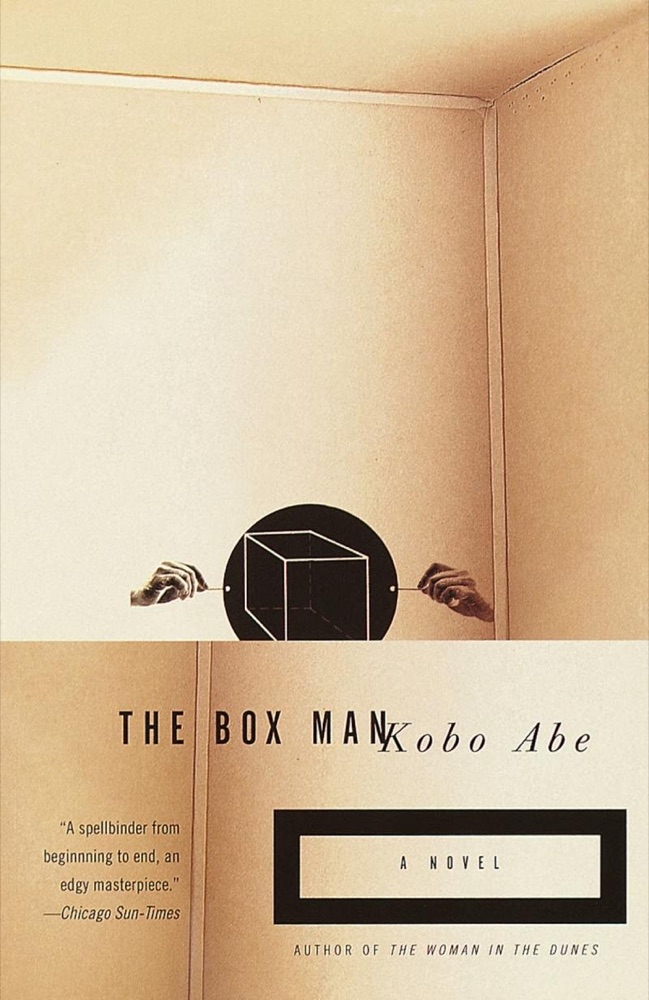 The Box Man
Book details
- Author
- Kōbō Abe
- Genre
- Fiction
- Goodreads rating
- 3.73 (6k ratings) →
Keep reading
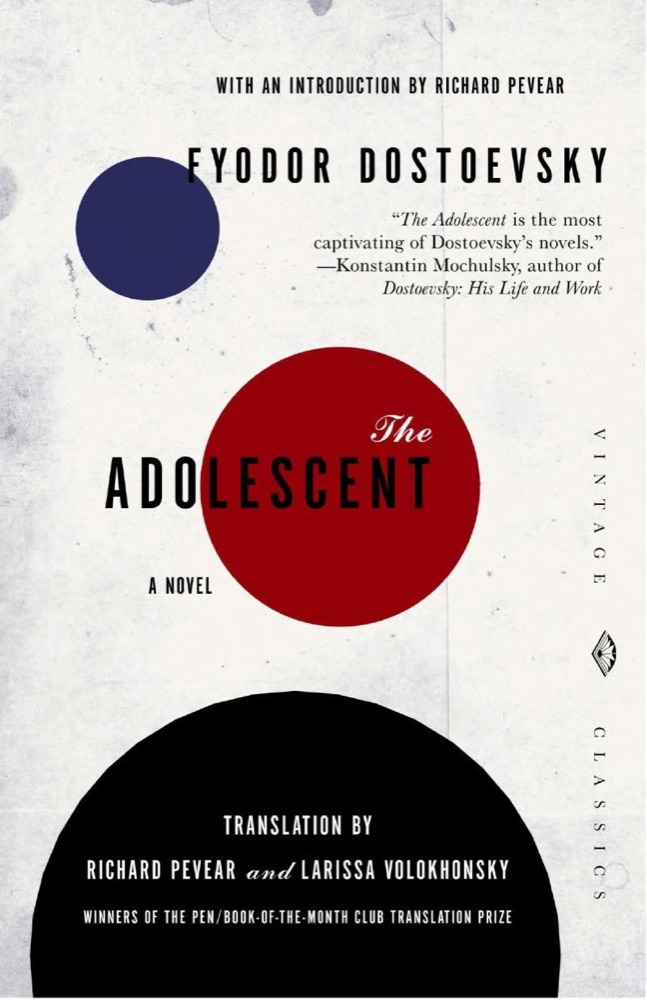 The Adolescent
 The Death of the Heart
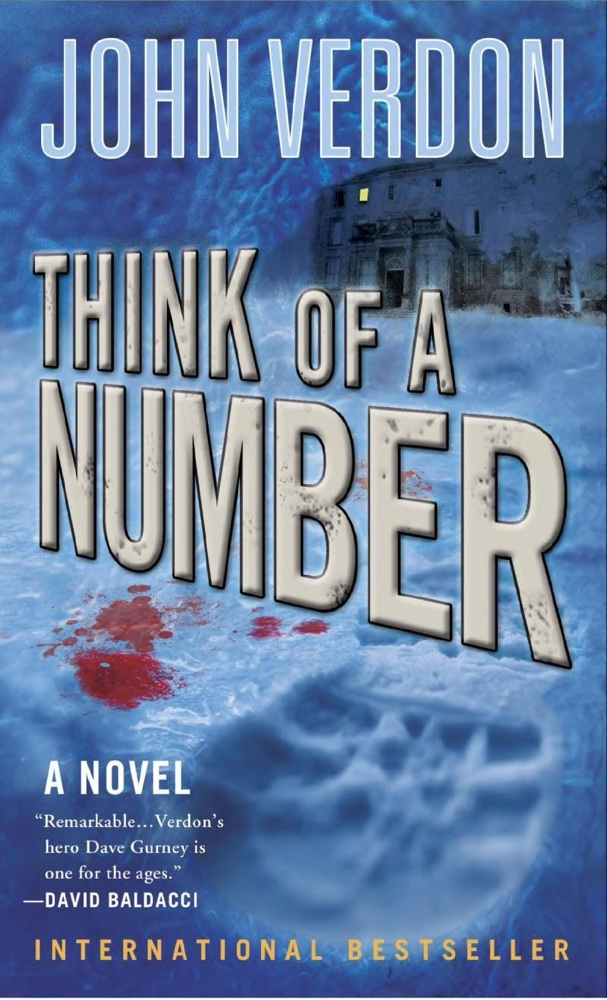 Think of a Number
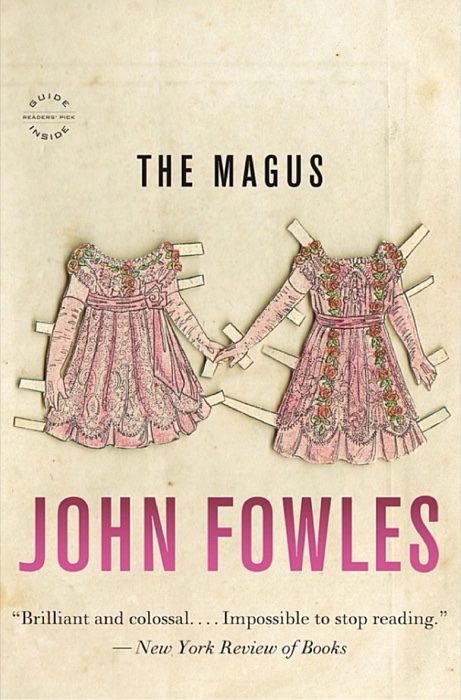 The Magus
The Box Man
The Magus
The Box Man
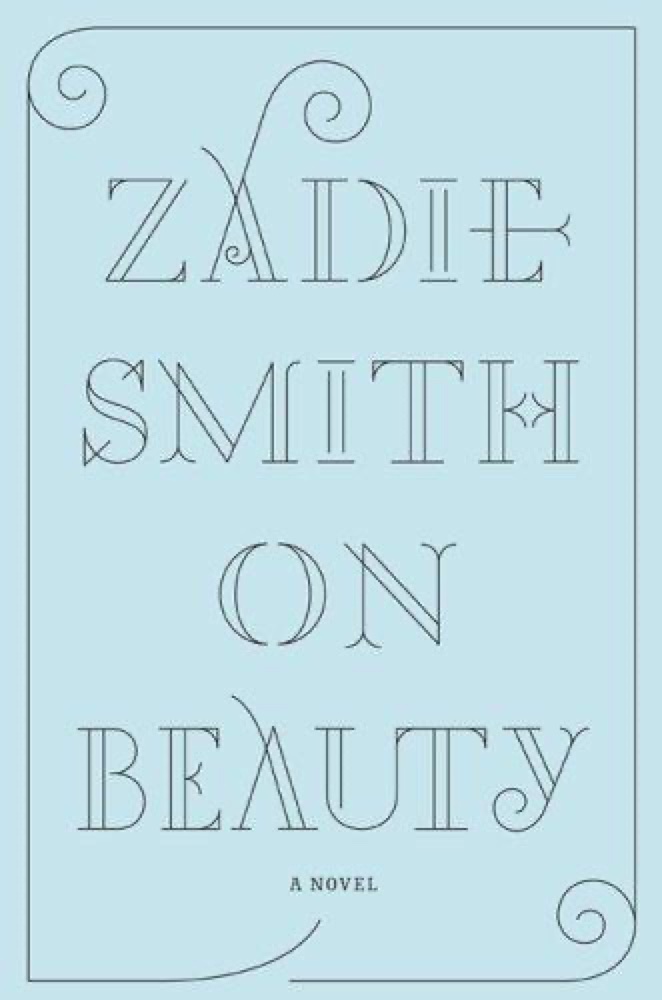 On Beauty
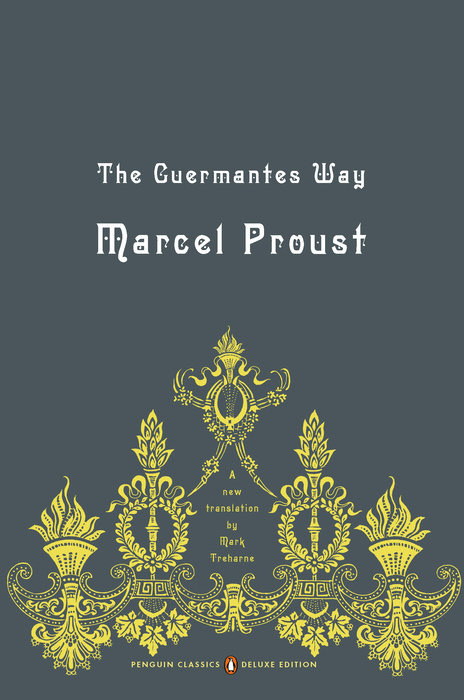 The Guermantes Way
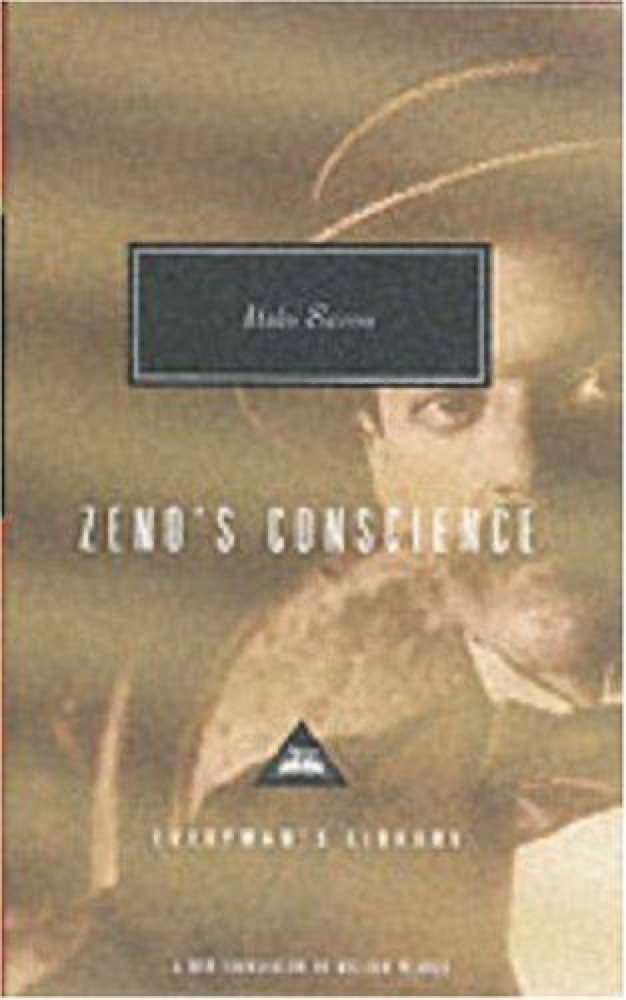 Zeno's Conscience
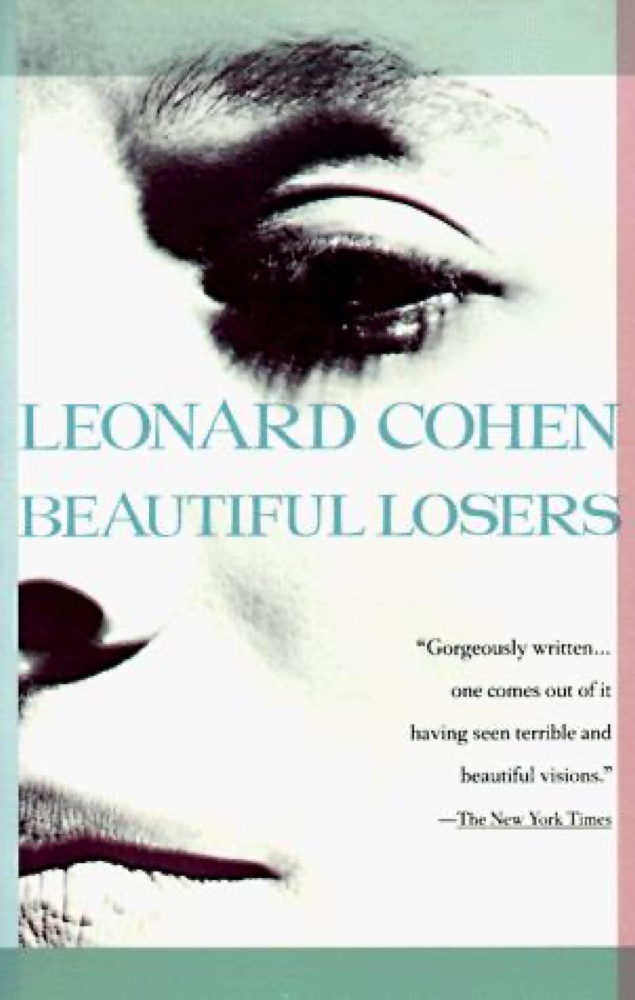 Beautiful Losers
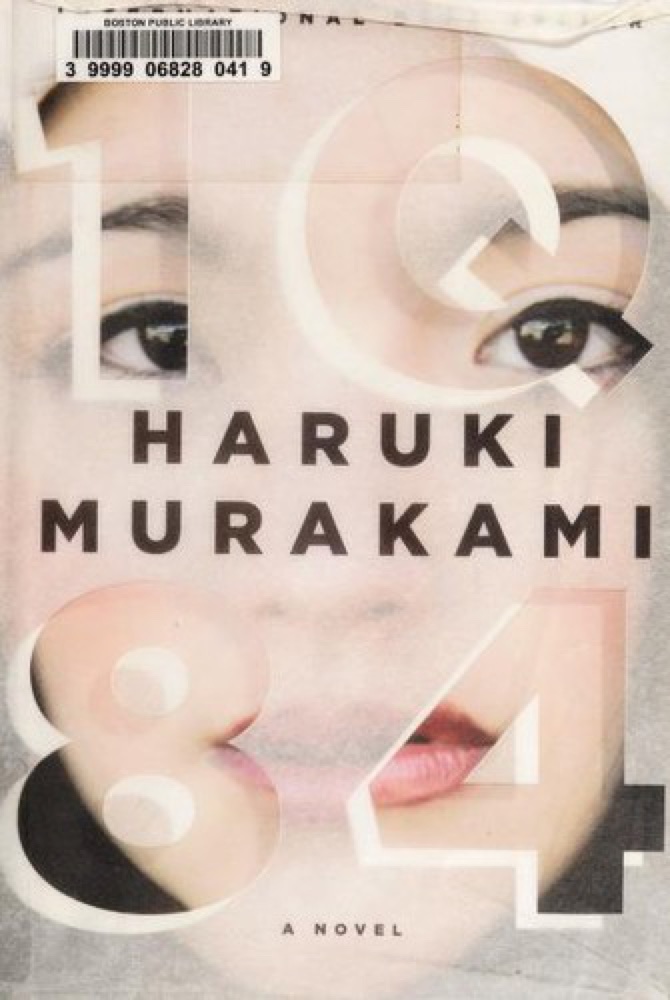 1Q84
1Q84
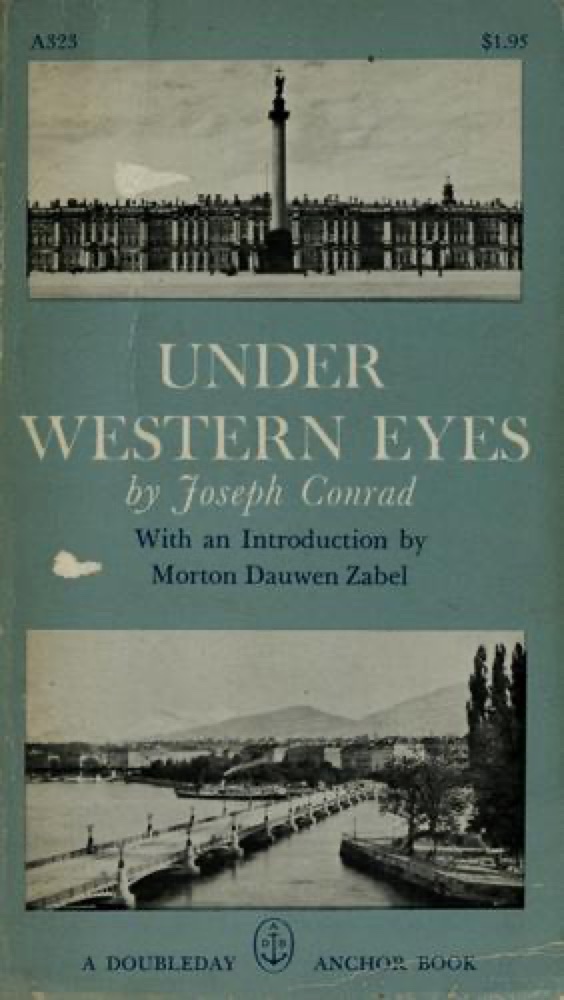 Under Western Eyes
 The Black Prism
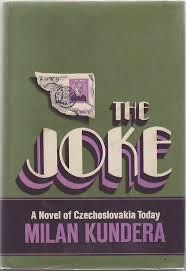 The Joke
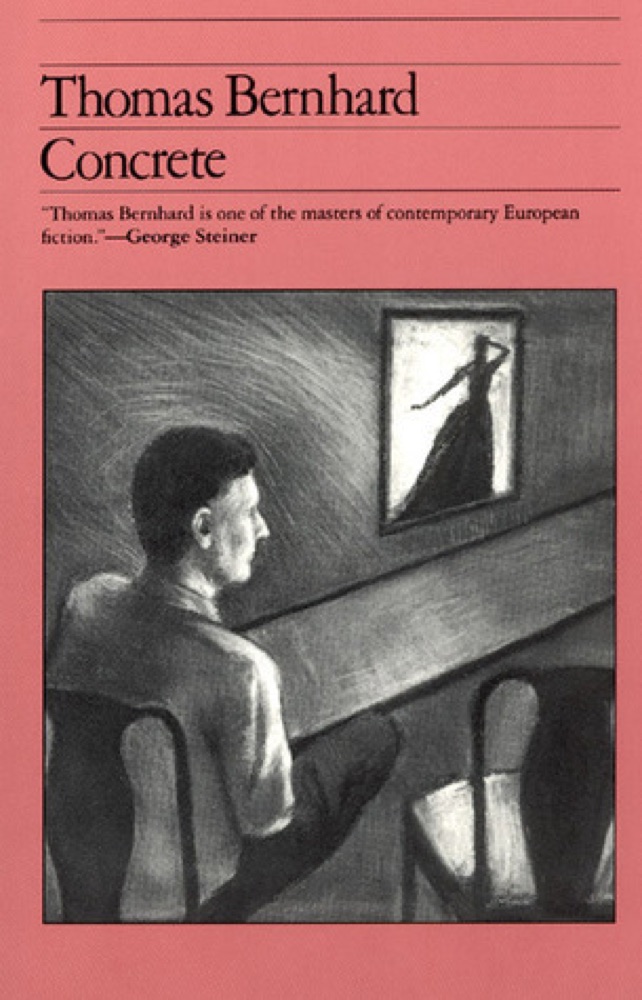 Concrete
 The Tsar of Love and Techno
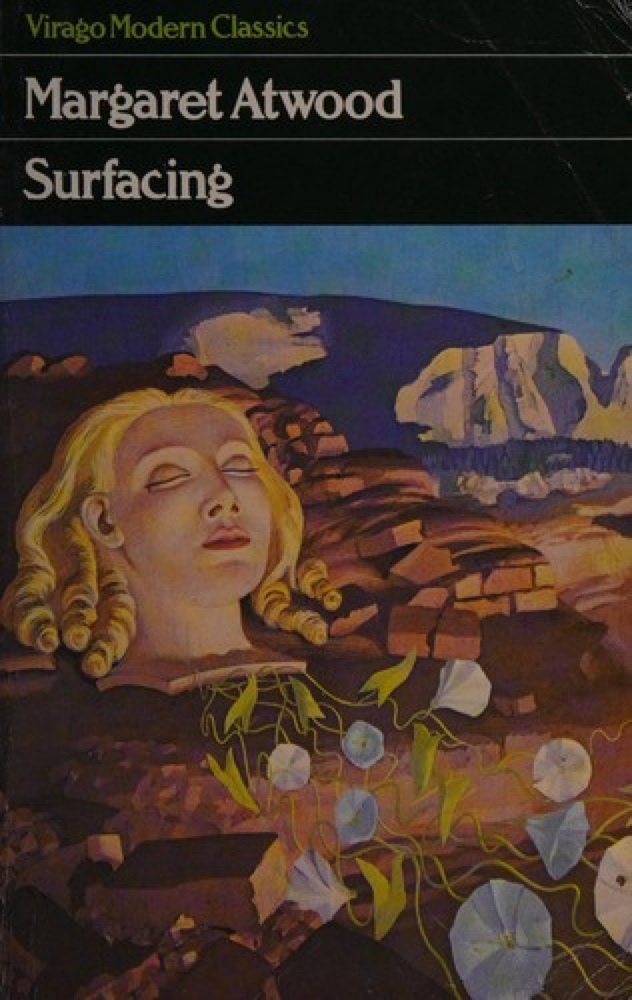 Surfacing
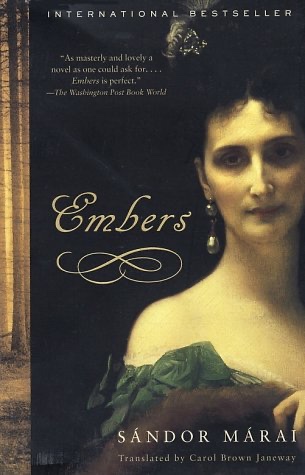 Embers
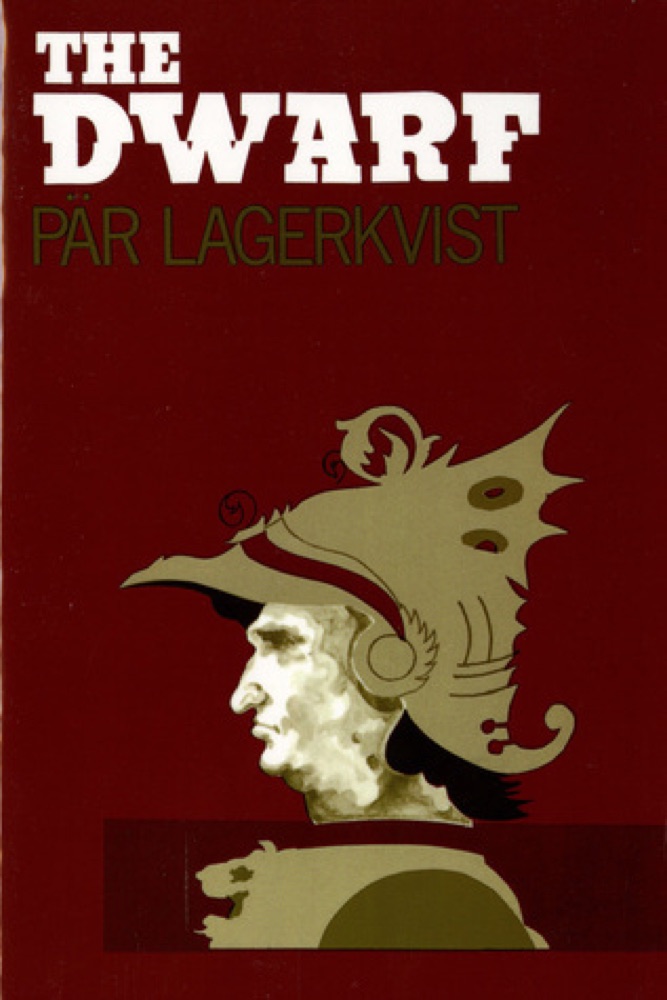 The Dwarf
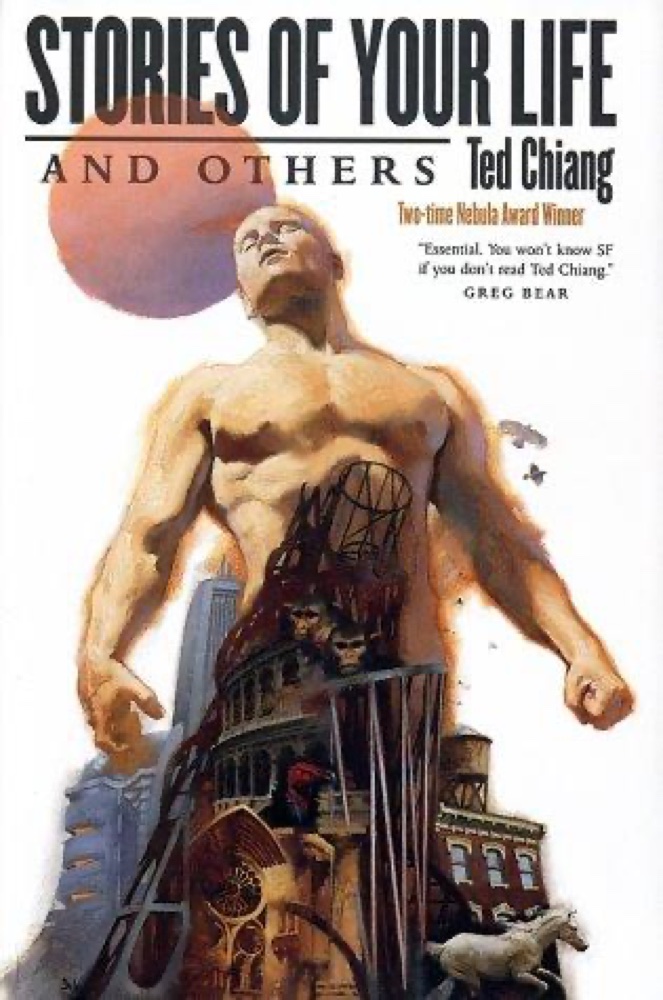 Stories of Your Life and Others
 The Black Obelisk
 V.
V.
 Invisible Man
 The Art of Being
 Sexing the Cherry
 The Luminaries
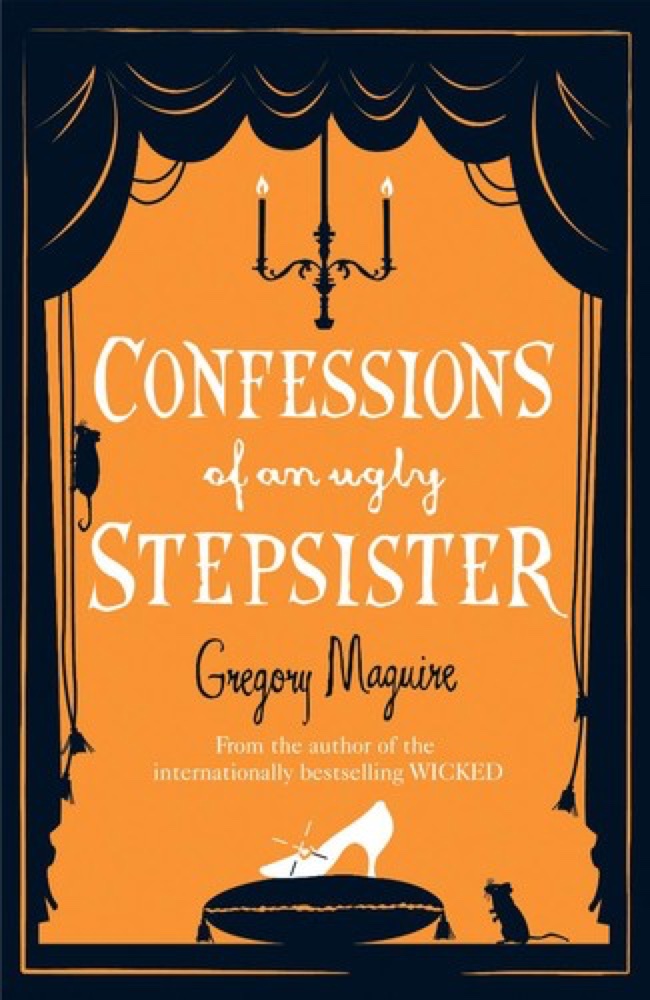 Confessions of an Ugly Stepsister
 The Mirror King
 Autobiography of a Face
 Making Faces
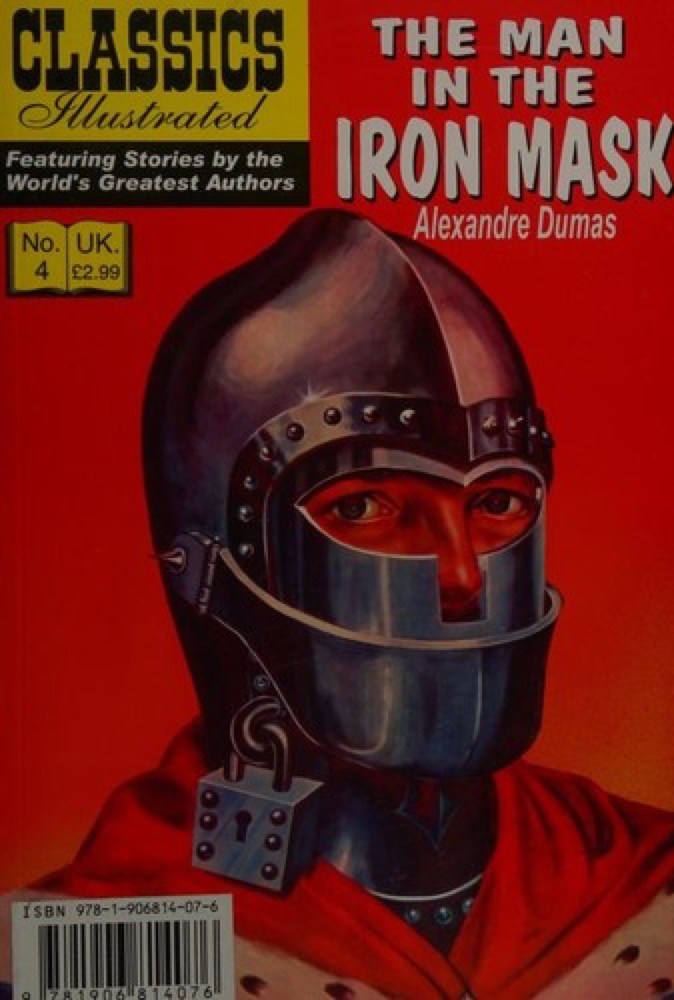 The Man in the Iron Mask
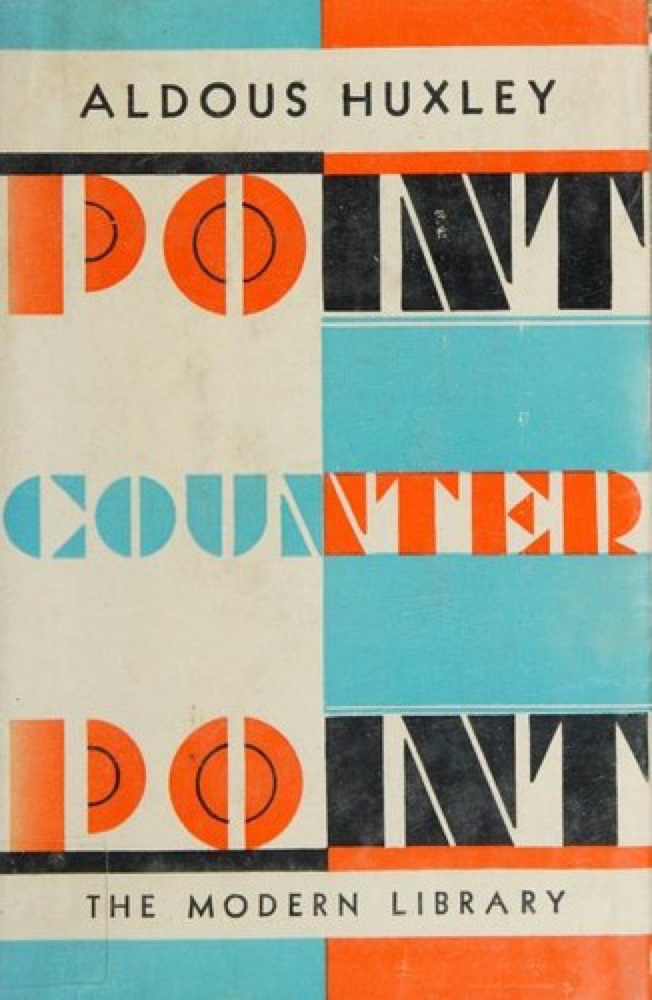 Point Counter Point
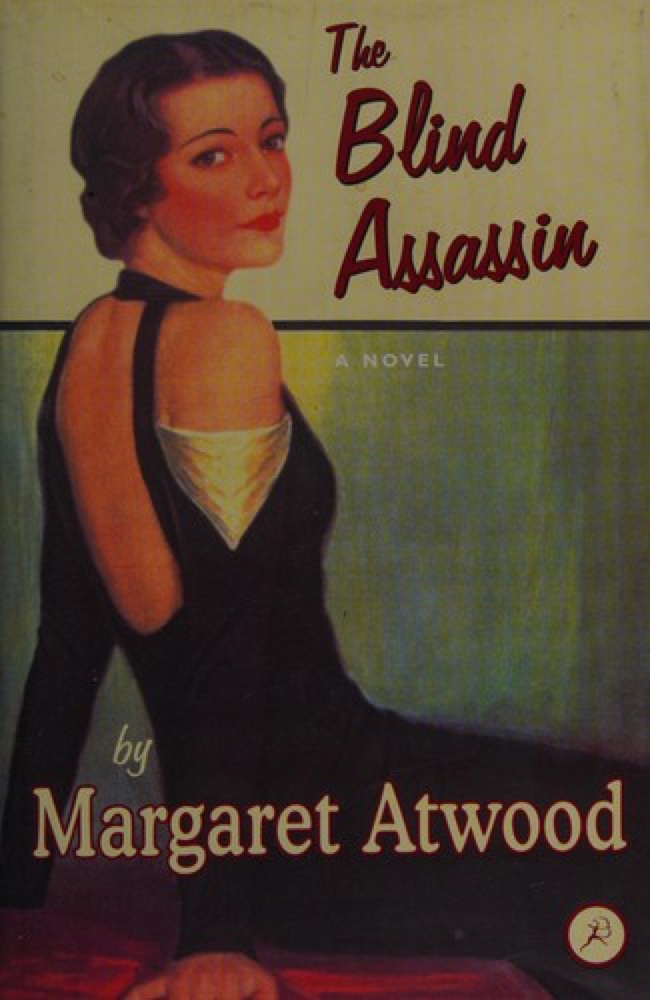 The Blind Assassin
 The Double
 The Man in the High Castle
 A Wrinkle in Time
 The Fall of Babel
 The Story of the Lost Child
 The Jewel in the Crown
 The Cocktail Party
 Underground: The Tokyo Gas Attack and the Japanese Psyche
 The French Lieutenant's Woman
 Ilustrado
 A Room with a View
 The Recognitions
 The Charioteer
 Night Train to Lisbon
 The Idiot
 Shadow & Claw
 Without Dogma
 Elective Affinities
 A Single Man
 That Hideous Strength
 Memories, Dreams, Reflections
 Brave New World / Brave New World Revisited
 Angle of Repose
 The Winter of Our Discontent
 Selected Stories
 Lilith
 East of Eden
 The Snowman