
 The Woman in the Green Dress
Quotes from the Book
I have found that it is not until you properly look at things with the care of a botanist, or an artist, that you really see their true nature.
3
She sniffed its dusty perfume, noting the flower’s colour: it was what she imagined bittersweet would look like, if indeed an emotion could have a colour.
2
Within it grew such a variety of plants as Elizabeth had ever seen: white roses, carnations, lobelias, mimosas, even sweet peas tumbling over each other in vigorous abandon. At one end was an herb garden, and Elizabeth recognized rue, fennel, caraway, sage, thyme and mint. Through a doorway at the rear of the courtyard she could see a grove of olive and lemon trees and on the short walk from the harbor to the house she had spotted tall, spiky thistle-like plants, palms and trees covered in white flowers. She was seized with an immediate desire to open her sketchbook and take out the magnifying glass from the pocket of her cloak, to capture the intricate detail of an almond blossom, its calyx and corolla, stamens and carpel, or perhaps to draw the curl of a vine tendril or a spiky aloe leaf
1
I love you as the plant that never blooms but carries in itself the light of hidden flowers. -Sonnet XVII, Pablo Neruda
1
You just have to keep walking through the fire. And then you'll bloom.
The truth had been hiding in plain sight: a margeurite was a type of daisy.
It is exactly as I have heard it described: large, white turning to orange trumpet flowers with deep rust-colored stamens, and a sweet scent.' Elizabeth had found herself able to breathe more easily. She was certain that he had not found the Devil's Trumpet. She knew this plant of which Chegwidden spoke--- her father had described it as the 'fiery trumpet', a glorious tree that featured bushels of pendulous trumpet-shaped flowers, hanging downwards, 'as if musical instruments left behind by a fairy orchestra' he had said.
On the day of the christening, Elizabeth, with Tomas by her side, carried her daughter, who was swathed in a lace robe, towards the priest who stood in the main hall. As she looked around the assembled guests, smiling, one in particular caught her eye and she stumbled, staggering with the baby in her arms. Damien Chegwidden. She couldn't help but to be reminded of the tale of the bad fairy at the christening of Sleeping Beauty, a story that had fascinated her as a child. She had often wondered what it must be like to sleep for a hundred years and then wake to find a world utterly changed. Was his presence to be a bad omen for her daughter?
The gardens were indeed spectacular: lush, green and blazing with summer color. Anna particularly loved the path to the stables, which was lined with ancient oak trees, their foliage creating a tunnel of green shade through which to walk. 'Rosa Mundi,' said Ed, pausing at a bush heavy with candy-striped bright pink-and-white blooms. 'One of the oldest roses, introduced to Britain before William the Conqueror.' Anna was once again reminded of how extraordinarily long some plants had been around for, blooming, dying and blooming again across the centuries, seeds scattered on the wind, seedlings divided and shared, sold and replanted in foreign soil.
It was then that a divine scent reached her nostrils. It was the most alluring fragrance she had ever smelled: sweet but not cloying, with a fresh undertone and a lingering spiciness. Like vanilla and jasmine and sweetbriar and sandalwood, but somehow more than all of those. She inhaled deeply, looking for the source of the intoxicating aroma. Two steps further on and then there it was, partly hidden behind an acacia bush. The most beautiful white flowers, petals striped with purple, bloomed along thick green stems. Drawing closer, she saw that the deep purple-black stamens were topped with orange pollen so vibrant it appeared to almost glow in the fading light.
She'd headed out early, walking the short distance to Kew Gardens and arriving as it opened, taking an hour to explore the grounds before her meeting. The huge expanses of green immediately soothed her as she wandered. She barely scratched the surface of what the great gardens had to offer, but gazed in awe at the spectacular Alpine House, the elegant Nash Conservatory, and sweltered in the giant Victorian glasshouse. She stopped to admire the succulent garden and the giant lilies in the Waterlily House, some of the pads of the Victoria amazonica more than a meter across, before wandering into the Rose Pergola, through a tunnel of blooms, rambling roses--- including the 'Danse Des Sylphes' and the pink-blossomed 'Mary Wallace', she read--- trained to climb in an arch over her head.
Elizabeth had lent her an aquamarine dress, originally made for Georgiana, with elbow-length sleeves and intricate embroidery of butterflies and bees. It set Daisy's red hair ablaze. 'Fire on water,' Elizabeth had declared with pleasure when her maid had first tried it on.
Elizabeth gazed at the dress. It was one of her favorites, cut from pale-pink silk damask, with a tight-fitting bodice that sat low on her shoulders, designed to show her creamy décolletage to its best advantage. Silk-covered buttons fastened at the back and a sumptuous bustled skirt was caught up in a bow to reveal ivory satin beneath. Ostrich feathers, dyed to match the damask, waved at each capped sleeve.
And there it was. Low to the ground, with rounded forest-green leaves that appeared thick and juicy. The plant bore pendulous white flowers that were closed up tight like a pelican's beak. Tell-tale black-purple stripes marked the outside of the creamy petals. Had those not been there, she could have been sure that it was the more common, and perfectly harmless, Angel's Trumpet.
After selecting a brush, she moistened the cakes of watercolor in her traveling palette with some of the water from her cup and, with careful strokes, began to record the almond flowers in painstaking detail. Her father had successfully cultivated them at Trebithick, but she had never seen them growing in the wild before. More often than not, Elizabeth would collect plant samples to study carefully indoors, and would sketch them out before taking up her brush, spending hours ensuring she captured each detail precisely. But recently she had begun to experiment with a more free-form style of painting. It wasn't strictly the style of illustration she had learned, nor did she think her father would approve, but she loved the immediacy of it. The trick was to get the lighting just right--- a strong source helped to create shade and give the work a three-dimensional effect. The afternoon light was perfect, and she also used a dry brush, rubbed over the paint cakes, to add detail and depth to the watercolors. Daisy wandered off to the shade of a wide-spreading tree a few yards away. 'It's a canela tree, I think," Elizabeth called out, pausing for a moment from her work. 'False cinnamon,' she explained. 'I can smell it,' replied Daisy, sniffing appreciatively. 'Like Cook's apple pie.
She proffered a plate upon which sat several small, half-moon-shaped golden pastries. 'Empanadas. They are often filled with meat, but I like these, more usually in the afternoon--- a little pick-me-up after siesta and before I go back to the shop,' she explained. Elizabeth gratefully accepted one, and bit into it. Sweet ripe peas flavored with cinnamon and cloves provided the filling to a slightly cheesy pastry.
Jane and Noah fell silent as she opened it to the first page, a vibrant watercolor of a forest-green shrub laden with dark purple fruits, with the fruits shown in detail in a separate drawing. 'Aristotelia chilensis--- maqui berries,' said Jane. 'Full of antioxidants and touted as a "superfood" now.' There was a note in pencil at the bottom of the page. 'Leaves used for brewing chicha,' Noah read. 'Whatever that is. "Sore throats, heals wounds, painkiller",' he continued. 'Extraordinary. I can't believe the condition it's in. It's scarcely aged at all.' He turned the page to find a painting of a tall, oak-like tree with dark brown bark, oval-shaped green leaves and dense white flowers. 'Quillaja saponaria--- soapbark,' he read. 'Native soap, for the lungs and good health.
It was indeed a thing of beauty, cast in bronze with a raised relief of thirty-eight different herbs on a horizontal ring. She removed a pale kid glove and ran her bare hand along its cool surface, recognizing mint for virtue, oregano for joy, lavender for devotion, hyssop to cleanse, lemon balm for wit, borage for courage, chamomile for comfort and bay for glory.
The crystal blue water sparkled invitingly, a million diamonds strewn on its surface, the horizon a blurred navy line in the shimmer of the noonday heat. The Cornish coastline was renowned for its treachery, with shipwrecks a common occurrence, but Elizabeth knew this tiny inlet well. Ladylove Cove, better known as Lady Luck Cove. She had spent much of her childhood scrambling over its rocks, pausing only to marvel at the tiny, tenacious plants that clung to its cliffside. The way down to the pebbled beach was steep, but stairs had been cut into the rocks--- by long-dead contraband merchants, so the legend had it--- and, happily, the going was dry.
She murmured their names under her breath as much to reassure herself as anything else... brilliant orange strelitzia--- birds of paradise--- purple aster, a deep magenta bougainvillea, hellebores, camellia, pelargonium and delicate viola in the shade there... the familiar words a salve to her sorrow.
Watch on YouTube
About Kayte Nunn
We have collected 20 quotes from 1 book by Kayte Nunn on BookQuoters.
More about the author →About the book
Winner of the 2020 Winston Graham Historical Fiction Prize
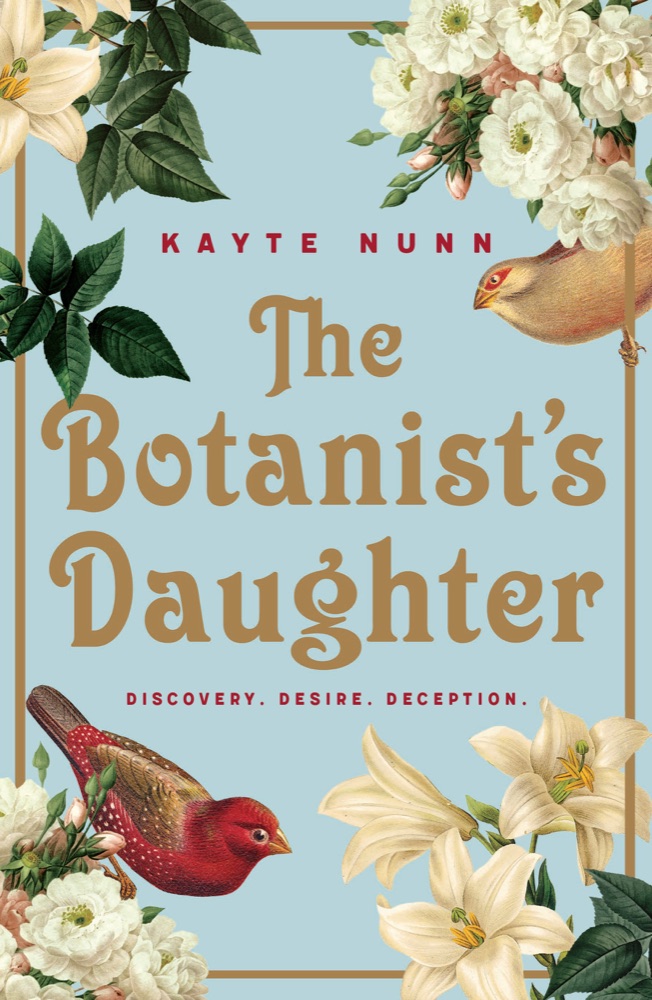
Discovery. Desire. Deception. A wondrously imagined tale of two female botanists, separated by more than a century, in a race to discover a life-saving flower . . .
In Victorian England, headstrong adventuress Elizabeth takes up her late father's quest for a rare, miraculous plant. She faces a perilous sea voyage, unforeseen dangers and treachery that threatens her entire family.
In present-day Australia, Anna finds a mysterious metal box containing a sketchbook of dazzling watercolours, a photograph inscribed 'Spring 1886' and a small bag of seeds. It sets her on a path far from her safe, carefully ordered life, and on a journey that will force her to face her own demons.
In this spellbinding botanical odyssey of discovery, desire and deception, Kayte Nunn has so exquisitely researched nineteenth-century Cornwall and
Book details
- First published
- 2018
- Author
- Kayte Nunn
- Genre
- Historical
- Goodreads rating
- 3.89 (10k ratings)
Keep reading
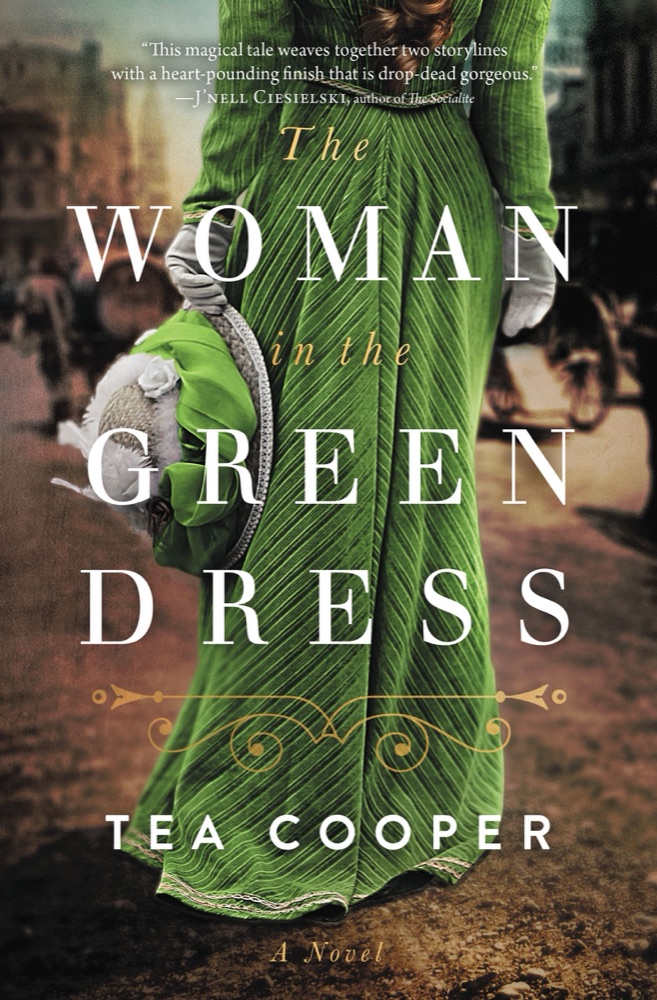
The Woman in the Green Dress
 Bitter Greens
 The Lost Flowers of Alice Hart
 In the Middle of Hickory Lane
 The Someday Garden
 The Cottingley Secret
 Suspicion
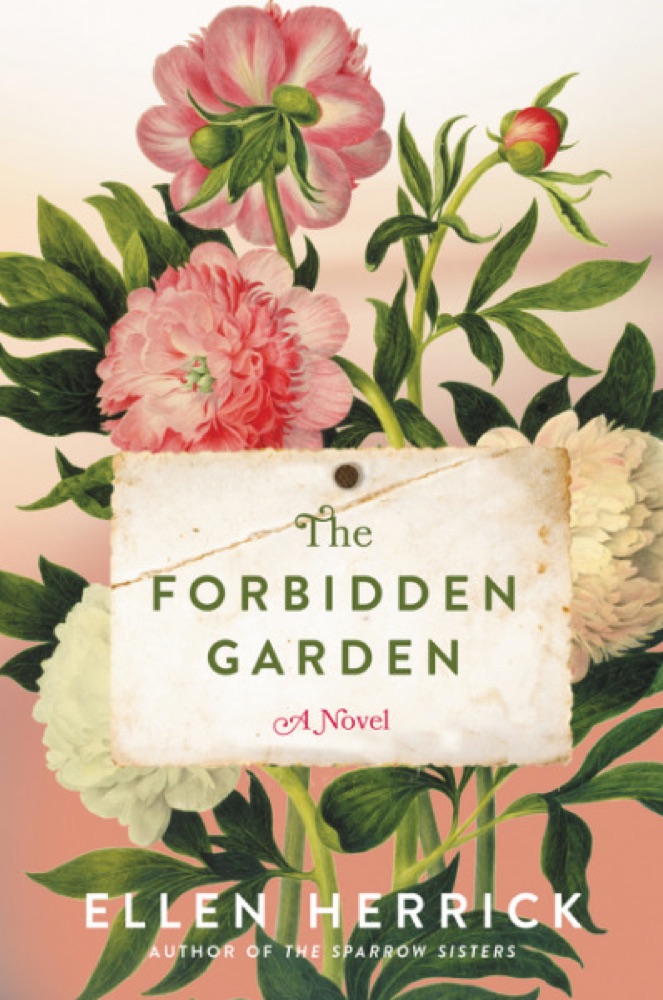 The Forbidden Garden
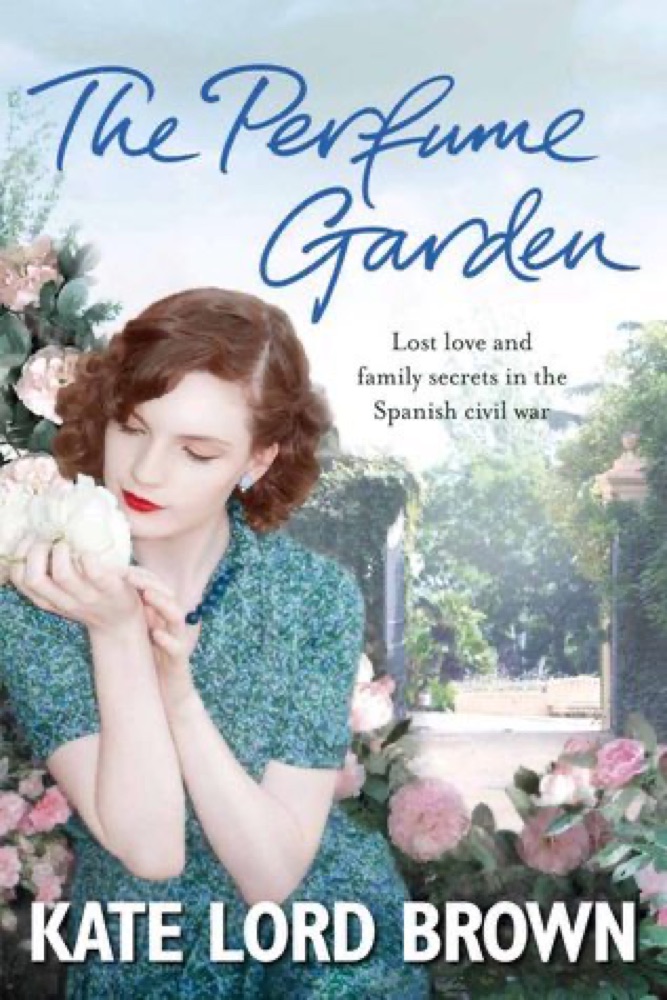 The Perfume Garden
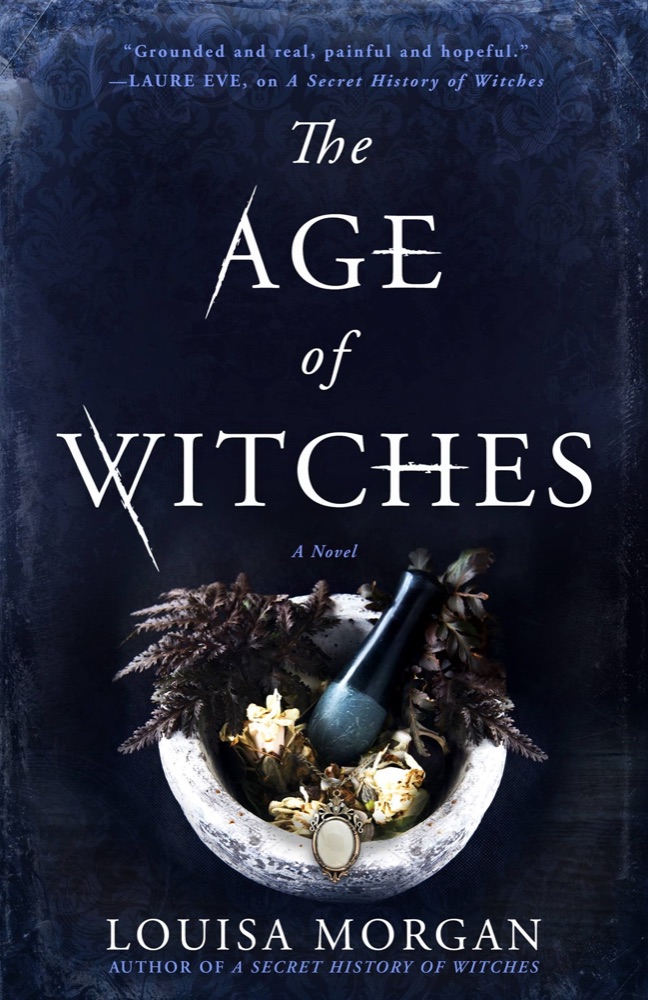 The Age of Witches
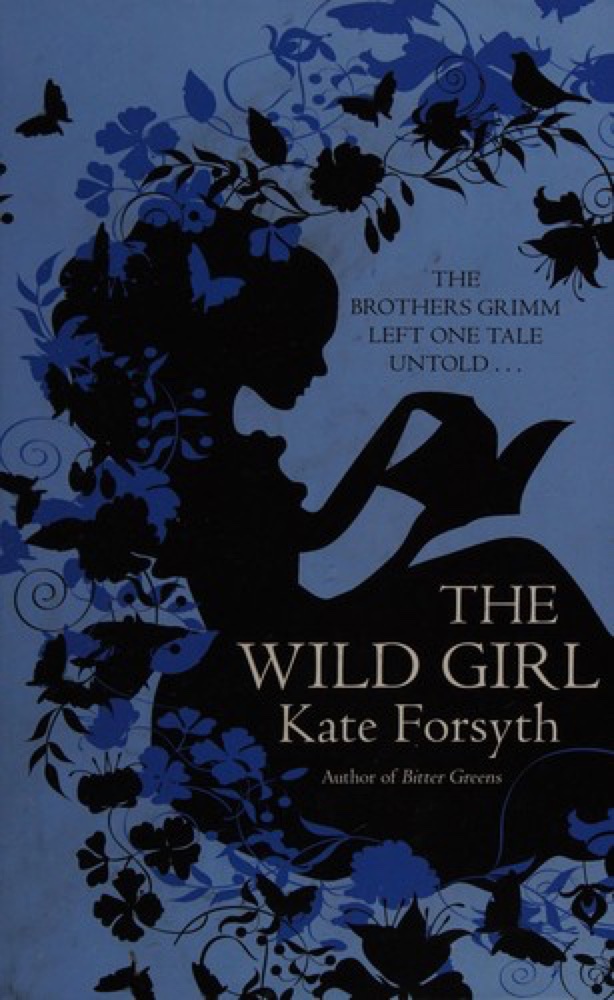 The Wild Girl
 The Witch of Blackbird Pond
 The Garden Party and Other Stories
 The Witch's Kind
 The Peacock Summer
 The Seamstress of New Orleans
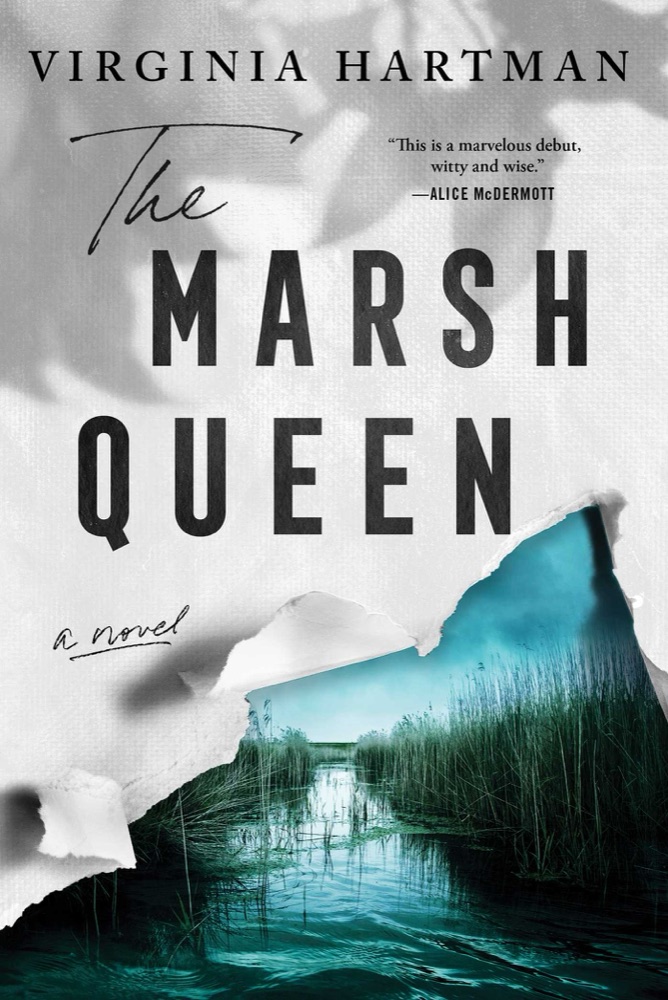 The Marsh Queen
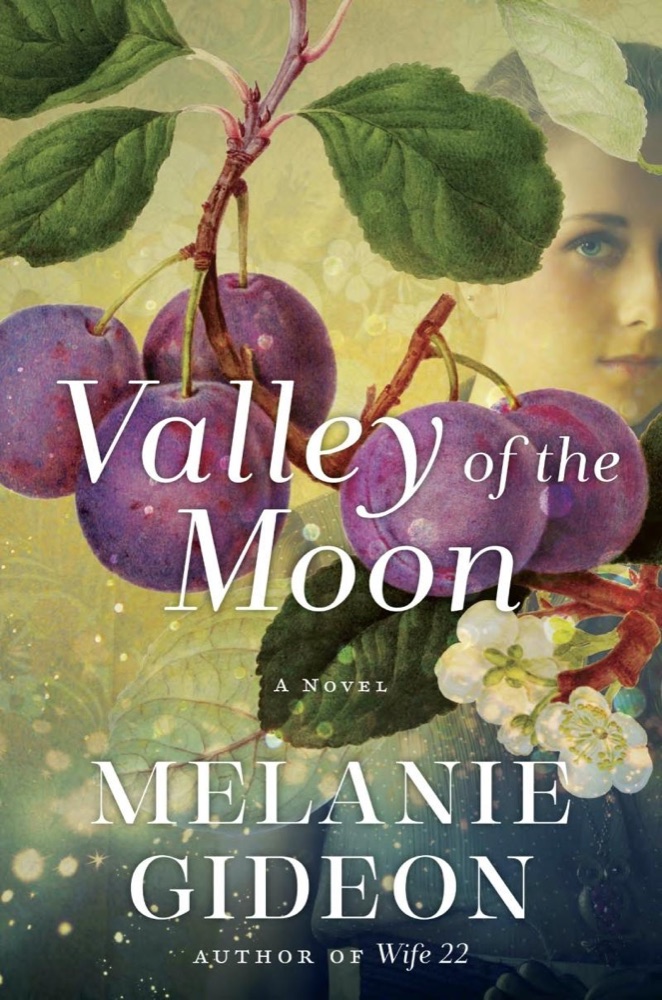 Valley of the Moon
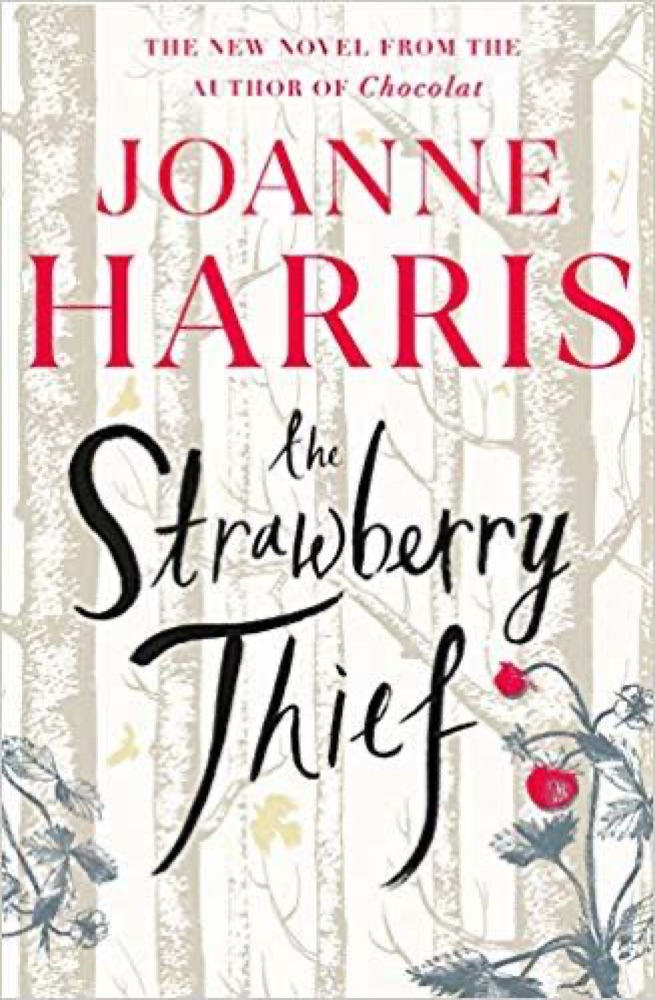 The Strawberry Thief
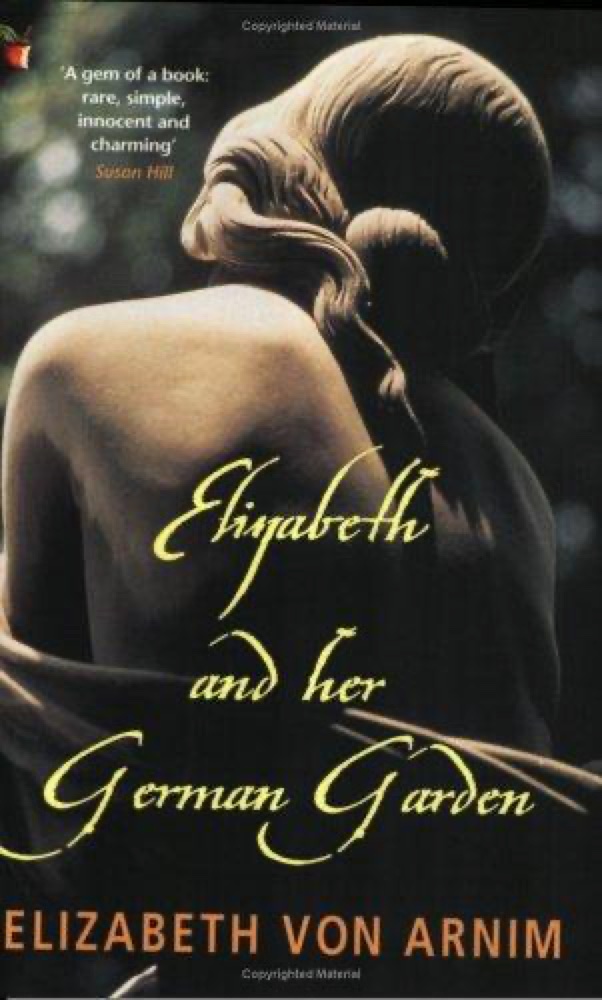 Elizabeth and Her German Garden
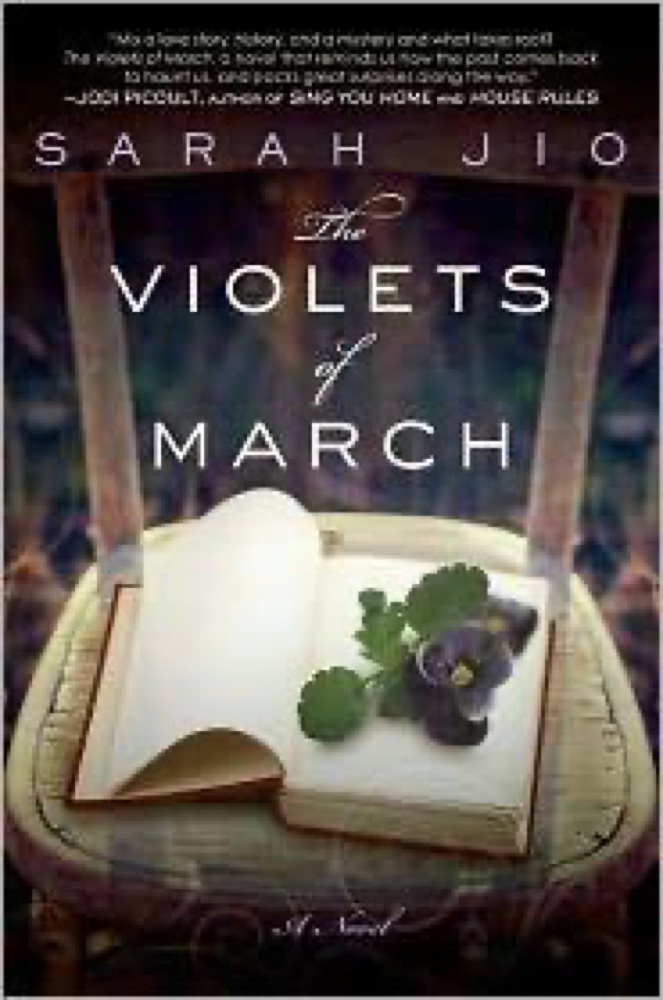 The Violets of March
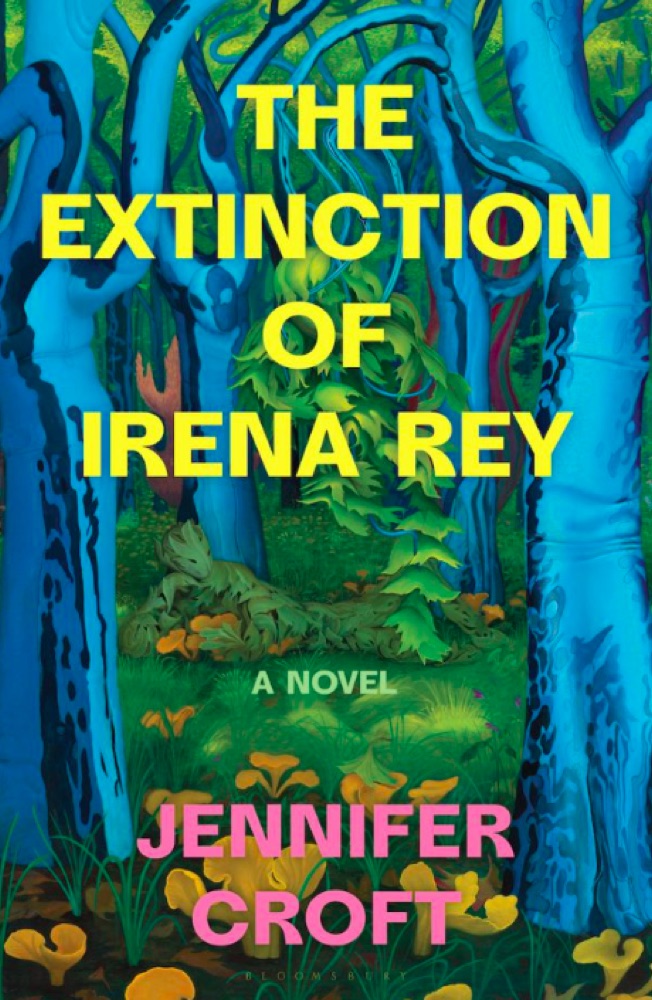 The Extinction of Irena Rey
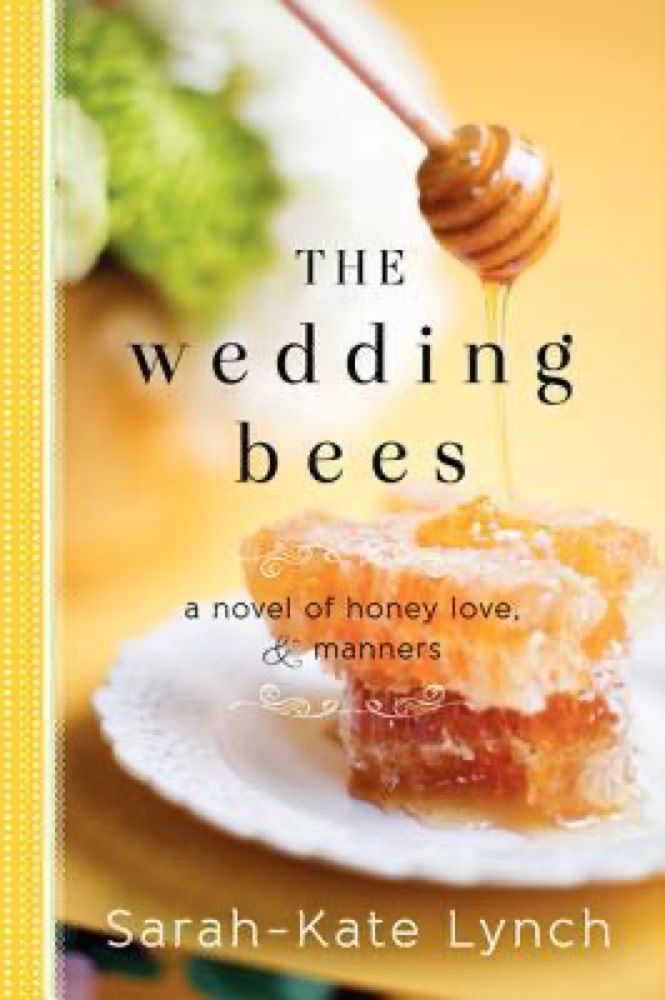 The Wedding Bees
 Dracula in Love
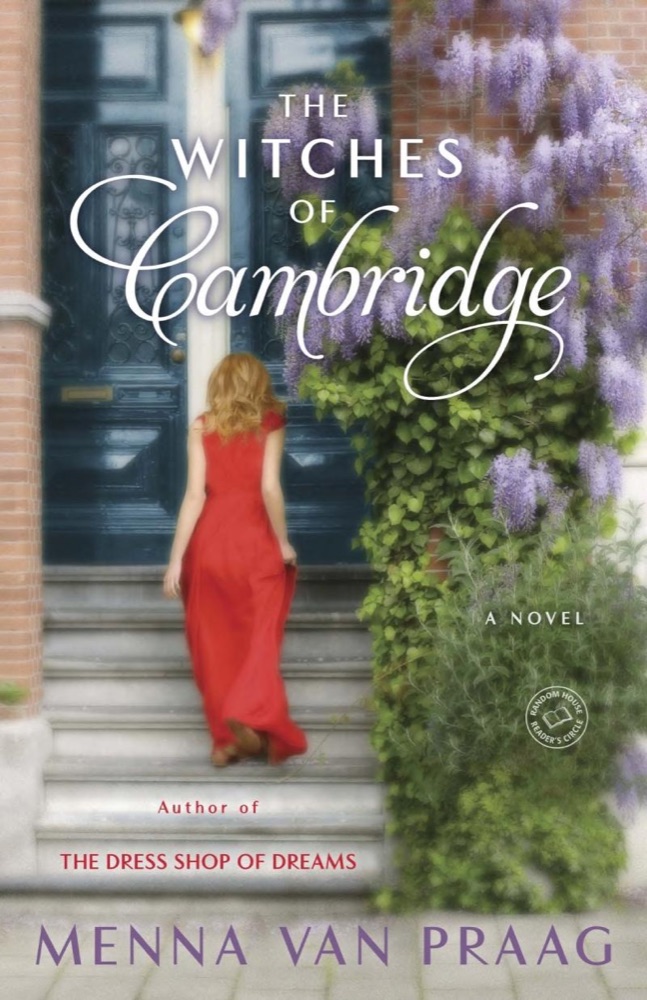 The Witches of Cambridge
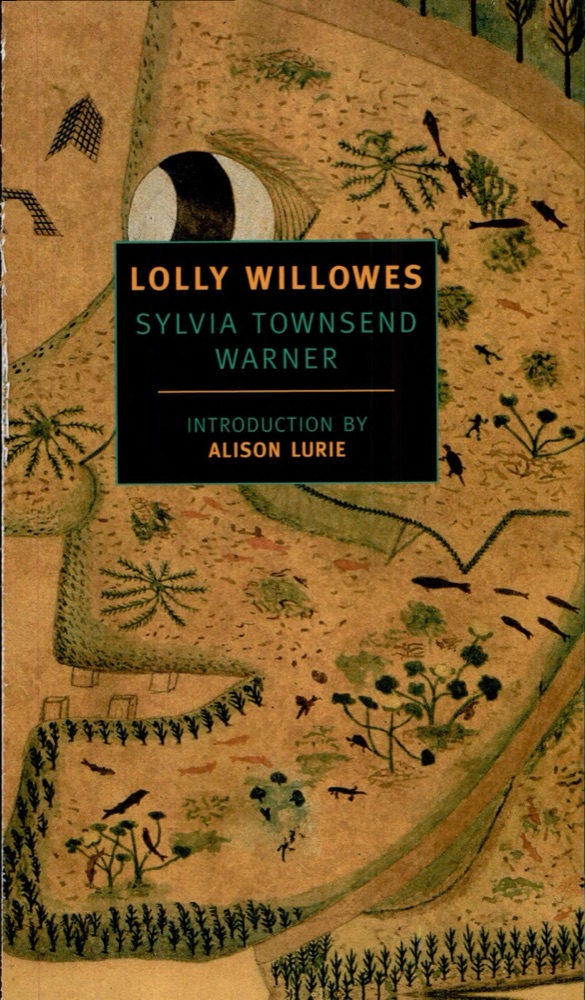 Lolly Willowes
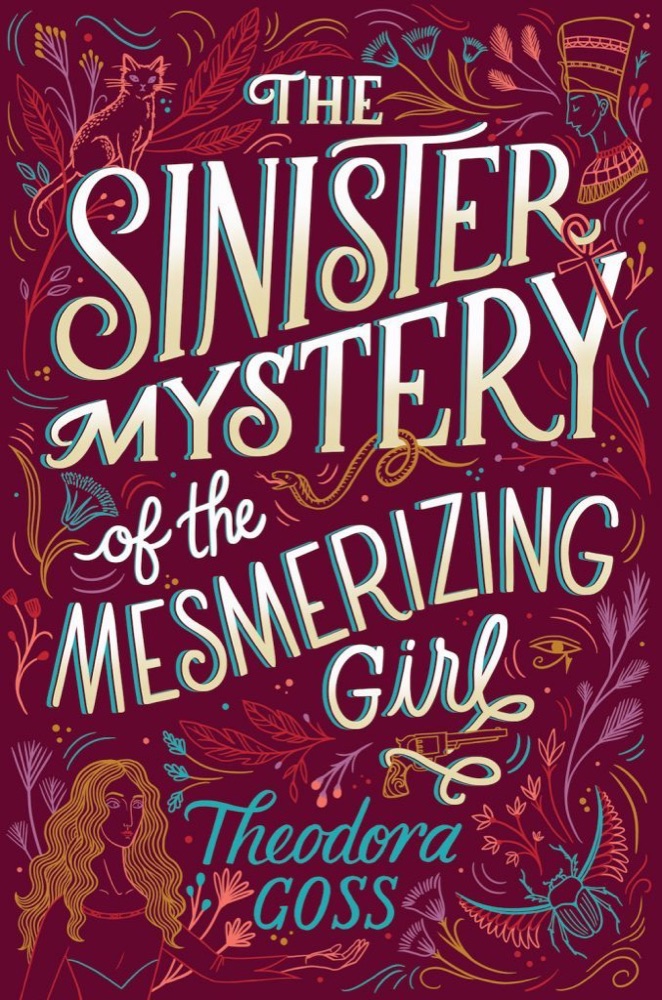 The Sinister Mystery of the Mesmerizing Girl
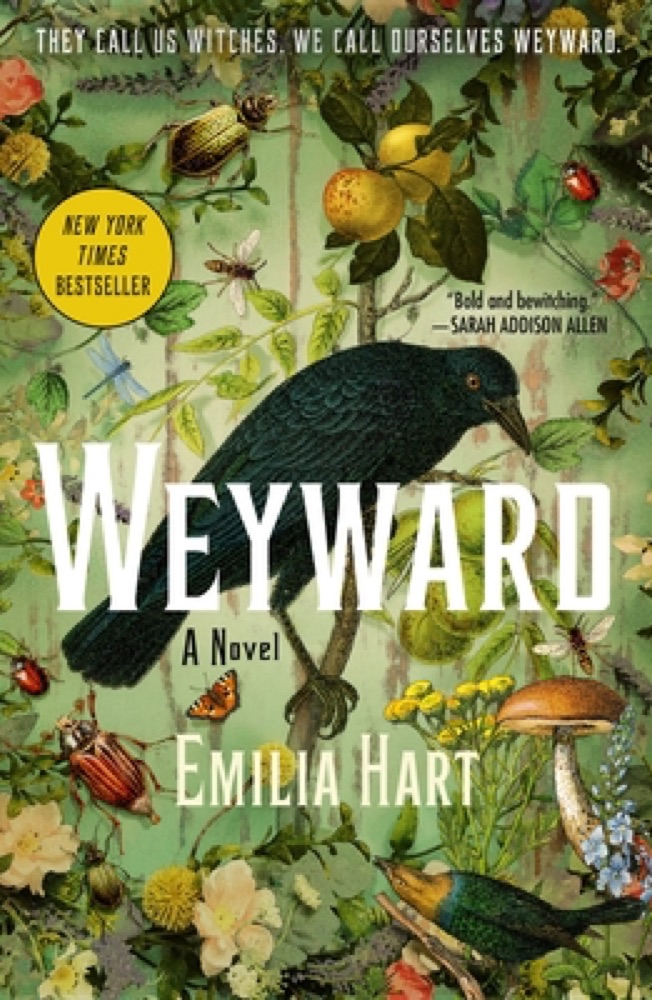 Weyward
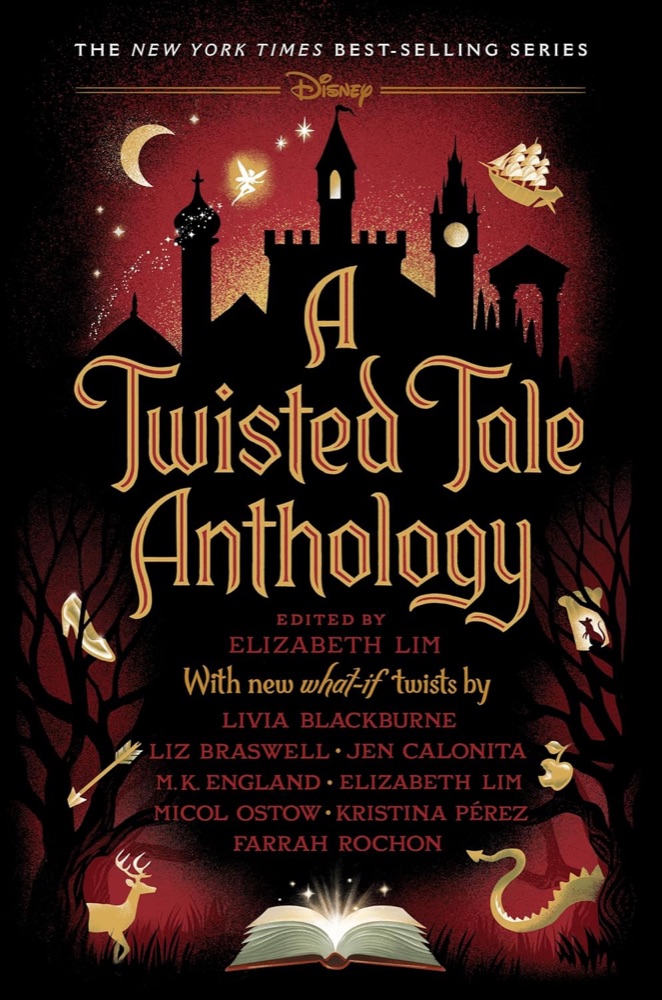 A Twisted Tale Anthology
 The Art of Inheriting Secrets
 Margaret the First
 The Daughters of Temperance Hobbs
 The Light Behind the Window
 What I Did for a Duke
 The Enchanted April
 The Secret History of the Pink Carnation
 The Poison Diaries
 An Appetite for Violets
 Strange Folk
 Maud Martha
 The Moonlight Market
 The Seven Skins of Esther Wilding
 Lamp Black, Wolf Grey
 What Once Was Mine
 Rose Daughter
 The Return of the Native
 The River King
 Palimpsest
 Green Dolphin Street
 In the Shadow Garden
 The Language of Flowers
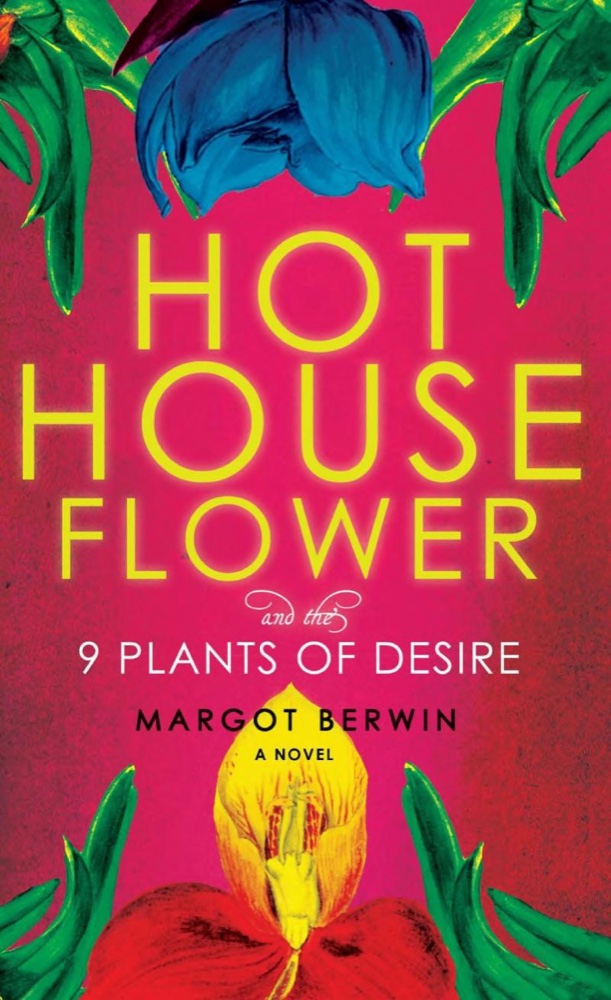 Hothouse Flower and the Nine Plants of Desire
 A Girl of the Limberlost
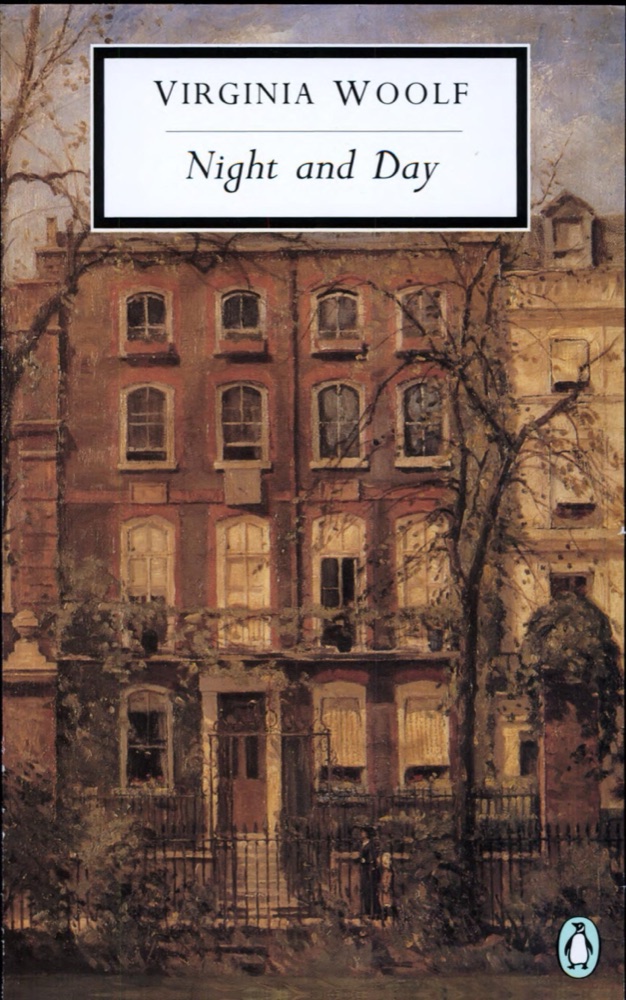 Night and Day
 Peaches
 The Blood of Flowers
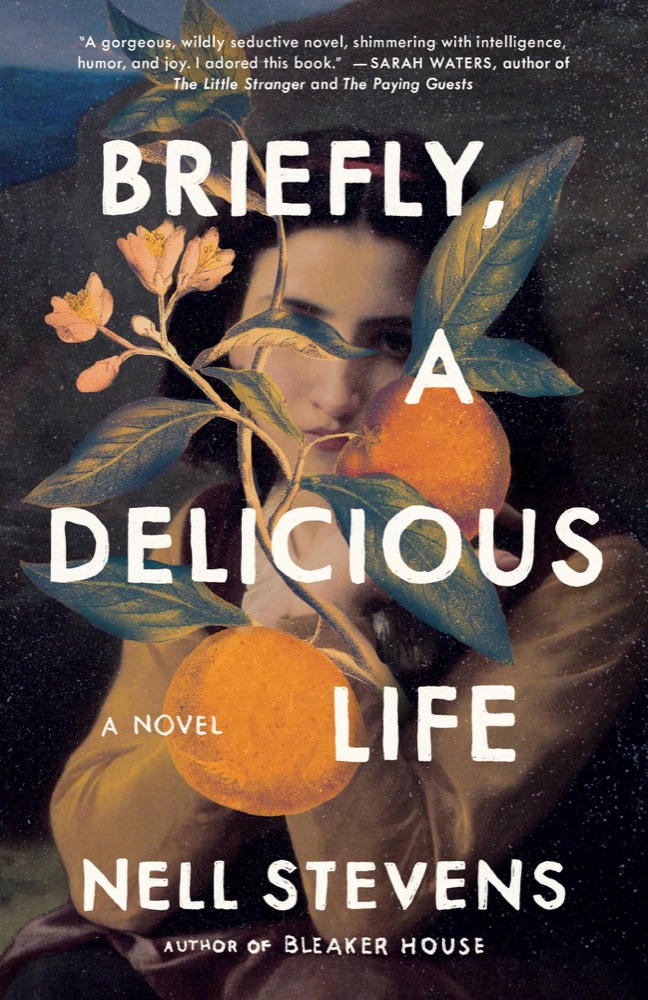 Briefly, A Delicious Life
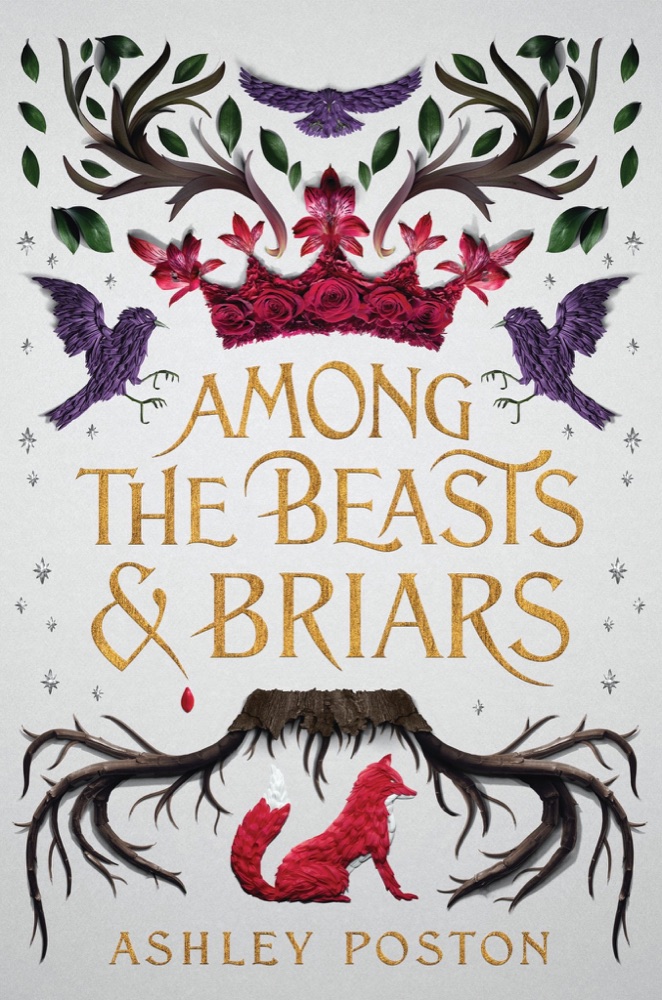 Among the Beasts & Briars
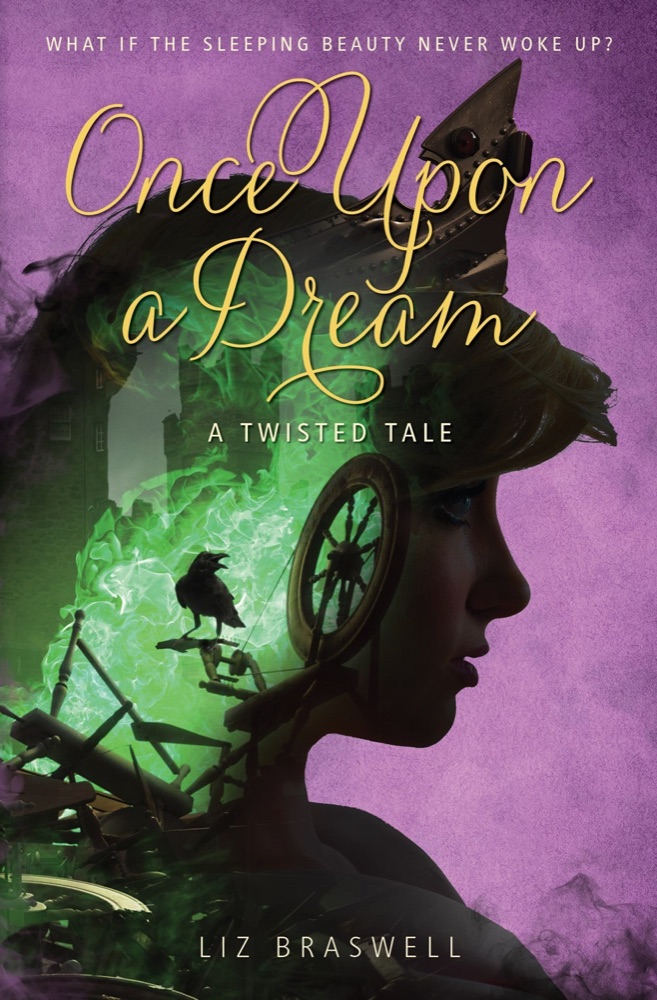 Once Upon a Dream