
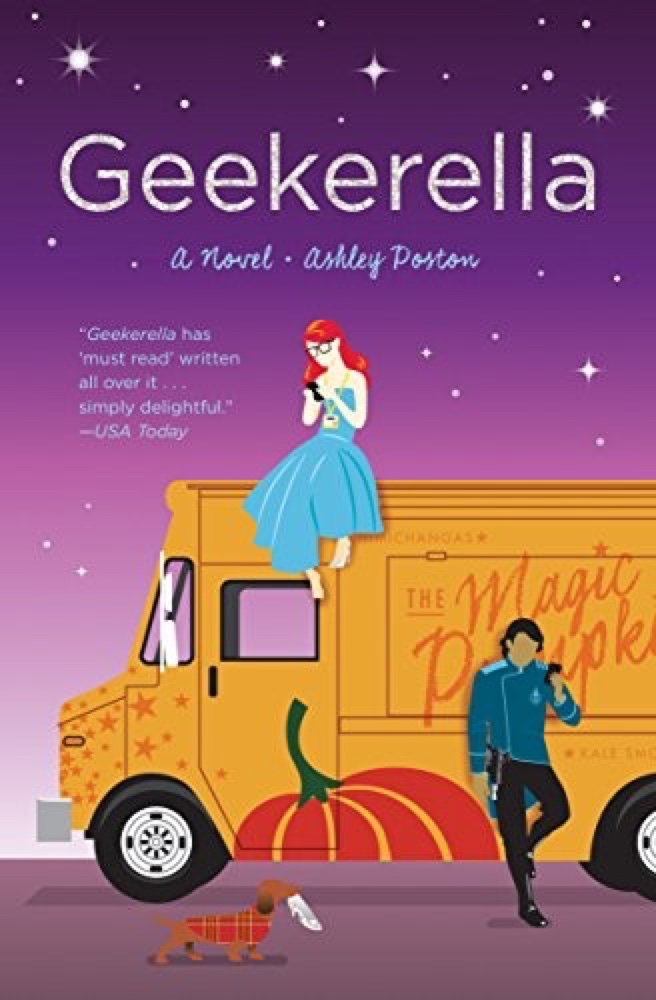
 Geekerella
Quotes from the Book
Gardens change. They’re supposed to. There are seasons to it all. New eras, new flowers, new storms that threaten to uproot it all. That’s why I love them so much, because if a garden can change and still be beautiful, why can’t we?
1
For the next three hours we got ourselves lost in the beautiful manor and its wildflowers and mazelike hedges and native trees. The gardens were so serpentine that the world disappeared the moment you turned a corner. I couldn't tell you how the garden was laid out because it felt like between one step and another, you were always somewhere different. It constantly shifted from meadowy woodlands to pristine boxwoods to lattice walls of wild roses beside a bubbling brook that seemed to dip in and out of almost every scene like a well-known visitor.
1
What a glorious, golden thing to be alive.
Most mornings I get up to listen to the birds, and each summer I taste the honeysuckle, and I kiss Rus in the golden hours of dusk every chance I get. I kiss him in the mornings, too, and in the early afternoons, and in the gazebo of that someday garden, when we finally built it. I never heard Harriet’s voice again, and while the gardens spun strange stories for other people, Lilymoor’s magic politely passed us by. Then again, we didn’t need it anymore as we fell in love over and over and over again, season after season, in that someday garden on the cliffs by the sea.
I found you," I echoed. And suddenly he was pushing himself to sit up, sloughing off the vines that had crept around his limbs, golden-yellow petals falling away, and he brought me close, and kissed me like a man who had been wasting his life waiting for this moment. He tasted like honeysuckles, and I imagined that was how sunshine tasted, sweet and warm and comforting.
The garden, over the last month, had transformed into a beautiful oasis of flowers and clovers and soft willow boughs. It was perhaps beautiful at any part of the day, but Henry had been right to design it for sunset. The orange light of magic hour really made the magic. Equal parts shade and sunlight shifted across the flowers, native plants mingling in colorful bouquets. Large stalks of milkweed waved between rays of sunflowers, chicories grew in bursts of violet between Saint-John’s-wort, while hedge maids crawled across the ground between sprigs of wild mint and fireweed. There were summer lilacs basking in the sun beside black-eyed Susans, buttercups and yarrow and Queen Anne’s lace mingling like a colorful soiree, while goldenrod sprouted in the sunniest spots beside the forget-me-nots and bluebells. It was a kaleidoscope of colors and flowers, while tireless honeybees with little yellow trousers of pollen skirted from one bud to the next. Henry had a dream, and now, standing in Rus’s finished version, it was a good one. Eula would love it. “Rus?” I called, looking at the vibrant flowers and shrubs, the shade of the willow and the soft green of clovers. The far wall had finally bloomed with deep yellow honeysuckles, looking like molten gold spilling onto the grass.
Vines shifted around us, blooming in yellows and pinks, asters in white, daffodils and cosmos and black-eyed Susans. The garden beds overgrew, the vines twisted against root and wall, wisteria slithering down the ropes of the swing, blooming in purple.
And I would argue that to bloom a Mingus dahlia— because they're assholes that need perfect pH levels and sunlight and a prayer— is to Mingus a dahlia.
Camilla.” He held my hand against his cheek and bent his face into it, kissing the tender part of my wrist. “Buttercups. Orange blossoms.” Flowers for yearning, for charm, for something old and eternal— something that lasted. “Mistletoe,” I whispered, but what I meant was kiss me again.
His arms were strong, and his body was warm, smelling of lavender and honey and loose soil. As if he was made just for me, and how terrible that he was. “I’m glad it was you who walked through that door,” he whispered. “I’m glad it was you.
We couldn’t be more different
Now I miss something that doesn't really exist anymore." I watched the young girl pick up a flower on the pathway and stick it in her sister's hair. "There's a word for that— hiraeth.
He said he wanted to make a special garden for Eula— a golden-hour garden. That’s why it’s always sunset in here.” “And why I can only come here in the evenings,” I filled in, realizing. The term golden hour itched something in my brain— something Harrie once said, in all her romanticized stories. Golden hour was another name for magic hour, a time in folklore when the inexplicable was stronger. The precipice of day and evening. Like the old folktales of halfway places— shores where land and sea met and cliff sides where land and sky combined. Lilymoor had all of them— shore and cliffs, sea and land and sky.
As I sat under the boughs of the willows, the psithurism of the leaves in the wind was soothing and gentle, dampening my disappointment.
Tarradhin," I mumbled. "Hmm?" "It's Arabic, I think." I ran my thumb against the condensation of the Solo cup. "It means something like coming to a happy compromise. One where no one loses.
I brought the tiny purple flowers to my nose to smell. Their scent was soft and sweet, like jasmine and almonds combined. Lilacs were the language of old love. Syringa vulgaris, funnily enough.
Harrie collected untranslatable words, and I learned the language of flowers. Roses for devotion, pink carnations and rosemary for remembrance, bluebells for kindness, zinnias for absent friends, red chrysanthemums for love, poppies for consolation, aloe for grief, arborvitae tufts for a steadfast friendship… butterfly weed to let one go.
Hindsight was always sharp and bitter when you finally used it.
The best stories are the ones that fill you with wonder. The ones you almost believe.
Maybe, I thought, the garden keeps you because you’re golden hour made real.
Did you know?
- The novel is set at the fictional Lilymoor House, a coastal Maine estate.
- It centers on a mysterious door that never stays in the same place twice, leading to a secret, unfinished garden.
- Poston is also the New York Times bestselling author of The Dead Romantics, The Seven Year Slip, A Novel Love Story, and Sounds Like Love.
- The book was published by Berkley on June 16, 2026, and debuted as a New York Times bestseller.
About Ashley Poston
Ashley Poston is a New York Times bestselling author of romantic and paranormal fiction, including The Dead Romantics, The Seven Year Slip, A Novel Love Story, and Sounds Like Love. A native of South Carolina, she writes full-time and lives with her cats.
More about the author →More by Ashley Poston
All books by Ashley Poston →
About the book
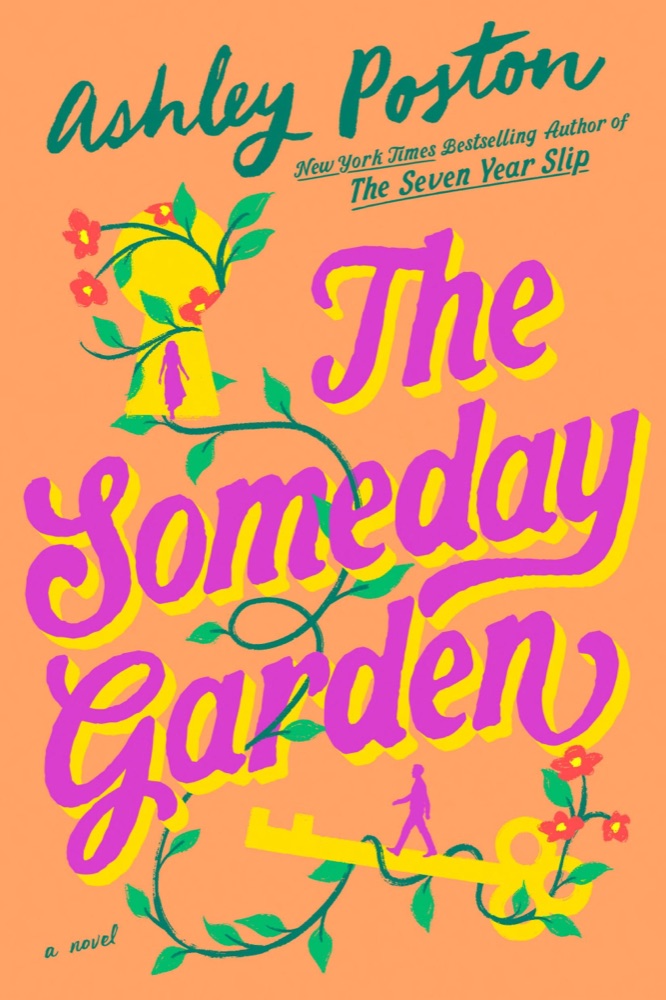
The Someday Garden is a magical-realism romance by Ashley Poston in which Sophie Drear takes a temporary summer job as the new head gardener at Lilymoor House, a storied coastal Maine estate. While reviving the overgrown grounds, fragrant flowers, and towering hedge maze, she discovers a mysterious door that never stays in the same place twice, leading to a secret, unfinished garden with a man trapped inside.
At its heart the novel is about loss, grief, healing, and love blossoming again, blending a secret-garden fairy tale with a slow-burn romance and a touch of the fantastical. Poston uses the enchanted estate and its quirky residents as a backdrop for Sophie's emotional awakening as she comes to feel she may hold the key to Lilymoor's revival.
Published in June 2026 by Berkley, the book arrived as a New York Times bestseller from the author of The Dead Romantics, The Seven Year Slip, A Novel Love Story, and Sounds Like Love. Reviewers described it as an uplifting, wistful tale of love and hope after grief, praising Poston's warm, emotionally intelligent prose and her signature blend of romance and gentle magic.
Key characters
- Sophie DrearNew head gardener at Lilymoor House who discovers the secret garden
- CyrusGreat-nephew of the estate's owner, a stormy lawyer entangled in the garden's magic
- EulaThe enigmatic woman who owns Lilymoor House
Book details
- First published
- 2026
- Length
- 400 pages
- Reading time
- 6 hours
- Author
- Ashley Poston
- Genre
- Romance
- Goodreads rating
- 4.07 (4k ratings)
Critical reception
- Debuted as a New York Times bestseller upon its June 2026 release.
- Reviewers praised it as an uplifting, wistful tale of love and hope blossoming after loss and grief.
- Critics highlighted Poston's warm, emotionally intelligent prose and her blend of secret-garden fairy tale, slow-burn romance, and gentle magic.
Keep reading
 In the Middle of Hickory Lane
 The Violets of March
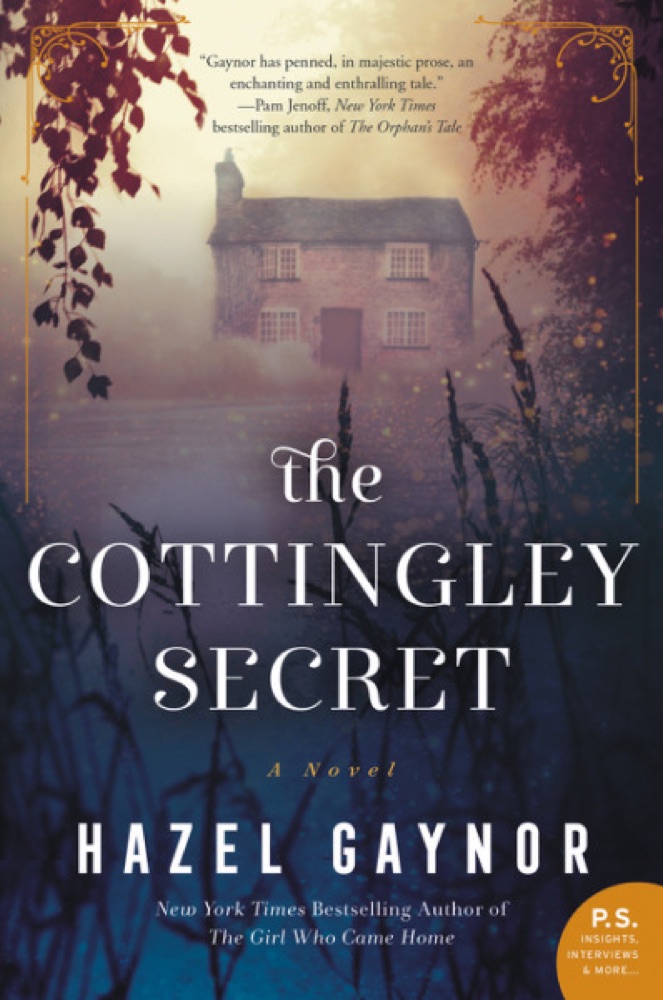 The Cottingley Secret
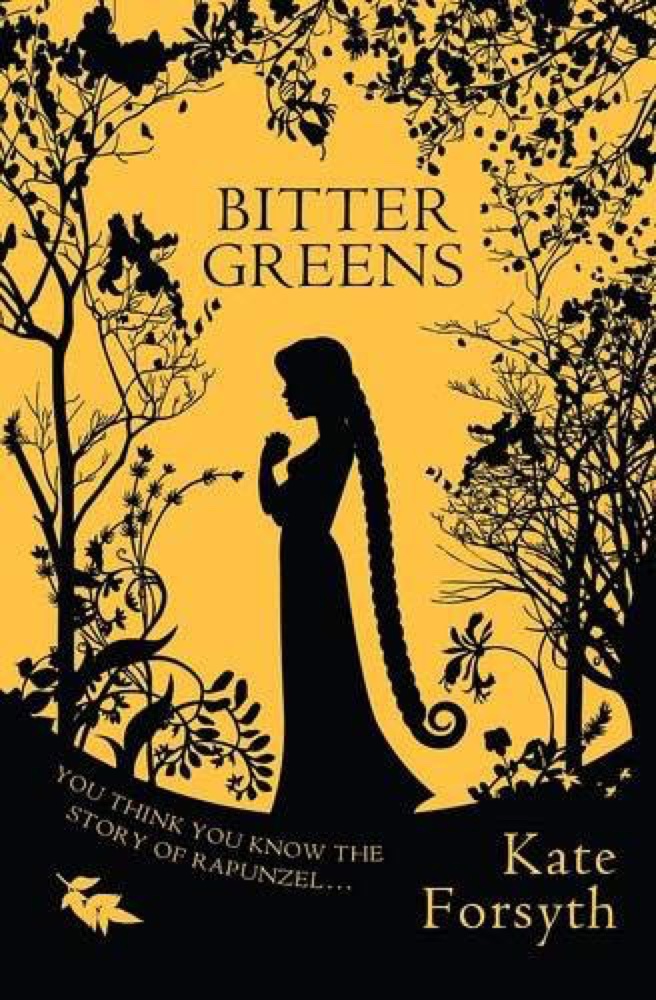 Bitter Greens
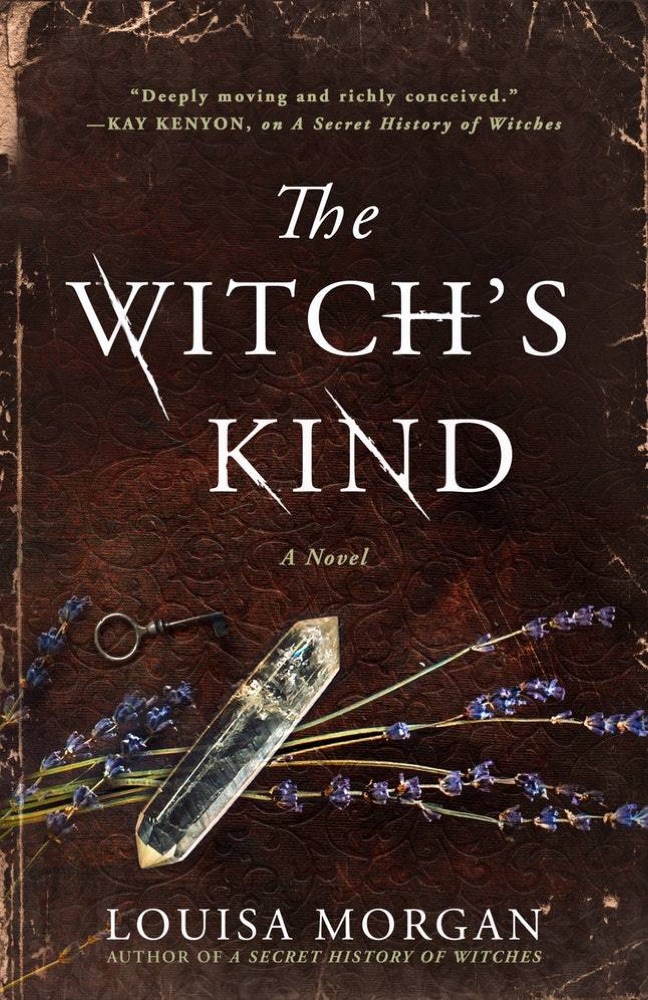 The Witch's Kind
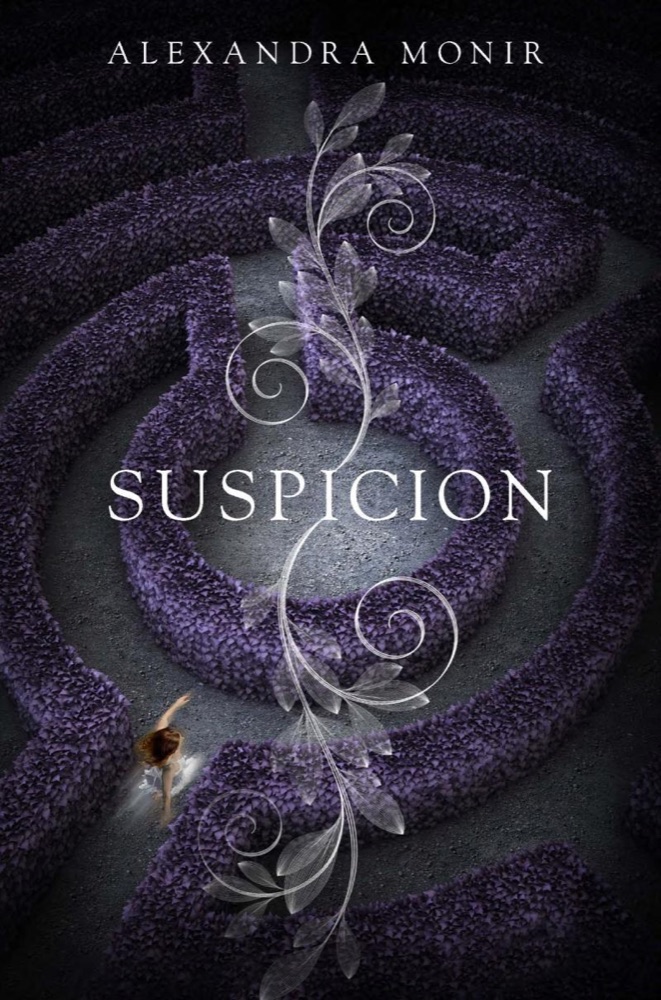 Suspicion
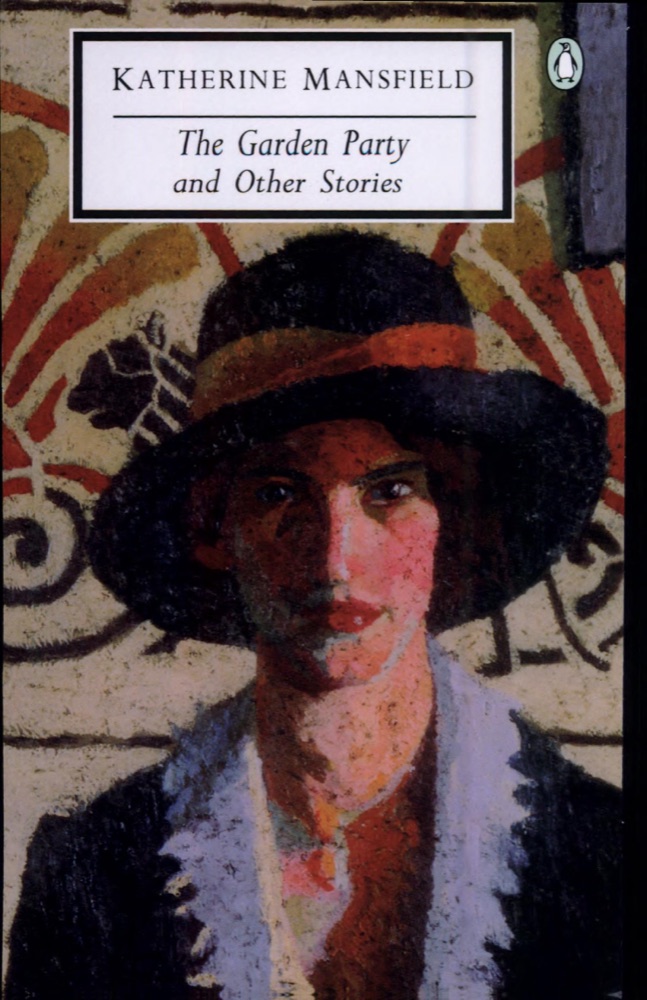 The Garden Party and Other Stories
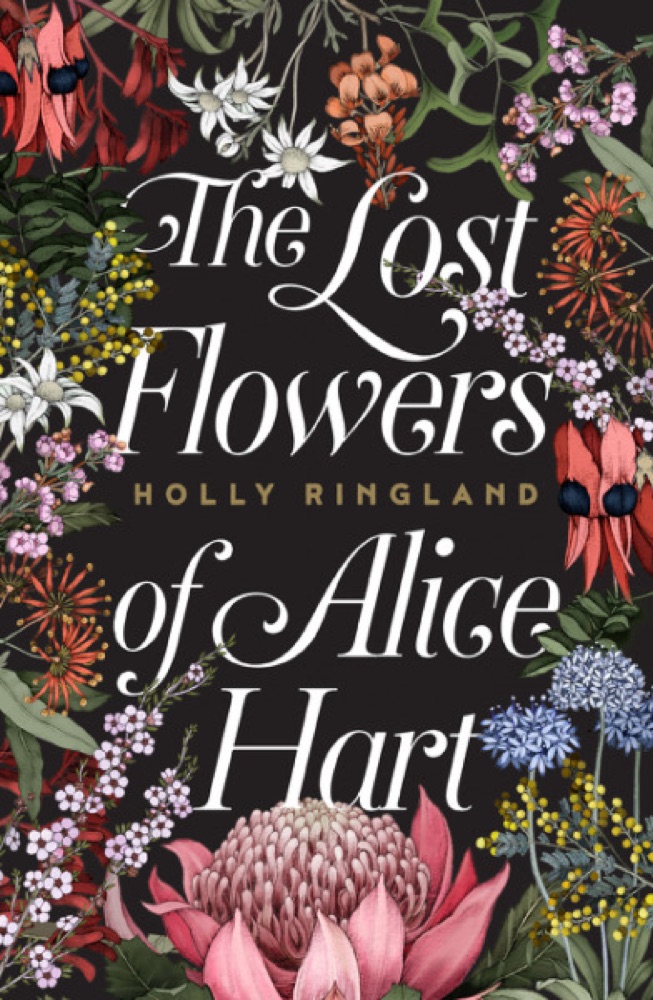 The Lost Flowers of Alice Hart
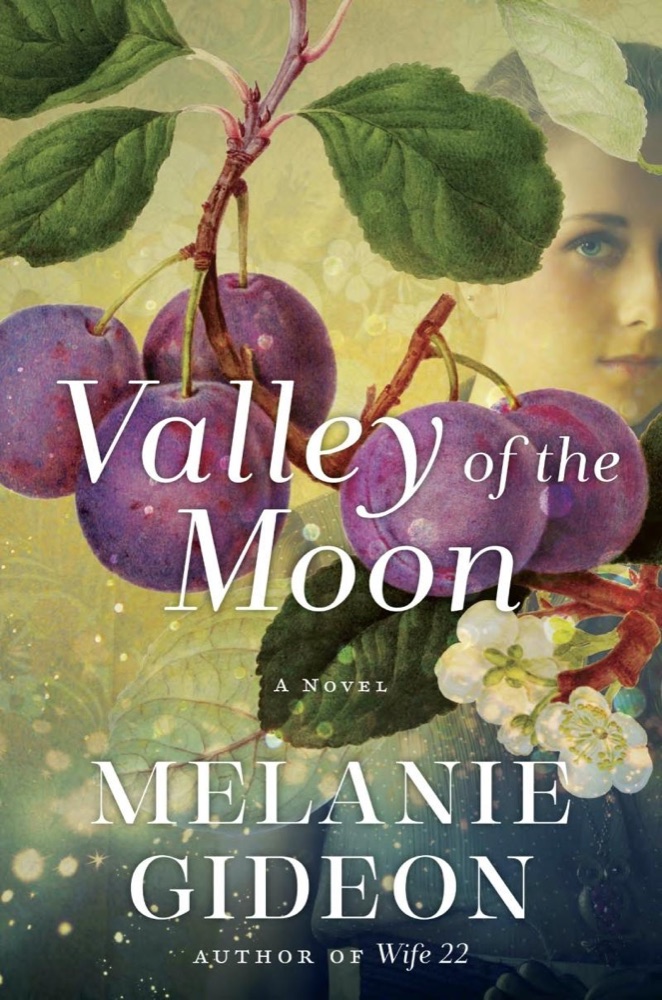 Valley of the Moon
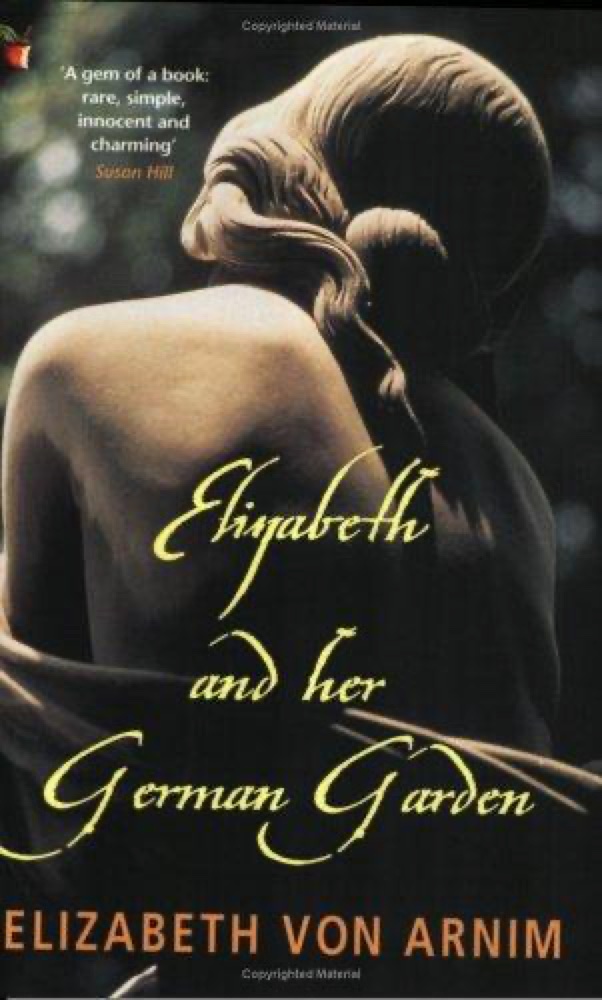 Elizabeth and Her German Garden
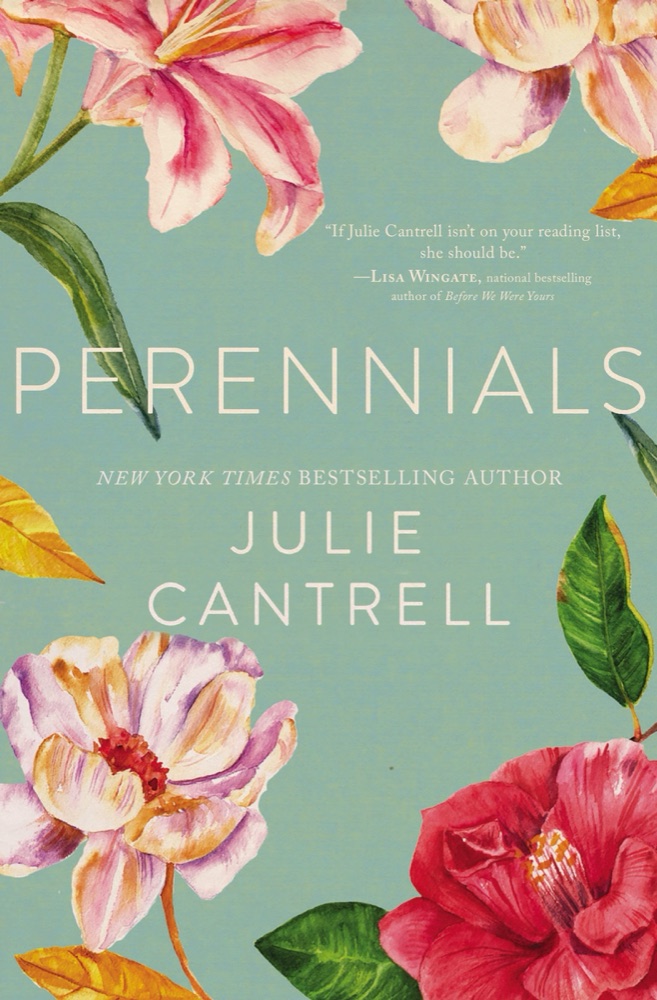 Perennials
 Poems, 1962-2012
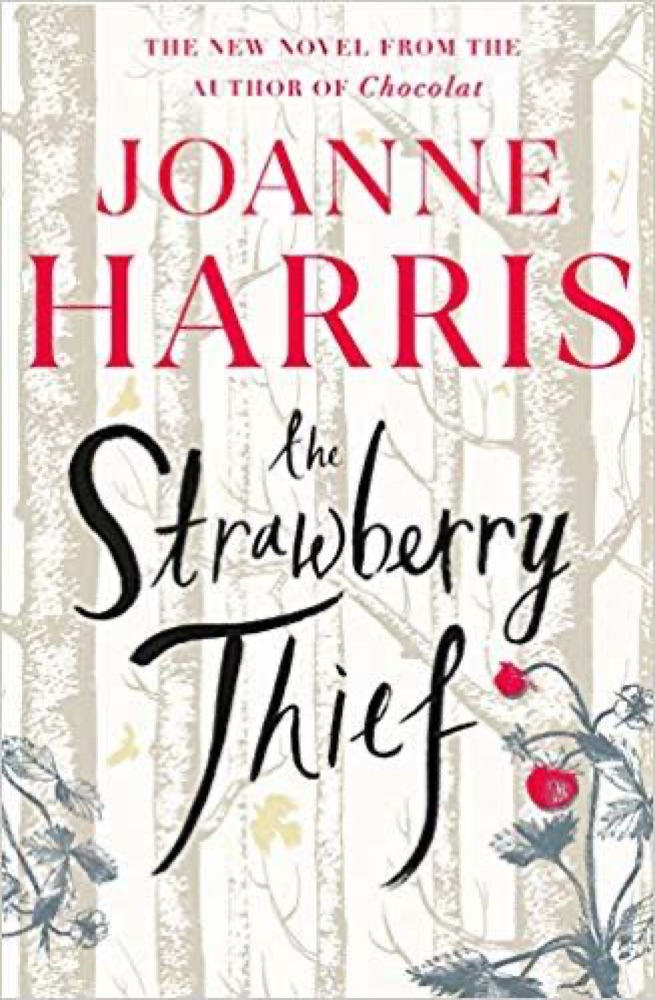 The Strawberry Thief
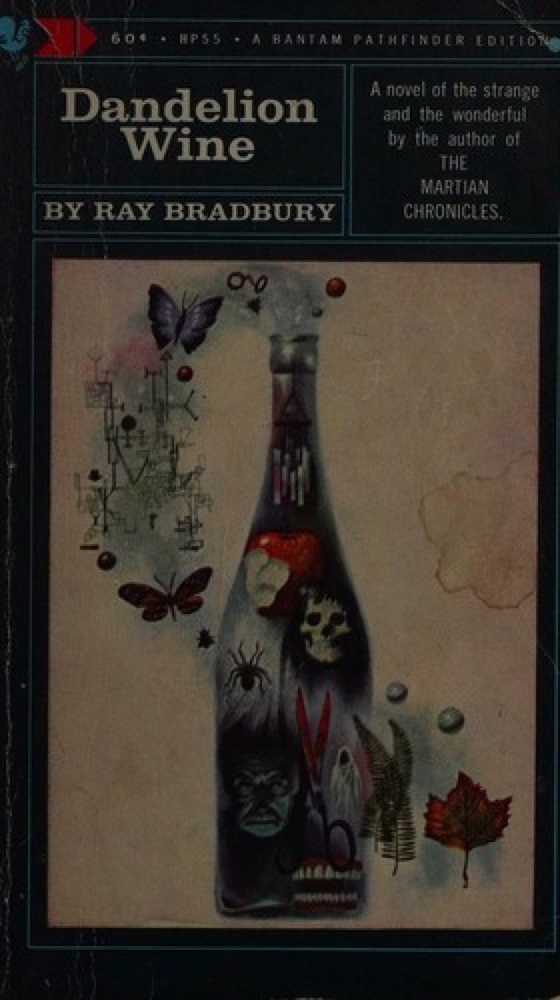 Dandelion Wine
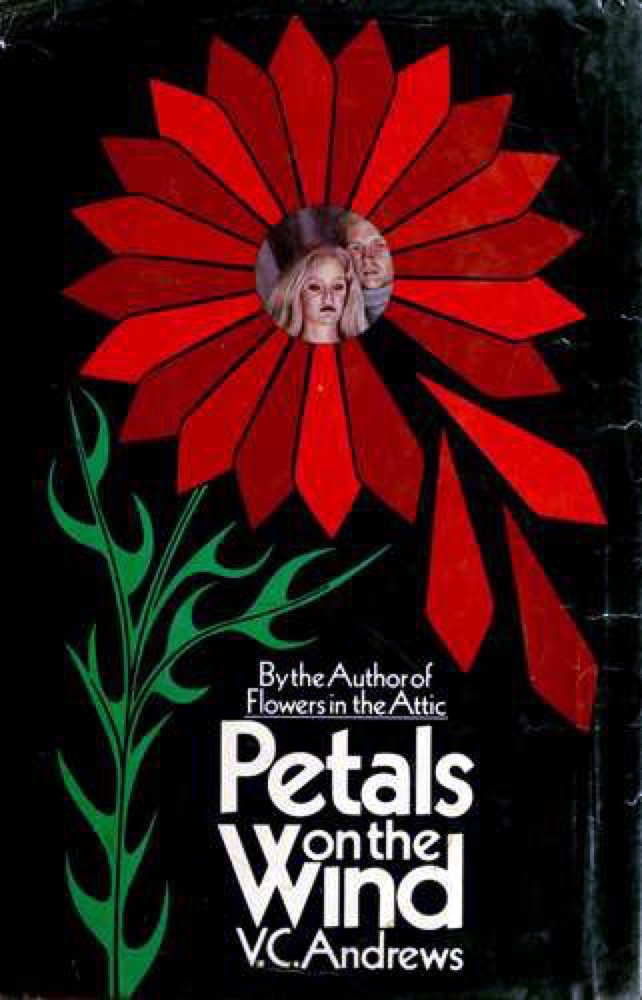 Petals on the Wind
 The Perfume Garden
 The Peacock Summer
 Flowers in the Attic
 The Marsh Queen
 The Art of Inheriting Secrets
 Dracula in Love
 Butterfly Weeds
 Garden Spells
 Hothouse Flower and the Nine Plants of Desire
 The Poison Diaries
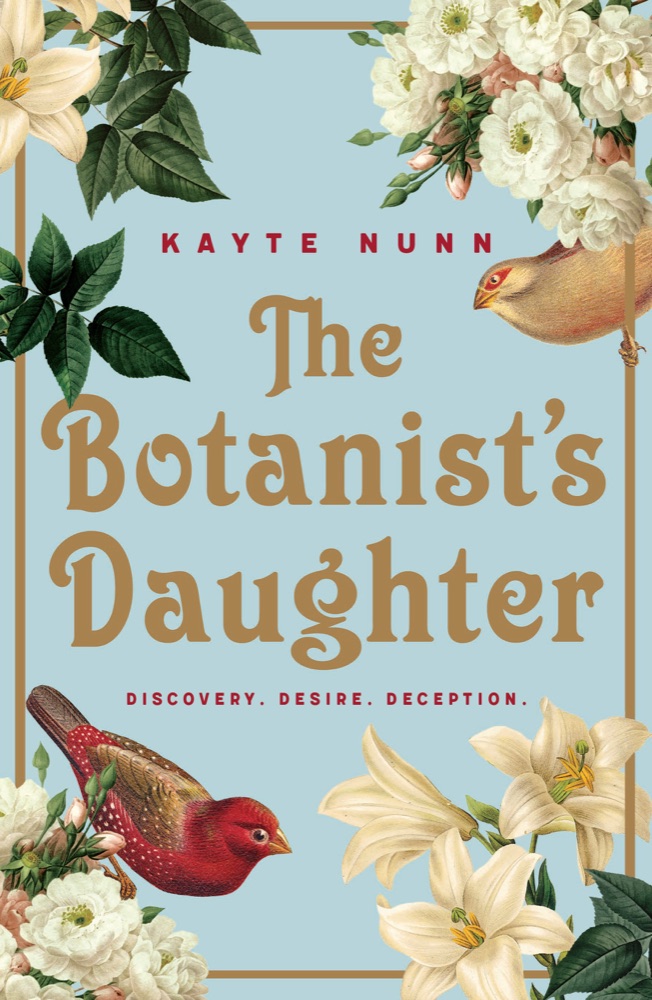 The Botanist's Daughter
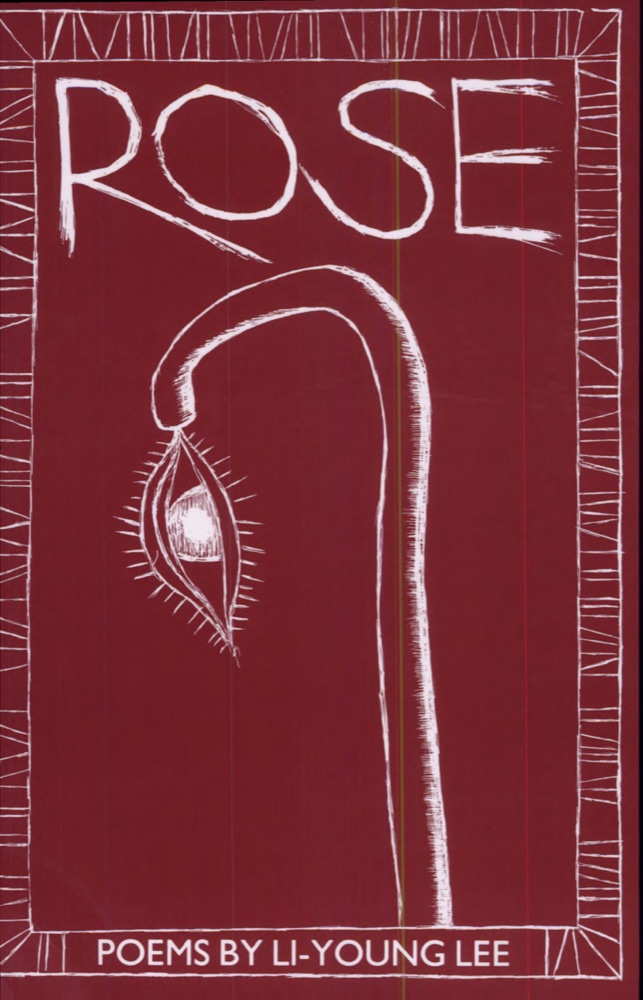 Rose
Rose
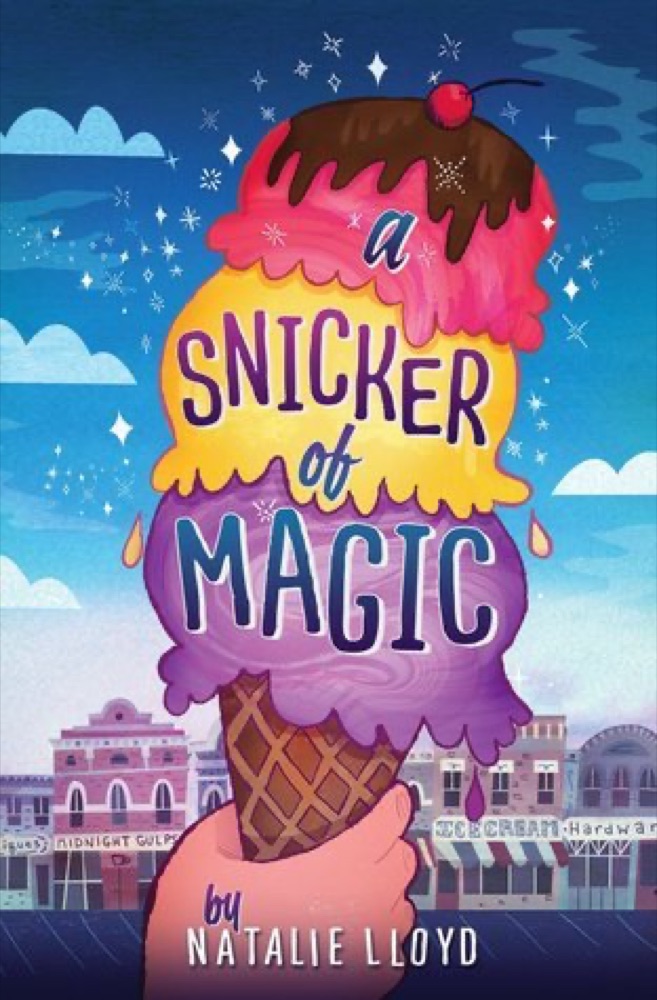 A Snicker of Magic
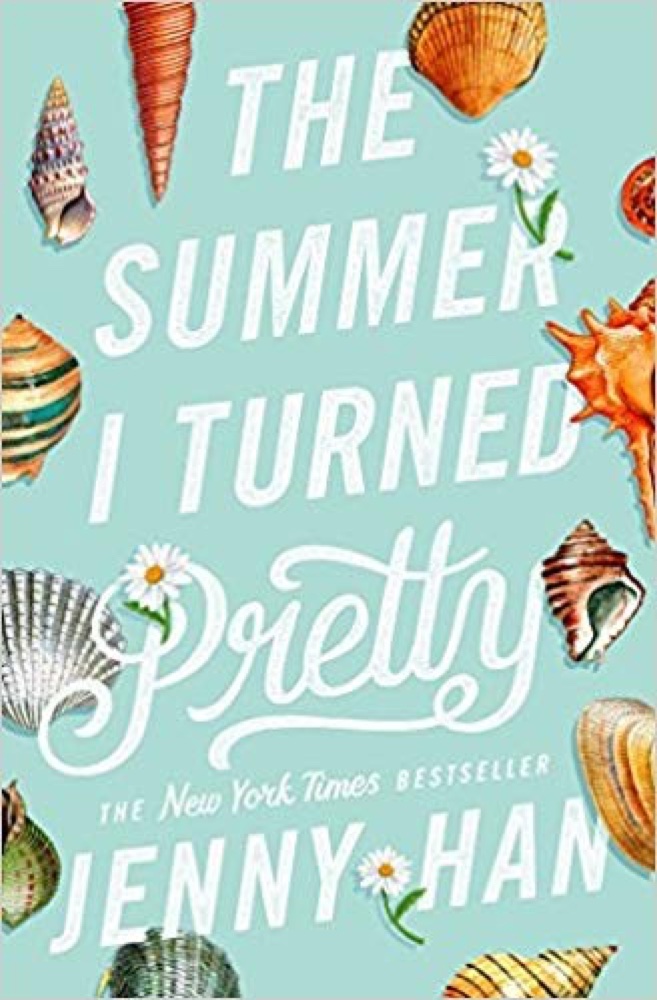 The Summer I Turned Pretty
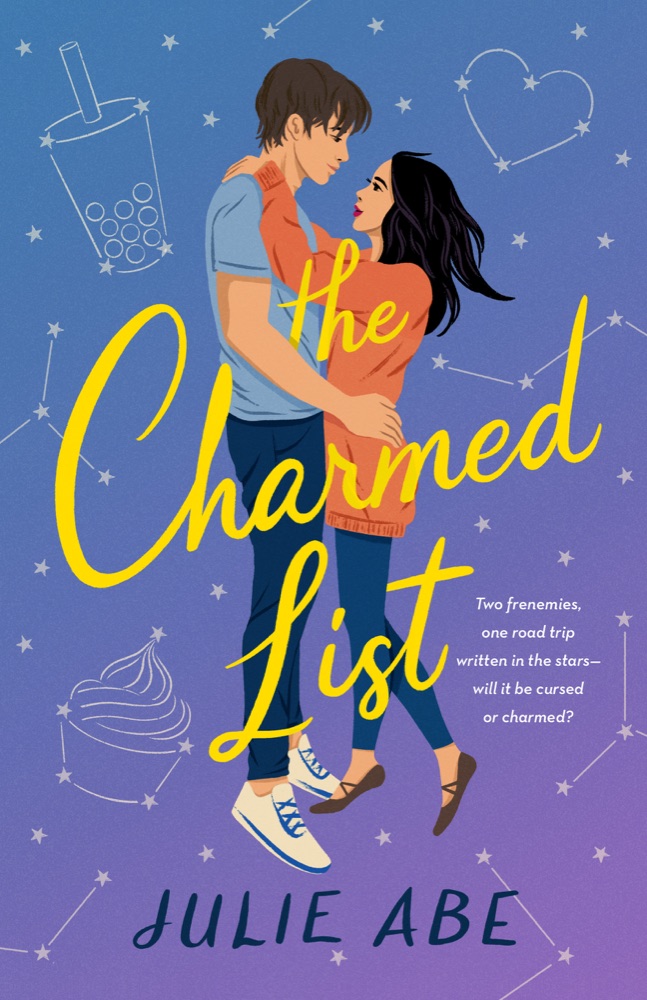 The Charmed List
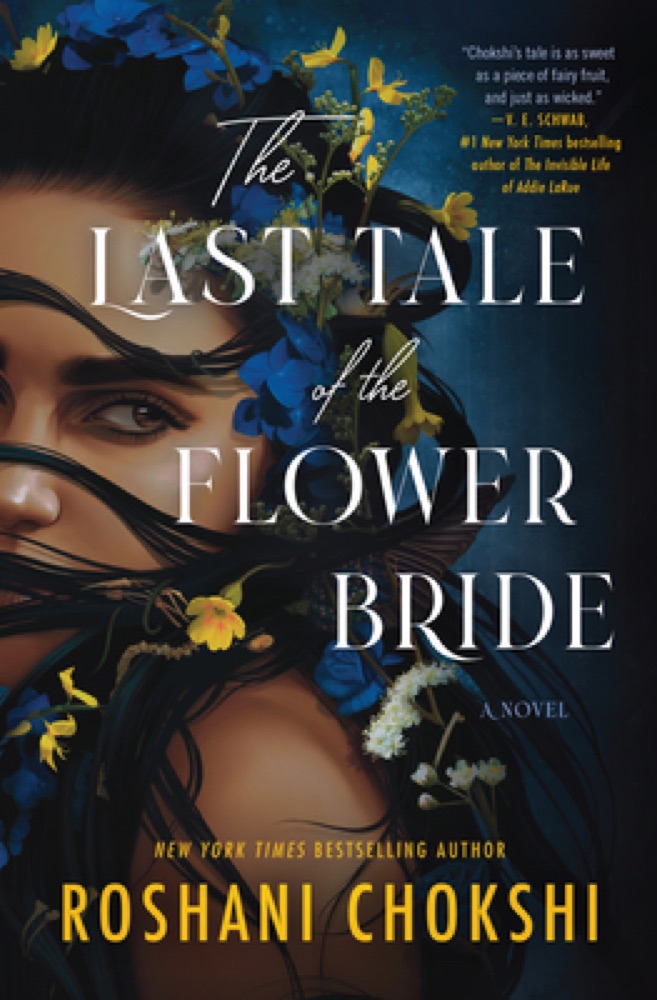 The Last Tale of the Flower Bride
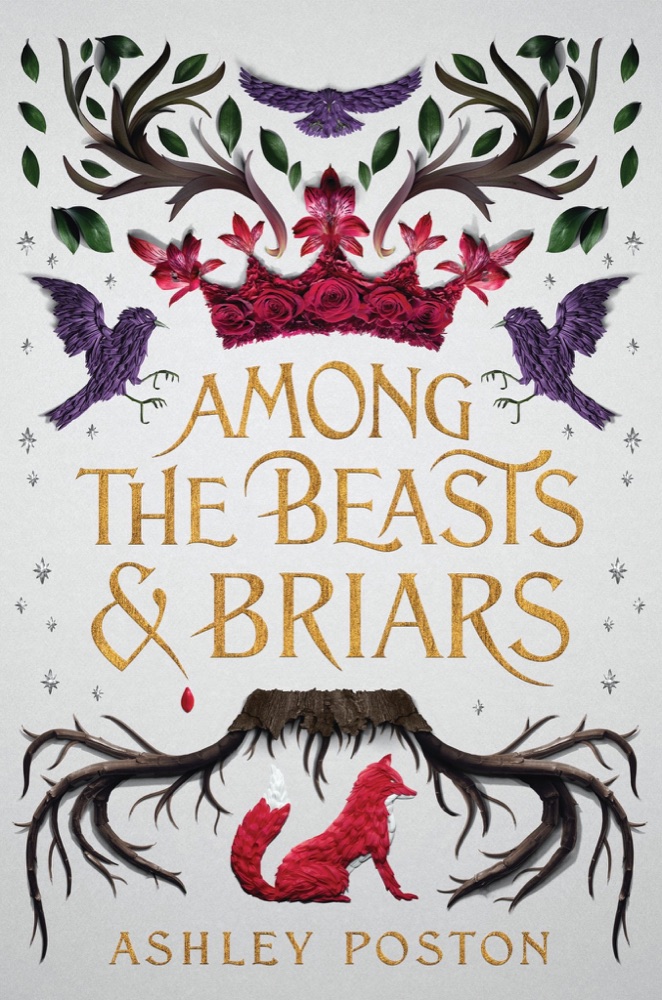 Among the Beasts & Briars
 The Lovely Bones
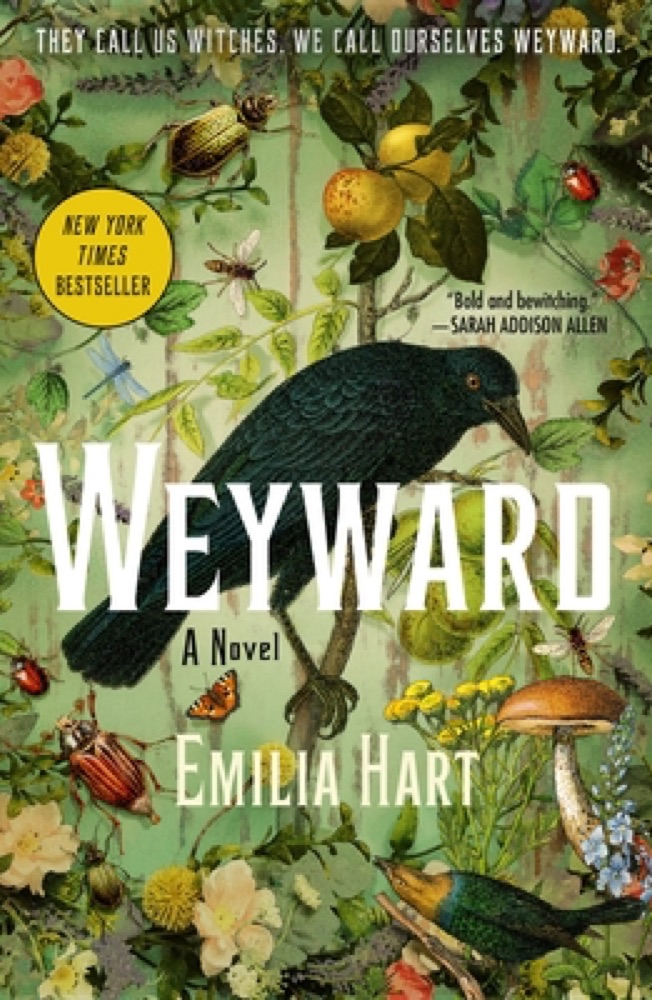 Weyward
 When the World Tips Over
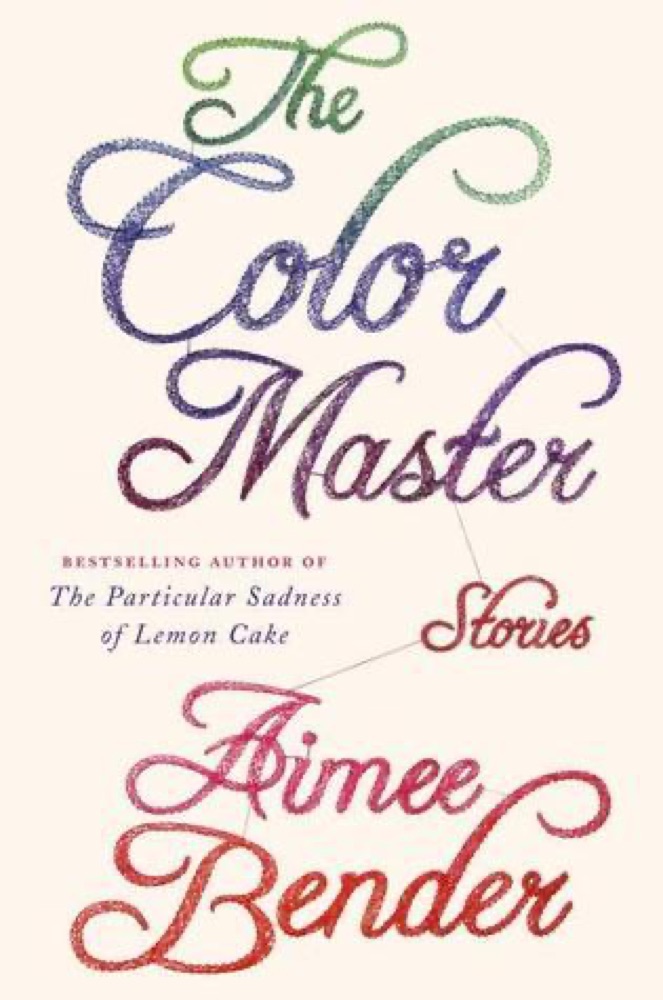 The Color Master: Stories
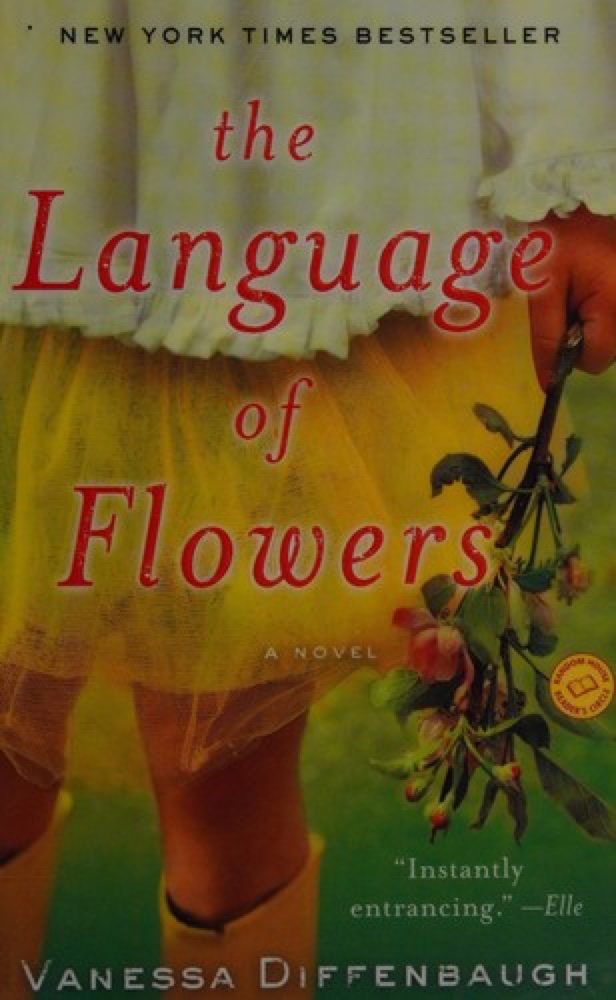 The Language of Flowers
 The Blood of Flowers
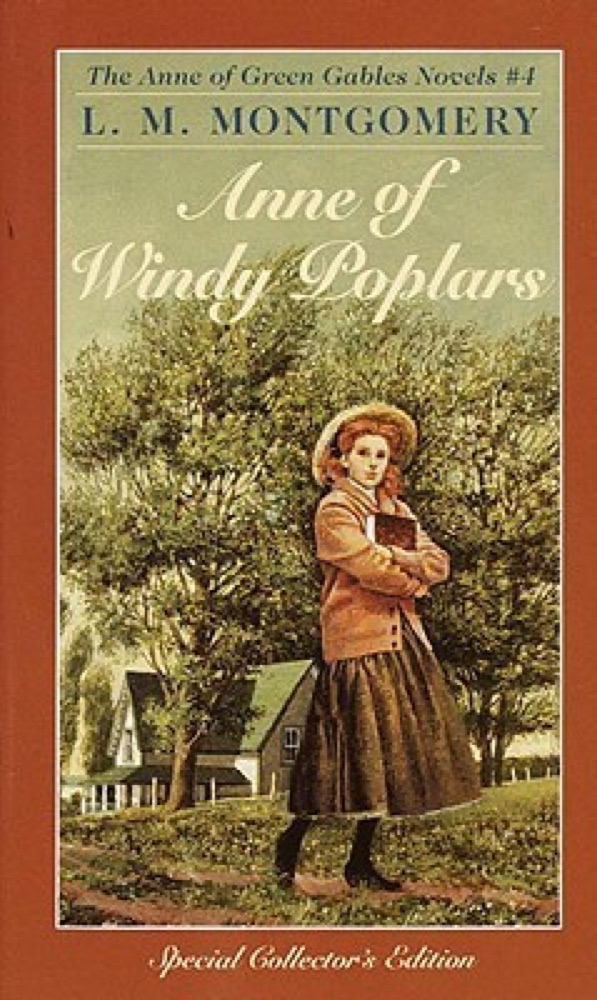 Anne of Windy Poplars
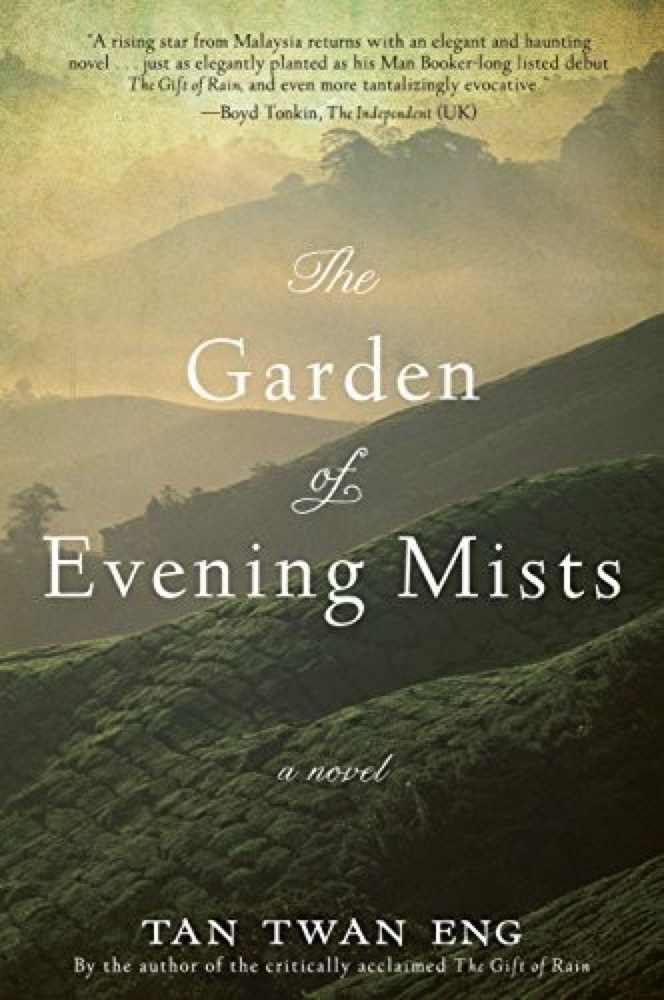 The Garden of Evening Mists
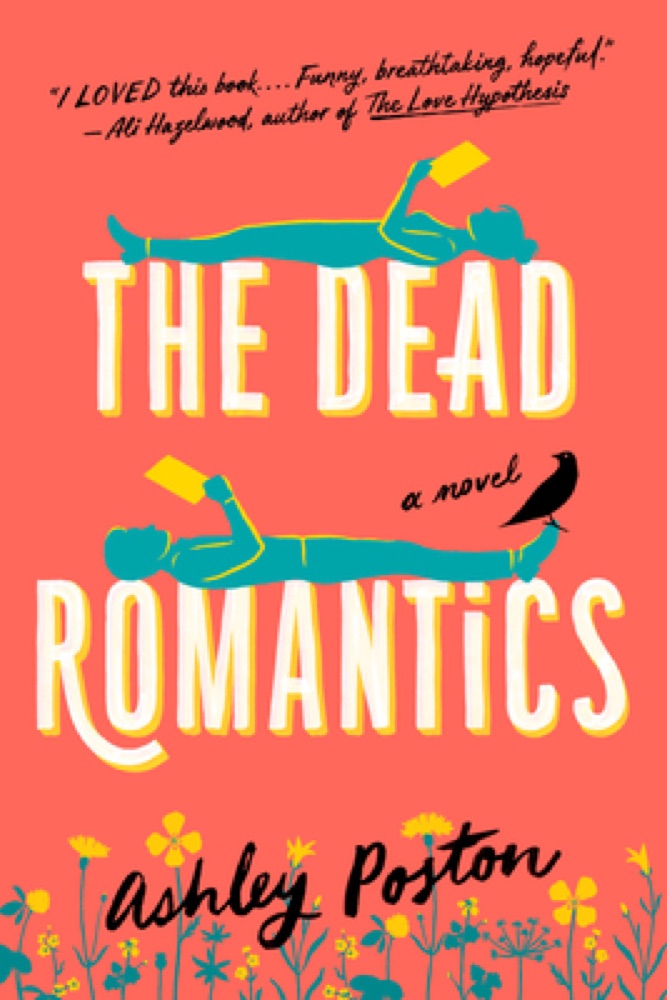 The Dead Romantics
 A Thousand Mornings: Poems
 House of Salt and Sorrows
 Wasteland
 The Violet Hour
 The Tale of Genji
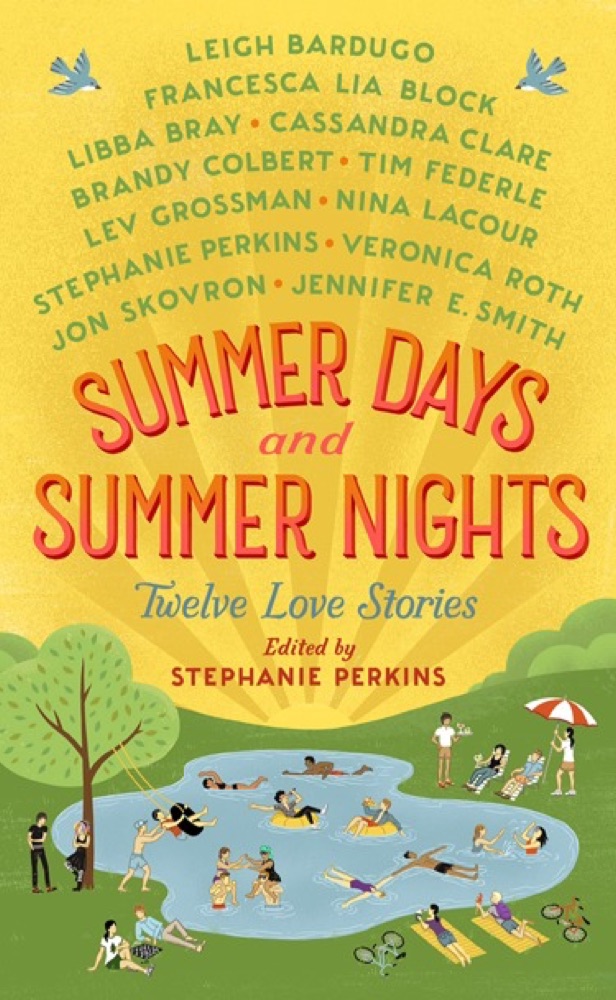 Summer Days and Summer Nights: Twelve Love Stories
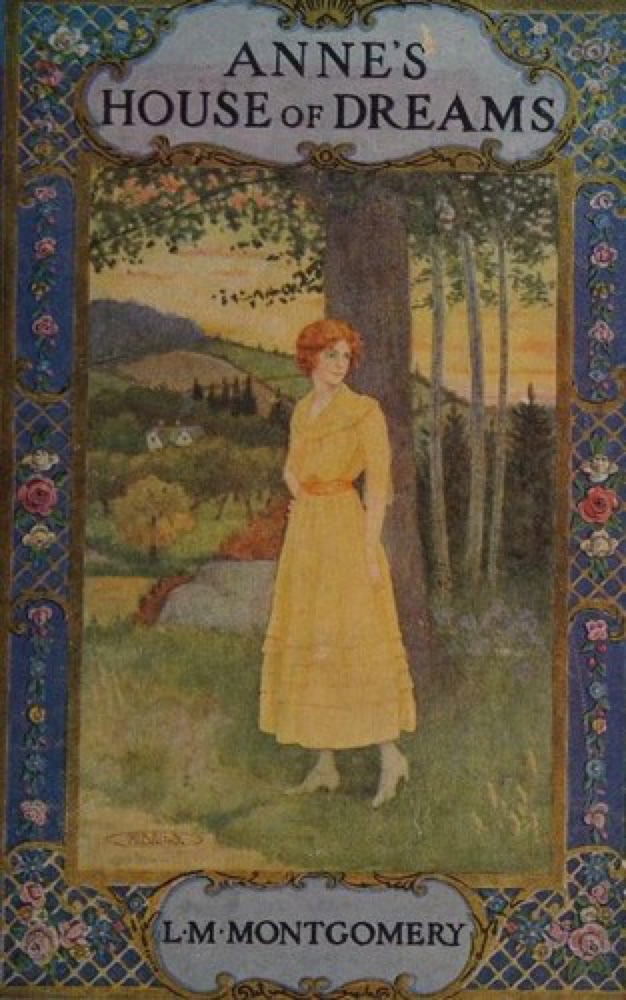 Anne's House of Dreams
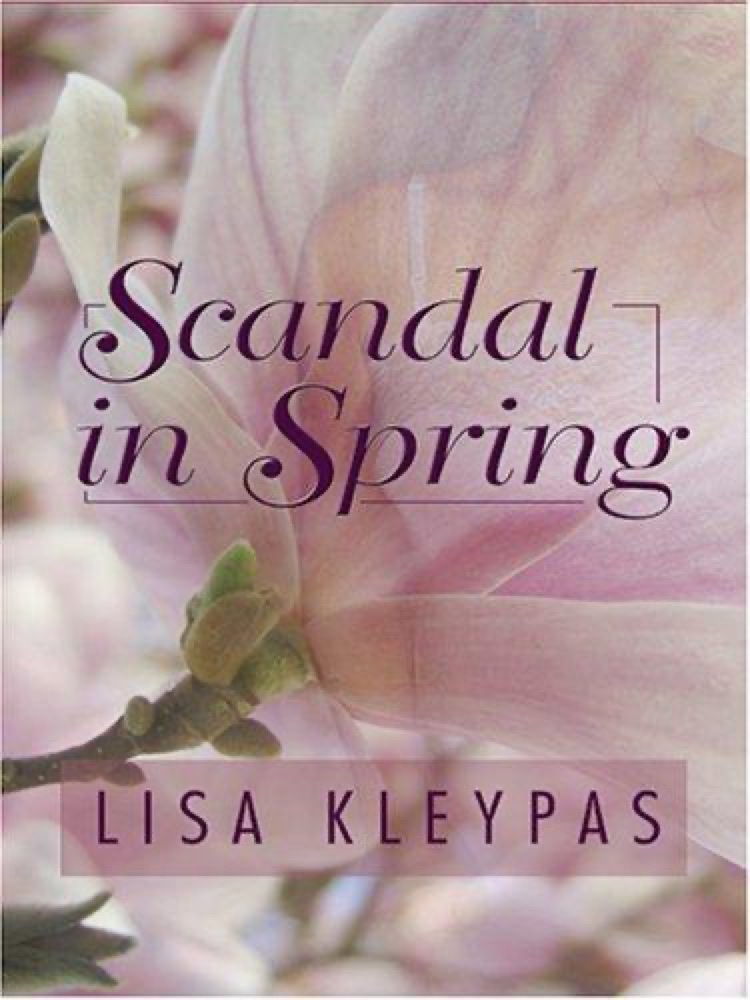 Scandal in Spring
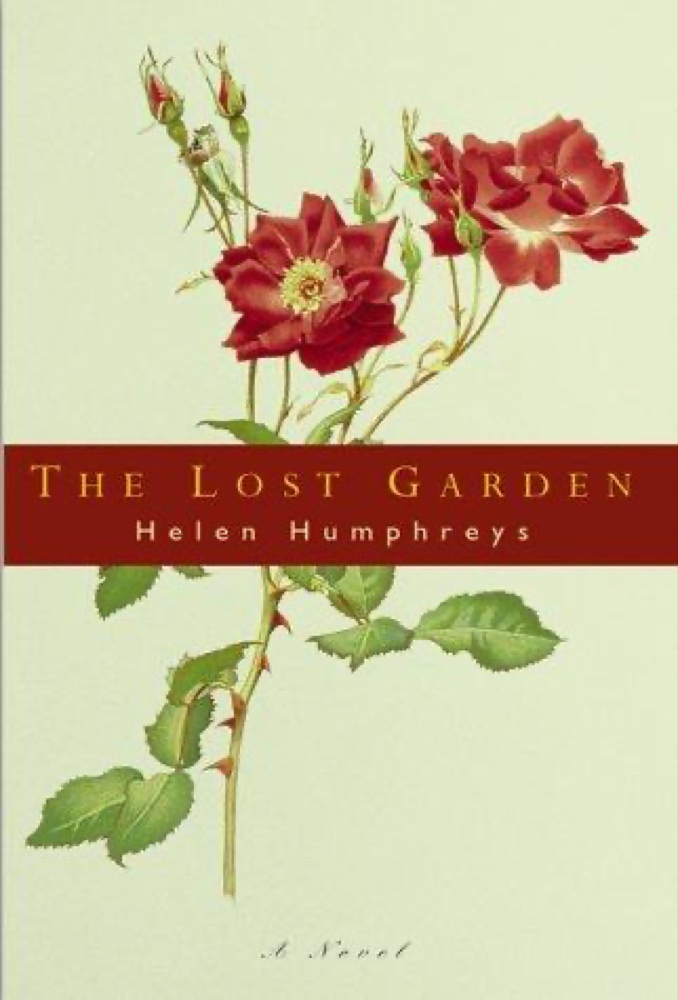 The Lost Garden
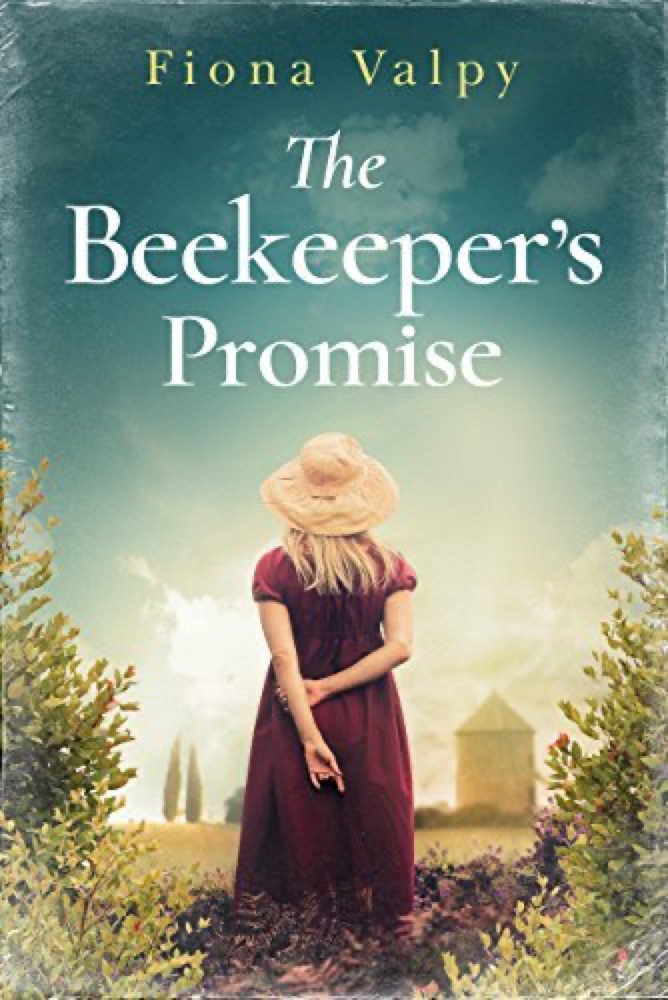 The Beekeeper's Promise
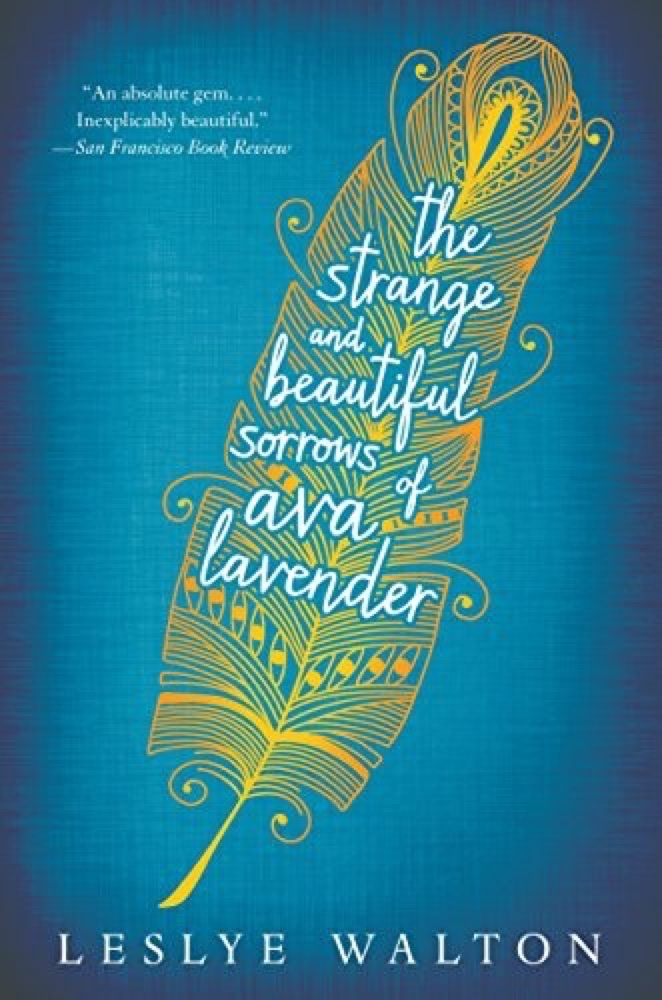 The Strange and Beautiful Sorrows of Ava Lavender
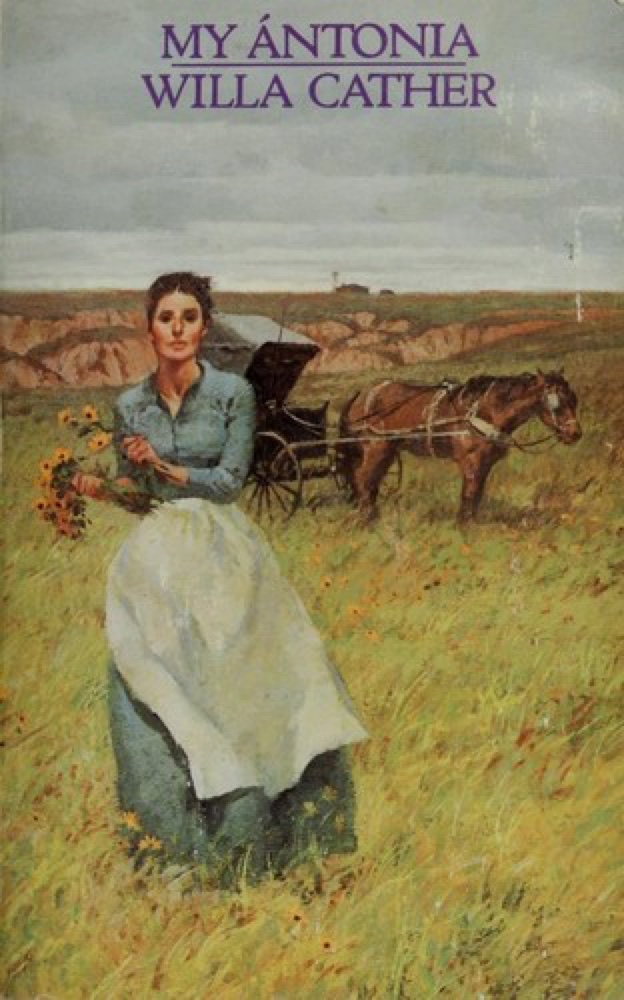 My Ántonia
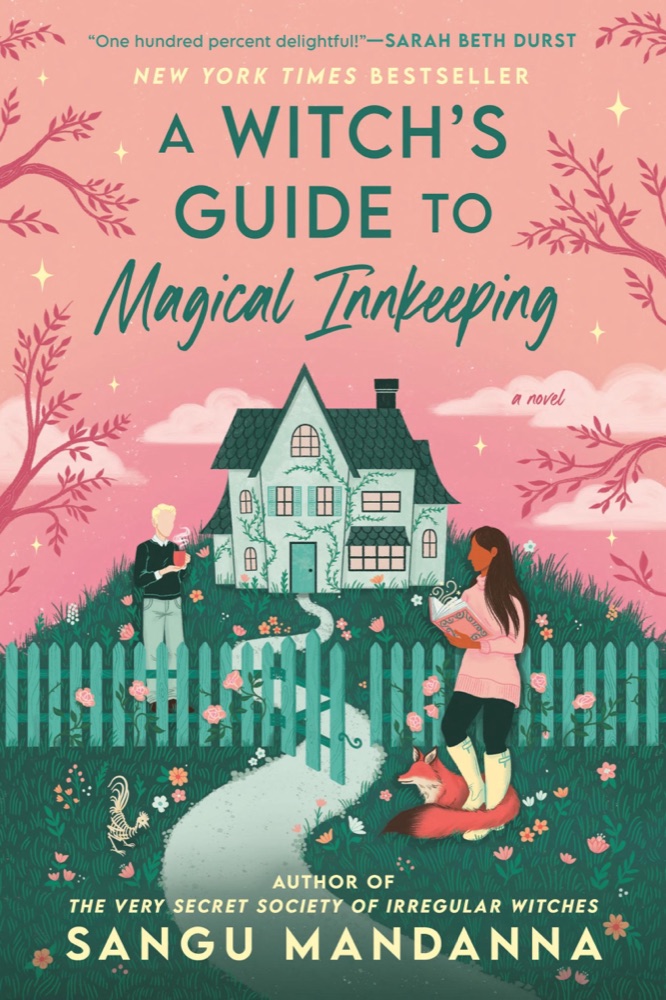 A Witch's Guide to Magical Innkeeping
 Wings of Starlight
 Elixir
 Briefly, A Delicious Life
 Linger
 Peaches