
 Couplets
Quotes from the Book
Perhaps the unattached, the unwanted, the unloved, could grow to give love as lushly as anyone else.
Common thistle is everywhere,” she said. “Which is perhaps why human beings are so relentlessly unkind to one another.
In that moment, we were the same, each of us destroyed by our limited understanding of reality.
Hate can be passionate or disengaged; it can come from dislike but also from fear.
It wasn't as if the flowers themselves held within them the ability to bring an abstract definition into physical reality. Instead, it seemed that...expecting change, and the very belief in the possibility instigated a transformation.
This time, there was no escape, I could not turn away, could not leave without accepting what I had done. There was only one way to the other side, and that was through the pain.
Over time, we would learn each other and I would learn to love her like a mother loves a daughter, imperfectly and without roots.
I believe you can prove everyone wrong, too, Victoria. Your behavior is a choice; it isn't who you are.
Your behavior is a choice; it isn’t who you are.
Here you are, obsessed with romantic language-a language invented for expression between lovers-and you use it to spread animosity.
I felt my true, unworthy self to be far away from his clutching grasp, hidden from his admiring gaze.
Her eyes were open, taking in my tired face... Her face twitched into what looked like a squinty smile, and in her wordless expression I saw gratitude, and relief, and trust. I wanted, desperately, not to disappoint her.
She was perfect. I knew this the moment she emerged from my body, white and wet and wailing. Beyond the requisite ten fingers and ten toes, the beating heart, the lungs inhaling and exhaling oxygen, my daughter knew how to scream. She knew how to make herself heard. She knew how to reach out and latch on. She knew what she needed to do to survive. I didn’t know how it was possible that such perfection could have developed within a body as flawed as my own, but when I looked into her face, I saw that it clearly was.
For eight years I dreamed of fire. Trees ignited as I passed them; oceans burned.
You should see the way she smiles when I rattle off the names of the orchids in the greenhouse: oncidium, dendrobium, bulbophyllum, and epidendrum, tickling her face with each blossom. I wouldn't be surprised if 'Orchidaceae' was her first word.
I would keep her, and raise her, and love her, even if she had to teach me how to do it.
Now, as an adult, my hopes for the future were simple: I wanted to be alone, and to be surrounded by flowers. It seemed, finally, that I might get exactly what I wanted.
Do you really think you’re the only human being alive who is unforgivably flawed? Who’s been hurt almost to the point of breaking?
The language of flowers is nonnegotiable, Victoria,” Elizabeth said,
We replanted. The loss was substantial, but it was overshadowed completely by losing you.
If it was true that moss did not have roots, and maternal love could grow spontaneously as if from nothing, perhaps I had been wrong to believe myself unfit to raise my daughter. Perhaps the unattached, the unwanted, the unloved, could grow to give love as lushly as anyone else.
I had been loyal to nothing except the language of flowers. If I started lying about it, there would be nothing in my life that was beautiful or true.
For eight years I dreamed of fire. Trees ignited as I passed them; oceans burned. The sugary smoke settled in my hair as I slept, the scent like a cloud left on my pillow as I rose. Even so, the moment my mattress started to burn, I bolted awake. The sharp, chemical smell was nothing like the hazy syrup of my dreams; the two were as different as Carolina and Indian jasmine, separation and attachment. They could not be confused. Standing in the middle of the room, I located the source of the fire. A neat row of wooden matches lined the foot of the bed. They ignited, one after the next, a glowing picket fence across the piped edging. Watching them light, I felt a terror unequal to the size of the flickering flames, and for a paralyzing moment I was ten years old again, desperate and hopeful in a way I had never been before and never would be again. But the bare synthetic mattress did not ignite like the thistle had in late October. It smoldered, and then the fire went out. It was my eighteenth birthday.
The open forgiveness in her eyes, the uncensored love, terrified me.
Over time, we would learn each other, and I would learn to love her like a mother loves a daughter, imperfectly and without roots.
Prese un giglio tigre arancione da un secchio. «Per te» mi disse porgendomelo. «No non mi piacciono i gigli» risposi. E non sono una regina pensai. «Dovrebbero piacerti» replicò. «Ti si addicono.»
I’m talking about the language of flowers. It’s from the Victorian era, like your name. If a man gave a young lady a bouquet of flowers, she would race home and try to decode it like a secret message. Red roses mean love; yellow roses infidelity. So a man would have to choose his flowers carefully.
Did you know?
- The novel is built around the Victorian-era language of flowers, or floriography, in which specific blooms carry symbolic meanings.
- Author Vanessa Diffenbaugh drew on her own experience as a foster mother when writing the book.
- It was Diffenbaugh's debut novel and became a New York Times best seller, spending many weeks on the list.
- The book includes a flower dictionary pairing blooms with their traditional meanings.
- The story is set largely in San Francisco and the Northern California wine country.
About Vanessa Diffenbaugh
Vanessa Diffenbaugh is an American author and former foster mother whose experience with the child-welfare system informs her fiction. The Language of Flowers (2011) was her debut novel and an international best seller, and she is also a co-founder of an organization supporting youth aging out of foster care.
More about the author →About the book
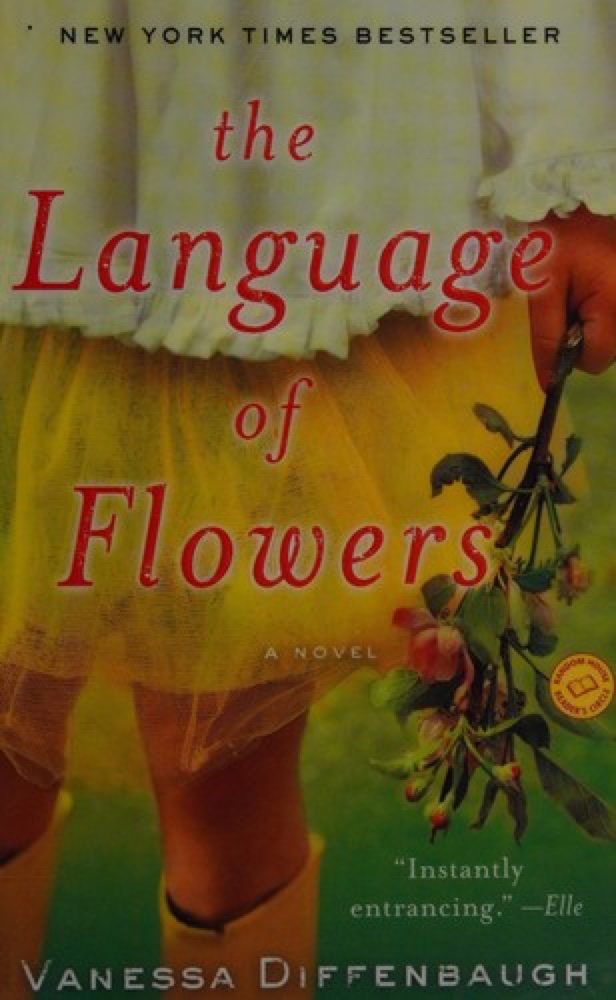
The Language of Flowers is the 2011 debut novel of American author Vanessa Diffenbaugh. It follows Victoria Jones, a young woman who by the age of eighteen has moved through more than thirty foster homes and emerges from the child-welfare system guarded, angry, and unwilling to trust in love or family. What she carries instead is an intimate knowledge of the Victorian language of flowers, taught to her years earlier by Elizabeth, the one foster mother who nearly kept her. Newly emancipated and briefly homeless, Victoria finds work with a florist named Renata and discovers that arranging blooms for their symbolic meanings gives her a way to speak the feelings she cannot voice aloud.
The narrative moves between two timelines: Victoria's present, as she builds a fragile new life in San Francisco, and her past on Elizabeth's vineyard, where a childhood act of destruction shattered the possibility of a permanent home. When Victoria meets Grant, a flower vendor connected to her past, she is forced to confront the guilt she has carried and to decide whether she is capable of accepting connection, forgiveness, and eventually motherhood. Flowers function throughout as a coded emotional vocabulary, and the book weaves real botanical meanings into its story.
Grounded in Diffenbaugh's own experience as a foster mother, the novel explores attachment, abandonment, single motherhood, and the long aftermath of childhood trauma. It became a best seller and drew wide critical praise, with reviewers noting its unusual marriage of a difficult subject and the delicate symbolism of floriography. Its success also helped spotlight the challenges young people face when they age out of the foster system, a cause with which Diffenbaugh became publicly associated.
Key characters
- Victoria JonesProtagonist, a guarded eighteen-year-old raised in foster care who communicates through flowers
- ElizabethThe wine-grape farmer and foster mother who taught Victoria the language of flowers
- GrantA flower vendor and Elizabeth's nephew who becomes central to Victoria's life
- RenataThe florist who gives Victoria her first job at the shop Bloom
- MeredithVictoria's longtime caseworker in the foster system
Book details
- First published
- 2011
- Length
- 334 pages
- Reading time
- 6 hours
- Author
- Vanessa Diffenbaugh
- Genre
- Fiction
- Goodreads rating
- 4.10 (236k ratings) →
- First line
- “For eight years I dreamed of fire.”
If you liked this, read…
- 1White OleanderAnother emotionally raw novel about a girl coming of age within the foster-care system
- 2The Kitchen HouseShares themes of found family, trauma, and belonging told through intimate character voice
- 3The Secret Life of BeesA young woman seeks family and healing amid Southern settings rich with natural symbolism
Keep reading
Couplets
 Petals on the Wind
 On Beauty
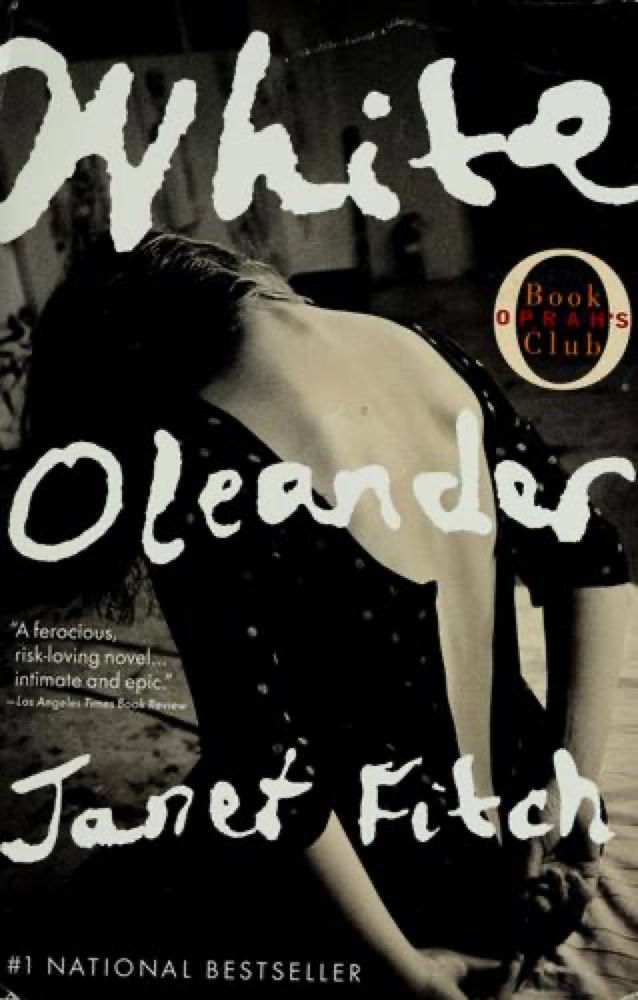 White Oleander
 The Strange and Beautiful Sorrows of Ava Lavender
 Those Who Leave and Those Who Stay
 The History of Love
 Lives of Girls and Women
 Atonement
 The Story of a New Name
 Flowers in the Attic
 A Small Indiscretion
 The English Patient
 Great Expectations
 Breakable
 Perennials
 Enduring Love
 Mr. Fox
 When We Were Animals
 Snow Flower and the Secret Fan
 Trust: Betrayed
 The Marriage of Opposites
 Garden Spells
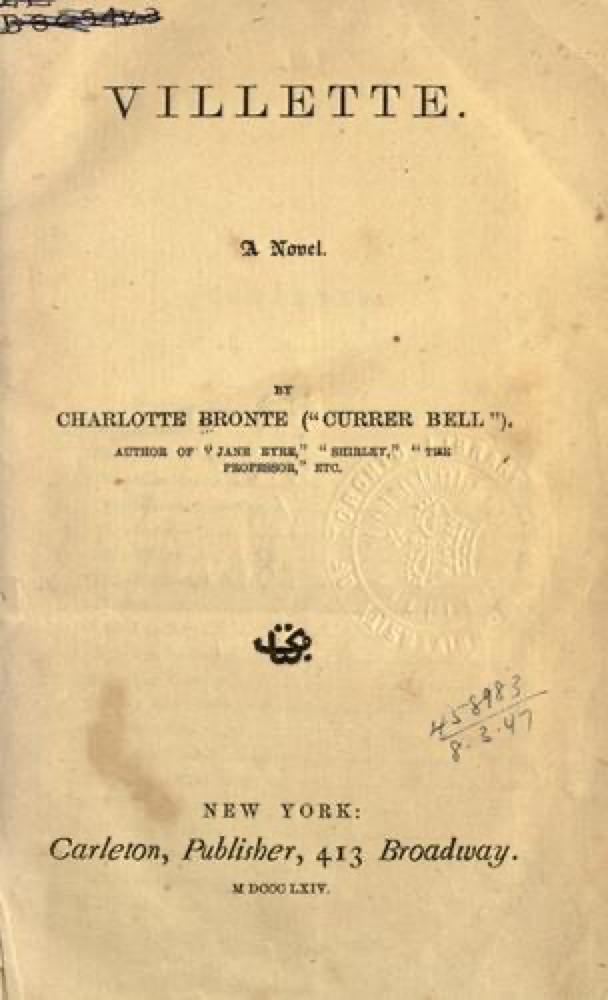 Villette
 The End of the Affair
 Her Body and Other Parties
 The Society For Soulless Girls
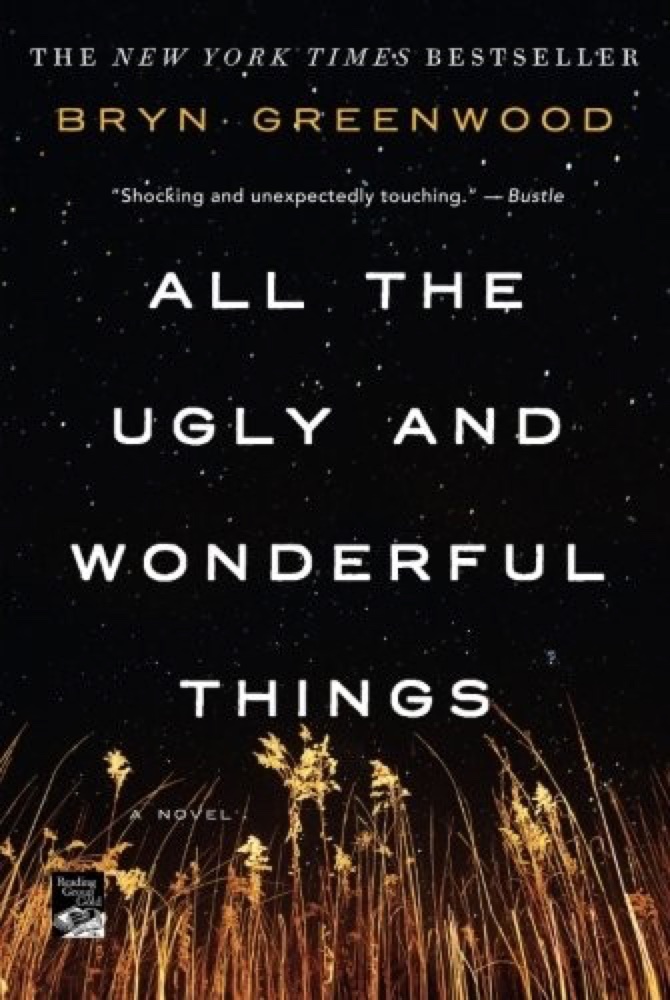 All the Ugly and Wonderful Things
 What I Loved
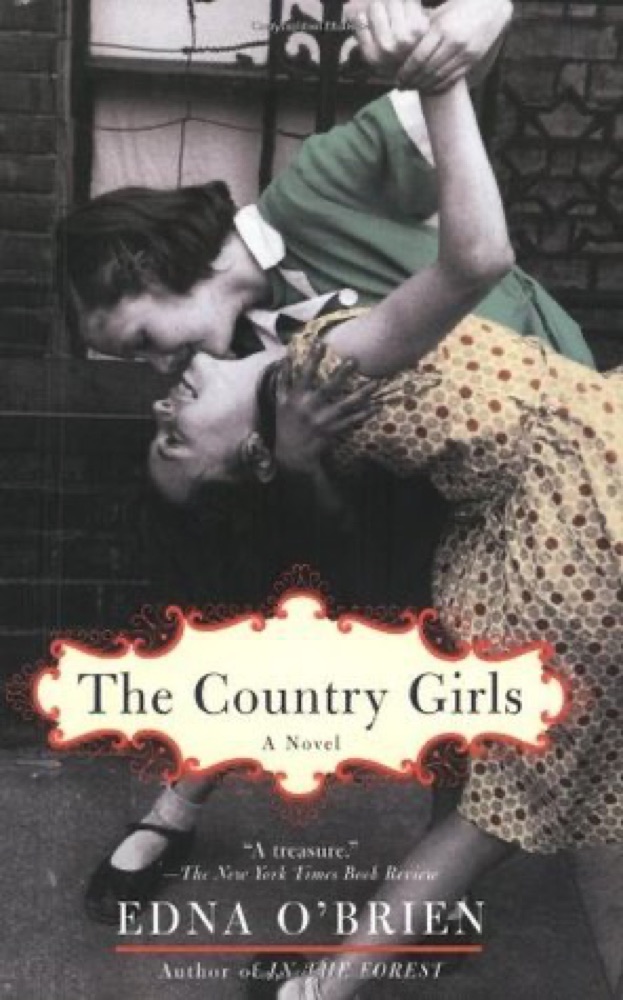 The Country Girls
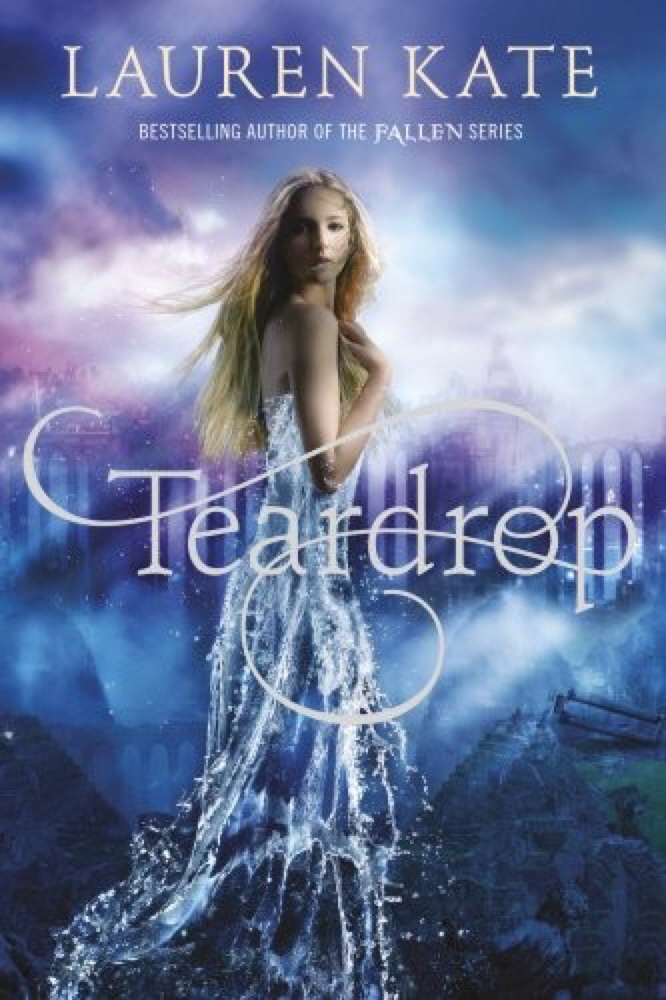 Teardrop
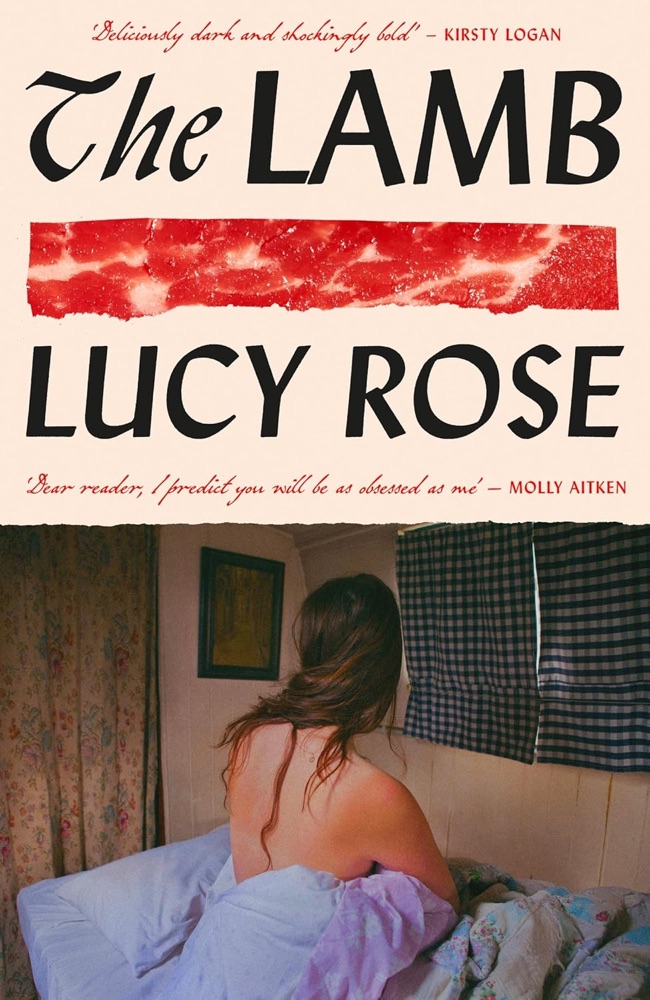 The Lamb
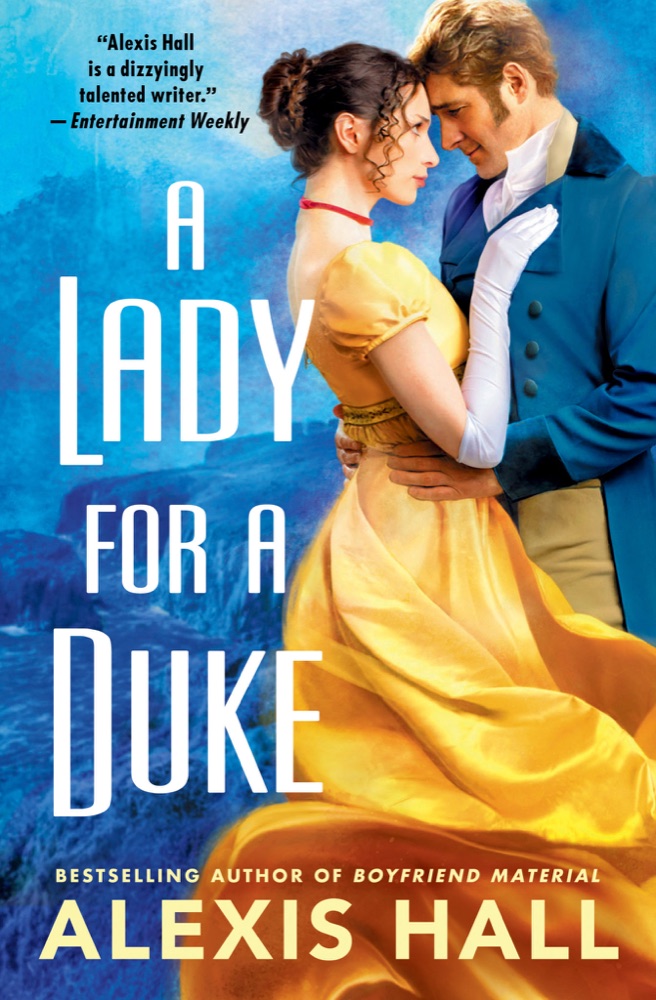 A Lady for a Duke
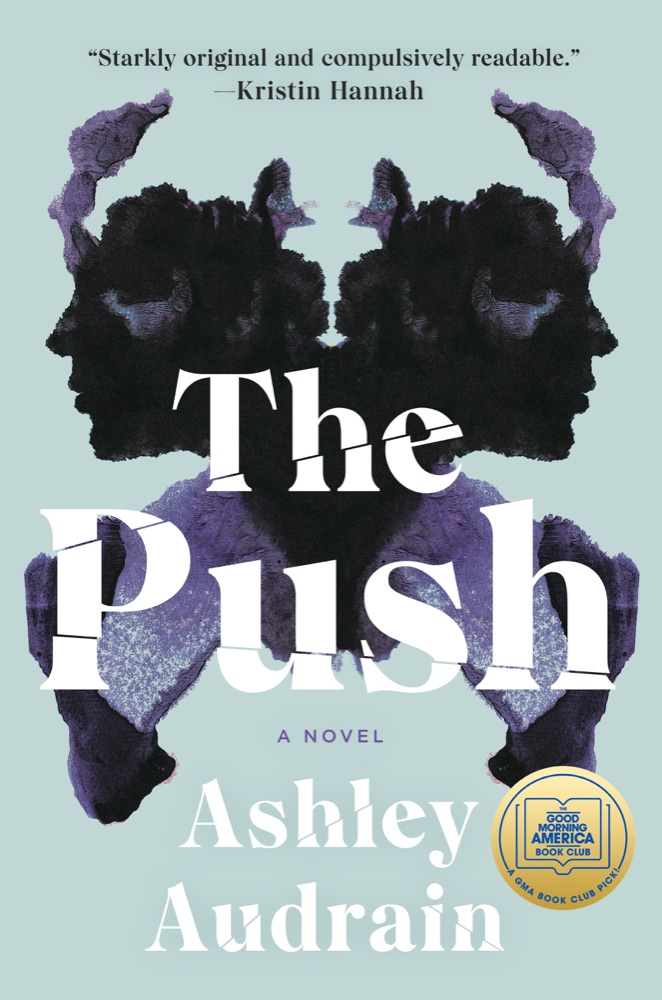 The Push
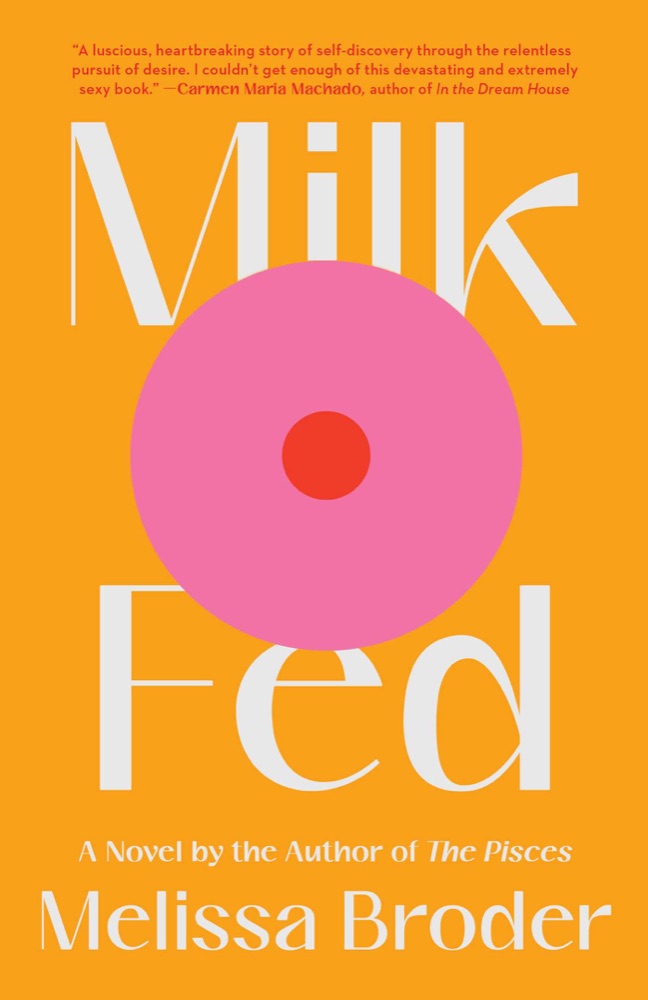 Milk Fed
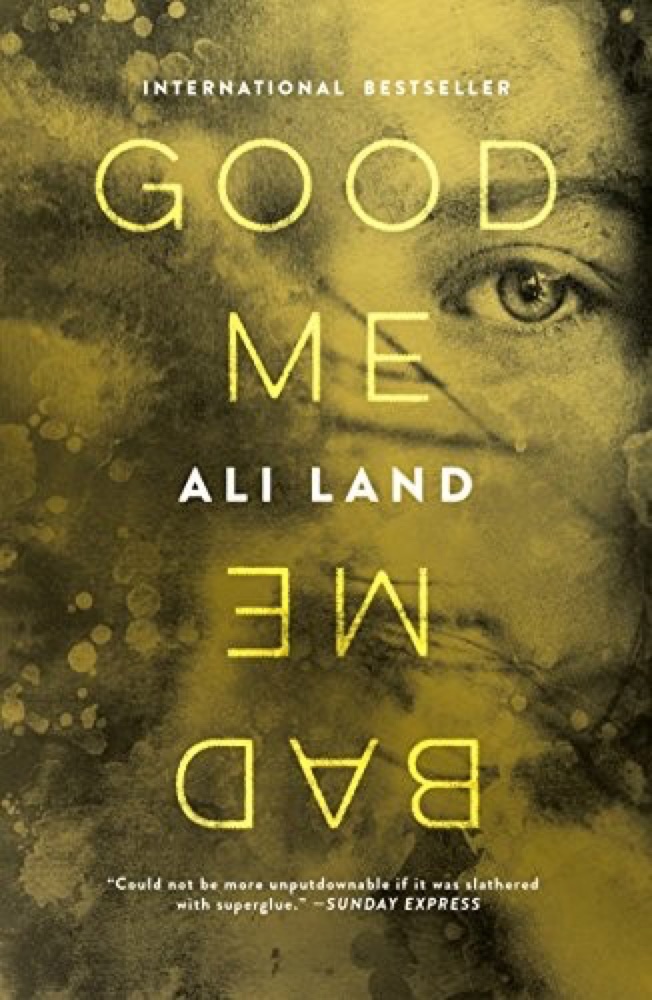 Good Me, Bad Me
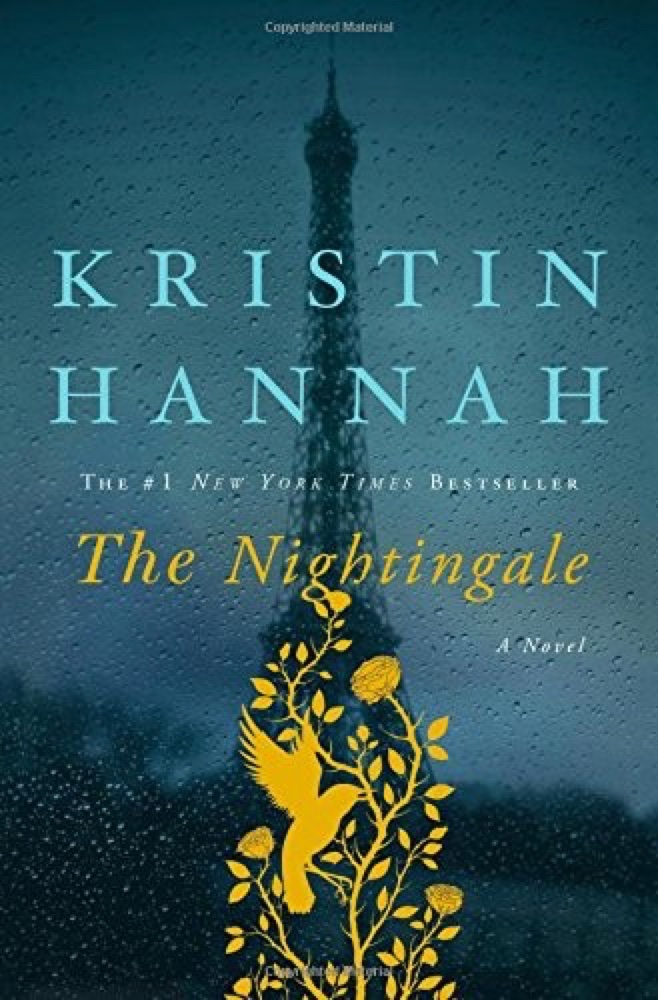 The Nightingale
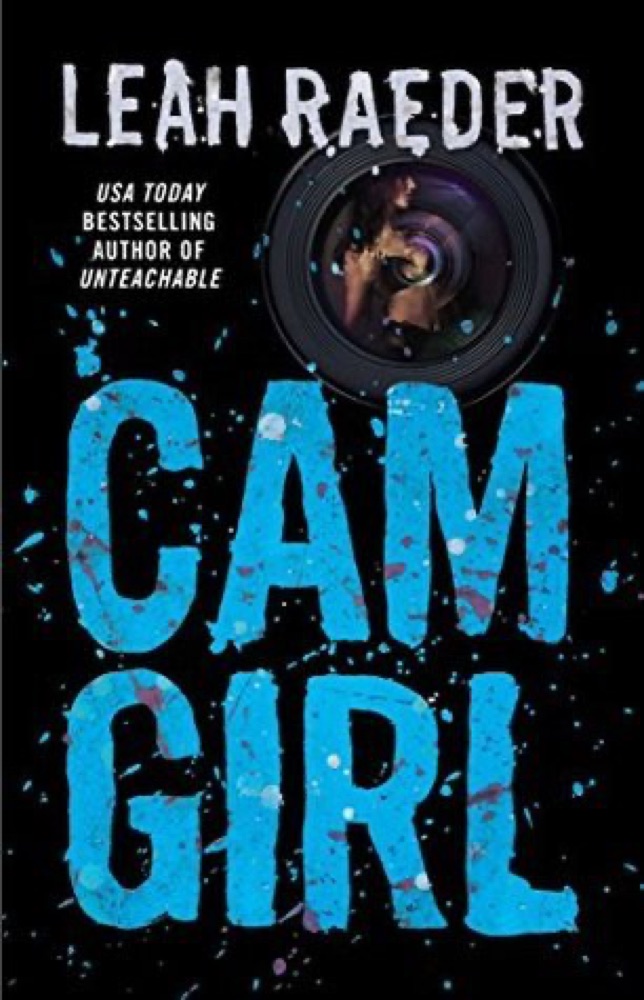 Cam Girl
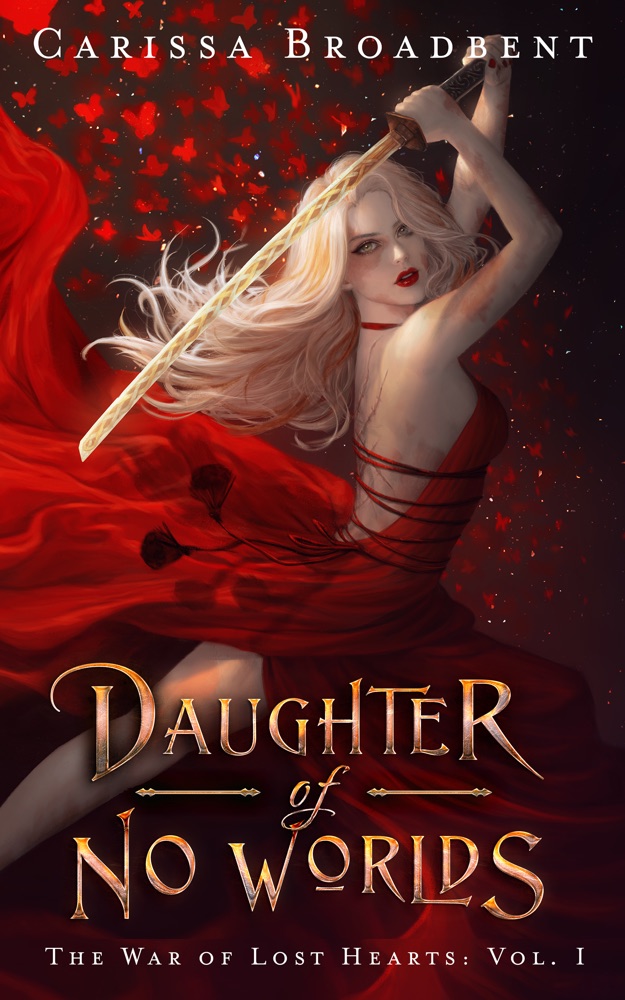 Daughter of No Worlds
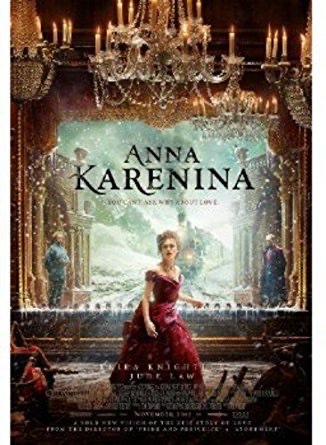 Anna Karenina
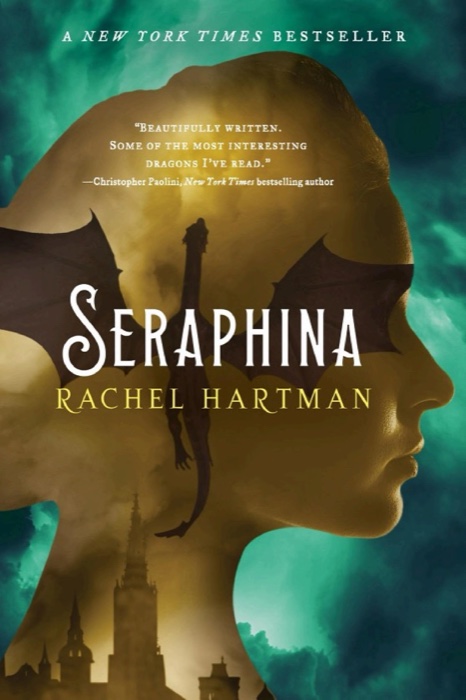 Seraphina
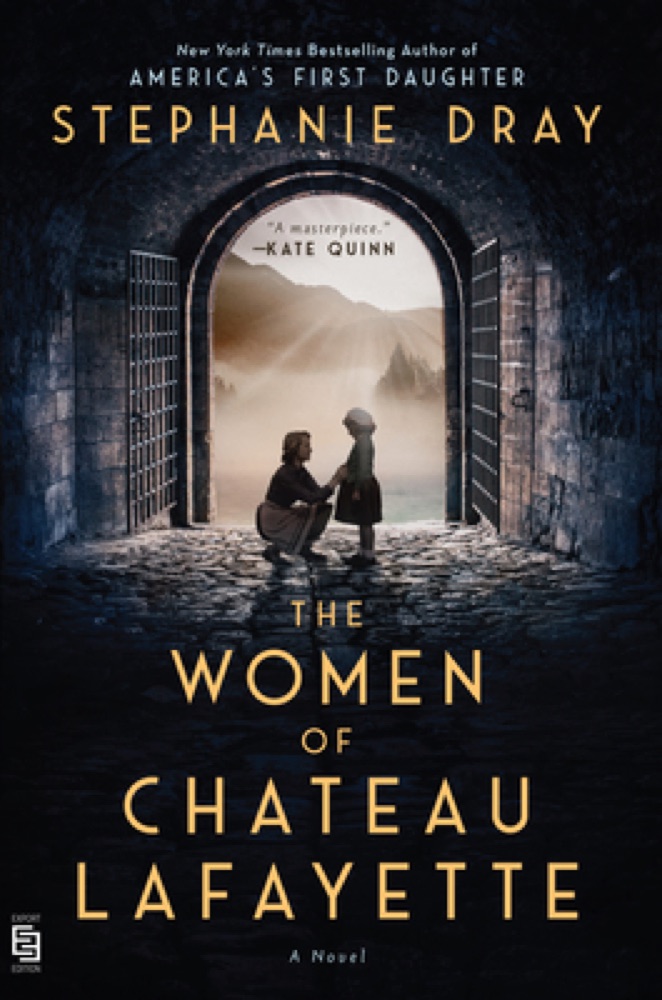 The Women of Chateau Lafayette
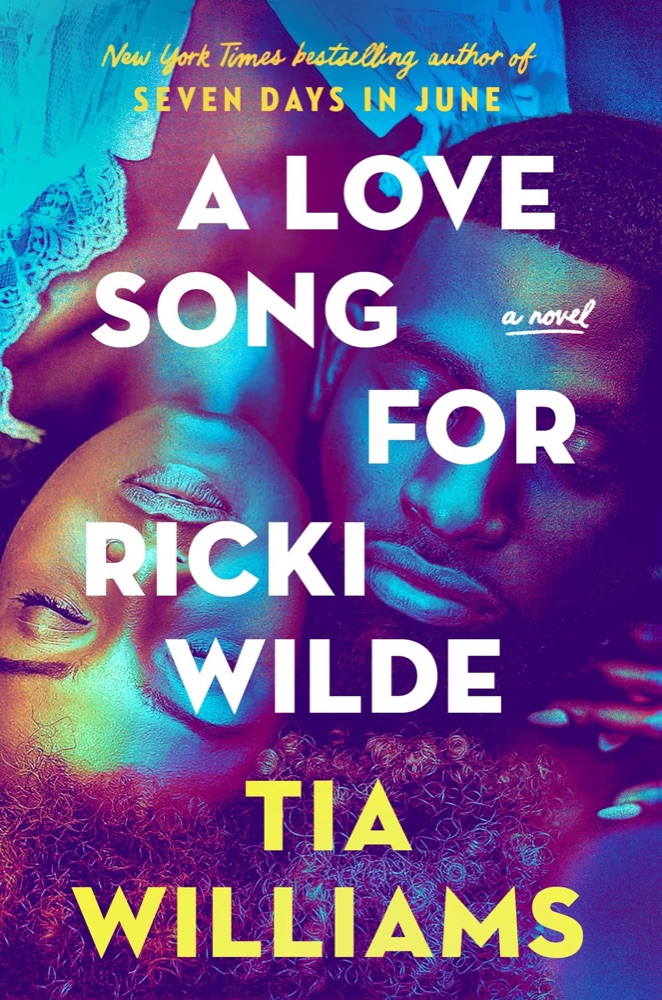 A Love Song for Ricki Wilde
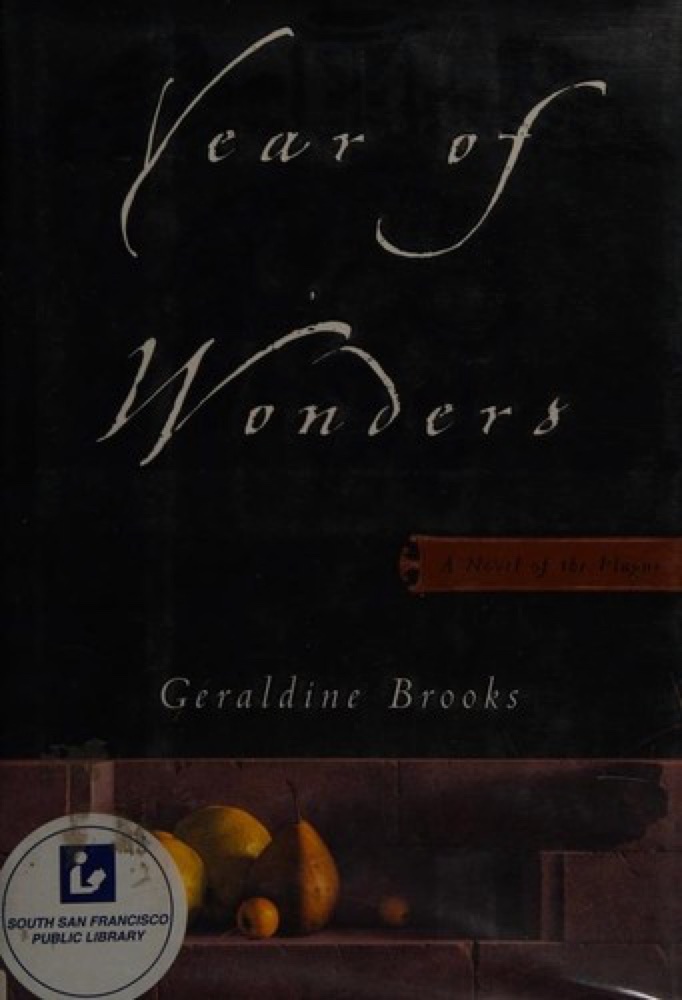 Year of Wonders
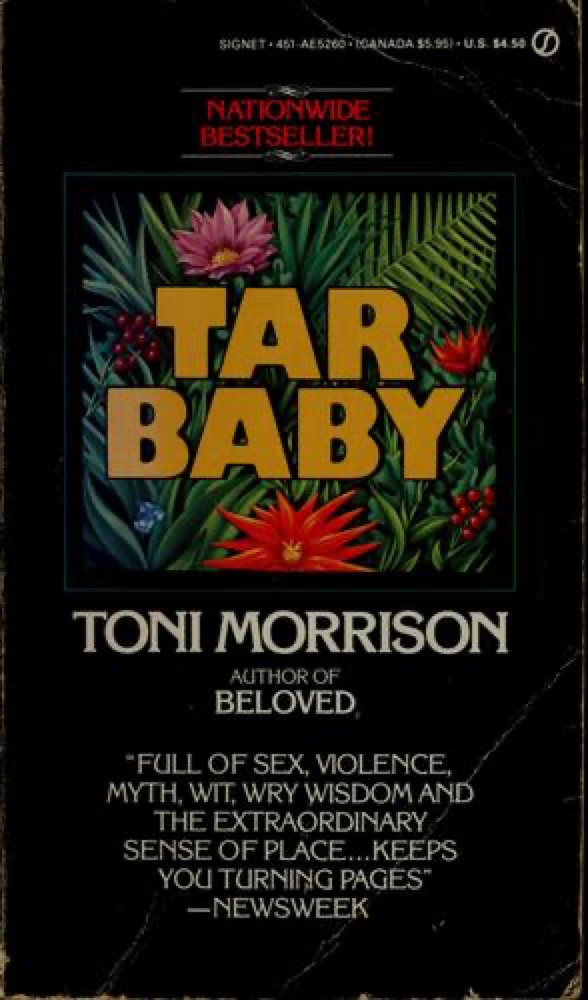 Tar Baby
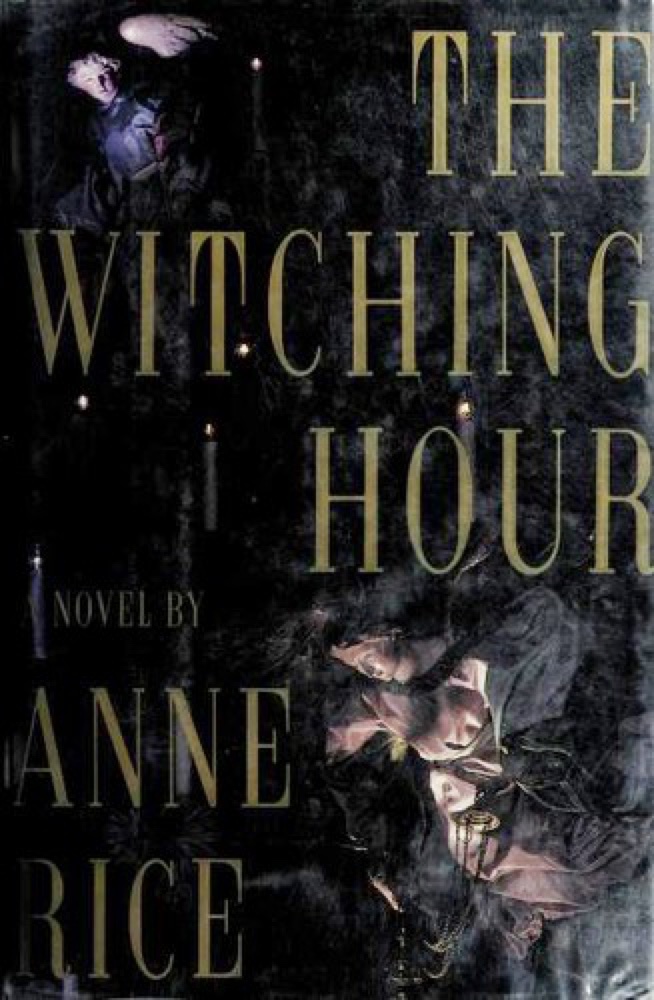 The Witching Hour
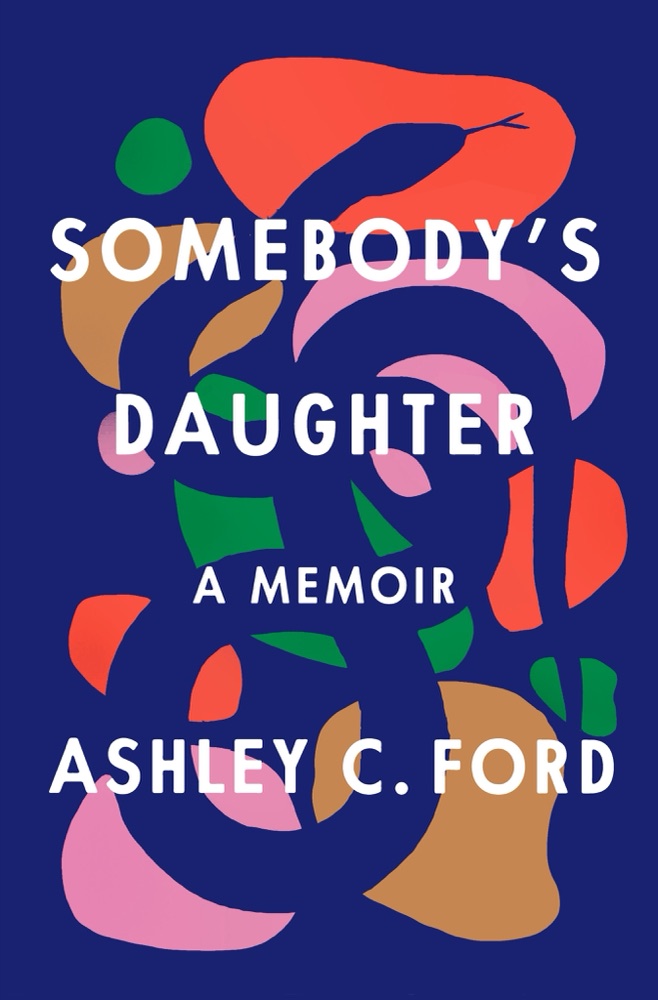 Somebody's Daughter
 Sexing the Cherry
 Heart Berries
 Bitterthorn
 Rainbow Black
 Palimpsest
 The Valley of Amazement
 What Is Not Yours Is Not Yours
 North and South
 The Year of the Flood
 The Beautiful and Damned
 The Dream of a Common Language
 Burned
 Winter Garden