
 The Seven Sisters
Quotes from the Book
And what's wrong with dimming the harsh reality of life a little, anyway? In essence, being alive is a bloody long and hard walk to death. Why not make it as pleasant along the way as you can?
I seem to be an expert at getting people's backs up. And I fully admit to occasionally doing it on purpose. Must be the boredom." Alex sighed. "You mean, you like to test people? Push them to their limits? Use the shock tactic of saying out loud the things that most other human beings wouldn't dare to? In order to deflate them, to break down their guard, which immediately puts you in control?" "Touche, Madam." Alex looked at her with new respect. "Well now, with that piercing riposte, plus the slap this afternoon, I'd say we're quits, wouldn't you?
Paradise ---------- A glowing dawn, a sweet, ripe peach, A blue sea lapping on the beach. A hint of spring, a dewy rose Whose scent assails an eager nose. Beauty now at every sight. A feast for senses to delight. A darkened cell, the fear of night, A mistral blows with all its might. A winter's chill in barren land, The bitter cold through frozen hand. Beauty now has closed its door. And swept away for distant shore. A touch of cheek, a lingered kiss So soft remembered, soon to miss. A tender arm around me thrown, The beauty of a heart's true home. In black despair, a shooting star, For Paradise is where you are.
Beaumont's intention was to promote the virtue and nutritional value of fruit-bearing trees. Fifteen different genera of fruit and a number of their different species are described in the work: almonds, apricots, a barberry, cherries, quinces, figs, strawberries, gooseberries, apples, a mulberry, pears, peaches, plums, grapes, and raspberries. Each colored plate illustrates the plant's seed, foliage, blossom, fruit, and sometimes cross sections of the species.
Emilie gazed across the terrace and the formal gardens to the undulating vineyards that surrounded
I'd Like to See ----------------- I'd like to see the red Of the roses in full bloom. I'd like to see the silver Of sun's reflection on the moon. I'd like to see the blue Of the ocean when it's roaring. I'd like to see the brown Of the eagle when it's soaring. I'd like to see the purple Of grapes hanging on the vine. I'd like to see the yellow Of the sun in summertime. I'd like to see the russet Of the chestnuts on the tree. I'd like to see the faces Of those that smile at me.
Watch on YouTube
About Lucinda Riley
We have collected 48 quotes from 4 books by Lucinda Riley on BookQuoters.
More about the author →More by Lucinda Riley
Book details
- Author
- Lucinda Riley
- Genre
- Mystery
- Goodreads rating
- 4.30 (39k ratings) →
Keep reading
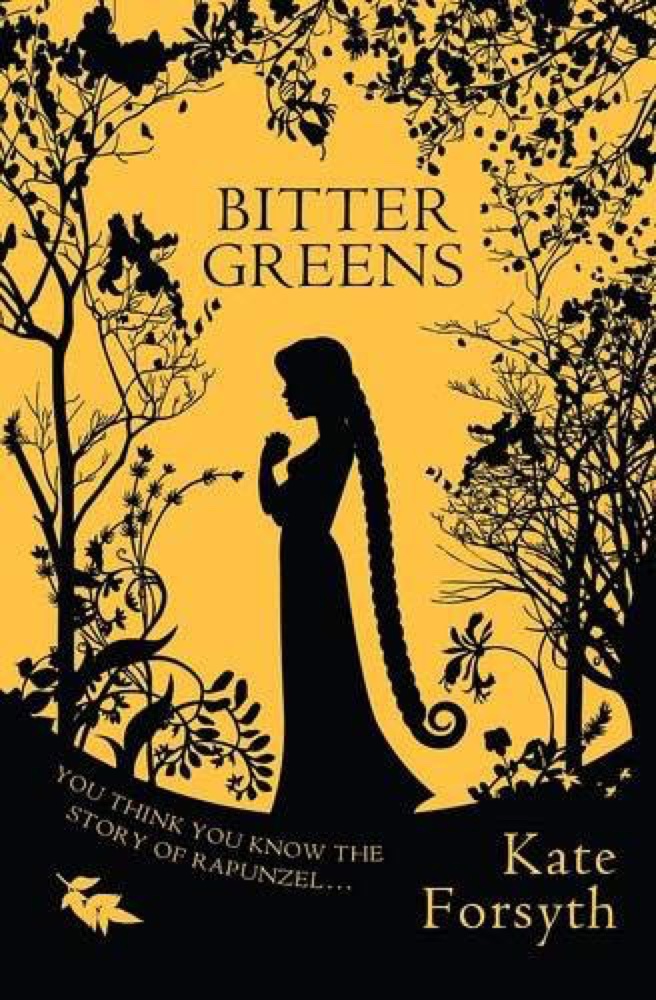 Bitter Greens
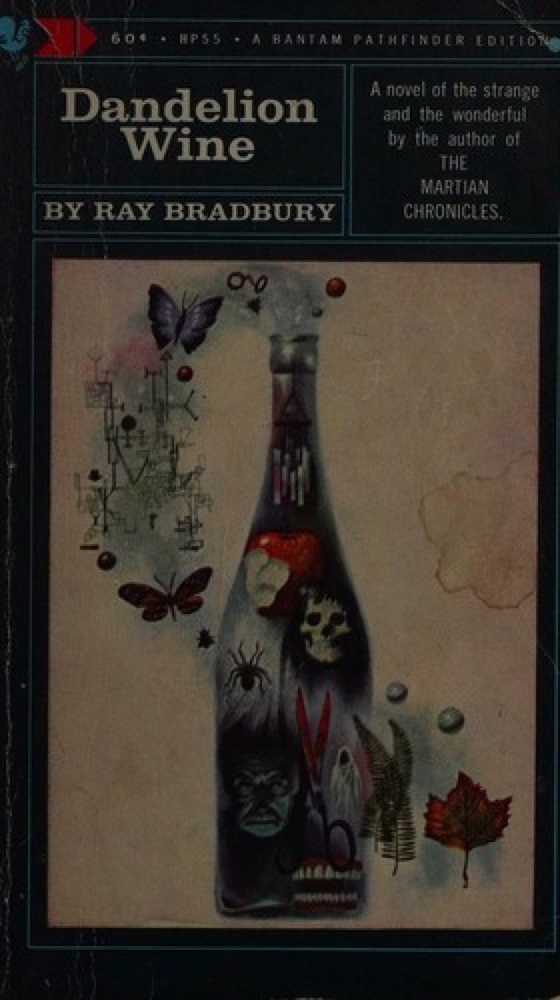 Dandelion Wine
 Poems, 1962-2012
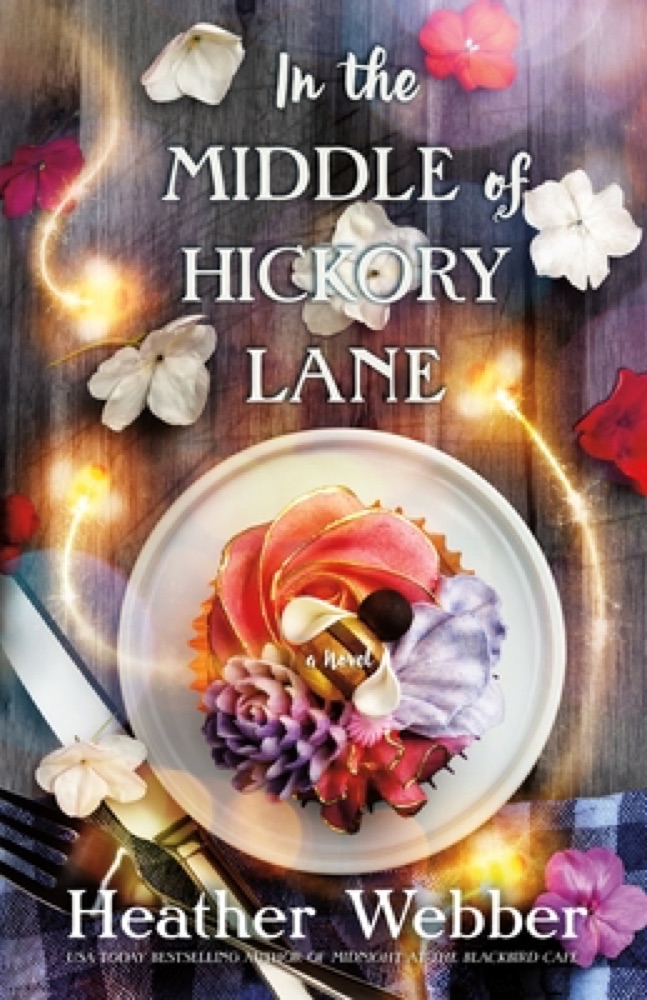 In the Middle of Hickory Lane
 Selected Poems
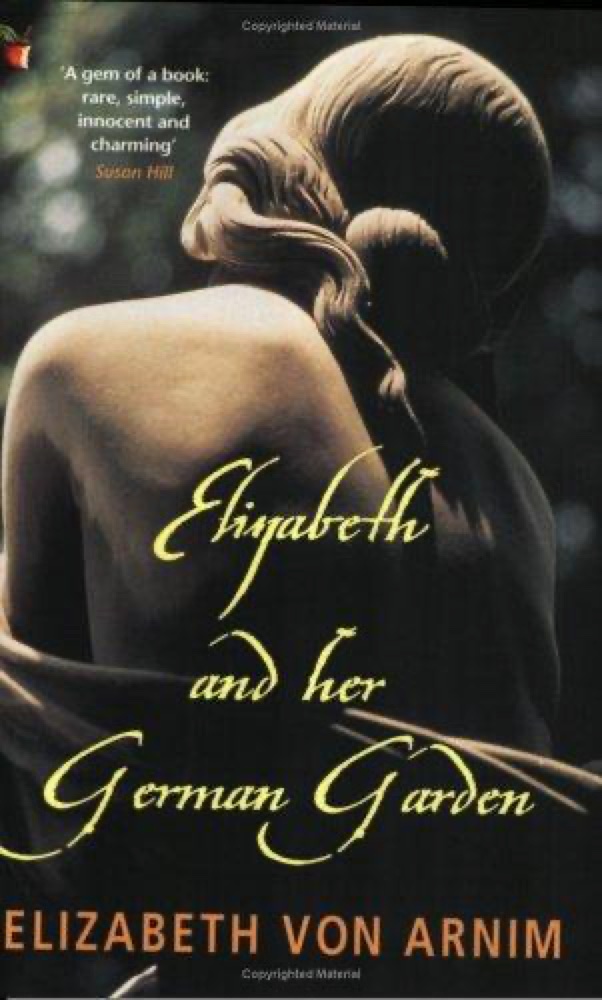 Elizabeth and Her German Garden
 The Strawberry Thief
 A Room with a View
 The Peacock Summer
 Under the Tuscan Sun
 The Tale of Genji
 The Violets of March
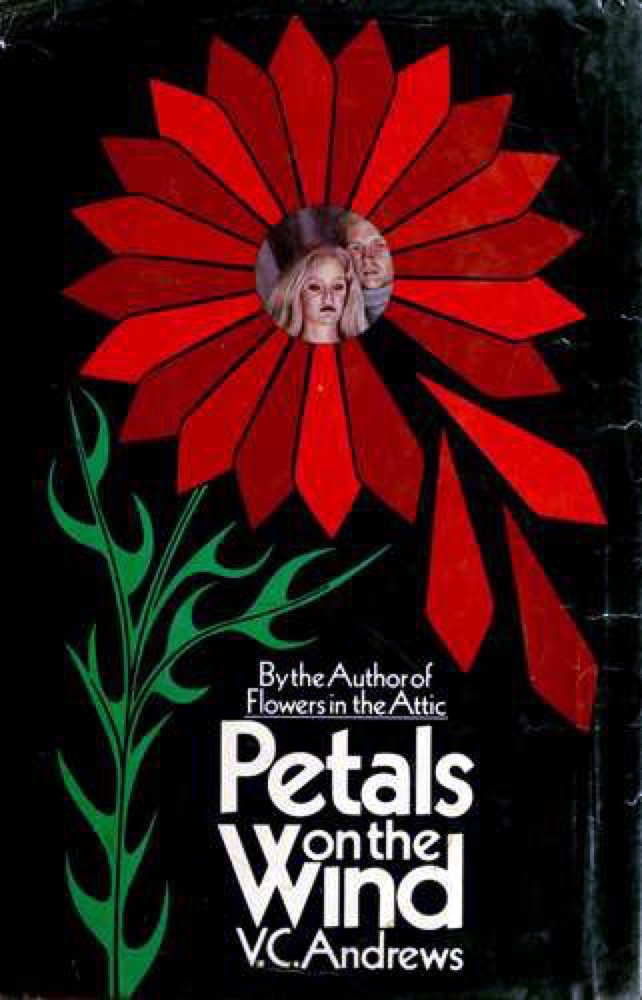 Petals on the Wind
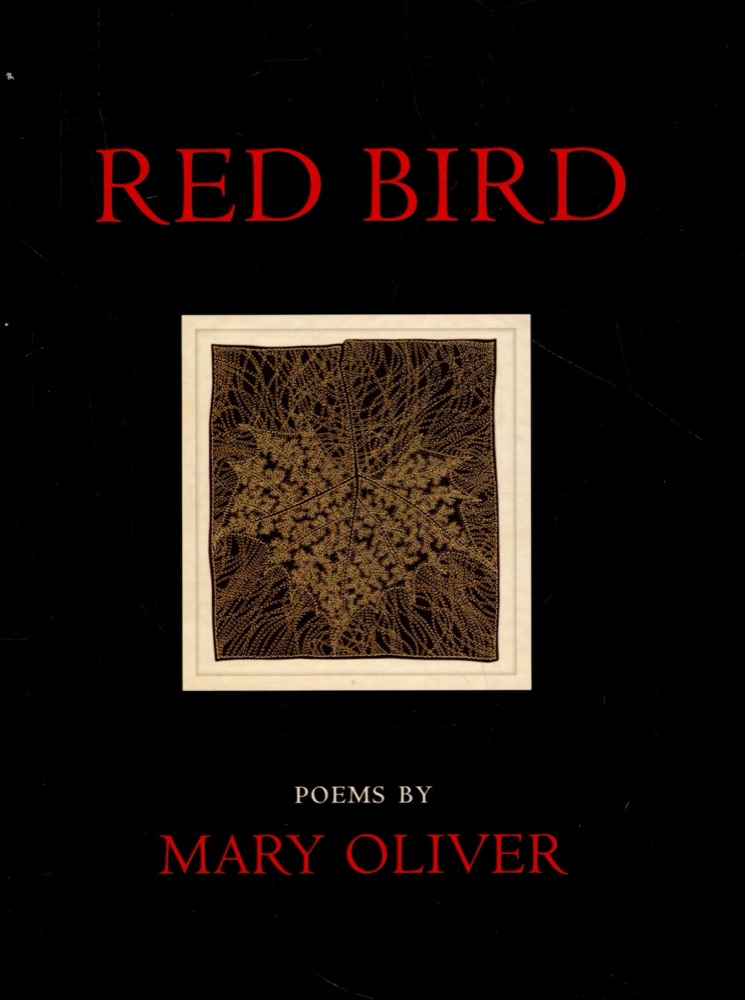 Red Bird
 Dracula in Love
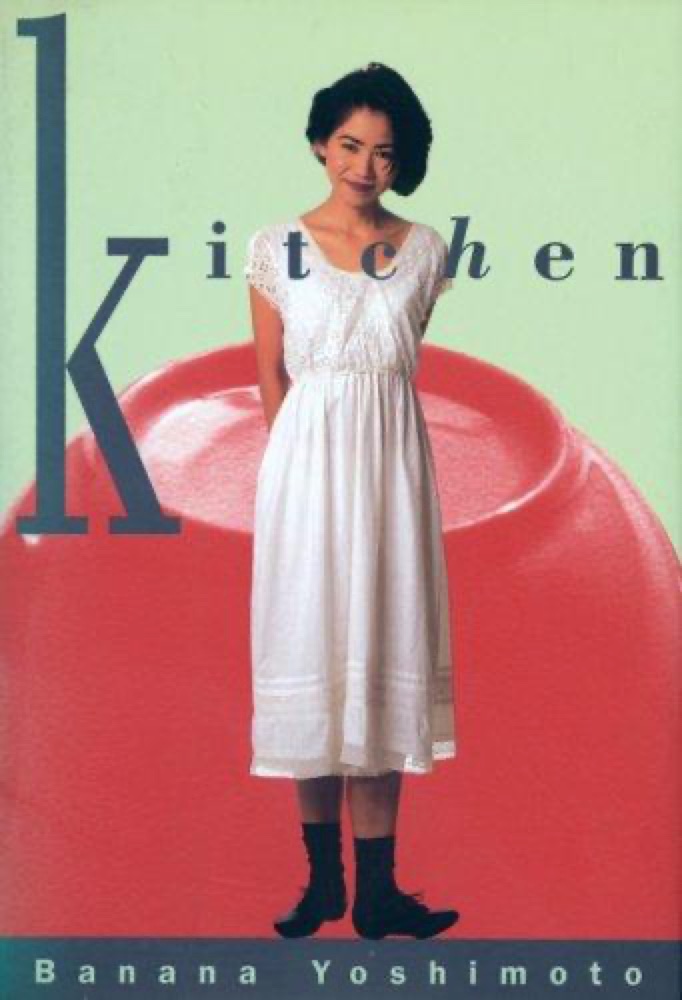 Kitchen
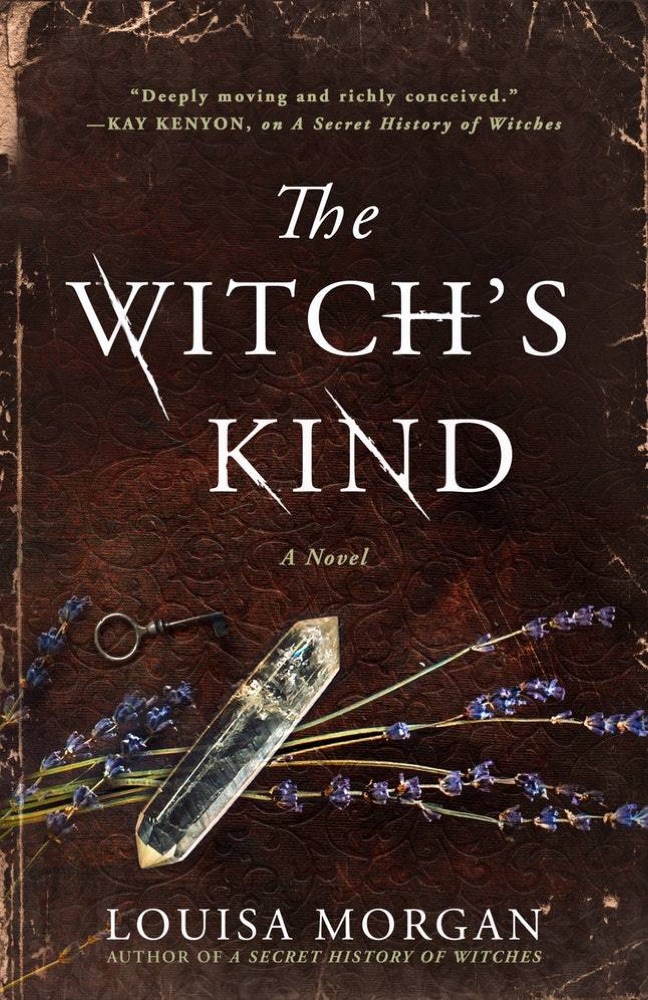 The Witch's Kind
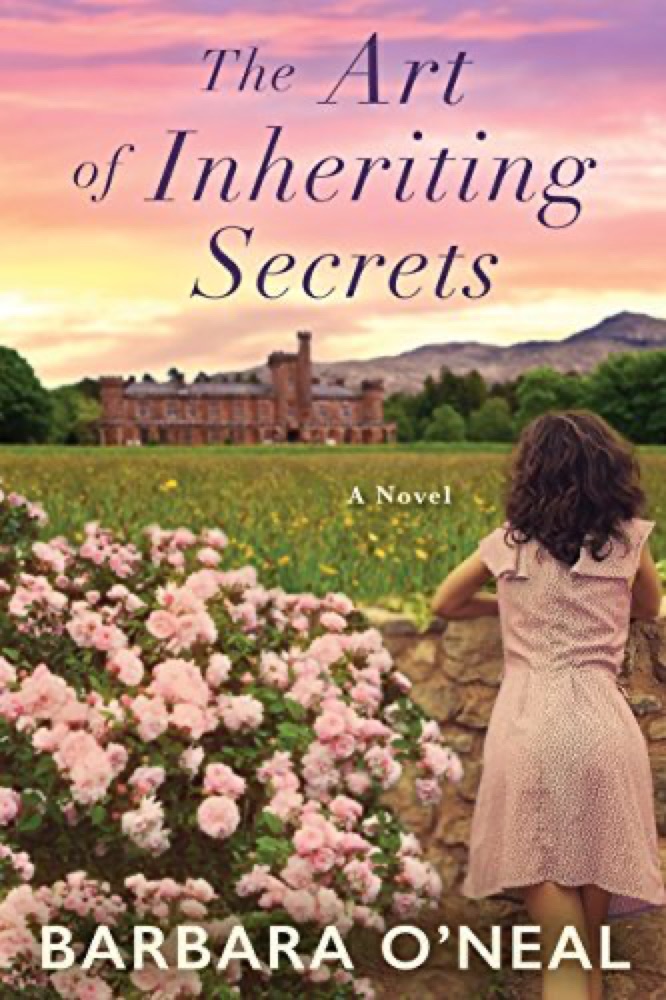 The Art of Inheriting Secrets
 Spring Snow
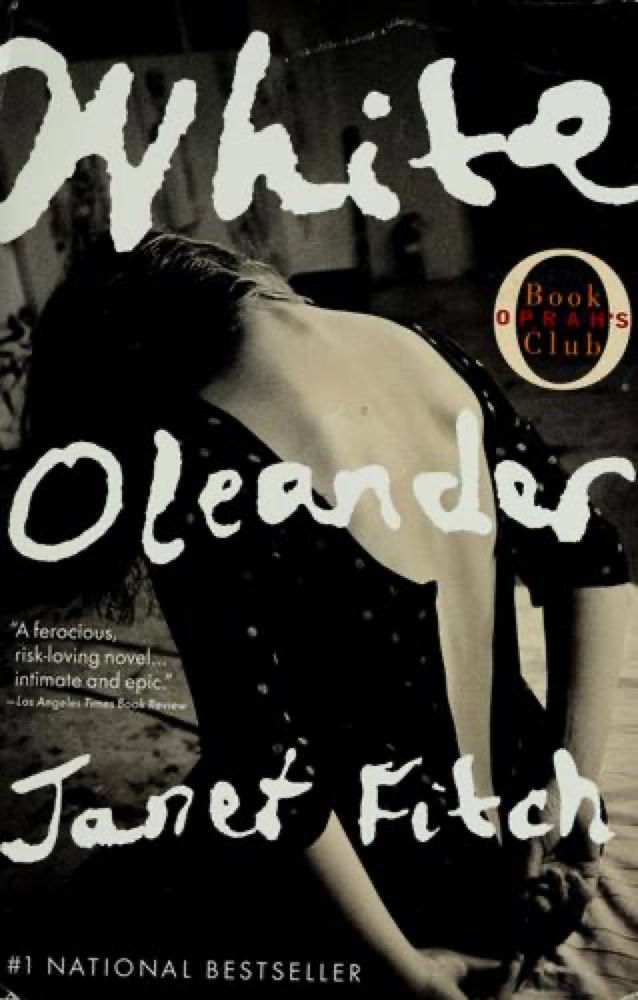 White Oleander
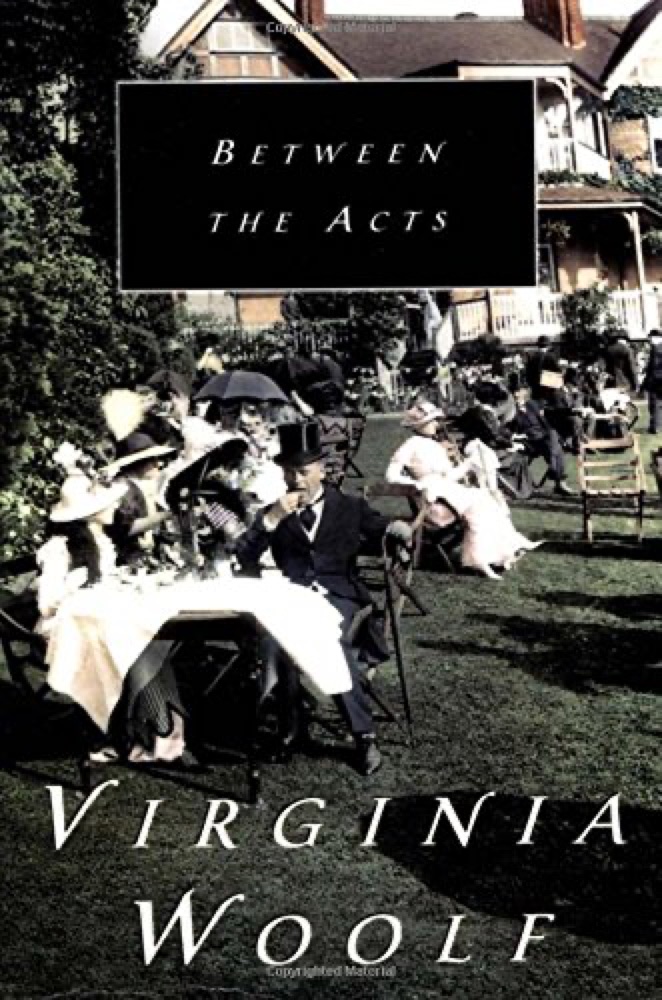 Between the Acts
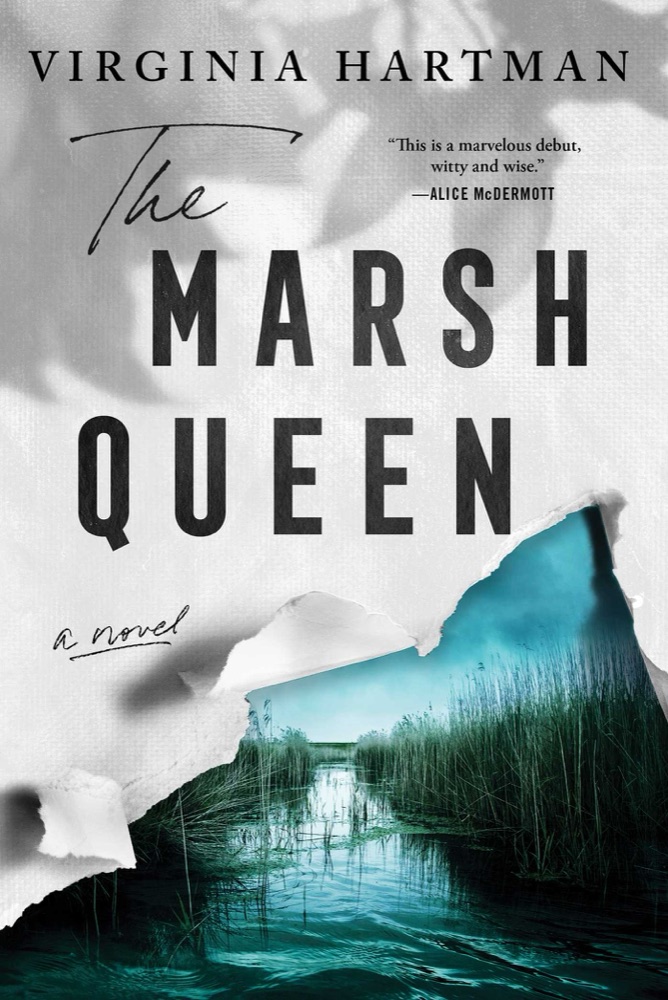 The Marsh Queen
 Bel-Ami
 Where the Sidewalk Ends
 Suspicion
 The Someday Garden
 Ahab's Wife, or The Star-Gazer
 North of Beautiful
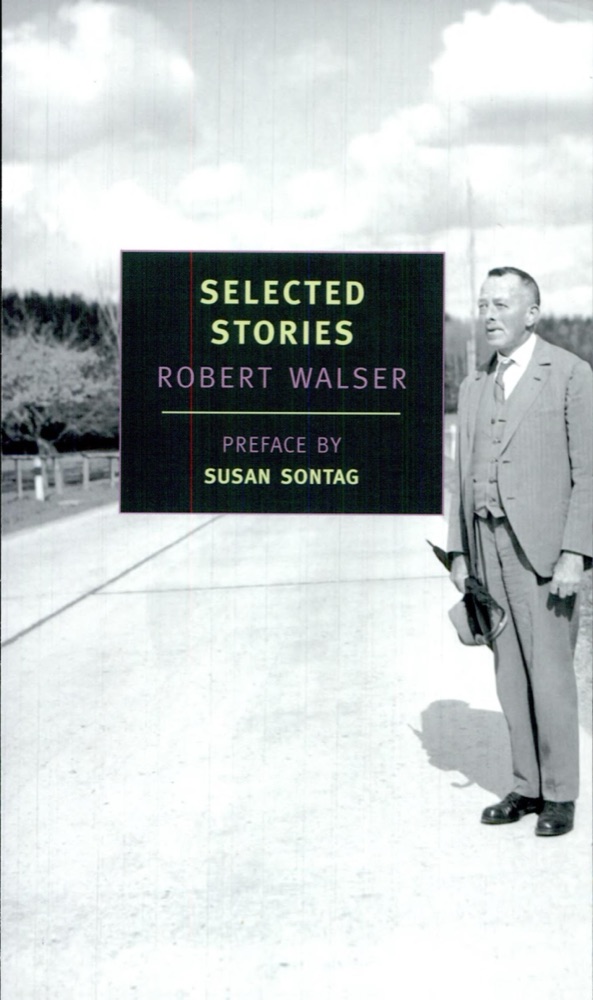 Selected Stories
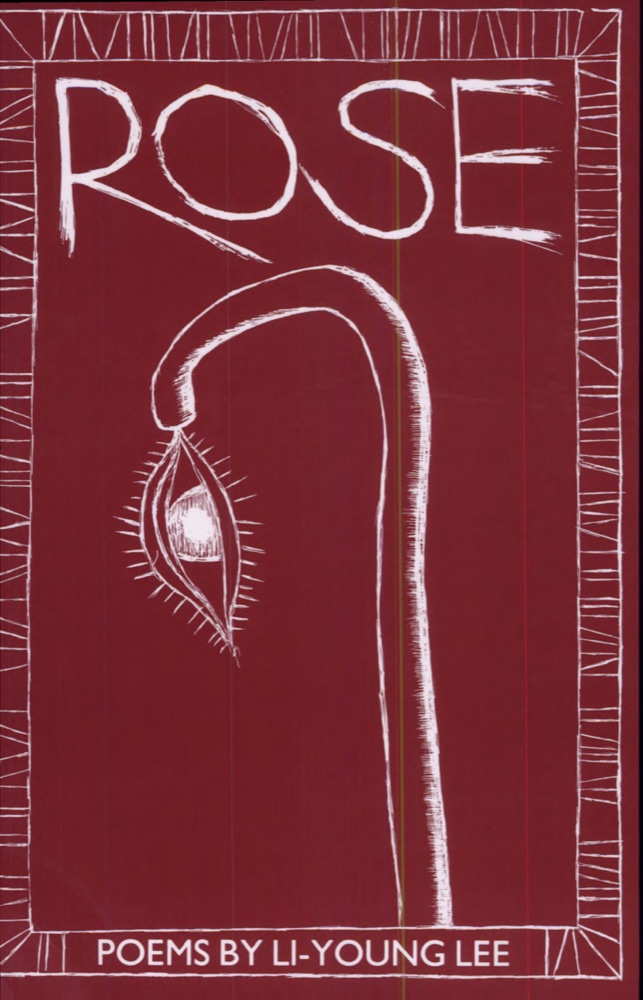 Rose
Rose
 The Cottingley Secret
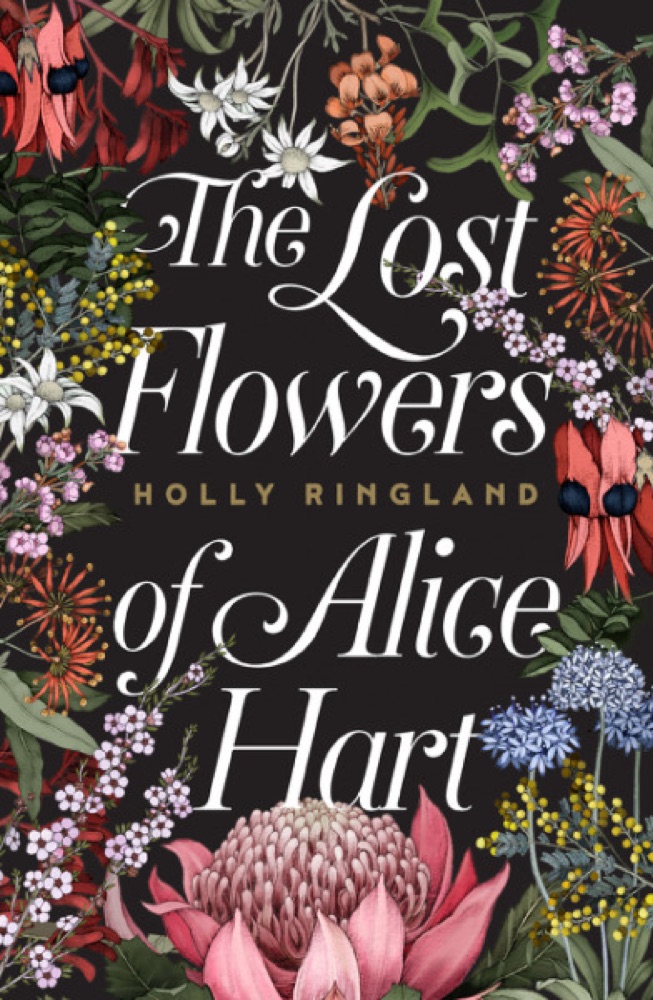 The Lost Flowers of Alice Hart
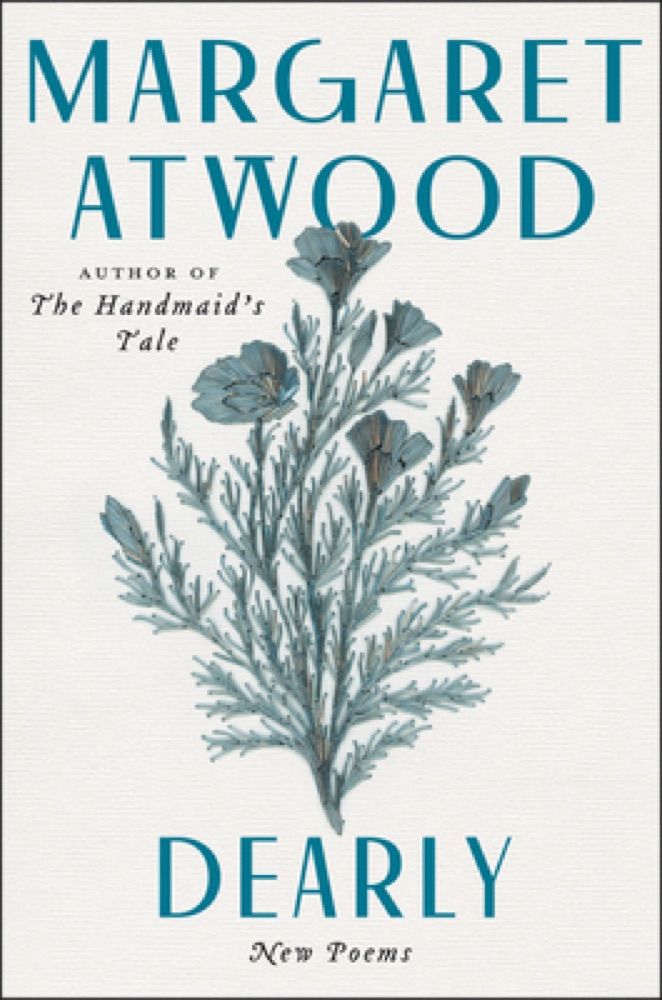 Dearly
 Daddy-Long-Legs
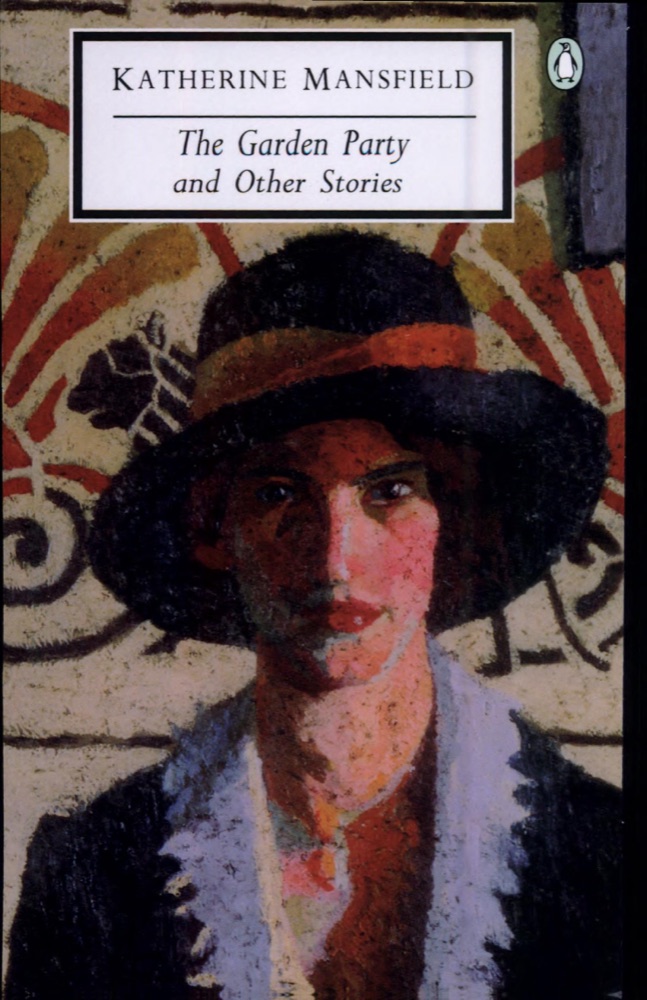 The Garden Party and Other Stories
 Plainwater: Essays and Poetry
 Tess of the D'Urbervilles
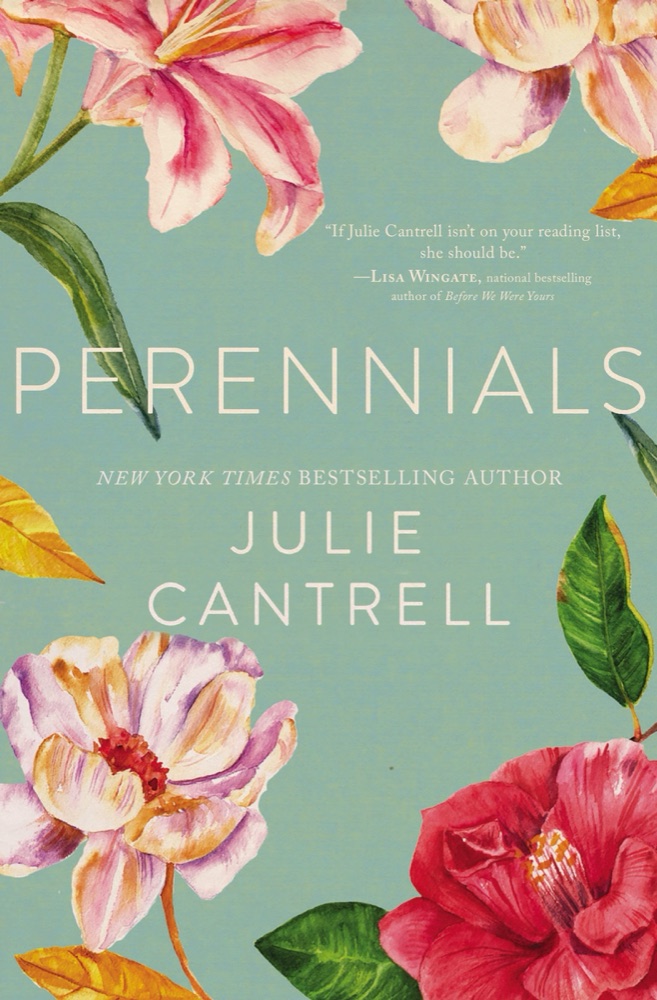 Perennials
 Light Years
 Oblomov
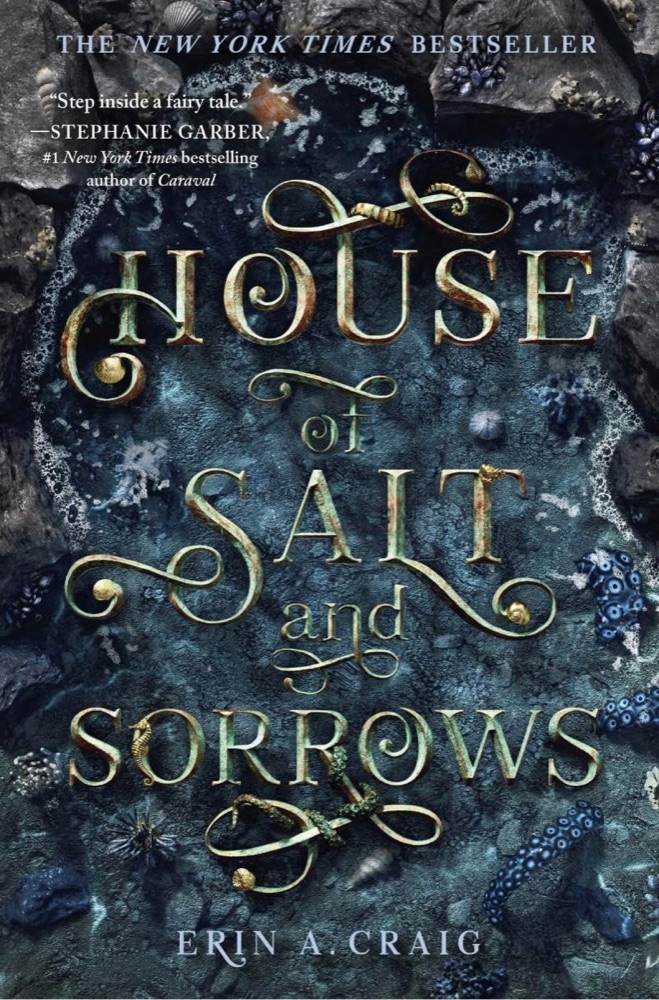 House of Salt and Sorrows
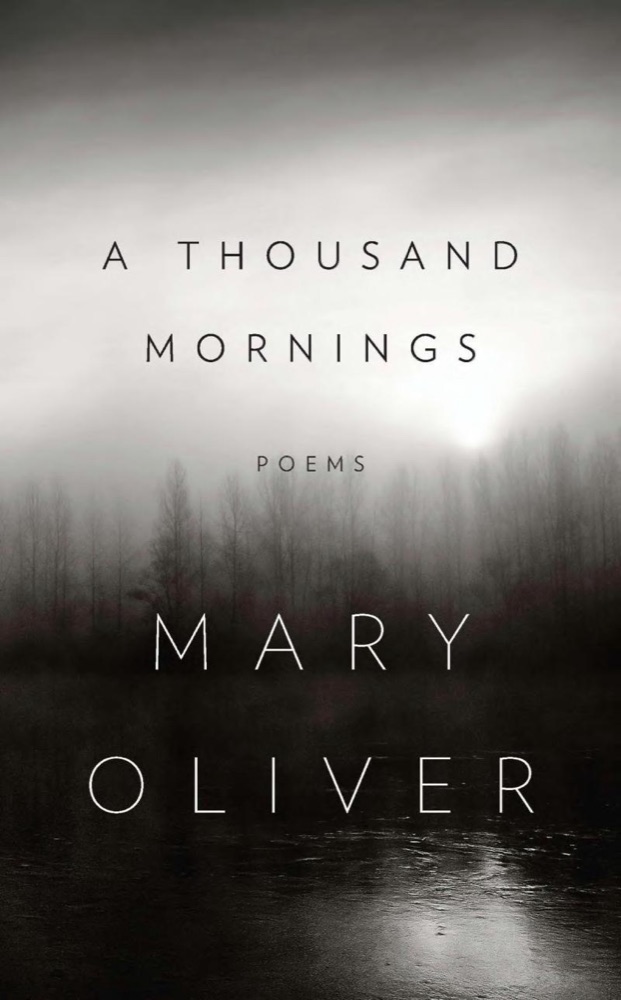 A Thousand Mornings: Poems
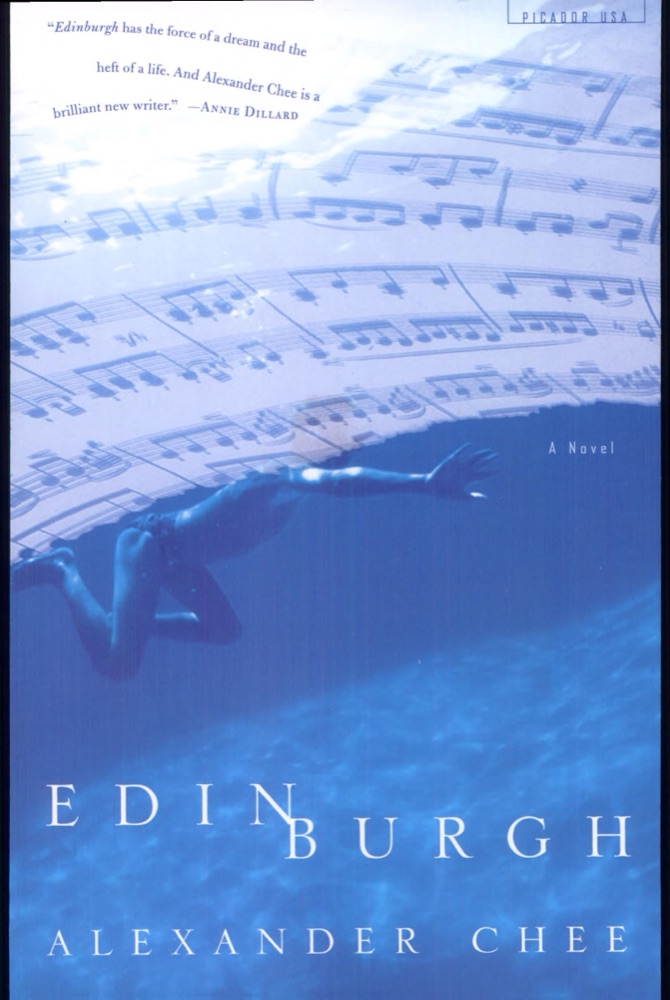 Edinburgh
 Curtain
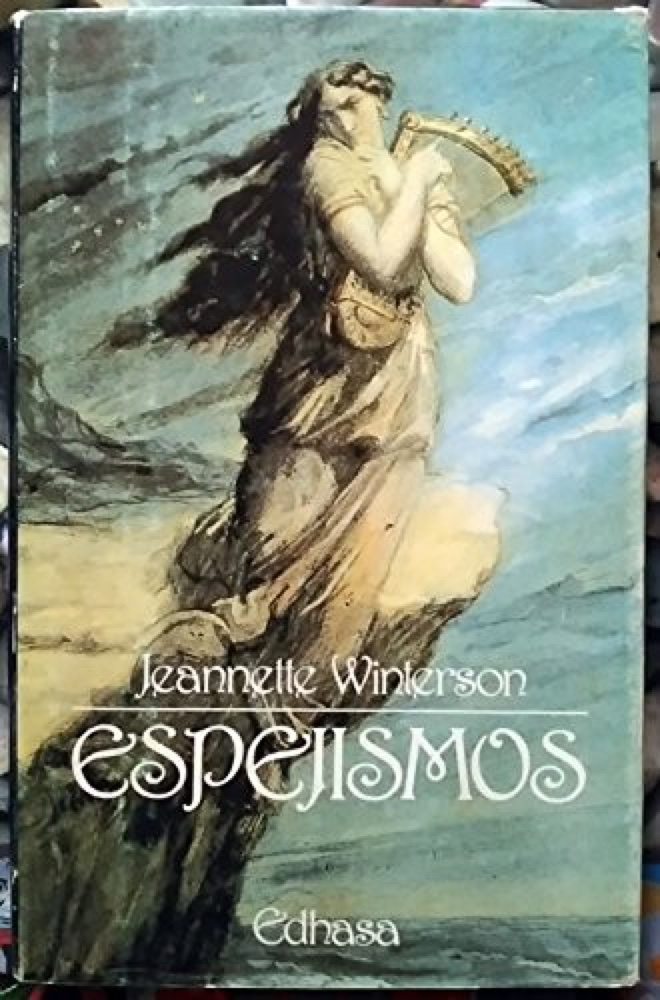 Sexing the Cherry
 The Return of the Native
 On the Other Side
 Pilgrim at Tinker Creek
 Selected Stories of Anton Chekhov
 Thirst
 Swann's Way
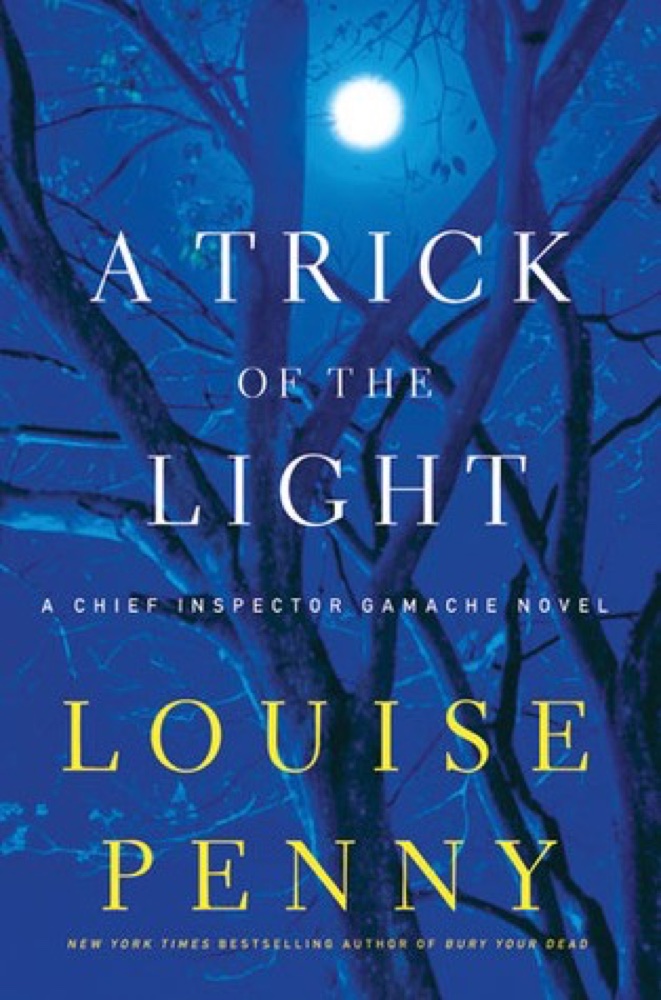 A Trick of the Light
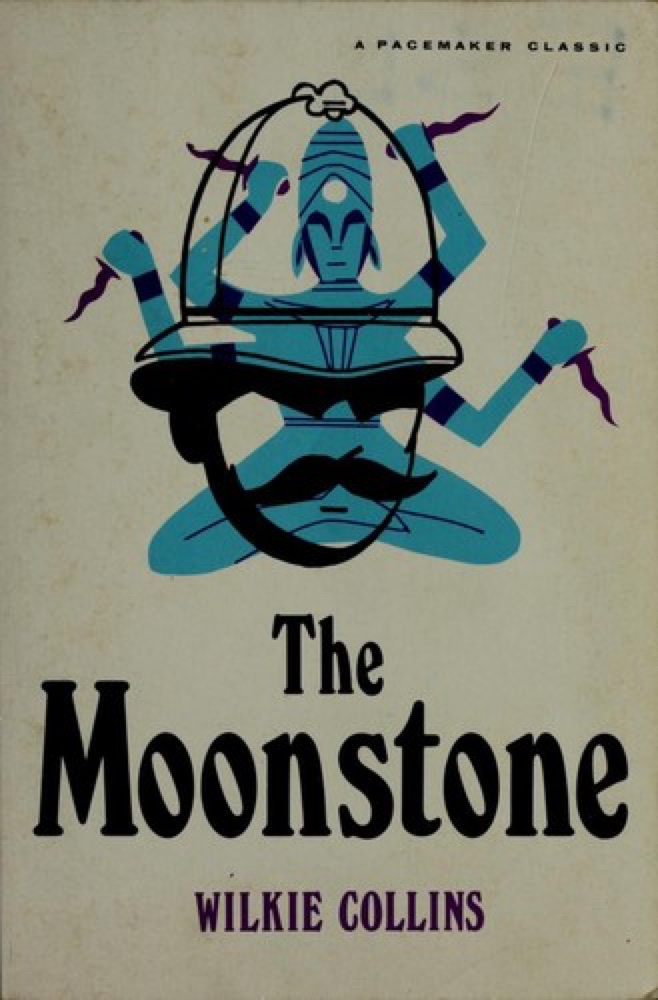 The Moonstone
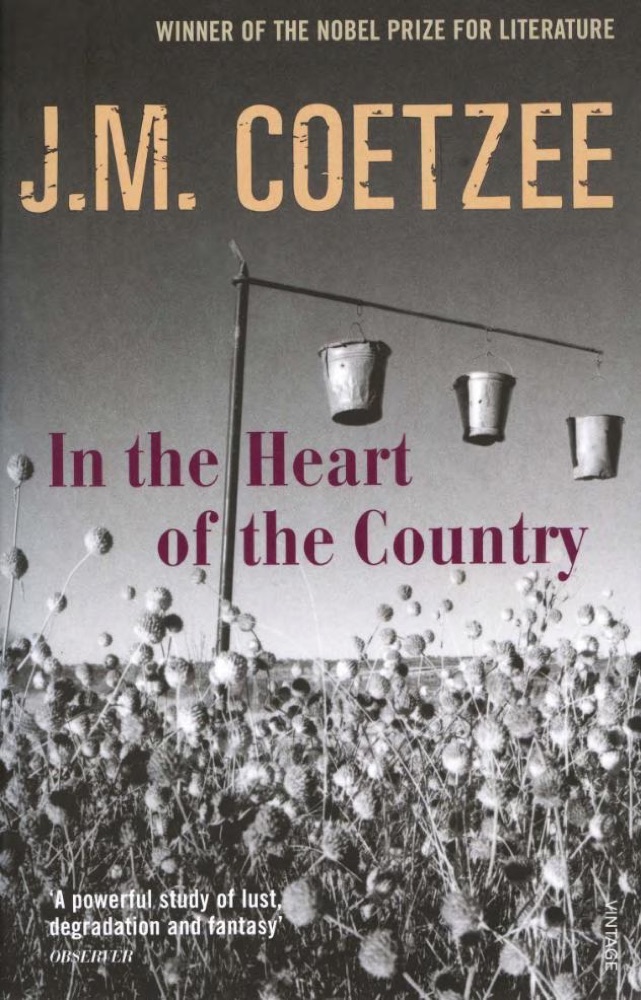 In the Heart of the Country
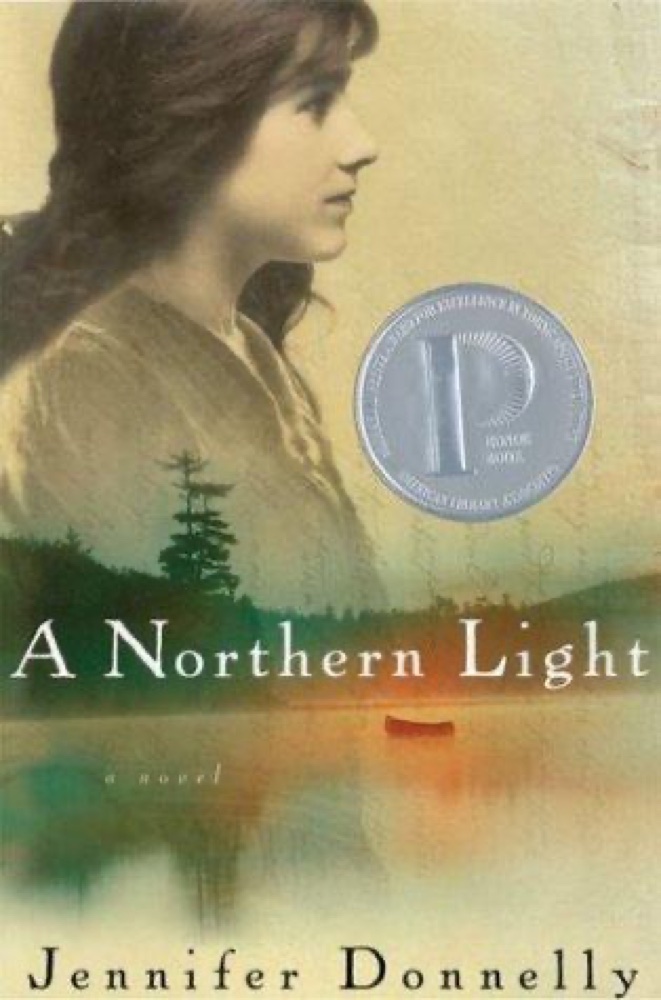 A Northern Light
 Beauty and the Mustache
 Land of Milk and Honey
 Mariana
 Portrait in Sepia