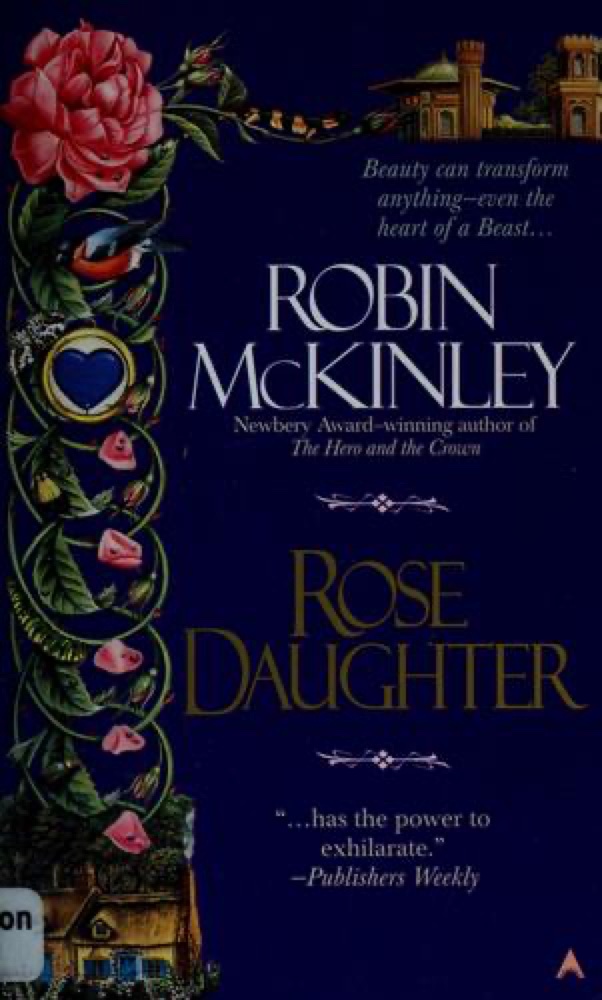

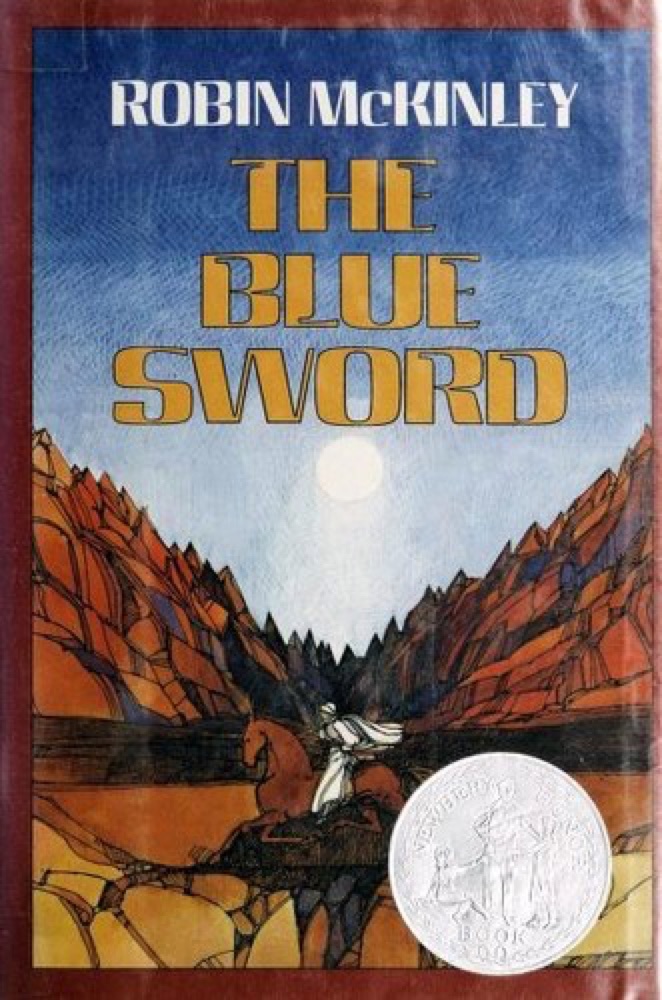
 The Blue Sword
Quotes from the Book
Roses are for love. Not silly sweet-hearts' love but the love that makes you and keeps you whole, love that gets you through the worst your life'll give you and that pours out of you when you're given the best instead.
She laughed at him then, because he sounded like a small boy, not like a very large grown-up Beast with a voice so deep it made the hair on the back of your neck stir when you heard it. 'But vegetables are good for you,' she said, and added caressingly, 'They make you grow up big and strong.' He smiled, showing a great many teeth. 'You see why I wish to eat no more vegetables.
But it was equally clear to her that this was her fate, that she had called its name and it had come to her, and she could do nothing now but own it.
They are all so beautiful,' she said. He looked down at her. 'Not half so beautiful as you are,' he said. 'Nor do they speak to me, nor touch me. Even Fourpaws will not touch me. Beauty, will you marry me?
She looked up at once, pierced to the heart by the sorrow in his voice and knowing, from the question and the sorrow together, that he had no notion of what had just happened to her, nor why. From that she pitied him so greatly that she cupped her hands again to hold a little of the salamander's heat, not for serenity but for the warmth of friendship. But as she felt the heat again running through her, she knew at once it bore a different quality. It had been a welcome invader the first time, only moments before; but already it had become a constituent of her blood, intrinsic to the marrow of her bones, and she heard again the salamander's last words to her: Trust me. At that moment she knew that this Beast would not have sent such misery as her father's illness to harry or to punish, knew too that the Beast would keep his promise to her, and to herself she made another promise to him, but of that promise she did not yet herself know. Trust me sang in her blood, and she could look in the Beast's face and see only that he looked at her hopefully.
She was ashamed. She would not--she would not--be frightened of him: he was what he was, and he had made a promise he would keep.
What … you’re a hedgehog!” It stirred at her touch and then curled up tighter. “You’re a very small hedgehog. And you shouldn’t be wandering round enchanted palaces looking for adventures.
There was something very odd about the carpet this morning… More hedgehogs? Many more hedgehogs? Positively a lake of hedgehogs?
She wondered if her father had awakened yet, if he had missed her, if Jeweltongue would tell him she was only out in the garden, if Tea-cosy's wretchedness would give them all away immediately. She wondered if she had been right to guess that her father would not mend till she left--and that he would mend when she did. Had the Beast sent his illness? Did he watch them from his palace? What a sorcerer could and could not do could never quite be relied on--not even always by the sorcerer. She could hate him--easily she could hate him--for the misery of it if he had sent it. If he kept his promises like a man, did he suppose that they mere humans as they were, would keep theirs any less? The price was high for one stolen rose, but they would pay it. If he had sent her father's illness to beat them into acquiescence, she would hate him for it. The bitterness of her thoughts weighted her down till she had to stop walking. She looked again at the beech trees and, not waiting for a gap this time, fought her way through to the nearest and leant against it, turning her head so that her cheek was against the bark. The Beast is a Beast, even if he keeps his promises; how could she guess how a Beast thinkds, especially one who is so great a sorcere? It was foolish to talk of hating him--foolish and wasteful. What had happened had happened, like anything else might happen, like a bit of paper giving you a new home when you had none finding its way into your hand, like a company of the ugliest, worst-tempered plants you'd ever seen opening their flowers and becoming rose-bushes, the most beautiful, lovable plants you've ever seen. Perhaps it was the Beast's near presence that made her own roses grow. Did she not owe him something for that if that were the case? It was a curious thing, she thought sadly, how one is no longer satisfied with what one was or had if one has discovered something better. She could not now happily live without roses, although she had never seen a rose before three years ago.
I will miss the horses," said Beauty a little wistfully. "Perhaps you will become fond of the goat," said Jeweltongue. "Or even the chickens." "Does one ever grow fond of chickens?" said Beauty dubiously. "Perhaps the goat.
Watch on YouTube
About Robin McKinley
We have collected 168 quotes from 9 books by Robin McKinley on BookQuoters.
More about the author →More by Robin McKinley
All books by Robin McKinley →
Book details
- Author
- Robin McKinley
- Genre
- Fiction
- Goodreads rating
- 3.79 (22k ratings) →
Keep reading
 The Raven Prince
 Red Riding Hood
 Wicked Lovely
 Graceling
 Girl, Serpent, Thorn
 The Garden Party and Other Stories
 Romancing the Duke
 Moonglow
 It Happened One Autumn
 The Merchant's Daughter
 The Rose and the Beast: Fairy Tales Retold
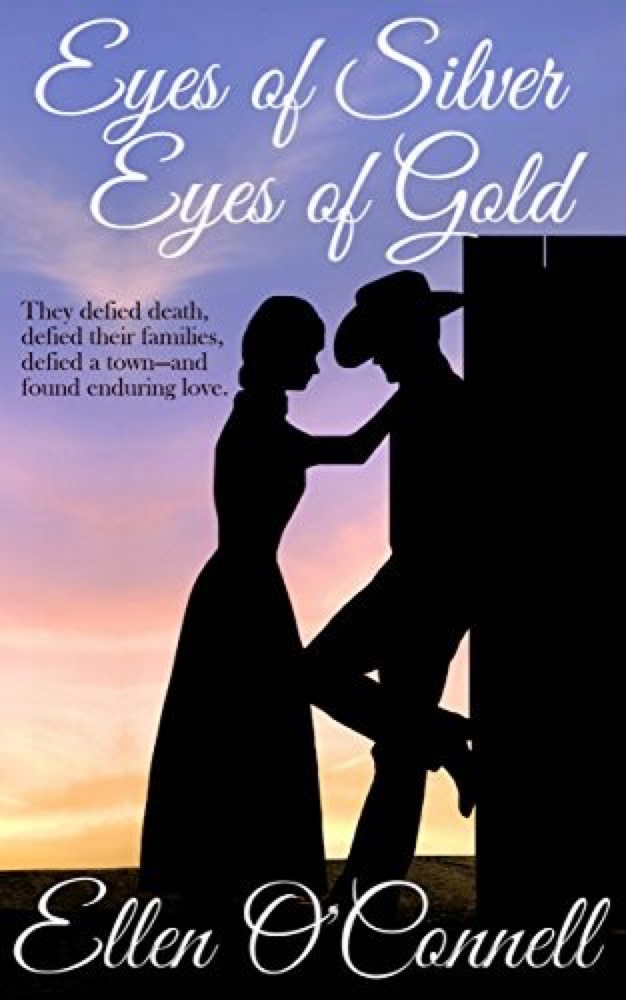 Eyes of Silver, Eyes of Gold
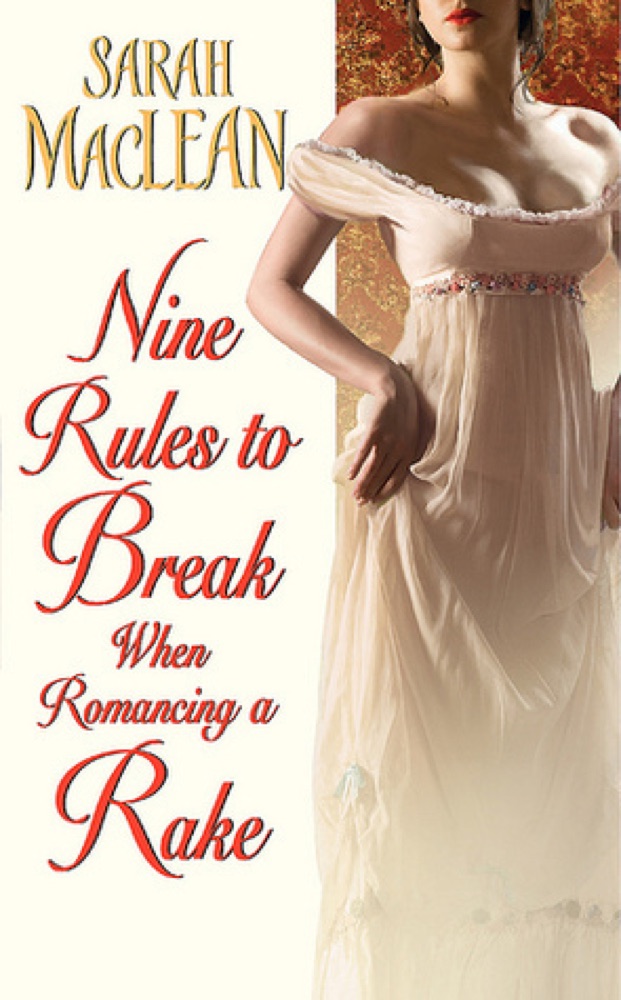 Nine Rules to Break When Romancing a Rake
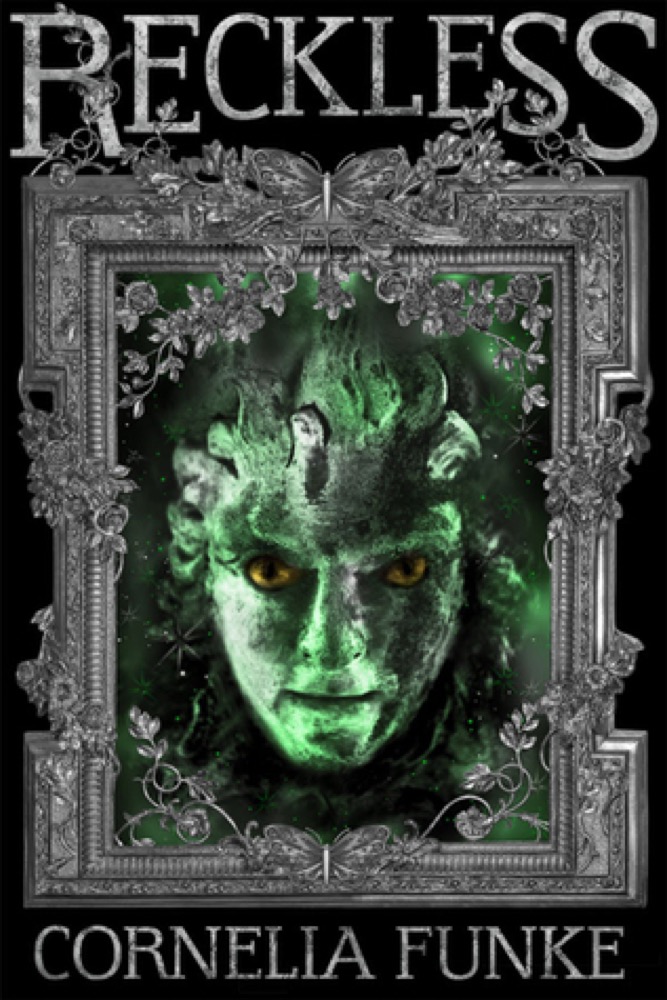 Reckless
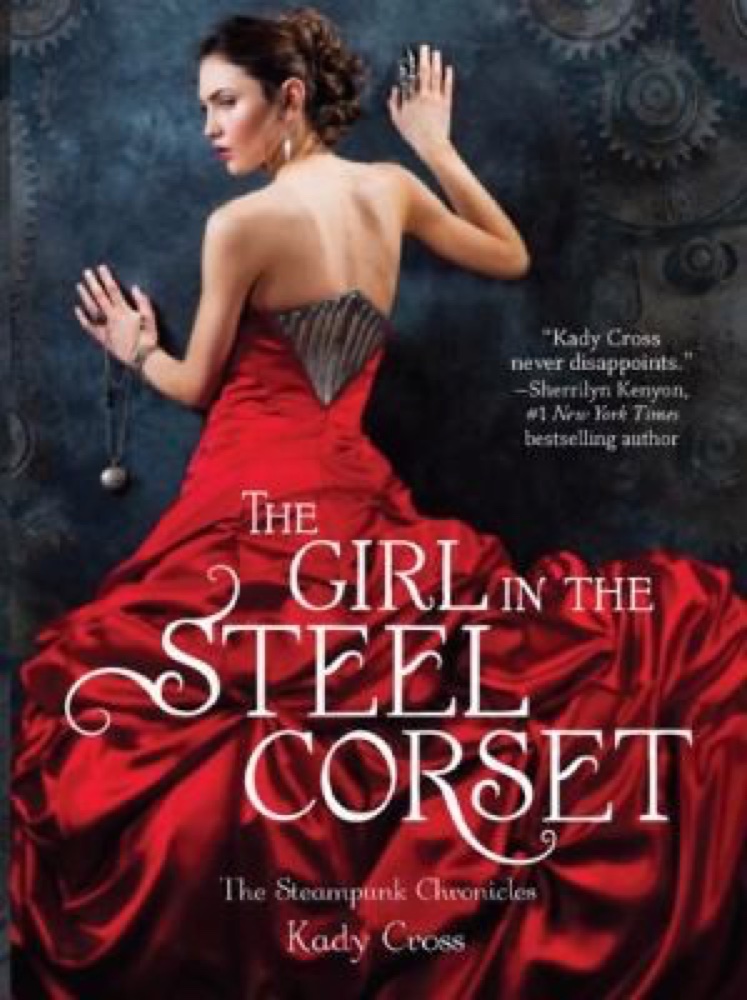 The Girl in the Steel Corset
 Once Upon a Dream
 Tender Morsels
 The Devil and the Heiress
 The Goose Girl
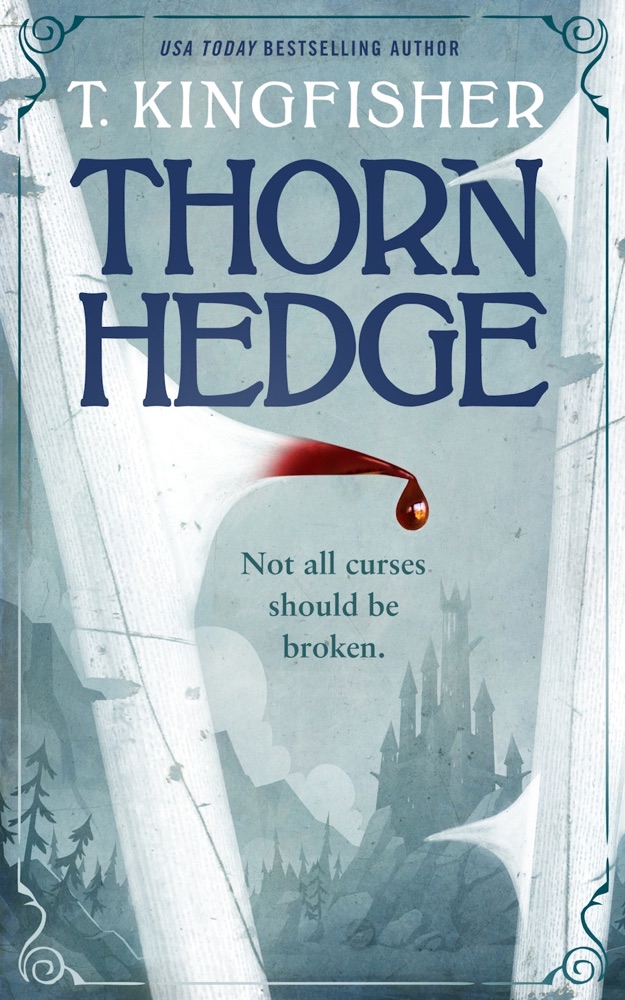 Thornhedge
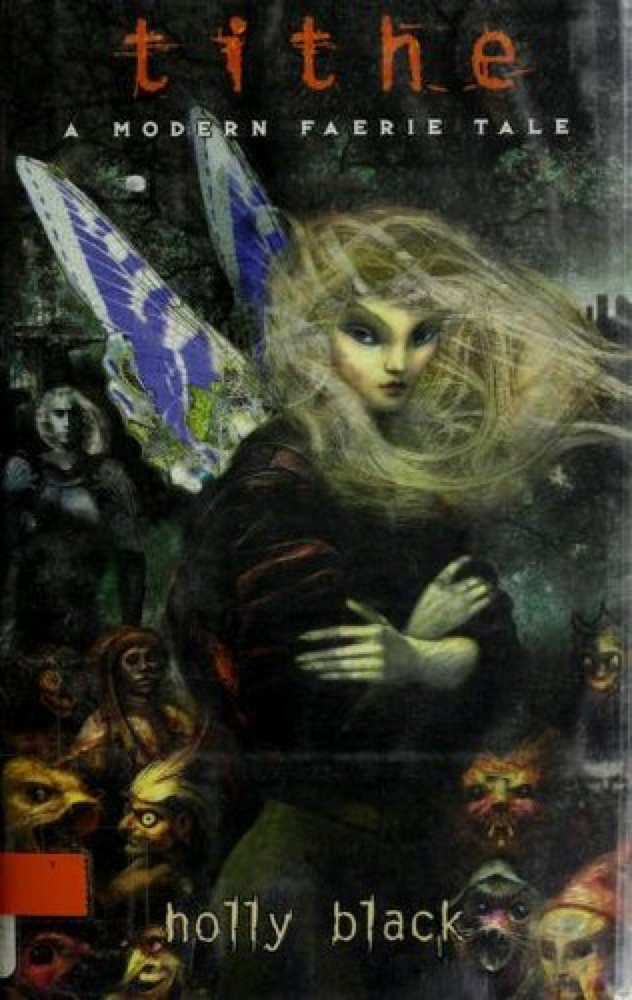 Tithe
Tithe
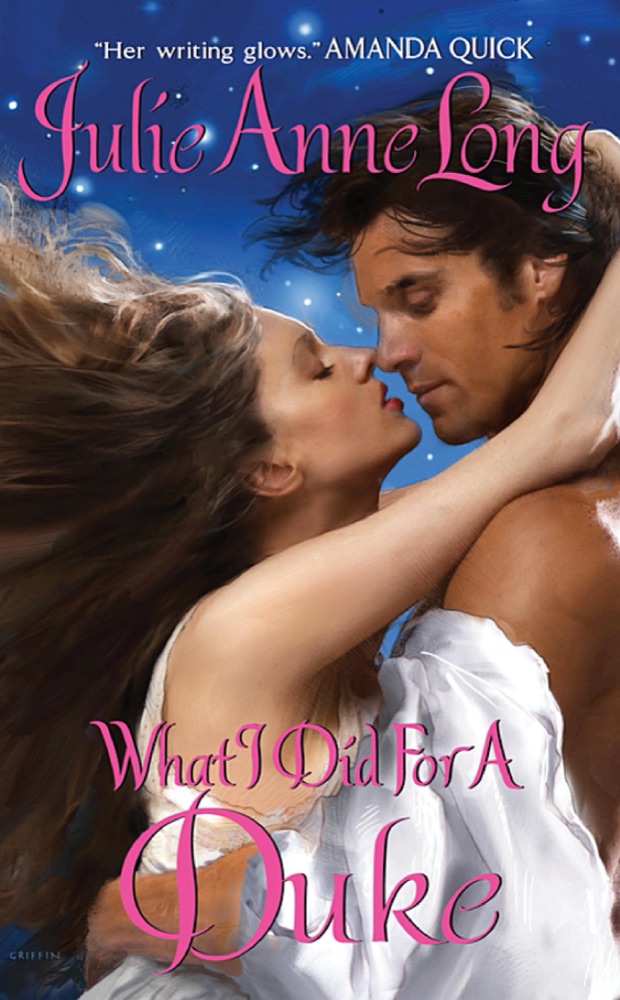 What I Did for a Duke
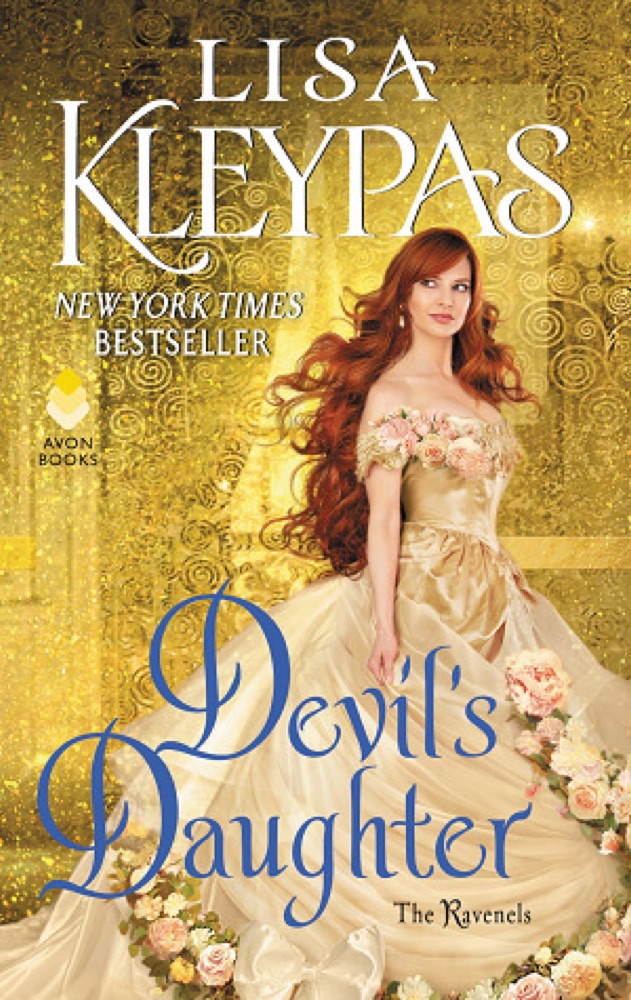 Devil's Daughter
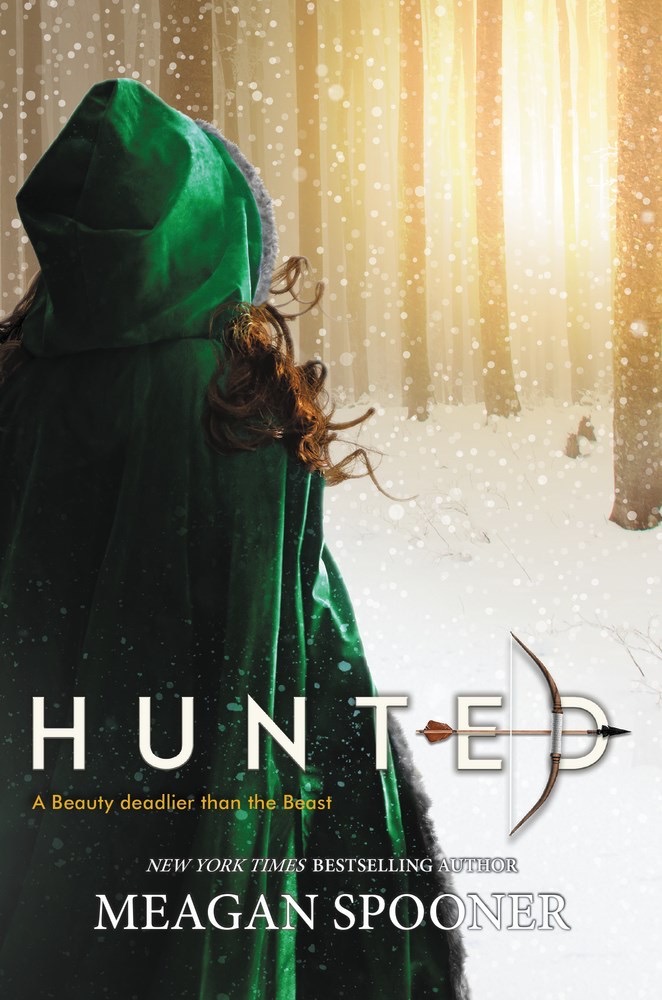 Hunted
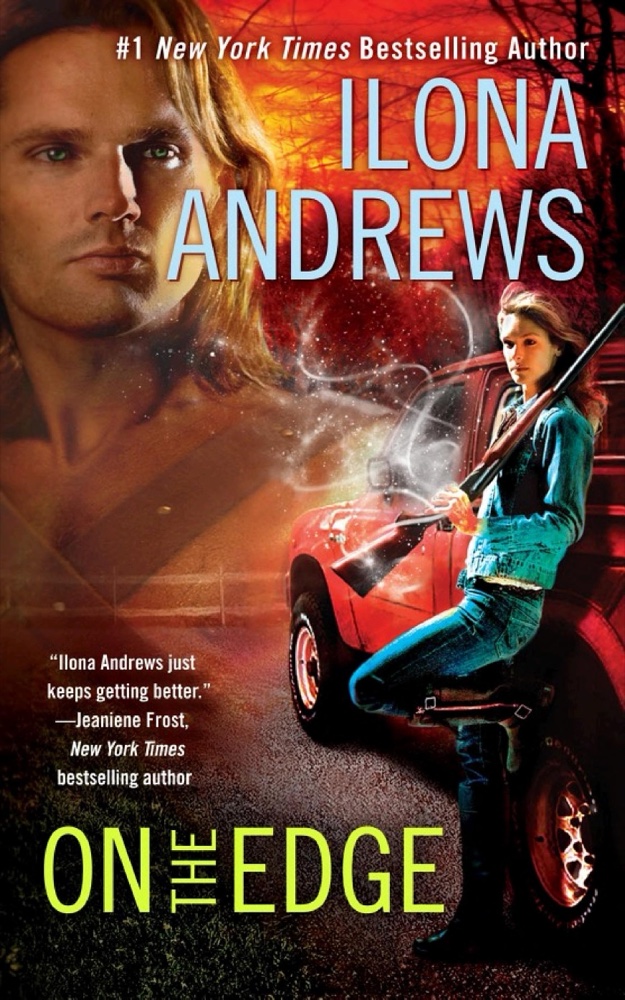 On the Edge
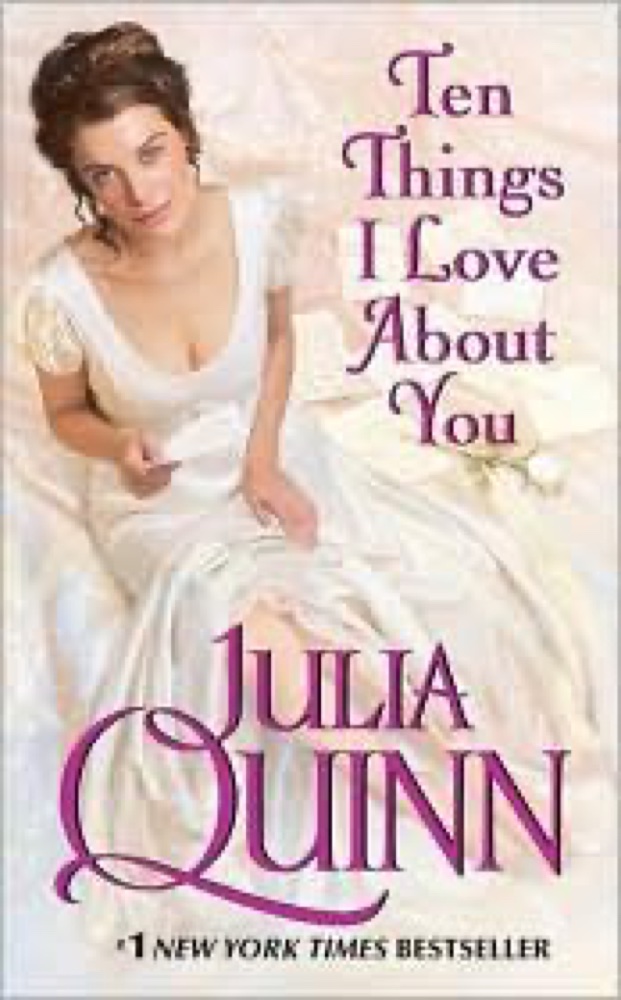 Ten Things I Love About You
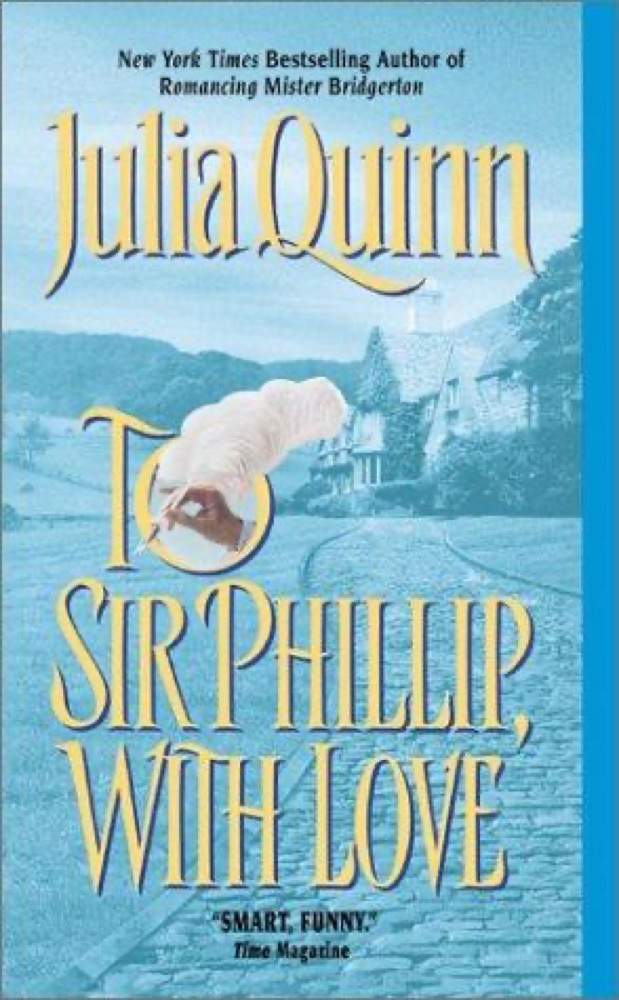 To Sir Phillip, With Love
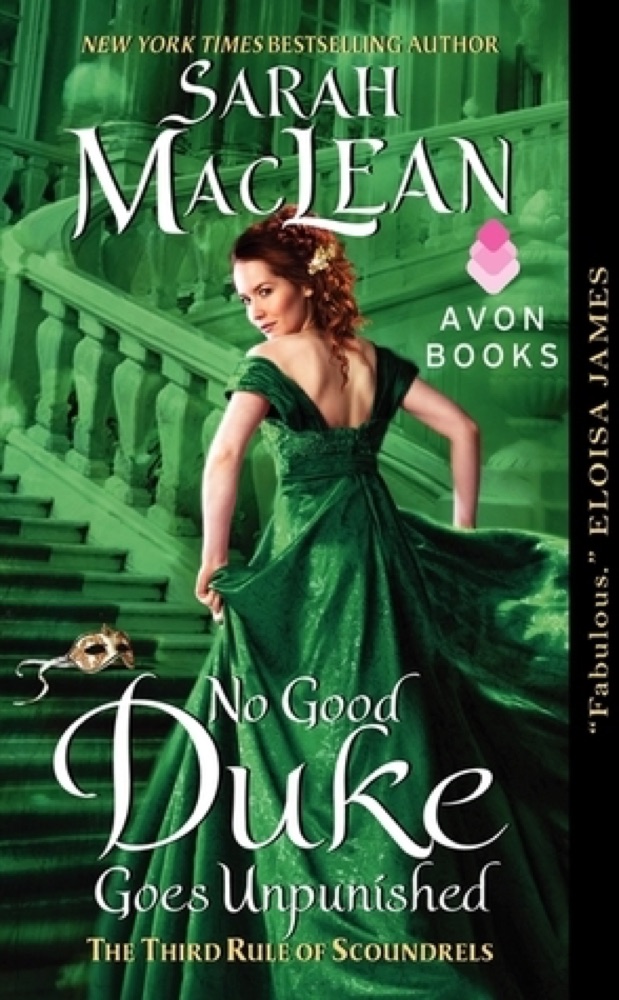 No Good Duke Goes Unpunished
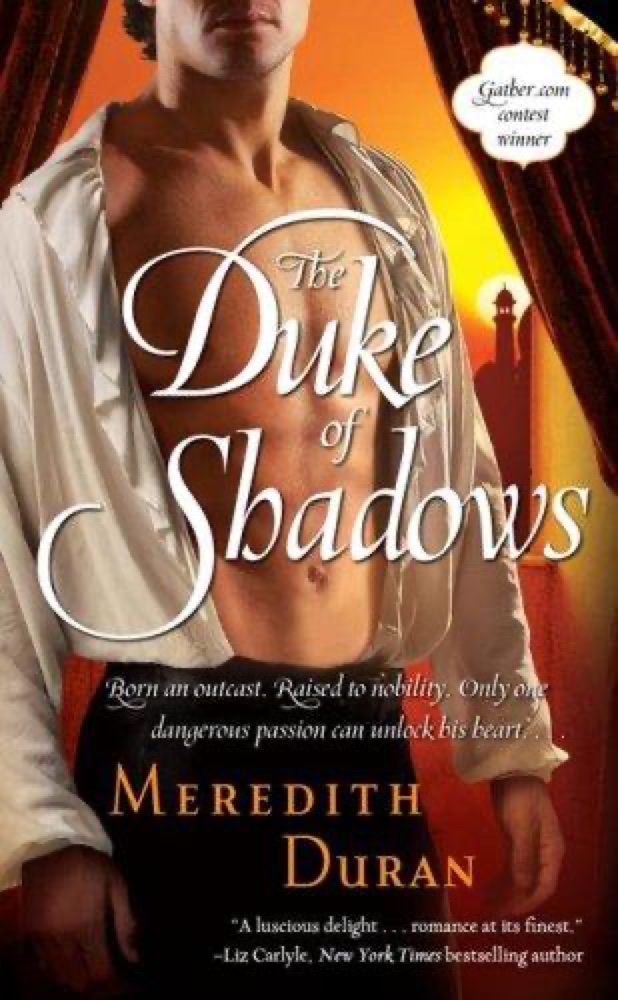 The Duke of Shadows
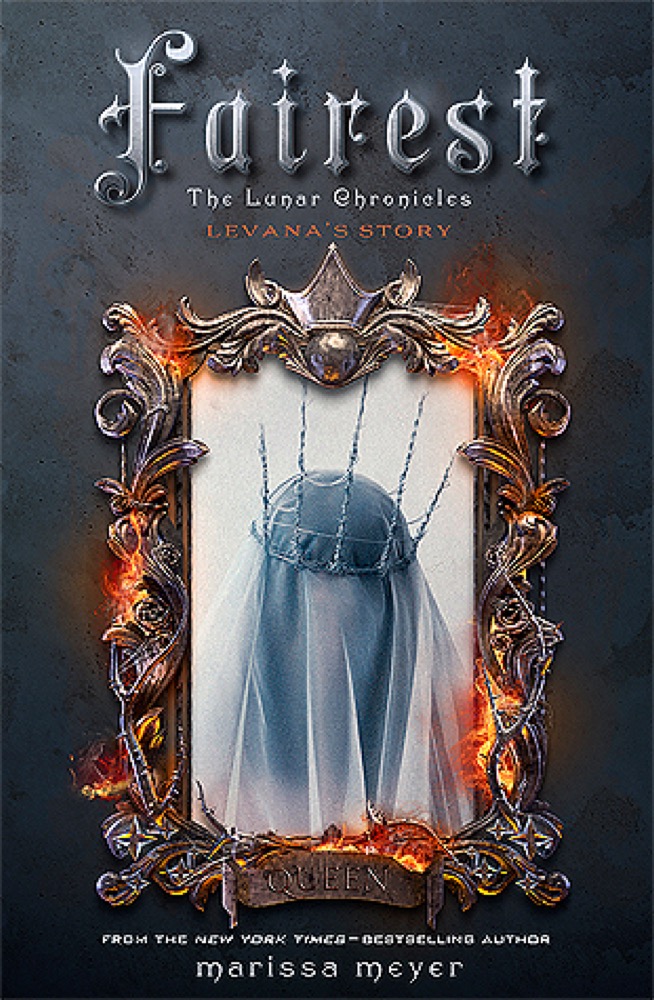 Fairest
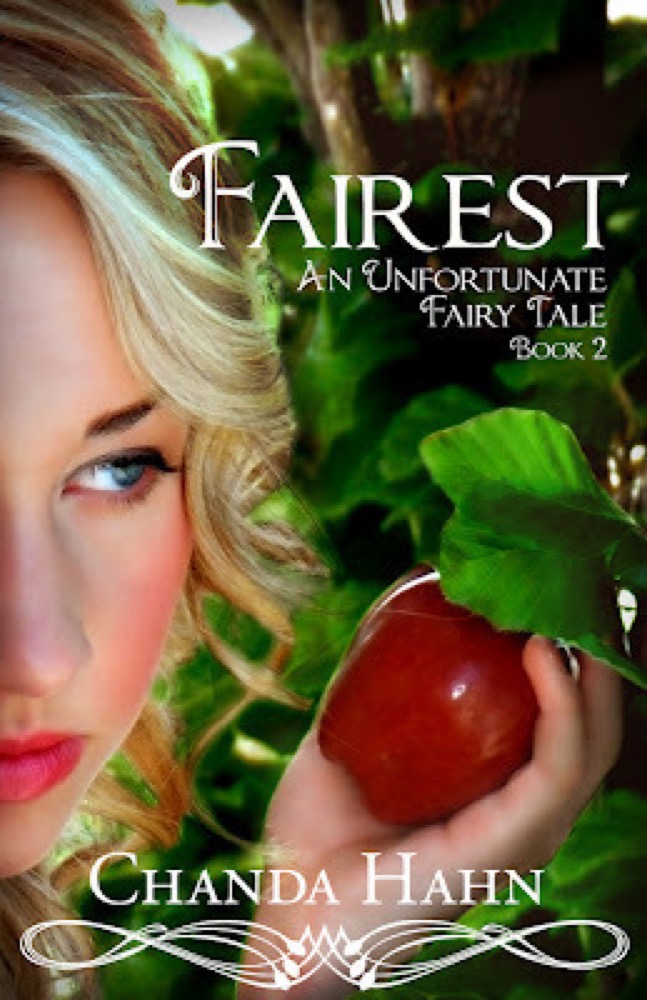 Fairest
 The Witch of Blackbird Pond
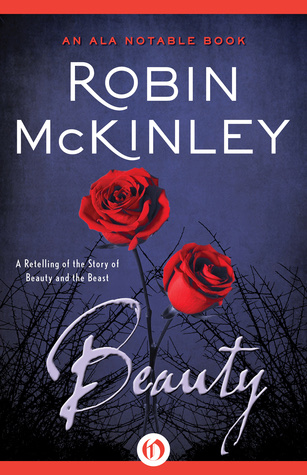 Beauty: A Retelling of the Story of Beauty and the Beast
 The Villa
 Throne of Glass
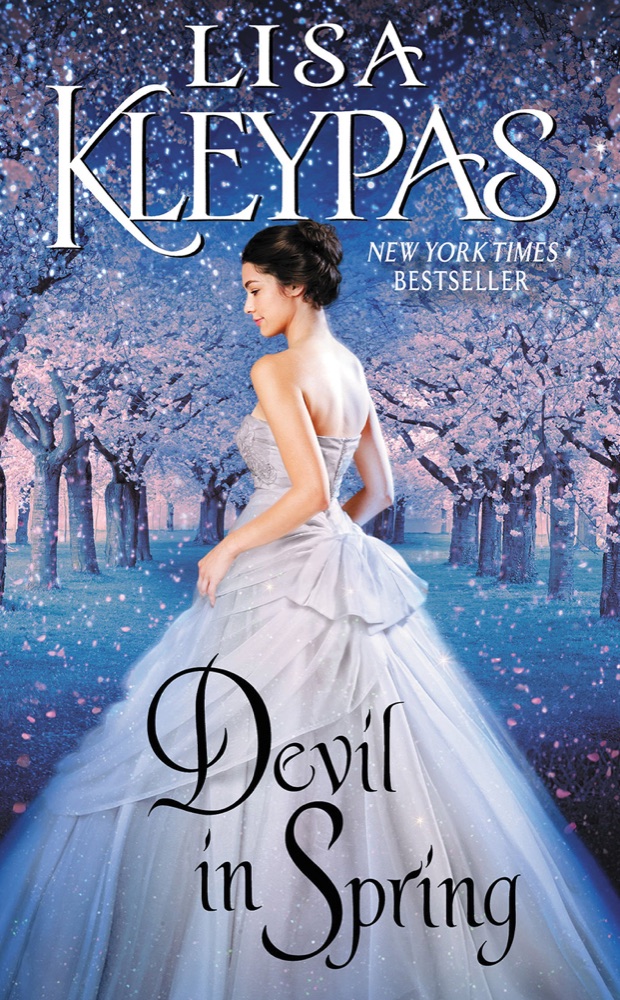 Devil in Spring
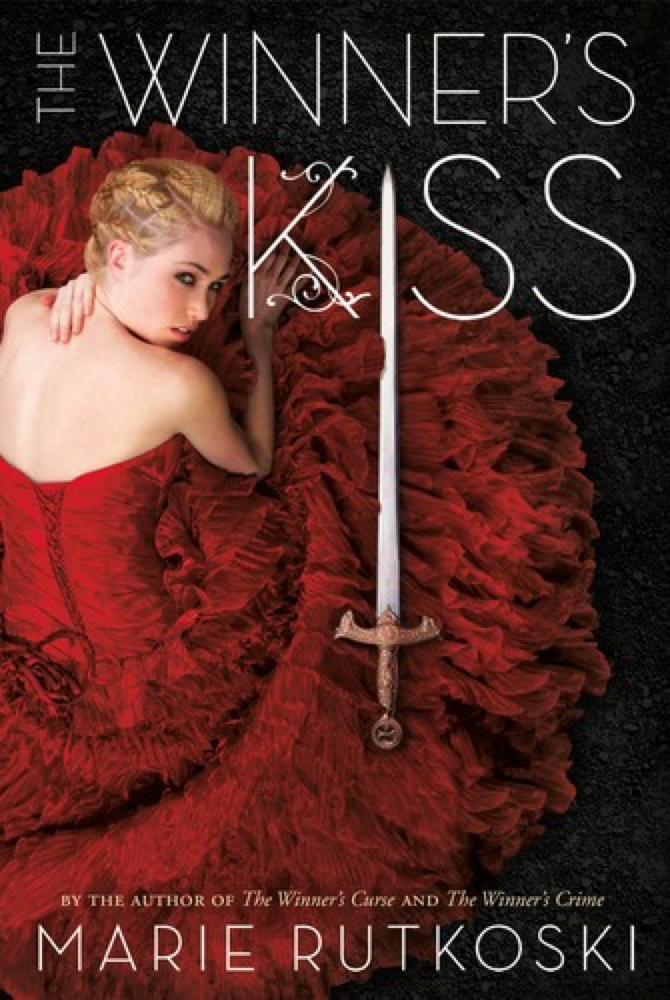 The Winner's Kiss
 A Rose in Winter
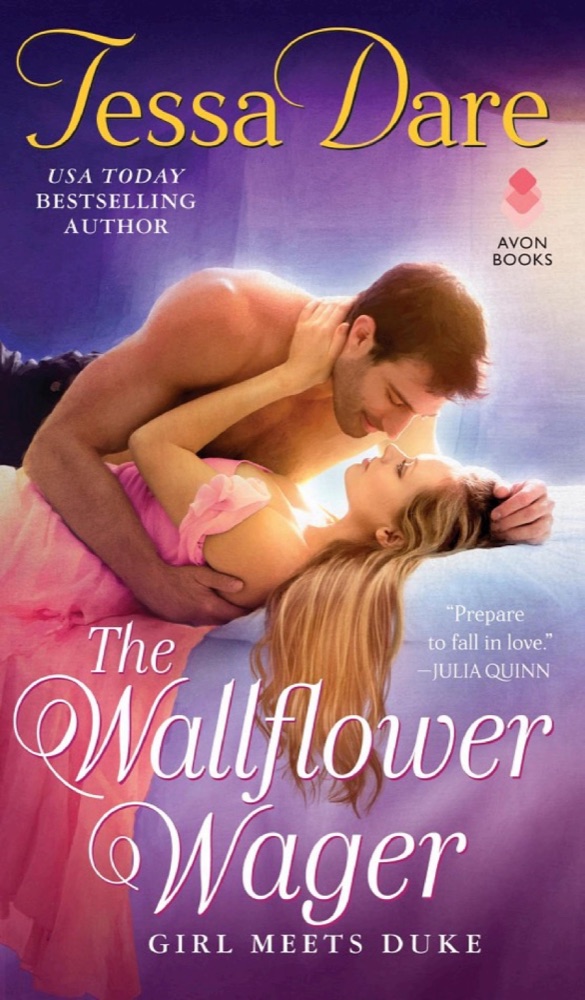 The Wallflower Wager
 The Winter of the Witch
 To Win Her Heart
 Crystal Crowned
 On the Way to the Wedding
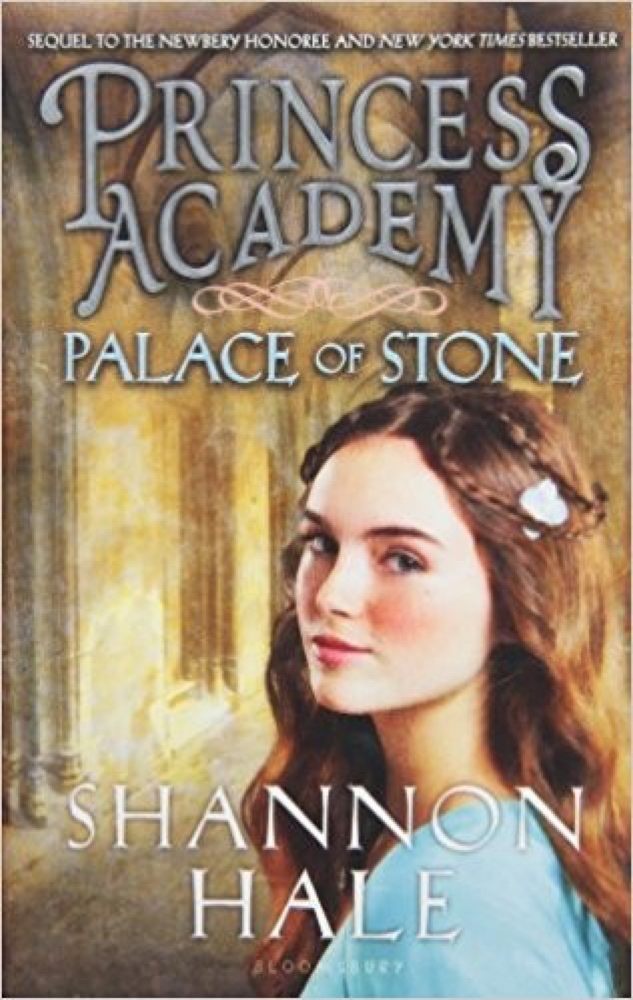 Palace of Stone
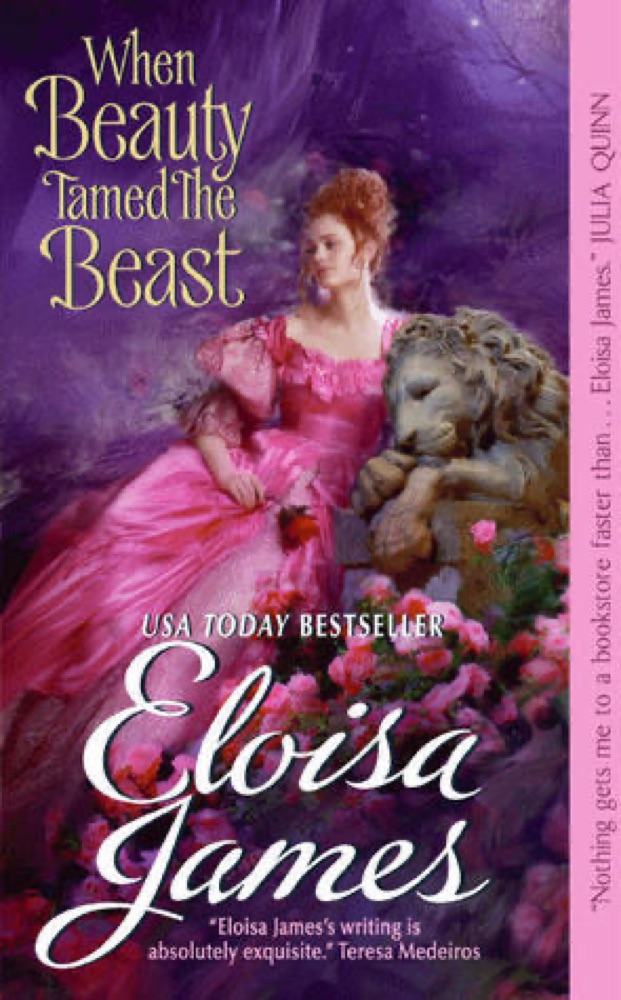 When Beauty Tamed the Beast
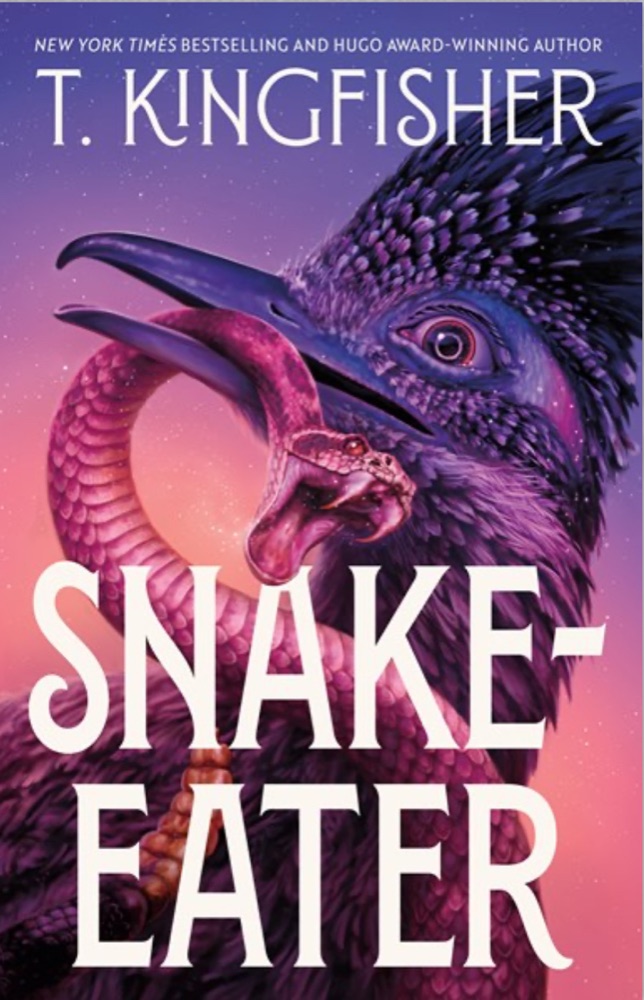 Snake-Eater
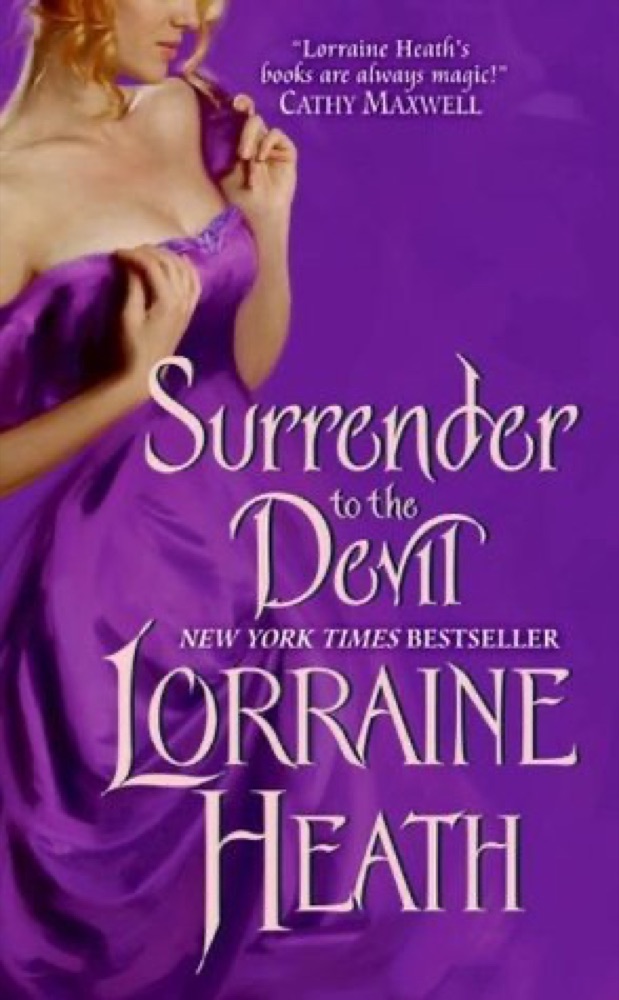 Surrender to the Devil
 In the Night Garden
 Valiant
 Rebel Spring
 Bayou Moon
 Head in the Clouds
 One Good Earl Deserves a Lover
 The Beast Within
 The Sinister Mystery of the Mesmerizing Girl
 A Girl of the Limberlost
 Apprentice to the Villain
 Bloodhound
 A Hunger Like No Other
 Nevermore