
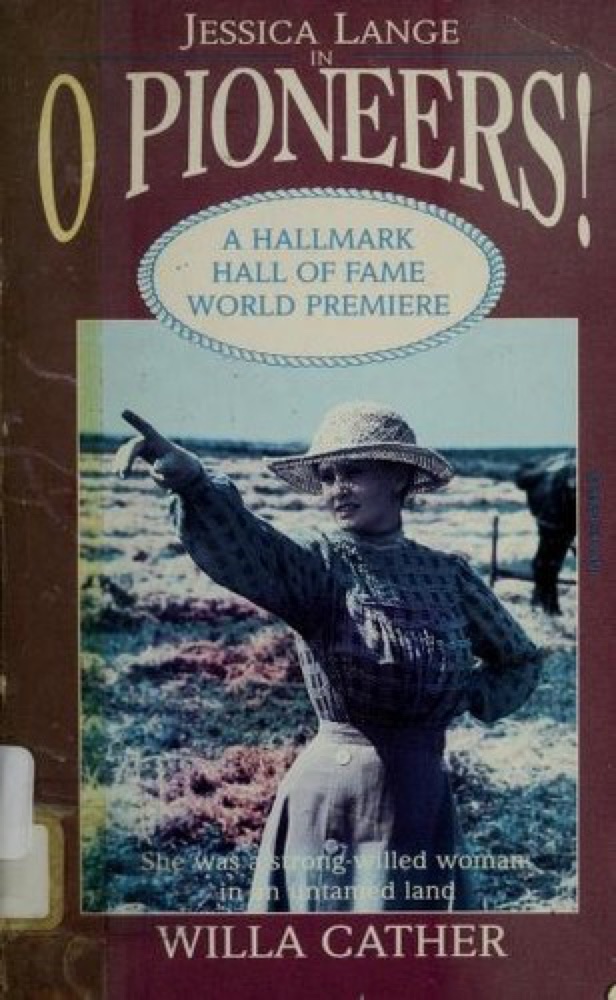
 O Pioneers!
Quotes from the Book
Only solitary men know the full joys of friendship. Others have their family; but to a solitary and an exile his friends are everything.
40
Once giving way to tears, she wept bitterly for all that she had lost, and all that she must lose so soon. Her mother had had the courage to leave everything she loved and to come out here with her father; she in turn ought to show just that same courage about going back, but she could not find it in her heart.
12
Schools are not meant to make boys happy, Cécile, but to teach them to do without happiness.
11
The glorious transmutation of autumn had come on: all the vast Canadian shores were clothed with a splendour never seen in France; to which all the pageants of all the kings were as a taper to the sun.
10
To be sure, the Bishop was a little theatrical in his humility, as he had been in his grandeur; but that was his way, Auclair reflected, and, after all, nobody can help his way. If a man admits his mistakes, that is a great deal...
9
One is best in one's own country.
7
These coppers, big and little, these brooms and clouts and brushes, were tools; and with them one made, not shoes or cabinet-work, but life itself. One made a climate within a climate; one made the days,--the complexion, the special flavour, the special happiness of each day as it passed; one made life.
6
Most beautiful of all was the tarnished gold of the elms, with a little brown in it, a little bronze, a little blue, even-- a blue like amethyst, which made them melt into the azure haze with a kind of happiness, a harmony of mood that filled the air with content.
5
Then you do not believe in progress?" "Change is not always progress, Monseigneur.
4
The mind, too, has a kind of blood; in common speech we call it hope.
4
You must pray for him, my child. It is to such as he that our Blessed Mother comes nearest.
3
The Count himself was ready to die, and he would be glad to die here alone, without pretence and mockery, with no troop of expectant relatives about his bed. The world was not what he had thought it at twenty-- or even at forty.
3
By the time they had called at the baker's and climbed to the top of Cap Diamant, the sun, dropping with incredible quickness, had already disappeared. They sat down in the blue twilight to eat their bread and await the turbid afterglow which is peculiar to Quebec in autumn; the slow, rich, prolonged flowing-back of crimson across the sky, after the sun has sunk behind the dark ridges of the west. Because of the haze in the air the colour seems thick, like a heavy liquid, welling up wave after wave, a substance that throbs, rather than a light.
2
The Law is to protect property, and it thinks too much of property. A couple of brass pots, an old saddle, are reckoned worth more than a poor man’s life.
1
When an adventurer carries his gods with him into a remote and savage country, the colony he founds will, from the beginning, have graces, traditions, riches of the mind and spirit. Its history will shine with bright incidents, slight, perhaps, but precious, as in life itself, where the great matters are often as worthless as astronomical distances, and the trifles dear as the heart's blood.
1
All the early explorers wrote with much feeling about these balmy odours that blew out from the Canadian shores – nothing else seemed to stir their imagination so much. That fragrance is really the aromatic breath of spruce and pine, given out under the hot sun of noonday, but the early navigators believed it was the smell of luscious unknown fruits, wafted out to sea.
It was in January. A light, sticky snow had fallen irresolutely, at intervals, all day. Toward evening the weather changed; the sun emerged, just sinking over the great pine forest to the west, hung there, an angry ball, and all the snow-covered rock blazed in orange fire. The sun became a half-circle, then a mere red eyebrow, then dropped behind the forest, leaving the air clear blue, and much colder, with a pale lemon moon riding high overhead. There was no wind, it was a night of still moonlight, and within an hour after sunset the wet snow had frozen fast over roofs and spires and trees. Everything on the rock was sheathed in glittering white ice. It was a sight to stir the dullest blood.
Watch on YouTube
About Willa Cather
We have collected 201 quotes from 9 books by Willa Cather on BookQuoters.
More about the author →More by Willa Cather
All books by Willa Cather →
About the book
Set in seventeenth-century Canada, an evocation of North American origins highlights the men and women who struggled to adapt to the new world even as they clung to the one they left behind.
Book details
- First published
- 1931
- Author
- Willa Cather
- Genre
- Historical
- Goodreads rating
- 4.02 (3k ratings)
Keep reading
 Barkskins
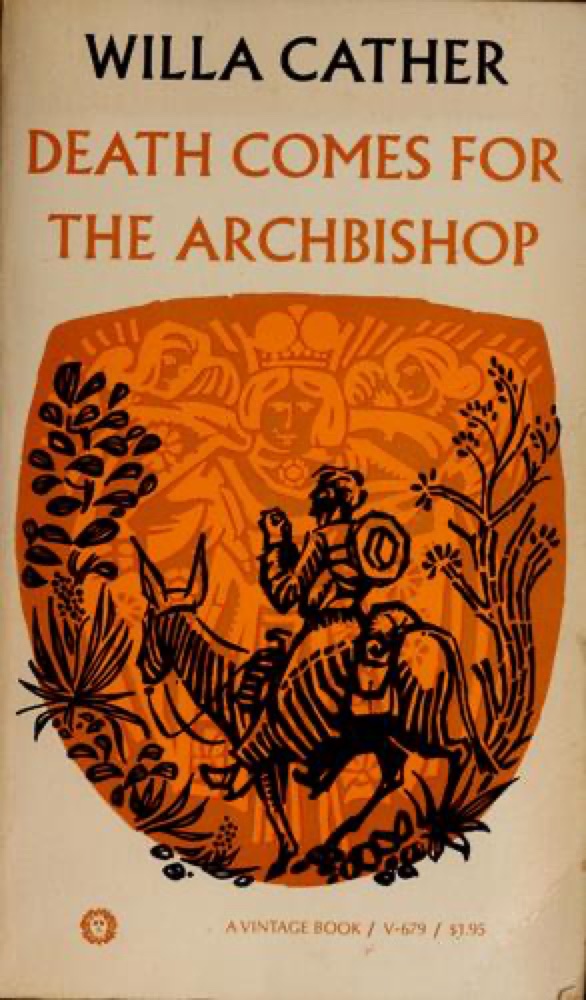 Death Comes for the Archbishop
O Pioneers!
Death Comes for the Archbishop
O Pioneers!
 Independent People
 One of Ours
 Look Homeward, Angel
 Another Country
 Allan Quatermain
 A Passage to India
 Nicholas Nickleby
 The Sweetness of Water
 The Long Way Home
 Wind, Sand and Stars
 Green Dolphin Street
 House Made of Dawn
 Winesburg, Ohio
 River of Smoke
 The Prince of Tides
 Night Flight
 The Narrow Road to the Deep North
 Lost Horizon
 A Room with a View
 Sea of Poppies
 The Pillars of the Earth
 The Night Watchman
 TransAtlantic
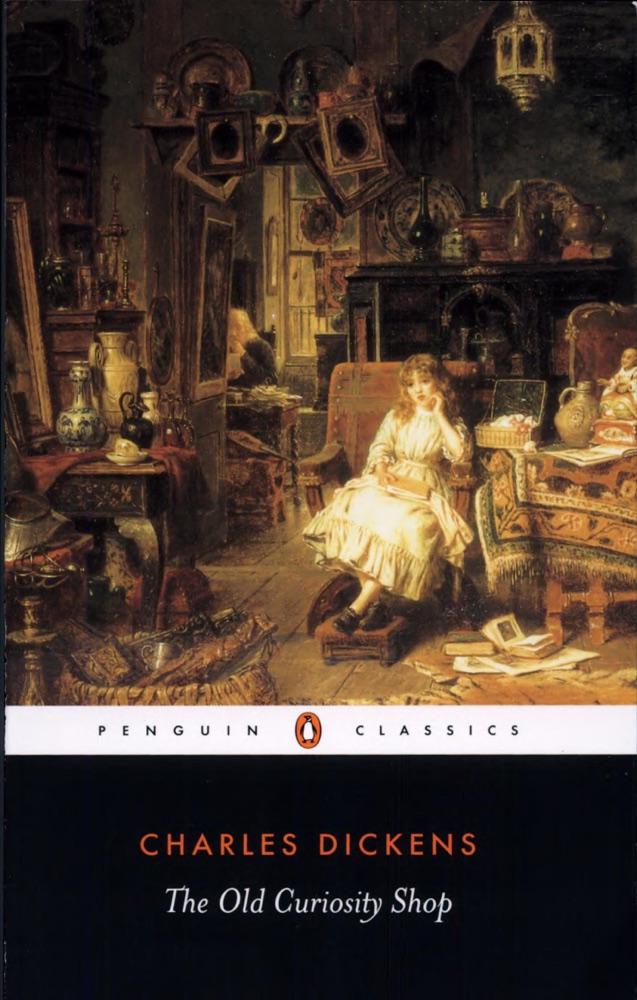 The Old Curiosity Shop
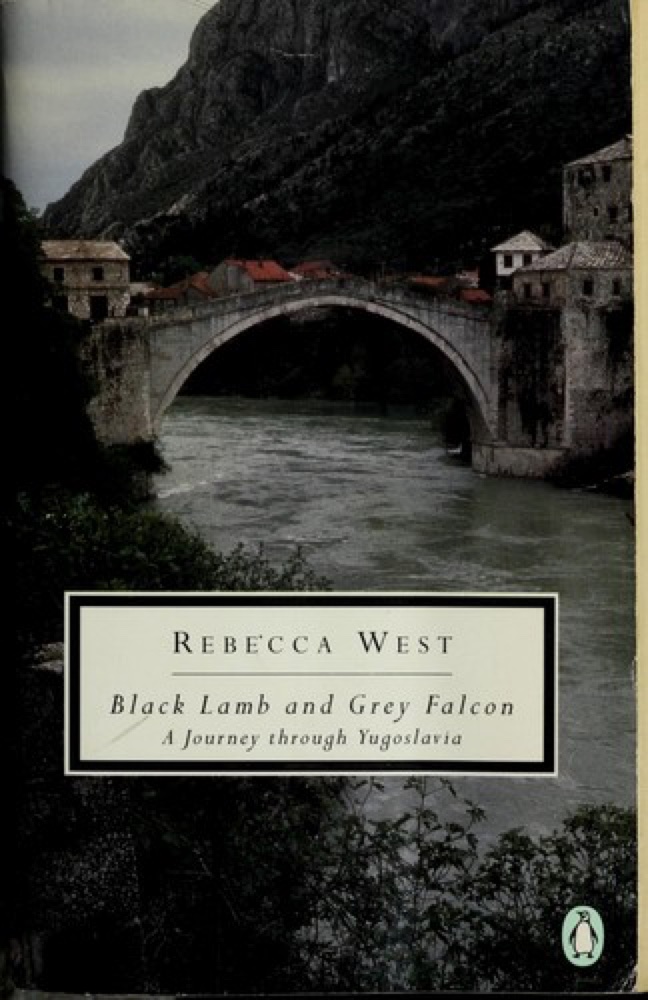 Black Lamb and Grey Falcon
 Light in August
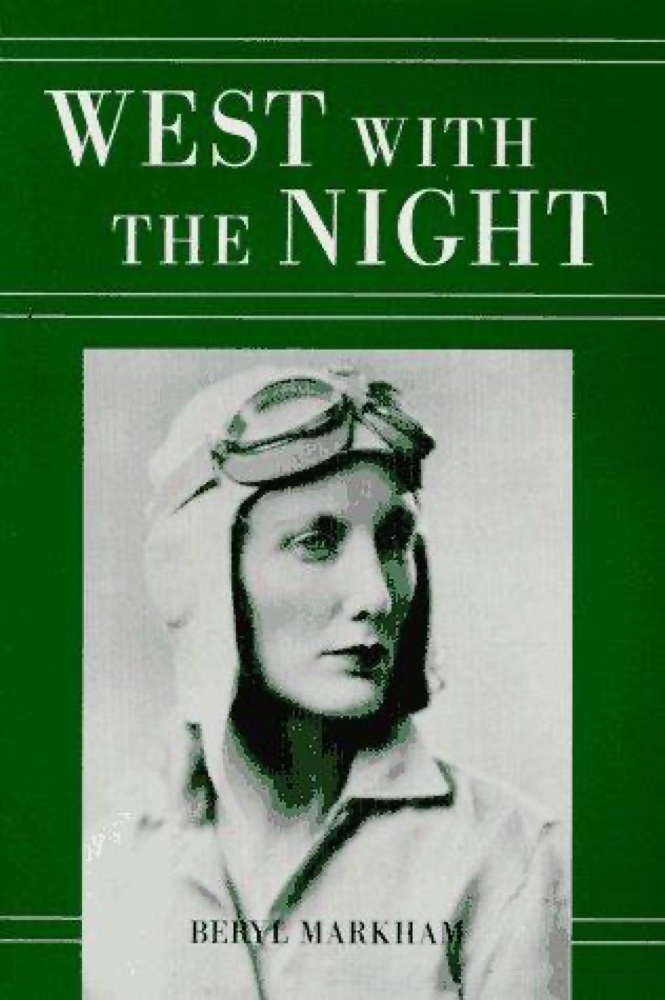 West with the Night
 The Dean's Watch
 Uncle Tom's Cabin
 Lorna Doone
 Weaveworld
 This Is Happiness
 The Forsyte Saga
 Hard Times
 Silas Marner
 Out of Africa
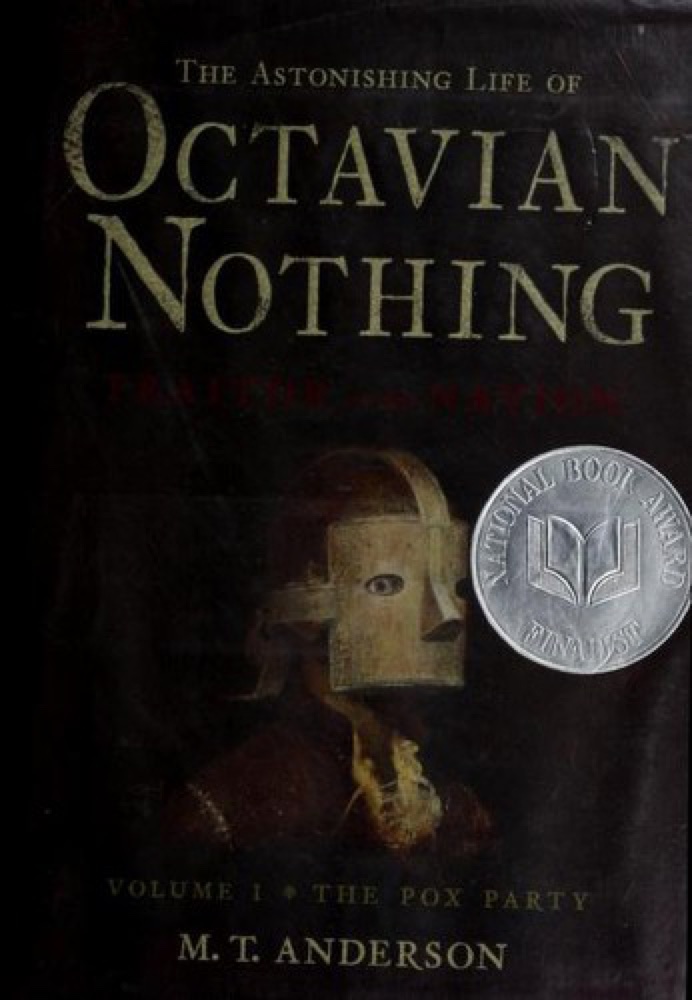 The Pox Party
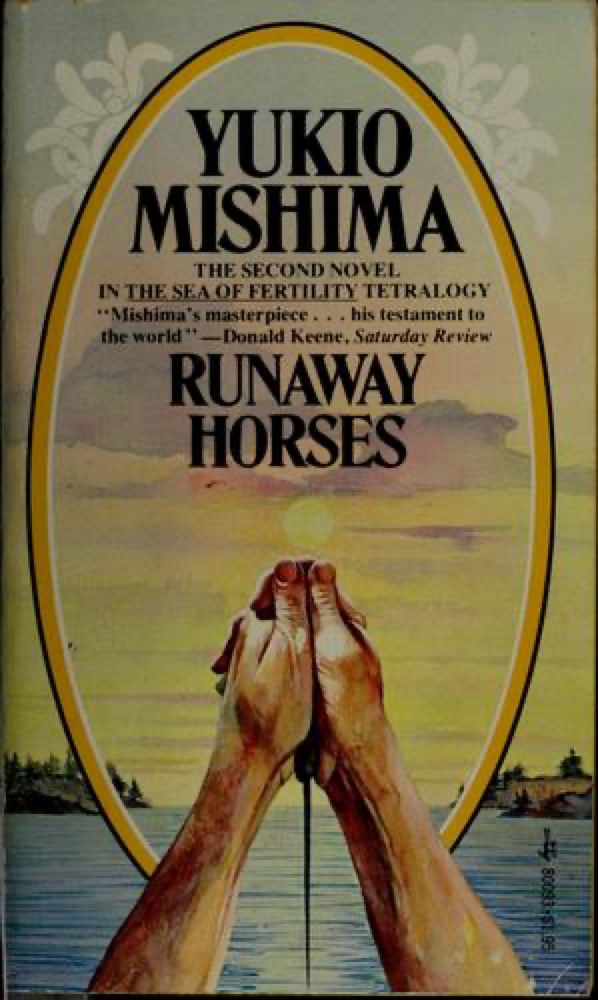 Runaway Horses
 The House of the Seven Gables
 Light Years
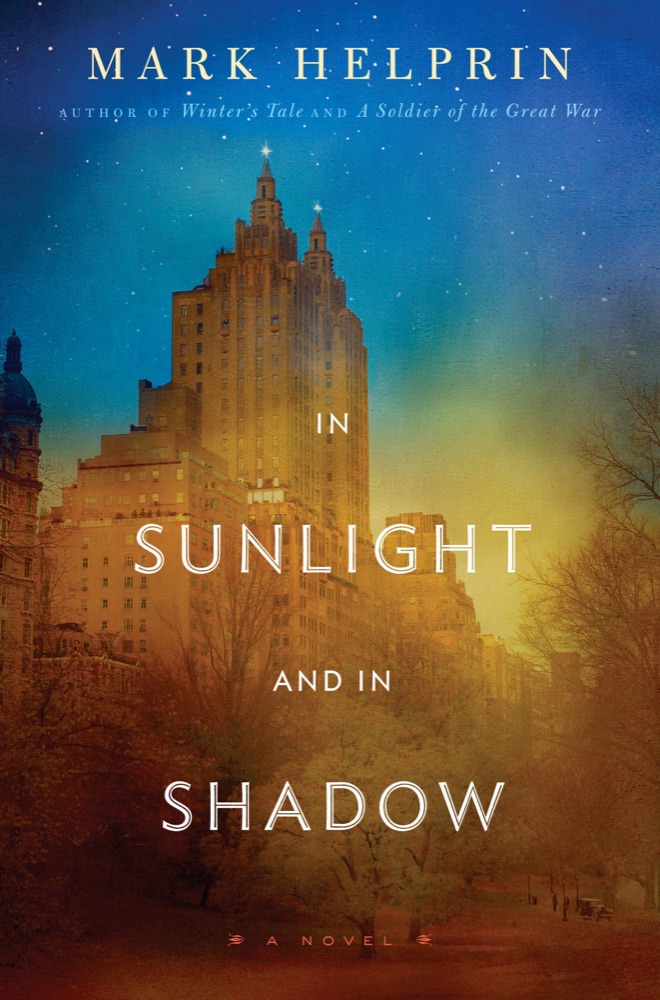 In Sunlight and in Shadow
 The Shipping News
 The Hollow Hills
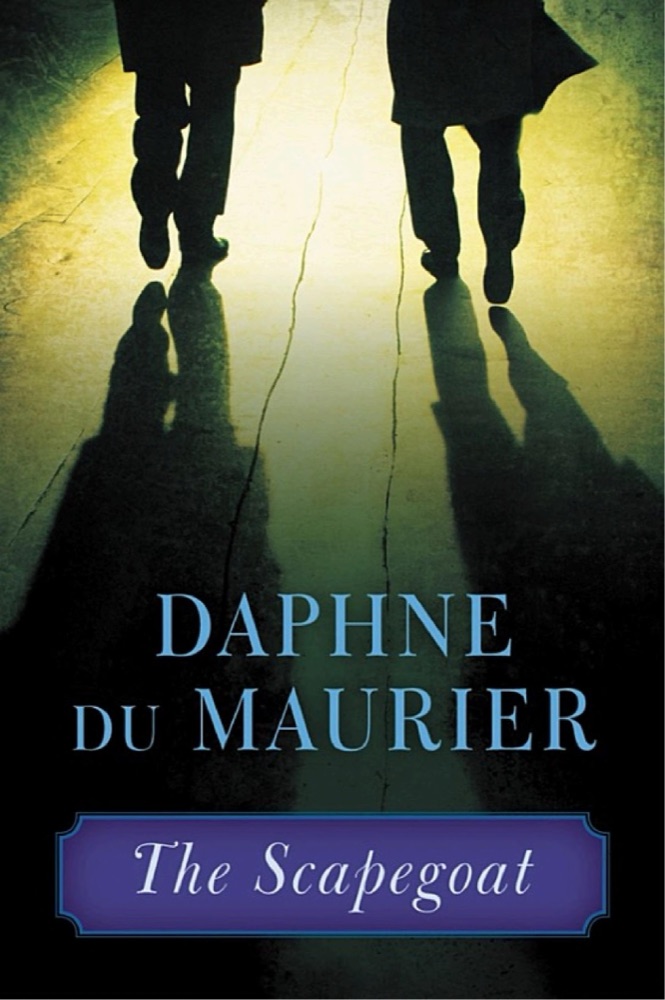 The Scapegoat
 Spring Snow
 The Brutal Telling
 Dubliners
 Under Western Eyes
 The Hunchback of Notre-Dame
 The Luminaries
 The Black Moon
 Provinces of Night
 Caleb's Crossing
 Nostromo
 The Return of the Native
 The Known World
 The Enchantress of Florence