
 Sea Prayer
Quotes from the Book
One could not count the moons that shimmer on her roofs, Or the thousand splendid suns that hide behind her walls.
Of all the hardships a person had to face, none was more punishing than the simple act of waiting.
A society has no chance of success if its women are uneducated...
Behind every trial and sorrow that He makes us shoulder, God has a reason.
A man's heart is a wretched, wretched thing. It isn't like a mother's womb. It won't bleed. It won't stretch to make room for you.
I will follow you to the ends of the world.
Learn this now and learn it well. Like a compass facing north, a man’s accusing finger always finds a woman. Always. You remember that, Mariam.
Miriam wished for so much in those final moments. Yet as she closed her eyes, it was not regret any longer but a sensation of abundant peace that washed over her. She thought of her entry into this world, the harami child of a lowly villager, an unintended thing, a pitiable, regrettable accident. A weed. And yet she was leaving the world as a woman who had loved and been loved back. She was leaving it as a friend, a companion, a guardian. A mother. A person of consequence at last. No. It was not so bad, Miriam thought, that she should die this way. Not so bad. This was a legitimate end to a life of illegitimate belongings.
she is the noor of my eyes and the sultan of my heart.
You changed the subject." "From what?" "The empty-headed girls who think you're sexy." "You know." "Know what?" "That I only have eyes for you.
You see, some things I can teach you. Some you learn from books. But there are things that, well, you have to see and feel.
Perhaps this is just punishment for those who have been heartless, to understand only when nothing can be undone.
And the past held only this wisdom: that love was a damaging mistake, and its accomplice, hope, a treacherous illusion. And whenever those twin poisonous flowers began to sprout in the parched land of that field, Mariam uprooted them. She uprooted them and ditched them before they took hold.
Boys, Laila came to see, treated friendship the way they treated the sun: its existence undisputed; its radiance best enjoyed, not beheld directly.
I know you're still young but I want you to understand and learn this now. Marriage can wait, education cannot. You're a very very bright girl. Truly you are. You can be anything you want Laila. I know this about you. And I also know that when this war is over Afghanistan is going to need you as much as its men maybe even more. Because a society has no chance of success if its women are uneducated Laila. No chance.
Mariam lay on the couch, hands tucked between her knees, watched the whirlpool of snow twisting and spinning outside the window. She remembered Nana saying once that each snowflake was a sigh heaved by an aggrieved woman somewhere in the world. That all the sighs drifted up the sky, gathered into clouds, then broke into tiny pieces that fell silently on the people below. As a reminder of how people like us suffer, she'd said. How quietly we endure all that falls upon us.
But the game involves only male names. Because, if it's a girl, Laila has already named her
Laila has moved on. Because in the end she knows that’s all she can do. That and hope.
yet love can move people to act in unexpected ways and move them to overcome the most daunting obstacles with startling heroism
Tariq tucked the gun into the waist of his denims. Then he said a thing both lovely and terrible. "For you," he said. "I'd kill with it for you, Laila.
I'm sorry," Laila says, marveling at how every Afghan story is marked by death and loss and unimaginable grief. And yet, she sees, people find a way to survive, to go on.
the past held only this wisdom: that love was a damaging mistake, and its accomplice, hope, a treacherous illusion
With the passing of time, she would slowly tire of this exercise. She would find it increasingly exhausting to conjure up, to dust off, to resuscitate once again what was long dead. There would come a day, in fact, years later, when [she] would no longer bewail his loss. Or not as relentlessly; not nearly. There would come a day when the details of his face would begin to slip from memory's grip, when overhearing a mother on the street call after her child by [his] name would no longer cut her adrift. She would not miss him as she did now, when the ache of his absence was her unremitting companion--like the phantom pain of an amputee.
She would never leave her mark on Mammy's heart the way her brothers had, because Mammy's heart was like a pallid beach where Laila's footprints would forever wash away beneath the waves of sorrow that swelled and crashed, swelled and crashed.
And that, ...is the story of our country, one invasion after another...Macedonians. Saddanians. Arabs. Mongols. Now the Soviets. But we're like those walls up there. Battered, and nothing pretty to look at, but still standing.
Each snowflake was a sigh heard by an aggrieved woman somewhere in the world. All the sighs drifted up the sky, gathered into clouds, then broke into tiny pieces that fell silently on the people below. As a reminder of how women suffer.
Laila watches Mariam glue strands of yarn onto her doll's head. In a few years, this little girl will be a woman who will make small demands on life, who will never burden others, who will never let on that she too had sorrows, disappointments, dreams that have been ridiculed. A woman who will be like a rock in a riverbed, enduring without complaint, her grace not sullied but shaped by the turbulence that washes over her. Already Laila sees something behind this young girl's eyes, something deep in her core, that neither Rasheed nor the Taliban will be able to break. something as hard and unyielding as a block of limestone. Something that, in the end, will be her undoing and Laila's salvation. The little girl looks up. Puts the doll down. Smiles.
Though there were moments of beauty, Mariam knew for the most part that life had been unkind to her.
Then I think of all the tricks, all the minutes all the hours and days and weeks and months and years waiting for me. All of it without them. And I can't breathe then, like someone's stepping on my heart, Laila. So weak I just want to collapse somewhere.
Did you know?
- The novel was published in 2007, following Hosseini's bestselling debut The Kite Runner (2003).
- Hosseini has described the book as a mother-daughter story, contrasting with the father-son focus of The Kite Runner.
- The title comes from a line in a seventeenth-century poem about Kabul by the Persian poet Saib-e-Tabrizi.
- The novel sold more than one million copies in its first week of release.
- A stage adaptation by Ursula Rani Sarma premiered at the American Conservatory Theater in San Francisco in 2017.
About Khaled Hosseini
Khaled Hosseini is an Afghan-American novelist and physician, born in Kabul in 1965. He is best known for his bestselling novels The Kite Runner (2003) and A Thousand Splendid Suns (2007), which draw on Afghan history and culture.
More about the author →More by Khaled Hosseini
About the book
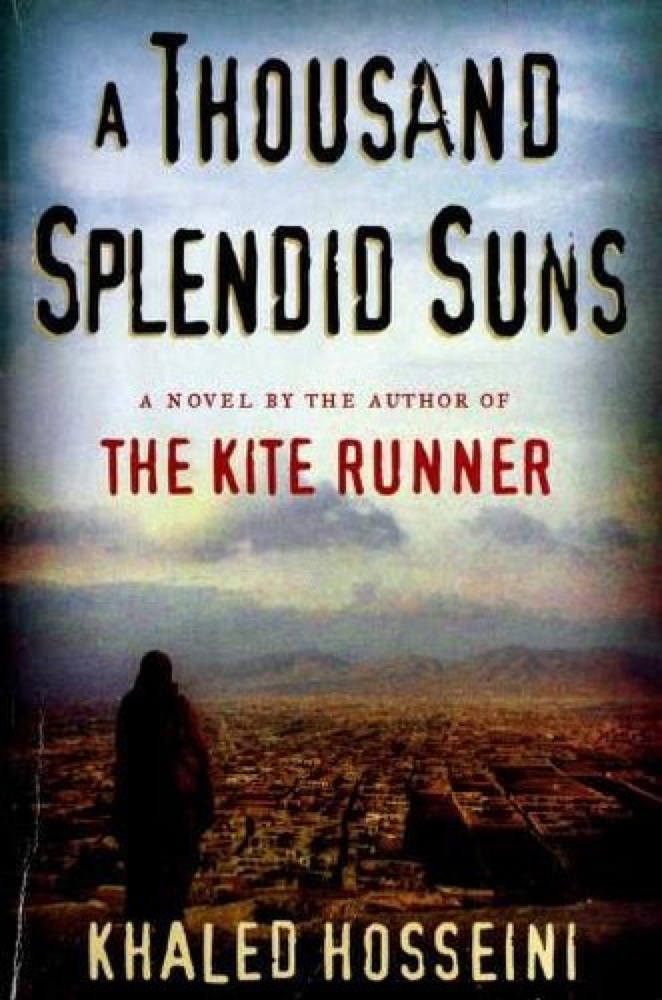
A Thousand Splendid Suns is Khaled Hosseini's second novel, published in 2007 after the success of his debut, The Kite Runner. Spanning roughly four and a half decades of Afghan history, it follows two women, Mariam and Laila, whose very different lives converge when they become the wives of the same abusive Kabul shoemaker, Rasheed. Against a backdrop of Soviet invasion, civil war, and Taliban rule, the two women move from mistrust to a fierce, protective bond.
At its heart the book is about the endurance of women under oppression, domestic violence, and the political turmoil that engulfed Afghanistan in the late twentieth century. Hosseini has described it as a mother-daughter story, a deliberate counterpoint to the father-son focus of The Kite Runner. The narrative traces how sacrifice, friendship, and love persist even in the harshest circumstances.
The novel was a major commercial and popular success, selling more than a million copies in its first week and remaining a New York Times bestseller for months. It broadened Hosseini's reputation as a chronicler of ordinary Afghan lives for a global readership and has since been adapted for the stage.
Key characters
- MariamAn illegitimate young woman from Herat forced into marriage with Rasheed
- LailaA younger, educated woman who becomes Rasheed's second wife after her family is killed
- RasheedAn abusive Kabul shoemaker who marries both Mariam and Laila
- TariqLaila's childhood friend and love
Book details
- First published
- 2007
- Length
- 384 pages
- Reading time
- 23 hours
- Author
- Khaled Hosseini
- Genre
- Fiction
- Goodreads rating
- 4.46 (1.8M ratings) →
- First line
- “Mariam was five years old the first time she heard the word harami.”
Movie & TV adaptations
- IMDb
If you liked this, read…
- 1The Kite RunnerHosseini's earlier novel, also set against decades of Afghan history.
- 2And the Mountains EchoedHosseini's third novel exploring Afghan family bonds across generations.
Keep reading
 The Beautiful
 Babylonia
 A Day of Fallen Night
 The Wrath and the Dawn
 The Ministry of Utmost Happiness
 A Song of Wraiths and Ruin
 We Free the Stars
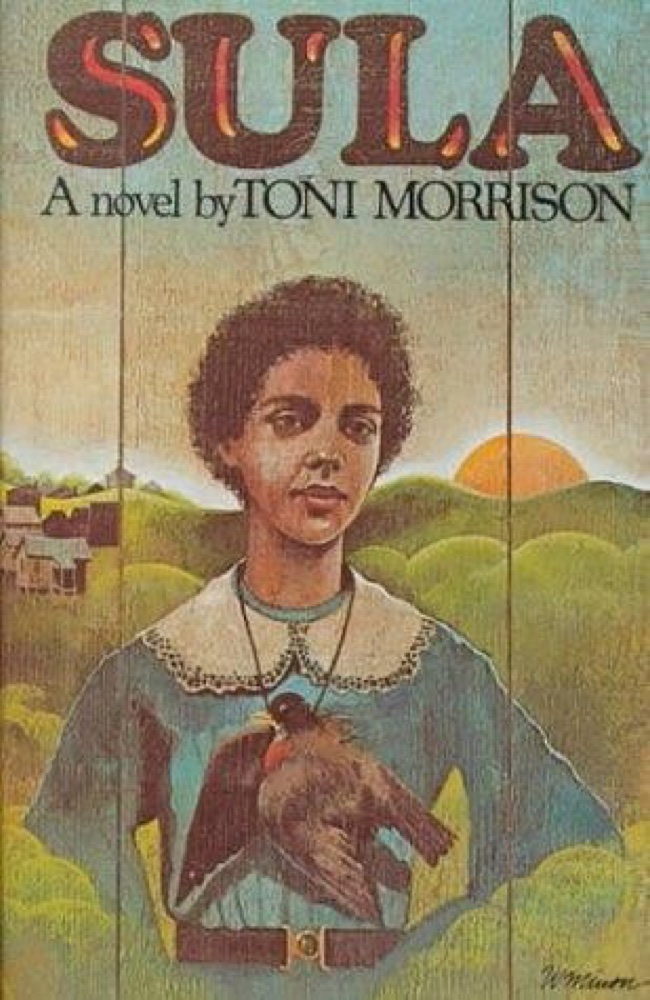 Sula
Sula
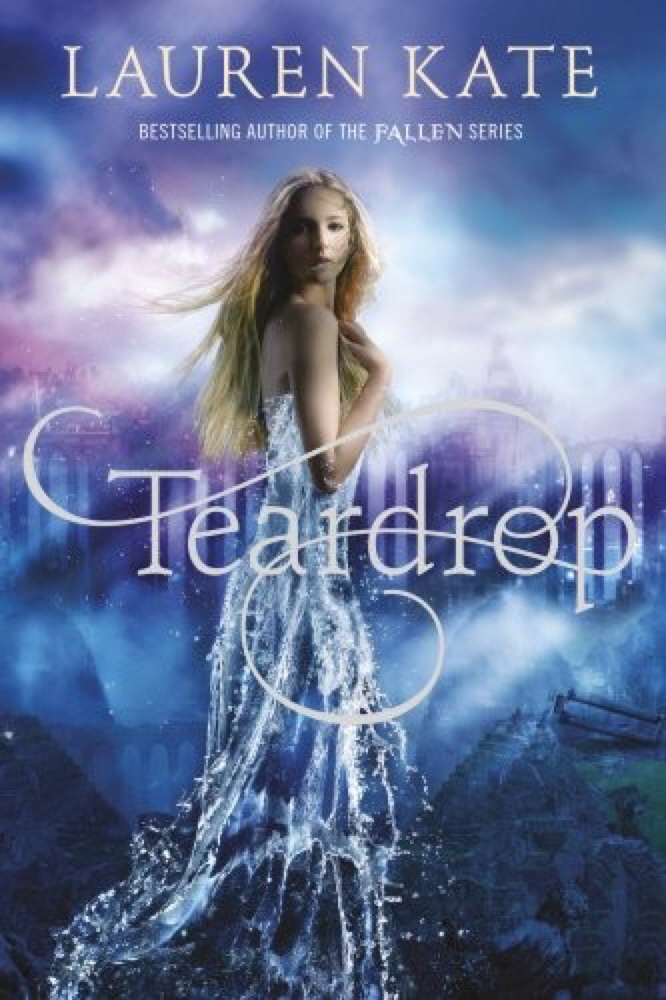 Teardrop
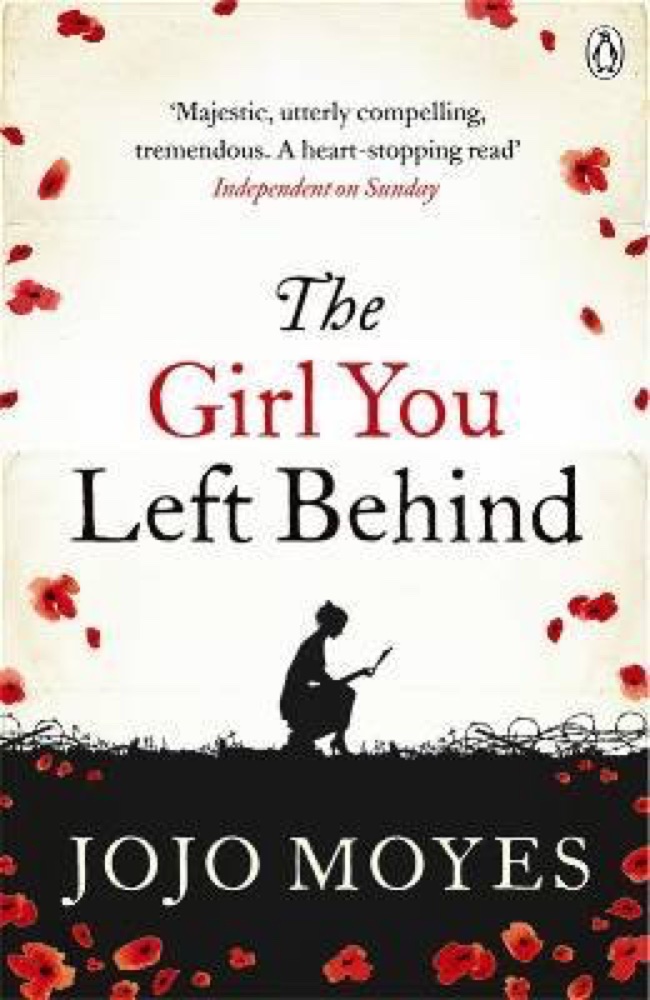 The Girl You Left Behind
 Lovely War
 Great Expectations
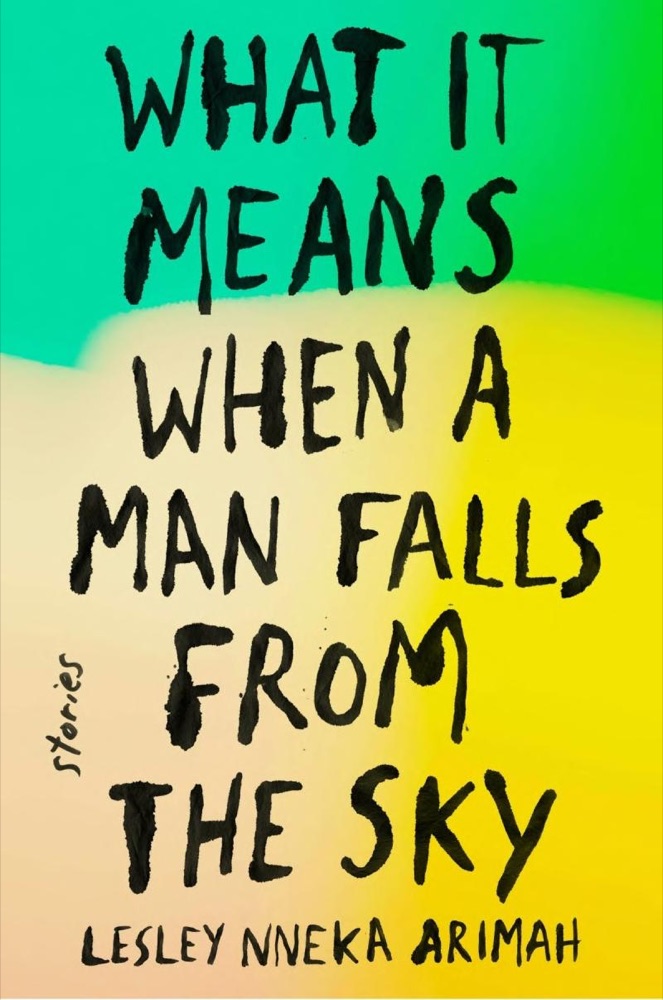 What It Means When a Man Falls from the Sky
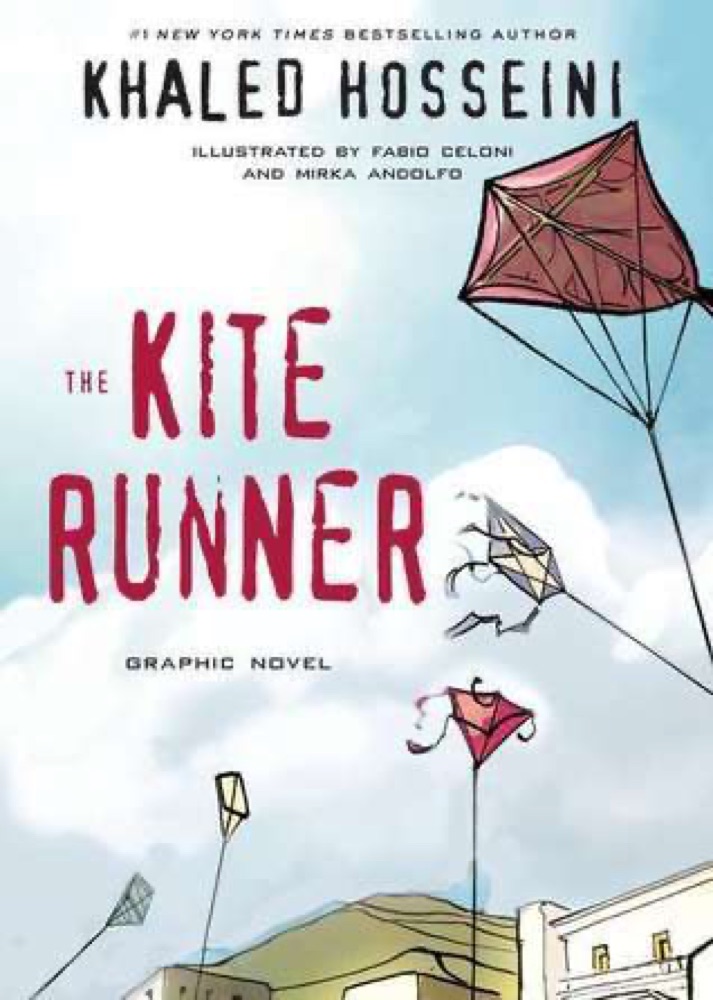 The Kite Runner
 The Language of Thorns: Midnight Tales and Dangerous Magic
 A Reliable Wife
 Fever
Fever
 The Kiss of Deception
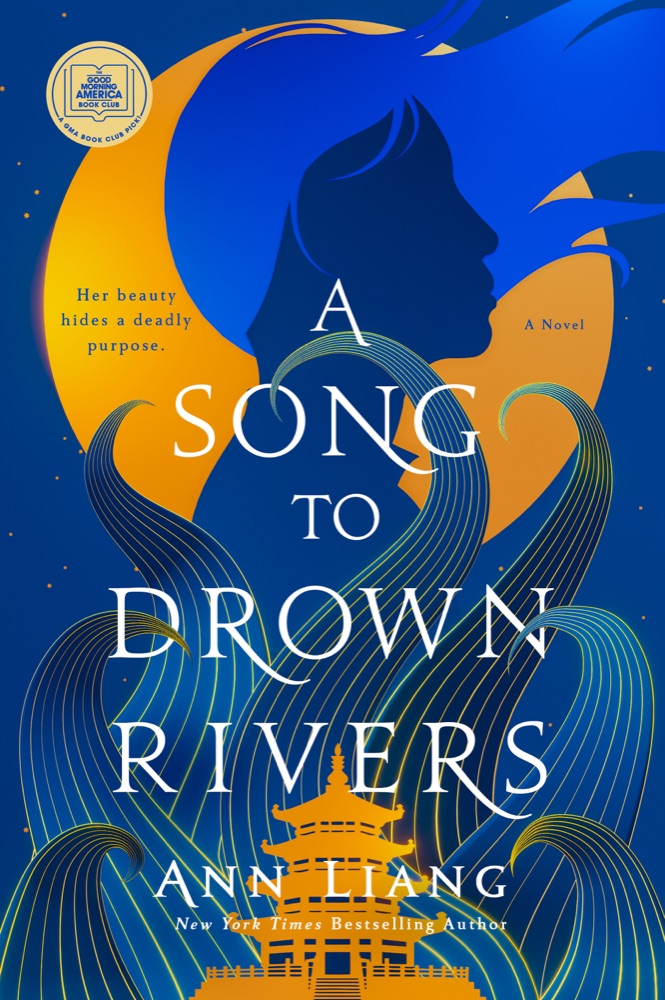 A Song to Drown Rivers
 Home Fire
 Pretties
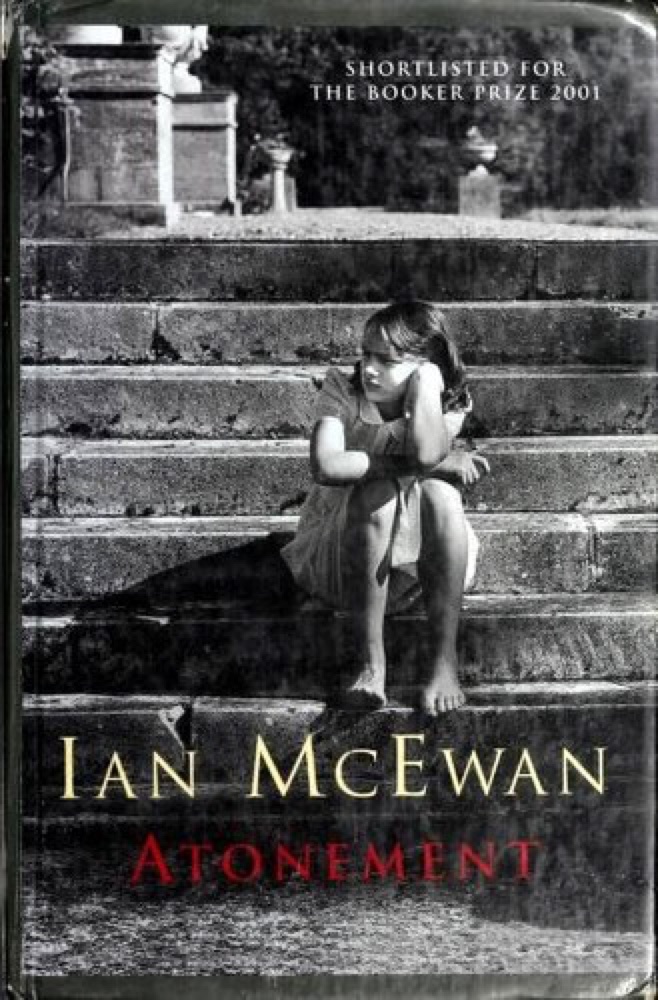 Atonement
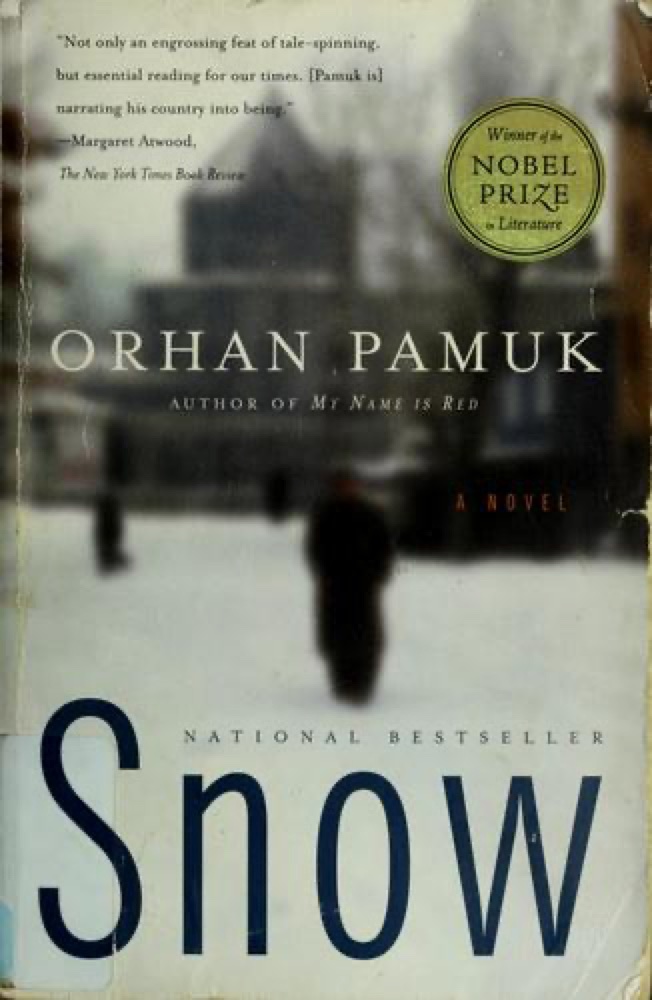 Snow
Snow
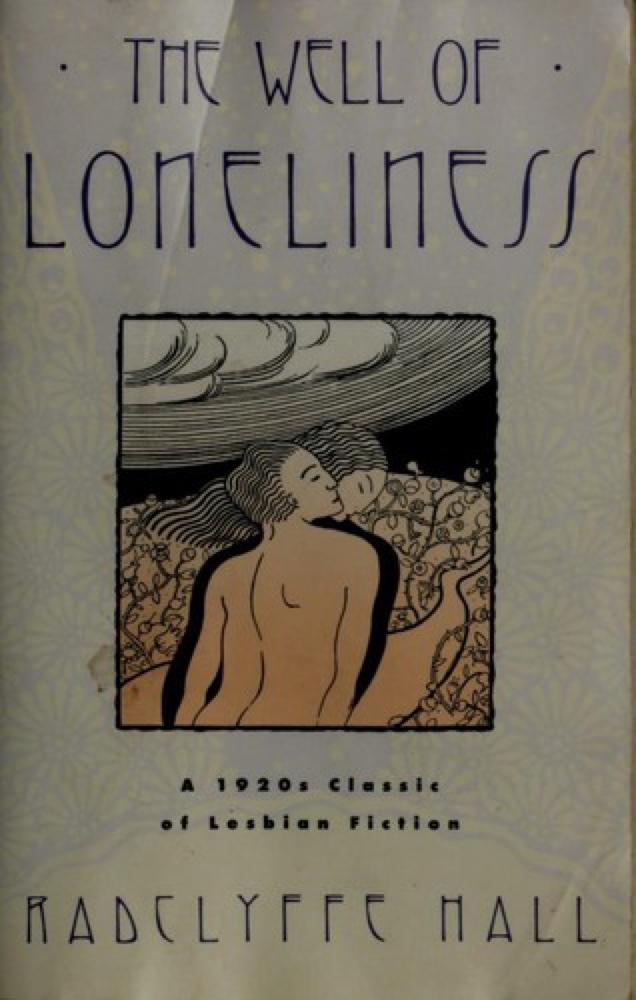 The Well of Loneliness
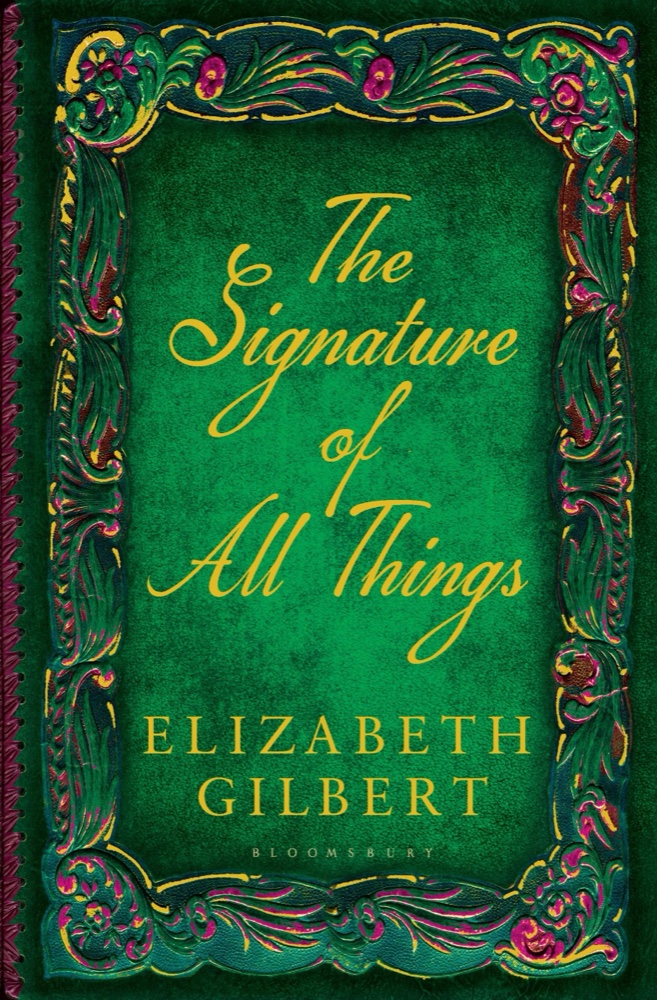 The Signature of All Things
 The Robber Bride
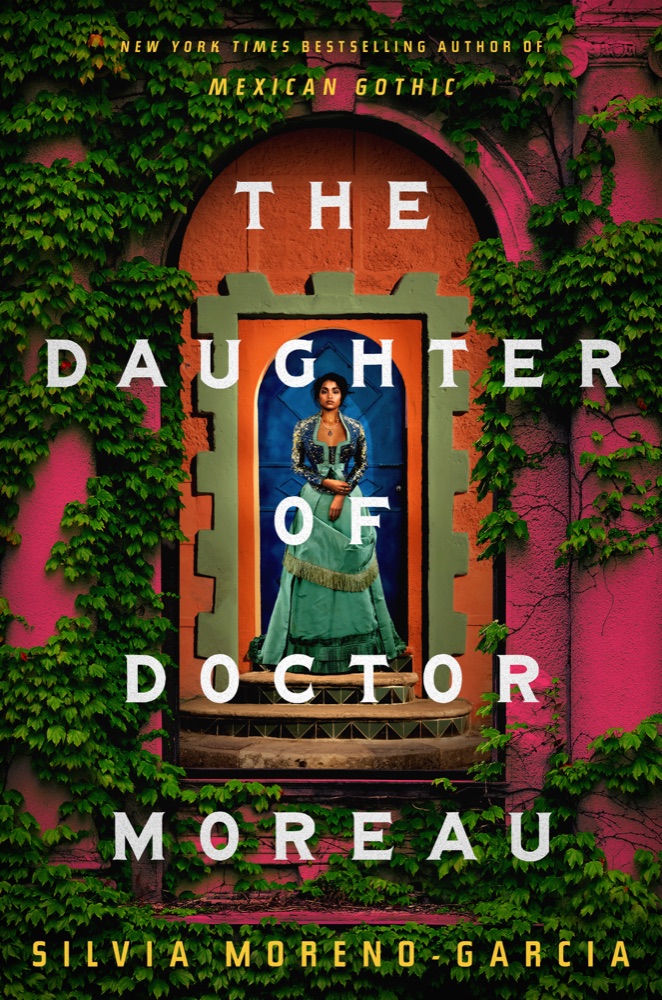 The Daughter of Doctor Moreau
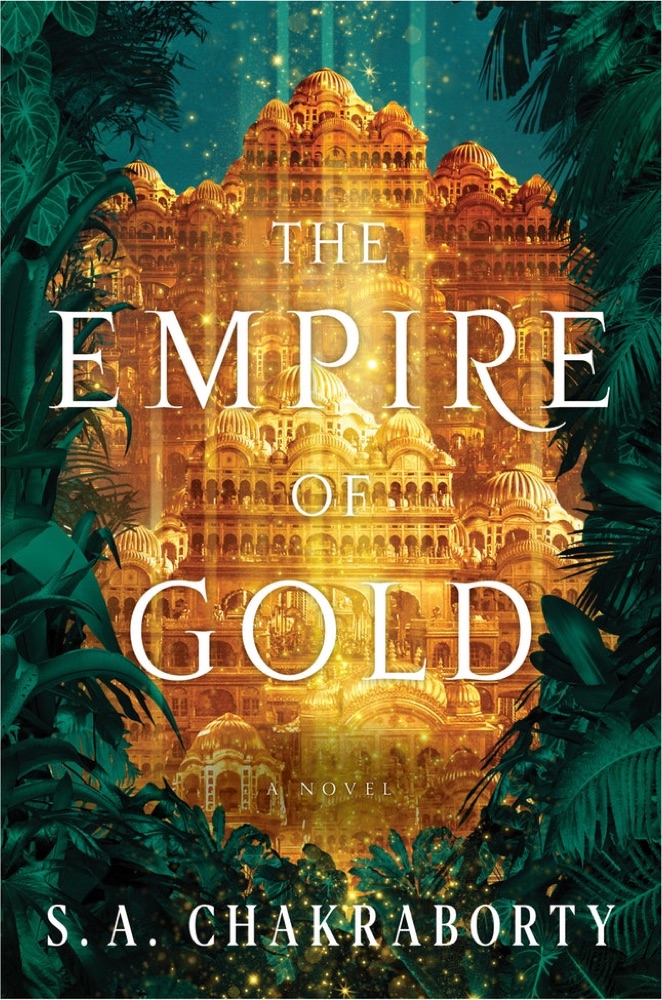 The Empire of Gold
 The Tea Rose
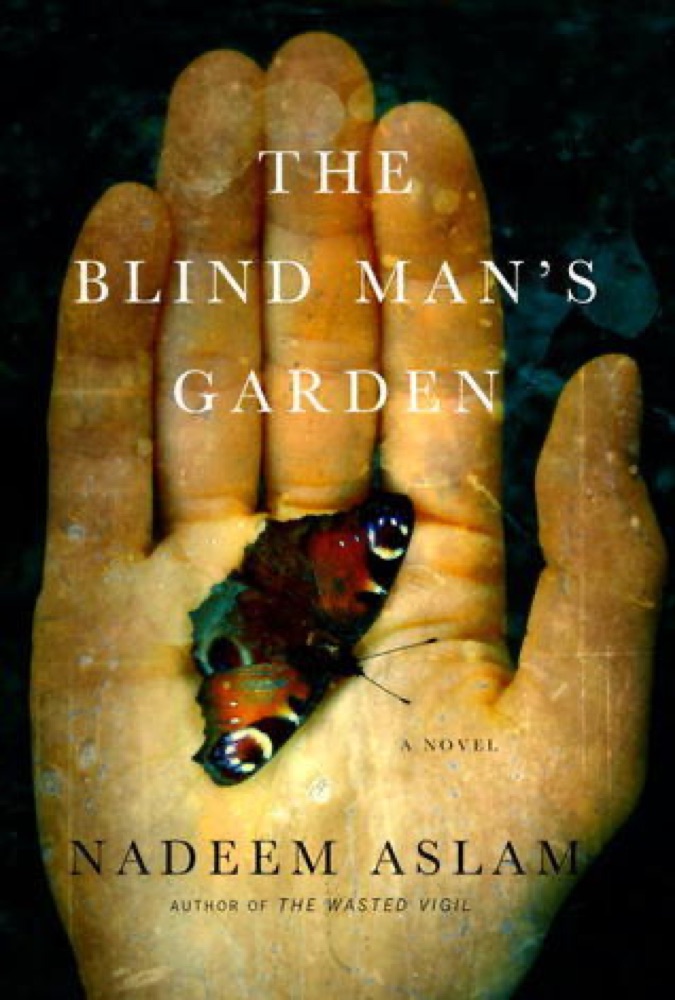 The Blind Man's Garden
 Days of Blood & Starlight
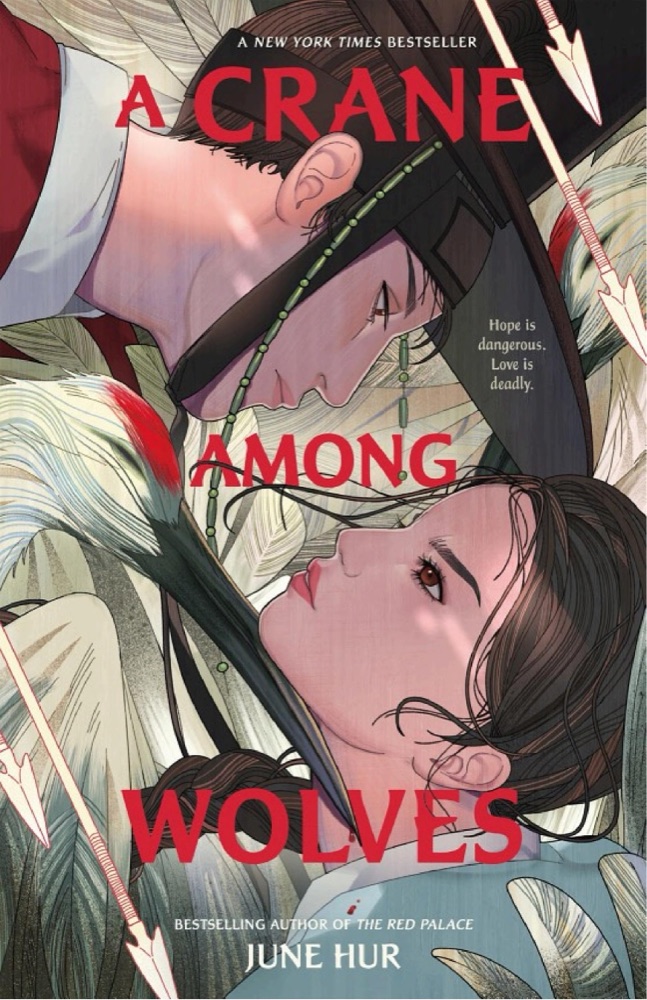 A Crane Among Wolves
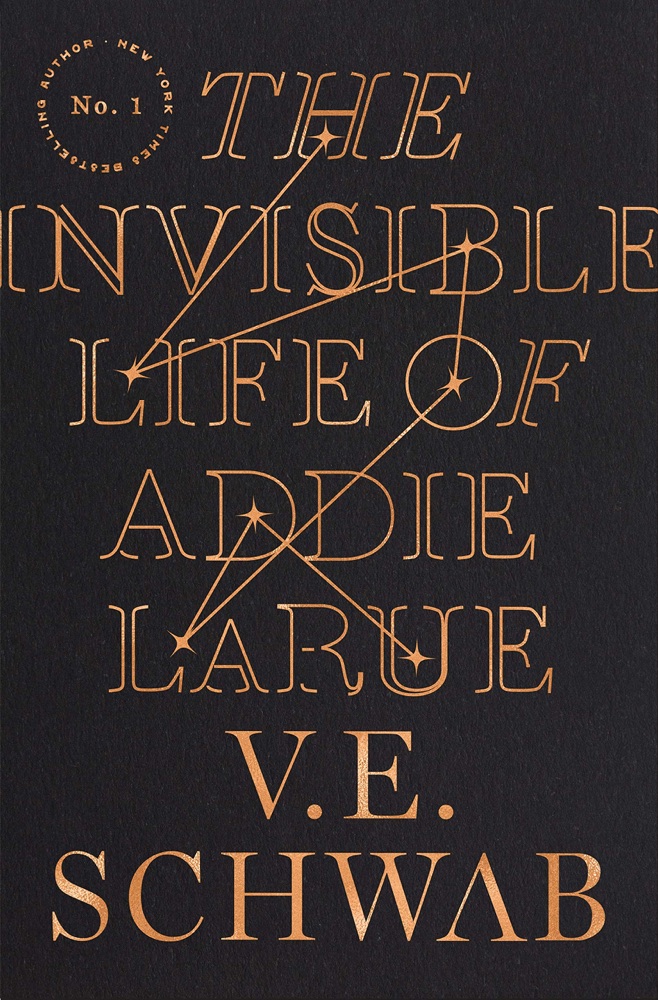 The Invisible Life of Addie LaRue
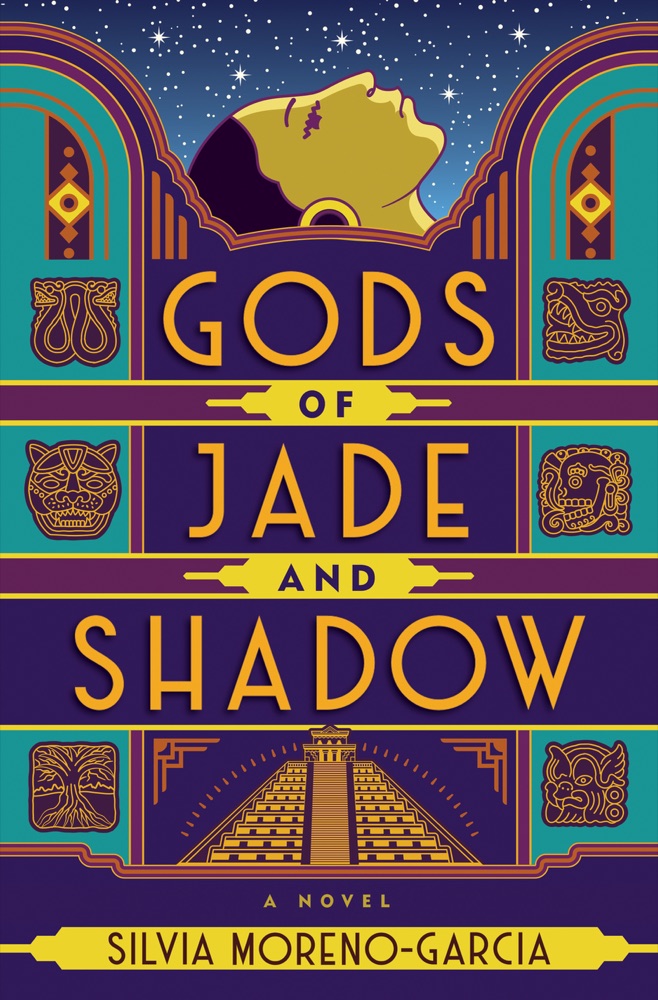 Gods of Jade and Shadow
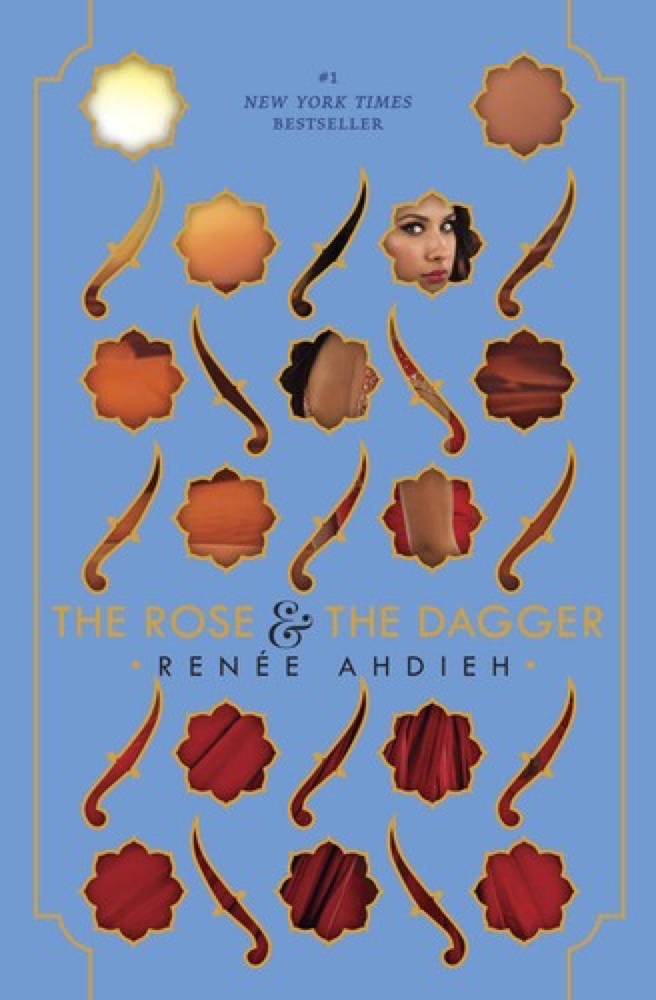 The Rose & the Dagger
 The Poet Empress
 Every Heart a Doorway
 The Prince of Tides
 A Tale of Two Cities
 The Brief Wondrous Life of Oscar Wao
 Tess of the D'Urbervilles
 The God of Small Things
 Summer Island
 As Long as the Lemon Trees Grow
 Wayfarer
 A Mercy
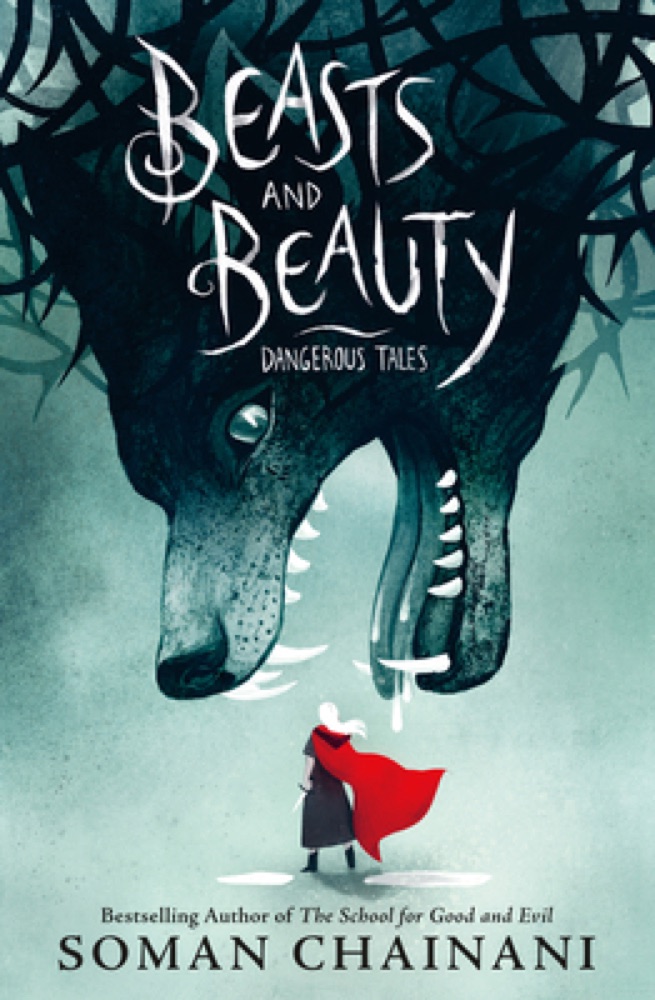 Beasts and Beauty: Dangerous Tales
 My Cousin Rachel
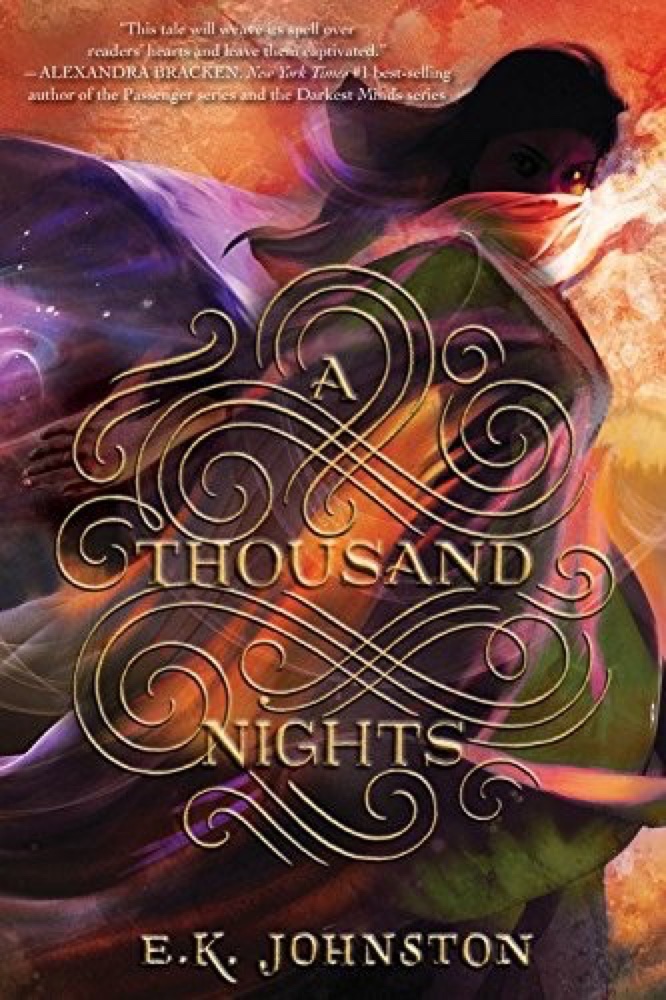 A Thousand Nights
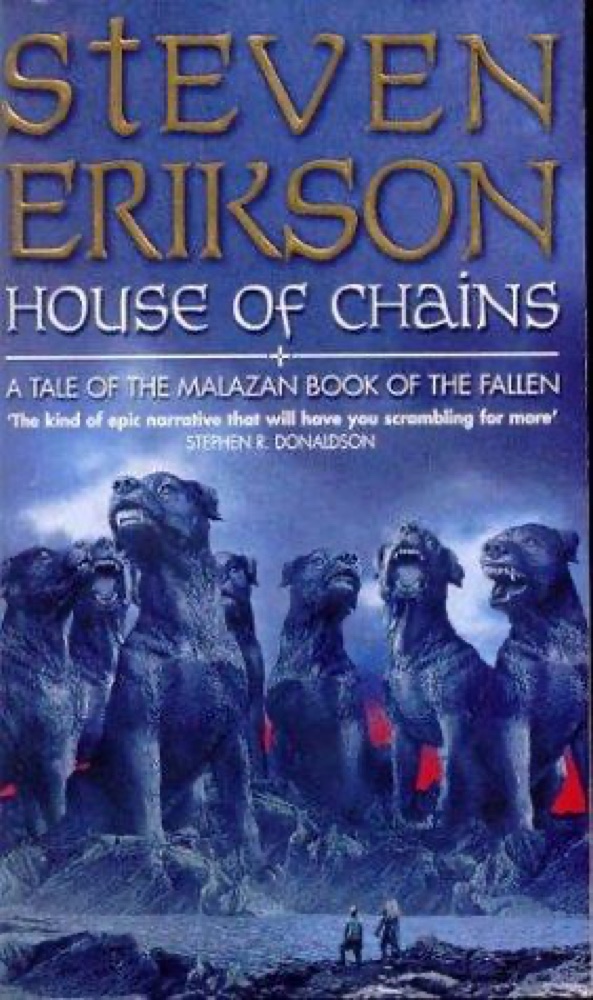 House of Chains
 Wide Sargasso Sea
 The Beautiful and Damned
 Little Bee
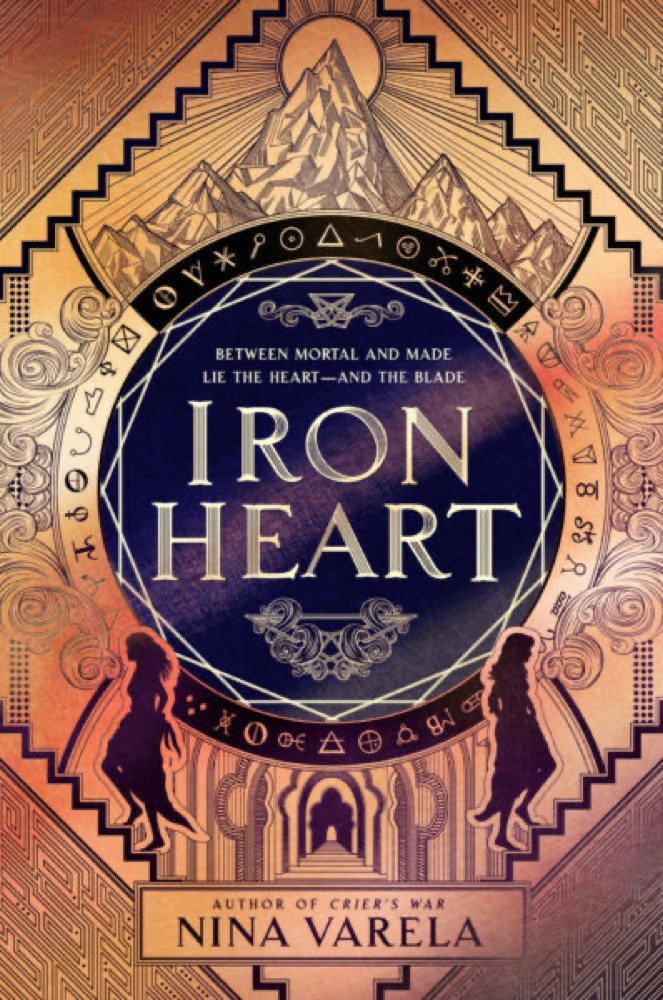 Iron Heart
 The Sweet Far Thing
 Daughter of Smoke & Bone
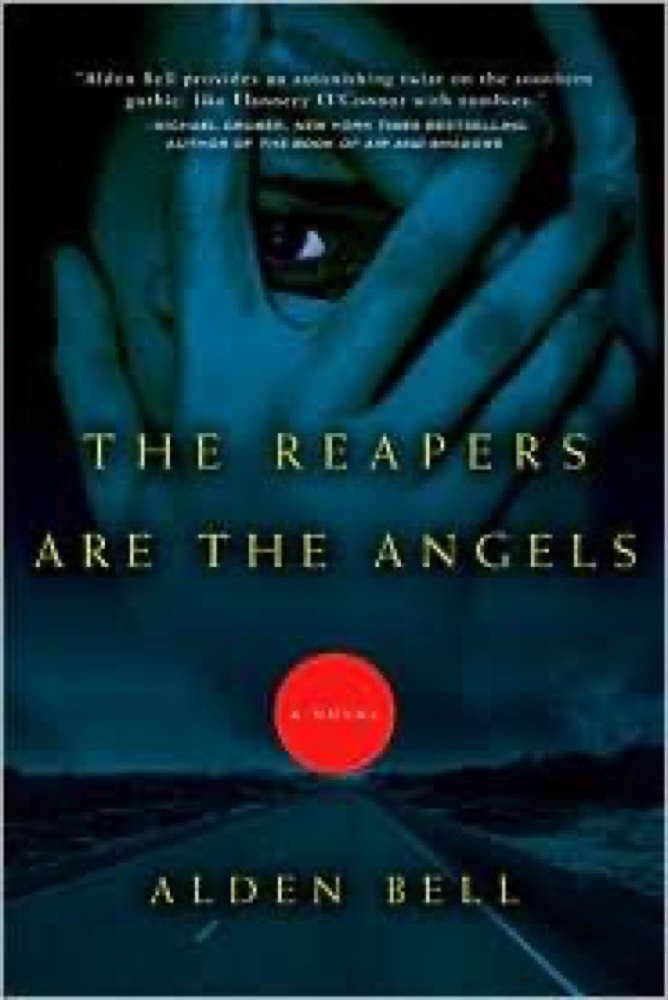 The Reapers are the Angels
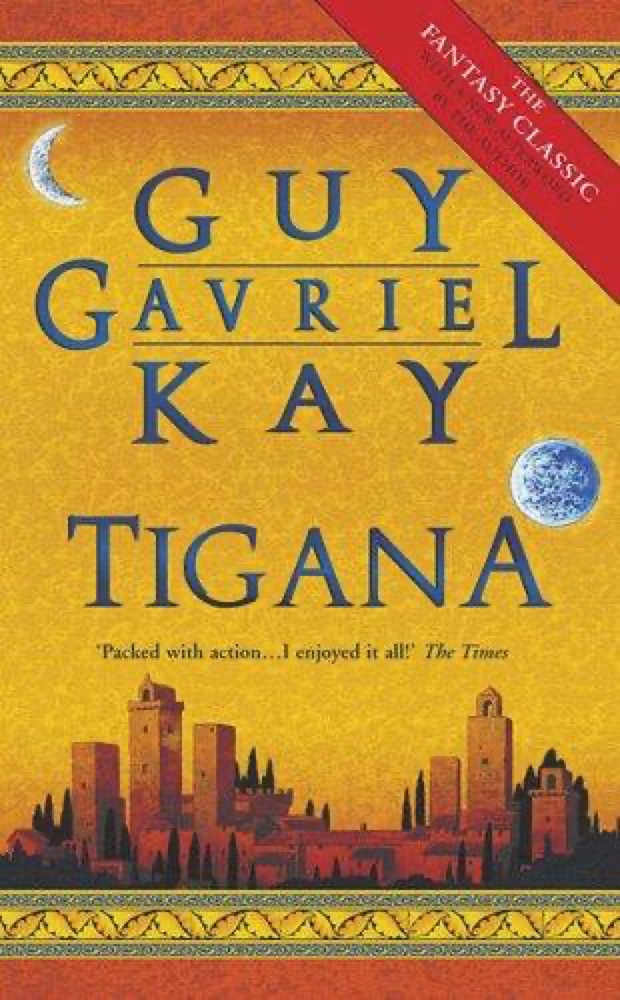 Tigana
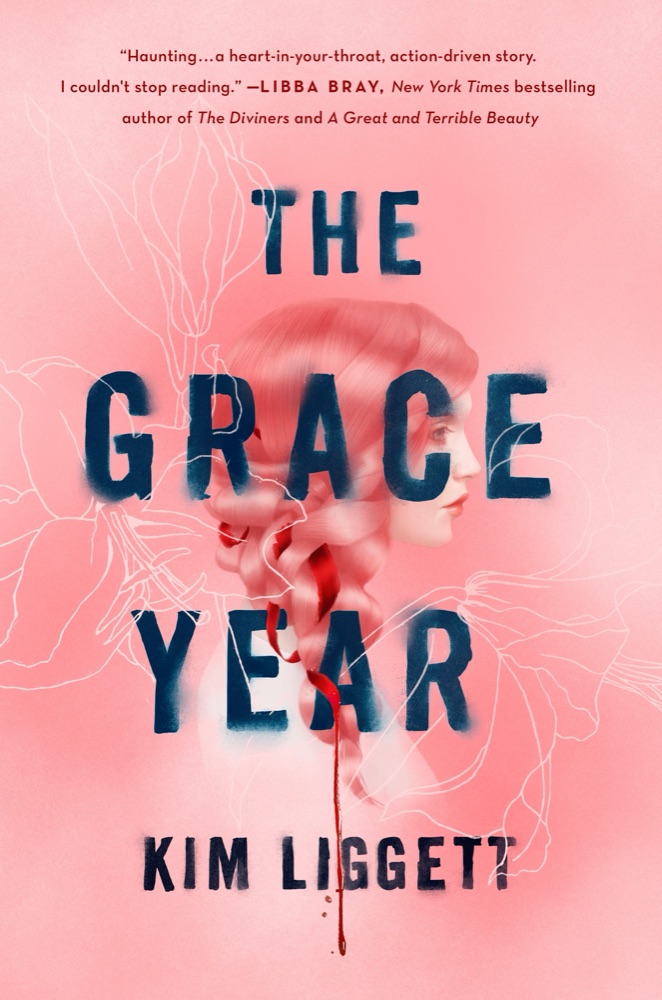 The Grace Year
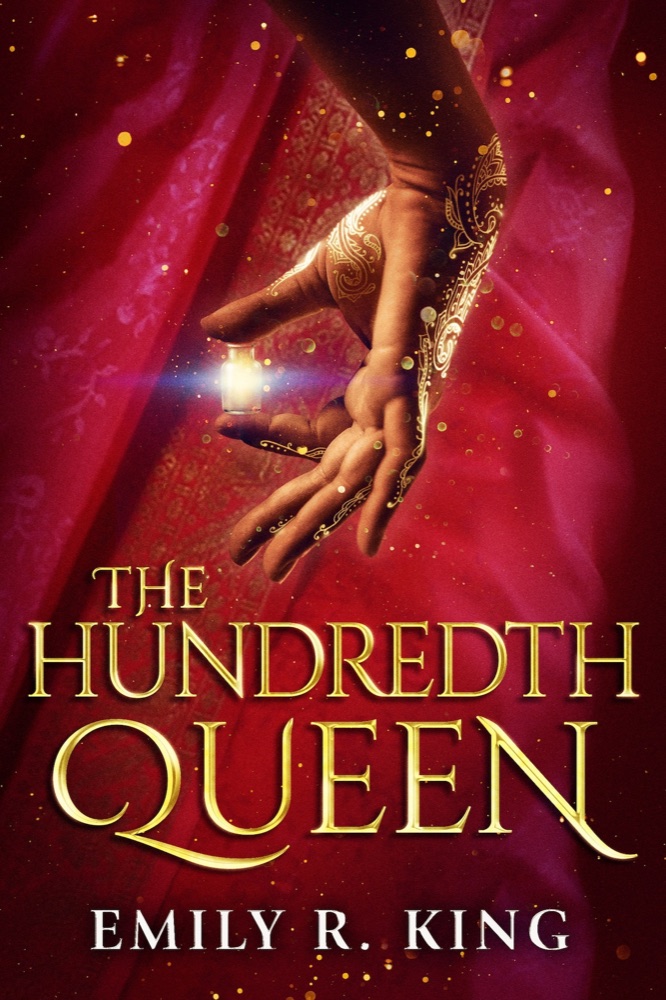 The Hundredth Queen