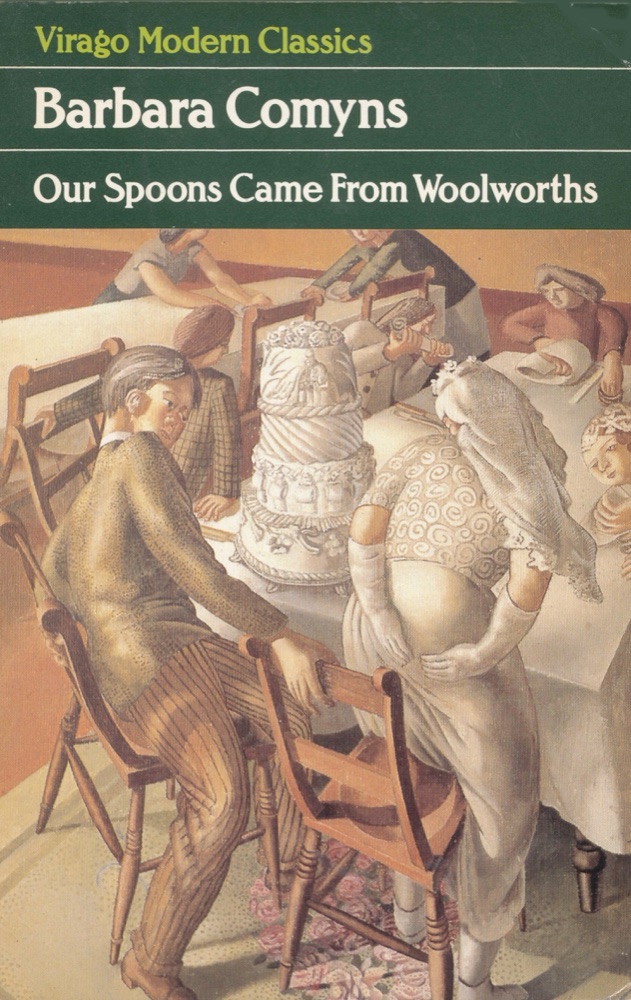
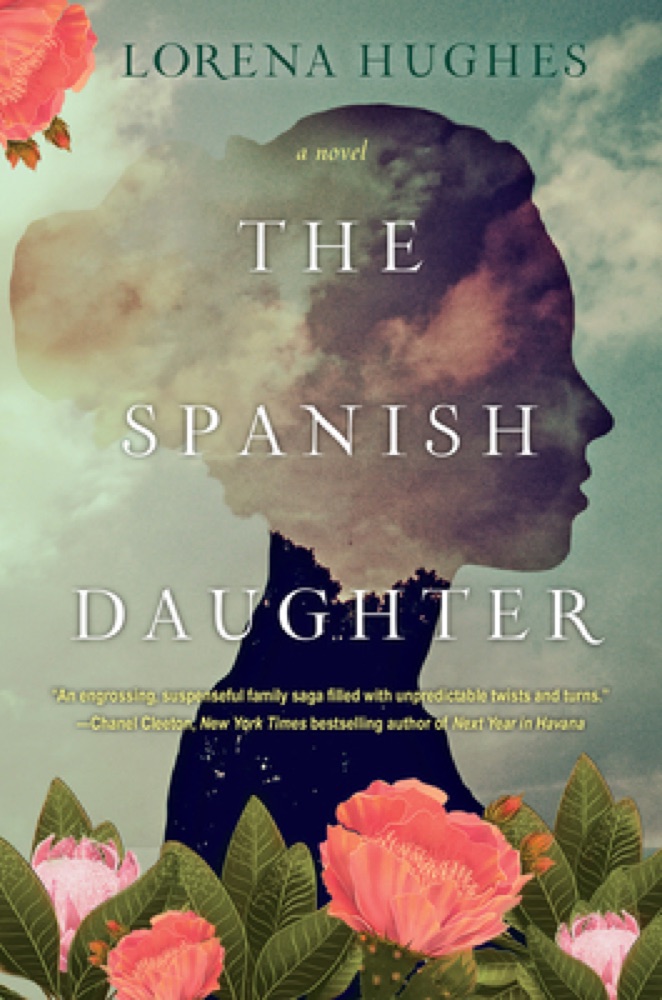
 The Spanish Daughter
Quotes from the Book
She cleared her throat once or twice, and said something about poor people should eat a lot of herrings, as they were most nutritious, also she had heard poor people eat heaps of sheeps' heads and she went on to ask if I ever cooked them. I said I would rather be dead than cook or eat a sheep's head; I'd seen them in butchers' shops with awful eyes and bits of wool sticking to their skulls. After that helpful hints for the poor were forgotten.
10
I had a kind of idea if you controlled your mind and said, 'I won't have any babies' very hard, they most likely wouldn't come. I thought that was what was meant by birth-control, but by this time I knew that idea was quite wrong.
6
I dreaded going to the farm, but when I arrived there, it was very much better than I expected. Things one dreads usually are: it's only the things we look forward to that go all wrong.
4
I began to feel frightened and depressed, and thought, 'This is my punishment for being an adulteress.' Then I remembered I was even poorer before I was one, so perhaps it was a punishment for something I had forgotten.
4
Tenía la idea de que, si ejercías un control mental y te decías muy seria: «No tendré hijos», seguramente no vendrían.
4
Escribía y era una intelectual de marca mayor, le interesaban mucho los derechos de la mujer pero le desagradaban los niños, los recién nacidos en particular, aunque puede que fuera porque ella no los había tenido ni podía tenerlos ya, puesto que Simeon, su marido, la había dejado.
1
Habría dado cualquier cosa por pasear por una de esas típicas calles londinenses, con casas de sucios ladrillos amarillos a los lados, altas casas pareadas con un tramo de escalones hasta la puerta y barandillas y verjas de hierro que parecen enjaular unos arbustos ralos y desgreñados, y, de vez en cuando, un gato dormido en un alféizar.
1
Then he said, "I'm going to be honest with you. I expect you have a pretty good idea of what I'm going to say, and have realized I don't love you anymore. I am very fond of you, but I loathe this domestic life. The children are quite beautiful, but they don't mean a thing to me. I don't feel like a father and have never wanted to be one. I may be inhuman and selfish, but I must be, life is so short, and the young part of our lives is going so quickly. I must be free to enjoy it and not be weighed down by all these responsibilities ." I said, "Did you often go to Peter Pan when you were a child?
1
All the golden guineas had gone now and we only had the little I earned as a model. With this we had to pay for food, light and heat, and laundry and of course rent. Sometimes we were several weeks behind and the landlady would ask us for money each time we went in or out of the house. I would hear her talking about us to the other people who lived on the floor below and felt dreadfully ashamed. Charles did not mind. He just said she was a silly old bitch. As soon as Charles started to paint he forgot about the cold and money worries. That is how artists should be, but I was only a commercial artist, so I went on worrying.
Eva was rather impressed that we had made all the necessary arrangements. I did not tell her that I would shortly be leaving my job, because already she had said that penniless people had no right to have children. She didn’t seem to think it was Charles’s baby — only mine, because later on, when I was upstairs putting on my coat, she kissed me quite kindly, but spoilt it by saying, ‘I shall never forgive you, Sophia, for making my son a father at twenty-one.’ I almost added, ‘And you a grandmother at forty-six.
Watch on YouTube
About Barbara Comyns
We have collected 10 quotes from 1 book by Barbara Comyns on BookQuoters.
More about the author →About the book
“I told Helen my story and she went home and cried.” So begins Our Spoons Came from Woolworths. But Barbara Comyns’s beguiling novel is far from tragic, despite the harrowing ordeals its heroine endures.
Sophia is twenty-one and naïve when she marries fellow artist Charles. She seems hardly fonder of her husband than she is of her pet newt; she can’t keep house (everything she cooks tastes of soap); and she mistakes morning sickness for the aftereffects of a bad batch of strawberries. England is in the middle of the Great Depression, and the money Sophia makes from the occasional modeling gig doesn’t make up for her husband’s indifference to paying the rent. Predictably, the marriage falters; not so predictably, Sophia’s artlessness will be the very thing that turns her life around.
Book details
- First published
- 1950
- Author
- Barbara Comyns
- Genre
- Fiction
- Goodreads rating
- 3.85 (5k ratings)
Keep reading
The Spanish Daughter
 Confessions of a Crap Artist
 The Family Upstairs
 My Sister Lives on the Mantelpiece
 The Rachel Papers
 Travels With My Aunt
 The House of the Spirits
 The Lying Life of Adults
 While England Sleeps
 Those Who Leave and Those Who Stay
 The Time in Between
 Hot Milk
 The Evolution of Calpurnia Tate
 Em and The Big Hoom
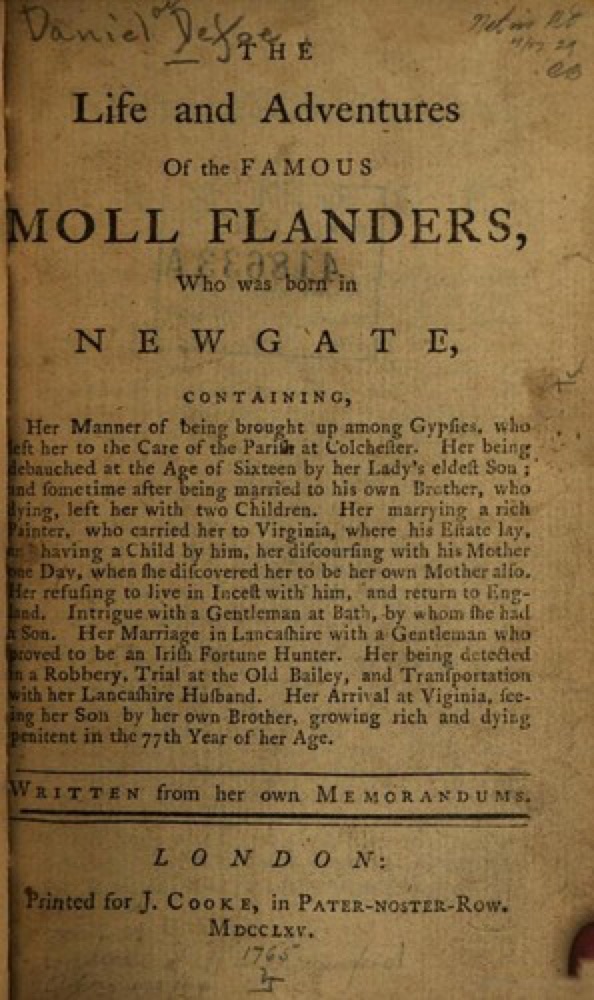 Moll Flanders
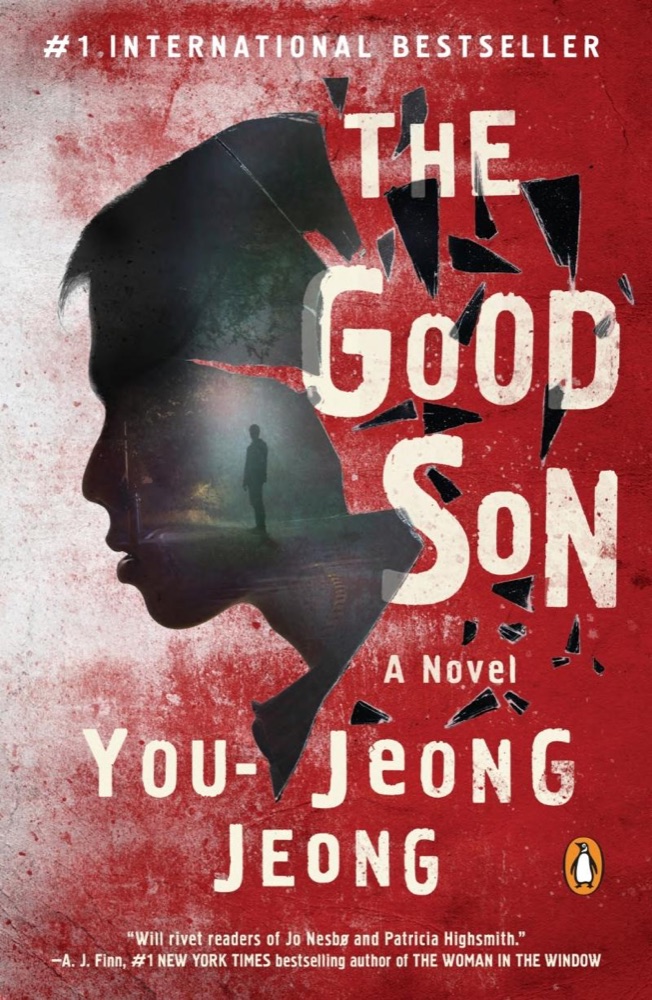 The Good Son
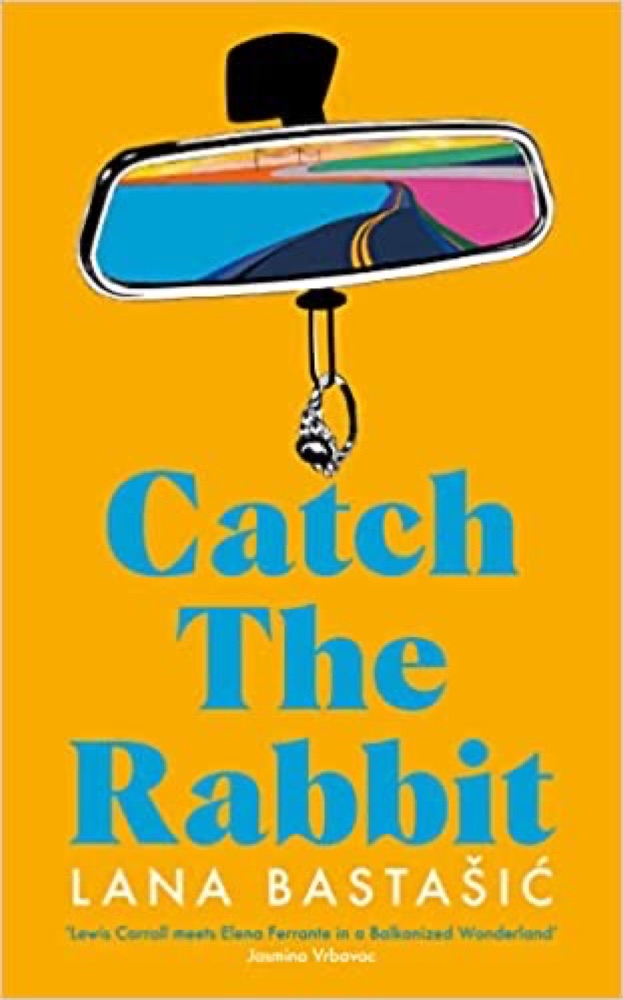 Catch the Rabbit
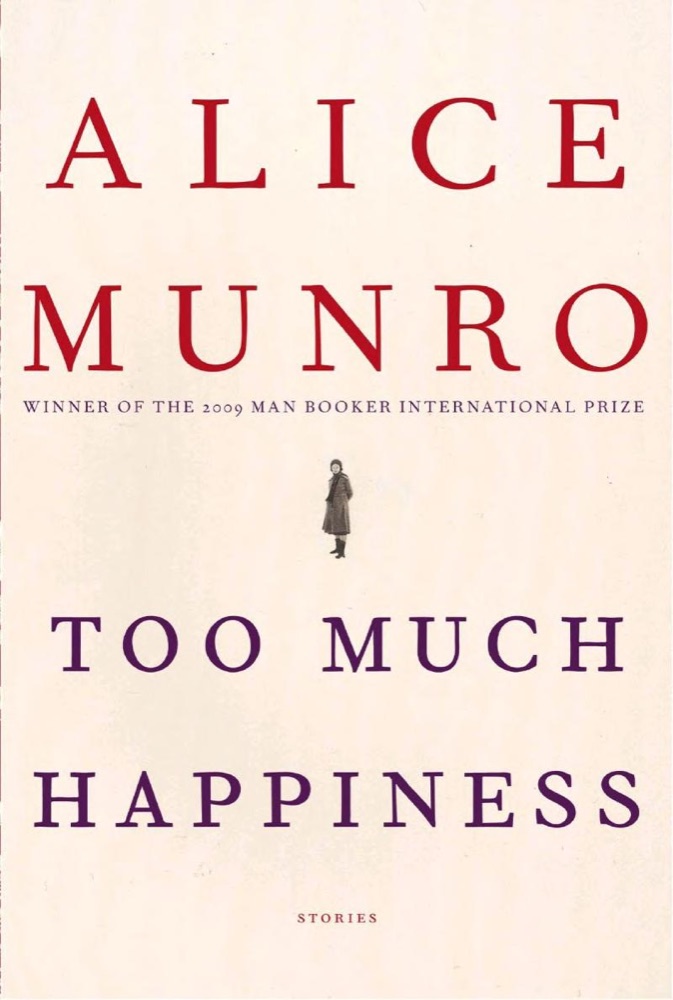 Too Much Happiness: Stories
 Don’t Tell Mummy: A True Story of the Ultimate Betrayal
 A Woman's Story
 Bluebeard's Egg
 Laddie: A True Blue Story
 Violeta
 The Appointment
 Happening
 A Sunny Place for Shady People
 Pink Slime
 Bastard Out of Carolina
 Still Born
 Alice I Have Been
 The End of Eddy
 The Charioteer
 A Children's Bible
 Sarah's Key
 Snake-Eater
 South of No North
 The Door
 The First Bad Man
 Nervous Conditions
 The Stories of John Cheever
 Emma in the Night
 The Force of Such Beauty
 The Benevolent Society of Ill-Mannered Ladies
 First Love and Other Novellas
 The Mystery of Edwin Drood
 Milkman
 The Blue Hour
 The Summer Before the Dark
 Dominicana
 Life & Times of Michael K
 The Children's Book
 Haunting Violet
 Bad Blood
 Fifth Business
 Mr Wilder & Me
 So Much for That
 The Dirty Life: On Farming, Food, and Love
 Firmin: Adventures of a Metropolitan Lowlife
 A Perilous Undertaking
 Gerald's Game