
 The Confessions of Max Tivoli
Quotes from the Book
He kisses—how do I explain it? Like someone in love. Like he has nothing to lose. Like someone who has just learned a foreign language and can use only the present tense and only the second person. Only now, only you. There are some men who have never been kissed like that. There are some men who discover, after Arthur Less, that they never will be again.
261
Strange to be almost fifty, no? I feel like I just understood how to be young." "Yes! It's like the last day in a foreign country. You finally figure out where to get coffee, and drinks, and a good steak. And then you have to leave. And you won't ever be back.
176
Twenty years of joy and support and friendship, that’s a success. Twenty years of anything with another person is a success. If a band stays together twenty years, it’s a miracle. If a comedy duo stays together twenty years, they’re a triumph. Is this night a failure because it will end in an hour? Is the sun a failure because it’s going to end in a billion years? No, it’s the fucking sun. Why does a marriage not count? It isn’t in us, it isn’t in human beings, to be tied to one person forever.
149
Just for the record: happiness is not bullshit.
128
She told me she met the love of her life,” Zohra says at last, still staring out the window. “You read poems about it, you hear stories about it, you hear Sicilians talk about being struck by lightning. We know there’s no love of your life. Love isn’t terrifying like that. It’s walking the fucking dog so the other one can sleep in, it’s doing taxes, it’s cleaning the bathroom without hard feelings. It’s having an ally in life. It’s not fire, it’s not lightning. It’s what she always had with me. Isn’t it? But what if she’s right, Arthur? What if the Sicilians are right? That it’s this earth-shattering thing she felt? Something I’ve never felt. Have you?
119
How can so many things become a bore by middle age — philosophy, radicalism, and other fast foods — but heartbreak keeps its sting?
90
By the end, Arthur Less is in tears, sobbing in his seat, and he thinks he has been sobbing quietly until the lights come up and the woman seated beside him turns and says, “Honey, I don’t know what happened in your life, but I am so so sorry,” and gives him a lilac-scented embrace. Nothing happened to me, he wants to say to her. Nothing happened to me. I’m just a homosexual at a Broadway show.
73
His brain sits before its cash register again, charging him for old shames as if he has not paid before
72
It is, after all, almost a miracle they are here. Not because they've survived the booze, the hashish, the migraines. Not that at all. It's that they've survived everything in life, humiliations and disappointments and heartaches and missed opportunities, bad dads and bad jobs and bad sex and bad drugs, all the trips and mistakes and face-plants of life, to have made it to fifty and to have made it here: to this frosted-cake landscape, these mountains of gold, the little table they can now see sitting on the dune, set with olives and pita and glasses and wine chilling on ice, with the sun waiting more impatiently than any camel for their arrival. So, yes. As with almost any sunset, but with this one in particular: shut the fuck up.
63
New York is a city of eight million people, approximately seven million of whom will be furious when they hear you were in town and didn’t meet them for an expensive dinner, five million furious you didn’t visit their new baby, three million furious you didn’t see their new show, one million furious you didn’t call for sex, but only five actually available to meet you. It is completely reasonable to call none of them.
62
Boredom is the only real tragedy for a writer; everything else is material.
60
We all recognize grief in moments that should be celebrations; it is the salt in the pudding. Didn't Roman generals hire slaves to march beside them in a triumphant parade and remind them that they too would die? Even your narrator, one morning after what should have been a happy occasion, was found shivering at the end of the bed (spouse: "I really wish you weren't crying right now"). Don't little children, awakened one morning and told, "Now you're five!" - don't they wail at the universe's descent into chaos? The sun slowly dying, the spiral arm spreading, the molecules drifting apart second by second toward our inevitable heat death - shouldn't we all wail to the stars?
55
There on the dune, beside the table, one of the camel boys has his arm around the other, and they sit there like that as they watch the sun. The dunes are turning the same shades of adobe and aqua as the buildings of Marrakech. Two boys, arms around each other. To Less, it seems so foreign. It makes him sad. In his world, he never sees straight men doing this. Just as a gay couple cannot walk hand in hand down the streets of Marrakech, he thinks, two men, best friends, cannot walk hand in hand down the streets of Chicago. They cannot sit on a dune like these teenagers and watch a sunset in each other’s embrace. This Tom Sawyer love for Huck Finn.
37
So many people will do. But once you’ve actually been in love, you can’t live with “will do”; it’s worse than living with yourself.
36
I look at you, and you’re young. You’ll always be that way for me. But not for anyone else. Arthur, people who meet you now will never be able to imagine you young.
36
He kisses--how do I explain it? Like someone in love. Like he has nothing to lose. Like someone who has just learned a foreign language and can use only the present tense and only the second person. Only now, only you.
36
I am sure we both loved a different man. Because a lover exists only in fragments, a dozen or so if the romance is new, a thousand if we’ve married him, and out of those fragments our heart constructs an entire person. What we each create, since whatever is missing is filled in by our imagination, is the person we wish him to be. The less we know him, of course, the more we love him.
34
Strange, though; because he is afraid of everything, nothing is harder than anything else. Taking a trip around the world is no more terrifying than buying a stick of gum. The daily dose of courage.
33
Arthur Less is the first homosexual ever to grow old. That is, at least, how he feels at times like these. Here, in this tub, he should be twenty-five or thirty, a beautiful young man naked in a bathtub. Enjoying the pleasures of life. How dreadful if someone came upon naked Less today: pink to his middle, gray to his scalp, like those old double erasers for pencil and ink. He has never seen another gay man age past fifty, none except Robert. He met them all at forty or so but never saw them make it much beyond; they died of AIDS, that generation. Less’s generation often feels like the first to explore the land beyond fifty. How are they meant to do it? Do you stay a boy forever, and dye your hair and diet to stay lean and wear tight shirts and jeans and go out dancing until you drop dead at eighty? Or do you do the opposite—do you forswear all that, and let your hair go gray, and wear elegant sweaters that cover your belly, and smile on past pleasures that will never come again? Do you marry and adopt a child? In a couple, do you each take a lover, like matching nightstands by the bed, so that sex will not vanish entirely? Or do you let sex vanish entirely, as heterosexuals do? Do you experience the relief of letting go of all that vanity, anxiety, desire, and pain?
27
Name a day, name an hour, in which Arthur Less was not afraid. Of ordering a cocktail, taking a taxi, teaching a class, writing a book. Afraid of these and almost everything else in the world. Strange, though; because he is afraid of everything, nothing is harder than anything else. Taking a trip around the world is no more terrifying than buying a stick of gum. The daily dose of courage.
25
I hadn’t known I needed him there. Like a landmark, a pyramid-shaped stone or a cypress, that we assume will never move. So we can find our way home. And then, inevitably, one day—it’s gone. And we realize that we thought we were the only changing thing, the only variable, in the world; that the objects and people in our lives are there for our pleasure, like the playing pieces of a game, and cannot move of their own accord; that they are held in place by our need for them, by our love. How stupid.
25
Here, all this time, Less thought he was merely a bad writer. A bad lover, a bad friend, a bad son. Apparently the condition is worse; he is bad at being himself.
23
the time when any couple has found its balance, and passion has quieted from its early scream, but gratitude is still abundant; what no one realizes are the golden years.
21
Where is the real Less? Less the young man terrified of love? The dead-serious Less of twenty-five years ago? Well, he has not packed him at all. After all these years, Less doesn’t even know where he’s stored.
21
And at fifty, Less muses drowsily, you’re as likable as you’re going to get.
20
It is a traveler’s fallacy that one should shop for clothing while abroad. Those white linen tunics, so elegant in Greece, emerge from the suitcase as mere hippie rags; the beautiful striped shirts of Rome are confined to the closet; and the delicate hand batiks of Bali are first cruise wear, then curtains, then signs of impending madness.
19
I’ve got a theory. Now, hear me out. It’s that our lives are half comedy and half tragedy. And for some people, it just works out that the first entire half of their lives is tragedy and then the second half is comedy.
18
What is love, Arthur? What is it?” she asks him. “Is it the good dear thing I had with Janet for eight years? Is it the good dear thing? Or is it the lightning bolt? The destructive madness that hit my girl?
17
I know I’m out of your life / But the day that I die / I know you are going to cry.
16
Did you know?
- "Less" won the 2018 Pulitzer Prize for Fiction, an unusual recognition for a comic novel.
- The novel is narrated by a character whose identity is deliberately withheld until late in the book.
- It was a New York Times bestseller and was named International Book of the Year at the 2019 Australian Book Industry Awards.
- Greer has said he set out to write "a funny story" as a way to honestly explore being gay and growing older.
- A sequel, "Less Is Lost," was published in 2022.
About Andrew Sean Greer
Andrew Sean Greer is an American novelist and short-story writer, born in 1970 in Washington, D.C. He is the author of several books including "The Confessions of Max Tivoli," and won the 2018 Pulitzer Prize for Fiction for "Less."
More about the author →More by Andrew Sean Greer
About the book
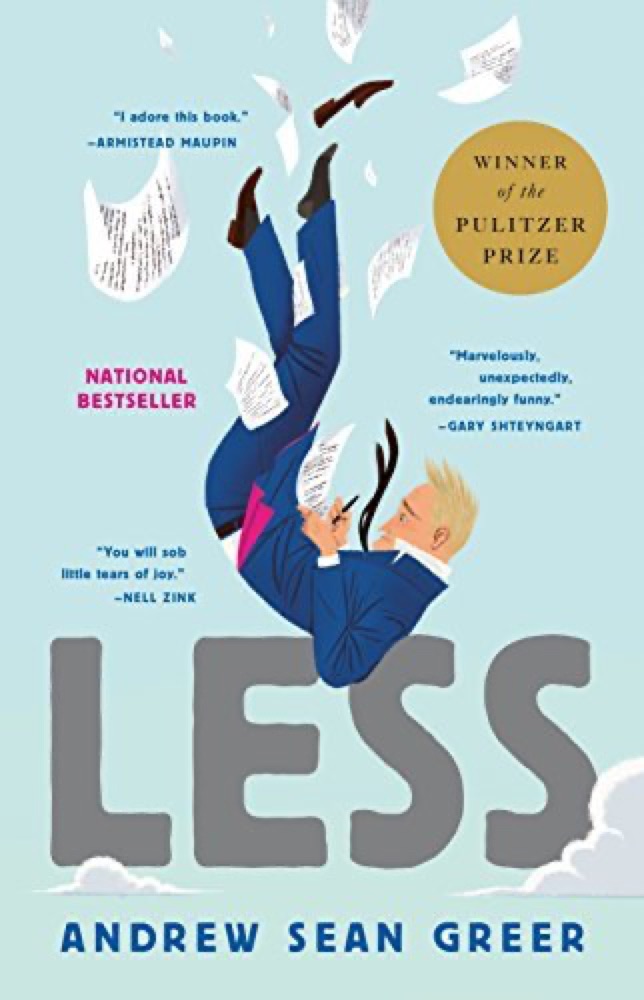
"Less" follows Arthur Less, a moderately successful gay novelist on the cusp of his fiftieth birthday. To avoid attending the wedding of his much-younger former lover, Freddy Pelu, Less accepts a string of half-baked literary invitations that send him on a circuit around the world, passing through New York, Mexico, Italy, Germany, France, Morocco, India, and Japan. What begins as an escape becomes an accidental odyssey of teaching gigs, awards ceremonies, and misadventures, all narrated with comic affection by an observer whose identity becomes clear by the novel's end.
Beneath its travelogue surface, the book is a meditation on aging, failure, and the fear of being unremarkable, and on whether a life and a love that look small can still be enough. Greer threads questions of artistic insecurity and gay identity through a deliberately comic register, treating his hapless protagonist with tenderness rather than ridicule. The result is a romantic comedy in the literary sense, where humor and melancholy run together.
"Less" won the 2018 Pulitzer Prize for Fiction, a rare honor for an overtly comic novel, and became a New York Times bestseller. Critics praised Greer's wit, the warmth of his characterization, and the novel's surprising emotional depth. Its success prompted a 2022 sequel, "Less Is Lost," continuing Arthur Less's travels.
Key characters
- Arthur LessA nearly-fifty gay novelist who travels the world to dodge a wedding
- Freddy PeluLess's much-younger former lover, whose wedding sets the plot in motion
- Robert BrownburnLess's older ex-partner, a Pulitzer Prize-winning poet
Book details
- First published
- 2017
- Length
- 272 pages
- Series
- The Arthur Less Books #1
- Reading time
- 4 hours
- Author
- Andrew Sean Greer
- Genre
- Fiction
- Goodreads rating
- 3.62 (229k ratings)
- First line
- “From where I sit, the story of Arthur Less is not so bad.”
Critical reception
- Won the 2018 Pulitzer Prize for Fiction, an uncommon win for a comic novel.
- Was a New York Times bestseller.
- Named International Book of the Year at the 2019 Australian Book Industry Awards.
- Was a finalist for the Lambda Literary Award for Gay Fiction.
Series & reading order
- 1 Less
- 2 Less Is Lost
Keep reading
 Less Is Lost
 Self-Help
 The Post-Birthday World
 How to Stop Time
 Elsewhere
 Just Above My Head
 Girl with Curious Hair
 The Great Believers
 Thanks for the Trouble
 Charmed Thirds
 Dream Count
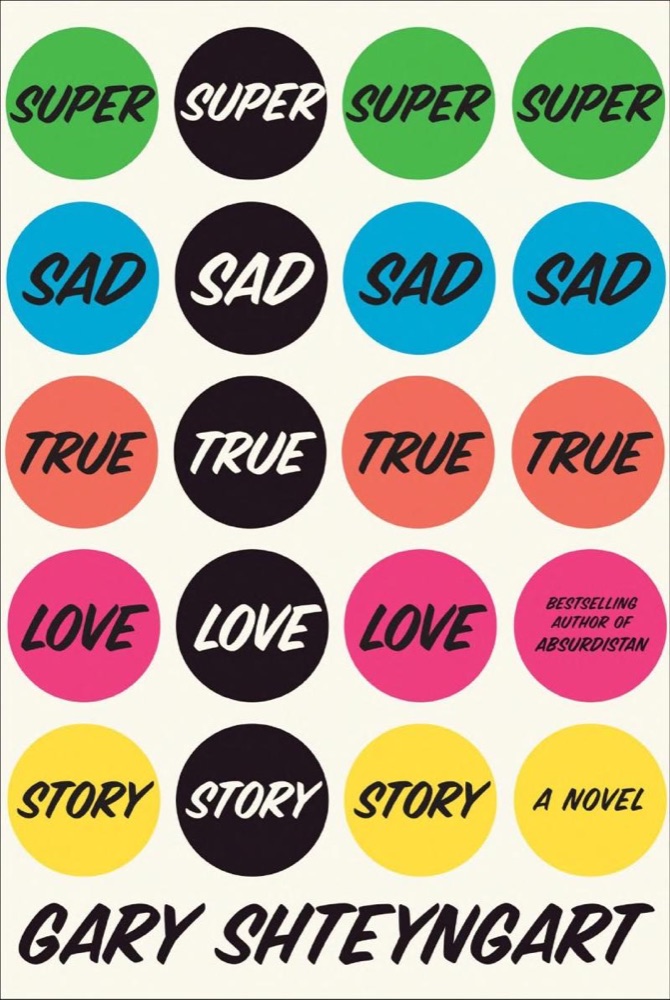 Super Sad True Love Story
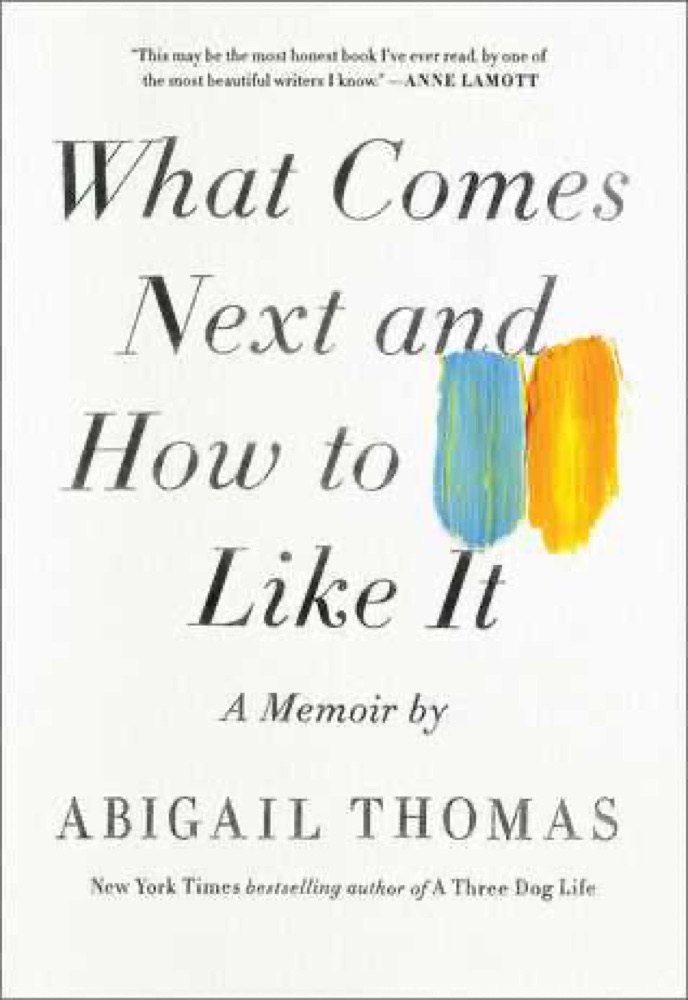 What Comes Next and How to Like It
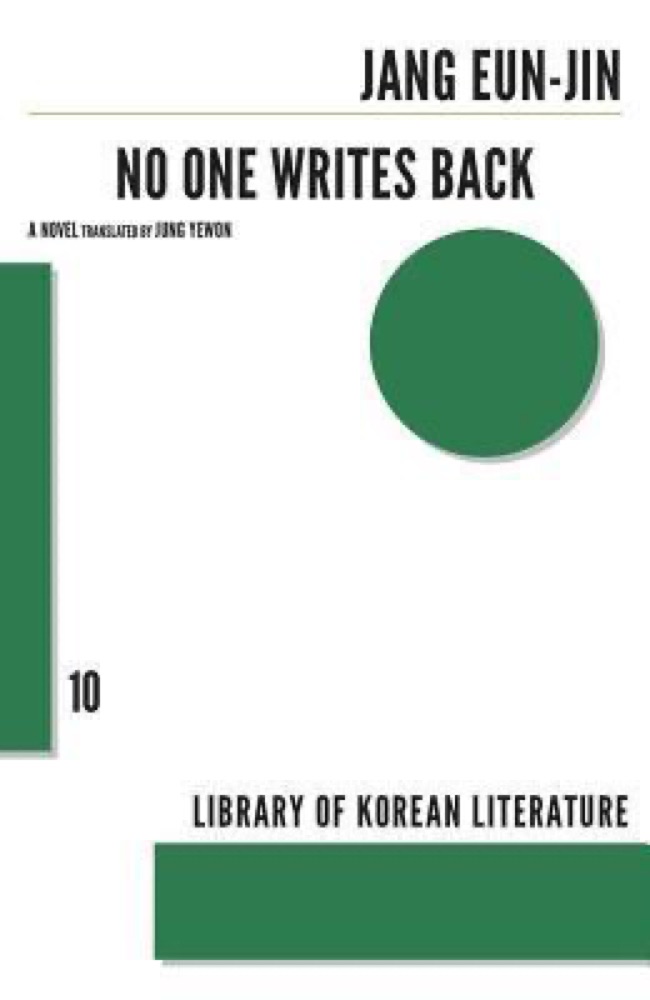 No One Writes Back
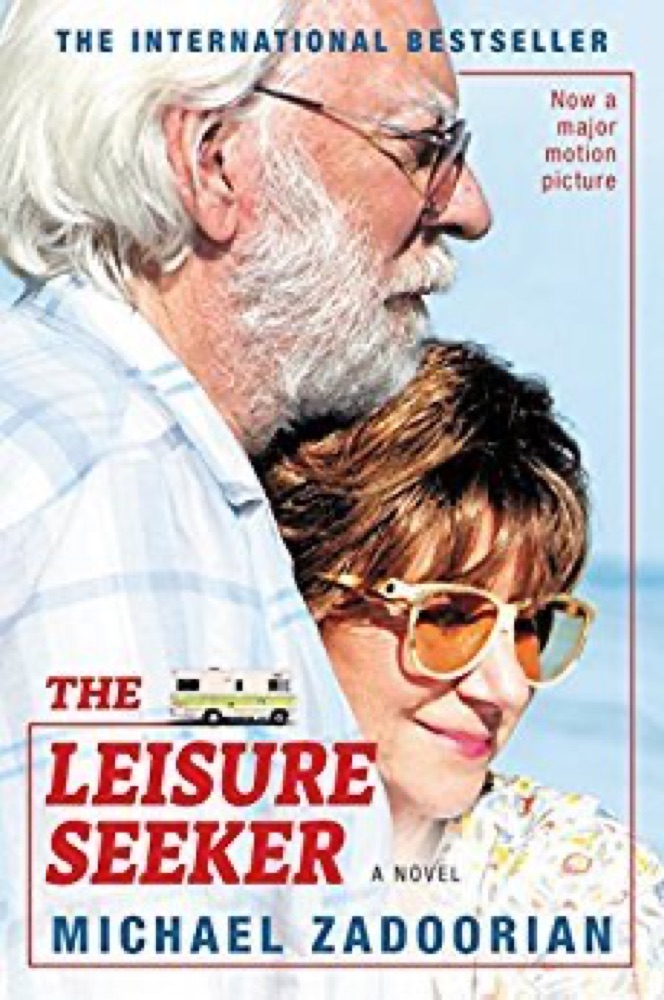 The Leisure Seeker
 A Single Man
 The Last Devil to Die
 Summer Days and Summer Nights: Twelve Love Stories
 Arch of Triumph
 The Gum Thief
 Hourglass: Time, Memory, Marriage
 The Sportswriter
 Identity
 Intermezzo
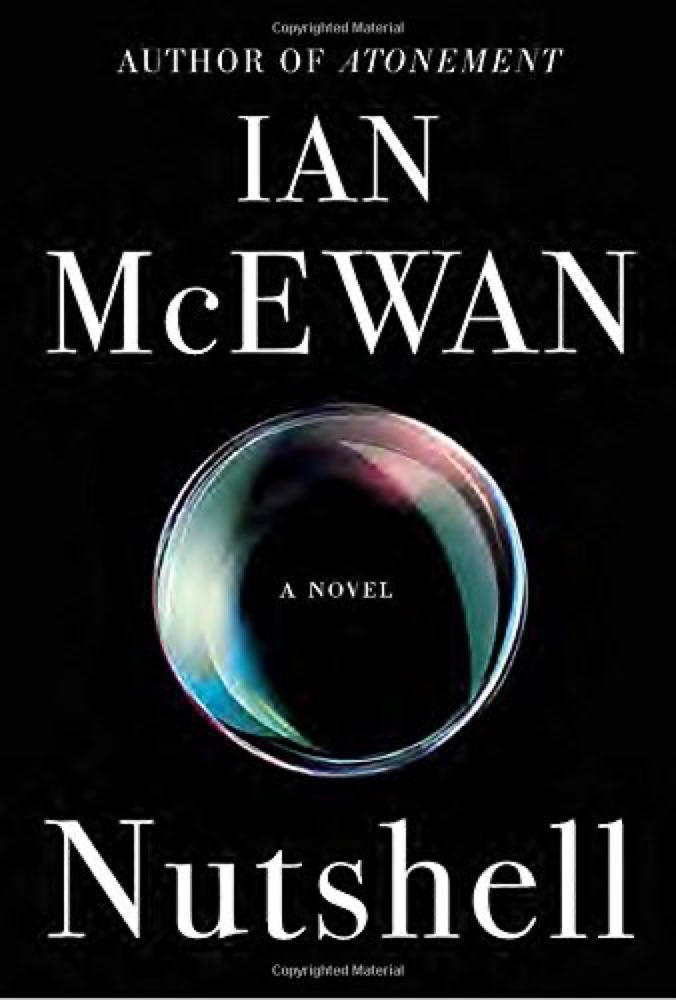 Nutshell
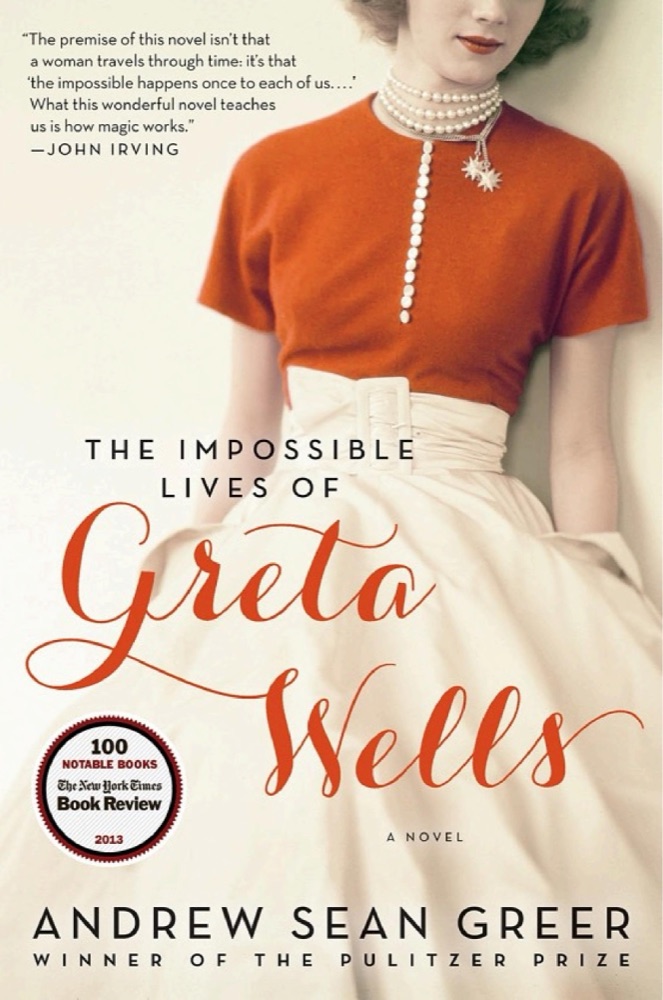 The Impossible Lives of Greta Wells
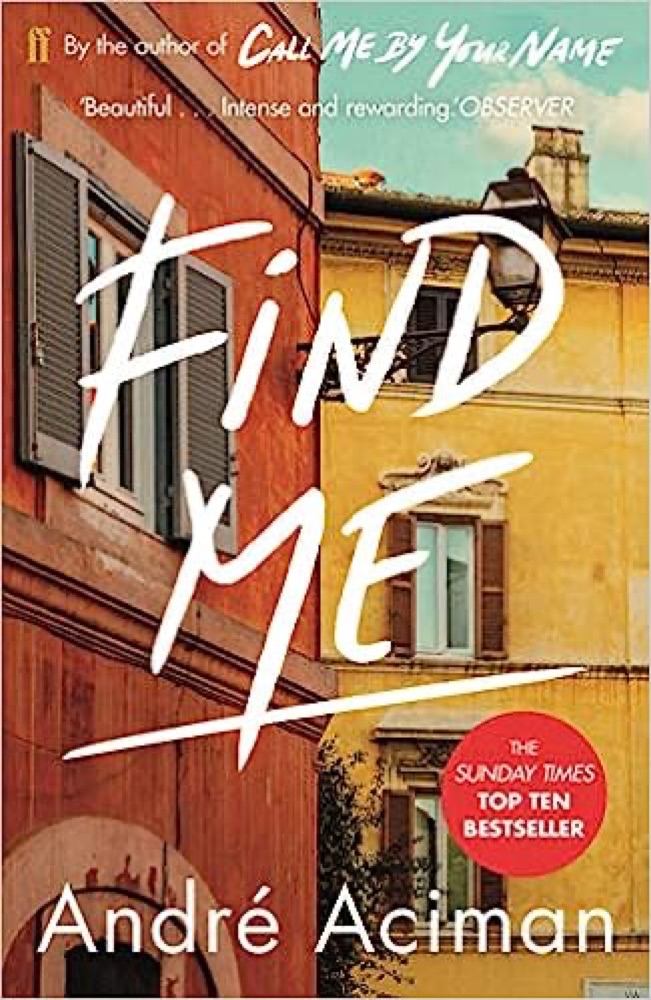 Find Me
 Beauty and the Mustache
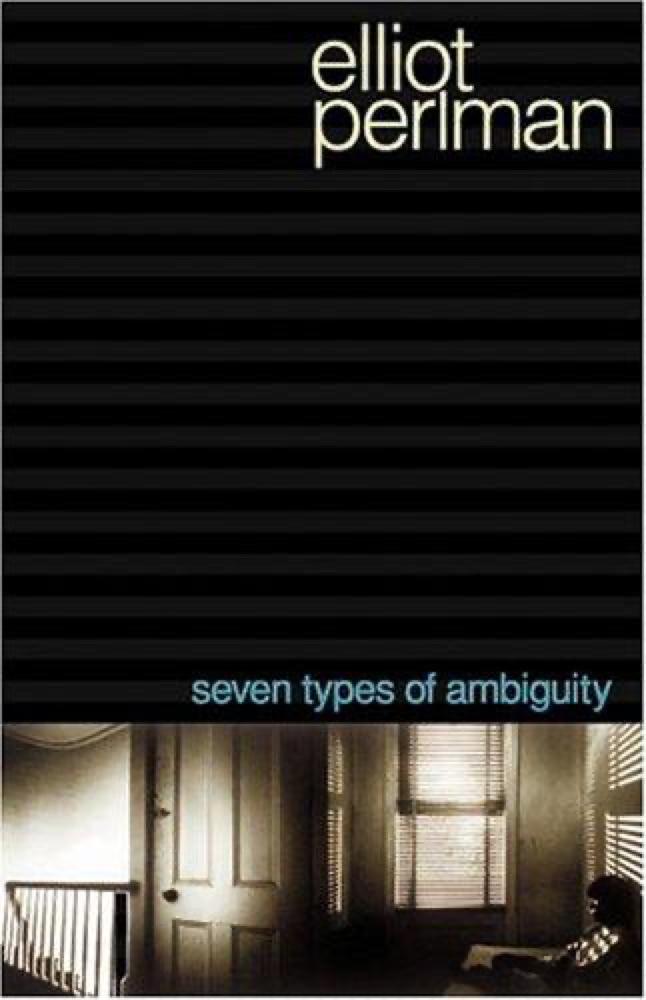 Seven Types of Ambiguity
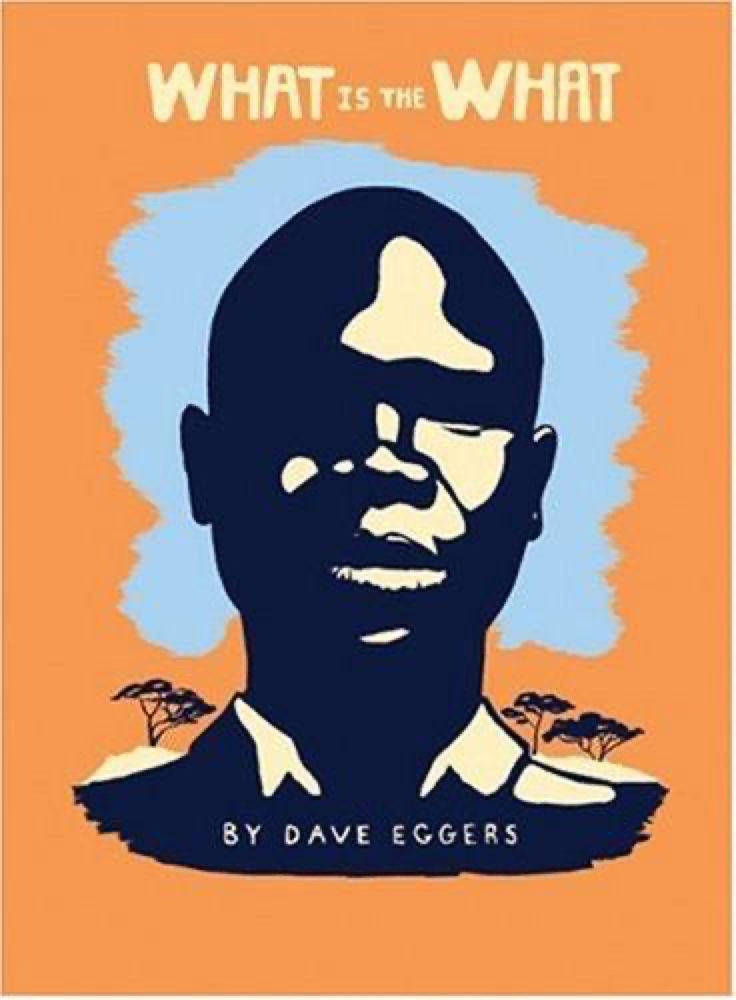 What Is the What
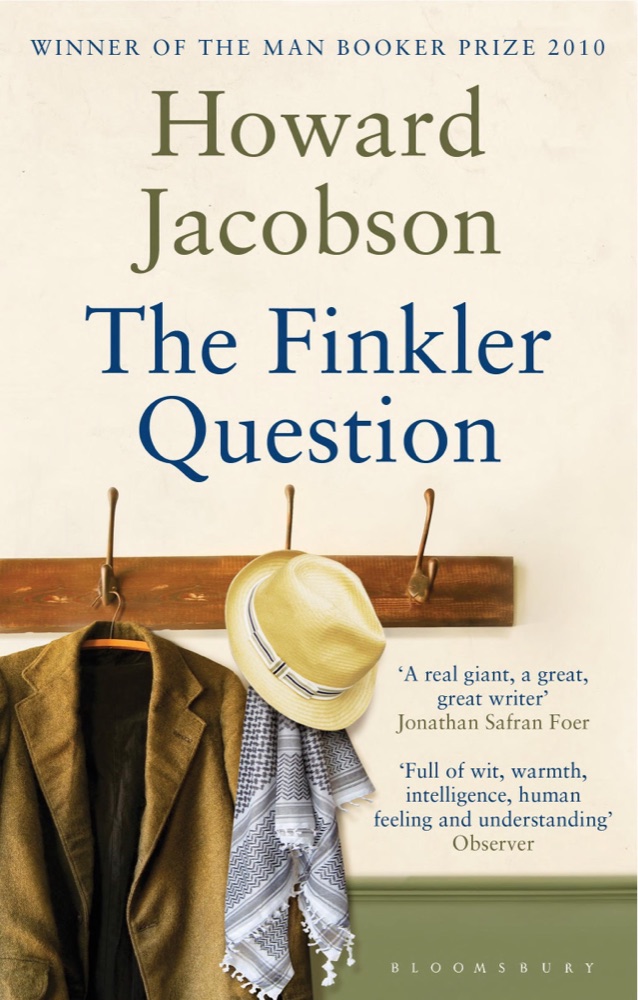 The Finkler Question
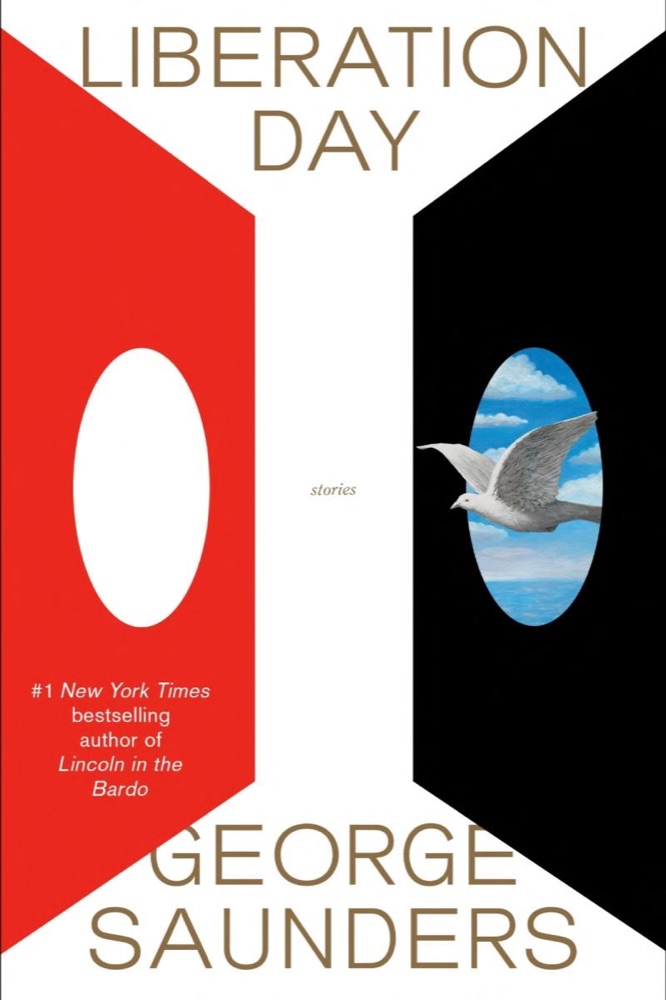 Liberation Day
 Dept. of Speculation
 These Precious Days: Essays
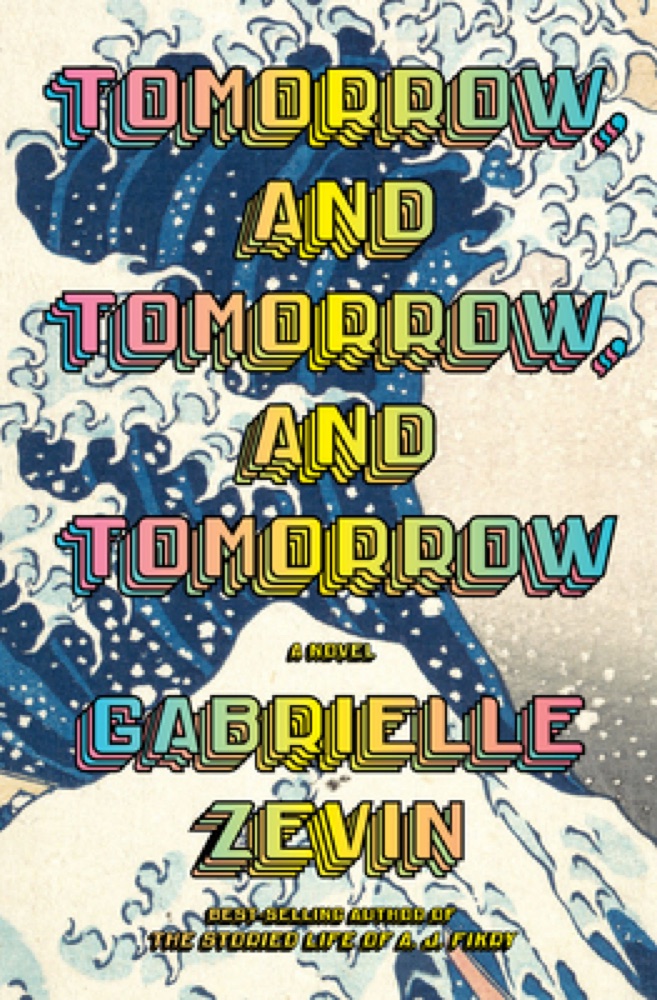 Tomorrow, and Tomorrow, and Tomorrow
 The Book of Love
 Memorizing You
 Happy Hour
 Someday
 The Rachel Papers
 Say Goodbye for Now
 Have You Seen Luis Velez?
 Summertime
 The Last Song
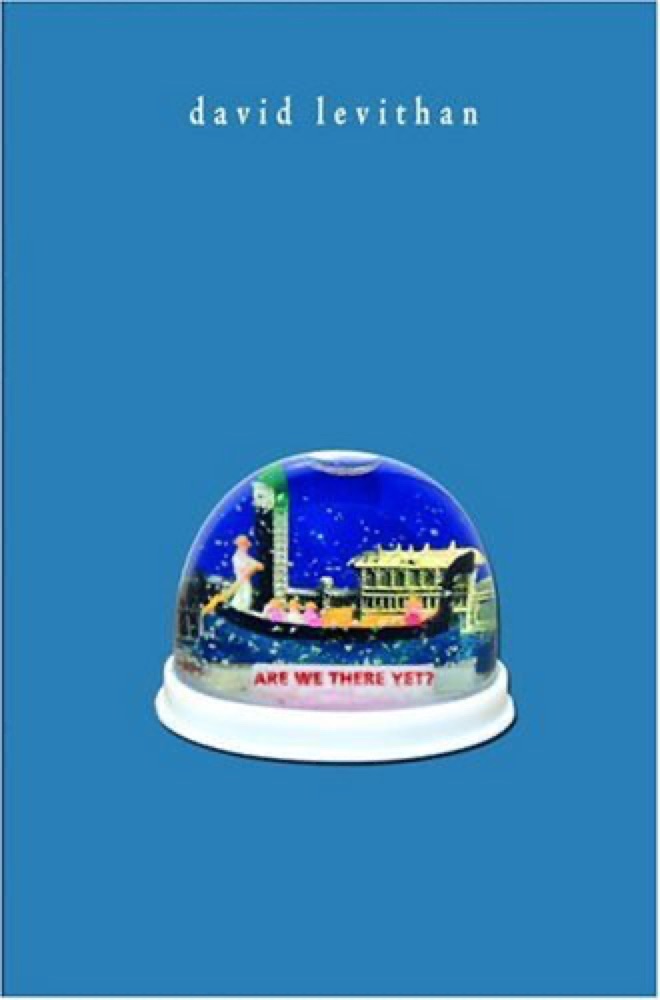 Are We There Yet?
 I Remember Nothing: and Other Reflections
 The History of Love
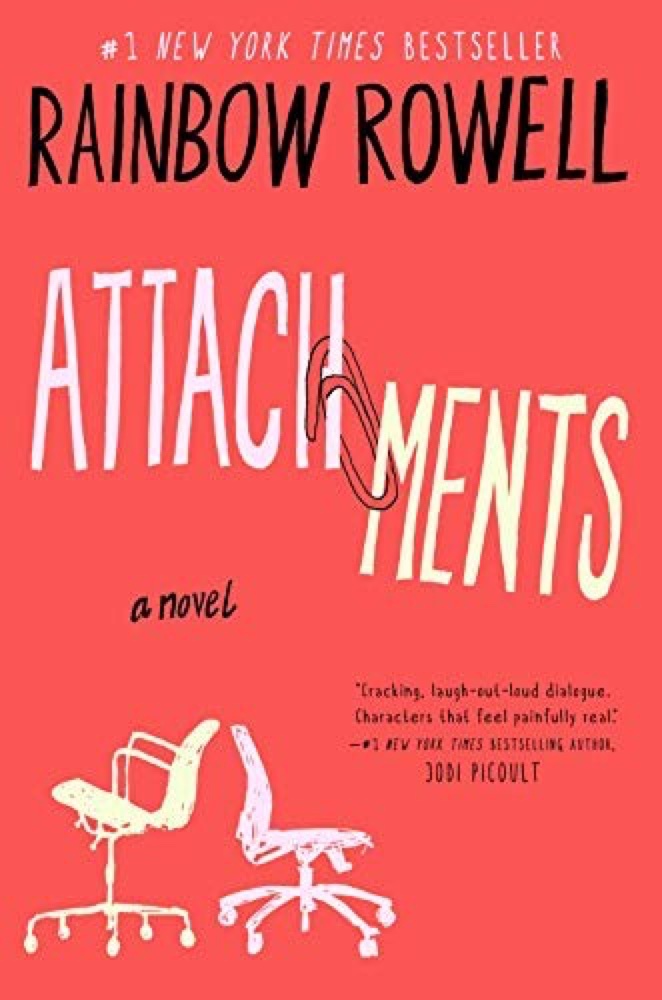 Attachments
 A Fraction of the Whole
 This Side of Paradise
 NW
NW
 Love and Other Foreign Words
 Attempting Normal
 A Small Indiscretion
 Never Always Sometimes
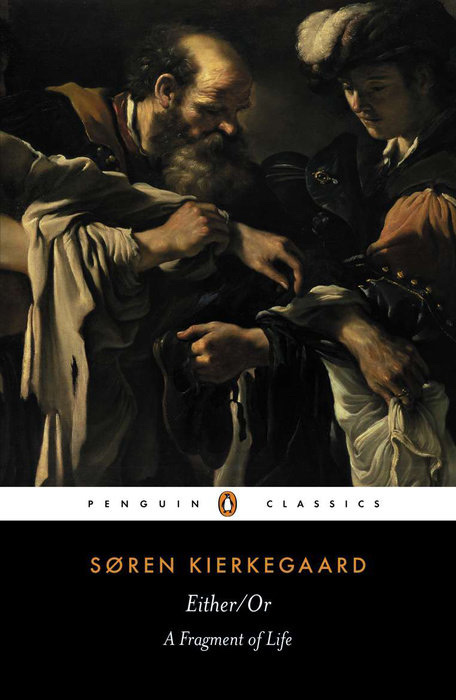 Either/Or: A Fragment of Life
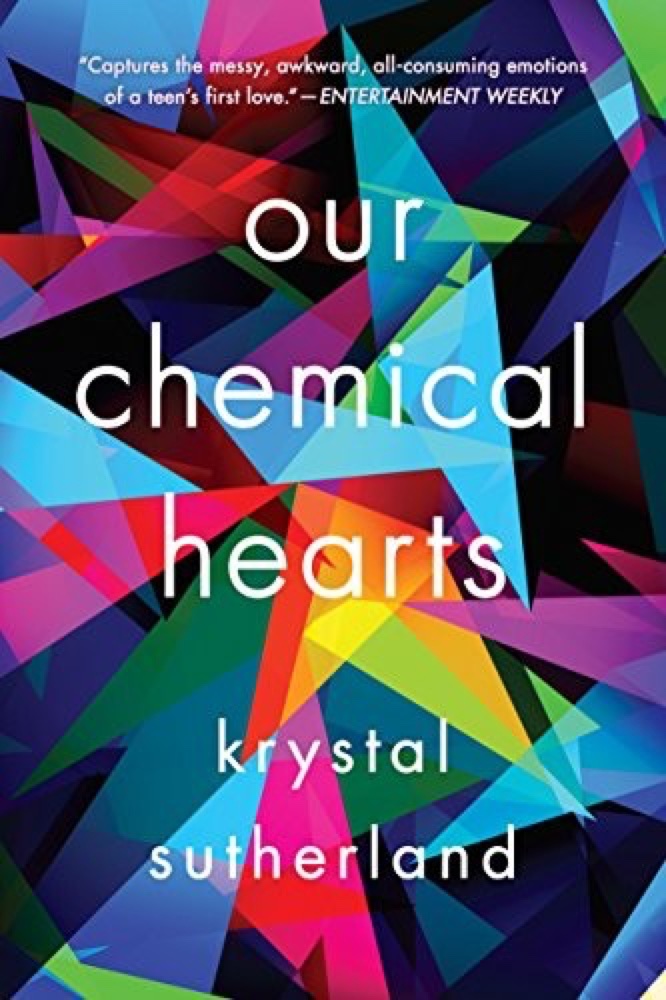 Our Chemical Hearts
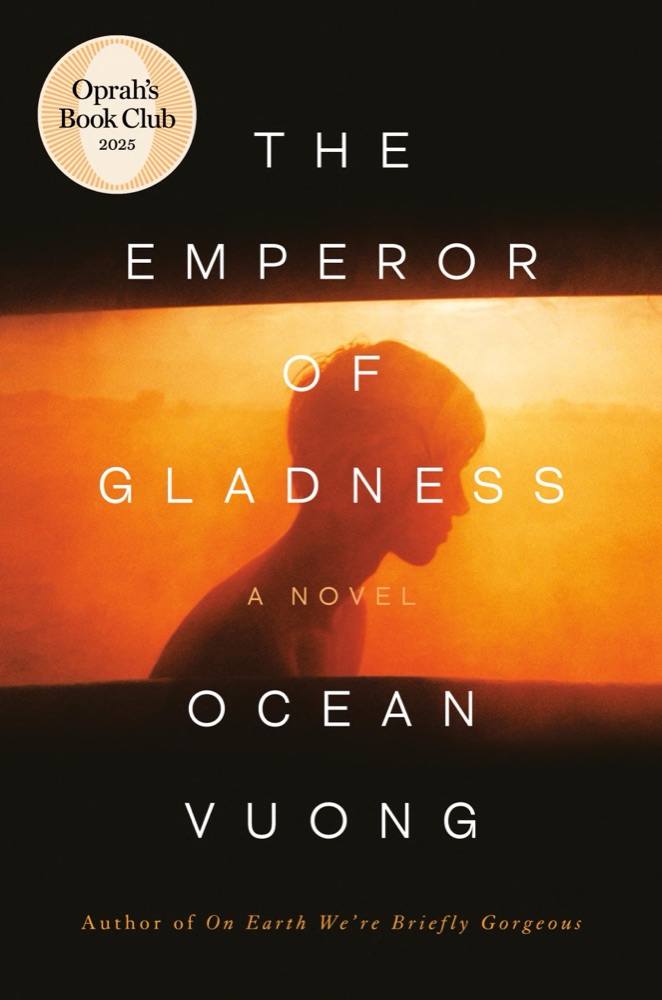 The Emperor of Gladness
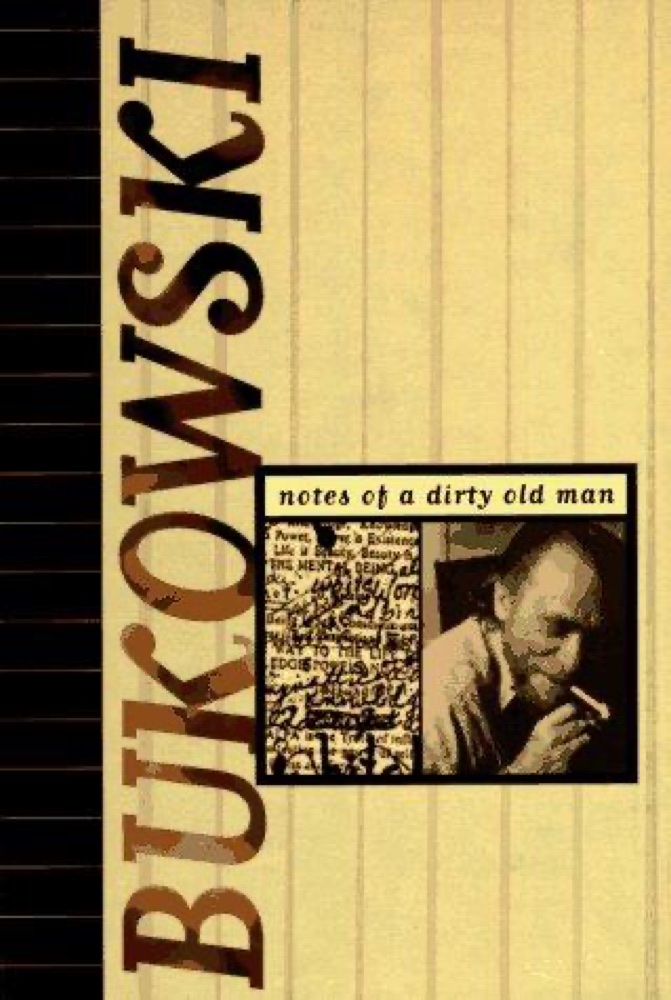 Notes of a Dirty Old Man