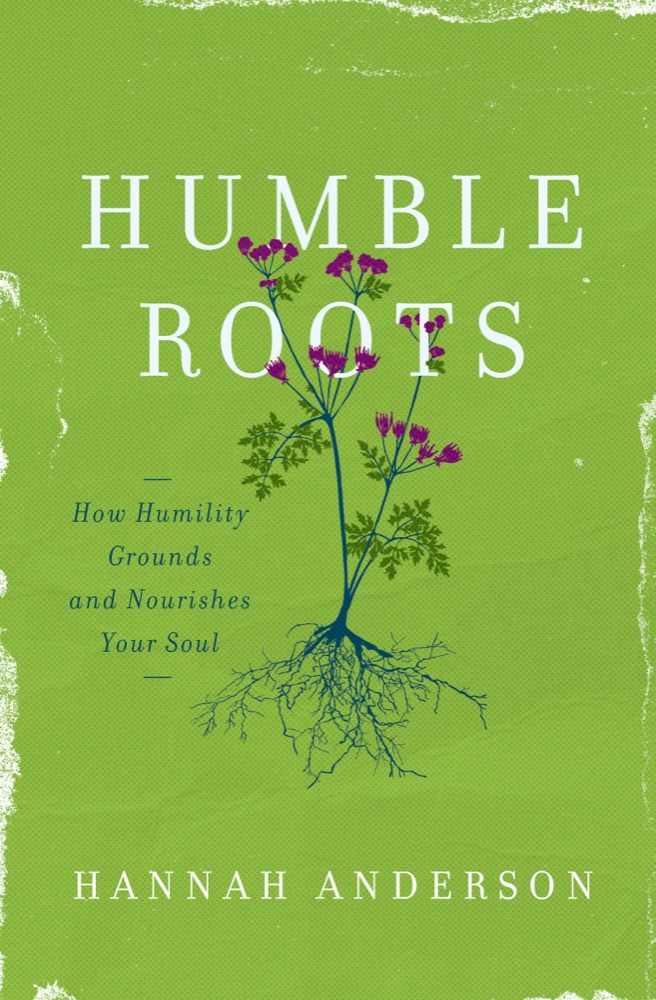

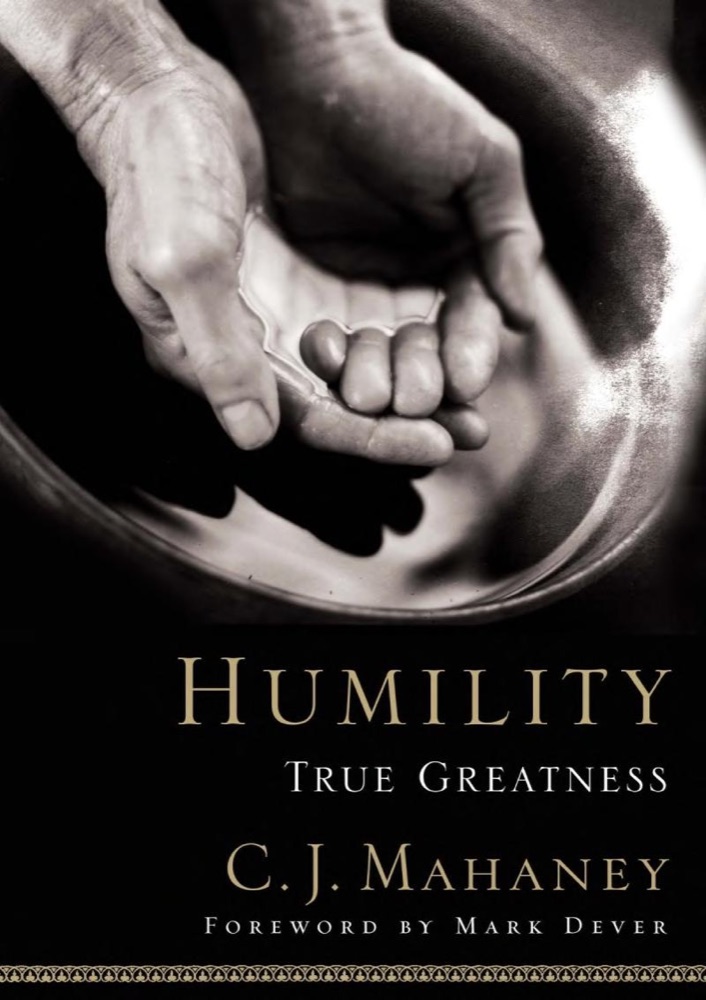
 Humility: True Greatness
Quotes from the Book
Humility teaches us that God is actively redeeming the world. And because He is, we can experience the relief of confessing our brokenness—whether it is intentional sin, our natural limitations, or simply the weight of living under the curse. Humility teaches us to find rest in confession. Rest from the need to hide, the need to be perfect. We rest by saying, both to God and others, “I am not enough. I need help.” And ultimately, the humility that leads us to confess our brokenness, both within and without, also frees us to grieve it and throw ourselves on the mercy of God. And this, more than anything, leads to rest. When humility expresses itself in godly sorrow, we can finally break down; we can finally let it all out; we can finally have that “good” cry. Good, both because it is a weeping, breath-sucking catharsis, but also because it is legitimate. Good, because it honestly faces the brokenness of the world while resting in something—Someone—greater. Good, because it leads to surrender. To cry like Jesus as He looks over Jerusalem. To cry like Jesus as He stands at Lazarus’s tomb. To cry like Jesus as He endures the cross and entrusts Himself to the Father.
7
When Jesus calls us to take His yoke, when He invites us to find rest through submission, He is not satisfying some warped need for power or His own sense of pride. He is calling us to safety. The safety that comes from belonging to Him. The safety that comes from being tamed.
4
Pride tells us that all we have to do is organize well enough, plan effectively enough, and work hard enough and we can achieve our dreams. Humility teaches us that it was never up to us in the first place.
4
Humility reminds us of our limits; humility teaches us that we are physical beings existing in a broken world. Not only are we limited and imperfect ourselves, but our bodies and our sense of our bodies have been shaped by the false messages around us. Simply learning to “love your body” will not free you from shame because, at times, your body will feel very unlovable. What will free you from shame is humility; what will free you from shame is accepting that you are not and were never meant to be divine.
3
Instead of comparing what you have with other people (either more or less), humility teaches you to compare what you have now with what you had when you entered this world. You entered this world with nothing. You didn’t even have clothing on. Your very existence is a gift and everything that you have or have ever had is a gift as well.
3
If you are not experiencing His rest, if you are weighed down, put out, and resentful, you must ask yourself whether you’re actually pulling under His yoke. If you’re feeling burdened and heavy laden, you must question whether you’re as humbly submitted to Him as you believe yourself to be. You may have thrown off the yoke of religious form, you may be working for the greater good, but it’s entirely possible that you are still plowing under your own direction and strength. Instead of embracing Jesus as your Messiah, it’s entirely possible that you’ve become your own messiah. It’s entirely possible that you’ve begun to live beyond your means in a most literal sense.
3
We are not called to embody Jesus ourselves; He has already been incarnated and is still even now! No, we are not called to be Jesus; we are called to fall at His feet and worship Him. We are called to affirm that "the Word became flesh and dwelt among us, and we have seen his glory, glory as of the only Son from the Father, full of grace and truth." [John 1:14] And it is through this worship, through recognizing His rightful place, that we are finally humbled. When we are consumed with God's glory, we forget to worry about our own. When our eyes are fixed on Him as the source of all goodness and truth and beauty, we accept that we are not. When we are enamored by His worth and majesty, we can stop being so enamored with ourselves. And fascinatingly, when we seek God's glory, we'll be able to appreciate it in the people around us. Instead of seeing them as threats to our own glory, we will see them as beautiful reflections of His.
3
Through His humanity, we learn what ours is supposed to be. Through His deity, He enables us to be what we are supposed to be.
2
But this is also why Jesus calls us to come to HIm. By coming to Jesus, we remember who we are and who we are not. By coming to Him, we come face to face with God and with ourselves. "It is only in our encounter with a personal God," writes philosopher Dietrich von Hildebrand, "that we become fully aware of our condition as creatures, and fling from us the last particle of self-glory.
2
As long as we refuse to accept that our pride is the source of our unrest, we will continue to wither on the vine. "Humility, that low, sweet root / From which all heavenly virtues shoot." —Thomas Moore
2
We want to walk into our local grocery store any time of the day, any day of the week, and pick up a red tomato. We want the certainty of knowing that a tomato is always within reach. In much the same way, we want the certainty of knowing that the answers to life’s questions are always within reach. When a problem or choice presents itself, we don’t want go through the growing process; we want an answer immediately. So just like we’re content with mealy, prepackaged tomatoes because they’re easy and readily available, we’re also content with mealy, prepackaged answers because they’re easy and readily available. But humility teaches us a better way. Humility teaches us to wait for God for answers. Humility teaches us to let knowledge ripen on the vine.
2
Instead, we must forgo emotional manipulation and tell the truth about God’s character. The truth is that God is kind and long-suffering toward us, not willing that any should perish,17 and it is precisely His kindness that makes us run to Him. The truth is that God has waited so long for us, despite our rejection of Him, that we can’t help but love Him. And suddenly it is the love of Christ constraining us, not guilt or fear or pressure. Suddenly the Holy Spirit is doing His own work of testifying to the glory of Christ. Suddenly the gospel is changing a person.
2
Emotional humility—understanding that God is greater than our heart—solves both these extremes. Humility reminds us that the lack of confidence does not determine whether God has gifted us and called us. Humility also reminds us that the presence of confidence does not mean that God has gifted us and called us. Just because we believe in ourselves doesn’t mean we should.16 Ultimately, by silencing the cacophony of emotion, humility frees you to hear God’s call and leads you to a place of both rest and flourishing.
2
And when our bodies remind us that we are not, when they wrinkle and sag and weaken, we are ashamed of them. We do not hate our bodies for what they are; we hate them for what they are not. We hate them for not being godlike. We hate them for being imperfect. We hate them for being limited. And like the man and woman in the garden, instead of rejecting the pride that tells us we could be like God, we reject our bodies that tell us we cannot.
2
A crown of thorns. Do not underestimate the significance of this crown of thorns. This was not simply a way to inflict pain, to press barbs into His profoundly human flesh. This was an attempt to humiliate Him and mock His power. What better way to diminish the King of the universe than to crown Him with the very curse that hangs over His creation? What better way to triumph over Him than for evil to adorn His head? What could be more humiliating than to have our brokenness rest on Him? But
2
When we believe that with enough effort, enough organization, or enough commitment, we can fix things that are broken, we set ourselves in God's place. And when we do, we reap stress, restlessness, and anxiety. Instead of submitting to His yoke, we break it and run wild, trampling the very ground we are meant to cultivate.
1
Humility is knowing where we came from and who our people are. Humility is understanding that without God we are nothing . . . Or as . . . Andrew Murray writes in his classic book Humility, "Humility is simply acknowledging the truth of [our] position as creature and yielding to God His place.
1
Here is the offense: "Apart from me, you can do nothing." Apart from Jesus, our leaves will turn yellow and fall off . Apart from Jesus, the fruit we bear will be watery and acidic, unfit for anything. Apart from Jesus, we will wither up and die . . . The problem is our obsession with ourselves.
1
By leaving the yoke of their Master, they have become prey for the wild, unpredictable world around them . . . We must come to Him to be tamed.
1
When we disregard our natural human limitations, we set ourselves in God's place.
1
And now you can see the relationship between pride and stress. Pride convinces us that we are stronger and more capable than we actually are. Pride convinces us that we must do and be more than we are able. And when we try, we find ourselves feeling "thin, sort of stretched . . . like butter that has been scraped over too much bread." (The Fellowship of the Ring) We begin to fall apart physically, emotionally, and spiritually for the simple reason that we are not existing as we were meant to exist.
1
When you read the context of Jesus' words, you'll realize that Jesus isn't calling us to shoulder an extra burden; He is calling us to exchange a heavy burden for a lighter one. He is calling us to take His yoke because it is easier and lighter than the one we are presently carrying.
1
He frees us from our burdens in the most unexpected way: He frees us by calling us to rely less on ourselves and more on Him. He frees us by calling us to humility.
1
Instead of finding identity in our roles—in being fathers and mothers, teachers and writers and pastors—we must find identity in being image bearers of God.
1
This is precisely the test of true humility, that one no longer presumes to judge whether or not one is too miserable to be included in the call to sanctity but simply answers the merciful love of God by sinking down into adoration.” And this sinking down, this humility, leads to confidence. Hildebrand continues, “The question whether I feel worthy to be called is beside the point; that God has called is the one thing that matters.”15 Understanding that our emotions are not the measure of God’s call may go a long way to closing the confidence gap between men and women. In the May 2014 cover story of the Atlantic, journalists Katty Kay and Claire Shipman write about the sociological phenomenon in which men tend to overestimate their abilities while women tend to underestimate theirs, even when controlled evaluations show no difference in competence. Sociologists suggest many causes for the confidence gap—including even chemical differences—but the result of such a gap is that women’s self-doubt keeps them from acting, while men’s overconfidence leads them to act when they shouldn’t. Of course, this does not mean that all men have an inflated sense of their abilities or that some women couldn’t use a dose of humility. But the research does reveal how our emotions don’t always correspond with reality. And because they don’t, we can’t be led by them—especially when it comes to the Holy Spirit’s call on our life.
1
To reclaim humility, Jesus embraced human limits as good. To restore our humanity, Jesus revealed the goodness of being bound in space and time. To free us from shame, Jesus proved that being human is nothing to be ashamed of. “Who, though he was in the form of God, did not count equality with God a thing to be grasped …”7 And to show us the goodness of being made a creature, Jesus showed us that equality with God is not a fruit we should even be tempted to reach up and pluck.
1
Failure at small things reminds us of how helpless we are in this great, wide world. When little things spiral out of control, they remind us that even they were never within our control in the first place.
Jesus,” “God,” or “the Bible” is always a legitimate answer.
Before we can be grafted into Him, we must be stripped of our self-sufficiency and ego.
Part of humility means trusting God with our plans and submitting to the possibility that they will not be fulfilled.
Watch on YouTube
About Hannah Anderson
We have collected 30 quotes from 1 book by Hannah Anderson on BookQuoters.
More about the author →About the book
Feeling worn thin? Come find rest.
The Blue Ridge Parkway meanders through miles of rolling Virginia mountains. It's a route made famous by natural beauty and the simple rhythms of rural life.
And it's in this setting that Hannah Anderson began her exploration of what it means to pursue a life of peace and humility. Fighting back her own sense of restlessness and anxiety, she finds herself immersed in the world outside, discovering a classroom full of forsythia, milkweed, and a failed herb garden. Lessons about soil preparation, sour mulch, and grapevine blights reveal the truth about our dependence on God, finding rest, and fighting discontentment.
Humble Roots is part theology of incarnation and part stroll through the fields and forest. Anchored in the teaching of Jesus, Anderson explores how cultivating humility - not scheduling, strict boundaries, or increased productivity
Book details
- First published
- 2016
- Author
- Hannah Anderson
- Genre
- Nonfiction
- Goodreads rating
- 4.39 (4k ratings)
Keep reading
Humility: True Greatness
 Jesus Over Everything: Uncomplicating the Daily Struggle to Put Jesus First
 Abba's Child: The Cry of the Heart for Intimate Belonging
 Humility
 Becoming Myself: Embracing God's Dream of You
 Tattoos on the Heart: The Power of Boundless Compassion
 When Strivings Cease: Replacing the Gospel of Self-Improvement with the Gospel of Life-Transforming Grace
 Discipline: The Glad Surrender
 The Me I Want to Be: Becoming God's Best Version of You
 Wholehearted Faith
 A Long Obedience in the Same Direction: Discipleship in an Instant Society
 Emotionally Healthy Spirituality: Unleash A Revolution In Your Life in Christ
 The Life You've Always Wanted: Spiritual Disciplines for Ordinary People
 Having a Mary Heart in a Martha World: Finding Intimacy with God in the Busyness of Life
 Breaking Free: Discover the Victory of Total Surrender
 The Freedom of Self-Forgetfulness
 No Man Is an Island
 Renovation of the Heart: Putting On the Character of Christ
 Living Fearless: Exchanging the Lies of the World for the Liberating Truth of God
 Celebration of Discipline: The Path to Spiritual Growth
 New Morning Mercies: A Daily Gospel Devotional
 The Grand Weaver: How God Shapes Us through the Events in Our Lives
 None Like Him: 10 Ways God Is Different from Us
 Restless: Because You Were Made for More
 Barking to the Choir: The Power of Radical Kinship
 Jesus Is: Find a New Way to Be Human
 This Here Flesh: Spirituality, Liberation, and the Stories That Make Us
 The Secret Thoughts of an Unlikely Convert: An English Professor's Journey Into Christian Faith
 The Divine Dance: The Trinity and Your Transformation
 The Deeply Formed Life: Five Transformative Values to Root Us in the Way of Jesus
 A Return to Love: Reflections on the Principles of "A Course in Miracles"
 Christ Plays in Ten Thousand Places: A Conversation in Spiritual Theology
 In His Image: 10 Ways God Calls Us to Reflect His Character
 Waking the Dead: The Glory of a Heart Fully Alive
 It's Not Supposed to Be This Way: Finding Unexpected Strength When Disappointments Leave You Shattered
 Rediscover Catholicism
 My Utmost for His Highest
 7: An Experimental Mutiny Against Excess
 The Message Remix
 Hallelujah Anyway: Rediscovering Mercy
 Ruthless Trust: The Ragamuffin's Path to God
 The Divine Conspiracy: Rediscovering Our Hidden Life in God
 The Pursuit of God: The Human Thirst for the Divine
 What We Talk about When We Talk about God
 Just Like Jesus: Learning to Have a Heart Like His
 Everything Belongs: The Gift of Contemplative Prayer
 The Holy Longing: The Search for a Christian Spirituality
 The Way of Perfection
 Instruments in the Redeemer's Hands: People in Need of Change Helping People in Need of Change
 Wild Goose Chase: Reclaim the Adventure of Pursuing God
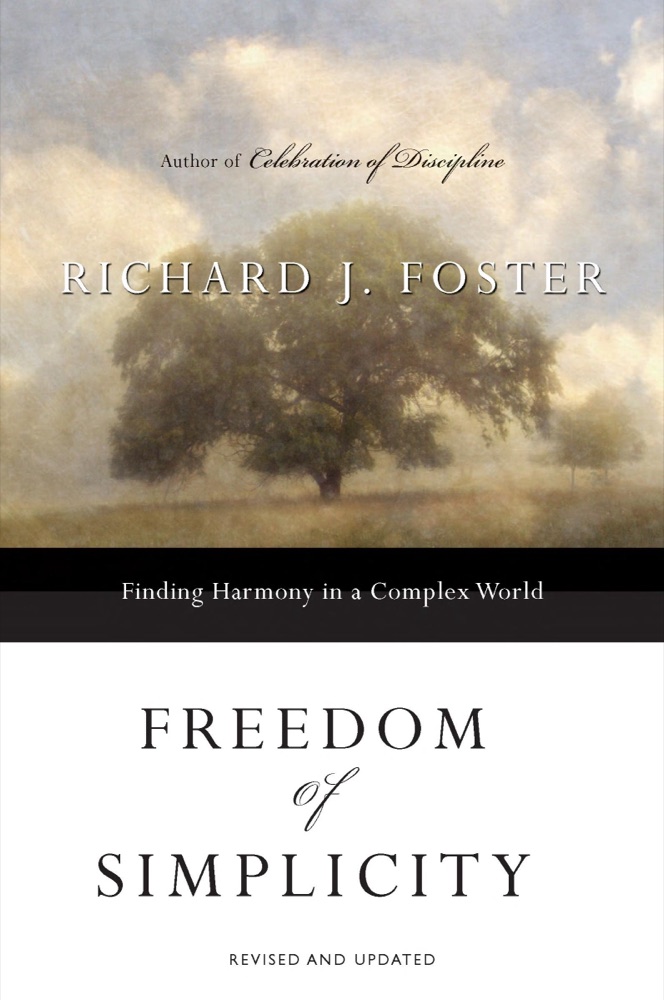 Freedom of Simplicity: Finding Harmony in a Complex World
 No Greater Love
 For the Love: Fighting for Grace in a World of Impossible Standards
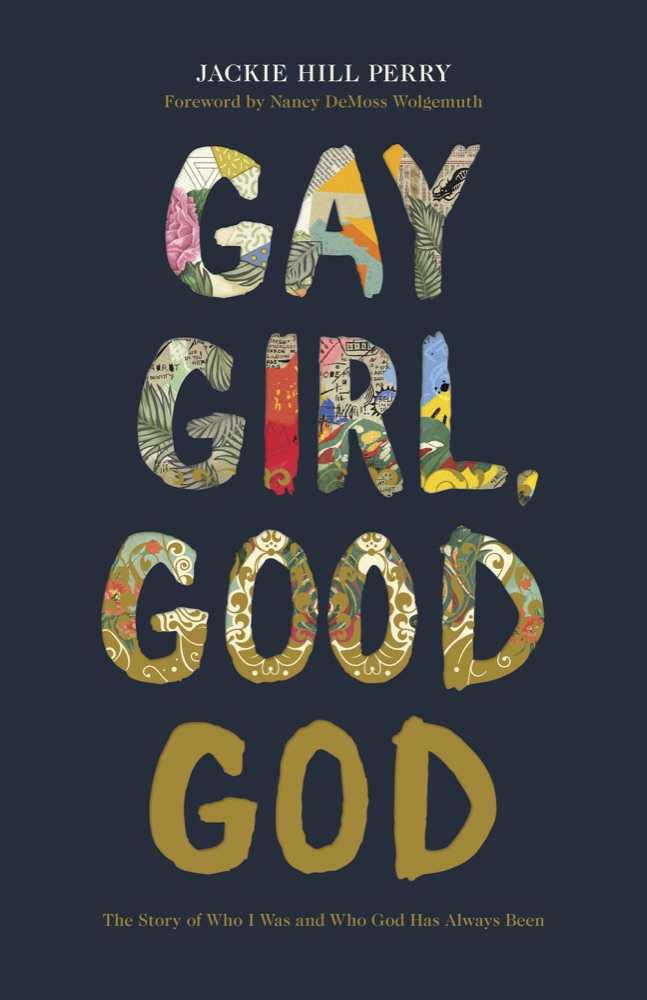 Gay Girl, Good God: The Story of Who I Was and Who God Has Always Been
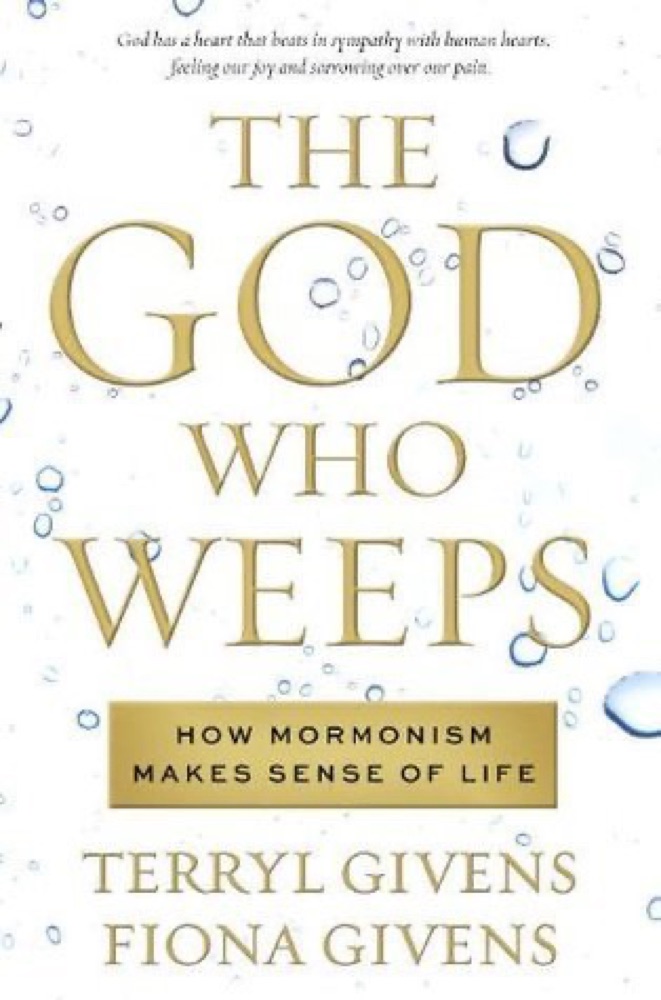 The God Who Weeps: How Mormonism Makes Sense of Life
 Interior Castle
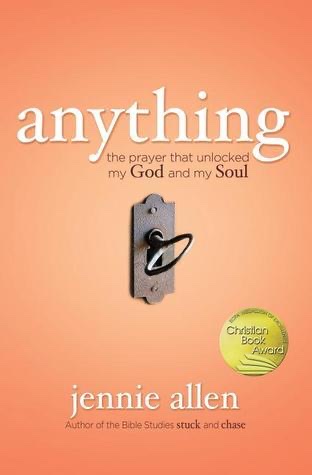 Anything: The Prayer That Unlocked My God and My Soul
 A Little Book on the Christian Life
 It's Not What You Think: Why Christianity is About So Much More Than Going to Heaven When You Die
 Beautiful Outlaw: Experiencing the Playful, Disruptive, Extravagant Personality of Jesus