
 Founding Brothers: The Revolutionary Generation
Quotes from the Book
Because he could not afford to fail, he could not afford to trust.
100
The old adage applied: if God were in the details, Colonel Washington would have been there to greet him upon arrival.
7
Washington's task was to transform the improbable into the inevitable.
7
Some models of self-control are able to achieve their serenity easily because the soul fires never burn brightly to begin with.
7
p. 274 ...his trademark decision to surrender power as commander in chief and then president, was not...a sign that he had conquered his ambitions, but rather that he fully realized that all ambitions were inherently insatiable and unconquerable. He knew himself well enough to resist the illusion that he transcended human nature. Unlike Julius Caesar and Oliver Cromwell before him, and Napoleon, Lenin, and Mao after him, he understood that the greater glory resided in posterity's judgment. If you aspire to live forever in the memory of future generations, you must demonstrate the ultimate self-confidence to leave the final judgment to them. And he did.
2
Having now finished the work assigned me," Washington solemnly said, "I retire from the great theatre of Action....I here offer my Commission, and take leave of all the enjoyments of public life." The man who had known how to stay the course now showed that he also understood how to leave it. Horses were waiting at the door immediately after Washington read his statement. The crowd gathered at the doorway to wave him off. It was the greatest exit in American history.
2
This decision produced a scene that provides the most graphic and dramatic illustration of the two competing versions of what the American Revolution had come to mean in the 1790s. On one side stood the rebels, a defiant collection of aggrieved farmers emboldened by their conviction that the excise tax levied by Congress was every bit as illegitimate as the taxes levied by the British ministry. On the other side stood Washington and his federalized troops, an updated version of the Continental army, marching west to enforce the authority of the constitutionally elected government that claimed to represent all the American people. It was “the spirit of ’76” against “the spirit of ’87,” one historic embodiment of “the people” against another.
1
It is well known, that when one side only of a story is heard, and often repeated, the human mind becomes impressed with it, insensibly.
1
As far as his contemporaries were concerned, there was no question about his stature in American history. In the extravaganza of mourning that occurred in more than four hundred towns and hamlets throughout the land, he was described as the only indisputable hero of the age, the one and only “His Excellency.
1
Eventually Washington ordered his doctors to cease their barbarisms and let him go in peace. “Doctor, I die hard,” he muttered, “but I am not afraid to go.” Then he gave an intriguing final instruction to Lear: “I am just going. Have me decently buried, and do not let my body be put into the Vault in less than two days after I am dead. . . . Do you understand me?” Washington believed that several apparently dead people, perhaps including Jesus, had really been buried alive, a fate he wished to avoid. His statement also calls attention to a missing presence at the deathbed scene: there were no ministers in the room, no prayers uttered, no Christian rituals offering the solace of everlasting life. The inevitable renderings of Washington’s death by nineteenth-century artists often added religious symbols to the scene, frequently depicting his body ascending into heaven surrounded by a chorus of angels. The historical evidence suggests that Washington did not think much about heaven or angels; the only place he knew his body was going was into the ground, and as for his soul, its ultimate location was unknowable. He died as a Roman stoic rather than a Christian saint.
Having now finished the work assigned me,” Washington solemnly said, “I retire from the great theatre of Action. . . . I here offer my Commission, and take my leave of all the enjoyments of public life.” The man who had known how to stay the course now showed that he also understood how to leave it. Horses were waiting at the door immediately after Washington read his statement. The crowd gathered at the doorway to wave him off. It was the greatest exit in American history.
(Asked to explain the defeat, Adams put it succinctly: “In general, our Generals were out generalled.”) Washington
He found himself in the ironic position of being the indispensable man in a political world that regarded all leaders as disposable.
Watch on YouTube
About Joseph J. Ellis
We have collected 68 quotes from 3 books by Joseph J. Ellis on BookQuoters.
More about the author →More by Joseph J. Ellis
Founding Brothers: The Revolutionary Generation
 Revolutionary Summer: The Birth of American Independence
About the book
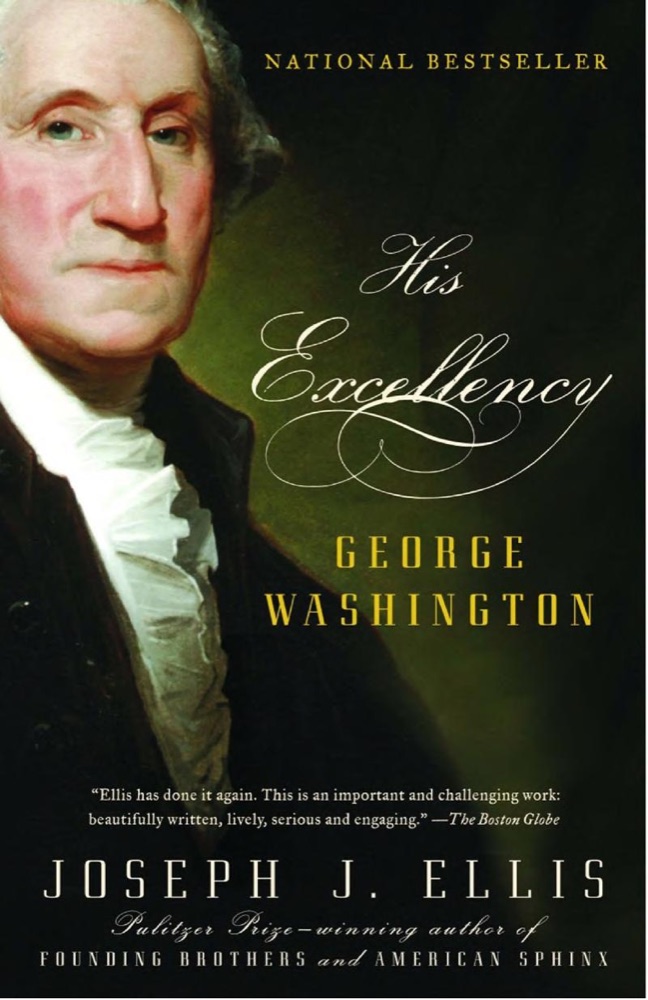
To this landmark biography of our first president, Joseph J. Ellis brings the exacting scholarship, shrewd analysis, and lyric prose that have made him one of the premier historians of the Revolutionary era. Training his lens on a figure who sometimes seems as remote as his effigy on Mount Rushmore, Ellis assesses George Washington as a military and political leader and a man whose “statue-like solidity” concealed volcanic energies and emotions.
Here is the impetuous young officer whose miraculous survival in combat half-convinced him that he could not be killed. Here is the free-spending landowner whose debts to English merchants instilled him with a prickly resentment of imperial power. We see the general who lost more battles than he won and the reluctant president who tried to float above the partisan feuding of his cabinet. His Excellency is a magnificent work, indispensable to a
Book details
- First published
- 2004
- Author
- Joseph J. Ellis
- Genre
- History
- Goodreads rating
- 3.96 (44k ratings)
Keep reading
Founding Brothers: The Revolutionary Generation
 1776
Revolutionary Summer: The Birth of American Independence
1776
Revolutionary Summer: The Birth of American Independence
 The Civil War, Vol. 3: Red River to Appomattox
 Alexander Hamilton
 Mr. Lincoln's Army
 Washington's Crossing
 Destiny of the Republic: A Tale of Madness, Medicine and the Murder of a President
 The First Salute : View of the American Revolution
 The Proud Tower: A Portrait of the World Before the War, 1890-1914
 Executive Orders
 Burr
Burr
 The Man Who Saved the Union: Ulysses Grant in War and Peace
 April 1865: The Month That Saved America
 American Lion: Andrew Jackson in the White House
 Undaunted Courage: The Pioneering First Mission to Explore America's Wild Frontier
 Benjamin Franklin: An American Life
 The March of Folly: From Troy to Vietnam
 The First Tycoon: The Epic Life of Cornelius Vanderbilt
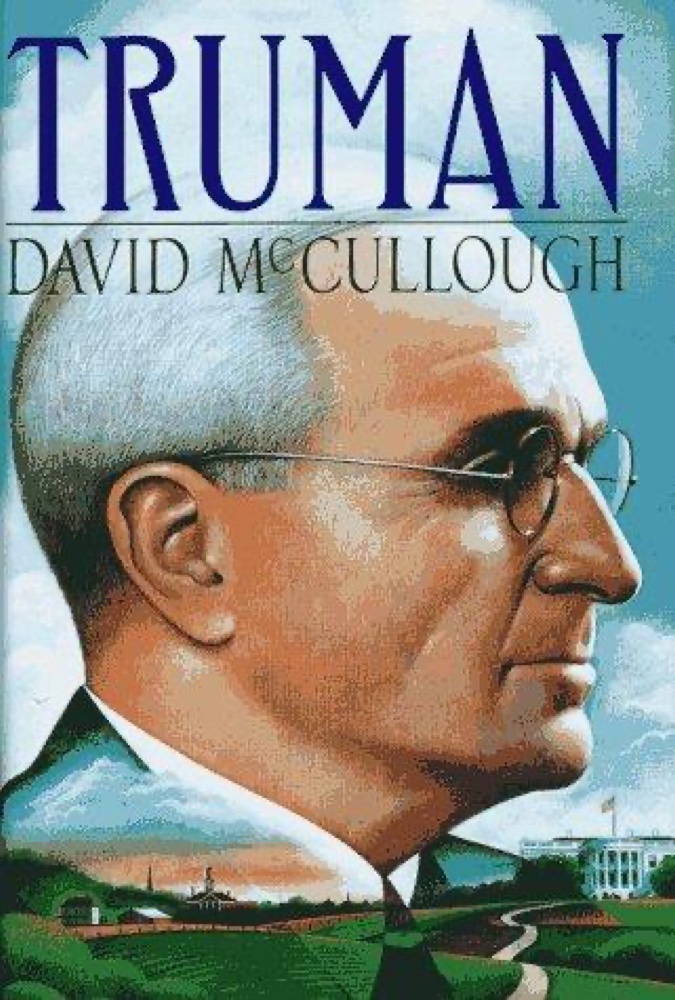 Truman
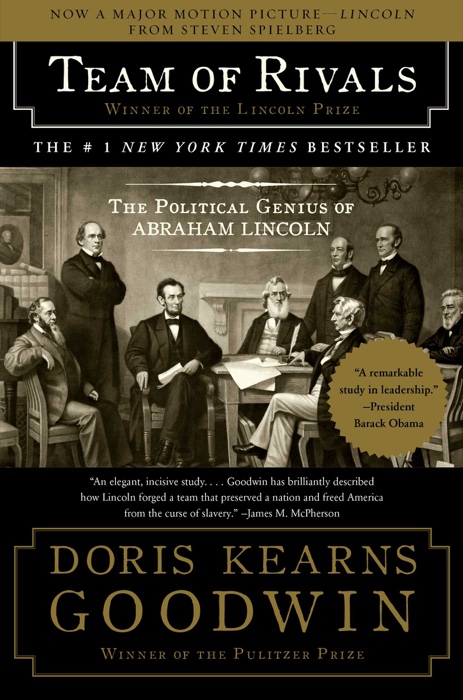 Team of Rivals: The Political Genius of Abraham Lincoln
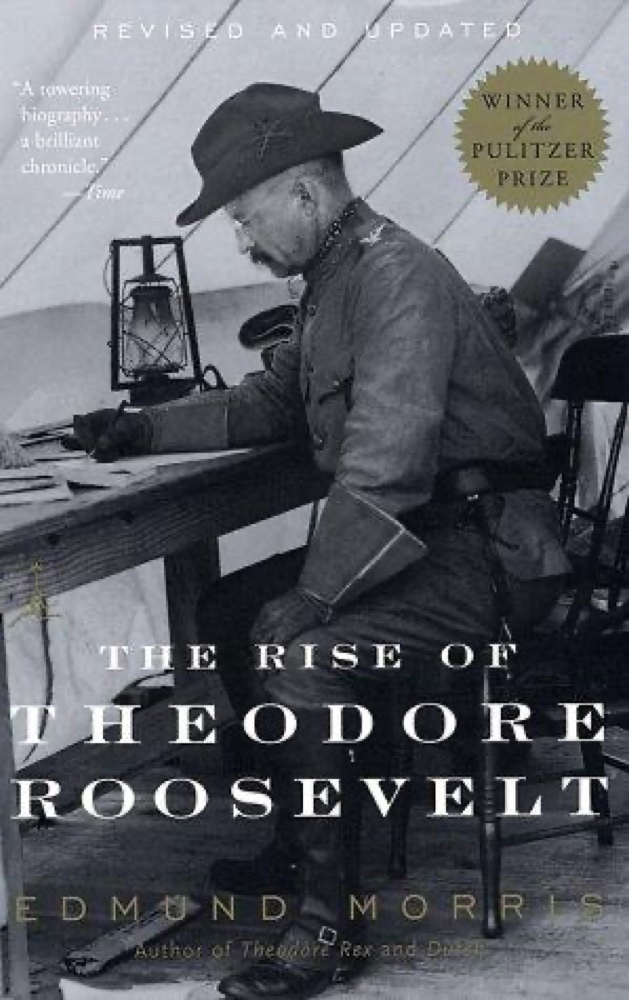 The Rise of Theodore Roosevelt
 The Path to Power
 The Coldest Winter: America and the Korean War
 American Colossus: The Triumph of Capitalism, 1865-1900
 Master of the Senate
 Killing Kennedy: The End of Camelot
 The Path Between the Seas: The Creation of the Panama Canal, 1870-1914
 Confidence Men: Wall Street, Washington, and the Education of a President
 A Connecticut Yankee in King Arthur's Court
 The Education of Henry Adams
 The Invisible Bridge: The Fall of Nixon and the Rise of Reagan
 The Best and the Brightest
 The Monuments Men: Allied Heroes, Nazi Thieves, and the Greatest Treasure Hunt in History
 Centennial
 Babbitt
 Claudius the God and His Wife Messalina
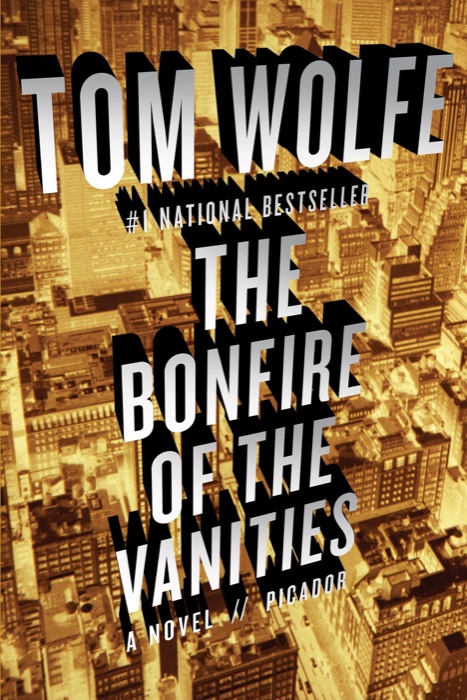 The Bonfire of the Vanities
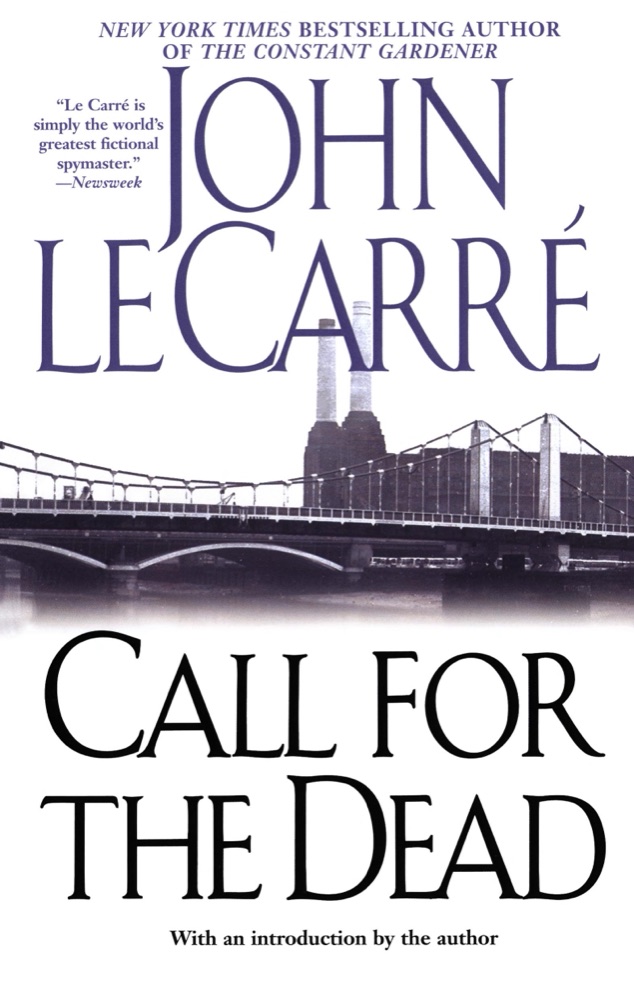 Call for the Dead
 Clear and Present Danger
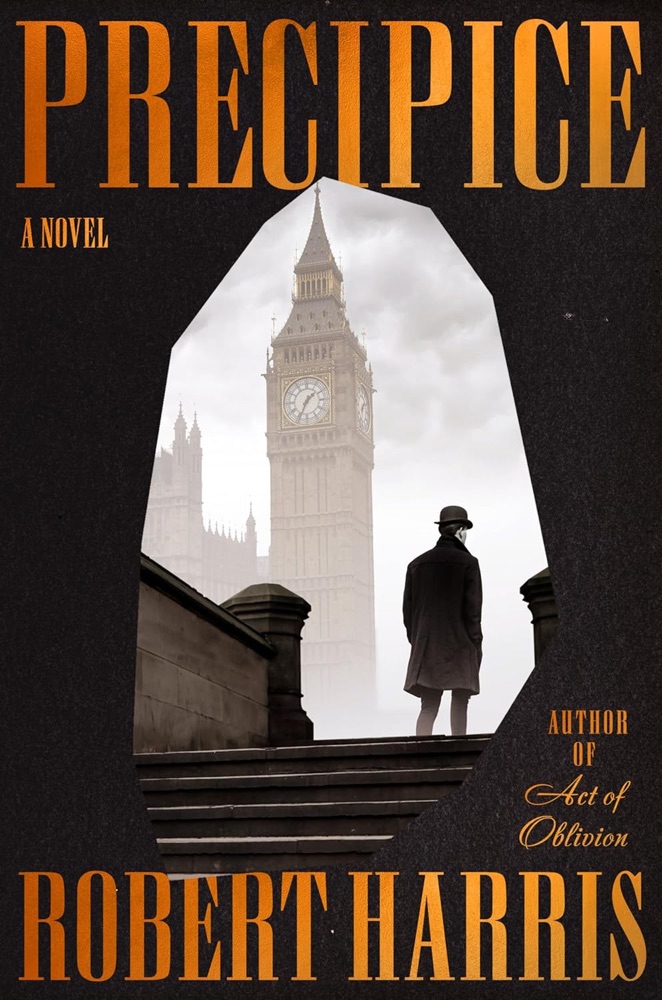 Precipice
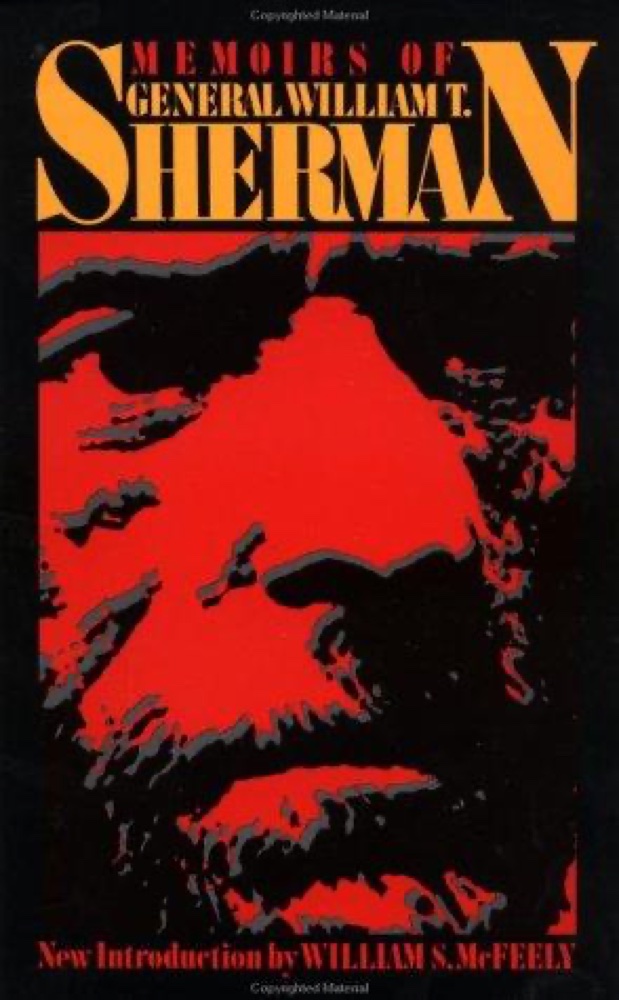 Memoirs of General W.T. Sherman
 Plutarch's Lives
 The History of the Decline and Fall of the Roman Empire Volume I
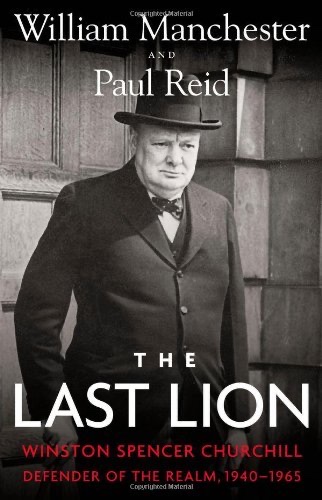 The Last Lion 3: Winston Spencer Churchill: Defender of the Realm, 1940-1965
 Alas, Babylon
 The Last Lion: Winston Spencer Churchill: Alone, 1932-40
 New York
 Victory
 Once An Eagle
 One Year After
 The Red Badge of Courage
 Quicksilver
 The Secret Chord
 The Hemingses of Monticello: An American Family
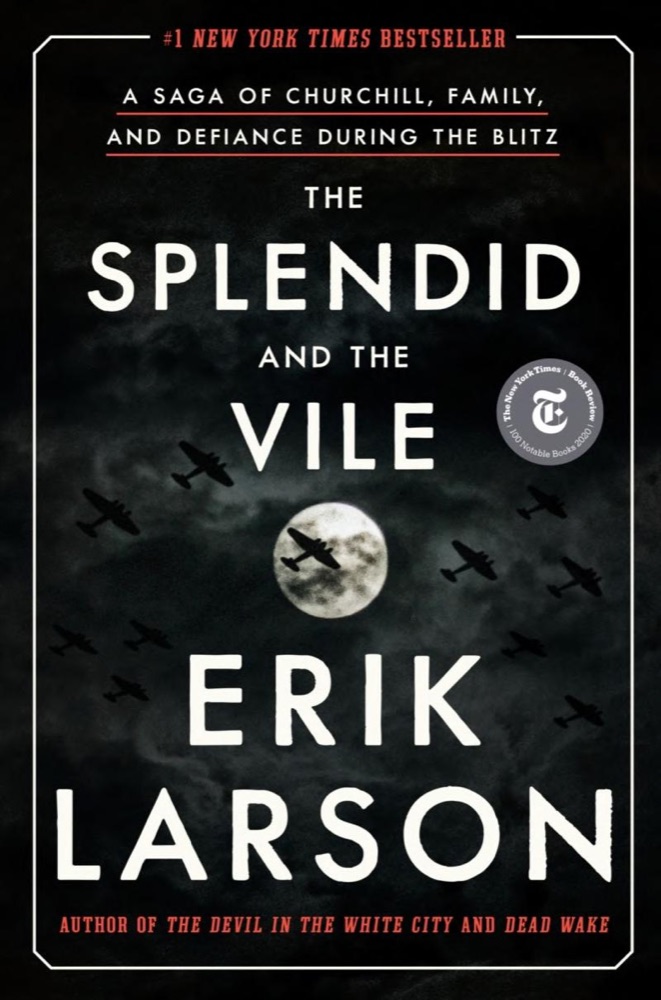 The Splendid and the Vile: A Saga of Churchill, Family, and Defiance During the Blitz
 Radio Free Albemuth
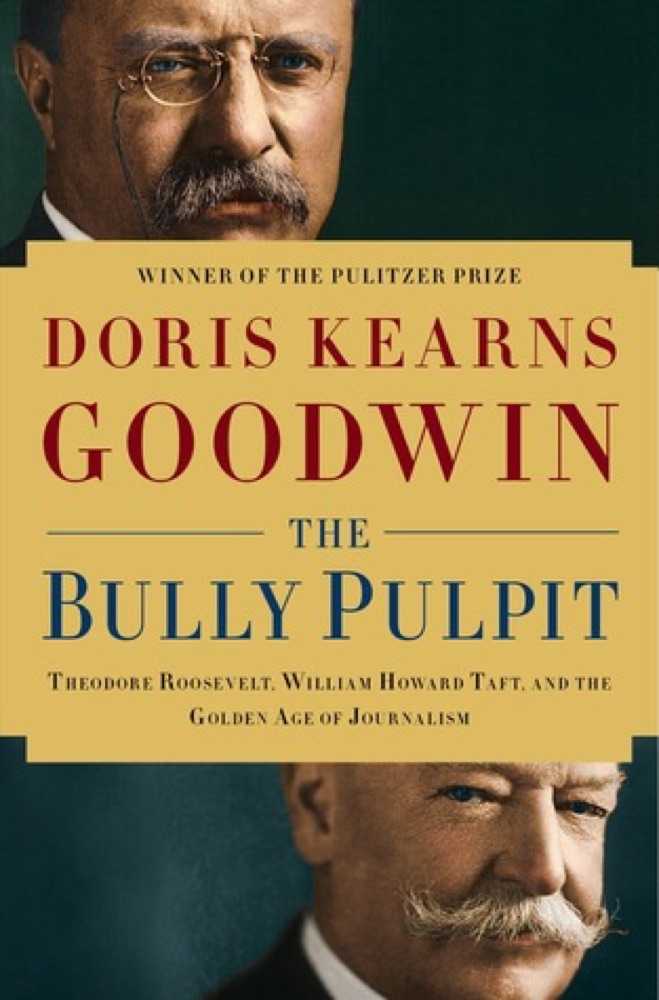 The Bully Pulpit: Theodore Roosevelt, William Howard Taft, and the Golden Age of Journalism
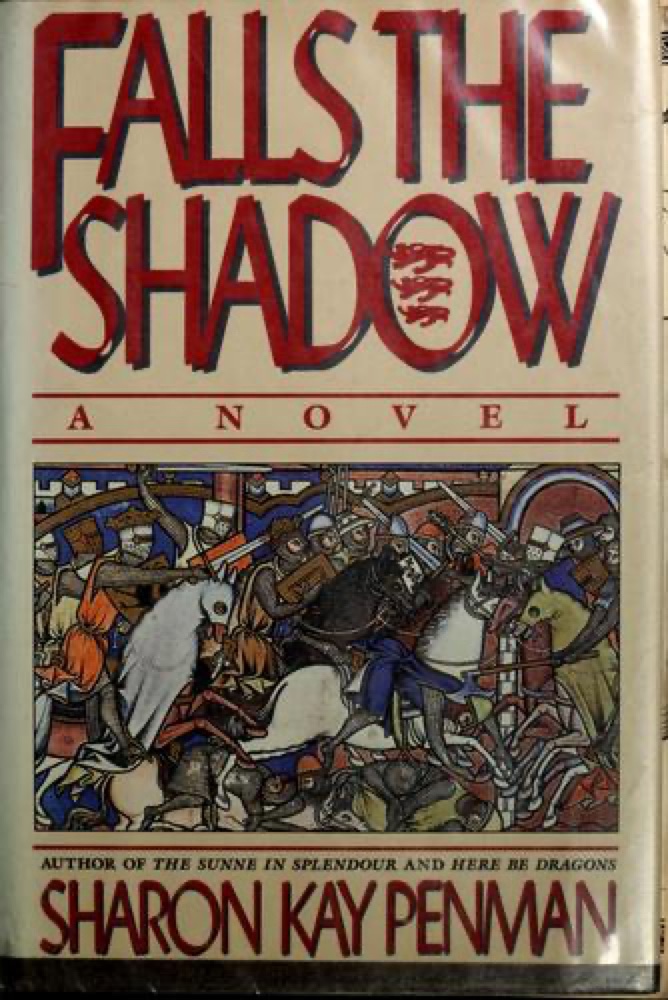 Falls the Shadow
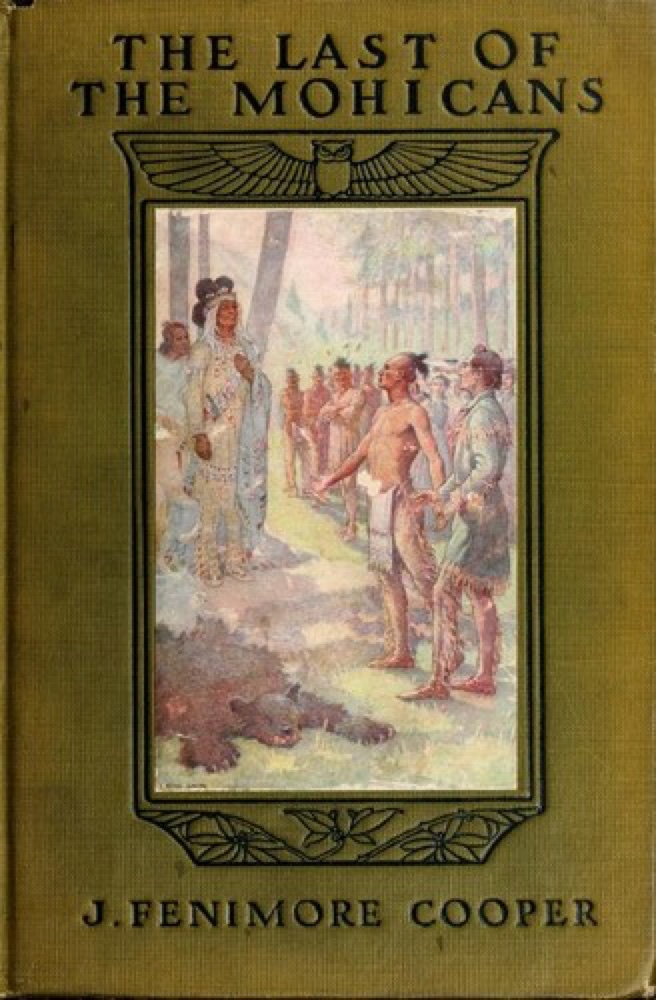 The Last of the Mohicans