 Saltwater Buddha: A Surfer's Quest to Find Zen on the Sea
Quotes from the Book
The particulars of new places grabbed me and held me, the sweep of new coasts, cold, lovely, dawns. The world was incomprehensibly large, and there was still so much to see. Yes, I got sick sometimes of being an expatriate, always ignorant, on the outside of things, but I didn't feel ready for domestic life, for seeing the same people, the same places, thinking more or less the same thoughts, each day. I liked surrendering to the onrush, the uncertainty, the serendipity of the road.
28
I felt the weight of unmapped worlds, unborn language.
22
By thirteen, I'd mostly stopped believing in God, but that was a new development and it left a hole in my world, a feeling that I'd been abandoned. The ocean was like an uncaring god, endlessly dangerous, power beyond measure.
13
I felt myself floating between two worlds. There was the ocean, effectively infinite, falling away forever to the horizon. This morning it was placid, its grip on me loose and languorous. But I was lashed to its moods now. The attachment felt limitless, irresistible. I no longer thought of waves being carved in celestial workshops. I was getting more hardheaded. Now I knew they originated in distant storms, which moved, as it were, upon the face of the deep. But my utter absorption in surfing had no rational content. It simply compelled me; there was a deep mine of beauty and wonder in it. Beyond that, I could not have explained why I did it. I knew vaguely that it filled a psychic cavity of some kind—connected, perhaps, with leaving the church, or with, more likely, the slow drift away from my family—and that it had replaced many things that came before it. I was a sunburnt pagan now. I felt privy to mysteries.
10
In a recent interview, he compared himself to surfers: “What are they doing this for? It’s just pure. You’re alone. That wave is so much bigger and stronger than you. You’re always outnumbered. They always can crush you. And yet you’re going to accept that and turn it into a little, brief, meaningless art form.
10
You have to hate how the world goes on.
8
It was, once again, a glorious wave, with hues in its depths so intense they felt like first editions—ocean colors never seen before, made solely for this wave, this moment, perhaps never to be seen again.
7
Being adjacent to that much beauty—more than adjacent; immersed in, pierced by it—was the point. The physical risks were footnotes.
6
For most surfers, I think—for me, certainly—waves have a spooky duality. When you are absorbed in surfing them, they seem alive. They each have personalities, distinct and intricate, and quickly changing moods, to which you must react in the most intuitive, almost intimate way—too many people have likened riding waves to making love. And yet waves are of course not alive, not sentient, and the lover you reach to embrace may turn murderous without warning. It’s nothing personal. That self-disemboweling death wave on the inside bar is not bloody-minded. Thinking so is just reflex anthropomorphism. Wave love is a one-way street.
5
I continued to doubt. But I was not afraid. I just didn’t want this to end.
5
I was getting interested in self-transformation. I was straining to understand the worldview of the islanders whom we moved and lived among—and I had been doing so since before Guam, when I let myself sink deep into the coral-pebble speed-checkers subworld around the sakau bowl in Pohnpei. I had come here to learn, I figured, and not just a few things about some far-flung places and people. I wanted to learn new ways to be. I wanted to change, to feel less existentially alienated, to feel more at home in my skin, as they say, and in the world.
5
Things changed after that between me and Mark. I stopped being mortified that people might mistake me for one of his acolytes. I was his Boswell, don’t you know. I interviewed him about his childhood—his father was a psychiarist in Beverly Hills. I cataloged the contents of his van. I followed him around at work, sitting in while he examined patients. He had been a bit of a prodigy when we were in college. After his father developed a tumor, Mark, who was pre-med, started studying cancer with an intensity that convinced many of his friends that his goal was to find a cure in time to save his father. As it turned out, his father didn’t have cancer. But Mark kept on with his cancer studies. His interest was not in fact in oncology—in finding a cure—but in cancer education and prevention. By the time he entered medical school, he had created, with another student, a series of college courses on cancer and coauthored The Biology of Cancer Sourcebook, the text for a course that was eventually offered to tens of thousands of students. He cowrote a second book, Understanding Cancer, that became a bestselling university text, and he continued to lecture throughout the United States on cancer research, education, and prevention. “The funny thing is, I’m not really interested in cancer,” Mark told me. “I’m interested in people’s response to it. A lot of cancer patients and suvivors report that they never really lived till they got cancer, that it forced them to face things, to experience life more intensely. What you see in family practice is that families just can’t afford to be superficial with each other anymore once someone has cancer. Corny as it sounds, what I’m really interested in is the human spirit—in how people react to stress and adversity. I’m fascinated by the way people fight back, by how they keep fighting their way to the surface.” Mark clawed at the air with his arms. What he was miming was the struggle to reach the surface through the turbulence of a large wave.
5
Surfers have a perfection fetish. The perfect wave, etcetera. There is no such thing. Waves are not stationary objects in nature like roses or diamonds. They’re quick, violent events at the end of a long chain of storm action and ocean reaction. Even the most symmetrical breaks have quirks and a totally specific, local character, changing with every shift in tide and wind and swell.
4
The newly emerging ideal was solitude, purity, perfect waves far from civilization. Robinson Crusoe, Endless Summer. This was a track that led away from citizenship, in the ancients sense of the word, toward a scratched-out frontier where we would live as latter-day barbarians. It went deeper that that. Chasing waves in a dedicated way was both profoundly egocentric and selfless, dynamic and ascetic, radical in its rejection of the values of duty and conventional achievement.
4
Being friends as in writing letters was so much easier than being friends as in living together.
4
This is what I mean by quitting surfing. When you surf, as I then understood it, you live and breathe waves. You always know what the surf is doing. You cut school, lose jobs, lose girlfriends, if it’s good.
4
I did not consider, even passingly, that I had a choice when it came to surfing. My enchantment would take me where it would.
3
I copied out a passage from Lord Jim: “We wander in our thousands over the face of the earth, the illustrious and the obscure, earning beyond the seas our fame, our money, or only a crust of bread; but it seems to me that for each of us going home must be like going to render an account.
3
Hands folded under my chin, I drifted. A bruise-colored cloud hung over Koko Head. A transistor radio twanged on a seawall where a Hawaiian family picnicked on the sand. The sun-warmed shallow water had a strange boiled-vegetable taste. The moment was immense, still, glittering, mundane. I tried to fix each of its parts in memory. I did not consider, even passingly, that I had a choice when it came to surfing. My enchantment would take me where it would.
3
May your earlobes turn to assholes and shit on your shoulders.
3
I was a sunburnt pagan now. I felt privy to mysteries.
3
You were required — this was essential, a matter of survival — to know your limits, both physical and emotional. But how could you know your limits unless you tested them? And if you failed the test? You were also required to stay calm if things went wrong. Panic was the first step, everybody said, to drowning.
2
Jerry Seinfeld is a genius. Seinfeld, who doesn’t need to work, still does stand-up comedy, fine-tuning his bits obsessively, averaging close to a hundred shows a year. He says he’s going to keep doing it “into my 80s, and beyond.” In a recent interview, he compared himself to surfers: “What are they doing this for? It’s just pure. You’re alone. That wave is so much bigger and stronger than you. You’re always outnumbered. They always can crush you. And yet you’re going to accept that and turn it into a little, brief, meaningless art form.” Selya
2
L.A. was the John Wayne Gacy of cities, smothering its children with a toxic beach towel of poisoned air, mindless growth, and bad values.
1
BUT SURFING ALWAYS HAD this horizon, this fear line, that made it different from other things, certainly from other sports I knew. You could do it with friends, but when the waves got big, or you got into trouble, there never seemed to be anyone around. Everything out there was disturbingly interlaced with everything else. Waves were the playing field. They were the goal. They were the object of your deepest desire and adoration. At the same time, they were your adversary, your nemesis, even your mortal enemy. The surf was your refuge, your happy hiding place, but it was also a hostile wilderness—a dynamic, indifferent world. At thirteen, I had mostly stopped believing in God, but that was a new development, and it had left a hole in my world, a feeling that I’d been abandoned. The ocean was like an uncaring God, endlessly dangerous, power beyond measure.
1
Buzzy Trent, an old-time big-wave rider, allegedly said, “Big waves are not measured in feet, but in increments of fear.
1
The key to surfing Kiera was entering the wild section at full speed...I had waves that teased me two, even three times, with the daylight hole speeding ahead, outrunning me, and then pausing and miraculously rewinding back toward me, the spilling lip seemingly twisting like the Iris of a camera lens opening until I was almost out of the hole, and then reversing and doing it again, receding in beautiful hopelessness and returning in even more beautiful hope. These were the longest tube rides of my life.
1
People who tried to start at an advanced age, meaning over fourteen, had, in my experience, almost no chance of becoming proficient, and usually suffered pain and sorrow before they quit.
1
Watch on YouTube
About William Finnegan
About the book
A deeply rendered self-portrait of a lifelong surfer by the acclaimed New Yorker writer
Barbarian Days is William Finnegan’s memoir of an obsession, a complex enchantment. Surfing only looks like a sport. To initiates, it is something else entirely: a beautiful addiction, a demanding course of study, a morally dangerous pastime, a way of life. Raised in California and Hawaii, Finnegan started surfing as a child. He has chased waves all over the world, wandering for years through the South Pacific, Australia, Asia, Africa. A bookish boy, and then an excessively adventurous young man, he went on to become a distinguished writer and war reporter. Barbarian Days takes us deep into unfamiliar worlds, some of them right under our noses—off the coasts of New York and San Francisco. It immerses the reader in the edgy camaraderie of close male friendships annealed in challenging waves.
Finn
Book details
- First published
- 2015
- Author
- William Finnegan
- Genre
- Nonfiction
- Goodreads rating
- 4.28 (42k ratings)
The buzz
- The New York TimesReview in The New York Timesprofessional review (via Book Marks)
- The Washington PostReview in The Washington Postprofessional review (via Book Marks)
- The Wall Street JournalReview in The Wall Street Journalprofessional review (via Book Marks)
- The GuardianReview in The Guardianprofessional review (via Book Marks)
- NPRReview in NPRprofessional review (via Book Marks)
- Los Angeles TimesReview in Los Angeles Timesprofessional review (via Book Marks)
Keep reading
Saltwater Buddha: A Surfer's Quest to Find Zen on the Sea
 The Sex Lives of Cannibals: Adrift in the Equatorial Pacific
 Adrift: Seventy-Six Days Lost at Sea
 Tracks: A Woman's Solo Trek Across 1700 Miles of Australian Outback
 The Plover
 To Shake the Sleeping Self: A Journey from Oregon to Patagonia, and a Quest for a Life with No Regret
 Ohio
Ohio
 The Atopia Chronicles
 The Place of Tides
 The Mermaid Chair
 The Happy Isles of Oceania: Paddling the Pacific
 Johnny Panic and the Bible of Dreams: Short Stories, Prose and Diary Excerpts
 The Wind-Up Bird Chronicle
 The Pisces
 What I Was
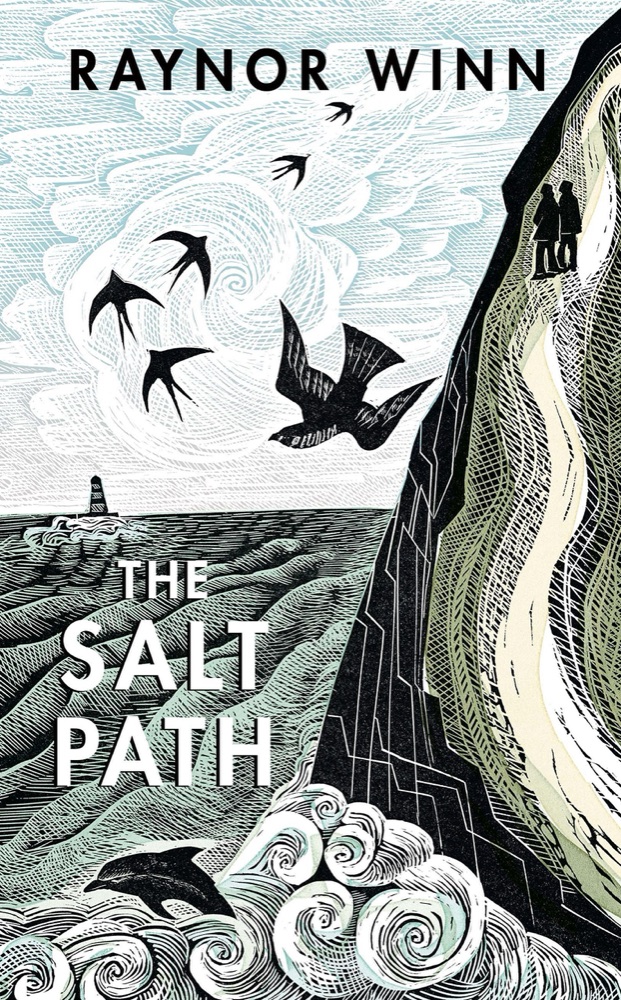 The Salt Path
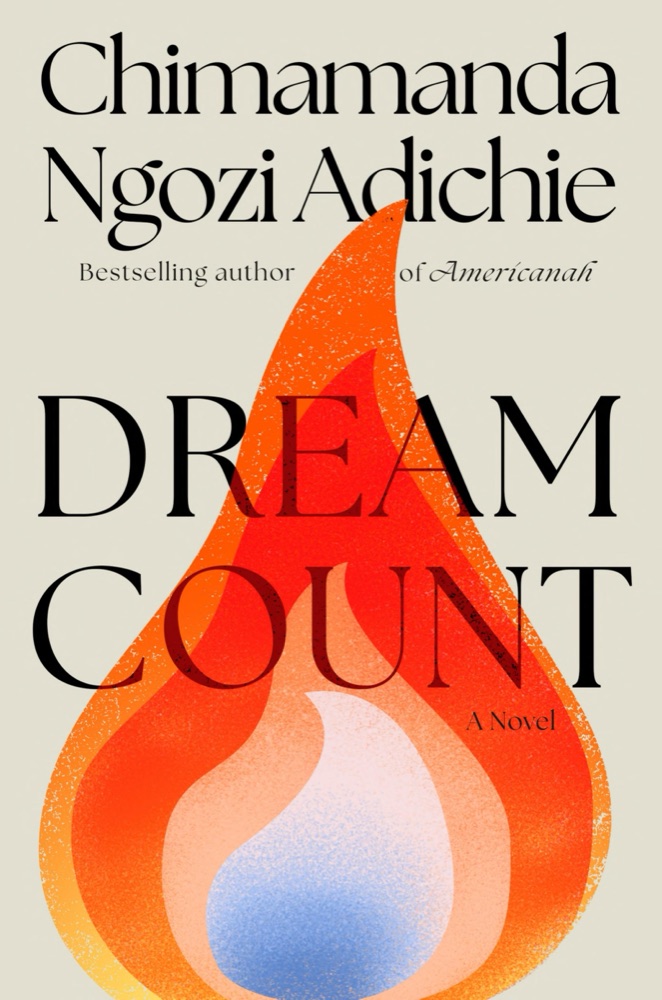 Dream Count
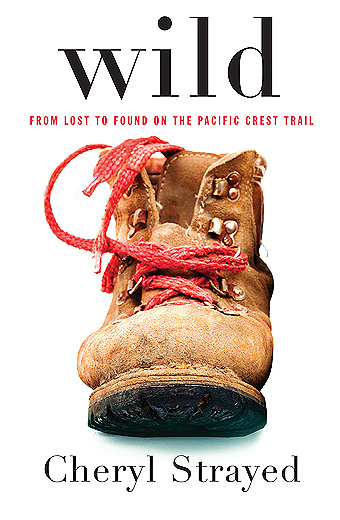 Wild: From Lost to Found on the Pacific Crest Trail
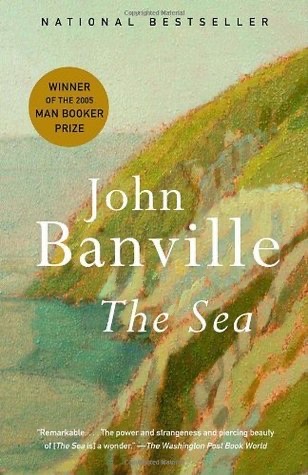 The Sea
 Plainwater: Essays and Poetry
 Tropic of Capricorn
 The Discomfort Zone: A Personal History
 Scar Tissue
 The Sailor Who Fell from Grace with the Sea
 Drowning Mermaids
 The Chronology of Water
 Travels with Charley: In Search of America
 Little Monsters
 A House in the Sky
 I Cheerfully Refuse
 The Scar
 The First Time She Drowned
 A Bend in the River
 Wavewalker: Breaking Free
 The Sea, the Sea
 The Likeness
 The River at Night
 Wanderlust
 Between a Rock and a Hard Place
 The Raw Shark Texts
 The Highest Tide
 Dream Work
 Orient
 South of the Border, West of the Sun
 Hot Milk
 Sexing the Cherry
 All Fours
 The Angel Esmeralda
 Indian Horse
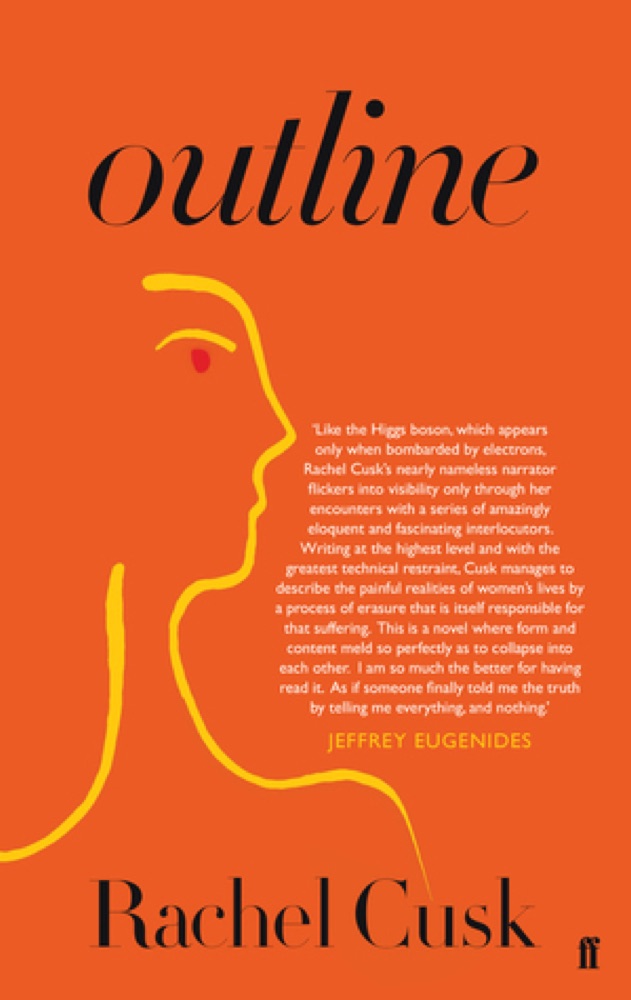 Outline
 Like Streams to the Ocean: Notes on Ego, Love, and the Things That Make Us Who We Are
 The Beach
 Memoirs of a Geisha
 Moon Palace
 The Hour I First Believed
 The Saturday Night Ghost Club
 Severance
 In Ascension
 I Am, I Am, I Am: Seventeen Brushes with Death
 The People in the Trees