

 The Art of Dreaming
Quotes from the Book
We hardly ever realize that we can cut anything out of our lives, anytime, in the blink of an eye.
For me the world is weird because it is stupendous, awesome, mysterious, unfathomable; my interest has been to convince you that you must assume responsibility for being here, in this marvelous world, in this marvelous desert, in this marvelous time. I want to convince you that you must learn to make every act count, since you are going to be here for only a short while, in fact, too short for witnessing all the marvels of it.
Nobody knows who I am or what I do. Not even I. Don Juan Matus
You say you need help. Help for what? You have everything needed for the extravagant journey that is your life.
Life in itself is sufficient, self-explanatory and complete.
For an instant I think I saw. I saw the loneliness of man as a gigantic wave which had been frozen in front of me, held back by the invisible wall of a metaphor.
I have no routines or personal history. One day I found out that they were no longer necessary for me and, like drinking, I dropped them. One must have the desire to drop them and then one must proceed harmoniously to chop them off, little by little. If you have no personal history, no explanations are needed; nobody is angry or disillusioned with your acts. And above all no one pins you down with their thoughts. It is best to erase all personal history because that makes us free from the encumbering thoughts of other people. I have, little by little, created a fog around me and my life. And now nobody knows for sure who I am or what I do. Not even I. How can I know who I am, when I am all this?
To worry is to become accessible, unwittingly accessible. And once you worry you cling to anything out of desperation; and once you cling you are bound to get exhausted or to exhaust whoever or whatever you are clinging to.
We either make ourselves miserable or we make ourselves strong. The amount of work is the same
To seek the perfection of the warrior's spirit is the only task worthy of our temporariness, our manhood.
A warrior must focus his attention on the link between himself and his death . . .. He must let each of his acts be his last battle on earth. Only under those conditions will his acts have their rightful power.
A hunter knows he will lure game into his traps over and over again, so he doesn't worry. To worry is to become accessible, unwittingly accessible. And once you worry you cling to anything out of desperation; and once you cling you are bound to get exhausted or to exhaust whoever or whatever you are clinging to.
You take yourself too seriously, " he said slowly. "You are too damn important in your own mind. That must be changed! You are so goddamn important that you feel justified to be annoyed with everything. You're so damn important that you can afford to leave if things don't go your way. I suppose you think that shows you have character. That's nonsense! You're weak, and conceited!" - Dom Juan
..there was no need to injure the shrubs, since we had already injured the quail.
In a world where death is the hunter, my friend, there is no time for regrets or doubts. There is only time for decisions.
302
Death is the only wise advisor that we have. Whenever you feel, as you always do, that everything is going wrong and you're about to be annihilated, turn to your death and ask if that is so. Your death will tell you that you're wrong; that nothing really matters outside its touch. Your death will tell you, 'I haven't touched you yet.
186
The dying sun will glow on you without burning, as it has done today. The wind will be soft and mellow and your hilltop will tremble. As you reach the end of your dance you will look at the sun, for you will never see it again in waking or in dreaming, and then your death will point to the south. To the vastness.
58
The hardest thing in the world is to assume the mood of a warrior,” he said. “It is of no use to be sad and complain and feel justified in doing so, believing that someone is always doing something to us. Nobody is doing anything to anybody, much less to a warrior. “You are here, with me, because you want to be here. You should have assumed full responsibility by now, so the idea that you are at the mercy of the wind would be inadmissible.
7
He said that I was a man. And like any man I deserved everything that was a man’s lot—joy, pain, sadness and struggle—and that the nature of one’s acts was unimportant as long as one acted as a warrior. Lowering his voice to almost a whisper, he said that if I really felt that my spirit was distorted I should simply fix it—purge it, make it perfect—because there was no other task in our entire lives which was more worthwhile. Not to fix the spirit was to seek death, and that was the same as to seek nothing, since death was going to overtake us regardless of anything. He paused for a long time and then he said with a tone of profound conviction, “To seek the perfection of the warrior’s spirit is the only task worthy of our manhood.
5
The thing to do when you’re impatient,” he proceeded, “is to turn to your left and ask advice from your death. An immense amount of pettiness is dropped if your death makes a gesture to you, or if you catch a glimpse of it, or if you just have the feeling that your companion is there watching you.
5
You feel like a leaf at the mercy of the wind, don’t you?” he finally said, staring at me. That was exactly the way I felt. He seemed to empathize with me. He said that my mood reminded him of a song and began to sing in a low tone; his singing voice was very pleasing and the lyrics carried me away: “I’m so far away from the sky where I was born. Immense nostalgia invades my thoughts. Now that I am so alone and sad like a leaf in the wind, sometimes I want to weep, sometimes I want to laugh with longing.” (Que lejos estoy del cielo donde he nacido. Immensa nostalgia invade mi pensamiento. Ahora que estoy tan solo y triste cual hoja al viento, quisiera llorar, quisiera reir de sentimiento.) We did not speak for a long while. He finally broke the silence. “Since the day you were born, one way or another, someone has been doing something to you,” he said. “That’s correct,” I said. “And they have been doing something to you against your will.” “True.” “And by now you’re helpless, like a leaf in the wind.” “That’s correct. That’s the way it is.” I said that the circumstances of my life had sometimes been devastating. He listened attentively but I could not figure out whether he was just being agreeable or genuinely concerned until I noticed that he was trying to hide a smile. “No matter how much you like to feel sorry for yourself, you have to change that,” he said in a soft tone. “It doesn’t jibe with the life of a warrior.
4
When a man decides to do something he must go all the way,” he said, “but he must take responsibility for what he does. No matter what he does, he must know first why he is doing it, and then he must proceed with his actions without having doubts or remorse about them.
4
Don Juan said that everybody that knew me had an idea about me, and that I kept feeding the idea with everything I did. “Don’t you see?” he asked dramatically. “You must renew your personal history by telling your parents, your relatives, and your friends everything you do. On the other hand, if you have no personal history, no explanations are needed; nobody is angry or disillusioned with your acts. And above all no one pins you down with their thoughts.
2
It’s funny the way you sometimes remind me of myself,” he went on. “I too did not want to take the path of a warrior. I believed that all that work was for nothing, and since we are all going to die what difference would it make to be a warrior? I was wrong. But I had to find that out for myself. Whenever you do realize that you are wrong, and that it certainly makes a world of difference, you can say that you are convinced. And then you can proceed by yourself. And by yourself you may even become a man of knowledge.
2
me. “I’m going to remind you of all the techniques you must practice.” he said. “First you must focus your gaze on your hands as the starting point. Then shift your gaze to other items and look at them in brief glances. Focus your gaze on as many things as you can. Remember that if you only glance briefly the images do not shift. Then go back to your hands. “Every time you look at your hands you renew the power needed for dreaming, so in the beginning don’t look at too many things. Four items will suffice every time. Later on, you may enlarge the scope until you can cover all you want, but as soon as the images begin to shift and you feel you are losing control go back to your hands. “When you feel you can gaze at things indefinitely you will be ready for a new technique. I’m going to teach you this new technique now, but I expect you to put it to use only when you are ready.” He was quiet for about fifteen minutes. Finally he sat up and looked at me. “The next step in setting up dreaming is to learn to travel,” he said. “The same way you have learned to look at your hands you can will yourself to move, to go places. First you have to establish a place you want to go to. Pick a well-known spot—perhaps your school, or a park, a friend’s house—then, will yourself to go there. “This technique is very difficult. You must perform two tasks: You must will yourself to go to the specific locale; and then, when you have mastered that technique, you have to learn to control the exact time of your traveling.
Smrt je jediný moudrý rádce, kterého máme. Kdykoliv máš pocit, že je něco špatně a že budeš sprovozen ze světa, a ty máš tenhle pocit pořád, obrať se ke své smrti a zeptej se jí , jestli je to tak. Smrt ti řekne, že se mýlíš. Protože doopravdy vlastně záleží jen a jen na jejím dotyku a na ničem jiném už ne. Smrt ti řekne: Ještě jsem si na tebe nesáhla.
Cuando estés impaciente, lo que debes hacer es voltear a la izquierda y pedir consejo a tu muerte. Una inmensa cantidad de mezquindad se pierde con solo que tu muerte te haga un gesto, o alcances a echarle un vistazo, o nada más con que tengas la sensación de que tu compañera está ahí vigilándote. Cada vez que sientas, como siempre lo haces, que todo te está saliendo mal y que estás a punto de ser aniquilado, vuélvete hacia tu muerte y pregúntale si es cierto. Tu muerte te dirá que te equivocas; que nada importa más que su toque. Tu muerte te dirá: todavía no te he tocado.
About Carlos Castaneda
We have collected 96 quotes from 6 books by Carlos Castaneda on BookQuoters.
More about the author →More by Carlos Castaneda
The Art of Dreaming
 A Separate Reality
 Tales of Power
 The Teachings of Don Juan: A Yaqui Way of Knowledge
About the book
In Journey to Ixtlan, Carlos Castaneda introduces readers to this new approach for the first time and explores, as he comes to experience it himself, his own final voyage into the teachings of don Juan, sharing with us what it is like to truly “stop the world” and perceive reality on his own terms.Originally drawn to Yaqui Indian spiritual leader don Juan Matus for his knowledge of mind-altering plants, bestselling author Carlos Castaneda immersed himself in the sorcerer’s magical world entirely. Ten years after his first encounter with the shaman, Castaneda examines his field notes and comes to understand what don Juan knew all along—that these plants are merely a means to understanding the alternative realities that one cannot fully embrace on one’s own.
Book details
- First published
- 1972
- Author
- Carlos Castaneda
- Genre
- Fiction
- Goodreads rating
- 4.12 (14k ratings)
Keep reading
Tales of Power
A Separate Reality
 Royal Assassin
 Demian
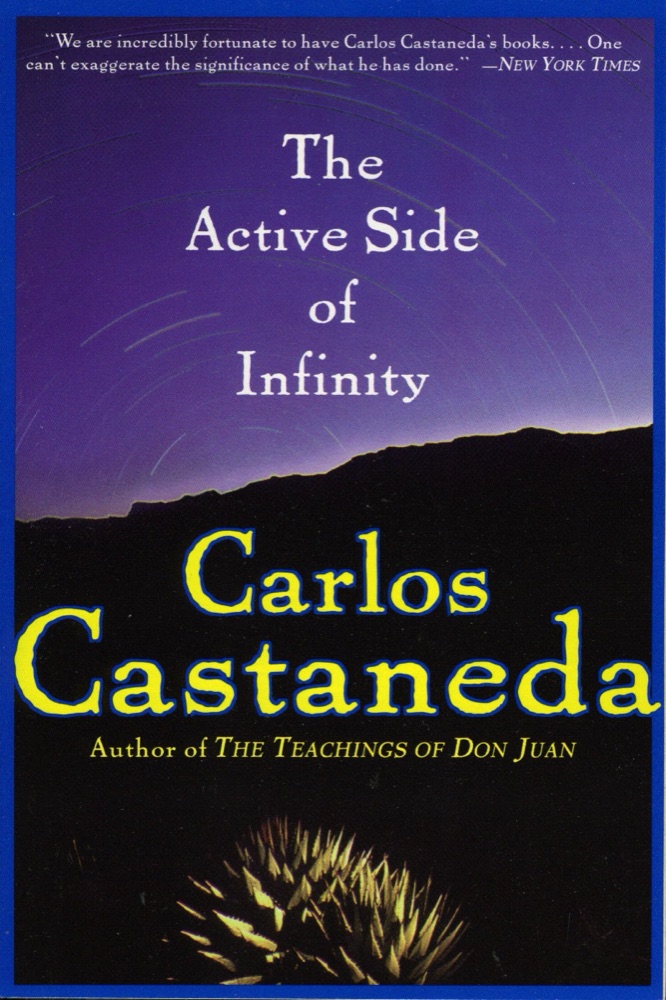 The Active Side of Infinity
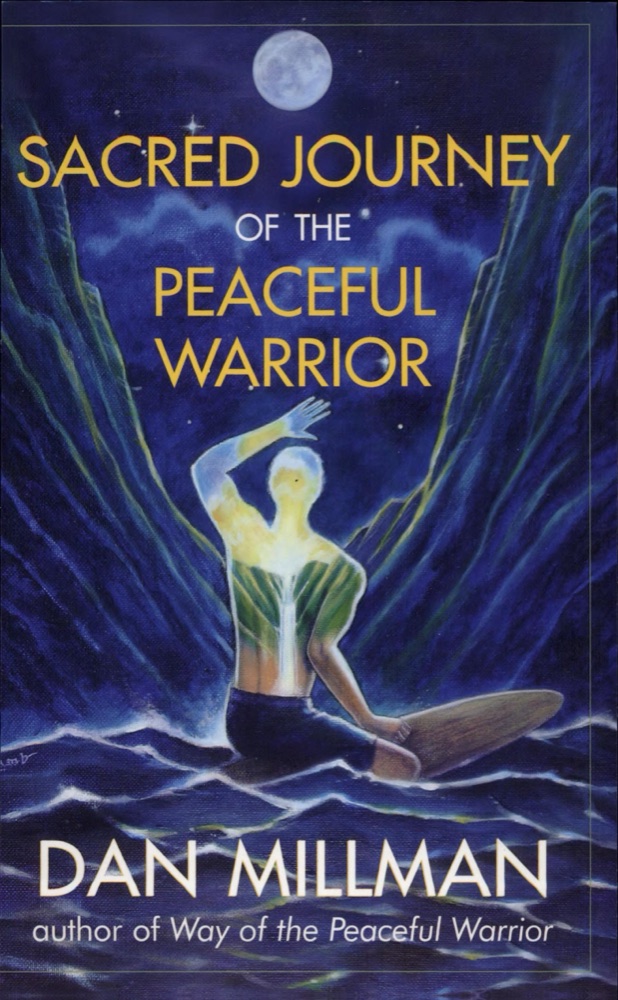 Sacred Journey of the Peaceful Warrior
 Be Here Now
 Shōgun
 A Sudden Light
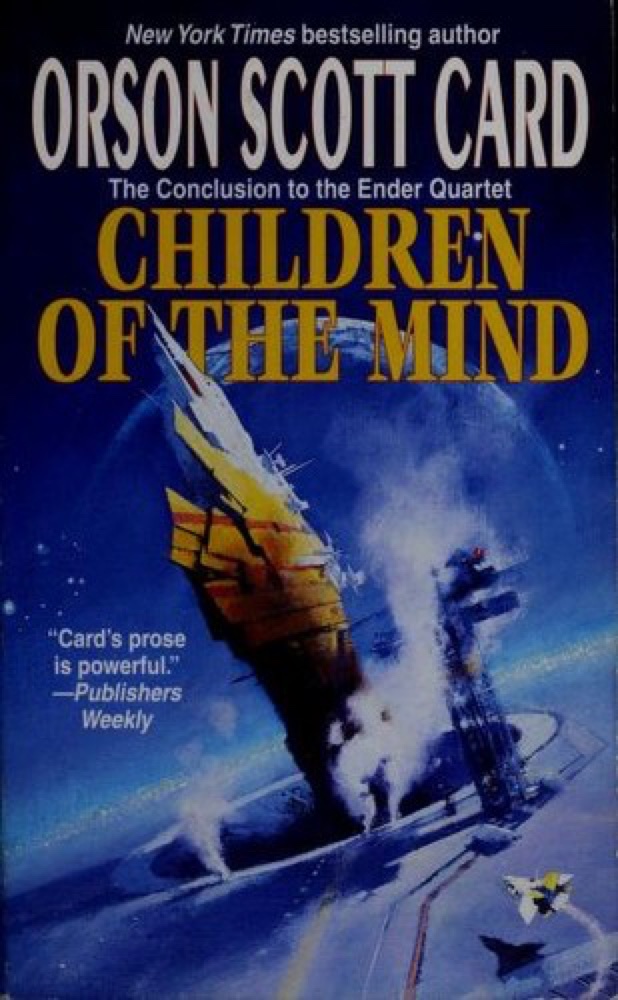 Children of the Mind
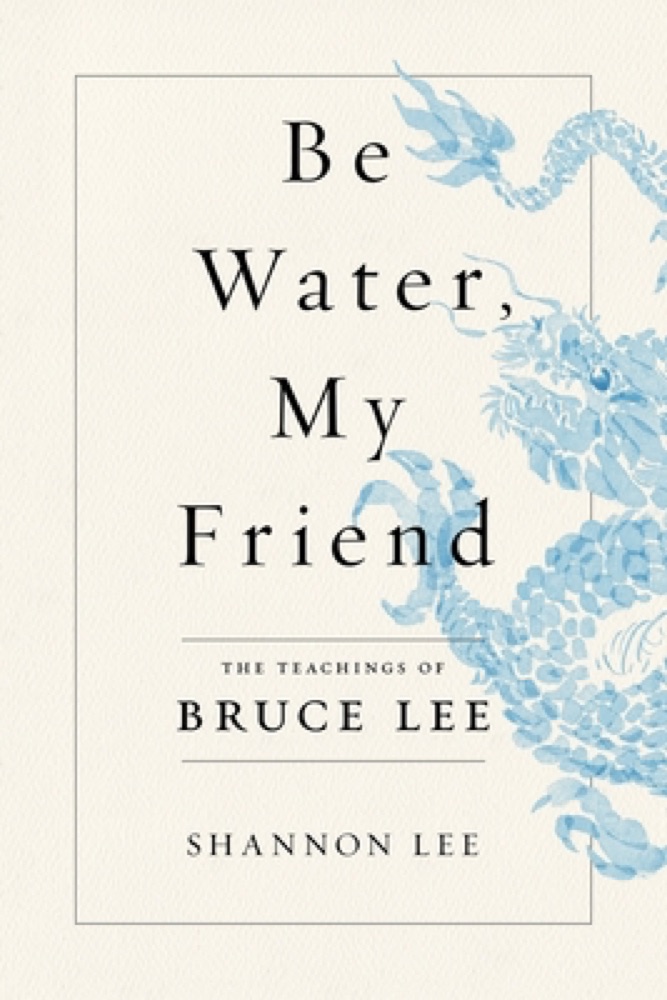 Be Water, My Friend: The Teachings of Bruce Lee
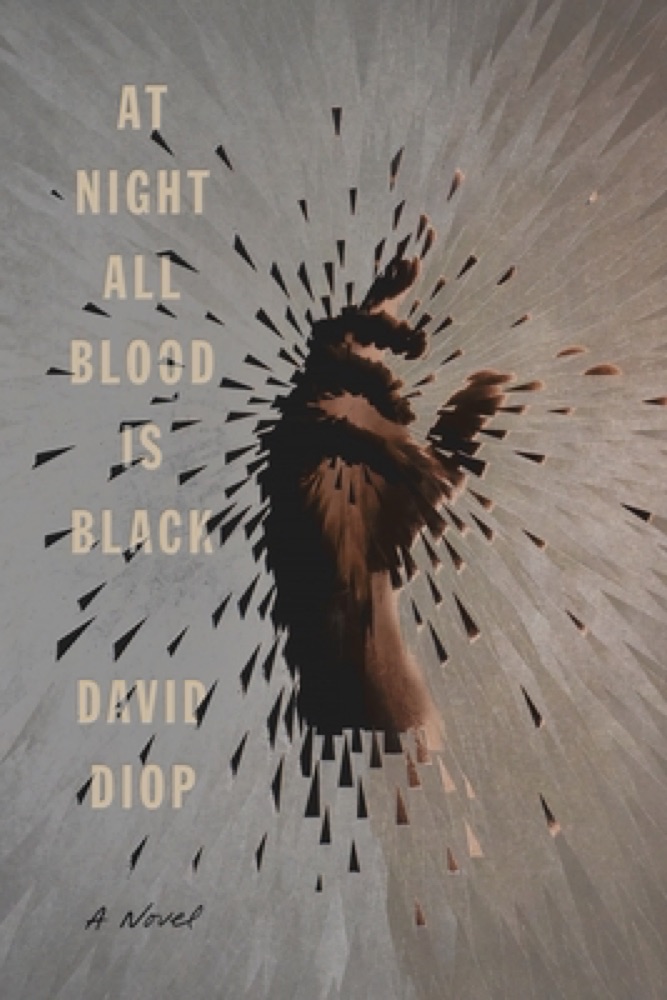 At Night All Blood is Black
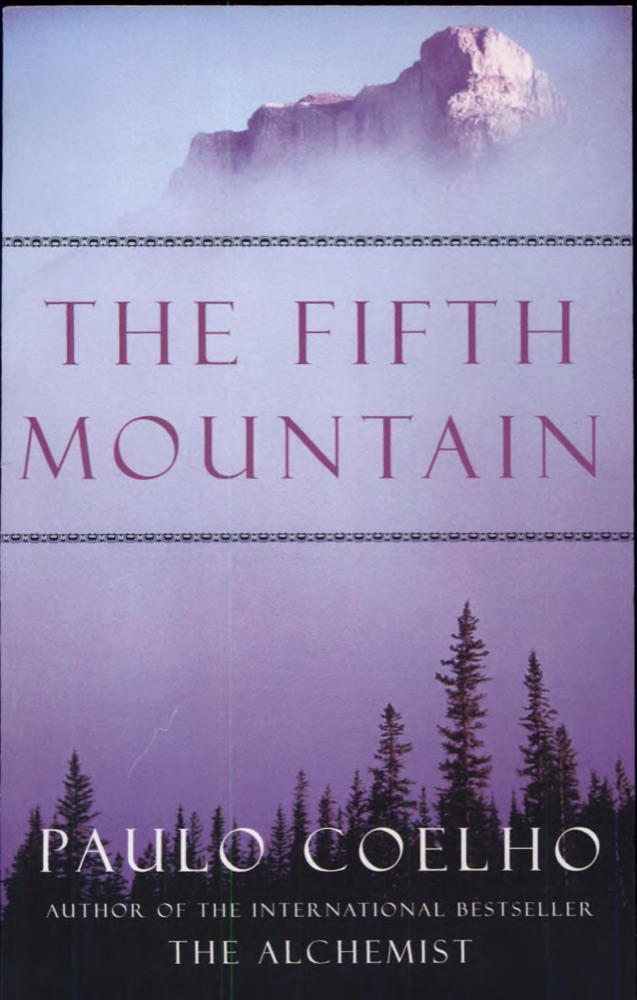 The Fifth Mountain
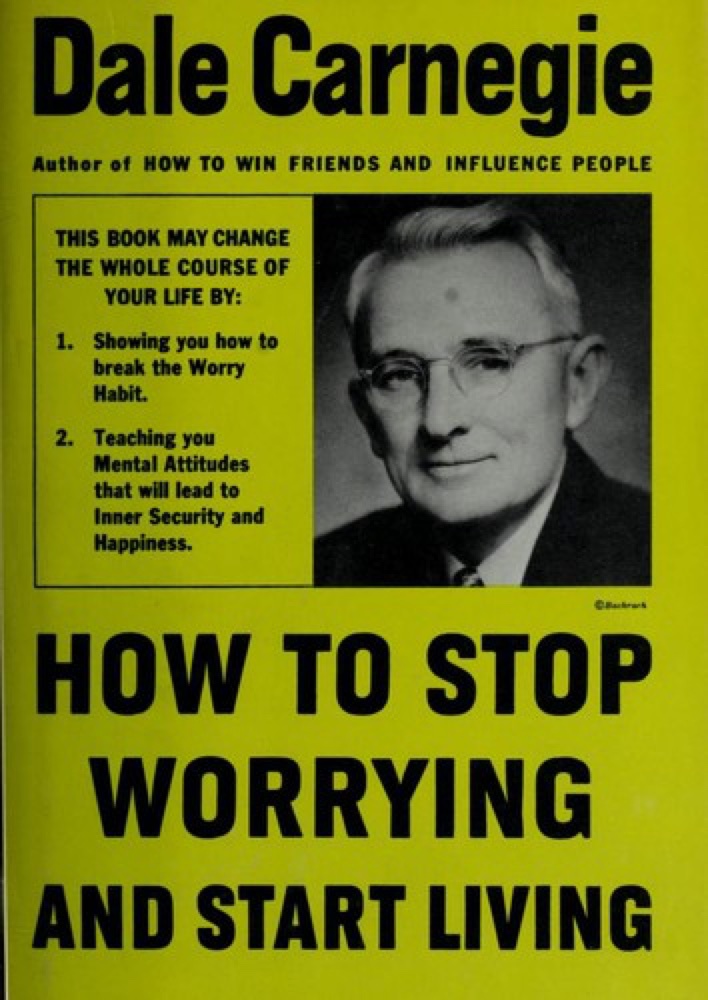 How to Stop Worrying and Start Living
 Dust Tracks on a Road
 Lord of Light
 Cloud of Sparrows
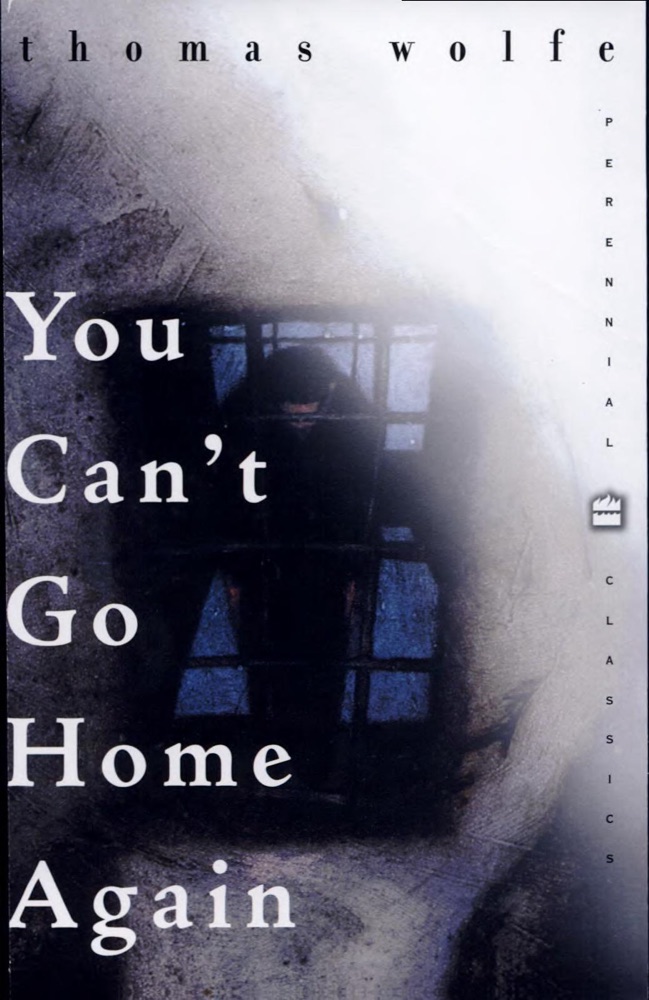 You Can't Go Home Again
 Flight To Arras
 A Joseph Campbell Companion: Reflections on the Art of Living
 Henderson the Rain King
 The Fencing Master
 Fool's Errand
 Drive Your Plow Over the Bones of the Dead
 Light Bringer
 Sword & Citadel
 The Toll
 The Zahir
 Tropic of Capricorn
 Conversations with God: An Uncommon Dialogue, Book 1
 The Red Book: Liber Novus
 Way of the Peaceful Warrior: A Book That Changes Lives
 Breakfast with Buddha
 The Fall
 The Fountainhead
 The Magus
 When Nietzsche Wept
 The Complete Stories
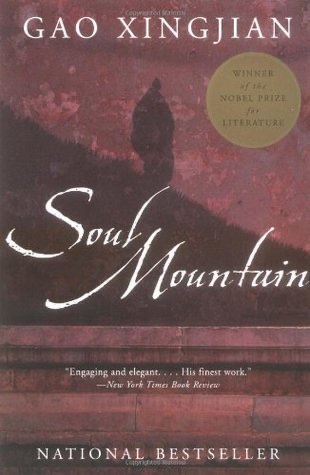 Soul Mountain
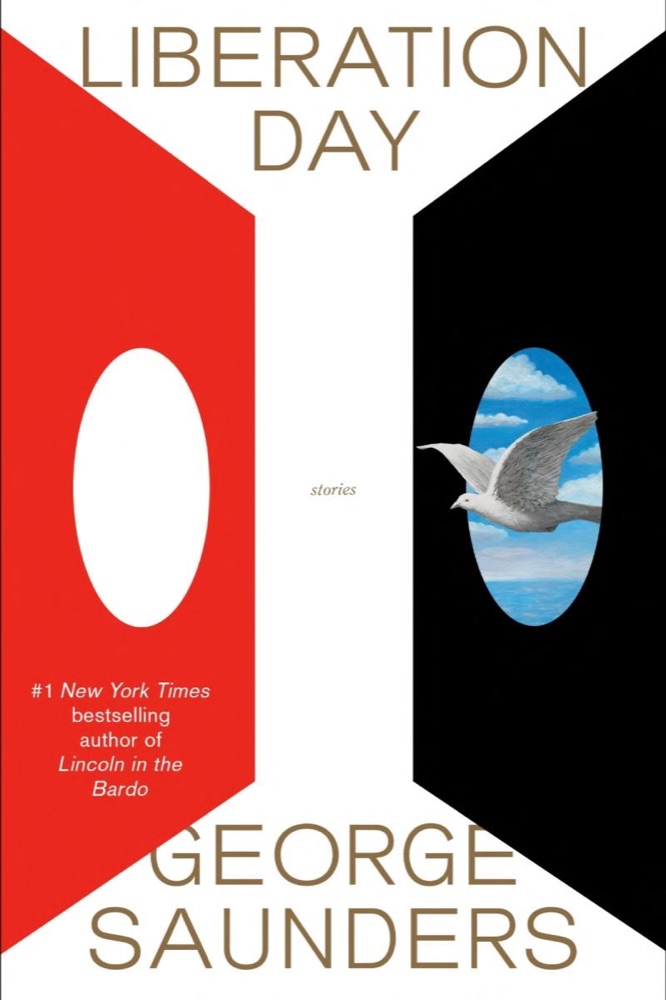 Liberation Day
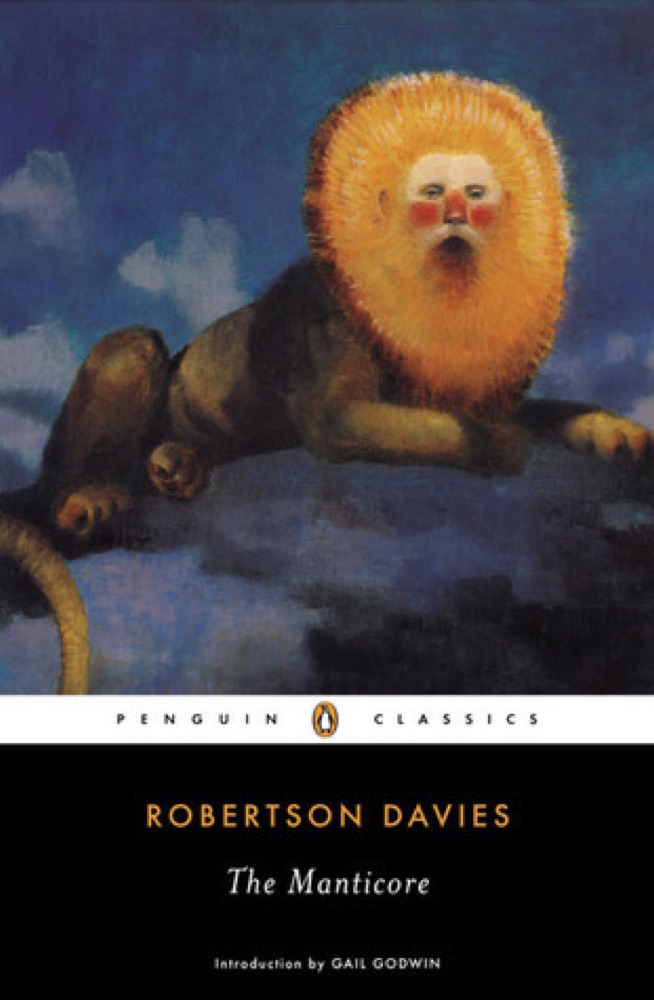 The Manticore
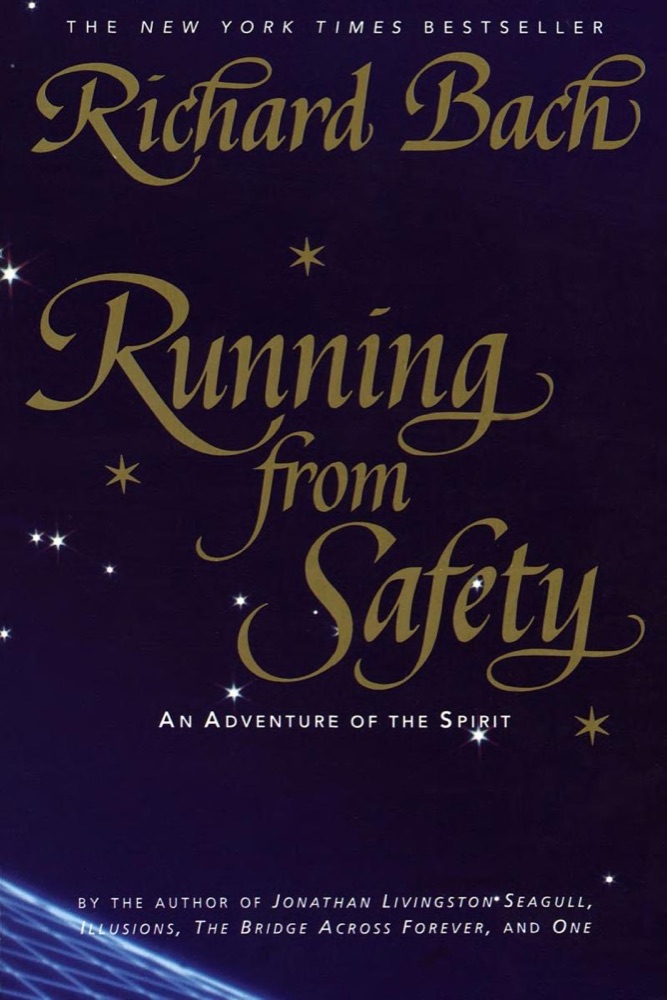 Running from Safety: An Adventure of the Spirit
 All the King's Men
 Four Treasures of the Sky
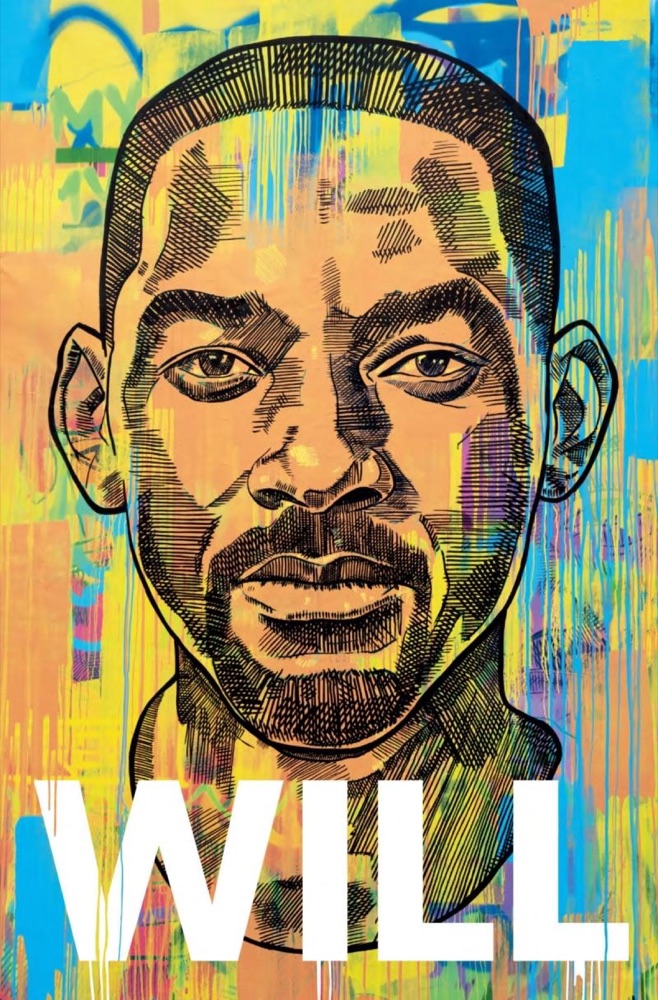 Will
Will
 Embers
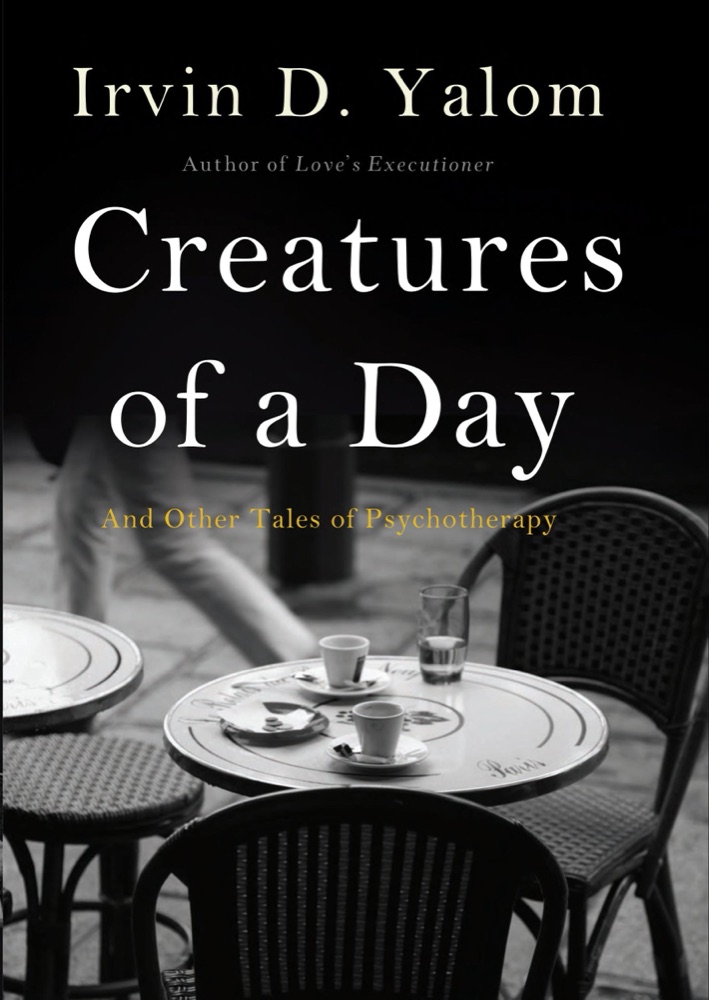 Creatures of a Day: And Other Tales of Psychotherapy
 Dear Senthuran: A Black Spirit Memoir
 Oathbringer
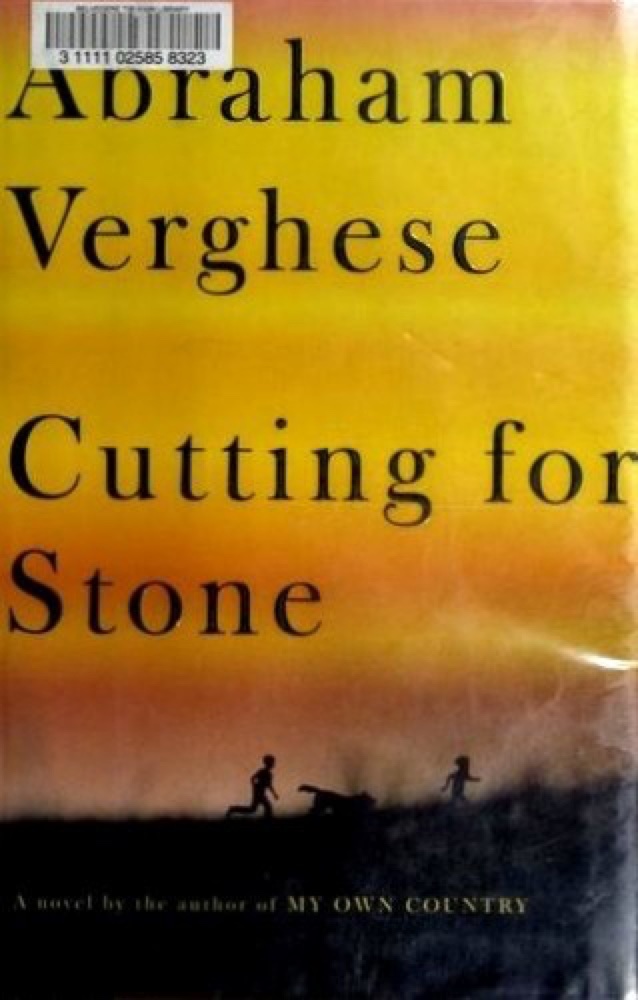 Cutting for Stone
 If You Meet the Buddha on the Road, Kill Him! The Pilgrimage of Psychotherapy Patients
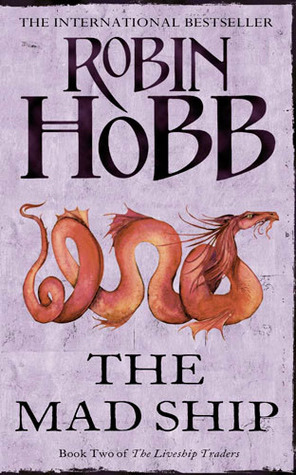 The Mad Ship
 Kokoro
 Sexus
Sexus
 The Claw of the Conciliator
 Laurus
 Faith of the Fallen
 Rosewater
 The Complete Short Stories
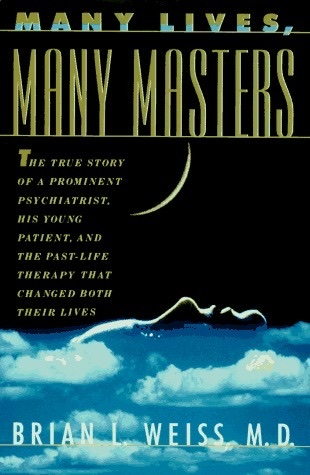 Many Lives, Many Masters: The True Story of a Prominent Psychiatrist, His Young Patient, and the Past Life Therapy That Changed Both Their Lives