
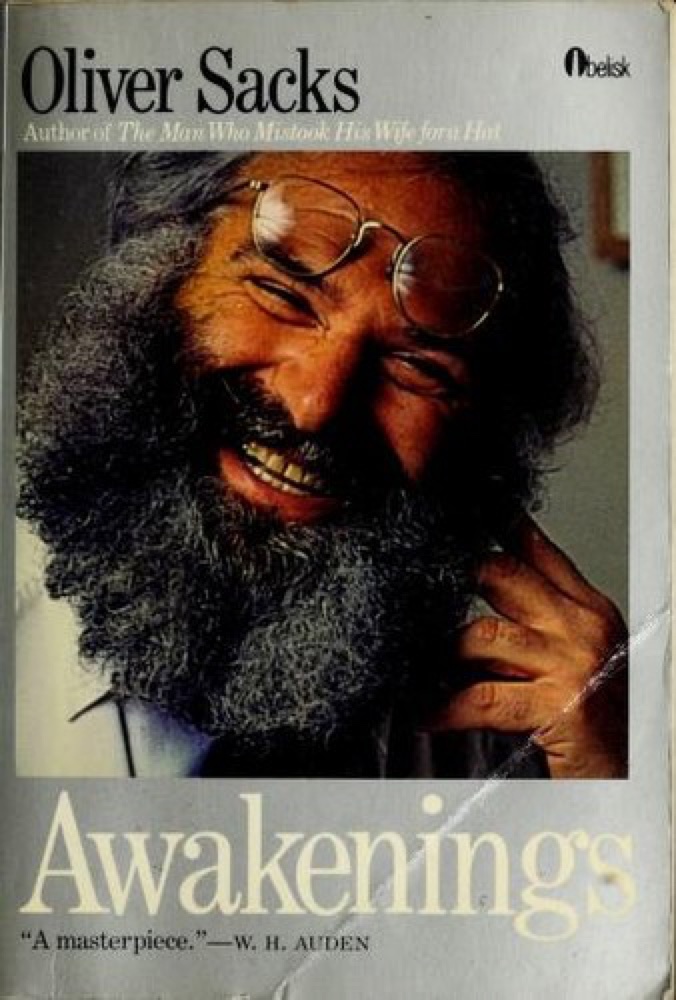
 Awakenings
Quotes from the Book
When I was five, I am told, and asked what my favorite things in the world were, I answered, ‘smoked salmon and Bach.’ (Now, sixty years later, my answer would be the same).
7
The periodic table was incredibly beautiful, the most beautiful thing I had ever seen. I could never adequately analyze what I meant here by beauty – simplicity? coherence? rhythm? inevitability? Or perhaps it was the symmetry, the comprehensiveness of every element firmly locked into its place, with no gaps, no exceptions, everything implying everything else.
6
I sought for (and sometimes achieved) an intense concentration, a complete absorption in the worlds of mineralogy and chemistry and physics, in science – focusing on them, holding myself together in the chaos...create my own world from the neutrality and beauty of nature, so that I would not be swept into the chaos, the madness, the seduction,
5
...We ourselves were made of the very same elements as composed the sun and stars, that some of my atoms might once have been in a distant star. But it frightened me too, made me feel that my atoms were only on loan and might fly apart at any time, fly away like the fine talcum powder I saw in the bathroom.
5
I liked numbers because they were solid, invariant; they stood unmoved in a chaotic world. There was in numbers and their relation something absolute, certain, not to be questioned, beyond doubt.
3
To have perceived an overall organization, a superarching principle uniting and relating all the elements, had a quality of the miraculous, of genius. And this gave me, for the first time, a sense of the transcendent power of the human mind, and the fact that it might be equipped to discover or decipher the deepest secrets of nature, to read the mind of God.
2
God thinks in numbers,’ Auntie Len used to say. ‘Numbers are the way the world is put together.
2
And I often dream of chemistry at night, dreams that conflate the past and the present, the grid of the periodic table transformed to the grid of Manhattan. […] Sometimes, too, I dream of the indecipherable language of tin (a confused memory, perhaps, of its plaintive “cry”). But my favorite dream is of going to the opera (I am Hafnium), sharing a box at the Met with the other heavy transition metals—my old and valued friends—Tantalum, Rhenium, Osmium, Iridium, Platinum, Gold, and Tungsten.
1
We would sit down fifteen, sometimes twenty, to the table on seder nights: my parents; the maiden aunts - Birdie, Len, and before the war, Dora, sometimes Annie; cousins of varying degree, visiting from France or Switzerland; and always a stranger or two would come. There was a beautiful, embroidered tablecloth which Annie had brought us from Jerusalem, gleaming white and gold on the table. My mother, knowing that sooner or later there would be accidents, always had a preemptive "spill" herself - she would manage somehow, very early in the evening, to tip a bottle of red wine onto the tablecloth, and thereafter no guest would be embarrassed if they knocked over a glass. Though I know she did this deliberately, I could never predict how or when the "accident" would occur; it always looked absolutely spontaneous and authentic. (She would immediately spread salt on he wine stain, and it became much paler, almost disappearing; I wondered why salt had this power.)
Both David and Marcus, I came to realize, though they seemed happy enough, and looked forward to being doctors, had a certain sadness, a sense of loss and renunciation, about other interests they had given up.... Both became medical students, in part, to defer their call-up. But with this, I think, they deferred their other aspirations, a deferment that seemed permanent and irreversible by the time they returned to London.
I was on the shy side at school (one school report called me ‘diffident’) and Braefield had added a special timidity, but when I had a natural wonder... I lost all my diffidence, and freely approached others, all my fear forgotten.
[photography]... wanted to understand, to master for myself, all the processes involved, and to manipulate them in my own way.
A union of literary and scientific cultures – there was not the dissociation of sensibility that was so soon to come ... Davy himself was writing (and sometimes publishing) a good deal of poetry at the time; his notebooks mix details of chemical experiments, poems, and philosophical reflections all together; and these did not seem to exist in separate compartments in his mind.
My mother showed me that when tin or zinc was bent it uttered a special ‘cry’. ‘It’s due to deformation of the crystal structure,’ she said, forgetting that I was five, and could not understand her - and yet her words fascinated me, made me want to know more.
...read 1984 when it came out in 1949, and found its account of the ‘memory hole’ peculiarly evocative and frightening, for it accorded with my own doubts about my memory. I think that reading this led to an increase in my own journal keeping, and photographing, and an increased need to look at testimonies of the past
...too-muchness had no doubt been noticed at school, for it was around this time that I received a school report that said, ‘Sacks will go far, if he does not go too far.
a ‘Divine mathematics,’ with which one could create the richest possible reality by the most economical means, and this, it now seemed to me, was everywhere apparent: in the beautiful economy by which millions of compounds could be made from a few dozen elements, and the hundred-odd elements from hydrogen itself; the economy by which the whole range of atoms was composed from two or three particles; and in the way that their stability and identity were guaranteed by the quantal numbers of the atom itself – all this was beautiful enough to be the work of God.
My favourite dream is of going to the opera (I am Hafnium), sharing a box at the Met with the other heavy transition metals – my old and valued friends – Tantalum, Rhenium, Osmium, Iridium, Platinum, Gold, and Tungsten.
She had an intense feeling for structure, the way things were put together – whether they were human bodies, or plants, or scientific instruments or machines.
Watch on YouTube
About Oliver Sacks
We have collected 158 quotes from 7 books by Oliver Sacks on BookQuoters.
More about the author →
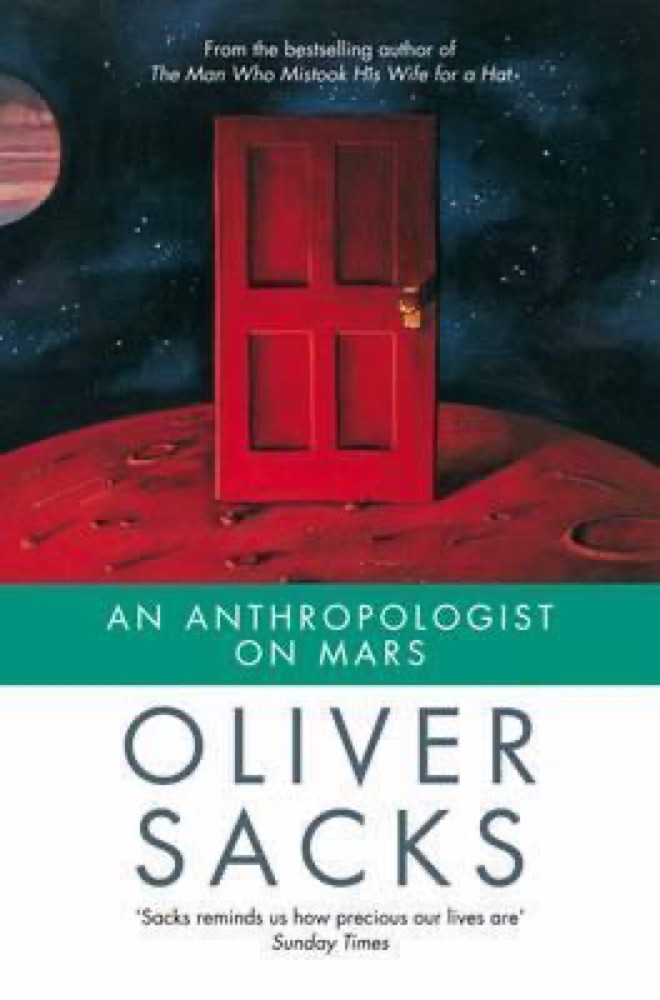
About the book
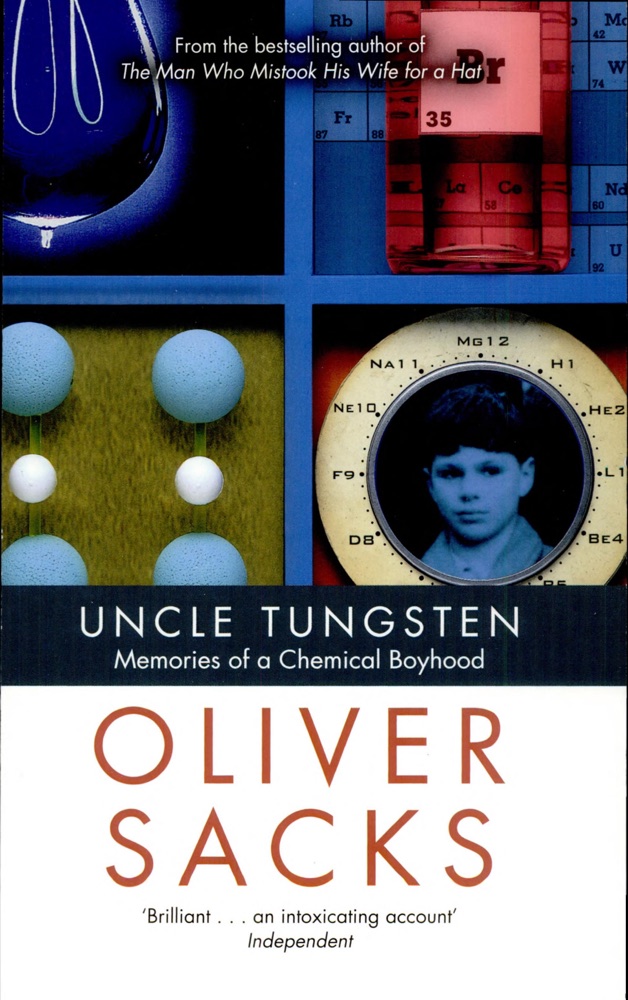
In Uncle Tungsten Sacks evokes, with warmth and wit, his upbringing in wartime England. He tells of the large science-steeped family who fostered his early fascination with chemistry. There follow his years at boarding school where, though unhappy, he developed the intellectual curiosity that would shape his later life. And we hear of his return to London, an emotionally bereft ten-year-old who found solace in his passion for learning. Uncle Tungsten radiates all the delight and wonder of a boy’s adventures, and is an unforgettable portrait of an extraordinary young mind.
Book details
- First published
- 2001
- Author
- Oliver Sacks
- Genre
- Nonfiction
- Goodreads rating
- 3.98 (7k ratings)
Keep reading
 The Periodic Table
 Stories of Your Life and Others
 What I Loved
 In Ascension
 The Autobiography of Bertrand Russell
 Speak, Memory
 Cosmicomics
 Agatha Christie: An Autobiography
 Kids of Appetite
 The Selected Works of T.S. Spivet
 The Children's Book
 The Atomic Weight of Love
 Childhood, Boyhood, Youth
 The Discomfort Zone: A Personal History
 The Making of the Atomic Bomb
 Tibetan Peach Pie
 Living with a Wild God: A Nonbeliever's Search for the Truth about Everything
 Speaking from Among the Bones
 Sweet Tooth
 Checkout 19
 Moments of Being: A Collection of Autobiographical Writing
 The Notebooks of Malte Laurids Brigge
 Essays of E.B. White
 Edinburgh
 Moon Tiger
 House of Suns
 The Golden Tresses of the Dead
 Underworld
 Reckoning: A Memoir
 Min kamp 2
 Prime of Life
 Testament of Youth
 The Eternal Wonder
 Self
Self
 Fifth Business
 Surprised by Joy: The Shape of My Early Life
 Stars in My Pocket Like Grains of Sand
 Solar
Solar
 The Star Rover
 The Disappearing Spoon: And Other True Tales of Madness, Love, and the History of the World from the Periodic Table of the Elements
 Rama II
 Bluebeard's Egg
 The Story of My Life
 Piranesi
 Truth & Beauty
 The Go-Between
 What I Was
 Moon Palace
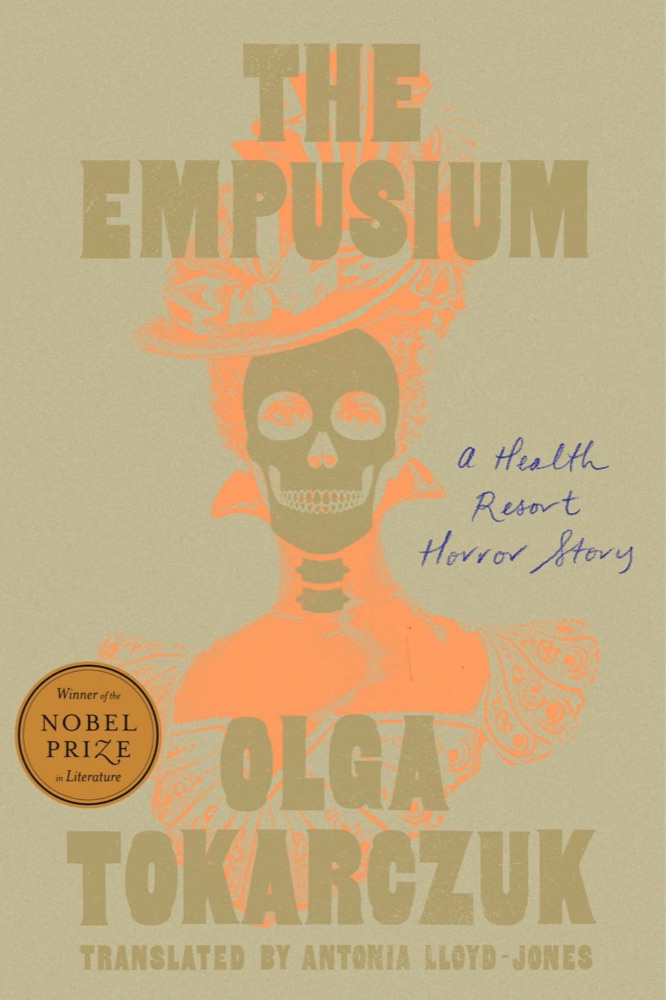 The Empusium
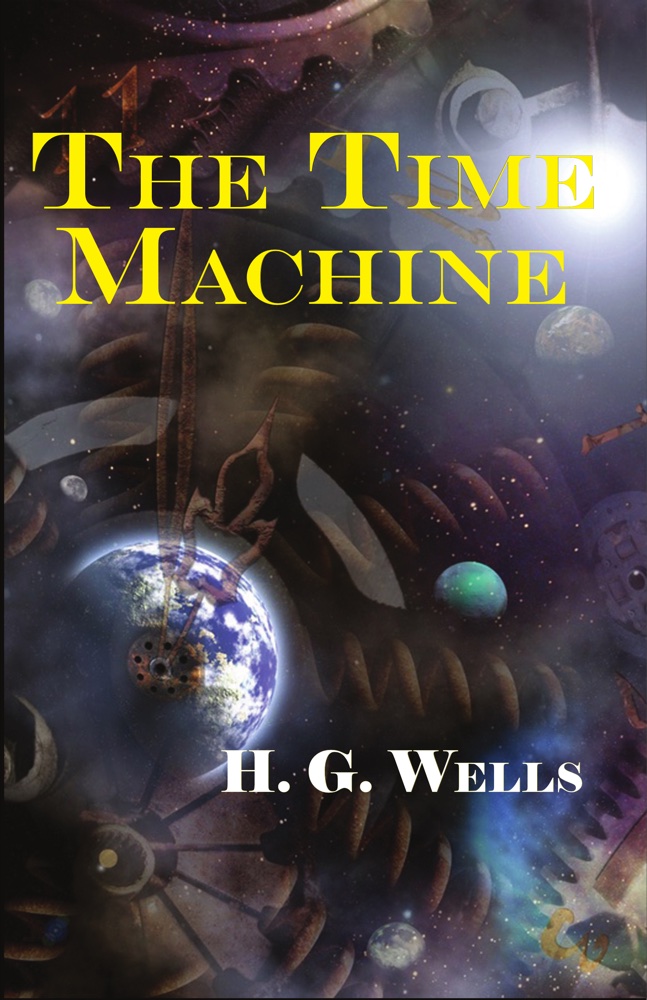 The Time Machine
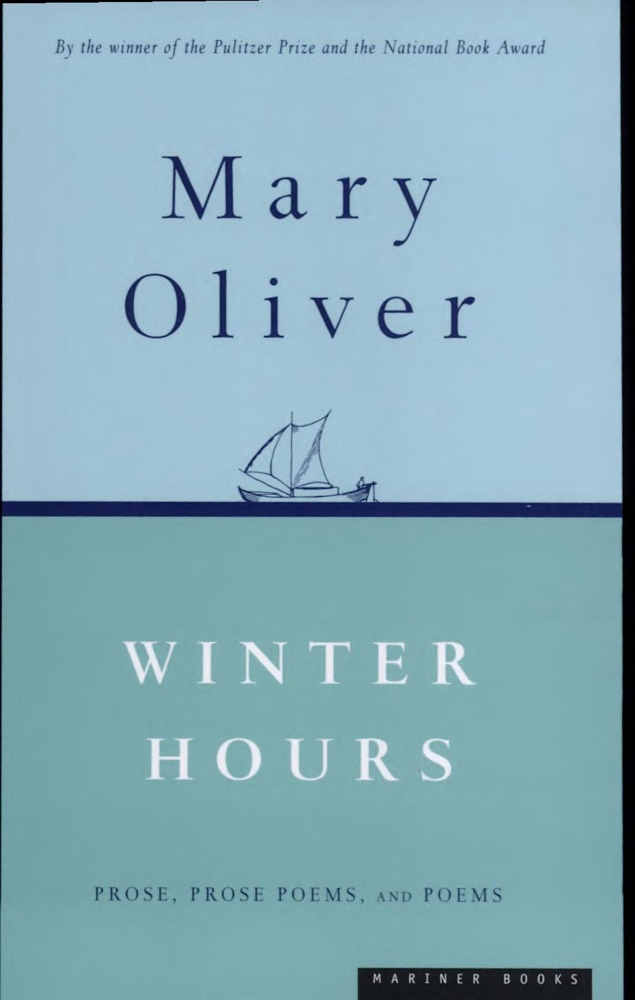 Winter Hours: Prose, Prose Poems, and Poems
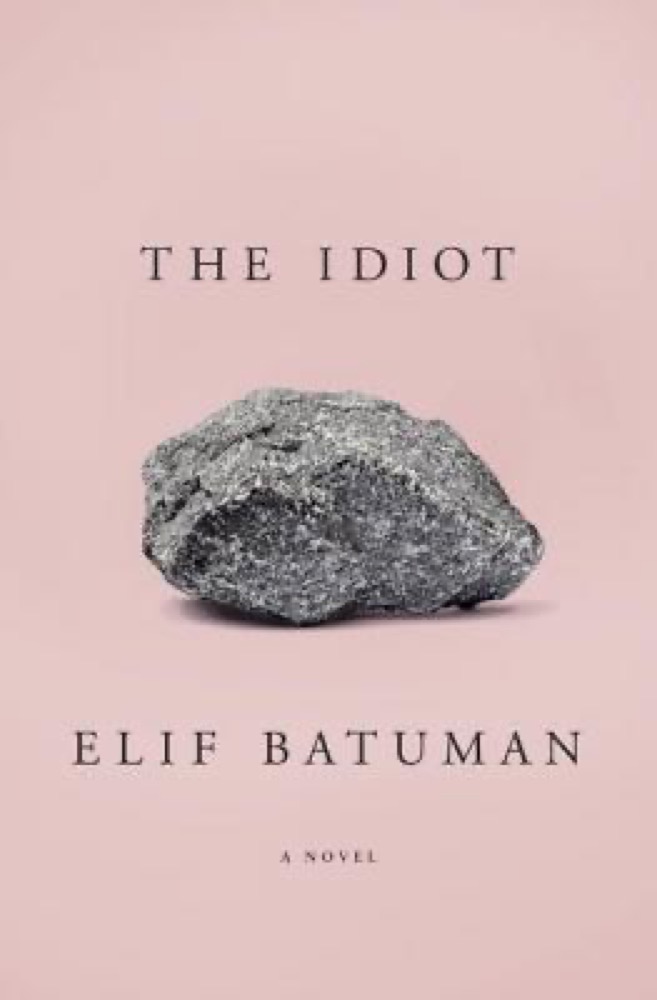 The Idiot
 At Large and At Small: Familiar Essays
 One Man's Meat
 Cold Enough for Snow
 My Early Life, 1874-1904
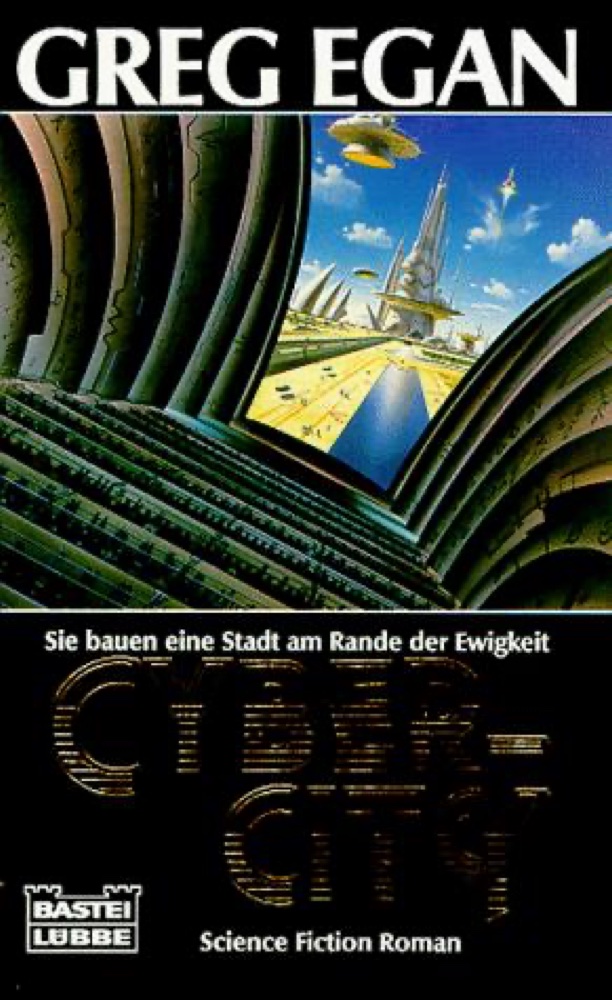 Permutation City
 Mother Mary Comes to Me
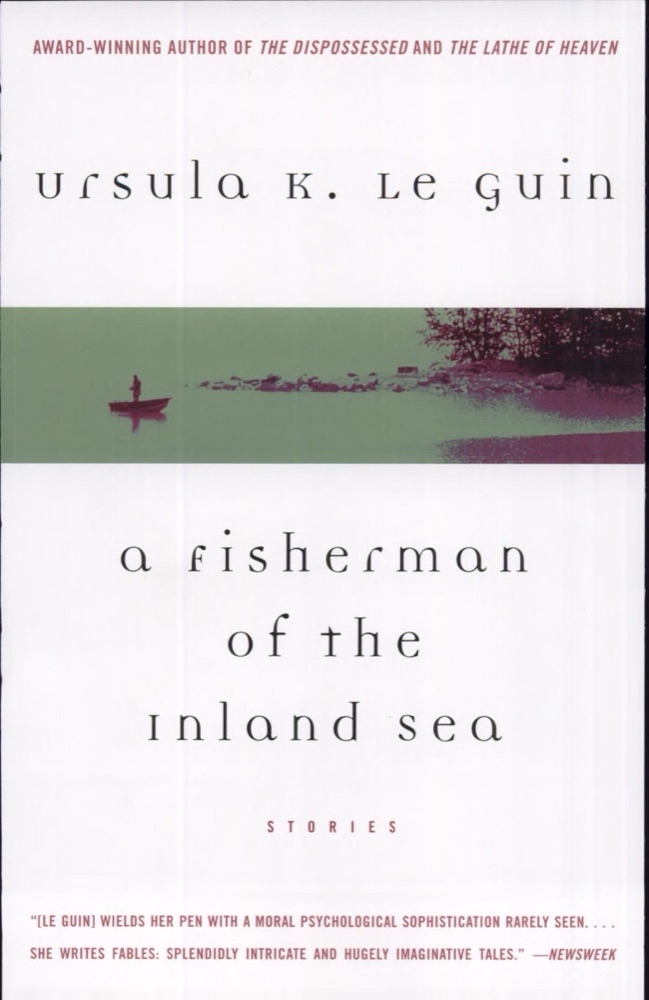 A Fisherman of the Inland Sea
 Sherlock Holmes