
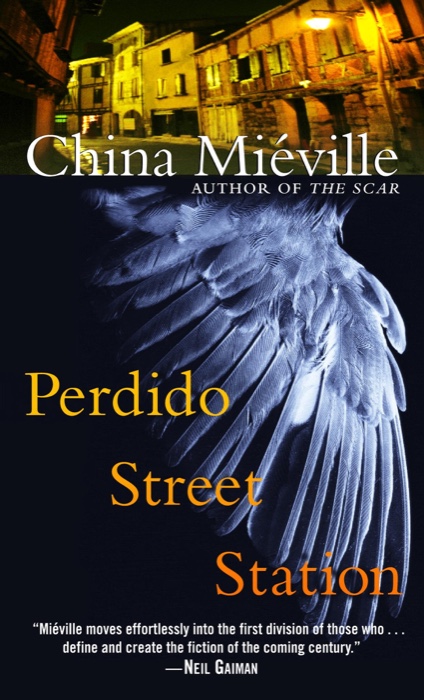
 Perdido Street Station
Quotes from the Book
He said, You'll write it not because there's no possibility it'll be found but because it costs too much to not write it.
10
Once I said to my father, 'Why do you want me?' I still think that's the bravest thing I've ever done.
9
You can tell it any way you want, he said, you can be I or he or she or we or they or you and you won't be lying, though you might be telling two stories at once.
7
A bridge wants to not be. If it could choose its shape, a bridge would be no shape, an unspace to link One-place-town to Another-place-town over a river or a road or a tangle of railway tracks or a quarry, or to attach an island to another island or to the continent from which it strains. The dream of a bridge is of a woman standing at one side of a gorge and stepping out as if her job is to die, but when her foot falls it meets the ground right on the other side. A bridge is just better than no bridge but its horizon is gaplessness, and the fact of itself should still shame it.
5
The manager of my line told me, You never put anything down except to be read. Every word ever written is written to be read and if some go unread that's only chance, failure, they're like grubs that die without changing.
2
I hoped the hunter would come. I imagined him pushing through the thickets in the foothills. I've thought of him like that often since, as if he's still out there, game in his sights, intending to check on me on his return.
1
That earlier me was a stranger child for whom I had care and with whom my patience was strained.
You told all this to the people in the town,” he said. “They said they can’t do anything because of no proof.
I didn’t tell the story to ask for help because I knew there was no help.
And I who months before had run into town screaming my accusation was shy to say it now that I was asked to put it in clear words. I’d grown used to this world in which everyone knew what had happened or what I said had, in which it had gone from being spoken to being unspoken again, a secret everybody knew. Here I was, hesitating to speak it. I took persuading.
When I approached and told her the key-maker wasn’t there she cursed filthily and threw something hard against the step, shouting, “What am I supposed to do with this now?” It bounced away. I waited while she stormed away and when she’d left I got onto all fours and found what she’d discarded. It was a bit of some engine. It looked like a heart, I remember that. I put it on the kitchen table. When, hours later, my father returned, he put down his heavy bags at the sight of it. “A woman brought it,” I said. He picked it up and turned it over. “She threw it away and went.” “Whatever this came from,” he said, “what she wants is a key to make it start again.” “Can’t she just put it back in?” I said.
I took the goats downslope a bit and they screamed at each other and I screamed too to see what it was like.
On the hill we used a different, vaguer calendar than the one I’ve since learned. The seasons ours described—summer, dimming, and winter—were suited to a different place: the mountain had two seasons at most.
I always stayed. I can’t say I chose to stay as I felt quite without traction, without capacity to find myself or anything.
This was the first time any adult had hit me. The window-cleaner winced with every strike. I felt better and worse that even a man such as he counted this punishment unfair. He did not intervene.
I didn’t move: I had no moving left in me.
My father didn’t look at me. He dropped more stones upon a random-looking cairn. The townspeople were slow to get out of our sight. He waited and watched them and didn’t look at me and kept adding to the substance of the hill with the substance of the hill.
Everything, even the dirt, was poised.
The boy went to the low-down part of the attic where he drew, and drew a lizard in a bottle between the stems of the wallpaper’s design. He came back the next day and, beside it, he drew a cat in another bottle and a fox in a third. He drew a fish in a bottle, a crow in a bottle, a mountain lion in a big bottle. He’d never seen a mountain lion but he heard them sometimes and knew he was to be afraid of them. He imagined that deep throaty growl contained by glass and the thought fascinated him. He drew corks tight in the bottles’ necks.
My father passed me. He looked briefly at me as you might at a stump or a broken machine or anything that’s specific only in that it’s in your way, to walk around it as my father did me.
The branches dropped shaggy creepers that, when they reached the earth, hardened into roots and pried apart paving.
The children from the bridge were often waiting there, eyeing me. They congregated by the stump and played a game involving motions as strange as those of worship. To me it looked as if they were feeling the missing bark for handholds, as if it were an expertise of town children that they could climb ghost trees.
Houses built on bridges are scandals. A bridge wants to not be. If it could choose its shape, a bridge would be no shape,
He didn’t know what if anything it was his mother got from his father’s company.
His manager taught him that words change with time, by single letters or more, sometimes their whole roots switching—a “y” to an “e” in a name for power, “sun-writing” becomes “light-drawing.” The man eventually gave him this whole other tongue, and he revisited and at last learned from those cuttings about immense foreign wars.
almanacs, or what was left of them when those pages making incorrect predictions and offering unhelpful advice had been torn out.
the second book’s for readers, he said. But you can’t know when they’ll come, if they do. It’s the book for telling: no code for that one. But—he counted one again and had my close attention—you can still use it to tell secrets and send messages. Even so. You could say them right out, but you can hide them in the words too, in their letters, in the ordering on lines, the arrangements and rhythms.
He said, You’ll write it not because there’s no possibility it’ll be found but because it costs too much to not write it.
Watch on YouTube
About China Miéville
We have collected 192 quotes from 9 books by China Miéville on BookQuoters.
More about the author →More by China Miéville
All books by China Miéville →
About the book
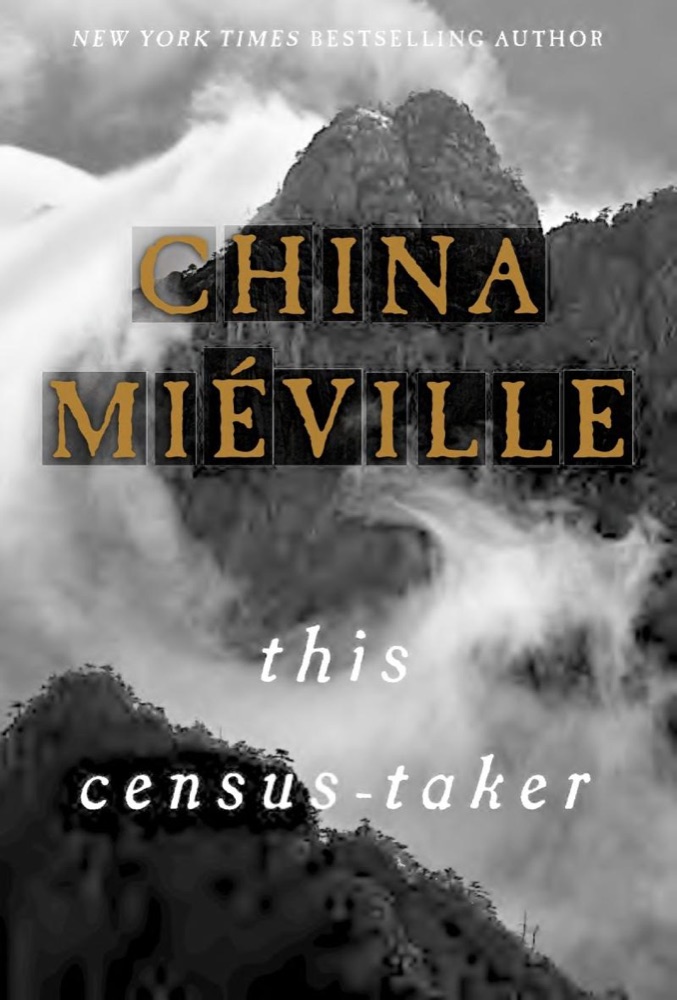
For readers of George Saunders, Kelly Link, and Karen Russell, This Census Taker is the poignant and uncanny new novella from award-winning and bestselling author China Miéville. After witnessing a profoundly traumatic event, a boy is left alone in a remote house on a hilltop with his increasingly deranged parent. When a stranger knocks on his door, the boy senses that his days of isolation are over—but by what authority does this man keep the meticulous records he carries? Is he the boy’s friend? His enemy? Or something altogether other?
Book details
- First published
- 2016
- Author
- China Miéville
- Genre
- Fantasy
- Goodreads rating
- 3.35 (8k ratings)
The buzz
- The GuardianReview in The Guardianprofessional review (via Book Marks)
- NPRReview in NPRprofessional review (via Book Marks)
- SlateReview in Slateprofessional review (via Book Marks)
- LA Review of BooksReview in LA Review of Booksprofessional review (via Book Marks)
- ThemillionsReview in Themillionsprofessional review (via Book Marks)
- NewsreviewReview in Newsreviewprofessional review (via Book Marks)
Keep reading
 Gates of Thread and Stone
 A Wolf at the Table
 Mister Pip
 A Thousand Acres
 Who Could That Be at This Hour?
 Wolf Hollow
 The Complete Stories
 The Hour I First Believed
 Wayward
 Fire Shut Up in My Bones: A Memoir
 Gliff
Gliff
 Harvesting the Heart
 The Turn of the Screw
 The Whisper Man
 So Long, See You Tomorrow
 World's Fair
 A Bend in the River
 Leviathan
 The Stories of John Cheever
 Authority
 Necromancing the Stone
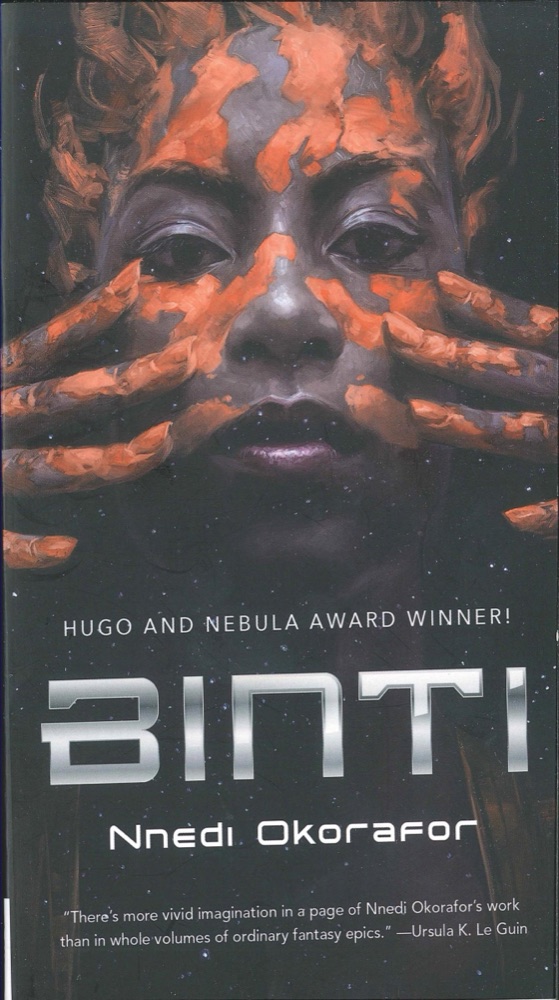 Binti
Binti
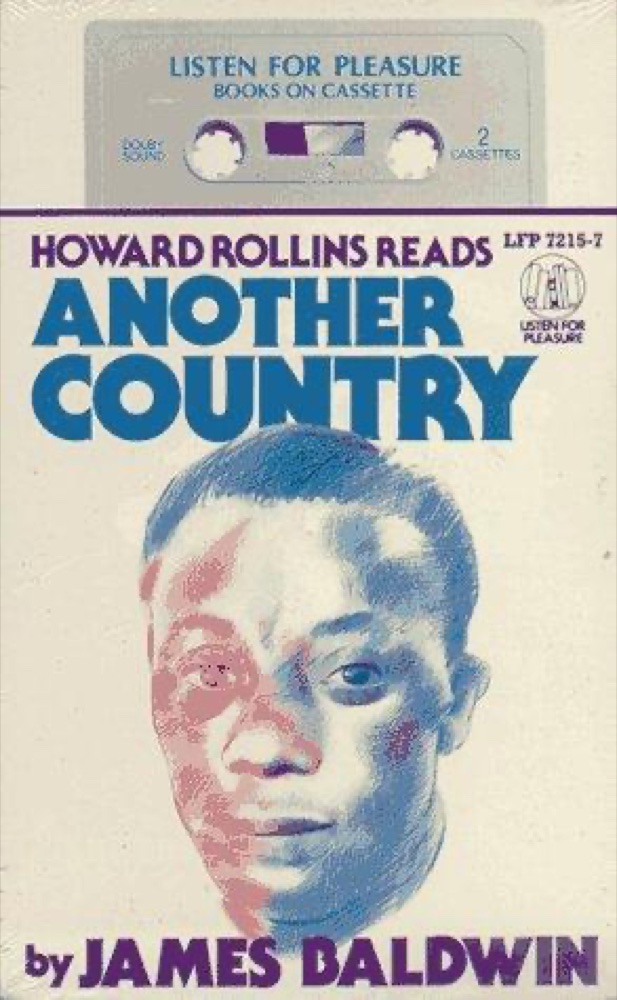 Another Country
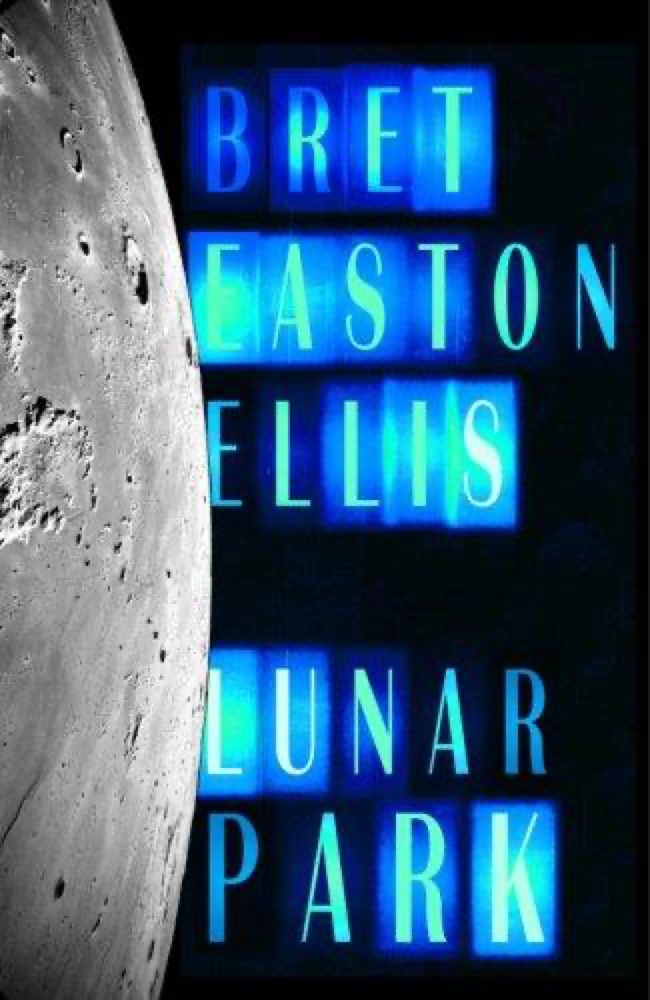 Lunar Park
 Kissing the Witch: Old Tales in New Skins
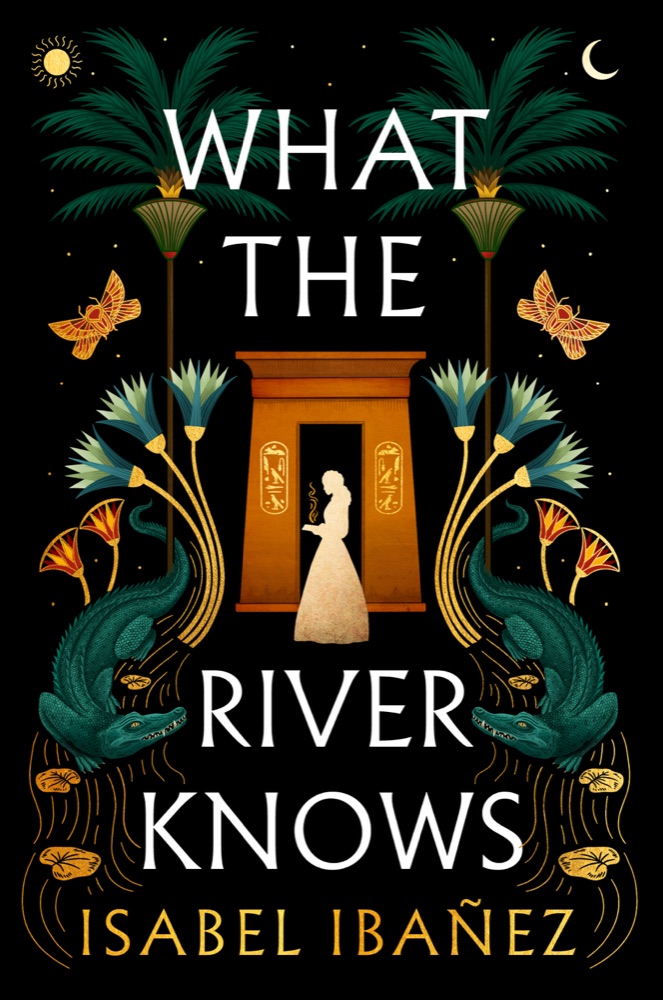 What the River Knows
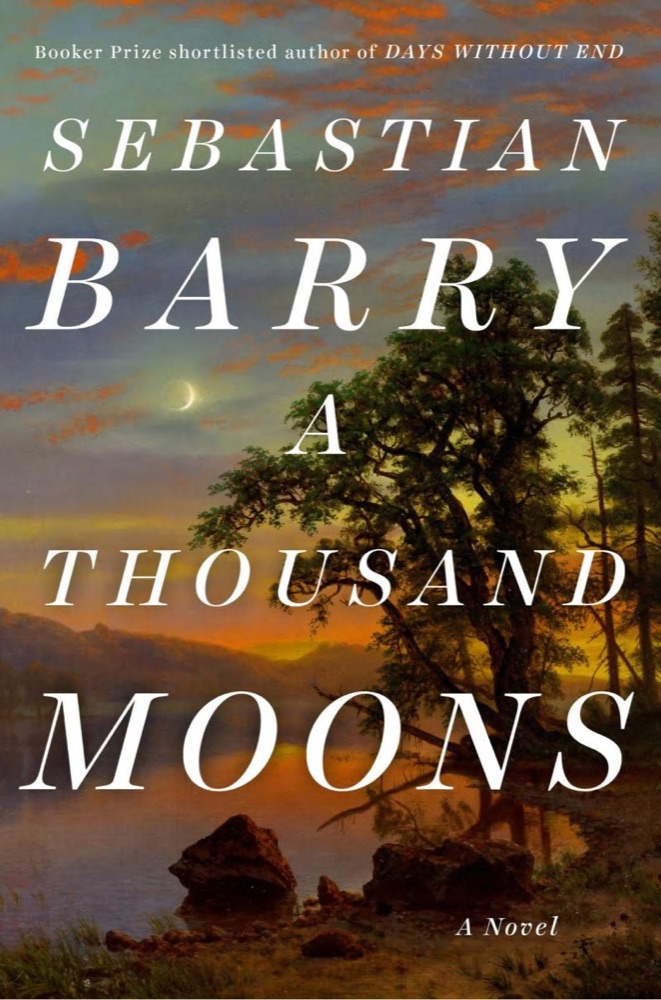 A Thousand Moons
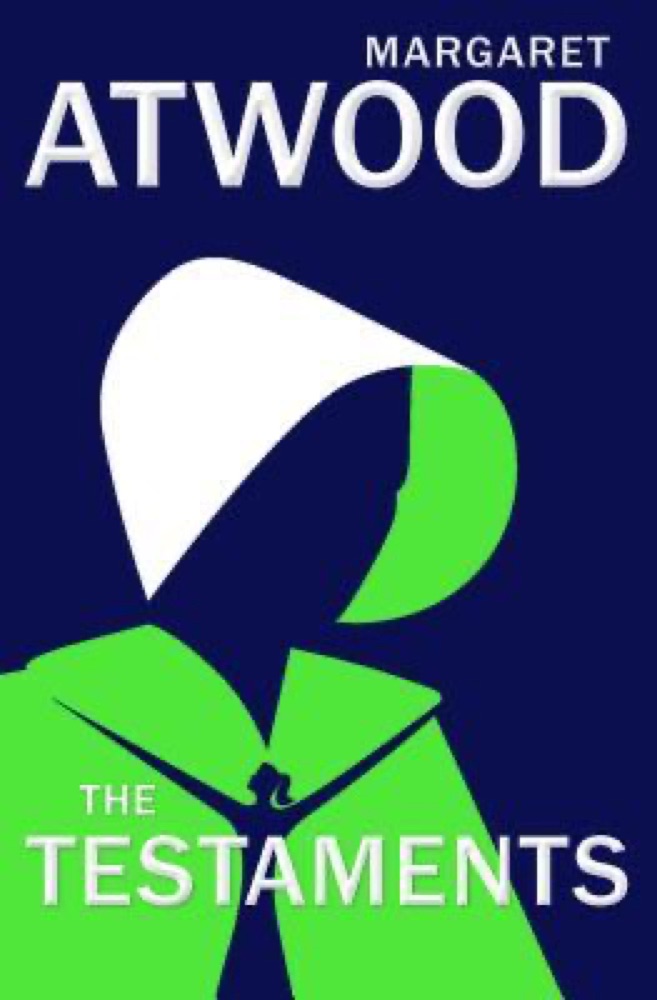 The Testaments
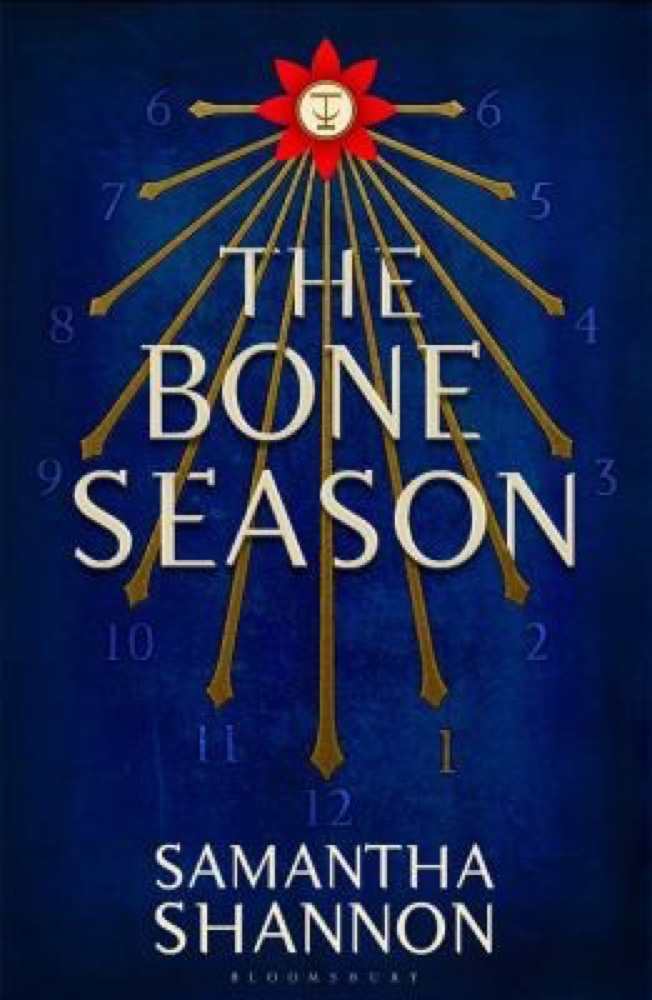 The Bone Season
 How We Fight For Our Lives
 When God Was a Rabbit
 Notes on Your Sudden Disappearance
 The Story of Edgar Sawtelle
 Defiant
 An Untamed State
 Sixty Stories
 Miss Peregrine’s Home for Peculiar Children
 The Son
 And the Mountains Echoed
 The Measure of the Magic
 Messenger
 Hemlock & Silver
 Chances Are...
 The Round House
 Ghost Music
 Stay Awake
 Chronicles, Volume One
 Mischling
 Unaccustomed Earth
 Wolf in White Van
 Milkman
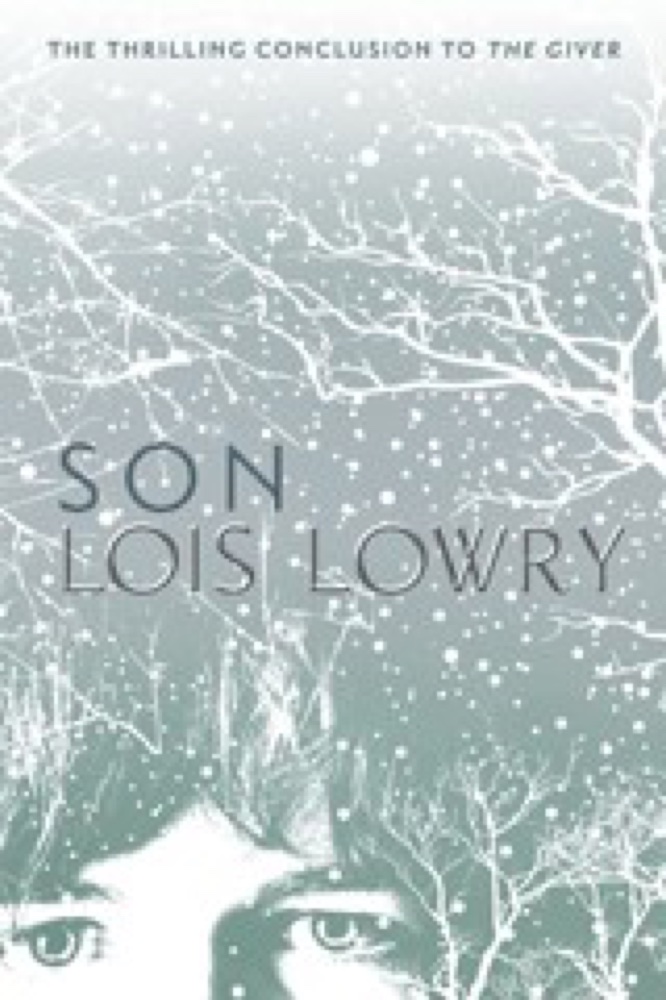 Son
Son
 Let Me Tell You What I Mean
 Burial Rites
 Indian Horse
 And Then There Were None
 Where Things Come Back
 A Room Made of Leaves
 The Go-Between