 Unraveling Isobel
Quotes from the Book
..."You 'member me?" It was a dumb question. Of course I remembered him. It hadn't been but a few hours since we met and I wasn't senile, for pity's sake. Besides, he was too fine to forget.
1
I'm confused, Lord, but I know you aint never confused. Please help me to see your purpose for bringing me among these heathens. And, Lord, while you at it, please forgive me for the sins I've committed. And for the one I'm still planning to commit tomorrow. Amen.
1
...What's a drawing room for? Drinking and talking, mostly...Sometimes they read in there. They don't drink and talk and read in all these other rooms? They do...But the drawing room more private. But nobody go in there to draw, I reckon? So why they call it that? Chile, your guess good as mine.
My 'bookish spirit' had nothing to do with it," Mrs. Lucas said, looking at me now. "I was just feeling shy and trying to avoid mingling." I wondered what the hell kind of party for five-year-olds thad them up in there mingling. All the parties I'd been at with kids that age was just a whold bunch of screaming and pushing and stick handprints everywhere.
If God wanted women to have authority over men," I said, "wouldn't he have given us some?" Mrs. Lucas gave me a real funny look this time. "By that argument," she said, "God doesn't want colored people to have the same rights as white people. Just because something hasn't happened, doesn't mean it shouldn't....
You look like you seen a ghost." "No," Mrs. Broussard said, "just an atheist." Pearl frowned and I felt relieved. At least I wasn't the only believer around here. But then I realized I couldn't be sure she was frowning at atheism itself, and not at me for having to be brought a glass of water at the mere idea of atheism.
...if that was true, then the Lord must be real petty. What else would you call a God who got his own drawers in a twist over some woman's underwear? But Daddy said God needed women to be modest, to help men control themselves. I asked, if God had created men in his own image, did that mean God had problems controlling his own self?
I...saw a young white man standing by the window. I stared at him, unable to move, fear coursing through me. "No, no, no," he said, holding up his hands as if to block the panic on my face. "It's okay. Don't worry, I'm colored." Don't worry, I'm colored aint a sentence you hear every day.
...I felt it would be rude to leave, that Mrs. Broussard would think I didn't want to be around her. 'Course, I didn't. But I was raised better than to let her know that.
Bad choices,” Mrs. Lucas agreed, nodding, “or mistakes. Or don’t live up to our hopes or expectations. Because that’s when we need love the most. Isn’t it?
I stared at Mrs. Broussard, thinking of Pastor Mills, who liked to quote the book of 1 Peter, saying, 'Your adversary the devil prowls around like a roaring lion, seeking someone to devour,' and I wondered if Mrs. Broussard was really the devil in disguise and I should hightail it back to Millen before she devoured me.
...I'd read an article in Jet magazine that said she was in the hospital, suffering from exhaustion, which I hadn't even known was a thing you could be hospitalized for. Half the women I knew were exhausted all the time.
Colored women worked hard. What exactly was wrong with us getting some of the shine, as long as the shine was being given out anyhow? I knew God wanted women to be modest in every way. The Bible made that plain. But, standing there now, with the space to ponder it good and hard and nobody telling me not to, I couldn’t think of a reason why it ought to be that way. It suddenly seemed like a very strange thing for God to want.
Did you know?
- The novel is set over a single weekend in 1960 Georgia, between Doris's small town and Atlanta.
- Real historical figures from the civil rights era appear in the story alongside the fictional cast.
- It is Mia McKenzie's third novel, following The Summer We Got Free and Skye Falling.
- Kirkus likened the protagonist's sweep through historical scenarios to Forrest Gump.
- McKenzie founded the independent platform Black Girl Dangerous Media.
About Mia McKenzie
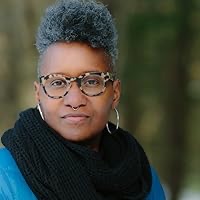
Mia McKenzie is a two-time Lambda Literary Award-winning novelist and the author of The Summer We Got Free and Skye Falling. She founded Black Girl Dangerous Media, an independent platform centering queer Black women and girls, and lives in Massachusetts.
More about the author →About the book
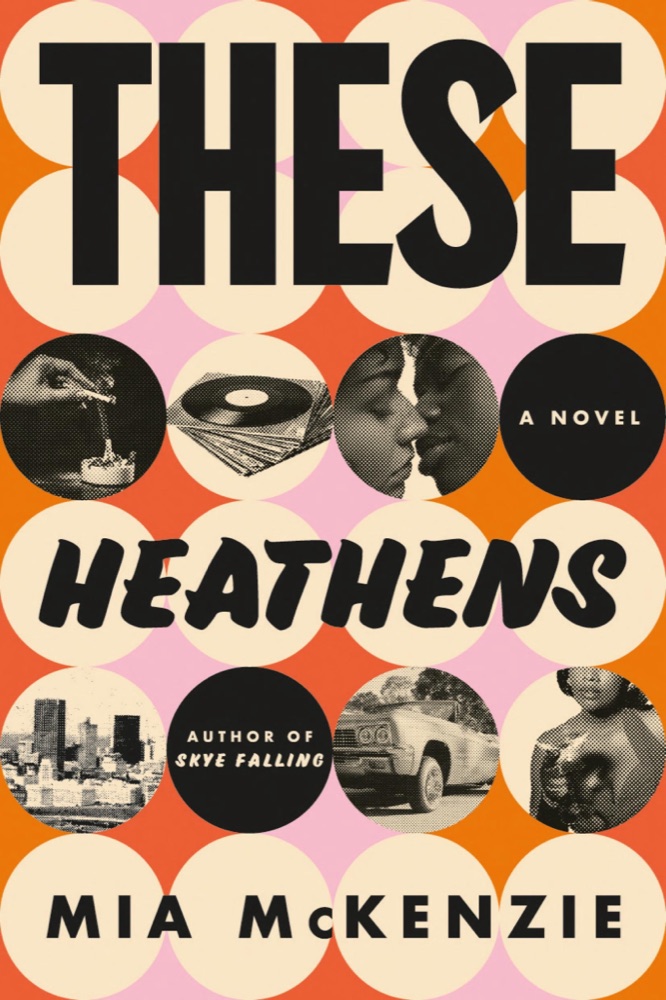
These Heathens is Mia McKenzie's historical novel set in Georgia in 1960. Seventeen-year-old Doris Steele, a pious small-town girl, is pregnant, and with the help of her former teacher Mrs. Lucas she travels to Atlanta to seek an abortion. While waiting on the doctor who has agreed to perform the procedure, Doris spends a whirlwind weekend in the orbit of Sylvia Broussard and a circle of well-connected, queer Black women, brushing up against the civil rights movement and figures of Black high society.
Over a single chaotic weekend, the book examines Black women's obligations and ambitions, reproductive autonomy, sexuality and gender, colorism, and the cost of leaving the world you were raised in. Doris's coming of age unfolds as first-hand experience prompts her to question what she has been taught about God, respectability, and the possibilities of Black life.
Published by Random House in 2025, the novel drew strong reviews for its energy, wit, and vivid portrait of the early 1960s South, with some critics noting that its compressed timeline crowds in a lot of historical incident. It was named a finalist for the Los Angeles Times Book Prize and longlisted for the Andrew Carnegie Medal for Excellence in Fiction.
Key characters
- Doris SteeleSeventeen-year-old pregnant protagonist from a small Georgia town
- Mrs. LucasDoris's former teacher, who helps arrange her trip to Atlanta
- Sylvia BroussardWealthy, well-connected Black woman who hosts Doris in Atlanta
Book details
- First published
- 2025
- Length
- 272 pages
- Reading time
- 5 hours
- Author
- Mia McKenzie
- Genre
- Historical
- Goodreads rating
- 4.16 (6k ratings)
Critical reception
- Kirkus called it 'a prismatic rendering of the sit-in movement and its context, with memorable characters at its center.'
- Critics praised the novel's energy and its vivid depiction of Black high society during the Civil Rights era.
- Some reviewers felt the short novel strains to place Doris in as many historical scenarios as possible over its brief timeline.
- It was a finalist for the Los Angeles Times Book Prize and longlisted for the Andrew Carnegie Medal.
The buzz
- BookPageInterview with Mia McKenzie, author of These Heathens2025Author interview on the 1960s setting and the novel's ideas
- The StacksEp. 376 People Be Gay with Mia McKenzie2025Traci Thomas interviews McKenzie about the book and her process
Keep reading
Unraveling Isobel
 Not My Problem
 Storm Born
 The Secret Lives of Church Ladies
 Snake-Eater
 The Summoning
 Succubus Revealed
 Shadowland
 The Curse of Tenth Grave
 Trickery
 Sinner
 My Soul to Take
 Let's Explore Diabetes with Owls
 The Spanish Daughter
 Abandon
 Ballad: A Gathering of Faerie
 Supernaturally
 The Family Upstairs
 Suddenly Royal
 Succubus Dreams
 Love Story
 Wade in the Water
 Walking in My Joy: In These Streets
 Undead and Unwed
 The Basic Eight
 Bloodsucking Fiends
 Queen of Shadows
 Rock Chick Redemption
 Wives and Daughters
 Bone Crossed
 Nice Girls Don't Date Dead Men
 Christy
 Hidden
 The Queen & the Homo Jock King
 Seventh Grave and No Body
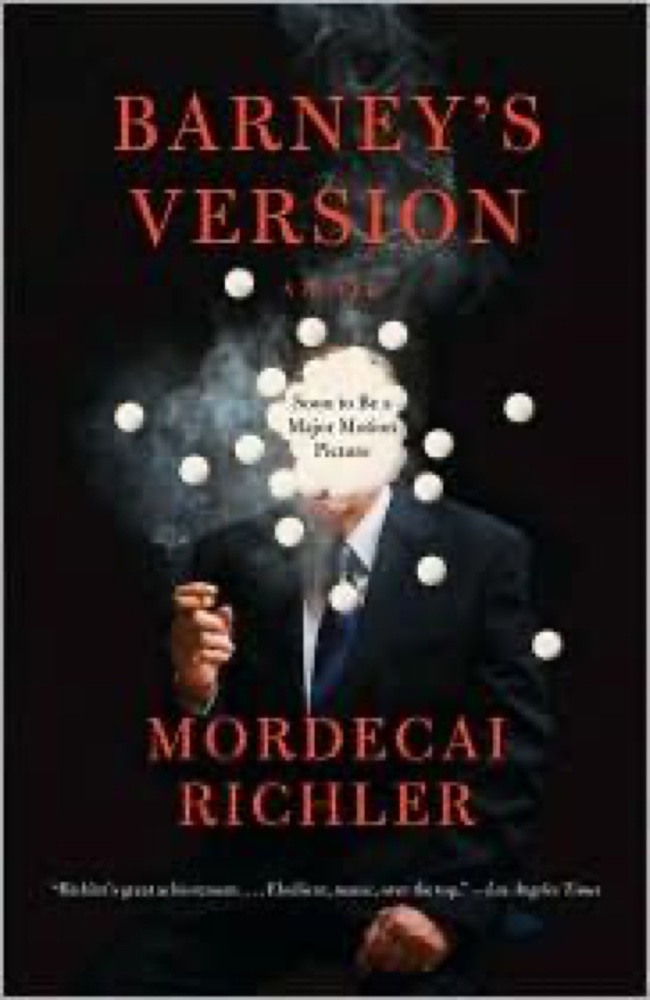 Barney's Version
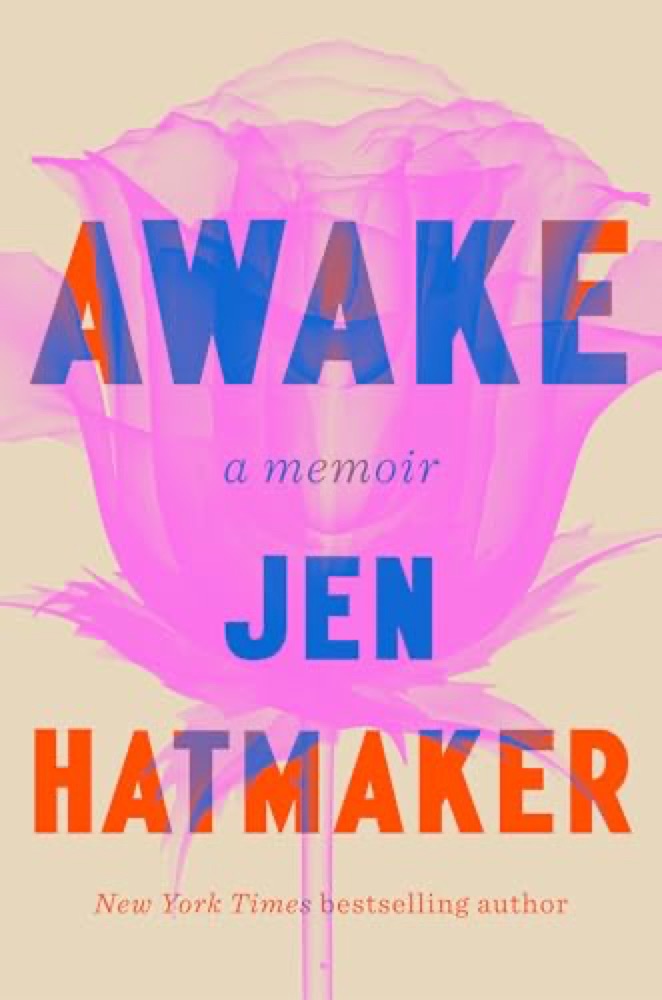 Awake
Awake
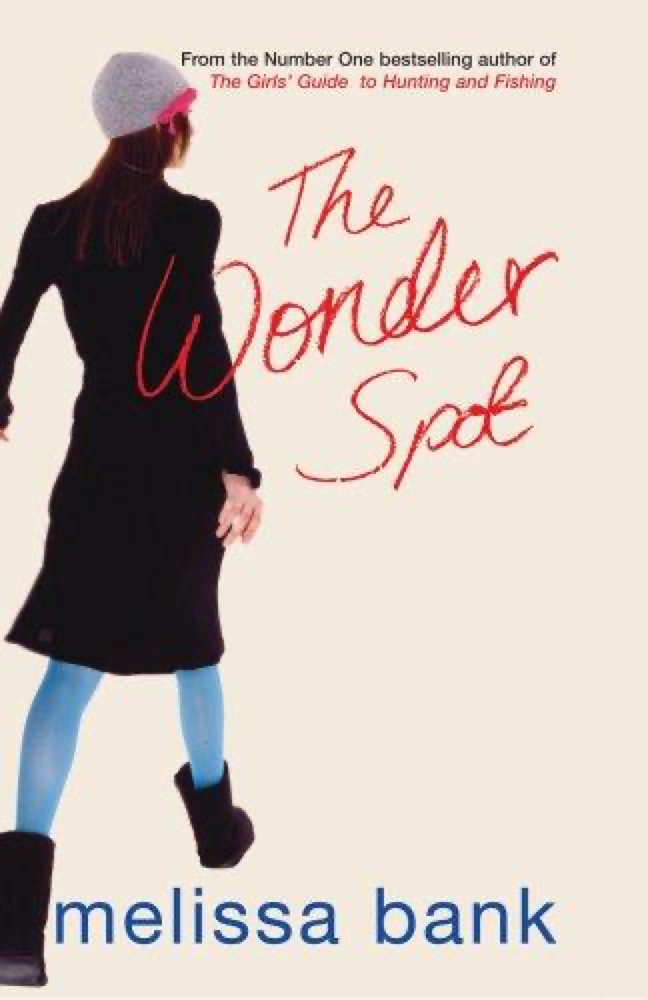 The Wonder Spot
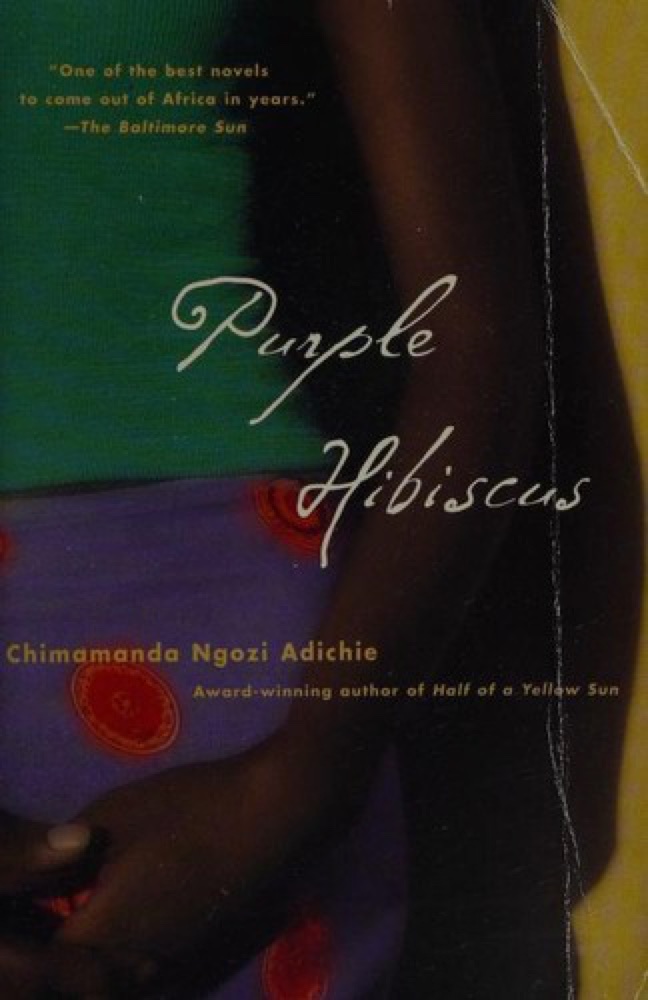 Purple Hibiscus
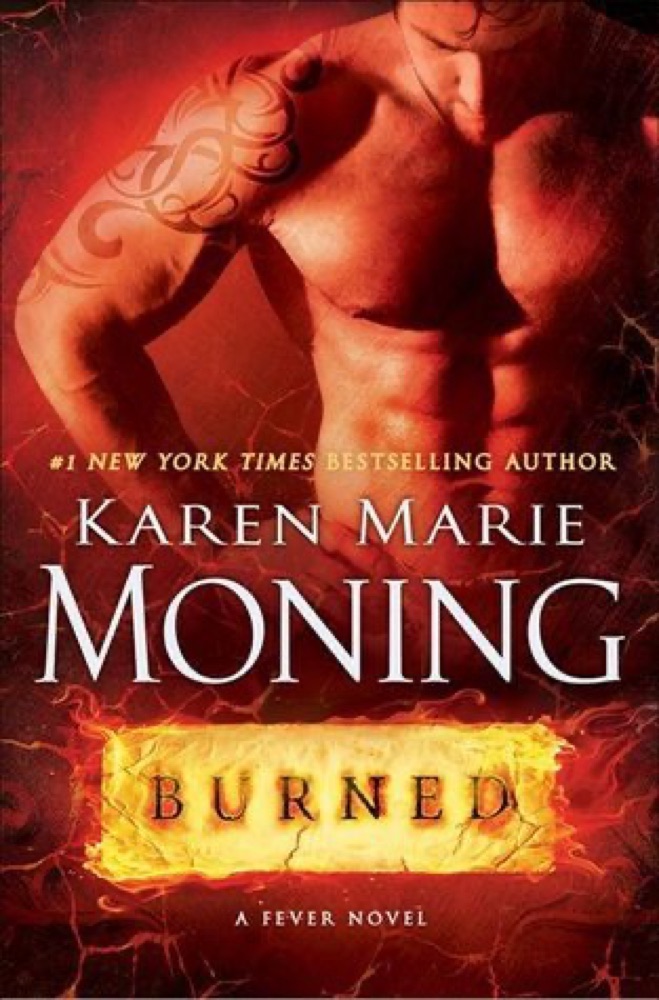 Burned
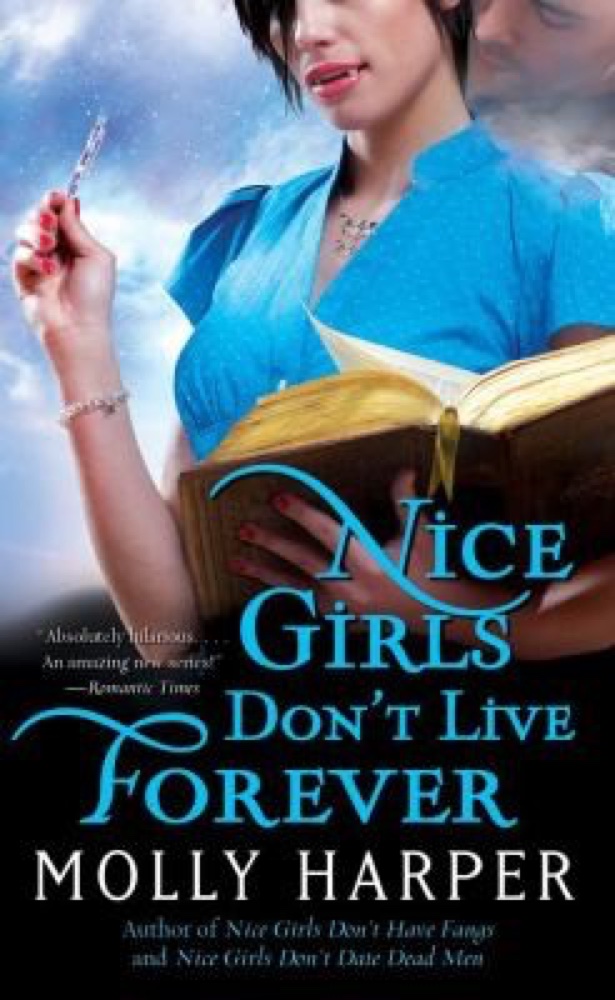 Nice Girls Don't Live Forever
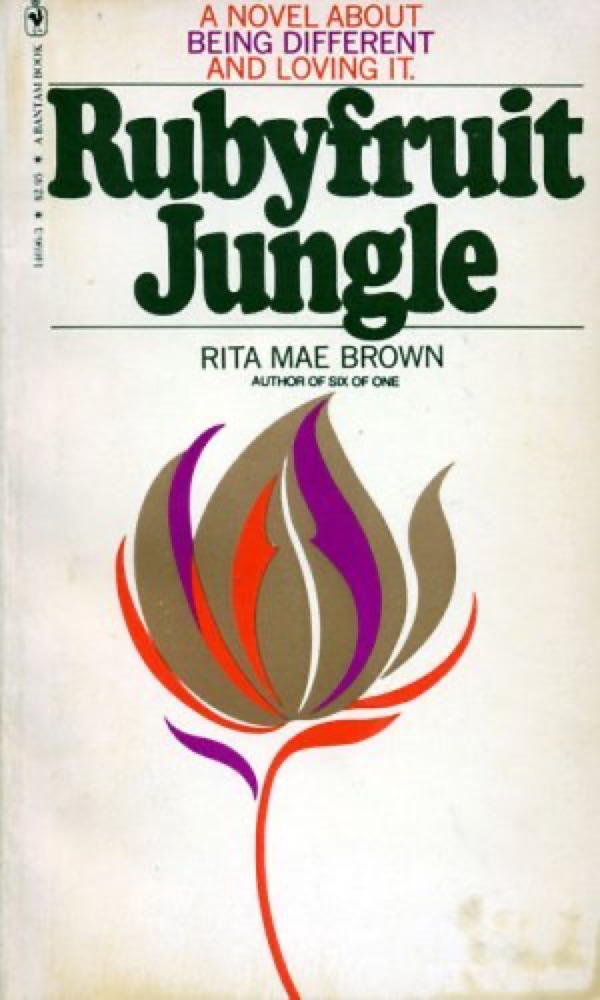 Rubyfruit Jungle
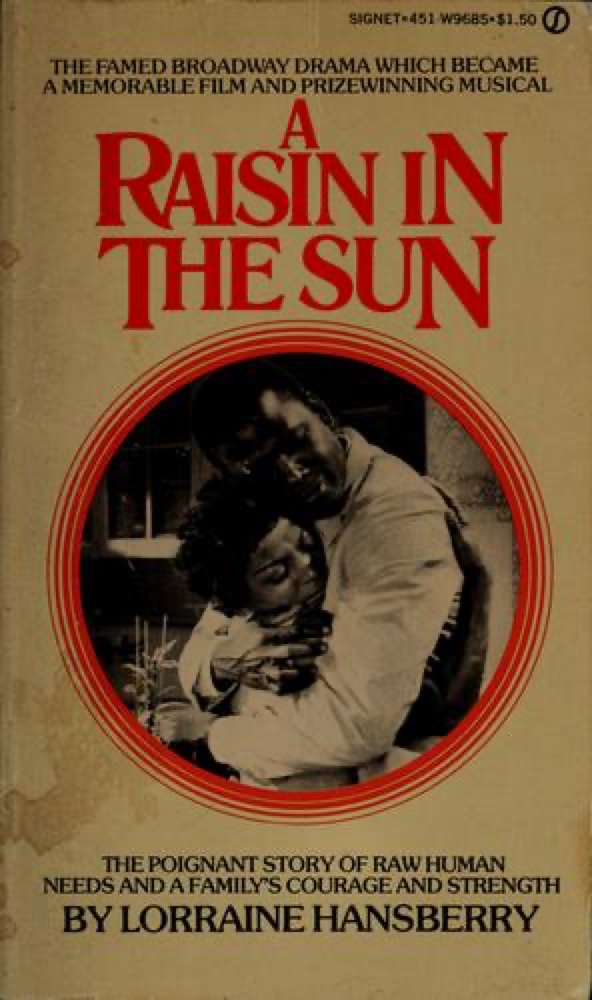 A Raisin in the Sun
 The Sleepwalker's Guide to Dancing
 Caught
 Cold Days
 Sarah's Key
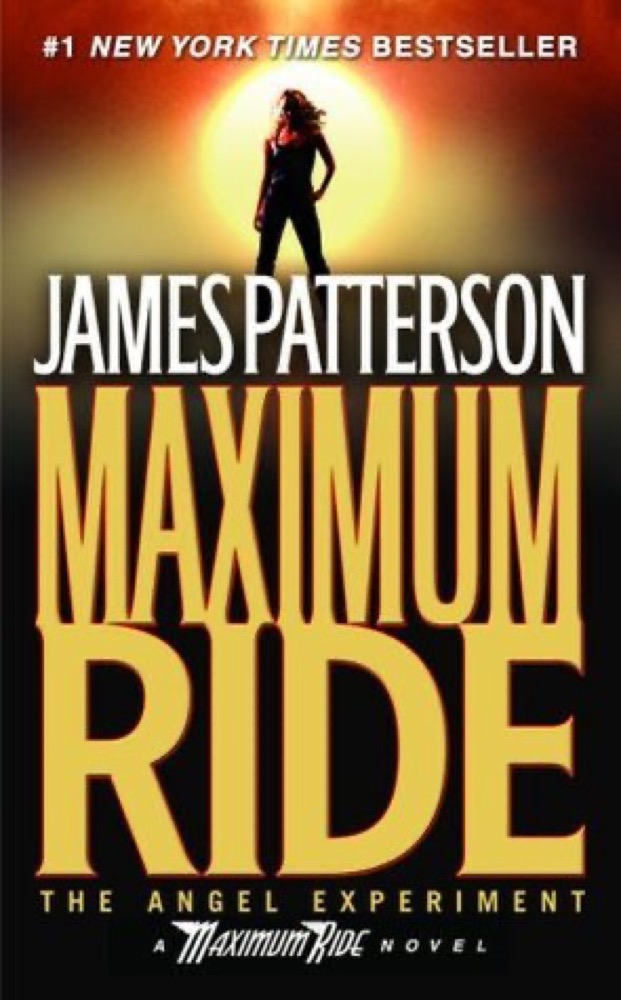 Angel
Angel
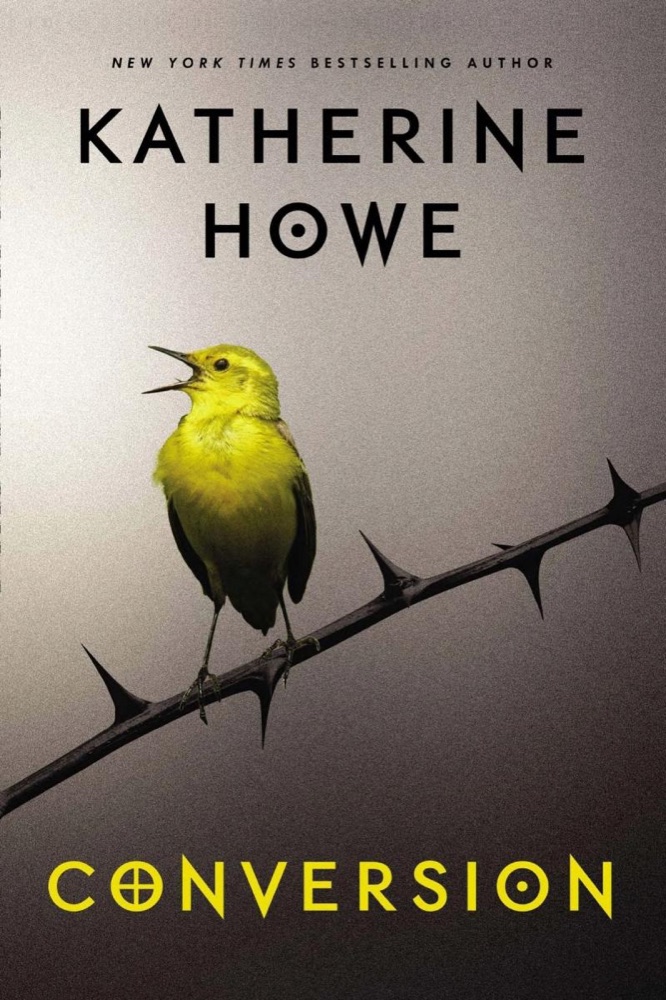 Conversion
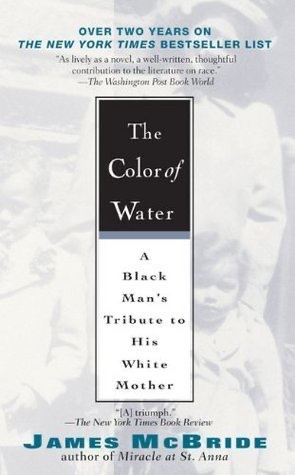 The Color of Water: A Black Man's Tribute to His White Mother
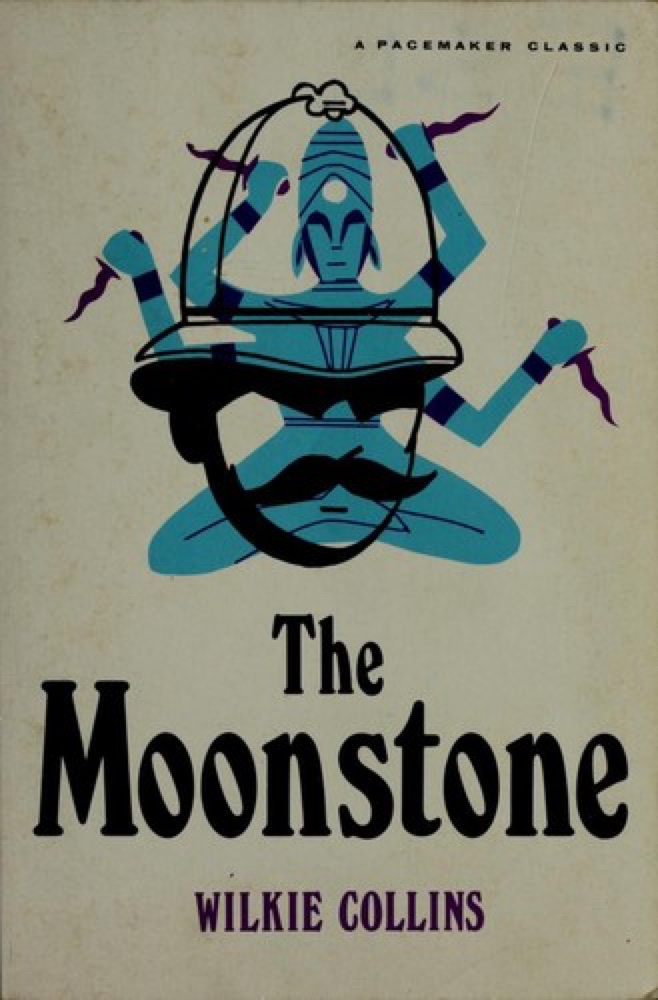 The Moonstone
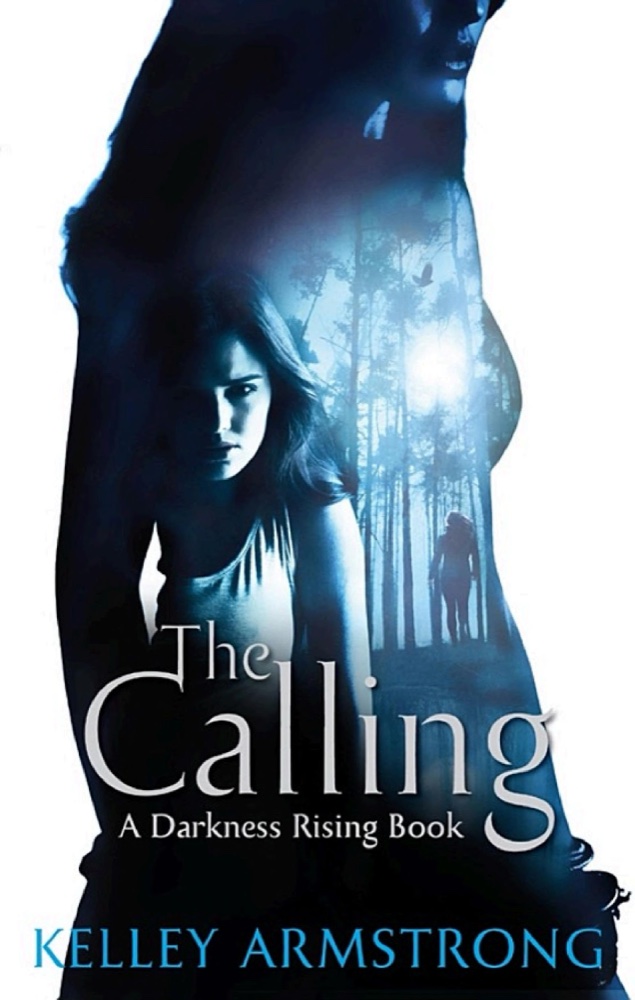 The Calling
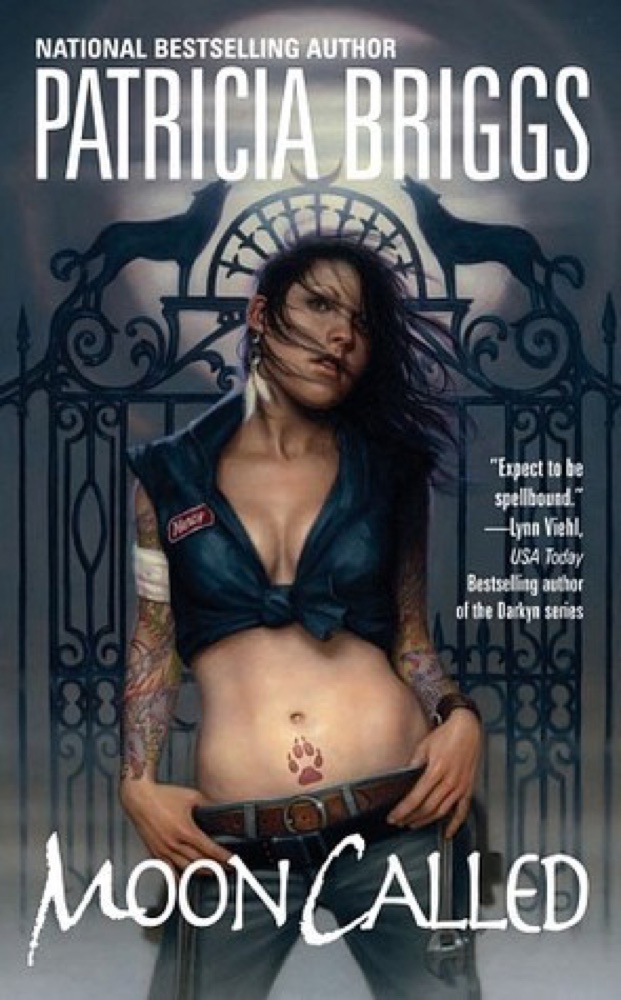 Moon Called
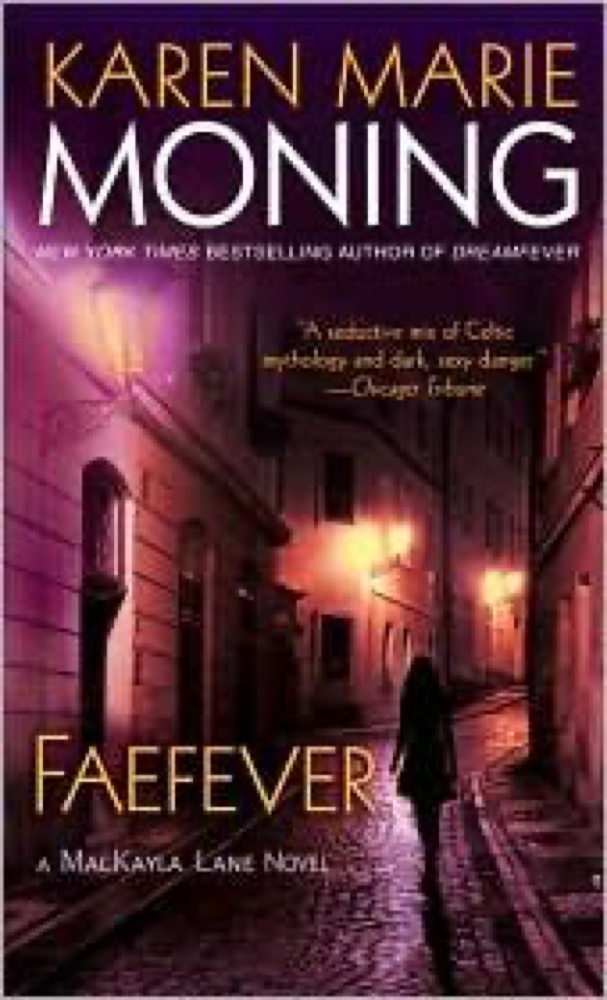 Faefever
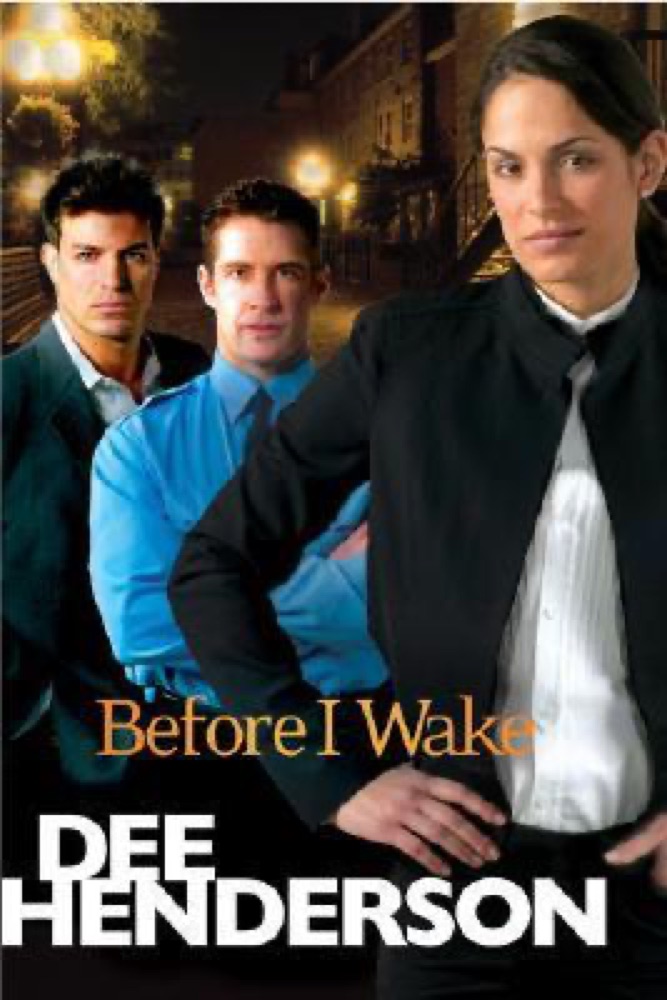 Before I Wake
 A Week to be Wicked
 The Thin Man
 Hex Hall
 The Unidentified Redhead
 The Help