 Cities of the Plain
Quotes from the Book
How might a man reorder his conduct if he could be assured that the worth of a perception, a memory, a supposition, was enhanced rather than diminished by its being inexplicable to others? And what could a man not accomplish, freed from any obligation to search for so-called truths apart from those demonstrated by his search for a truth peculiar to him?
10
...our joys and pleasures are only a compromise between our wants and our circumstances.
3
Every plainsman knows he has to find his place. The man who stays in his native district wishes he had arrived there after a long journey. And the man who travels begins to fear that he may not find a fitting end to his journey. I've spent my life trying to see my own place as a journey I never made.
3
There must have been many a man who knew, without leaving his own narrow district of the plains, that his heart enclosed every land he could have travelled to;
2
I can only say that I sense about each of them a quiet dedication to proving that the plains are not what many plainsmen take them for. They are not, that is, a vast theatre that adds significance to the events enacted within it. Nor are they an immense field for explorers of every kind. They are simply a convenient source of metaphors for those who know that men invent their own meanings.
1
no film could show more than those sights that a man's eyes rested on when he had given up the effort to observe.
1
They supposed that their tinted papers showed something of what a man saw apart from himself--something they called the visible world. But they had never considered where that world must lie. They fondled their scraps of paper and admired the stains and blotches seemingly fixed there. But did they know that all the while the great tide of daylight was ebbing away from all they looked at and pouring through the holes in their faces into a profound darkness? If the visible world was anywhere, it was somewhere in that darkness--an island lapped by the boundless ocean of the visible.
1
But, as I knew from my research among borrowed books and my long conversations in saloon bars, the public had soon tired of quarrels among artists. For many years the two inimical theories were of interest to no-one but a few diehards hunched over acrid wines in back bars or haranguing casual acquaintances at opening nights in inferior art galleries
Someone has been looking at us and our precious land. We're disappearing through the dark hole of an eye that we're not even aware of.
They could foresee another morning when they walked inside from the sunlight and began to drink seriously and steadily until all the baffling brightness of the world was only a glowing horizon at the far edge of their deep private twilight
I do not care to inspect too closely those other lives lived by men who might almost have been myself
... with their afternoon's work done and settled themselves at the bar to achieve their lifelong task of shaping from uneventful days in a flat landscape the substance of myth
What might not follow, they ask themselves, if there should be nothing more substantial in all our experience than those discoveries that seem too slight to signify anything apart from their own brief occurrence? How might a man re-order his conduct if he could be assured that the worth of a perception, a memory, a supposition, was enhanced rather than diminished by its being inexplicable to others? And what could a man not accomplish, freed from any obligation to search for socalled truths apart from those demonstrated by his search for a truth peculiar to him?
For the thinkers of that school disregard the question whether a possibility, once entertained, may seem one day to correspond to some meagre arrangement of events. They give all their attention to the possibility itself and esteem it according to its amplitude and to the length of time for which it survives just beyond reach of the haphazard disposition of sights and sounds which is called, in careless speech, actuality, and has been considered, perhaps even by a few plainsmen, to represent the extinction of all possibilities.
Readers and audiences on the plains were seldom impressed by outbursts of emotion or violent conflicts or sudden calamities. They supposed that the artists who presented such things had been beguiled by the noises of crowds or the profusions of shapes and surfaces in the foreshortened landscapes of the world beyond the plains. The plainsman’s heroes, in life and in art, were such as the man who went home every afternoon for thirty years to an unexceptional house with neat lawns and listless shrubs and sat late into the night deciding on the route of a journey that he might have followed for thirty years only to arrive at the place where he sat—or the man who would never take even the one road that led away from his isolated farmhouse for fear that he would not recognise the place if he saw it from the distant vantage points that others used.
A man can know his place and yet never try to reach it.
Watch on YouTube
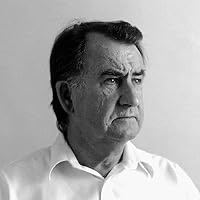
About Gerald Murnane
We have collected 16 quotes from 1 book by Gerald Murnane on BookQuoters.
More about the author →About the book
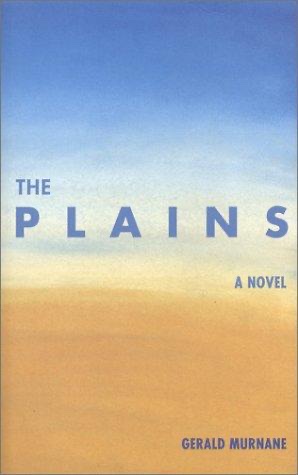
On their vast estates, the landowning families of the plains have preserved a rich and distinctive culture. Obsessed with their own habitat and history, they hire artisans, writers and historians to record in minute detail every aspect of their lives, and the nature of their land. A young film-maker arrives on the plains, hoping to make his own contribution to the elaboration of this history. In a private library he begins to take notes for a film, and chooses the daughter of his patron for a leading role.
Twenty years later, he begins to tell his haunting story of life on the plains. As his story unfolds, the novel becomes, in the words of Murray Bail, 'a mirage of landscape, memory, love and literature itself'.
Book details
- First published
- 1982
- Author
- Gerald Murnane
- Genre
- Fiction
- Goodreads rating
- 3.65 (3k ratings)
Keep reading
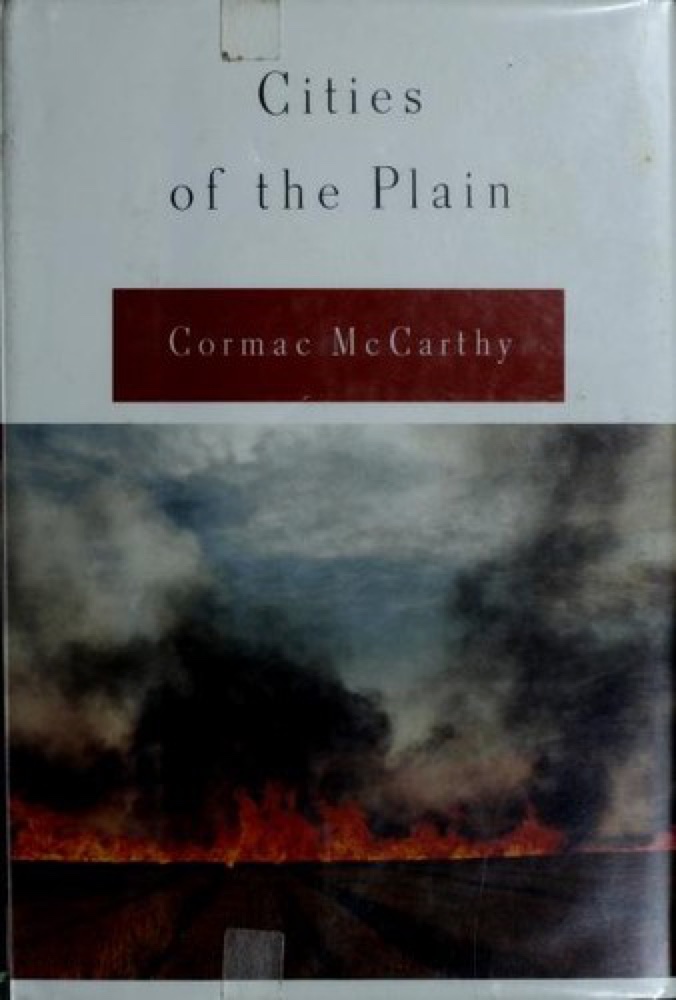
Cities of the Plain
 West with the Night
 Swann's Way
 Walden & Civil Disobedience
 Arctic Dreams
 The Map of Time
 In Search of Lost Time
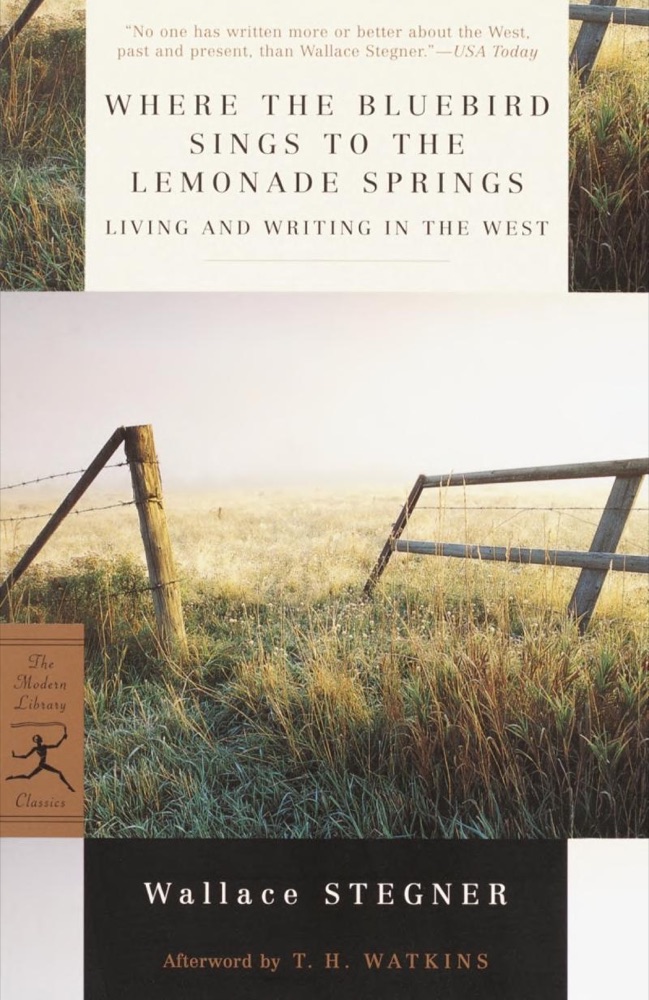 Where the Bluebird Sings to the Lemonade Springs: Living and Writing in the West
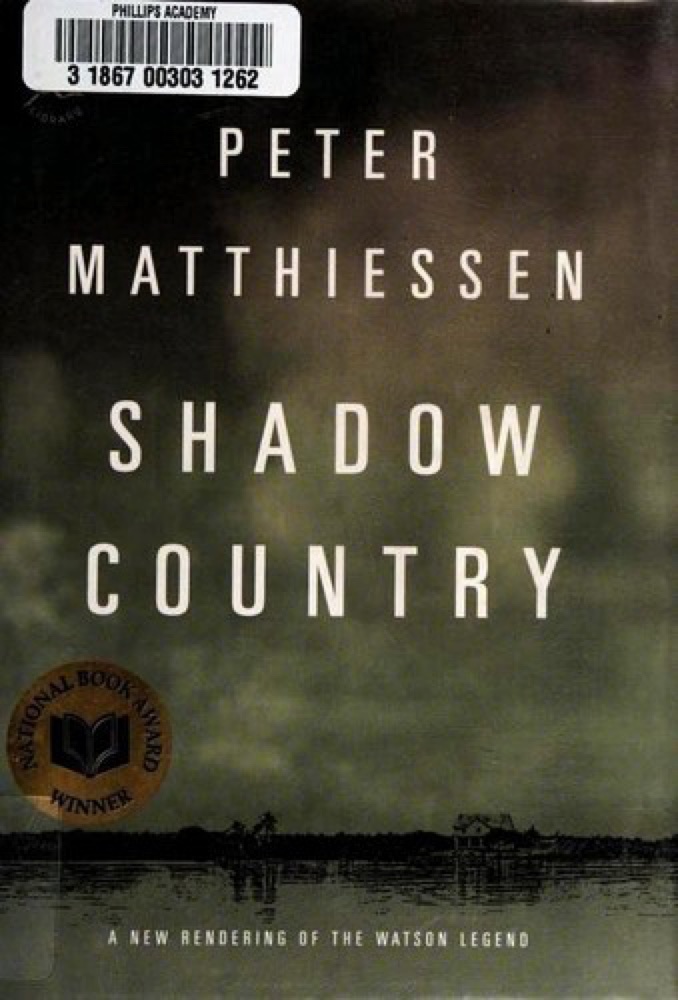 Shadow Country
 The Luminaries
 Blood Meridian: Or the Evening Redness in the West
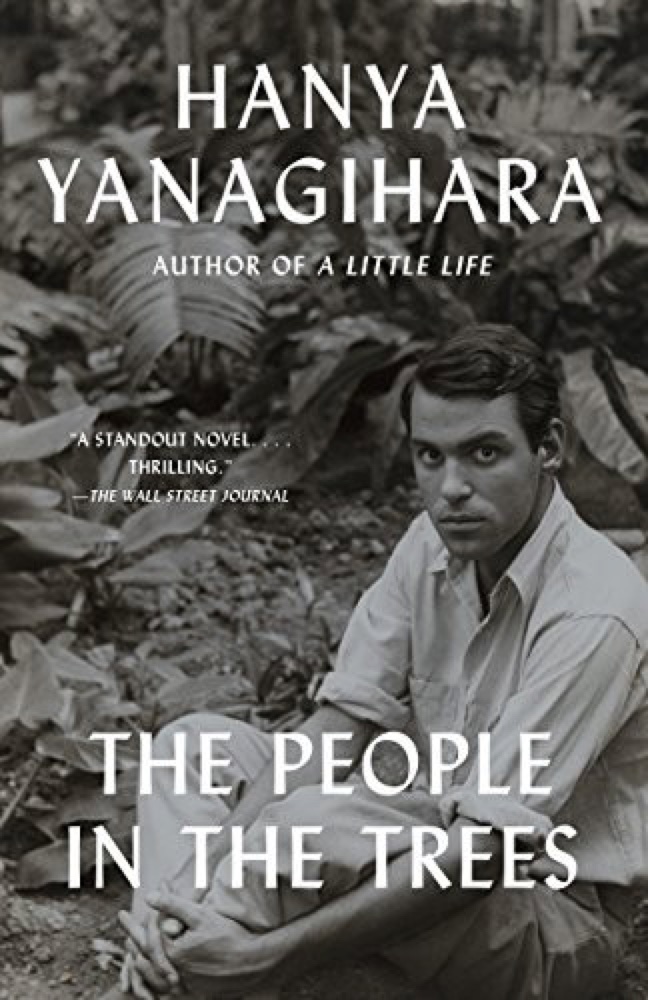 The People in the Trees
 The Narrow Road to the Deep North
 Blood Meridian, or the Evening Redness in the West
 The Professor's House
 Beautiful Ruins
 The Doors of Perception
 Austerlitz
 O Pioneers!
 A Bend in the River
 A Passage to India
 The Cat's Table
 You Can't Go Home Again
 Blue Highways
 The Selected Works of T.S. Spivet
 The Man Without Qualities
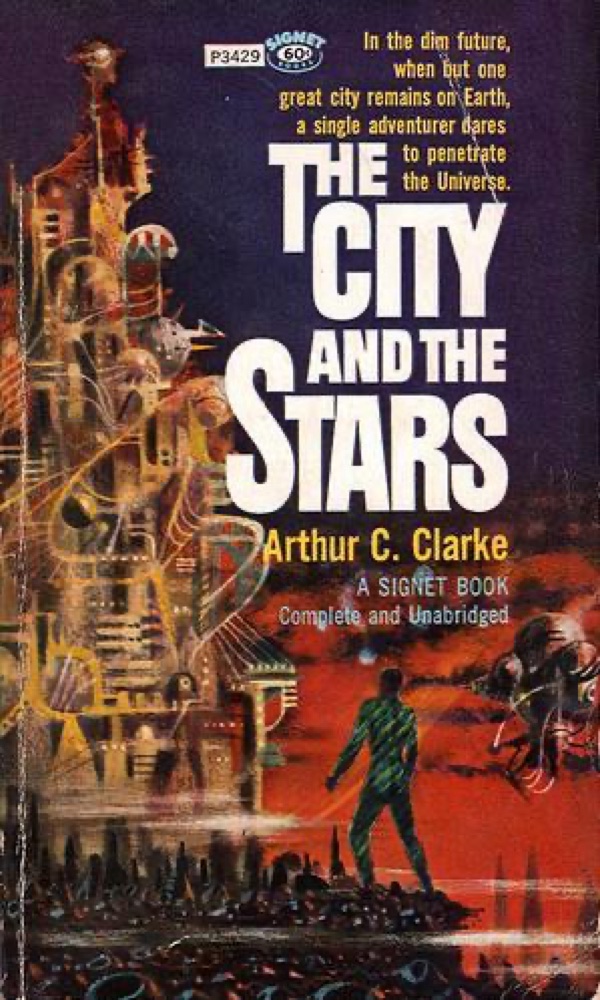 The City and the Stars
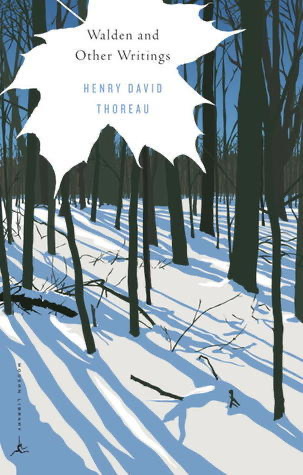 Walden and other writings
 The White Album
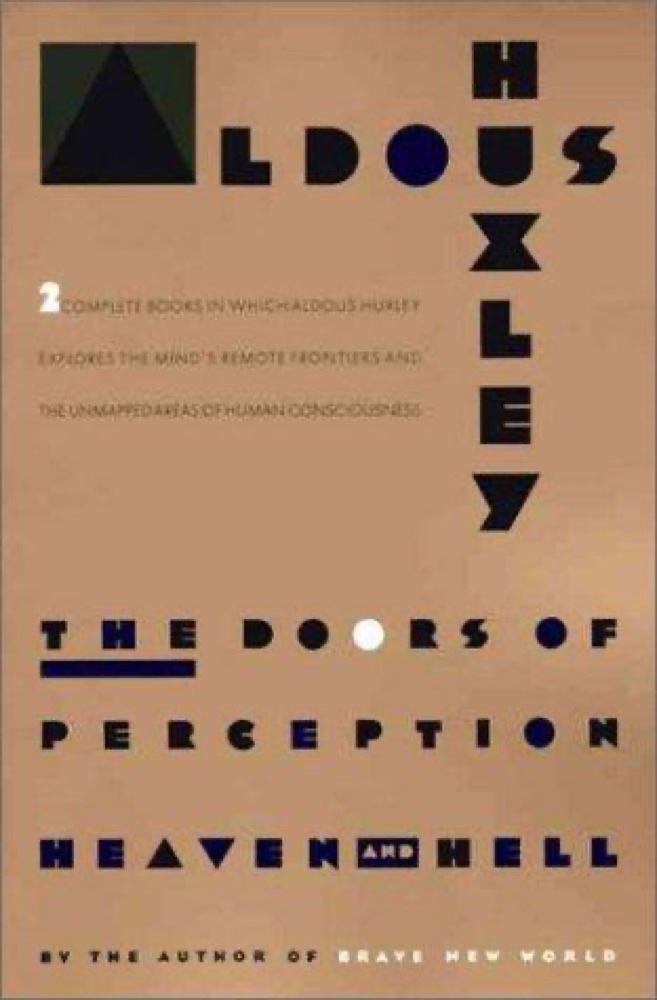 The Doors of Perception & Heaven and Hell
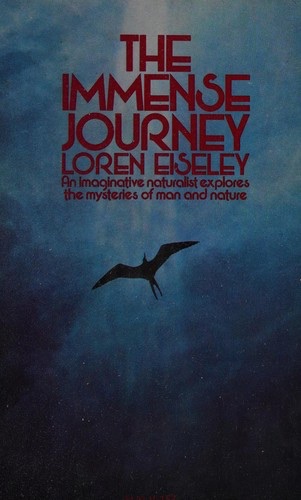 The Immense Journey
 The Art of Travel
 The Great Mistake
 This Is Happiness
 The Time Machine
 In the Distance
 In the Light of What We Know
 The Empusium
 Netherland
 Flights
 Flatland: A Romance of Many Dimensions
 The Golden House
 The Sheltering Sky
 The Stone Diaries
 Independent People
 The Stories of Vladimir Nabokov
 The Ground Beneath Her Feet
 Collected Fictions
 Outline
 Earth Abides
 The Pale King
 Lost Horizon
 Illuminations: Essays and Reflections
 Out of the Silent Planet
 The Invention of Solitude
 The Angel Esmeralda
 TransAtlantic
 Peace
Peace
 Point Omega
 The Etched City