
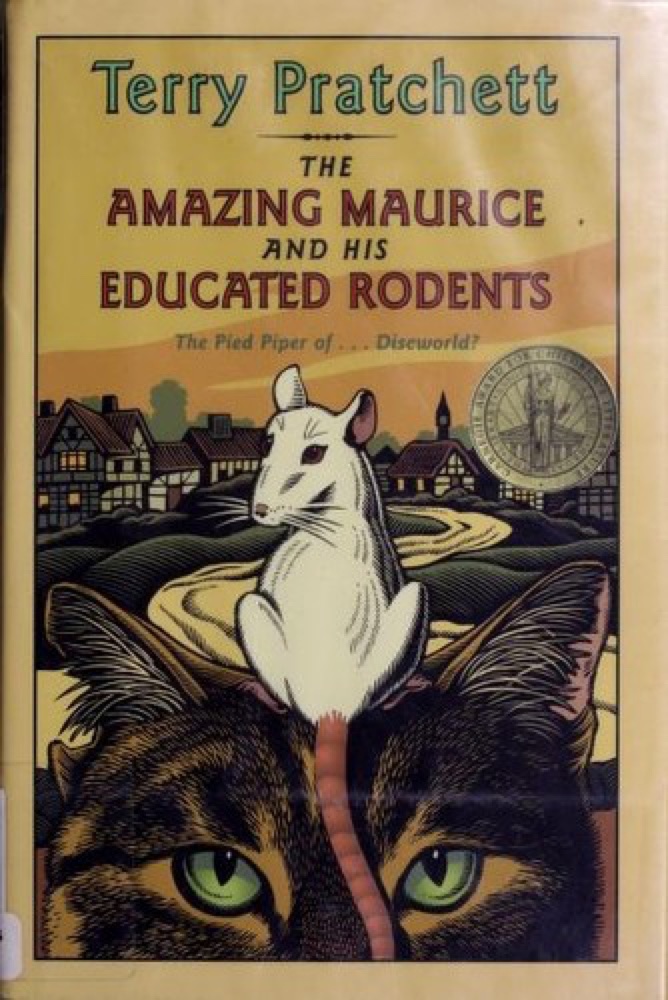
 The Amazing Maurice and His Educated Rodents
Quotes from the Book
Inside every sane person there's a madman struggling to get out," said the shopkeeper. "That's what I've always thought. No one goes mad quicker than a totally sane person.
693
The sun rose slowly, as if it wasn't sure it was worth all the effort.
364
Grinning like a necrophiliac in a morgue.
285
The important thing about having lots of things to remember is that you’ve got to go somewhere afterwards where you can remember them, you see? You’ve got to stop. You haven’t really been anywhere until you’ve got back home.
142
It looked like the sort of book described in library catalogues as 'slightly foxed', although it would be more honest to admit that it looked as though it had been badgered, wolved and possibly beared as well.
124
Unseen University had never admitted women, muttering something about problems with the plumbing, but the real reason was an unspoken dread that if women were allowed to mess around with magic they would probably be embarrassingly good at it…
106
He moved in a way that suggested he was attempting the world speed record for the nonchalant walk.
106
He felt that the darkness was full of unimaginable horrors - and the trouble with unimaginable horrors was that they were only too easy to imagine...
89
Ankh-Morpork! Pearl of cities! This is not a completely accurate description, of course — it was not round and shiny — but even its worst enemies would agree that if you had to liken Ankh-Morpork to anything, then it might as well be a piece of rubbish covered with the diseased secretions of a dying mollusc.
87
The disc, being flat, has no real horizon. Any adventurous sailor who got funny ideas from staring at eggs and oranges for too long and set out for the antipodes soon learned that the reason why distant ships sometimes looked as though they were disappearing over the edge of the world was that they were disappearing over the edge of the world.
85
You haven't really been anywhere until you've got back home.
81
...All the shops have been smashed open. There was a whole bunch of people across the street helping themselves to musical instruments, can you believe that?" "Yeah," said Rincewind. "...Luters, I expect.
72
Now, there is a tendency at a point like this to look over one’s shoulder at the cover artist and start going on at length about leather, tightboots and naked blades. Words like ‘full’, ‘round’ and even ‘pert’ creep into the narrative, until the writer has to go and have a cold shower and a lie down. Which is all rather silly, because any woman setting out to make a living by the sword isn’t about to go around looking like something off the cover of the more advanced kind of lingerie catalogue for the specialized buyer. Oh well, all right. The point that must be made is that although Herrena the Henna-Haired Harridan would look quite stunning after a good bath, a heavy-duty manicure, and the pick of the leather racks in Woo Hun Ling’s Oriental Exotica and Martial Aids on Heroes Street, she was currently quite sensibly dressed in light chain mail, soft boots, and a short sword. All right, maybe the boots were leather. But not black.
61
He'sh mad?" "Sort of mad. But mad with lots of money." "Ah, then he can’t be mad. I've been around; if a man hash lotsh of money he'sh just ecshentric.
59
Do you think there’s anything to eat in this forest?” “Yes,” said the wizard bitterly, “us.
55
The forest of Skund was indeed enchanted, which was nothing unusual on the Disc, and was also the only forest in the whole universe to be called -- in the local language -- Your Finger You Fool, which was the literal meaning of the word Skund. The reason for this is regrettably all too common. When the first explorers from the warm lands around the Circle Sea travelled into the chilly hinterland they filled in the blank spaces on their maps by grabbing the nearest native, pointing at some distant landmark, speaking very clearly in a loud voice, and writing down whatever the bemused man told them. Thus were immortalised in generations of atlases such geographical oddities as Just A Mountain, I Don't Know, What? and, of course, Your Finger You Fool. Rainclouds clustered around the bald heights of Mt. Oolskunrahod ('Who is this Fool who does Not Know what a Mountain is') and the Luggage settled itself more comfortably under a dripping tree, which tried unsuccessfully to strike up a conversation.
53
Not for the first time she reflected that there were many drawbacks to being a swordswoman, not least of which was that men didn't take you seriously until you'd actually killed them, by which time it didn't really matter anyway.
49
The Luggage said nothing, but louder this time.
49
As large as worlds. As old as Time. As patient as a brick.
49
...the little man's total obliviousness to all forms of danger somehow made danger so discouraged that it gave up and went away.
46
The universe, they say, depended for its operation on the balance of four forces which they identified as charm, persuasion, uncertainty, and bloody-mindedness.
39
The short conversation that follows eventually led to a tree religion. Its tenet of faith was this: a tree that was a good tree and led a clean decent and upstanding life could be assured of a future life after death. If it was very good indeed it would eventually be reincarnated as five thousand rolls of lavatory paper.
30
Twoflower didn't just look at the world through rose-tinted spectacles, Rincewind knew--he looked at it through a rose-tinted brain, too, and heard it through rose-tinted ears.
26
It was a still night, tinted with the promise of dawn. A crescent moon was just setting. Ankh-Morpork, largest city in the lands around the Circle Sea, slept. That statement is not really true On the one hand, those parts of the city which normally concerned themselves with, for example, selling vegetables, shoeing horses, carving exquisite small jade ornaments, changing money and making tables, on the whole, slept. Unless they had insomnia. Or had got up in the night, as it might be, to go to the lavatory. On the other hand, many of the less law-abiding citizens were wide awake and, for instance, climbing through windows that didn’t belong to them, slitting throats, mugging one another, listening to loud music in smoky cellars and generally having a lot more fun. But most of the animals were asleep, except for the rats. And the bats, too, of course. As far as the insects were concerned… The point is that descriptive writing is very rarely entirely accurate and during the reign of Olaf Quimby II as Patrician of Ankh some legislation was passed in a determined attempt to put a stop to this sort of thing and introduce some honesty into reporting. Thus, if a legend said of a notable hero that “all men spoke of his prowess” any bard who valued his life would add hastily “except for a couple of people in his home village who thought he was a liar, and quite a lot of other people who had never really heard of him.” Poetic simile was strictly limited to statements like “his mighty steed was as fleet as the wind on a fairly calm day, say about Force Three,” and any loose talk about a beloved having a face that launched a thousand ships would have to be backed by evidence that the object of desire did indeed look like a bottle of champagne.
20
This is no way to treat a book,” he said. “Look, he's bent the spine right back. People always do that, they've got no idea of how to treat them.
18
But she was too big to be a thief, too honest to be an assassin, too intelligent to be a wife, and too proud to enter the only other female profession generally available.
18
It had a very long pendulum, and the pendulum swung with a slow tick-tock that set his teeth on edge, because it was the kind of deliberate annoying ticking that wanted to make it abundantly clear that every tick and every tock was stripping another second off your life. It was the kind of sound that suggested very pointedly that in some hypothetical hourglass somewhere, another few grains of sand had dropped out form under you.
18
...Greyhald Spold knows that Death is looking for him, and has spent many years designing an impregnable hiding place. He has just set the complicated clockwork of the lock and shut the lid, lying back in the knowledge that here at last is the perfect defence against the most ultimate of all his enemies, although as yet he has not considered the important part that airholes must play in an enterprise of this kind. And right beside him, very lose to his ear, a voice has just said: DARK IN HERE, ISN'T IT?
15
Rincewind's feet made their own decision and, from the point of view of his head, got it entirely wrong.
13
Did you know?
- It is the second novel in Terry Pratchett's Discworld series and the second to feature the wizard Rincewind.
- The story continues directly from the cliffhanger ending of the first Discworld novel, The Colour of Magic.
- It introduces Cohen the Barbarian, an elderly parody of the heroic-barbarian archetype.
- The Colin Smythe first edition was published on 2 June 1986.
- Along with The Colour of Magic, it was adapted into a 2008 live-action television production starring David Jason as Rincewind.
- An illustrated graphic-novel adaptation was released in the early 1990s.
About Terry Pratchett
Sir Terry Pratchett (1948-2015) was an English author best known for his satirical Discworld series of comic fantasy novels. One of the UK's best-selling authors, he was knighted for services to literature in 2009.
More about the author →More by Terry Pratchett
All books by Terry Pratchett →
About the book
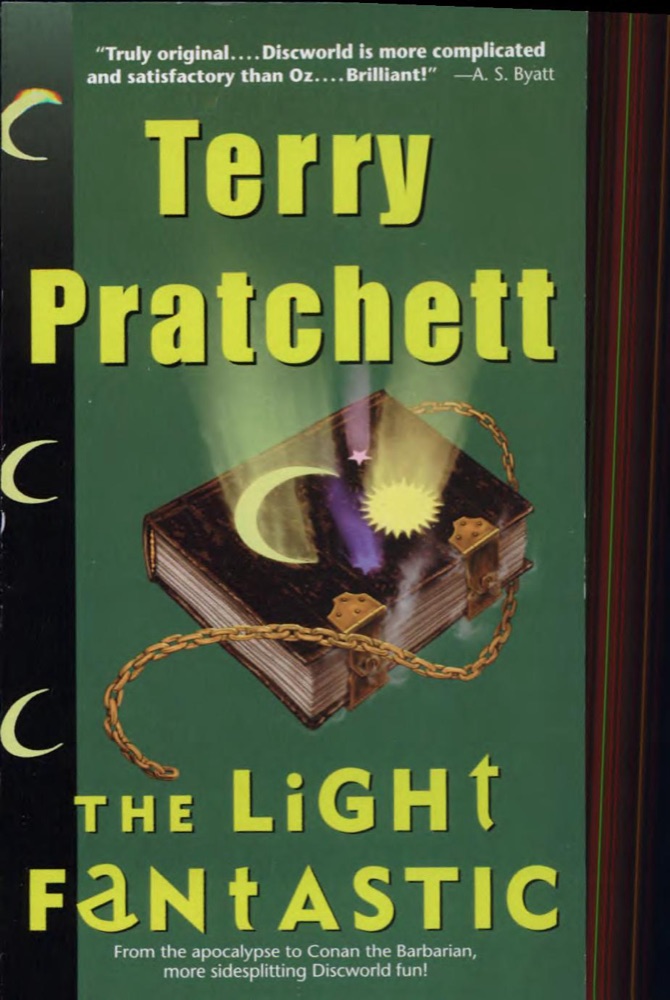
The Light Fantastic is Terry Pratchett's second Discworld novel, picking up exactly where The Colour of Magic left off. The cowardly, perpetually fleeing wizard Rincewind and the wide-eyed tourist Twoflower (plus the murderous, sentient Luggage) are saved from a fatal fall when reality rearranges itself to protect one of the eight great spells from the Octavo, which has lodged itself in Rincewind's head. With an ominous red star looming ever larger over the Disc, the spell becomes the key to averting catastrophe, sending the unlikely pair on a chaotic journey across the world that carries them past druids, a roving magic shop, and the ranks of Unseen University's scheming wizards.
Like the book before it, The Light Fantastic is rooted in affectionate parody of sword-and-sorcery fantasy, sending up its tropes through figures such as Cohen the Barbarian, an arthritic, toothless octogenarian hero. Beneath the slapstick and footnoted wordplay, the novel develops recurring Discworld concerns: the unreliability of magic, the absurd machinery of fate and belief, and the value of ordinary cowardice and decency over heroic posturing. It is also the book in which Pratchett begins to deepen the friendship between Rincewind and Twoflower into something with genuine warmth.
The Light Fantastic marked the point at which Pratchett's Discworld began to find its footing as a series rather than a one-off comic experiment, completing the two-part Rincewind story that opened the saga. It helped establish the long-running franchise that would grow to more than forty novels and make Pratchett one of Britain's best-selling and most beloved authors. The book has remained continuously in print and was adapted, together with its predecessor, into a live-action television production.
Key characters
- RincewindAn inept, cowardly wizard with one of the Octavo's great spells stuck in his head
- TwoflowerA naive tourist from the Agatean Empire and Rincewind's companion
- The LuggageTwoflower's sentient, walking, fiercely protective travelling chest
- Cohen the BarbarianAn aged, world-weary barbarian hero, a parody of the genre's heroes
- Ymper TrymonAn ambitious, scheming wizard of Unseen University
Book details
- First published
- 1986
- Length
- 218 pages
- Series
- Discworld #2
- Reading time
- 3 hours
- Author
- Terry Pratchett
- Genre
- Fantasy
- Goodreads rating
- 4.01 (172k ratings)
Series & reading order
- 1 The Colour of Magic
- 2 The Light Fantastic
Movie & TV adaptations
- IMDb
If you liked this, read…
- 1The Colour of MagicThe directly preceding Discworld novel that this book continues.
- 2Good OmensPratchett's comic fantasy collaboration with a similar satirical wit.
Keep reading
 The Color of Magic
 Eric
Eric
 Sourcery
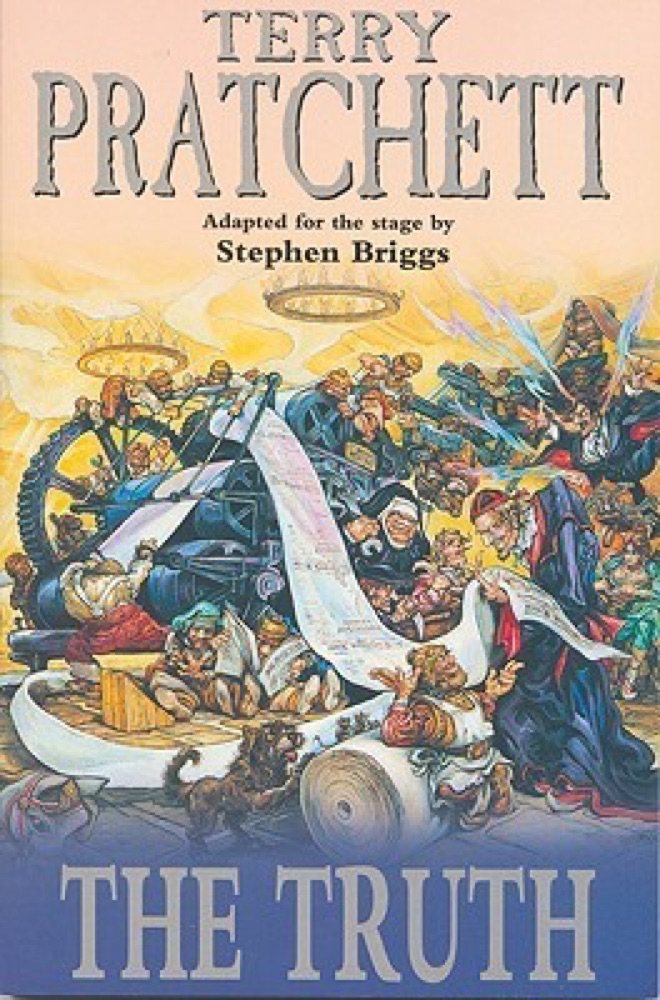 The Truth: Stage Adaptation
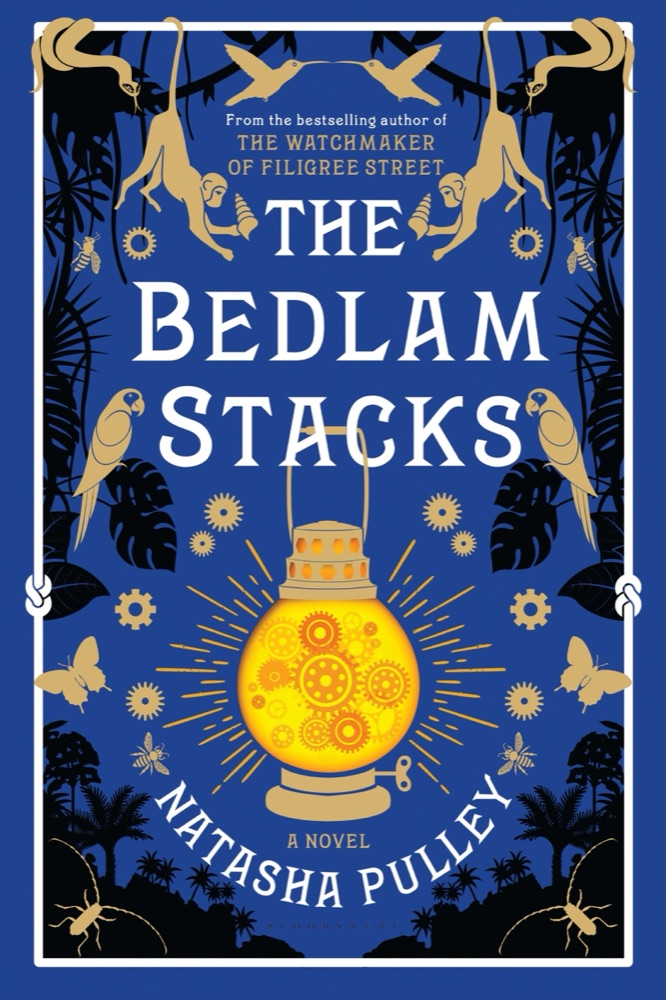 The Bedlam Stacks
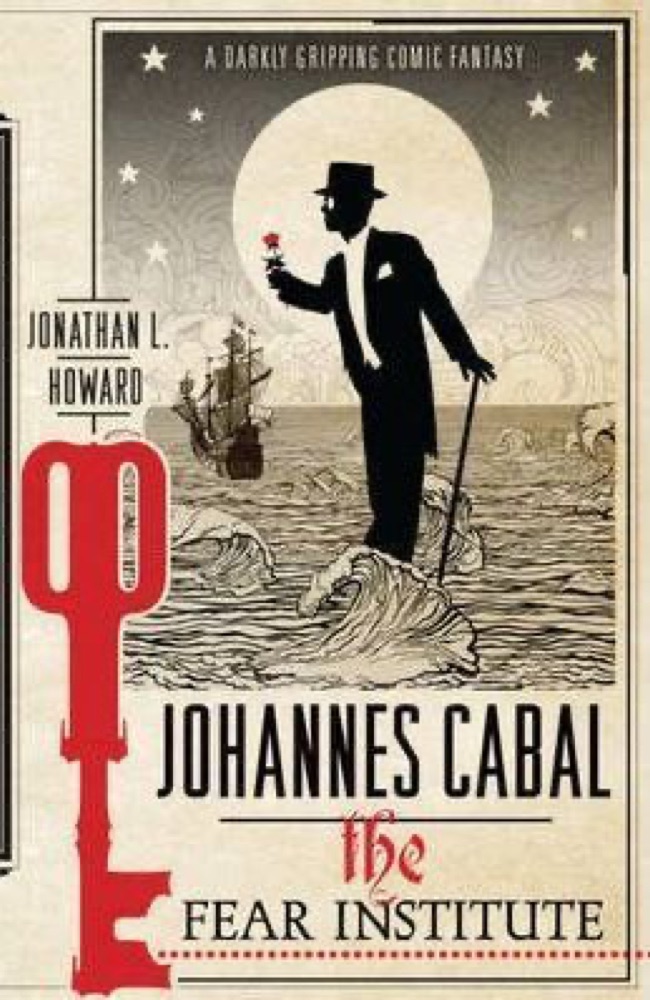 The Fear Institute
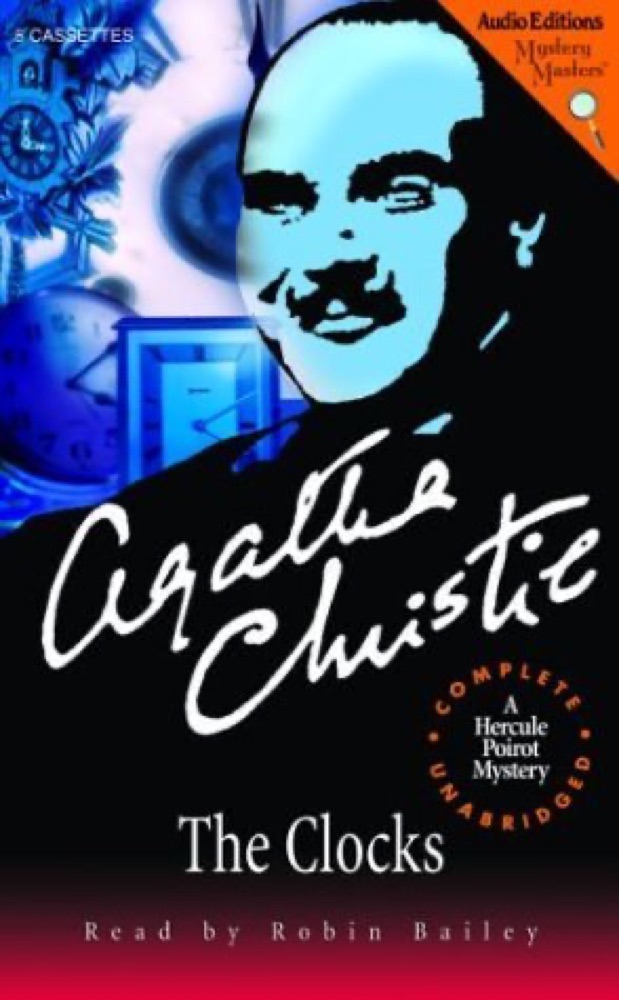 The Clocks
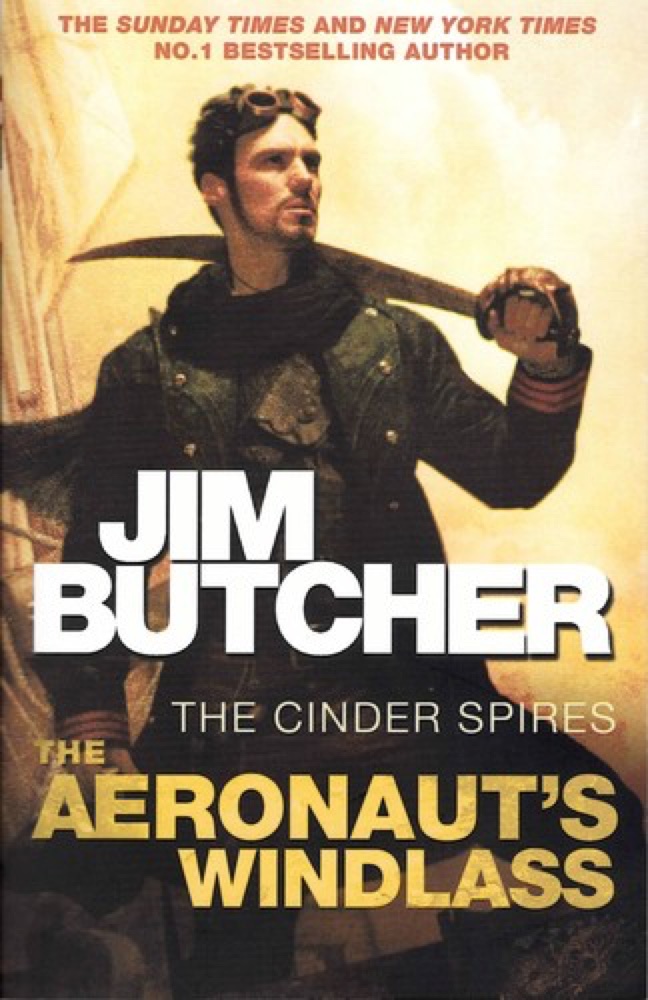 The Aeronaut's Windlass
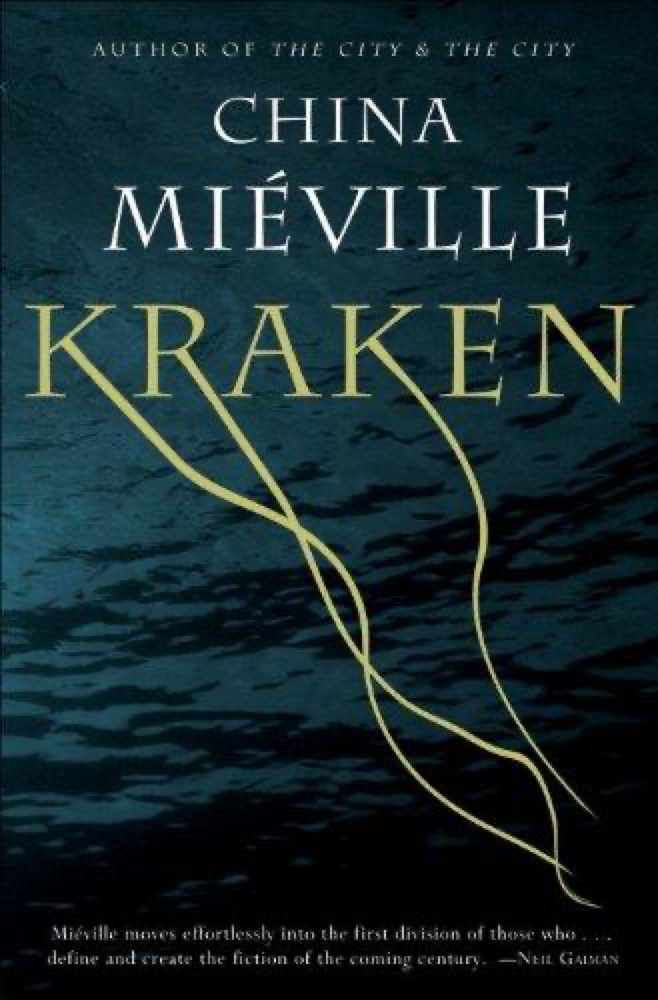 Kraken
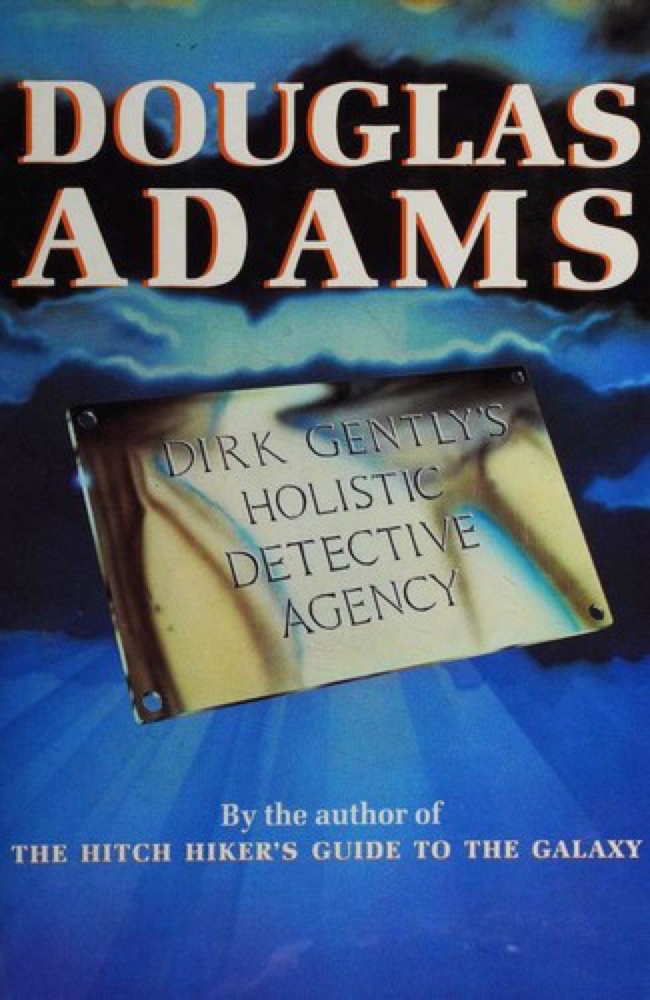 Dirk Gently's Holistic Detective Agency
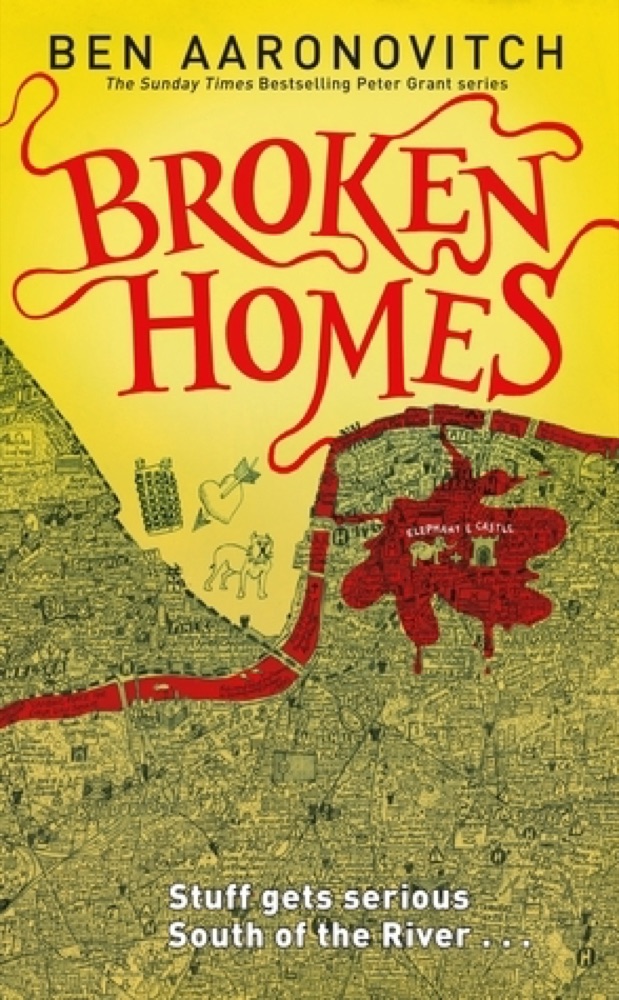 Broken Homes
 Jonathan Strange & Mr Norrell
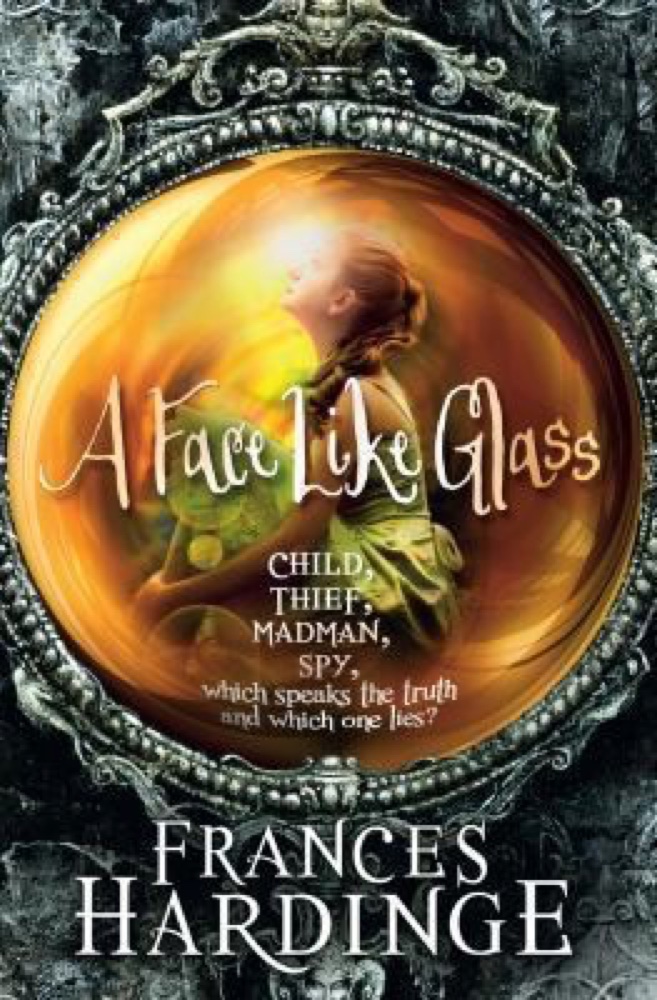 A Face Like Glass
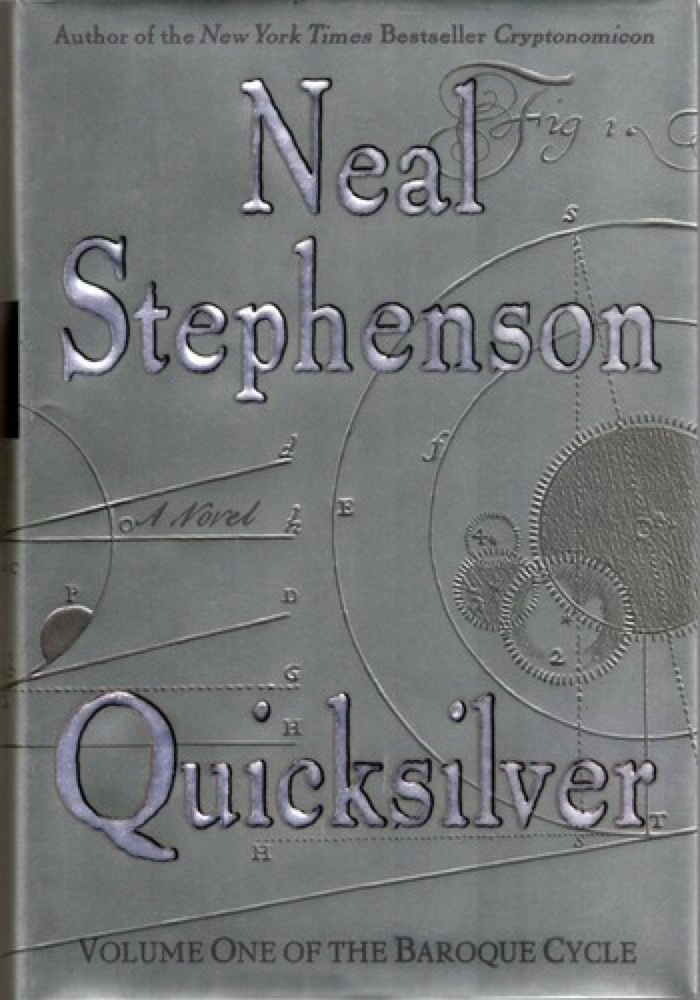 Quicksilver
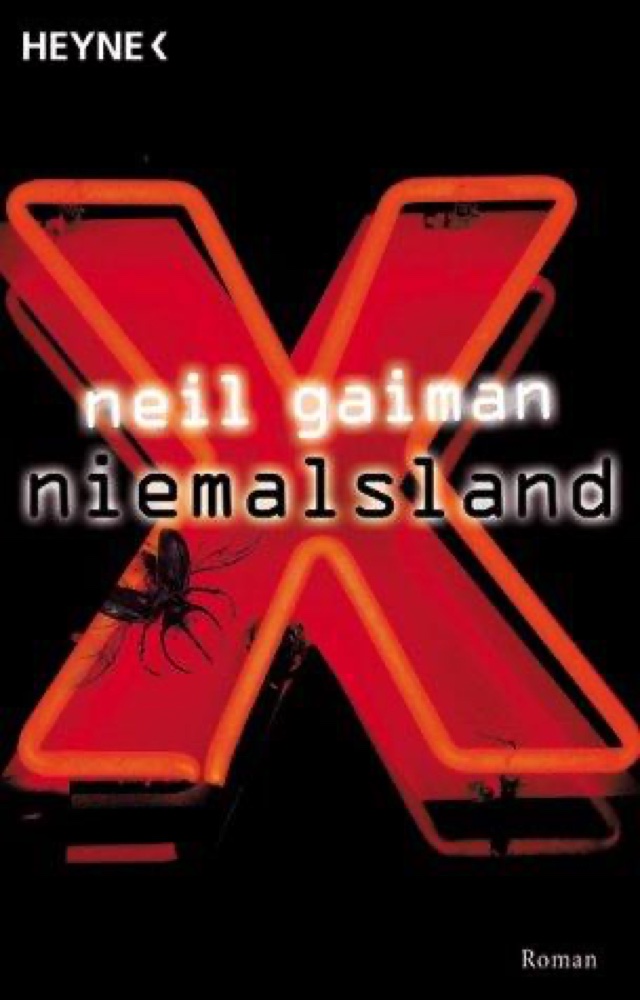 Neverwhere
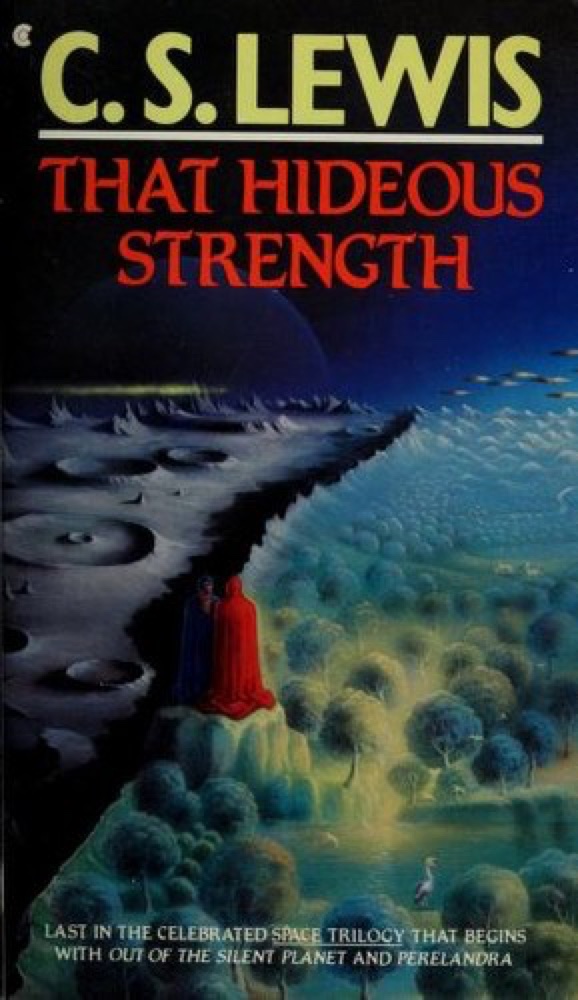 That Hideous Strength
 The Long Dark Tea-Time of the Soul
 Interesting Times: The Play
 Spiderlight
 Fly by Night
 Revelation Space
 City of Glass
 The Confusion
 The Woman Who Died a Lot
 Death at the Sign of the Rook
 The Tommyknockers
 The Ultimate Hitchhiker's Guide
 Joe Country
 Everything's Eventual
 The Dragonbone Chair
 The Rise and Fall of D.O.D.O.
 One of Our Thursdays Is Missing
 Ptolemy's Gate
 The Magician's Land
 The Magician's Nephew
 Sometimes a Great Notion
 Authority
 The Magician King
 Bleak House
 Foxglove Summer
 The Midnight Mayor
 UR
UR
 The Hexologists
 The Dungeoneers
 The Map to Everywhere
 Out of the Silent Planet
 Lud-in-the-Mist
 The Watchmaker of Filigree Street
 The Blood Mirror
 The Absolute Book
 Consider Phlebas
 Dhalgren
 The Gone-Away World
 The Naked and the Dead
 Practical Demonkeeping
 Nova
Nova
 Dombey and Son
 The Moving Finger
 The Invisible Man
 Gormenghast