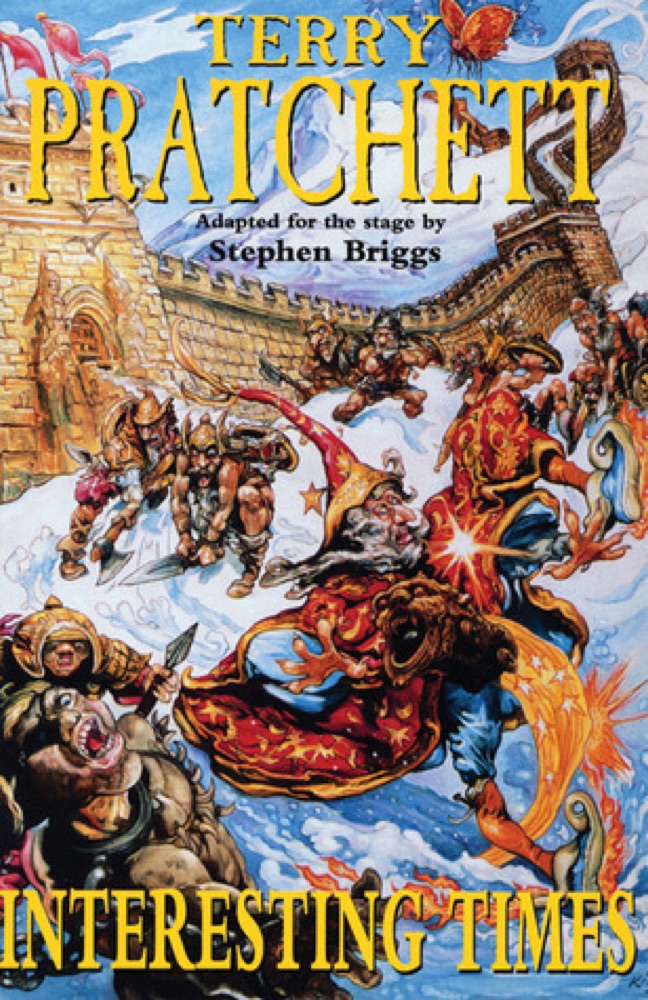
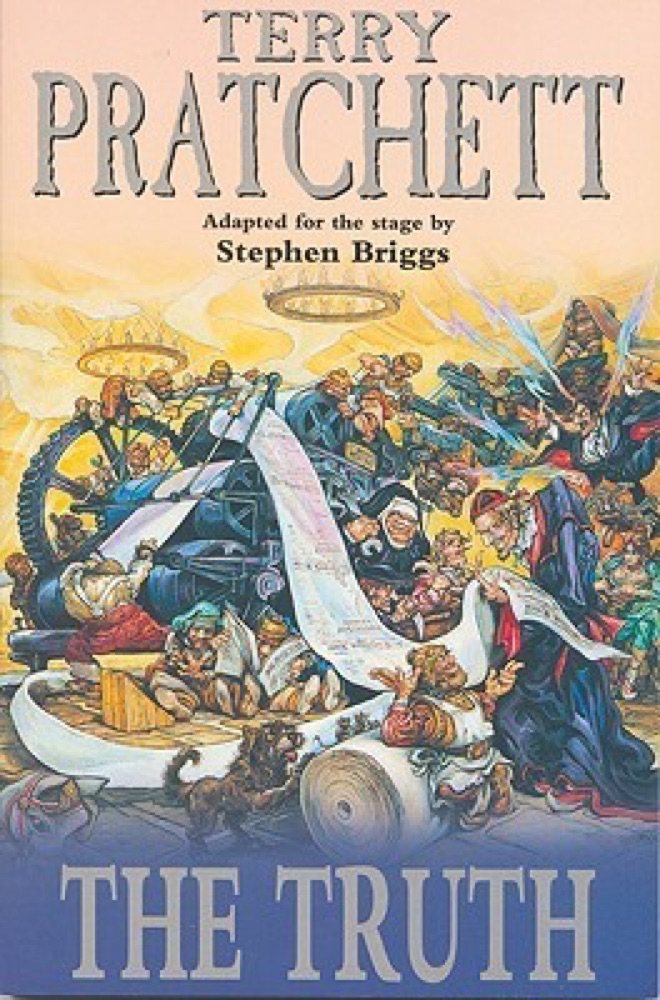
 The Truth: Stage Adaptation
Quotes from the Book
Chaos is found in greatest abundance wherever order is being sought. It always defeats order, because it is better organized.
Rincewind could scream for mercy in nineteen languages, and just scream in another forty-four.
Just because it's not nice doesn't mean it's not miraculous.
Natural selection saw to it that professional heroes who at a crucial moment tended to ask themselves questions like 'What is my purpose in life?' very quickly lacked both.
The Four Horsemen whose Ride presages the end of the world are known to be Death, War, Famine, and Pestilence. But even less significant events have their own Horsemen. For example, the Four Horsemen of the Common Cold are Sniffles, Chesty, Nostril, and Lack of Tissues; the Four Horsemen whose appearance foreshadows any public holiday are Storm, Gales, Sleet, and Contra-flow.
Barbarism? Hah! When we kills people we do it there and then, lookin' 'em in the eye, and we'd be happy to buy 'em a drink in the next world, no harm done. I never knew a barbarian who cut up people slowly in little rooms, or tortured women to make 'em look pretty, or put poison in people's grub. Civilization? If that's civilization, you can shove it where the sun don't shine!
Your wife is a big hippo! My face is melting! My face is meltinnnnggg!
Human beings have always preferred common sense to logic.
Good so be would you if, duff plum of helping second A," said the Bursar. The table fell silent. "Did anyone understand that?" said Ridcully. The Bursar was not technically insane. He had passed through the rapids of insanity som time previously, and was now sculling around in some peaceful pool on the other side. He was quite often coherent, although not by normal human standards.
Oh... and Bacon Surprise.' REALLY? WHAT IS SO SURPRISING ABOUT BACON? 'I don't know. I suppose it comes as something of a shock to the pig.
Many an ancient lord's last words had been, "You can't kill me because I've got magic aaargh.
That bit where that lad sprang backwards right across the room with them axes in his hands was impressive, though." "Yeah." "You didn't ought to have stuck your sword out like that, I thought." "He's learned an important lesson." "It won't do him much good now where he's gone.
There was, he thought, probably something in the idea that there were only a few people in the world. There were lots of bodies, but only a few people. That's why you kept running into the same ones.
About Stephen Briggs
More by Stephen Briggs
The Truth: Stage Adaptation
Book details
- First published
- 1995
- Author
- Stephen Briggs
- Genre
- Fiction
- Goodreads rating
- 4.24 (26k ratings)
Keep reading
 Interesting Times
 Hogfather
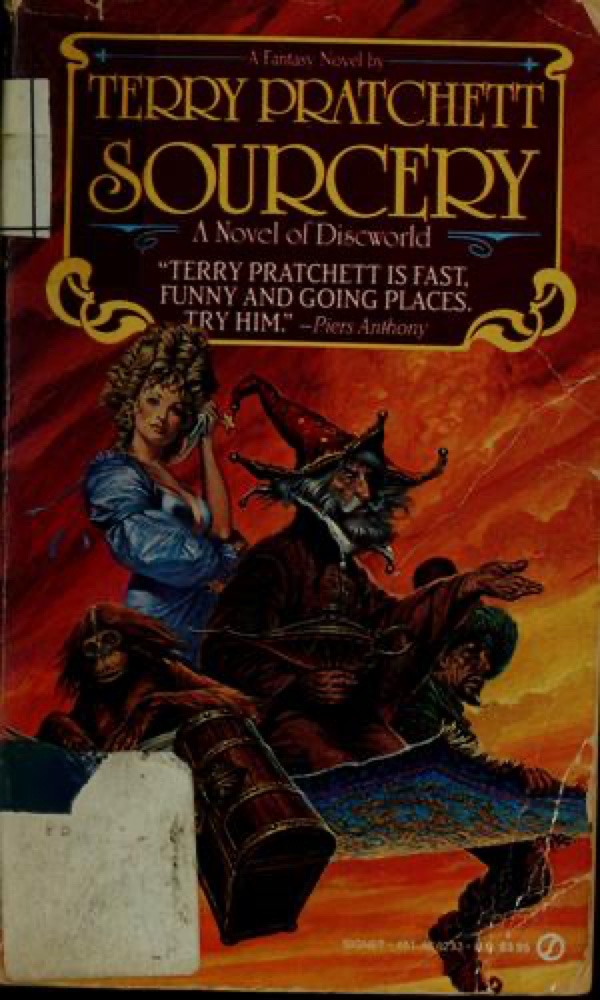 Sourcery
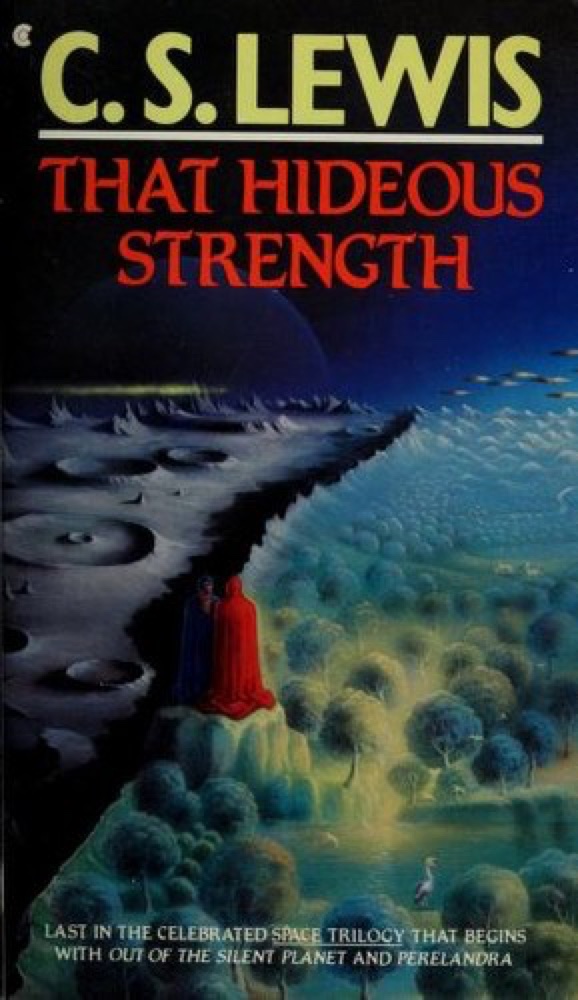 That Hideous Strength
The Truth: Stage Adaptation
That Hideous Strength
The Truth: Stage Adaptation
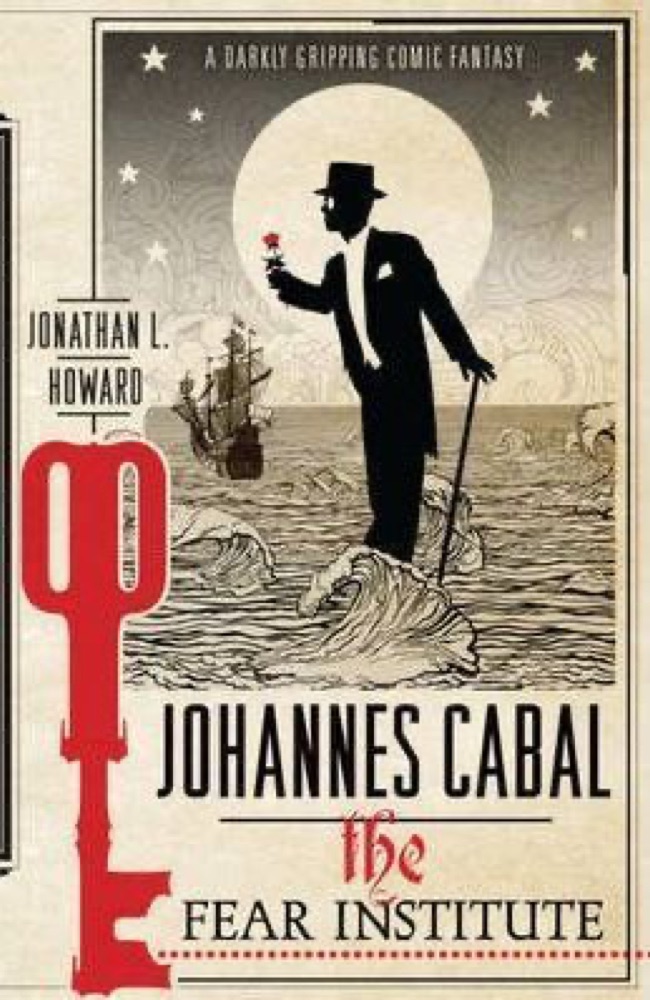 The Fear Institute
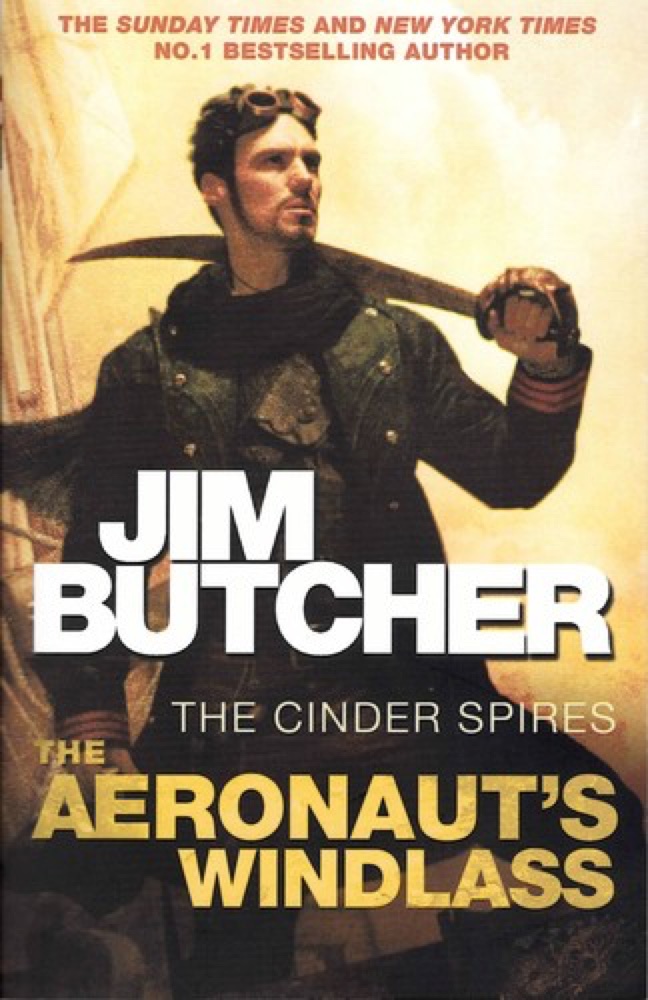 The Aeronaut's Windlass
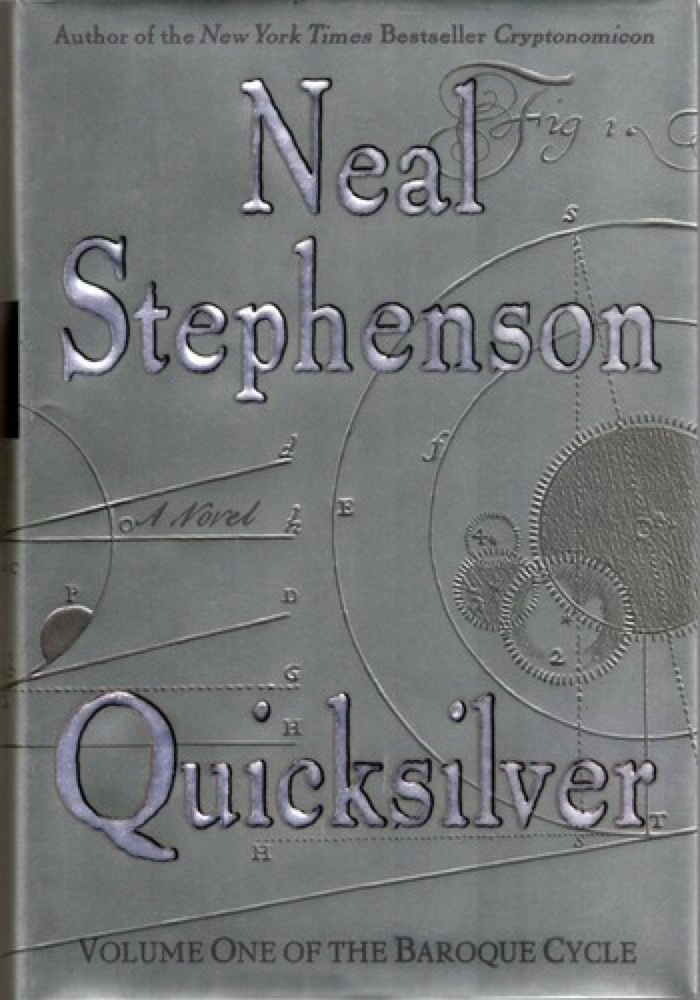 Quicksilver
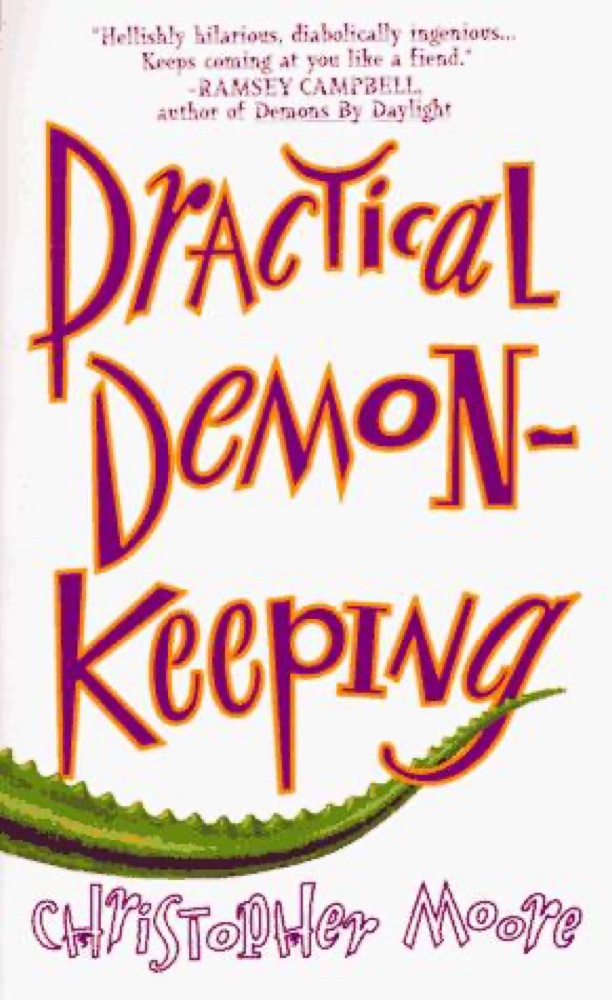 Practical Demonkeeping
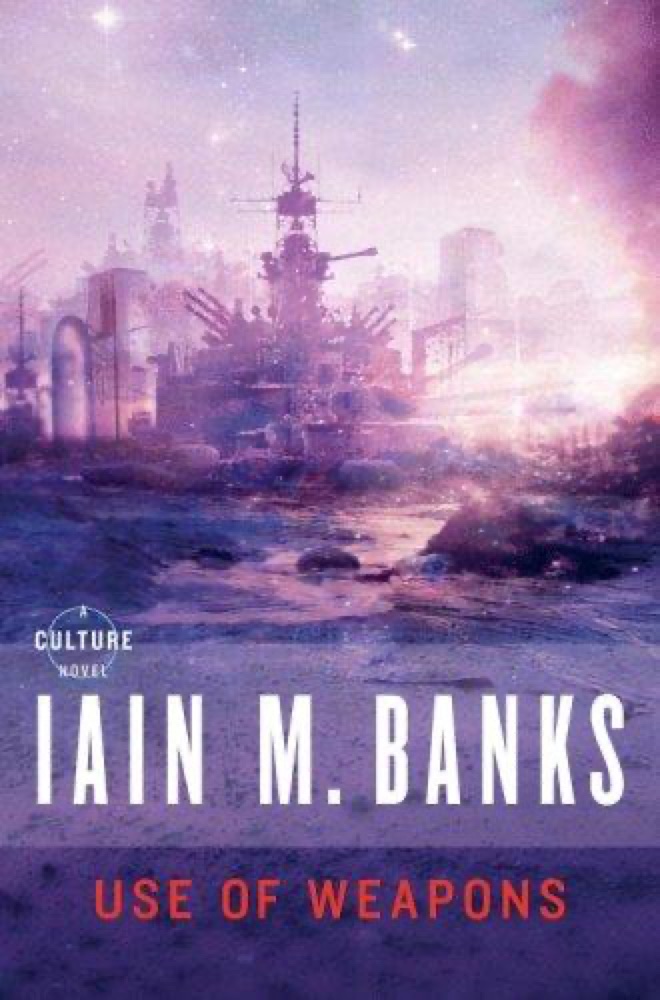 Use of Weapons
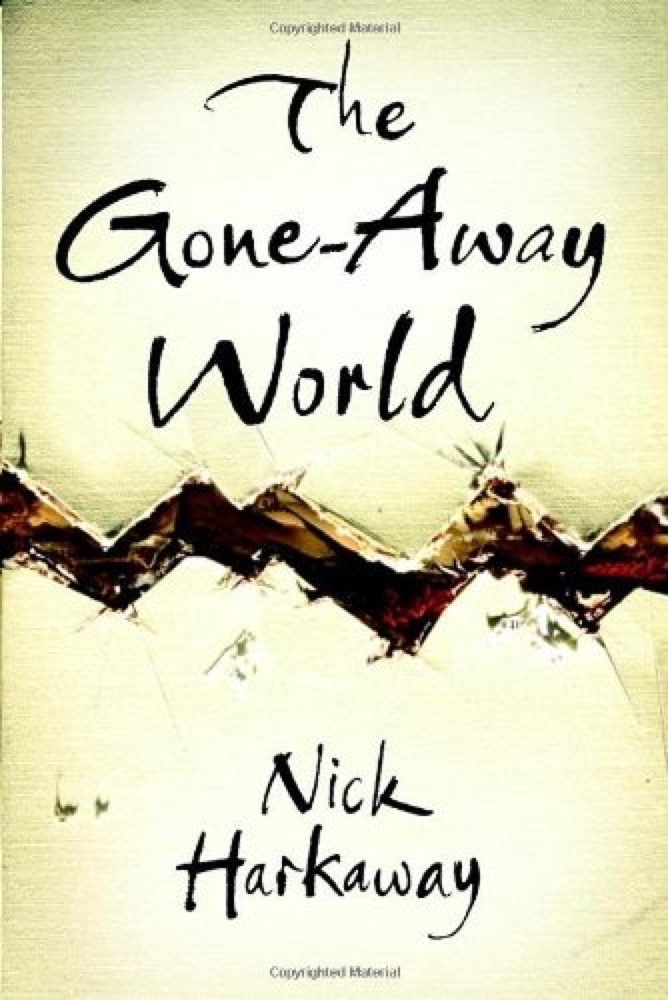 The Gone-Away World
 The Blade Itself
 False Memory
 The Man Who Was Thursday
 Kraken
 The Adventures of Augie March
 The Shockwave Rider
 Gaudy Night
 Red Country
 The Blood Mirror
 The Last Dragonslayer
 Sometimes a Great Notion
 The Long Dark Tea-Time of the Soul
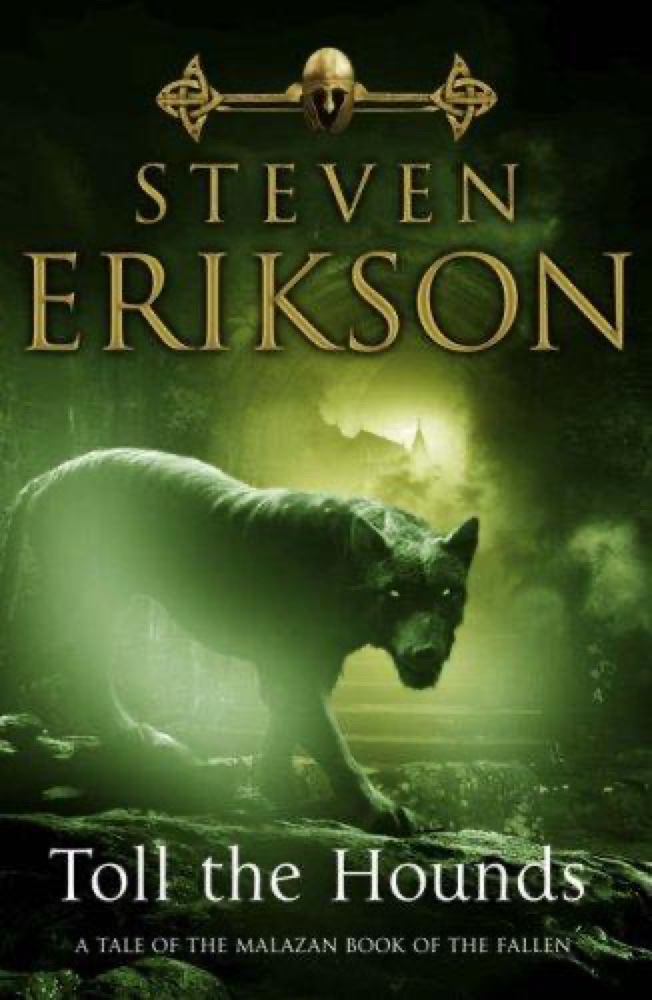 Toll the Hounds
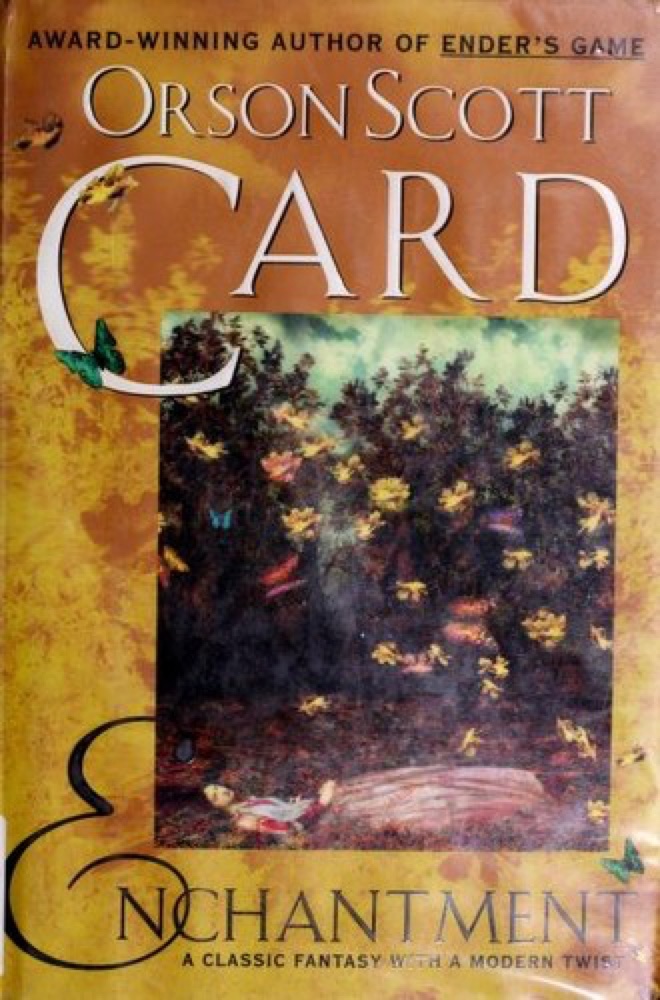 Enchantment
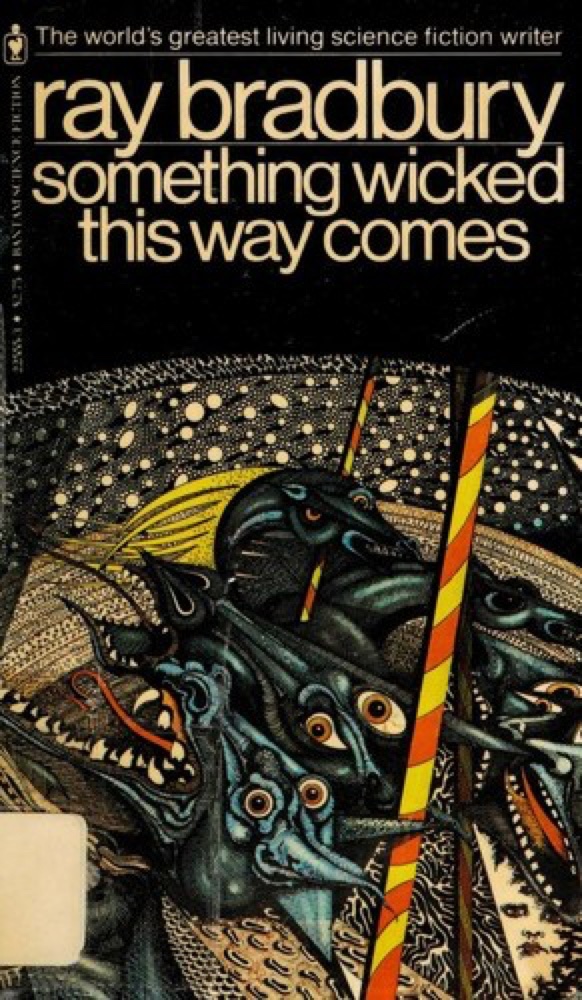 Something Wicked This Way Comes
 Speaking from Among the Bones
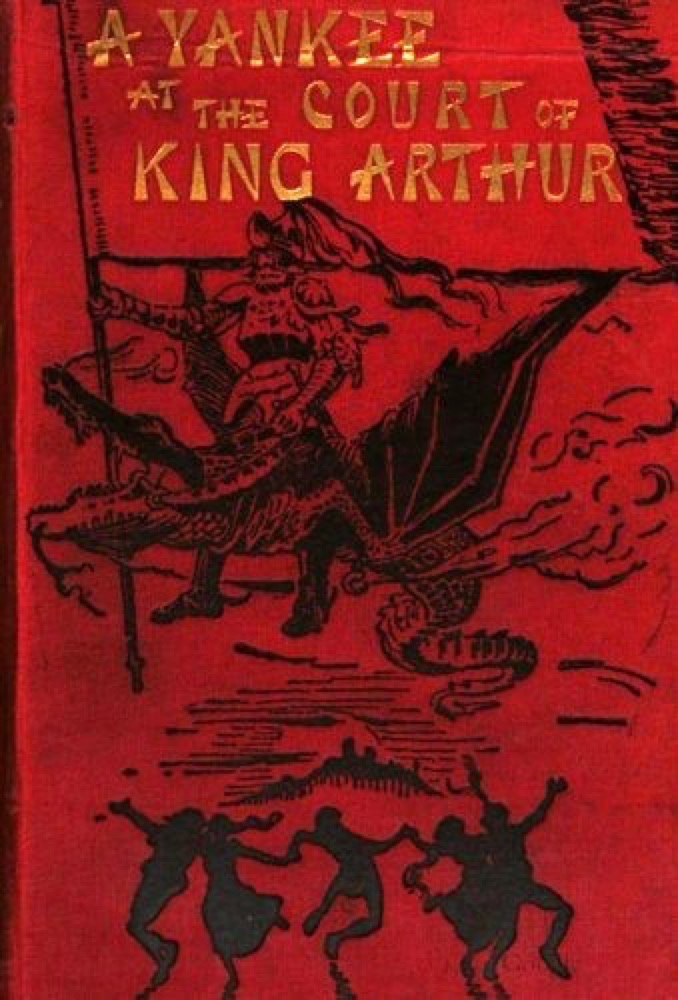 A Connecticut Yankee in King Arthur's Court
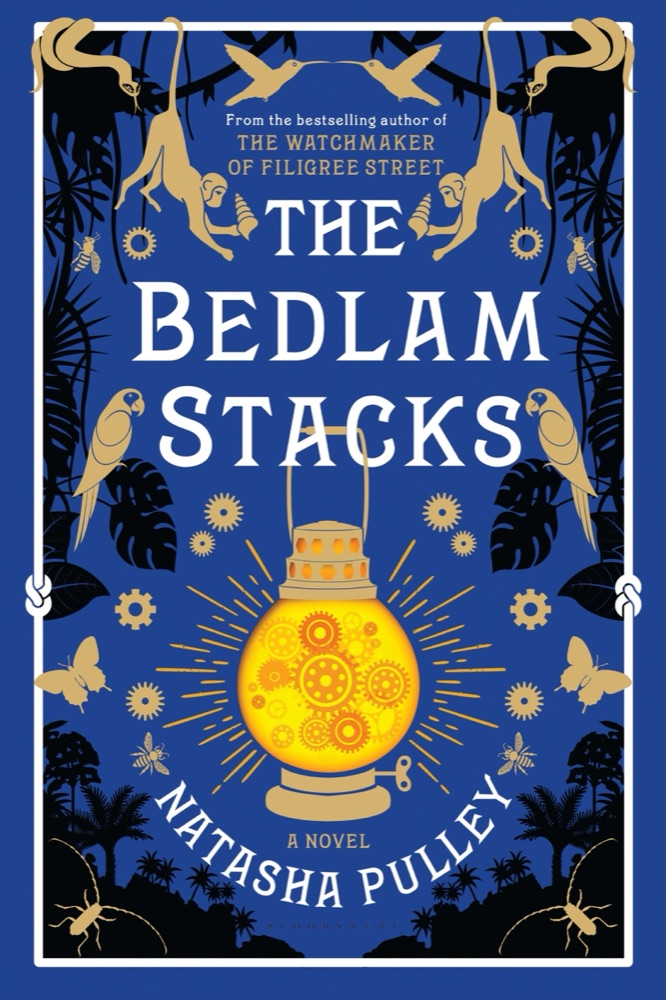 The Bedlam Stacks
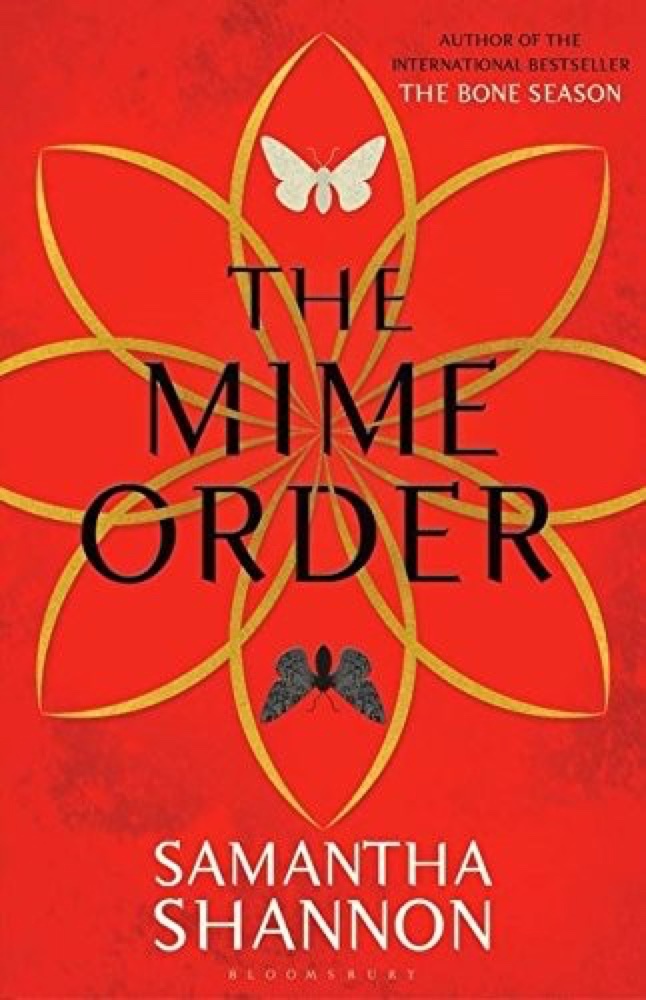 The Mime Order
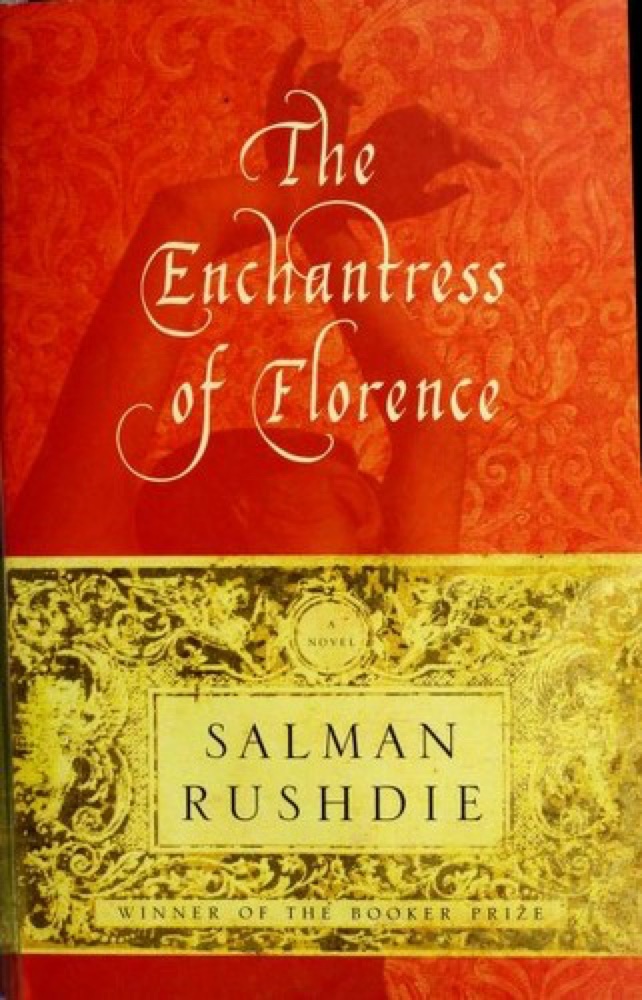 The Enchantress of Florence
 The Napoleon of Notting Hill
 Wanderers
 The Gospel of Loki
 The Naked and the Dead
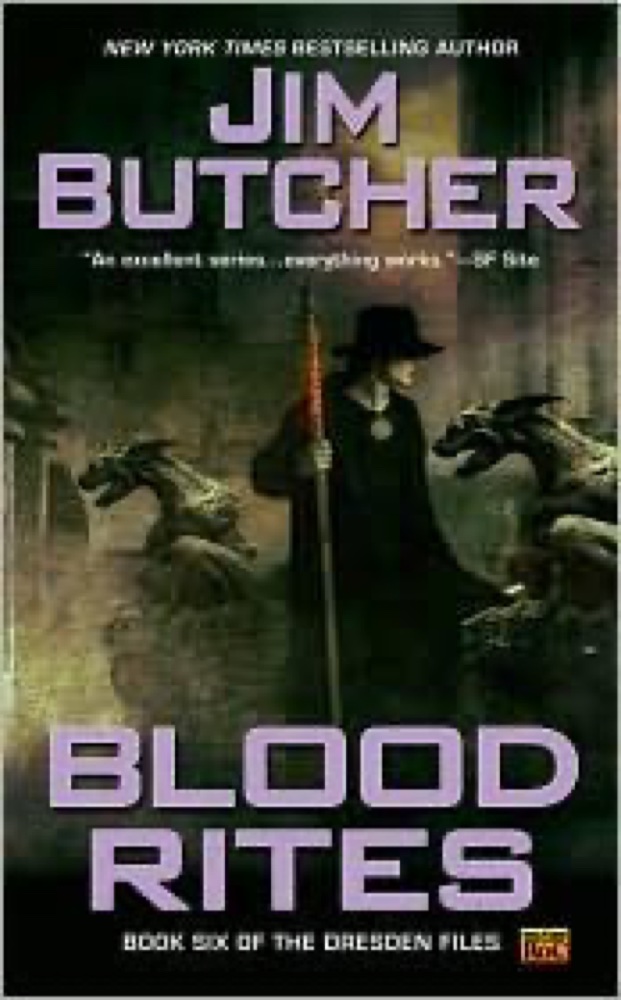 Blood Rites
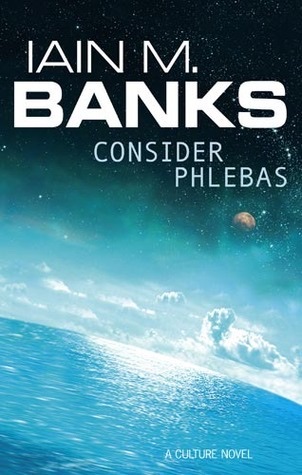 Consider Phlebas
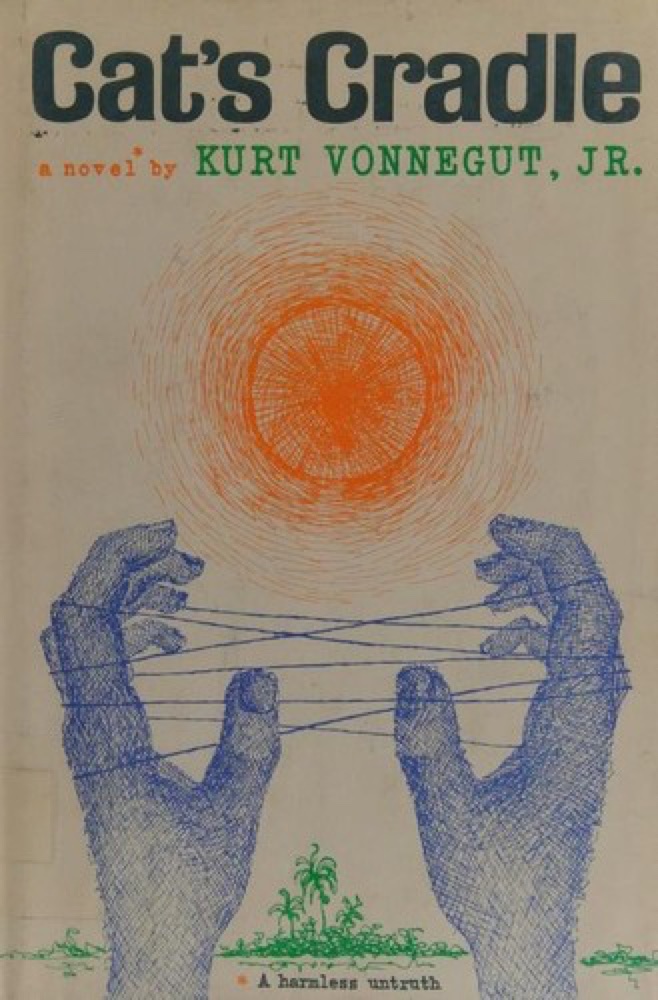 Cat's Cradle
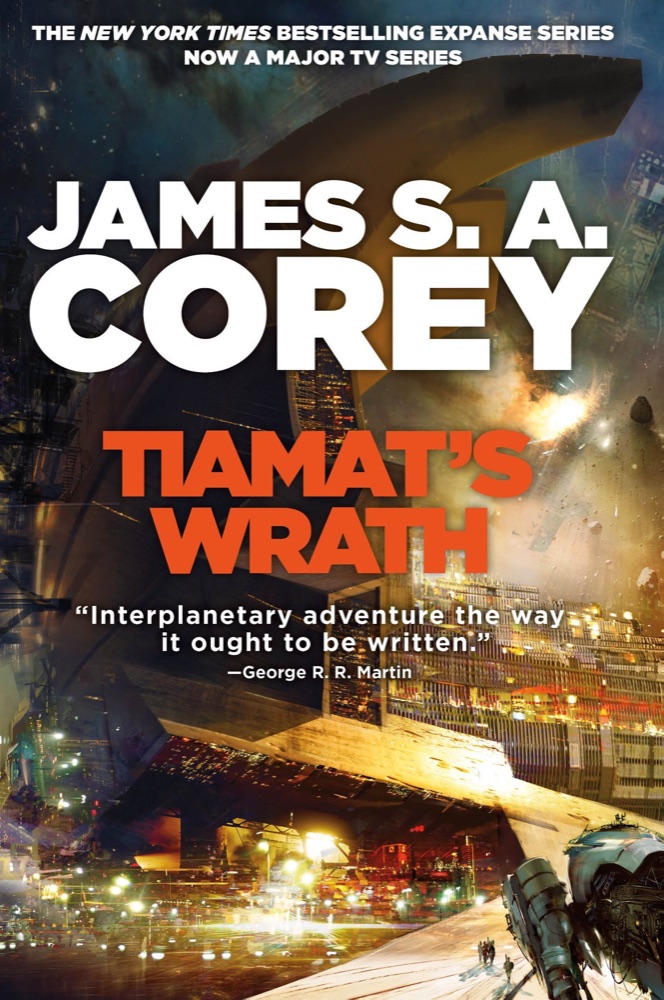 Tiamat's Wrath
 Dead Souls
 Reaper's Gale
 Ptolemy's Gate
 The Eyre Affair
 The Once and Future King
 Academ's Fury
 The Daughter of Time
 City of Dark Magic
 The Magic Mountain
 The Confusion
 Foundation and Empire
 Wolf Hall
 Reamde
 The Magician King
 Skinny Legs and All
 Babylon's Ashes
 The Stand
 Red Mars
 The Magician's Nephew
 Breakfast of Champions
 MaddAddam