 Children of God
Quotes from the Book
God never talks. But the devil keeps advertising, Father. The devil does a lot of commercials.
146
Perhaps evil is the crucible of goodness... and perhaps even Satan - Satan, in spite of himself - somehow serves to work out the will of God.
106
We mourn the blossoms of May because they are to whither; but we know that May is one day to have its revenge upon November, by the revolution of that solemn circle which never stops---which teaches us in our height of hope, ever to be sober, and in our depth of desolation, never to despair.
101
The demon is a liar. He will lie to confuse us; but he will also mix lies with the truth to attack us. His attack is psychological, Damien. And powerful.
64
What looked like morning was the beginning of endless night
61
Yet I think the demon's target is not the possessed; it is us . . . the observers . . . every person in this house. And I think---I think the point is to make us despair; to reject our own humanity, Damien: to see ourselves as ultimately bestial; as ultimately vile and putrescent; without dignity; ugly; unworthy.
59
You don't blame us for being here, do you? After all, we have no place to go. No home... Incidentally, what an excellent day for an exorcism...
43
As far as God goes, I _am_ a nonbeliever. Still am. But when it comes to a devil---well, that's something else.
33
WHAT WE GIVE TO THE POOR IS WHAT WE TAKE WITH US WHEN WE DIE.
32
There it lies, I think, Damien … possession; not in wars, as some tend to believe; not so much; and very rarely in extraordinary interventions such as here … this girl … this poor child. No, I tend to see possession most often in the little things, Damien: in the senseless, petty spites and misunderstandings; the cruel and cutting word that leaps unbidden to the tongue between friends. Between lovers. Between husbands and wives. Enough of these and we have no need of Satan to manage our wars; these we manage for ourselves … for ourselves.
32
For I think belief in God is not a matter of reason at all; I think it finally is a matter of love.
30
The demon's target is not the possessed; it is us the observers..everyone in this house. I think the point is to make us despair..to reject our humanity: to see ourselves as ultimately bestial, vile and putrescent; without dignity; ugly; unworthy.
28
This century hasn't got the lock on insanity.
27
How many husbands and wives must believe they have fallen out of love because their hearts no longer race at the sight of their beloveds!
24
We use concepts like "consciousness"---"mind"---"personality," but we don't really know yet what these things are.' He was shaking his head. 'Not really. Not at all.
22
One death is the parent of a thousand lives
19
Like the brief doomed flare of exploding suns that registers dimly on blind men's eyes, the beginning of the horror passed almost unnoticed; in the shriek of what followed, in fact, was forgotten and perhaps not connected to the horror at all.
19
From the cab stepped a tall old man. Black raincoat and hat and a battered valise. He paid the driver, then turned and stood motionless, staring at the house. The cab pulled away and rounded the corner of Thirty-sixty Street. Kinderman quickly pulled out to follow. As he turned the corner, he noticed that the tall old man hadn't moved but was standing under the streetlight glow, in mist, like a melancholy traveler frozen in time.
18
But a myth, to speak plainly, to me is like a menu in a fancy French restaurant: glamorous, complicated camouflage for a fact you wouldn't otherwise swallow, like maybe lima beans.
17
The sun sinks to rise again; the day is swallowed up in the gloom of night, to be born out of it, as fresh as if it had never been quenched.
16
In forgetting, they were trying to remember
15
How many husbands and wives,” Merrin uttered sadly, “must believe they have fallen out of love because their hearts no longer race at the sight of their beloveds. Ah, dear God!” He shook his head. And then he nodded. “There it lies, I think, Damien … possession; not in wars, as some tend to believe; not so much; and very rarely in extraordinary interventions such as here … this girl … this poor child. No, I tend to see possession most often in the little things, Damien: in the senseless, petty spites and misunderstandings; the cruel and cutting word that leaps unbidden to the tongue between friends. Between lovers. Between husbands and wives. Enough of these and we have no need of Satan to manage our wars; these we manage for ourselves … for ourselves.
15
The burnished rays of the setting sun flamed glory on the clouds of the western sky before shattering in gold and vermilion dapples on the darkening waters of the river. Once Karras met God in this sight. Long ago. Like a lover forsaken, he still kept the rendezvous.
15
The child was slender as fleeting hope.
13
the love had grown cold, and in the night he heard it whistling through the chambers of his heart like a lost and gently crying wind.
12
In our sleep, pain, which cannot forget, falls drop by drop upon the heart until, in our own despair, against our will, comes wisdom through the awful grace of God. —Aeschylus
11
All I know is that things seem to happen. And, my dear, there are lunatic asylums all over the world filled with people who dabbled in the occult.
11
I think the demon’s target is not the possessed; it is us … the observers … every person in this house. And I think—I think the point is to make us despair; to reject our own humanity, Damien: to see ourselves as ultimately bestial, vile and putrescent; without dignity; ugly; unworthy. And there lies the heart of it, perhaps: in unworthiness. For I think belief in God is not a matter of reason at all; I think it finally is a matter of love: of accepting the possibility that God could ever love us.
11
More rooted in logic was the silence of God. In the world there was evil and much of it resulted from doubt, from an honest confusion among men of good will. Would a reasonable God refuse to end it? Not finally reveal Himself? Not speak? “Lord, give us a sign…” The raising of Lazarus was dim in the distant past. No one now living had heard his laughter. And so why not a sign?
10
And I think—I think the point is to make us despair; to reject our own humanity, Damien: to see ourselves as ultimately bestial, vile and putrescent; without dignity; ugly; unworthy. And there lies the heart of it, perhaps: in unworthiness. For I think belief in God is not a matter of reason at all; I think it finally is a matter of love: of accepting the possibility that God could ever love us.
9
Did you know?
- The novel was inspired by a 1949 exorcism case that Blatty learned about while a student at Georgetown University.
- It spent fifty-seven weeks on the New York Times bestseller list, seventeen of them consecutively at number one.
- Blatty set the story in the Georgetown neighborhood of Washington, D.C., where he had attended university.
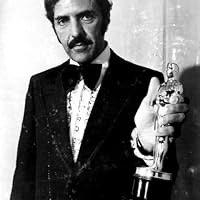
- Blatty wrote the screenplay for the 1973 film adaptation and won the Academy Award for Best Adapted Screenplay.
About William Peter Blatty
William Peter Blatty (1928-2017) was an American writer and filmmaker best known for The Exorcist. A Georgetown University graduate, he won the Academy Award for Best Adapted Screenplay for the 1973 film version of his novel.
More about the author →About the book
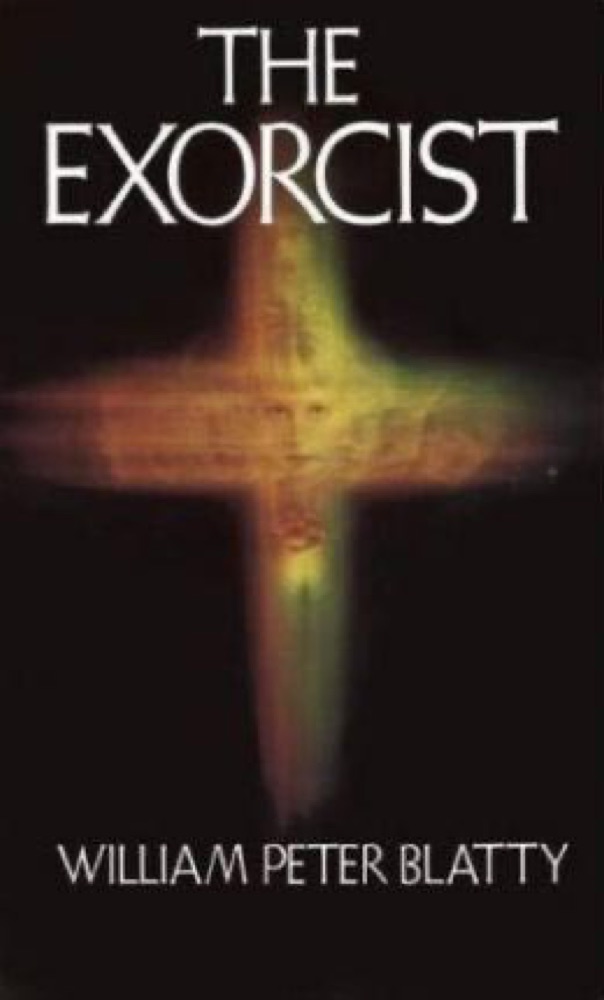
"The Exorcist" is William Peter Blatty's 1971 horror novel about the demonic possession of twelve-year-old Regan MacNeil and the desperate effort to save her. After Regan begins exhibiting violent and inexplicable changes, her actress mother, Chris MacNeil, exhausts medical and psychiatric explanations before turning to the Catholic Church. Two priests, the doubt-stricken Damien Karras and the seasoned exorcist Lankester Merrin, confront the entity inhabiting the child in a harrowing battle of faith.
At its core the novel is a meditation on faith and doubt, the reality of evil, and the limits of science and reason in the face of the inexplicable. Blatty drew on a real 1949 exorcism case he learned of as a student at Georgetown University, and he set the story in Georgetown to ground its supernatural horror in a recognizable modern world. The struggle between rational explanation and spiritual conviction runs throughout, embodied in Karras's wavering belief.
The book was a publishing phenomenon, spending fifty-seven weeks on the New York Times bestseller list, including seventeen consecutive weeks at number one. Blatty adapted it into the 1973 film directed by William Friedkin, for which he won the Academy Award for Best Adapted Screenplay; the film was nominated for Best Picture and became one of the most influential horror movies ever made. The novel endures as a landmark of modern horror.
Key characters
- Regan MacNeilTwelve-year-old girl who becomes possessed
- Chris MacNeilRegan's mother, a film actress
- Father Damien KarrasJesuit priest and psychiatrist struggling with his faith
- Father Lankester MerrinExperienced priest who leads the exorcism
Book details
- First published
- 1971
- Length
- 340 pages
- Reading time
- 6 hours
- Author
- William Peter Blatty
- Genre
- Horror
- Goodreads rating
- 4.21 (279k ratings)
- First line
- “The blaze of the sun wrung pops of sweat from the old man's brow, yet he cupped his hands around the glass of hot sweet tea as if to warm them.”
Critical reception
- Spent fifty-seven weeks on the New York Times bestseller list, including seventeen consecutive weeks at number one.
- The 1973 film adaptation was nominated for the Academy Award for Best Picture and won Best Adapted Screenplay for Blatty.
Movie & TV adaptations
- IMDb
Keep reading
Children of God
 Jayber Crow
 The Scarlet Gospels
 The Sparrow
 The High Mountains of Portugal
 Running with the Demon
 A Severe Mercy: A Story of Faith, Tragedy and Triumph
 Melmoth the Wanderer
 The Great Divorce
 The Man in the High Castle
 The Power and the Glory
 The Etched City
 Other Voices, Other Rooms
 The Seven Moons of Maali Almeida
 Henderson the Rain King
 Forge of Darkness
 In the Beauty of the Lilies
 Horns
Horns
 Between Two Fires
 Saint Francis
 An Echo in the Darkness
 Perelandra
 Pet Sematary
 What the Night Knows
 A Short Stay in Hell
 The Tale of the Body Thief
 The Wolf Gift
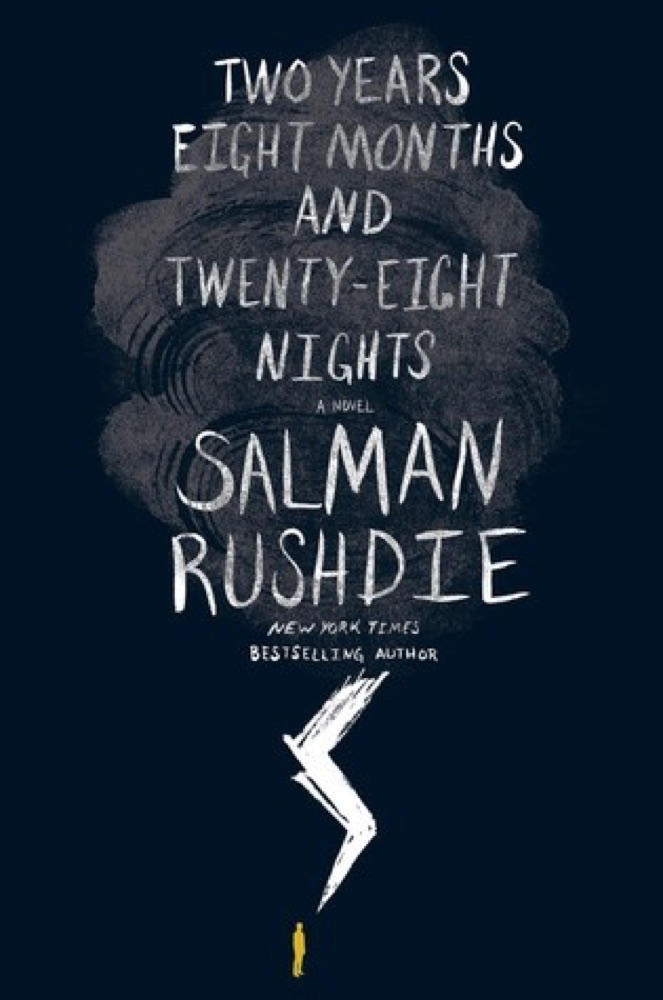 Two Years Eight Months and Twenty-Eight Nights
 Stella Maris
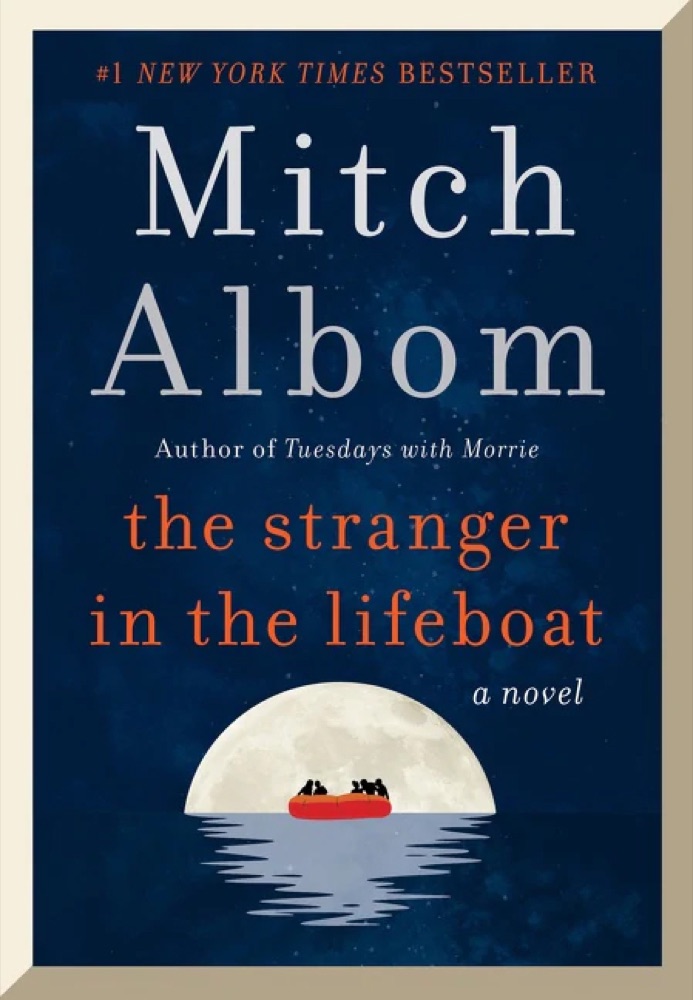 The Stranger in the Lifeboat
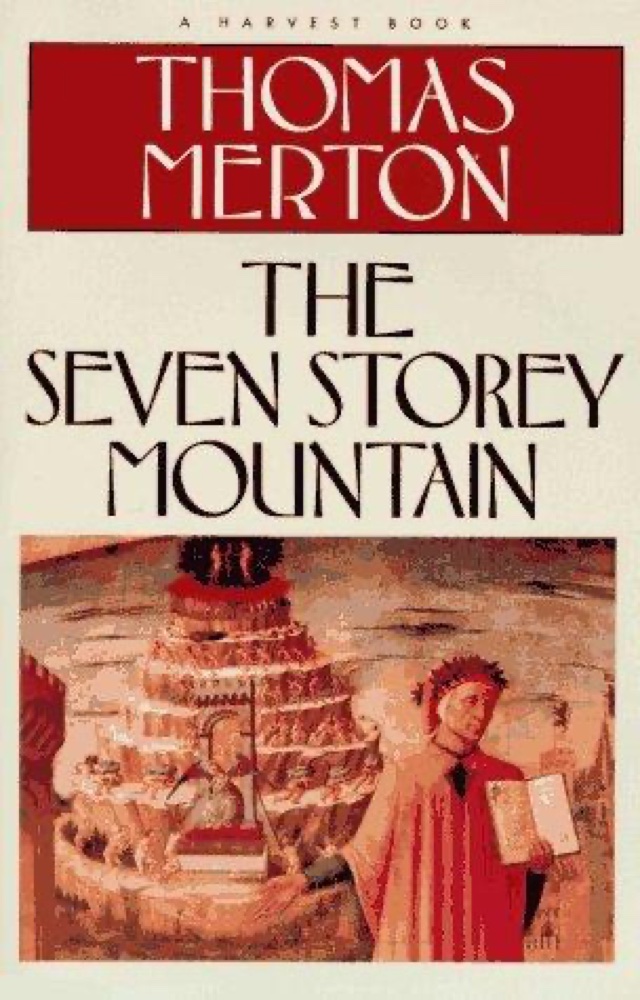 The Seven Storey Mountain
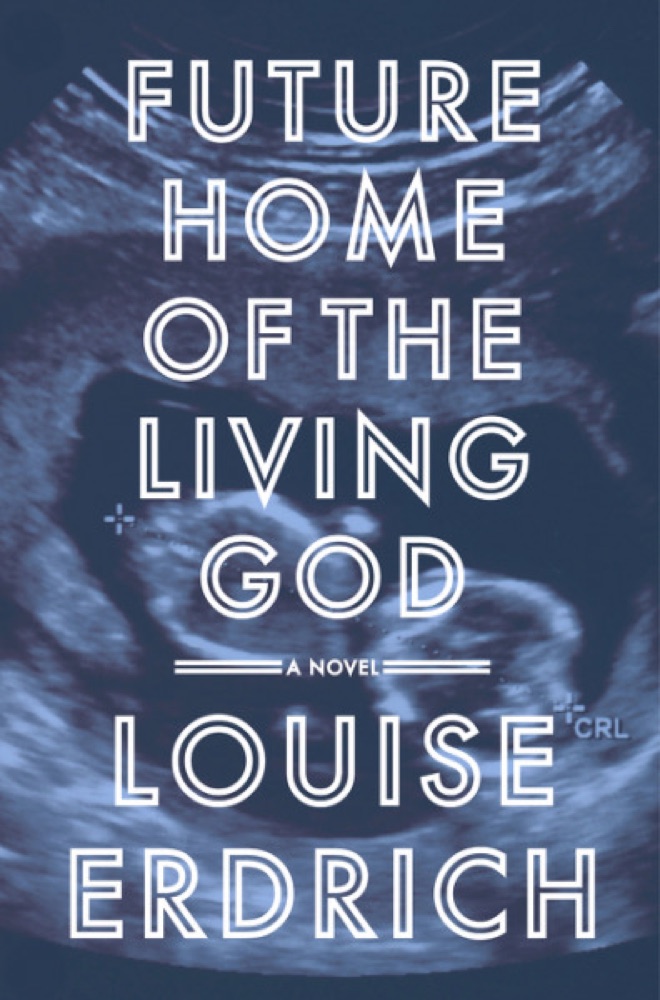 Future Home of the Living God
 Lapvona
 All the Devils Are Here
 Absalom, Absalom!
 Memnoch the Devil
 The Summer that Melted Everything
 Daniel Deronda
 I, Lucifer
 The Isle of Blood
 The Snowman
 The Crucible
 The Thousandfold Thought
 Hell
Hell
 The Last Temptation of Christ
 The Claw of the Conciliator
 The Ground Beneath Her Feet
 The Left Hand of God
 V.
V.
 Father Joe: The Man Who Saved My Soul
 The Devil's Advocate
 The Morning Star
 The Blind Man's Garden
 The Secret History
 Dreams and Shadows
 The Fall of Hyperion
 Uncle Tom's Cabin
 Nod
Nod
 The Infinities
 Eifelheim