 Breakfast at Tiffany's
Quotes from the Book
The brain may take advice, but not the heart, and love, having no geography, knows no boundaries: weight and sink it deep, no matter, it will rise and find the surface: and why not? any love is natural and beautiful that lies within a person's nature; only hypocrites would hold a man responsible for what he loves, emotional illiterates and those of righteous envy, who, in their agitated concern, mistake so frequently the arrow pointing to heaven for the one that leads to hell.
But we are alone, darling child, terribly, isolated each from the other; so fierce is the world's ridicule we cannot speak or show our tenderness; for us, death is stronger than life, it pulls like a wind through the dark, all our cries burlesqued in joyless laughter; and with the garbage of loneliness stuffed down us until our guts burst bleeding green, we go screaming round the world, dying in our rented rooms, nightmare hotels, eternal homes of the transient heart.
Let me begin by telling you that I was in love. An ordinary statement, to be sure, but not an ordinary fact, for so few of us learn that love is tenderness, and tenderness is not, as a fair proportian suspect, pity; and still fewer know that happiness in love is not the absolute focusing of all emotion in another: one has always to love a good many things which the beloved must come only to symbolize; the true beloveds of this world are in their lovers's eyes lilacs opening, ship lights, school bells, a landscape, remembered conversations, friends, a child's Sunday, lost voices, one's favourite suit, autumn and all seasons, memory, yes, it being the earth and water of existence, memory.
Have you never heard what the wise man say : all of the future exists in the past.
They can romanticize us so, mirrors, and that is their secret: what a subtle torture it would be to destroy all the mirrors in the world: where then could we look for reassurerance of our identities? I tell you, my dear, Narcissus was so egotist...he was merely another of us who, in our unshatterable isolation, recognized, on seeing his reflection, the beautiful comrade, the only inseparatable love...poor Narcissus, possibly the only human who was ever honest on this point.
Are the dead as lonesome as the living?
And in this moment, like a swift intake of breath, the rain came.
[Y]outh is hardly human: it can't be, for the young never believe they will die...especially would they never believe that death comes, and often, in forms other than the natural one.
Any love is natural and beautiful that lies within a person’s nature; only hypocrites would hold a man responsible for what he loves, emotional illiterates and those of righteous envy, who, in their agitated concern, mistake so frequently the arrow pointing to heaven for the one that leads to hell.
[F]or us, death is stronger than life, it pulls like a wind through the dark, all our cries burlesqued in joyless laugther; and with the garbage of liveliness stuffed down us untill our guts burst bleeding green, we go screaming round the world, dying, in our rented rooms, nightmare hotels, eternal homes of the transient heart.
What we want most is only to be held…and told…that everything (everything is a funny thing, is baby milk and Papa’s eyes, is roaring logs on a cold morning, is hoot-owls and the boy who makes you cry after school, is Mama’s long hair, is being afraid, and twisted faces on the bedroom wall)…everything is going to be all right.
But, my dear, so few things are fulfilled: what are most lives but a series of incompleted episodes? 'We work in the dark, we do what we can, we give what we have. Our doubt is our passion and our passion is our task...' It is wanting to know the end that makes us believe in God, or witchcraft, believe, at least, in something.
Shoot, boy, the country's just fulla folks what knows everything, and don't understand nothing, just fullofem.
...all his prayers of the past had been simple concrete requests: God, give me a bicycle, a knife with seven blades, a box of oil-paints. Only how, how, could you say something so indefinite, so meaningless as this: God, let me be loved.
The feeble-minded, the neurotic, the criminal, perhaps, also, the artist, have unpredictability and perverted innocence in common.
[C]locks indeed must have thier sacrifice: what is death but an offering to time and eternity?
Before birth; yes, what time was it then? A time like now, and when they were dead, it would be still like now: these trees, that sky, this earth, those acorn seeds, sun and wind, all the same, while they, with dust-turned hearts, change only.
There's lots of things you don't know. All kinds of strange things . . . mostly they happened before we were born: that makes them seem to me so much more real.
...Narcissus was so egotist...he was merely another of us who, in our unshatterable isolation, recognized, on seeing his reflection, the beautiful comrade, the only inseparatable love...poor Narcissus, possibly the only human who was ever honest on this point.
Randolph," he said, "were you ever as young as me?" And Randolph said: "I was never so old.
Aside from all else, there is some truth in that; clocks indeed must have their sacrifice: what is death but an offering to time and eternity?
They can romanticize us so, mirrors, and that is their secret: what a subtle torture it would be to destroy all the mirrors in the world: where then could we look for reassurance of our identities?
Randolph," he said, "do you know something? I'm very happy." To which his friend made no reply. The reason for this happiness seemed to be simply that he did not feel unhappy; rather, he knew all through him a kind of balance. There was little for him to cope with.
How unnecessary," said Amy. "The child's morbid enough." "All children are morbid: it's their one saving grace," said Randolph, and went right ahead.
I tell you, my dear, Narcissus was no egoist… he was merely another of us who, in our unshatterable isolation, recognized, on seeing his reflection, the one beautiful comrade, the only inseparable love… poor Narcissus, possibly the only human who was ever honest on this point.
But there was no prayer in Joel’s mind; rather, nothing a net of words could capture, for, with one exception, all his prayers of the past had been simple concrete requests: God, give me a bicycle, a knife with seven blades, a box of oil-paints. Only how, how, could you say something so indefinite, so meaningless as this: God, let me be loved.
Sometimes on flat boring afternoons, he'd squatted on the curb of St. Deval Street and daydreamed silent pearly snowclouds into sifting coldly through the boughs of the dry, dirty trees. Snow falling in August and silvering the glassy pavement, the ghostly flakes icing his hair, coating rooftops, changing the grimy old neighborhood into a hushed frozen white wasteland uninhabited except for himself and a menagerie of wonder-beasts: albino antelopes, and ivory-breasted snowbirds; and occasionally there were humans, such fantastic folk as Mr Mystery, the vaudeville hypnotist, and Lucky Rogers, the movie star, and Madame Veronica, who read fortunes in a Vieux Carré tearoom.
The instant of petrified violence that sometimes foreruns a summer storm saturated the hushed yard, and in the unearthly tinseled light rusty buckets of trailing fern which were strung round the porch like party lanterns appeared illuminated by a faint green inward flame.
With an exceedingly contemptuous expression, Idabel drew up to her full height. "Son," she said, and spit between her fingers, "what you've got in your britches is no news to me, and no concern of mine: hell, I've fooled around with nobody but boys since first grade. I never think like I'm a girl; you've got to remember that, or we can't never be friends." For all its bravado, she made this declaration with a special and compelling innocence; and when she knocked one fist against the other, as, frowning, she did now, and said: "I want so much to be a boy: I would be a sailor, I would..." the quality of her futility was touching.
Watch on YouTube
About Truman Capote
We have collected 157 quotes from 8 books by Truman Capote on BookQuoters.
More about the author →More by Truman Capote
Breakfast at Tiffany's
 In Cold Blood
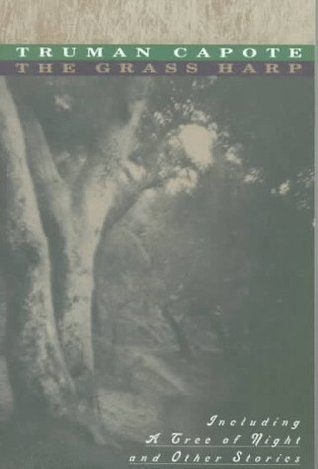 The Grass Harp, Including A Tree of Night and Other Stories
 A Christmas Memory
Book details
- Author
- Truman Capote
- Genre
- Classics
- Goodreads rating
- 3.74 (18k ratings) →
Keep reading
 Selected Poems
 Independent People
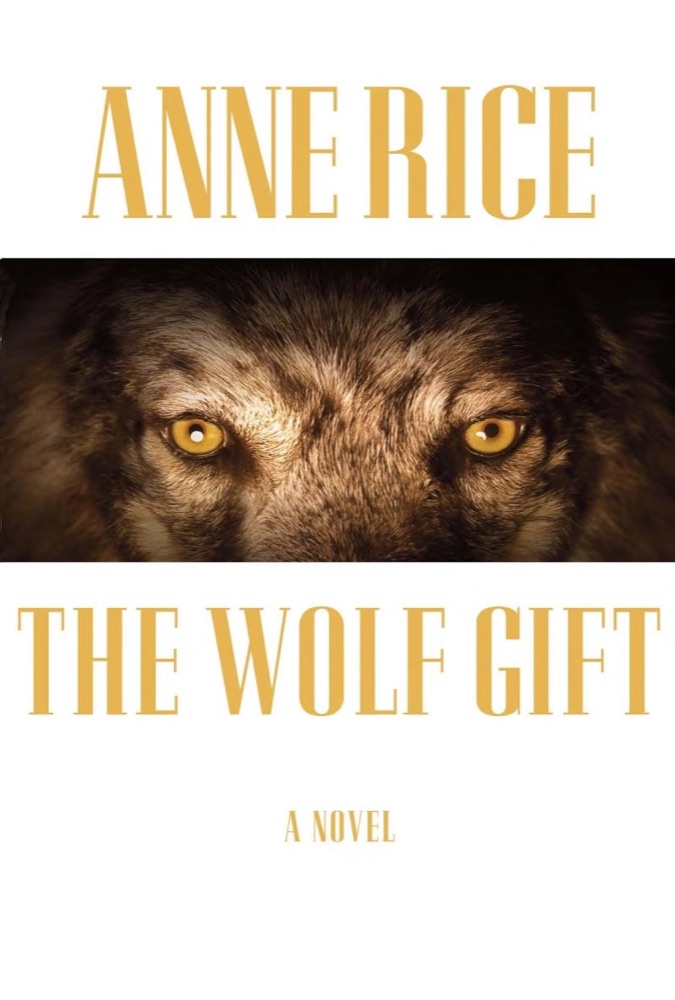 The Wolf Gift
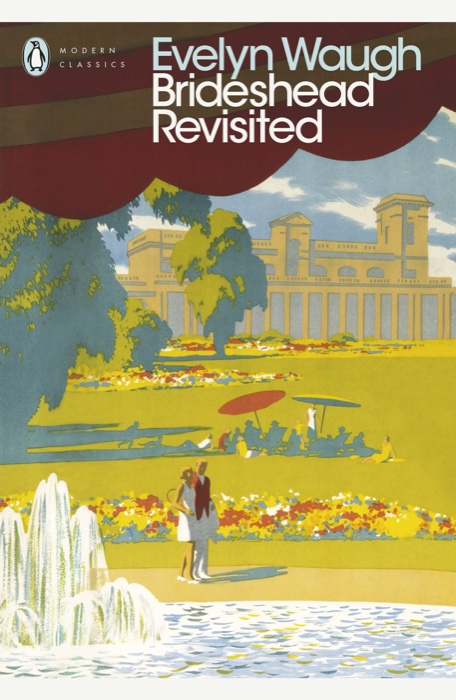 Brideshead Revisited: The Sacred and Profane Memories of Captain Charles Ryder
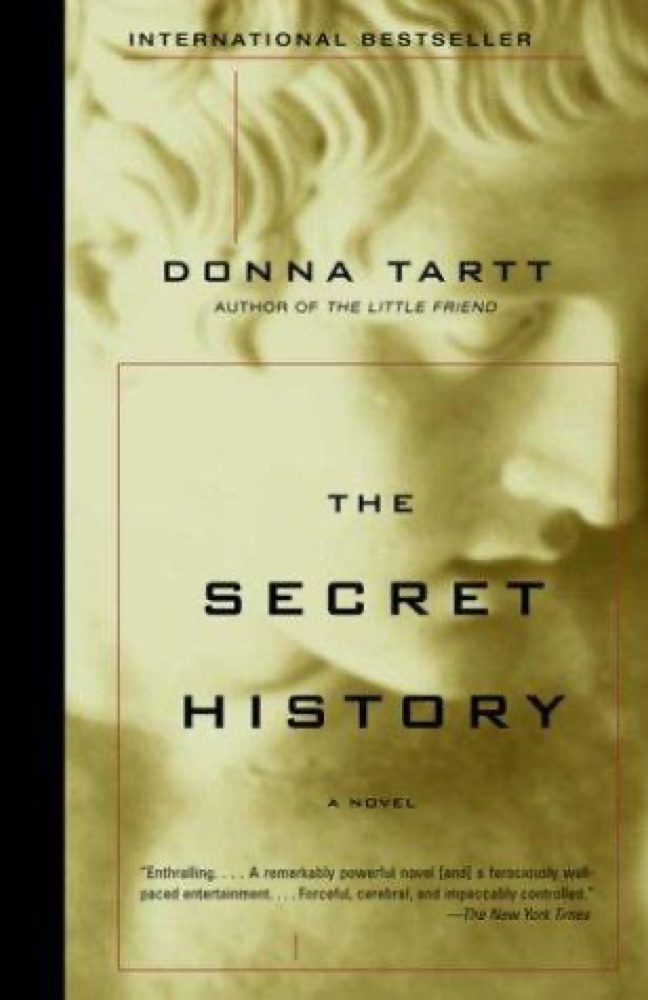 The Secret History
The Grass Harp, Including A Tree of Night and Other Stories
The Secret History
The Grass Harp, Including A Tree of Night and Other Stories
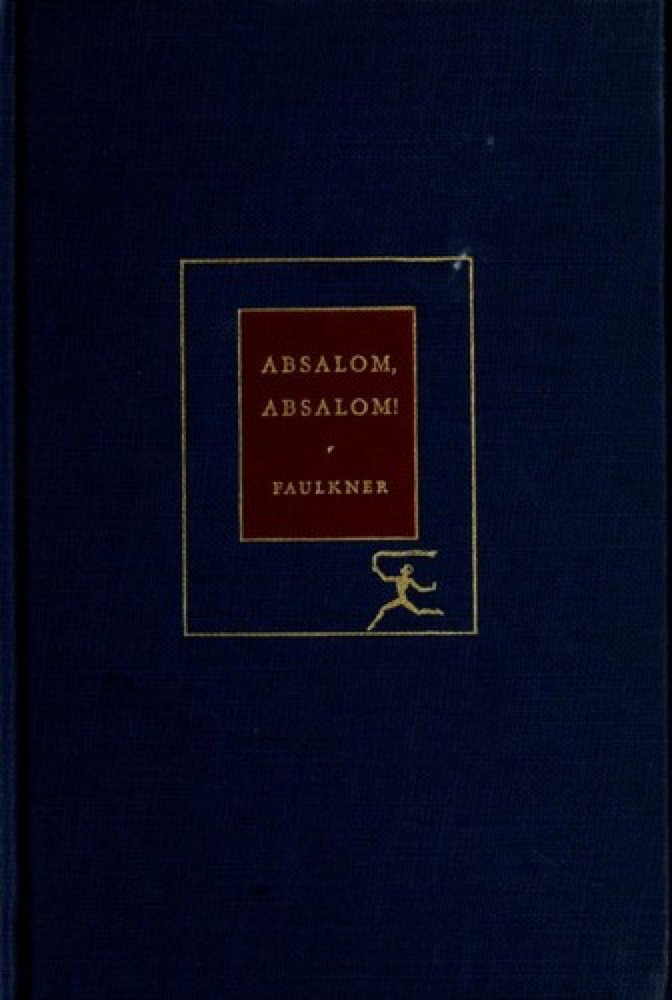 Absalom, Absalom!
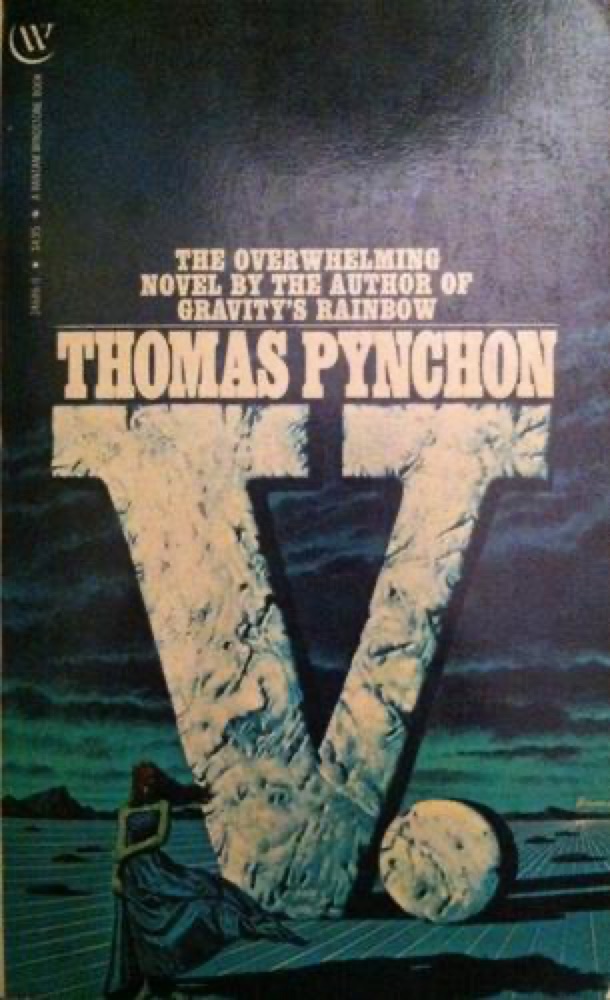 V.
V.
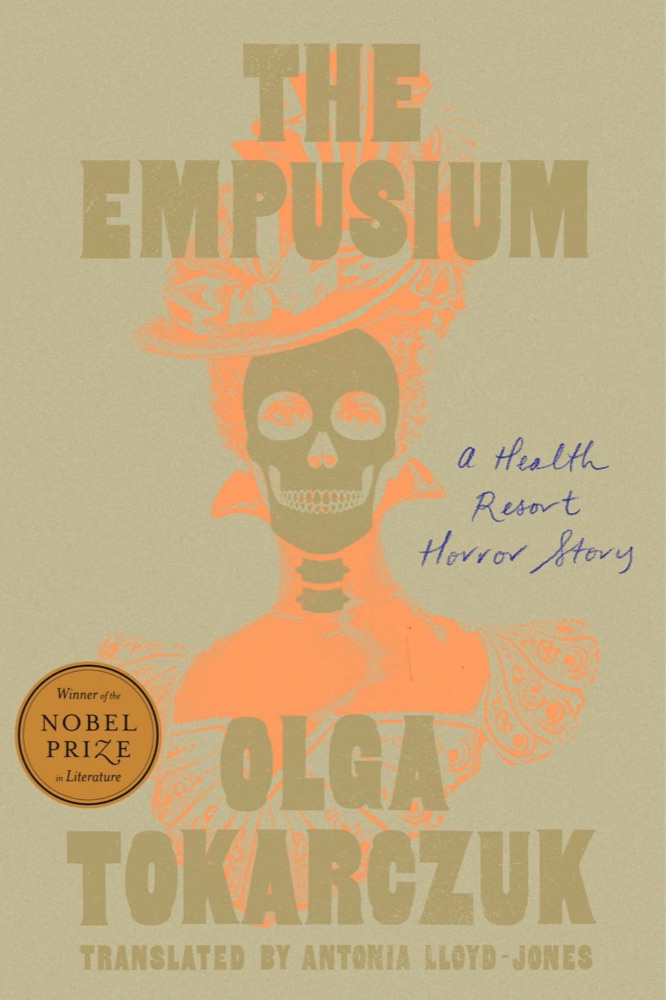 The Empusium
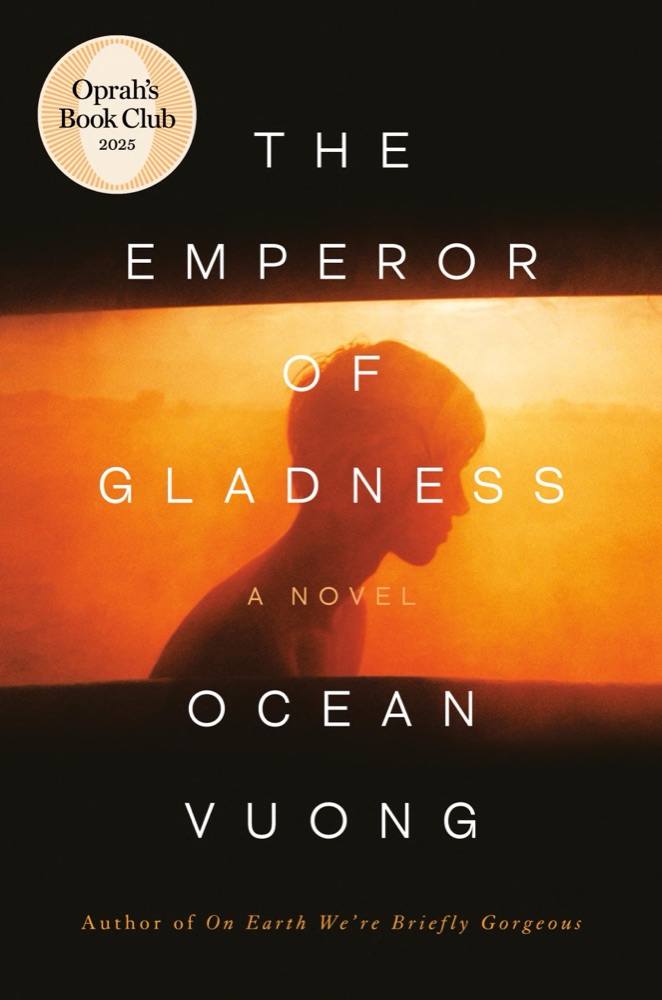 The Emperor of Gladness
 The Death of the Heart
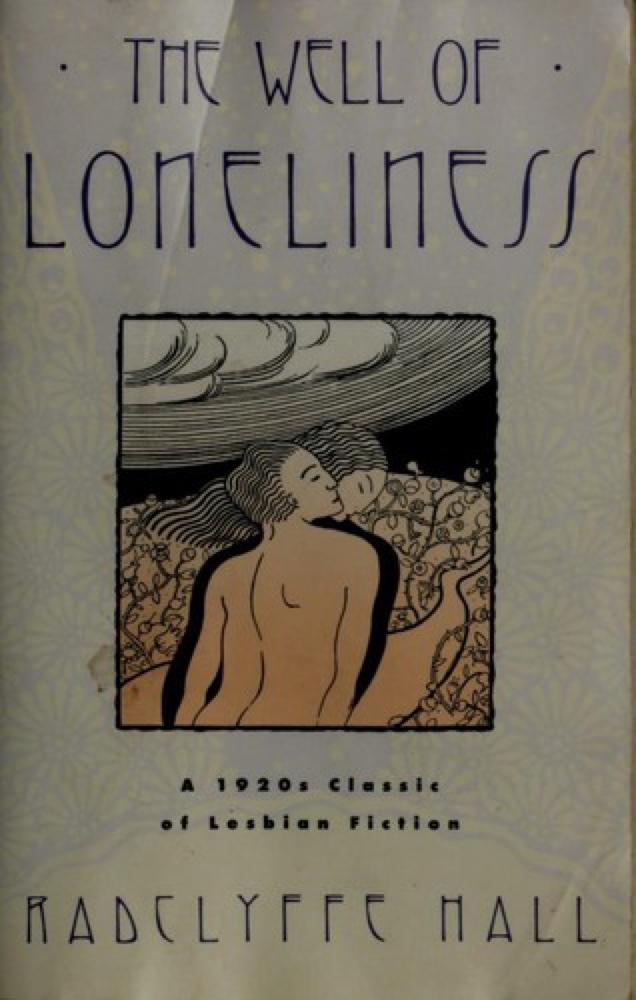 The Well of Loneliness
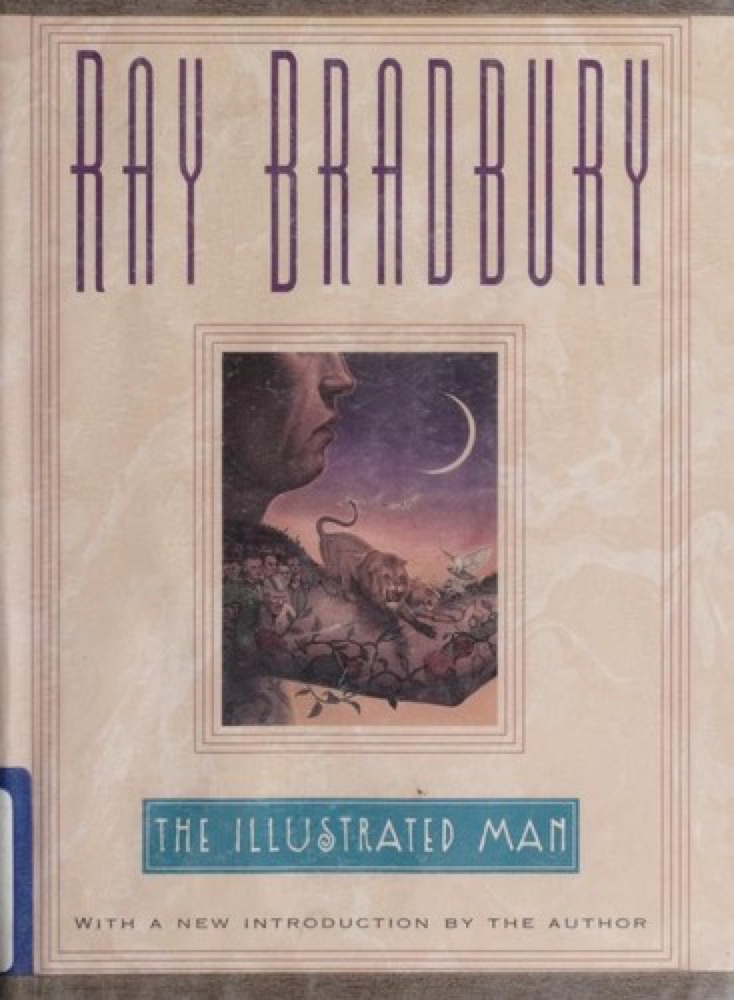 The Illustrated Man
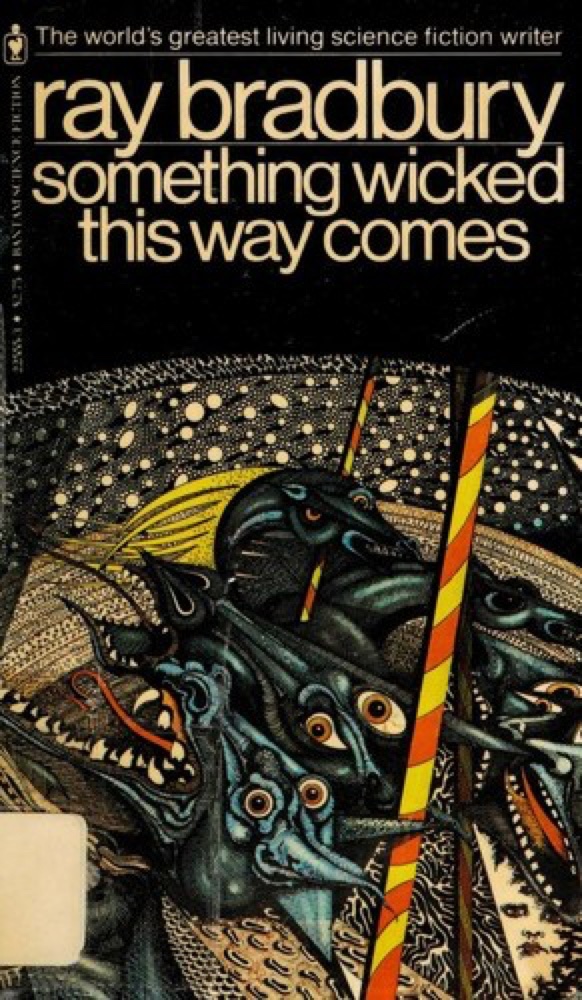 Something Wicked This Way Comes
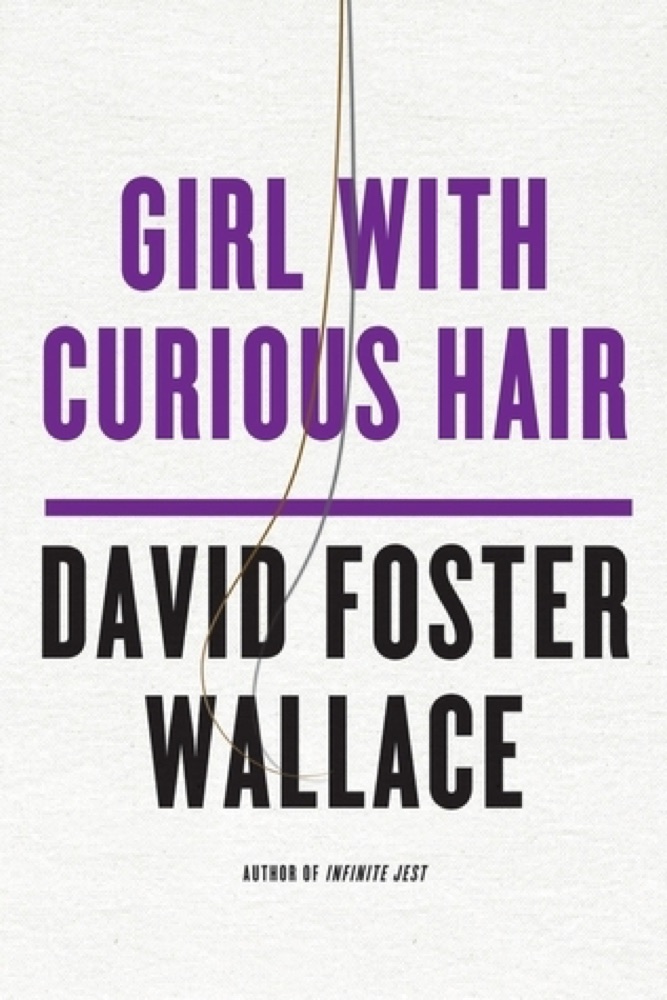 Girl with Curious Hair
 Bradbury Stories: 100 of His Most Celebrated Tales
 A Fine and Private Place
 The Enchanted
 Selected Stories
 Plainwater: Essays and Poetry
 Light Years
 Emily's Quest
 That Hideous Strength
 Sexing the Cherry
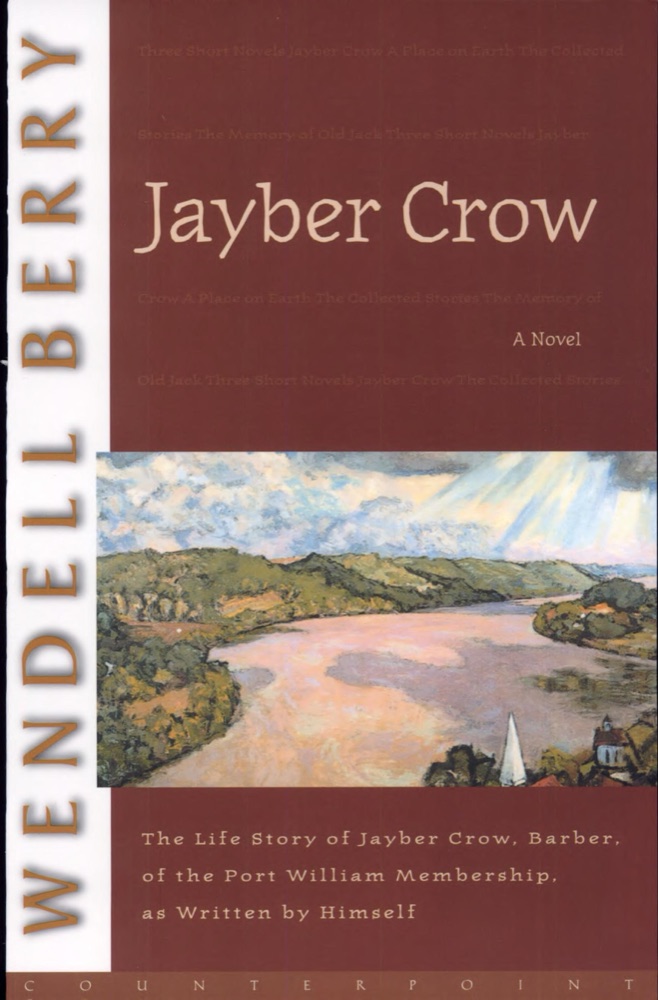 Jayber Crow
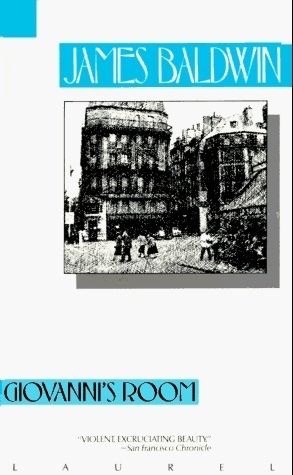 Giovanni's Room
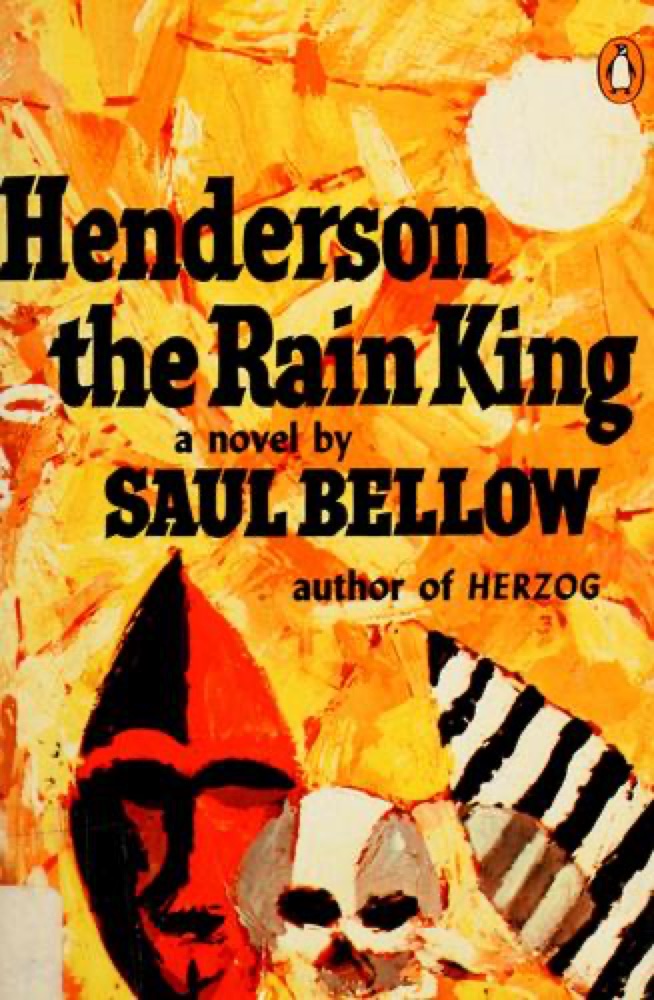 Henderson the Rain King
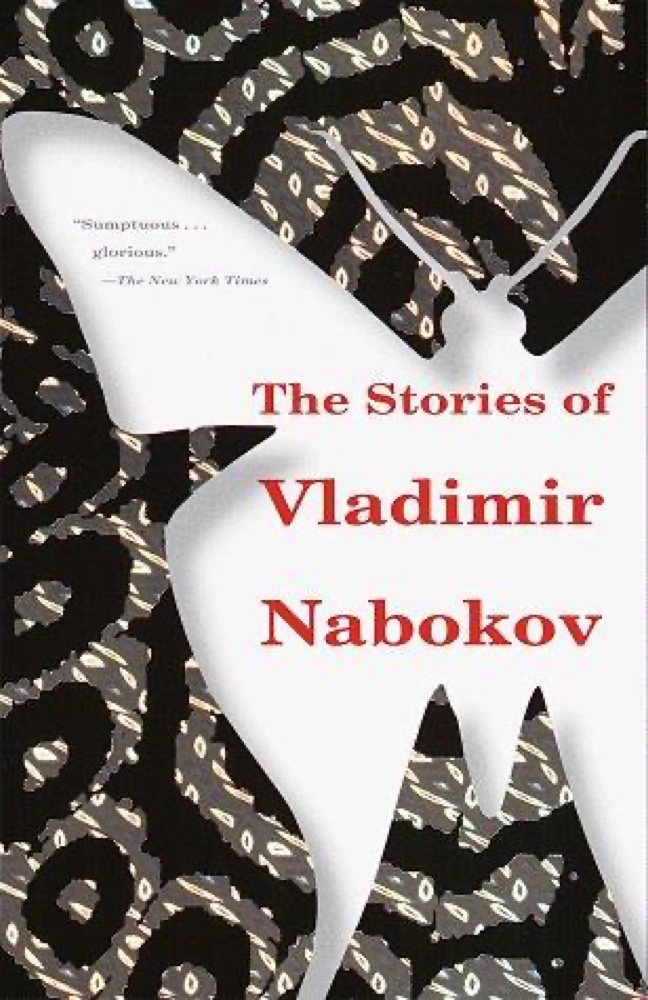 The Stories of Vladimir Nabokov
 The Age of Innocence
 Antic Hay
 Doctor Zhivago
 The Sound and the Fury
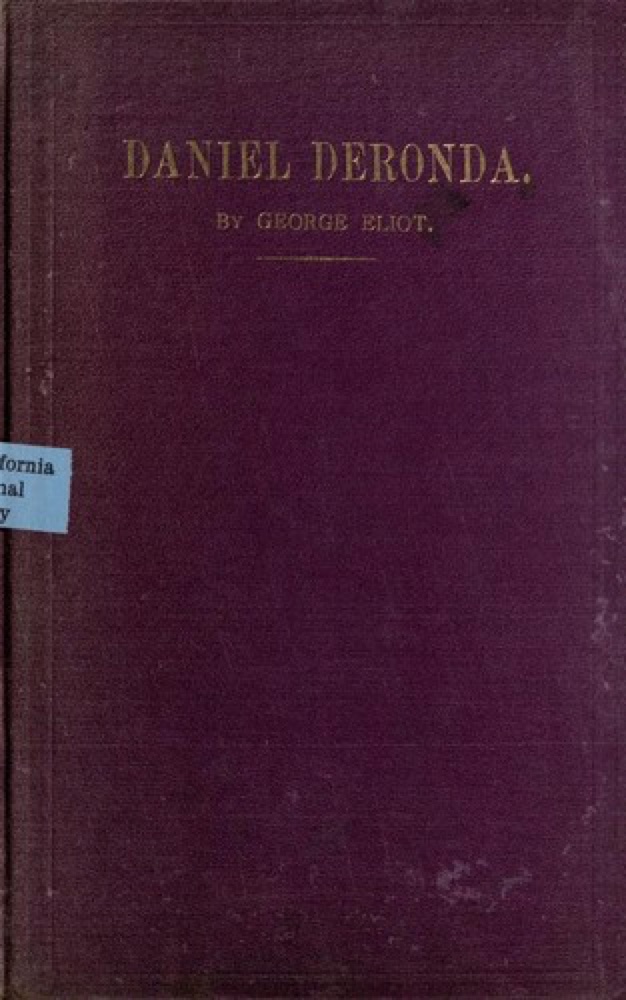 Daniel Deronda
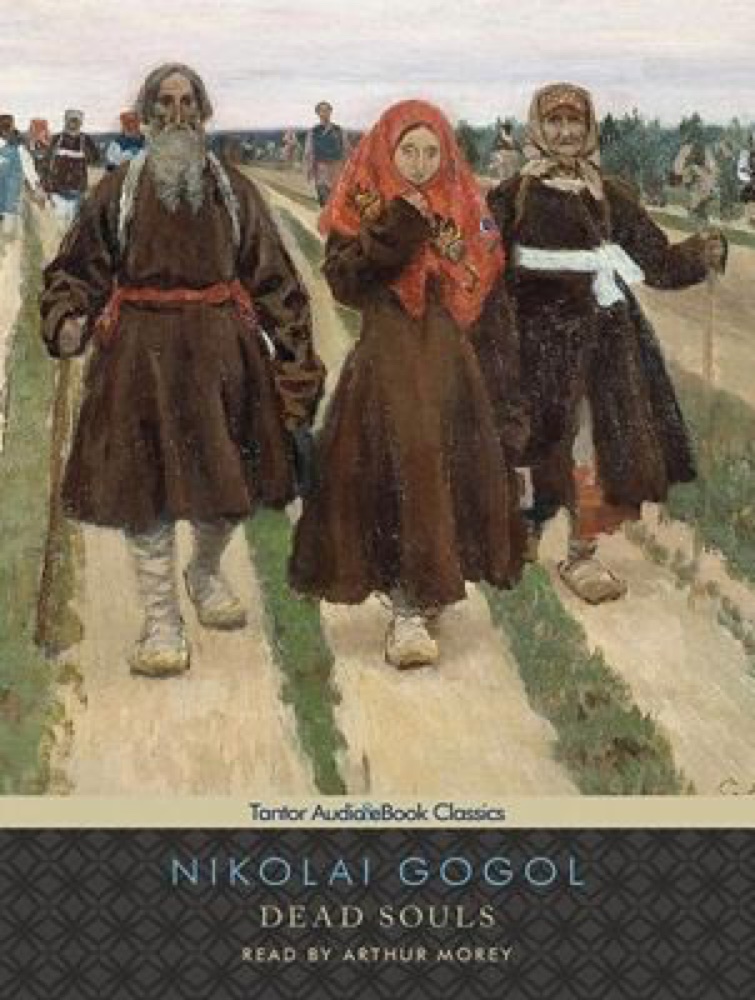 Dead Souls
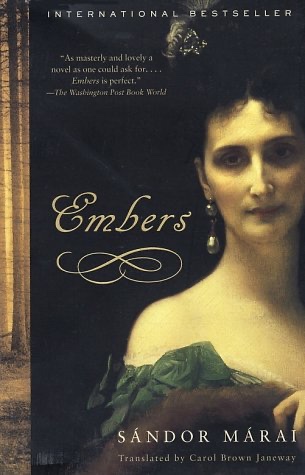 Embers
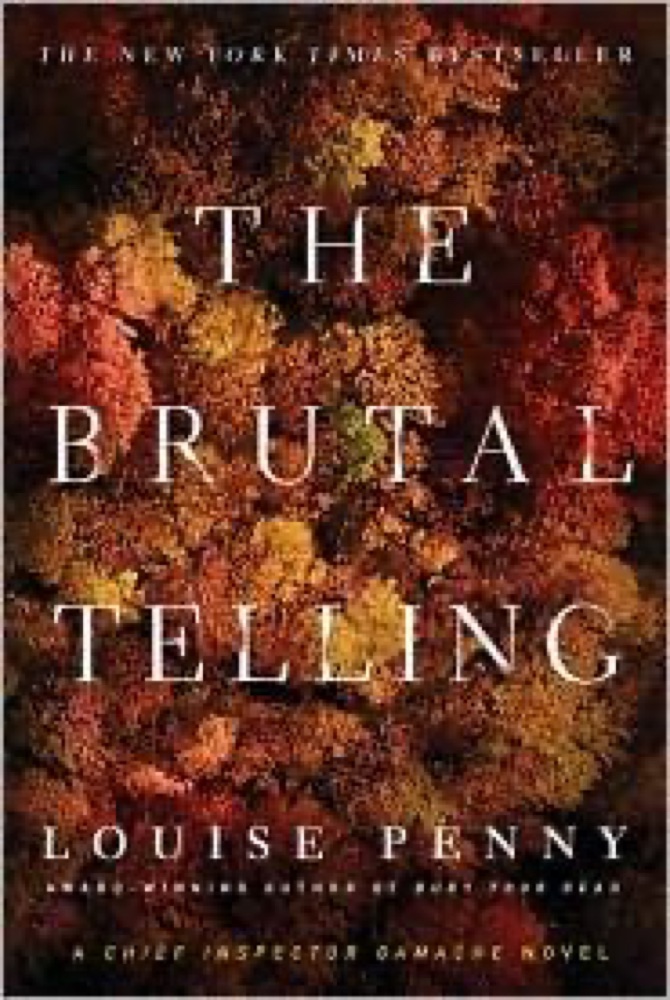 The Brutal Telling
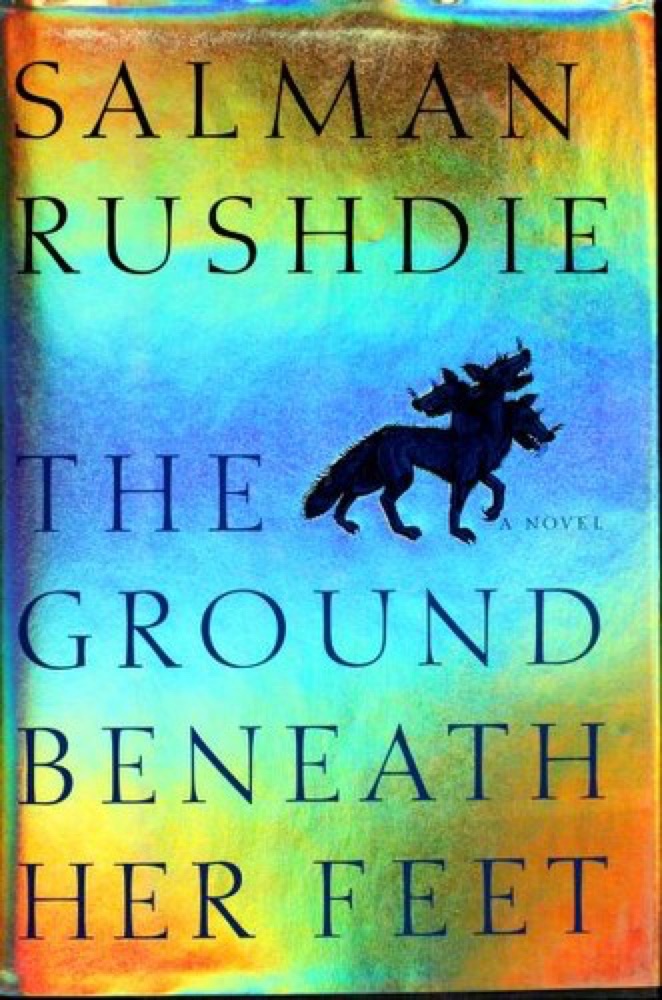 The Ground Beneath Her Feet
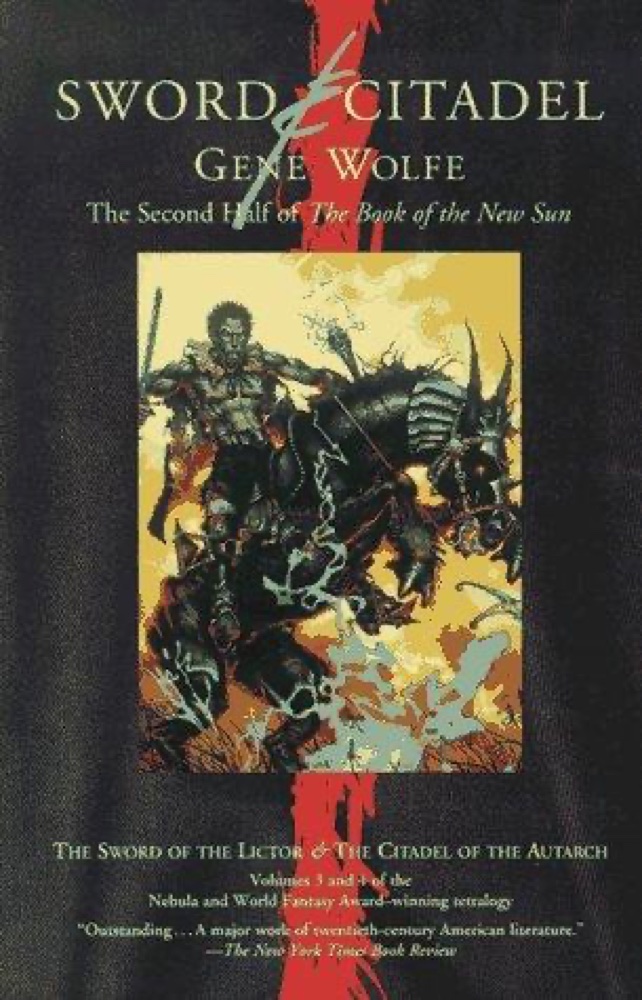 Sword & Citadel
 The Sea, the Sea
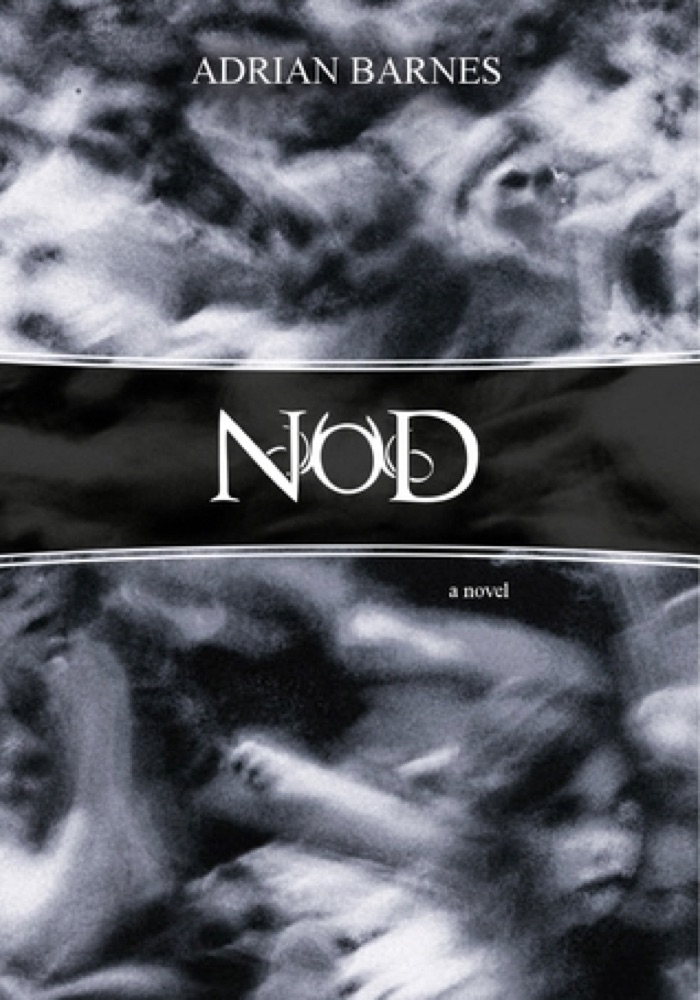 Nod
Nod
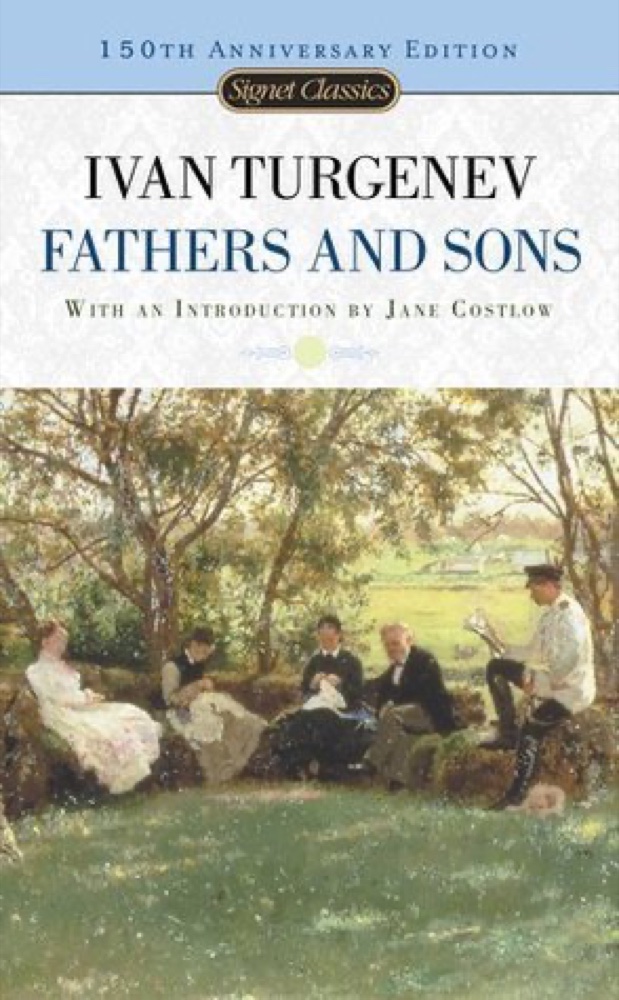 Fathers and Sons
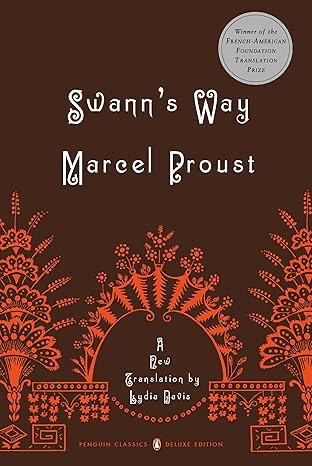 Swann's Way
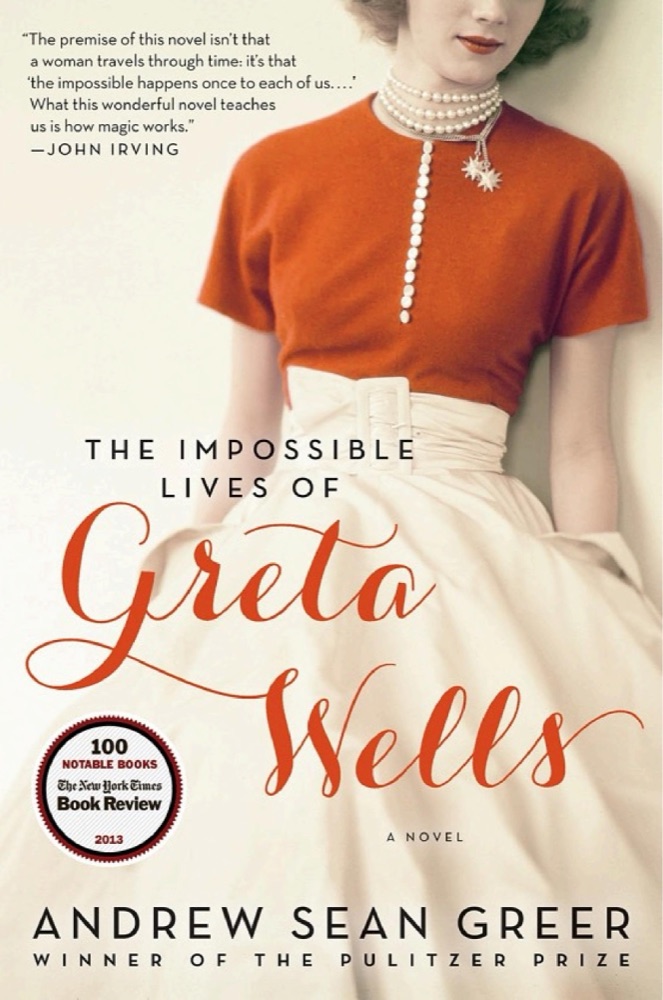 The Impossible Lives of Greta Wells
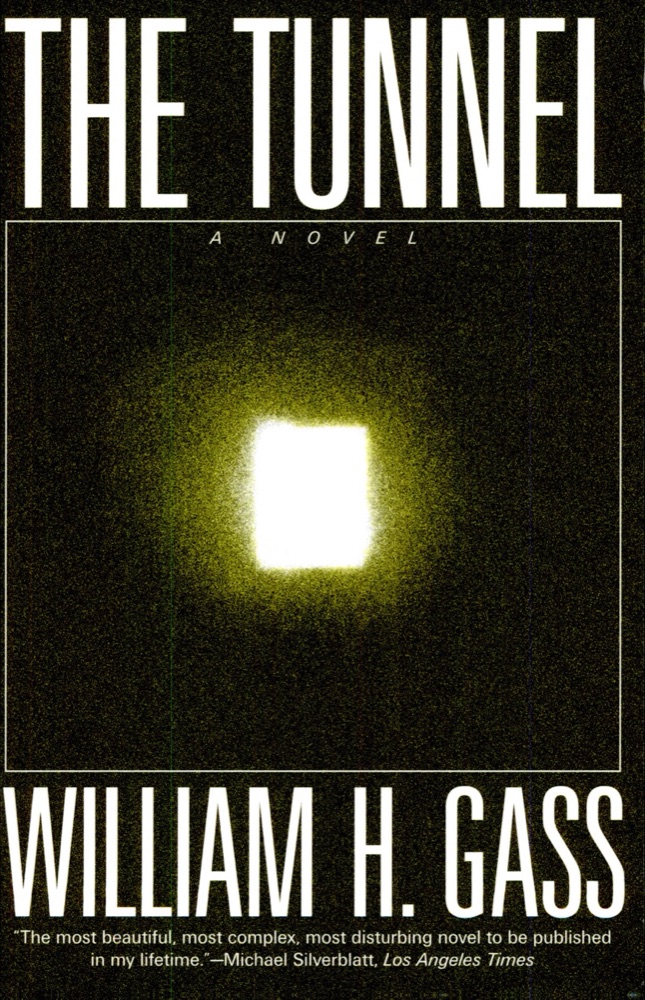 The Tunnel
 Nine Stories
 The Wars
 Arch of Triumph
 Jacob's Room
 The Dream of Perpetual Motion
 Narcissus and Goldmund
 Pew
Pew
 Light in August
 Birdsong
 Till We Have Faces
 Snow Falling on Cedars
 The Magus
 Gaudy Night
 A Luminous Republic
 Manalive
 Three Comrades