
 Systematic Theology: An Introduction to Biblical Doctrine
Quotes from the Book
What the sunshine is to the field and to the flowers the Holy Spirit is to the life of man.
President George Q. Cannon gave us a marvelous description of how we can recognize the influence of the Holy Ghost. He said this: "I will tell you a rule by which you may know the Spirit of God from the spirit of evil. The Spirit of God always produces joy and satisfaction of mind. When you have that Spirit you are happy; when you have another spirit you are not happy. The spirit of doubt is the spirit of the evil one; it produces uneasiness and other feelings that interfere with happiness and peace.
The page on which I wrote is the second page in section 19 of the Doctrine and Covenants, in the old edition of the triple combination. On the bottom of the page, in capital letters, is written the word REPENTANCE. And then an arrow leads to a notation that reads: "Greek word. To have a new mind.
shrink." (D&C 19:18.) It was about there that I wrote these words: "Teach the people repentance hurts." You must never believe the lie that there is no pain from sin. You can be forgiven; the Atonement is real. But President Kimball taught that "if a person hasn't suffered, he hasn't repented." (The Teachings of Spencer W. Kimball, ed. Edward L. Kimball [Salt Lake City: Bookcraft, 1982], p. 99.) So true faith in the atonement of Jesus Christ, rather than leading you to try a little sin, will lead you to stay as far away from it as you can. That brings
For the natural man is an enemy to God, and has been from the fall of Adam, and will be, forever and ever, unless he yields to the enticings of the Holy Spirit, and putteth off the natural man and becometh a saint through the atonement of Christ the Lord, and becometh as a child, submissive, meek, humble, patient, full of love, willing to submit to all things which the Lord seeth fit to inflict upon him, even as a child doth submit to his father.
God will honor your baptism if you will. God will honor your temple covenants if you will. And if you will, I know as surely as if I had seen it that you will have full salvation, which is eternal life.
When you listen for the words of God and follow them, you will hear more. When you do not listen or do not follow, you will hear less and less until finally you may not hear at all.
Watch on YouTube
About Henry B. Eyring
We have collected 7 quotes from 1 book by Henry B. Eyring on BookQuoters.
More about the author →Book details
- Author
- Henry B. Eyring
- Genre
- Nonfiction
- Goodreads rating
- 4.51 (4k ratings) →
Keep reading
Systematic Theology: An Introduction to Biblical Doctrine
 Life Application Study Bible: NIV
 Studies in the Sermon on the Mount
 Knowing God
 Morning and Evening, Based on the English Standard Version
 Praying God's Word: Breaking Free From Spiritual Strongholds
 The Divine Conspiracy: Rediscovering Our Hidden Life in God
 My Utmost for His Highest
 The Message Remix
 The Pursuit of God: The Human Thirst for the Divine
 Absolute Surrender
 Girl Meets God
 The Book of Mormon: Another Testament of Jesus Christ
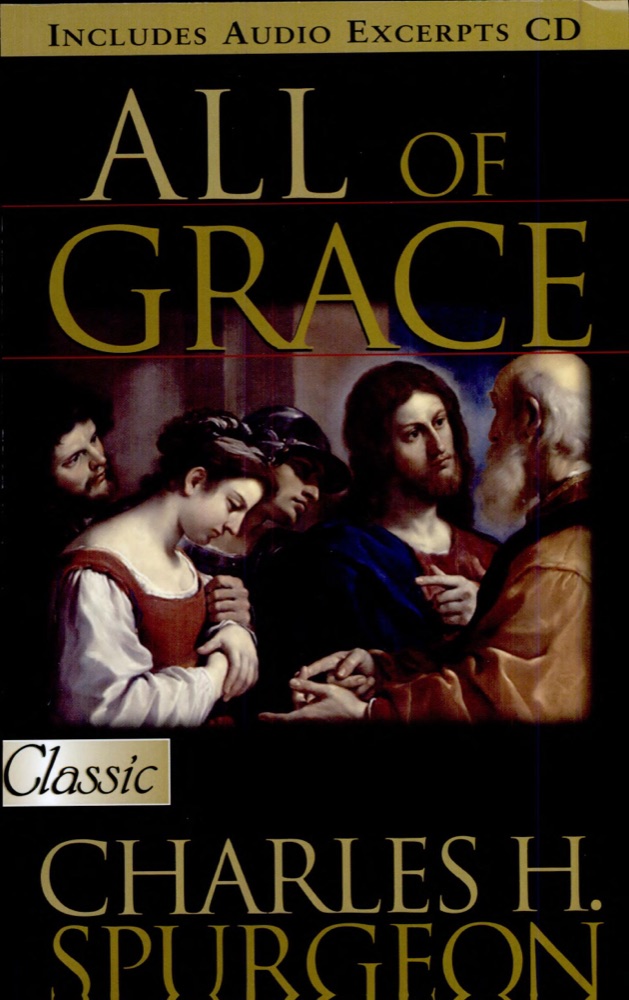 All of Grace
 The Normal Christian Life
 In His Image: 10 Ways God Calls Us to Reflect His Character
 He Chose the Nails: What God Did to Win Your Heart
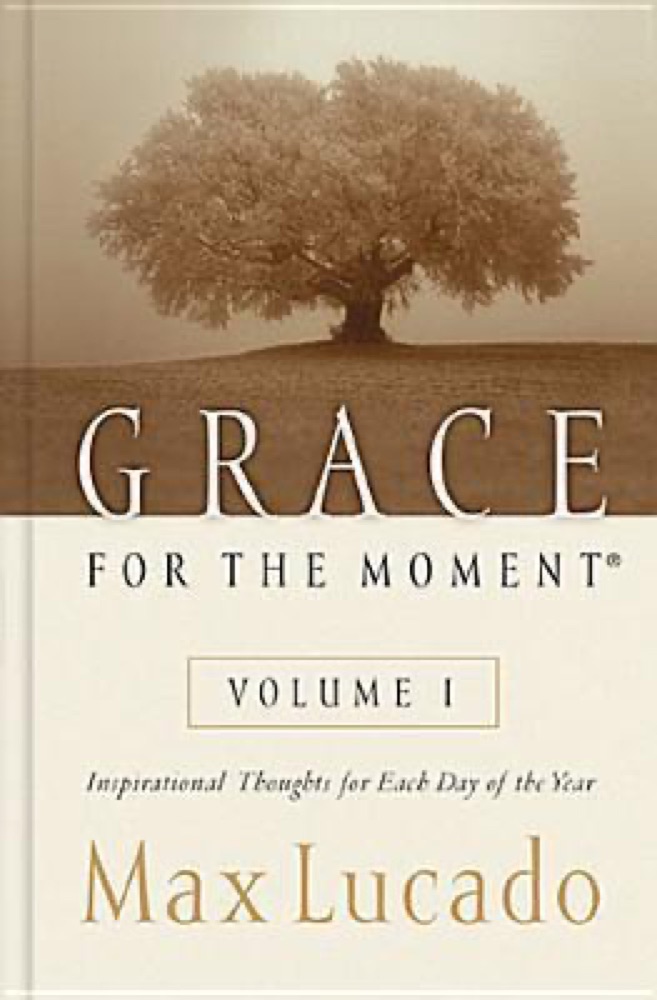 Grace for the Moment: Inspirational Thoughts for Each Day of the Year, Volume 1
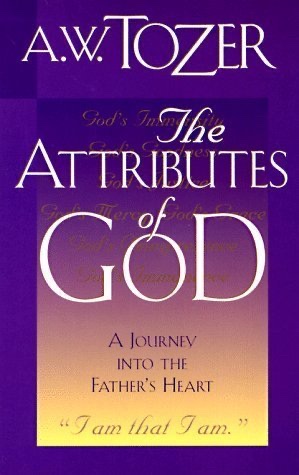 The Attributes of God: A Journey Into the Father's Heart
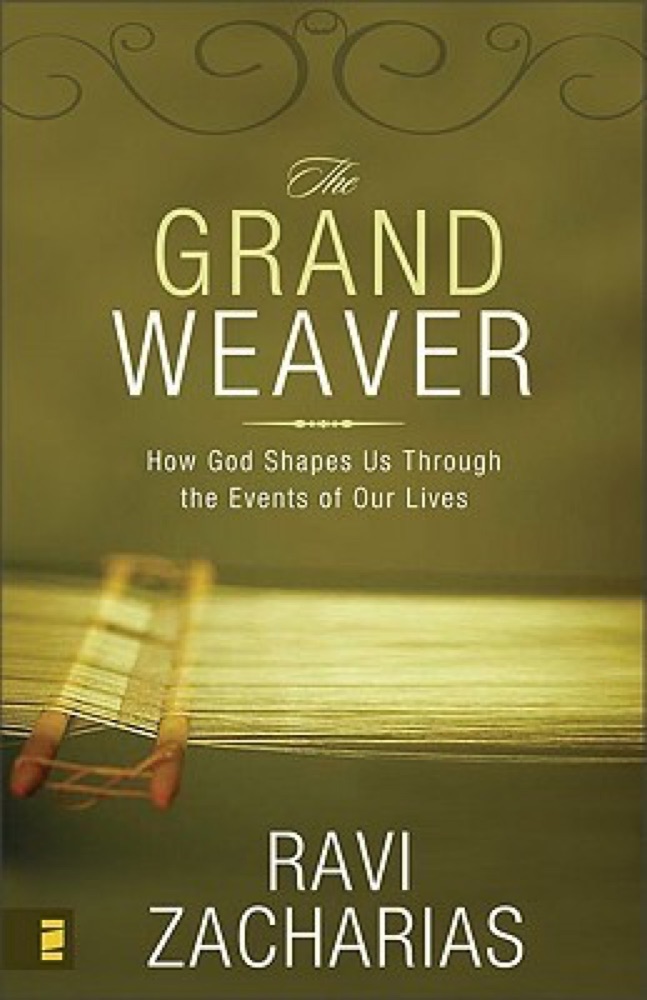 The Grand Weaver: How God Shapes Us through the Events in Our Lives
 The Holiness of God
 Believing God
 With Christ in the School of Prayer
 The New Oxford Annotated Bible: New Revised Standard Version
 Hope for Each Day: Words of Wisdom and Faith
 The Crucible of Doubt: Reflections On the Quest for Faith
 The Book of Mormon: Another Testament of Jesus Christ
 Jesus of Nazareth: The Infancy Narratives
 The Orthodox Study Bible
 Discipline: The Glad Surrender
 3:16: The Numbers of Hope
 Ten Words to Live By: Delighting in and Doing What God Commands
 The Bruised Reed
 The Holy Bible: King James Version
 King's Cross: The Story of the World in the Life of Jesus
 Hearing God: Developing a Conversational Relationship with God
 The Mystery of Providence
 The Great Omission: Reclaiming Jesus's Essential Teachings on Discipleship
 Erasing Hell: What God Said About Eternity, and the Things We've Made Up
 Love Wins Low Price CD: Love Wins Low Price CD
 Moving Mountains: Praying with Passion, Confidence, and Authority
 Simply Christian
 To Live Is Christ: Joining Paul's Journey of Faith
 The Knowledge of the Holy
 The Sermon on the Mount: The Key to Success in Life
 The Prodigal God: Recovering the Heart of the Christian Faith
 Encounters with Jesus: Unexpected Answers to Life's Biggest Questions
 A Little Book on the Christian Life
 The Doctrine of Repentance
 Life Together: The Classic Exploration of Christian Community
 The Attributes of God
 Pastrix: The Cranky, Beautiful Faith of a Sinner & Saint
 The Autobiography of George Müller
 The Cost of Discipleship
 Hope for the Troubled Heart: Finding God in the Midst of Pain
 Praying Like Monks, Living Like Fools: An Invitation to the Wonder and Mystery of Prayer
 On the Incarnation
 On Christian Doctrine
 Having a Mary Heart in a Martha World: Finding Intimacy with God in the Busyness of Life