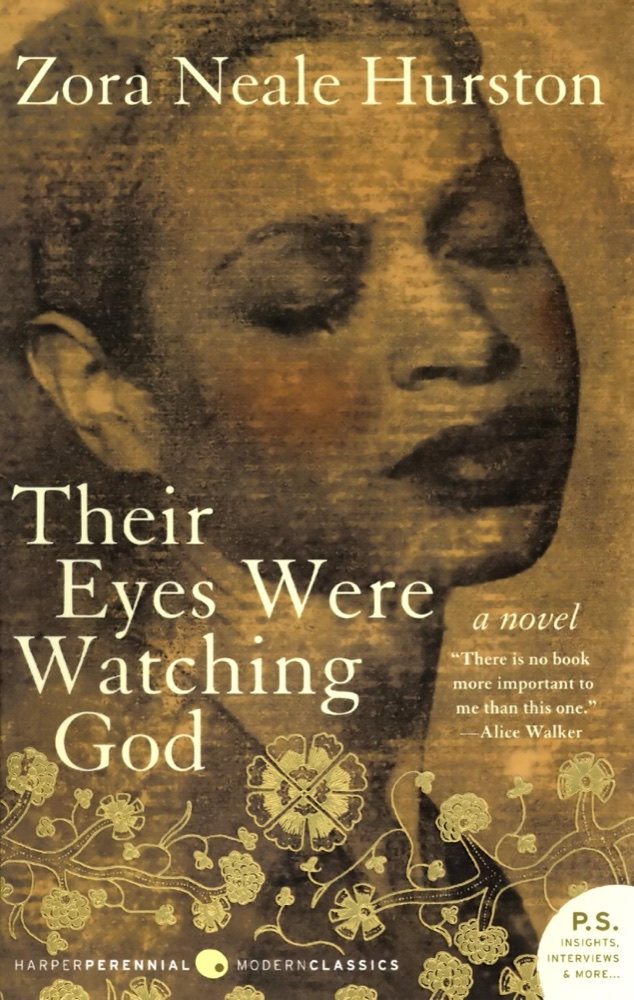
 Their Eyes Were Watching God
Quotes from the Book
A thing is mighty big when time and distance cannot shrink it.
153
I fail to see where it would have been more uplifting for them to have been inside a church listening to a man urging them to 'contemplate the sufferings of our Lord,' which is just another way of punishing one's self for nothing. It is very much better for them to climb the rocks in their bare clean feet and meet Him face to face in their search for the eternal in beauty.
14
Perhaps it is natural for the god of the poor to be akin to the god of the dead, for there is something about poverty that smells of death
3
You cannot avoid hearing drums in Haiti.
3
After all the imagination is a beautiful thing.
2
It all stems from the firm belief in survival after death. Or rather that there is no death. Activities are merely changed from one condition to the other. One old man smoking jackass rope tobacco said to me in explanation: “One day you see a man walking the road, the next day you come to his yard and find him dead. Him don’t walk, him don’t talk again. He is still and silent and does none of the things that he used to do. But you look upon him and you see that he has all the parts that the living have. Why is it that he cannot do what the living do? It is because the thing that gave power to these parts is no longer there. That is the duppy, and that is the most powerful part of any man.
Brother Anansi, the Spider, that great cultural hero of West Africa who is personated in Haiti by Ti Malice and in the United States by Brer Rabbit.
Sharp spur mek maugre horse cut caper. (The pinch of circumstances forces people to do what they thought impossible.) Sickness ride horse come, take foot go away. (It is easier to get sick than it is to get well.) Table napkin want to turn table cloth. (Referring to social climbing.) Bull horn nebber too heavy for him head. (We always see ourselves in a favorable light.) Cock roach nebber in de right befo’ fowl. (The oppressor always justifies his oppression of the weak.) If you want fo’ lick old woman pot, you scratch him back. (The masculine pronoun is always used for female. Use flattery and you will succeed.) Do fe do make guinea nigger come a’ Jamaica. (Fighting among themselves in Africa caused the negroes to be sold into slavery in America.) Dog run for him character; hog run for him life. (It means nothing to you, but everything to me.) Finger nebber say, “look here,” him say “look dere.” (People always point out the shortcomings of others but never their own.) Cutacoo on man back no yerry what kim massa yerry. (The basket on a man’s back does not hear what he hears.)
The will to make life beautiful was strong.
Once Africans could all fly because they never ate salt. Many of them were brought to Jamaica to be slaves, but they never were slaves. They flew back to Africa. Those who ate salt had to stay in Jamaica and be slaves, because they were too heavy to fly.
Watch on YouTube
About Zora Neale Hurston
We have collected 128 quotes from 6 books by Zora Neale Hurston on BookQuoters.
More about the author →More by Zora Neale Hurston
All books by Zora Neale Hurston →
About the book
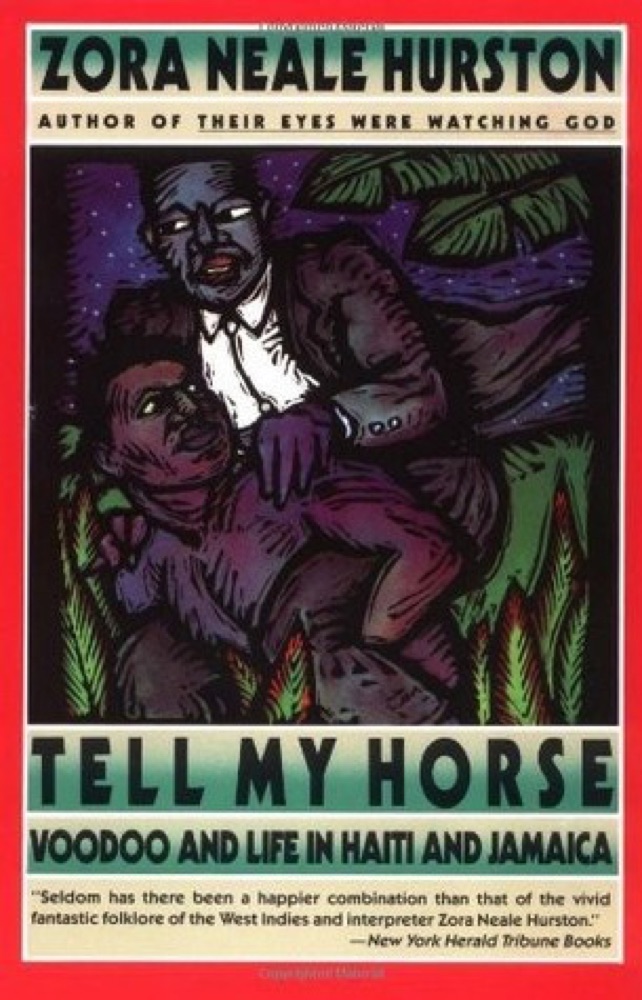
A firsthand account of the weird mysteries and horrors of voodoo. Tell My Horse is an invaluable resource and fascinating guide. Based on Zora Neale Hurston’s personal experience in Haiti and Jamaica, where she participated as an initiate rather than just an observer of voodoo practices during her visits in the 1930s, this travelogue into a dark world paints a vividly authentic picture of ceremonies and customs and superstitions of great cultural interest.
Book details
- First published
- 1938
- Author
- Zora Neale Hurston
- Genre
- Nonfiction
- Goodreads rating
- 3.97 (3k ratings)
Keep reading
 Wizard of the Crow
 Island Beneath the Sea
 Juneteenth
 Another Roadside Attraction
 Villa Incognito
 Barracoon: The Story of the Last "Black Cargo"
 The Enchantress of Florence
 The Love Songs of W.E.B. Du Bois
 Skinny Legs and All
 A Song Flung Up to Heaven
 Out of Africa
 King Solomon's Mines
 Love in the Ruins
 The Night Watchman
 The Boy Who Harnessed the Wind: Creating Currents of Electricity and Hope
 The Gone-Away World
 Following the Equator: A Journey Around the World
 Tortilla Flat
 Absalom, Absalom!
 The Years of Rice and Salt
 Independent People
 Jayber Crow
 Perelandra
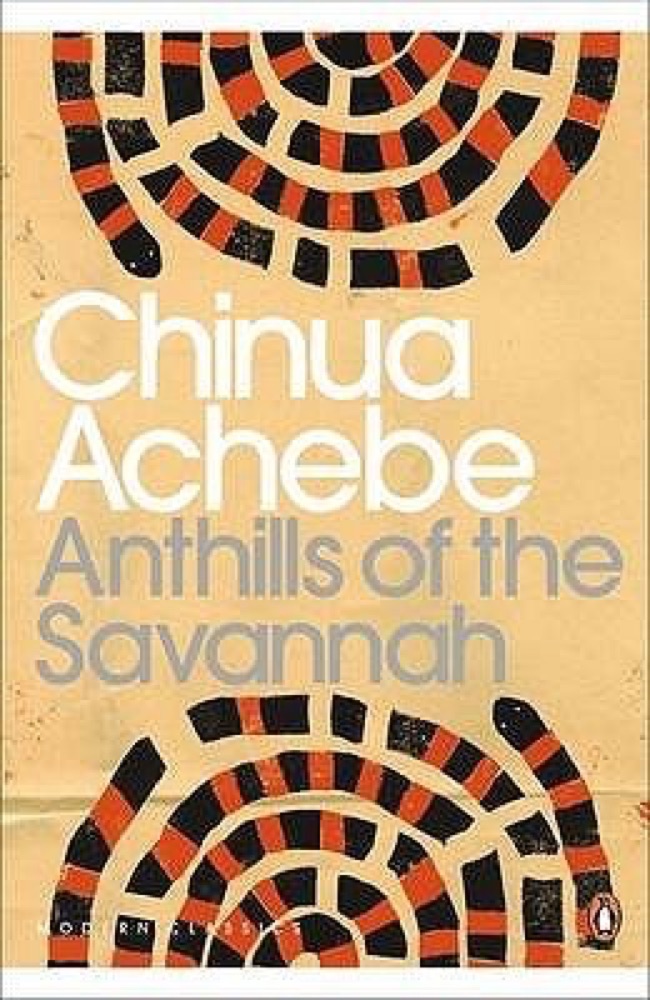 Anthills of the Savannah
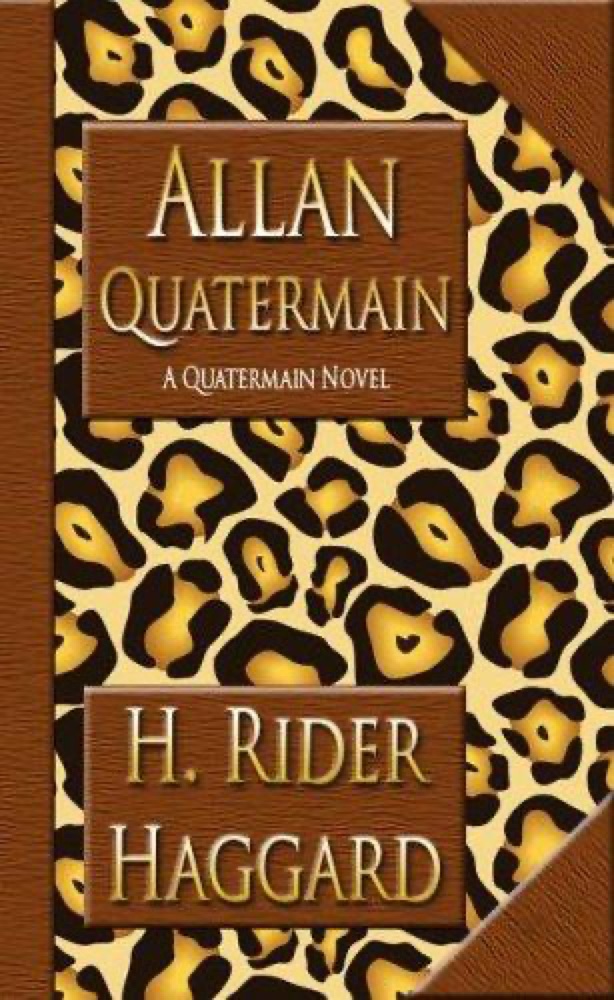 Allan Quatermain
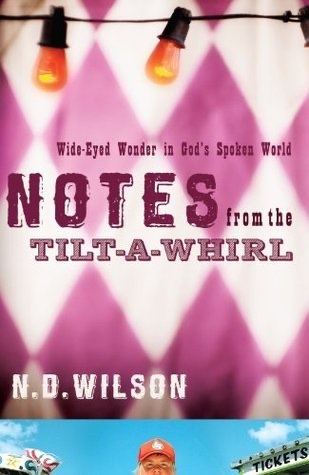 Notes From The Tilt-A-Whirl: Wide-Eyed Wonder in God's Spoken World
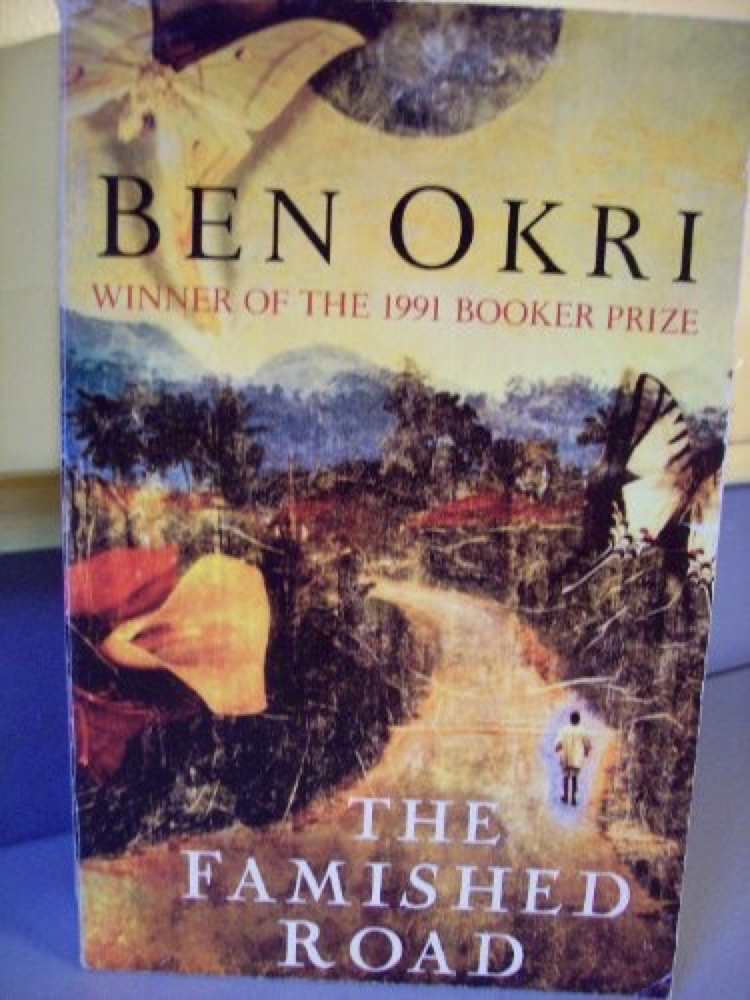 The Famished Road
 The Everlasting Man
 Sacred Hunger
 Toll the Hounds
 Ben-Hur: A Tale of the Christ
 Sea of Poppies
 The Bedlam Stacks
 The Magic Mountain
 The Etched City
 Good Omens
 Black in Blues: How a Color Tells the Story of My People
 Walking
 Speaking Bones
 The Story of the Trapp Family Singers
 Hungry Ghosts
 Miss Lonelyhearts
 Soul Music
 Speaking from Among the Bones
 Nation
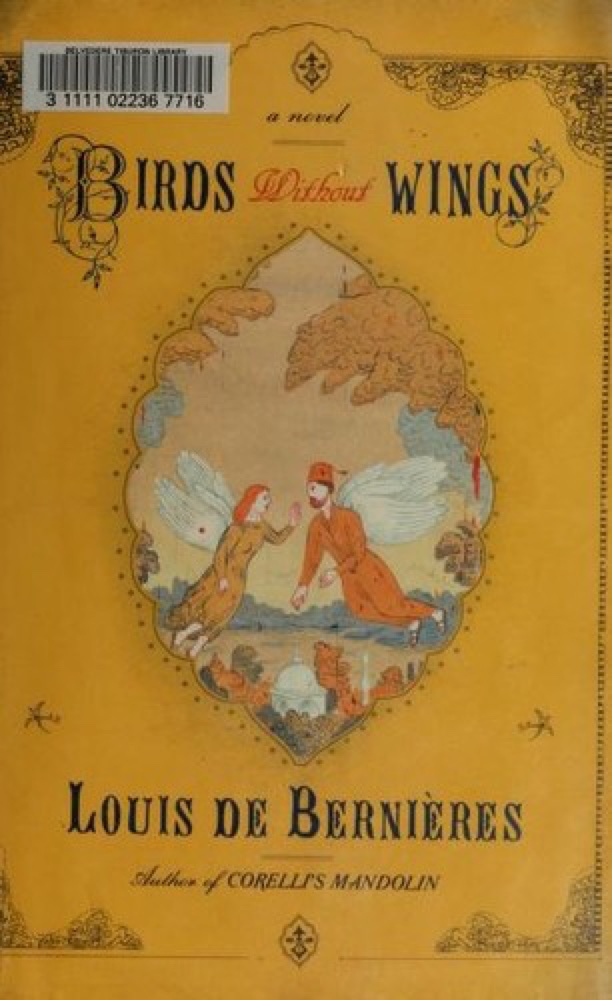 Birds Without Wings
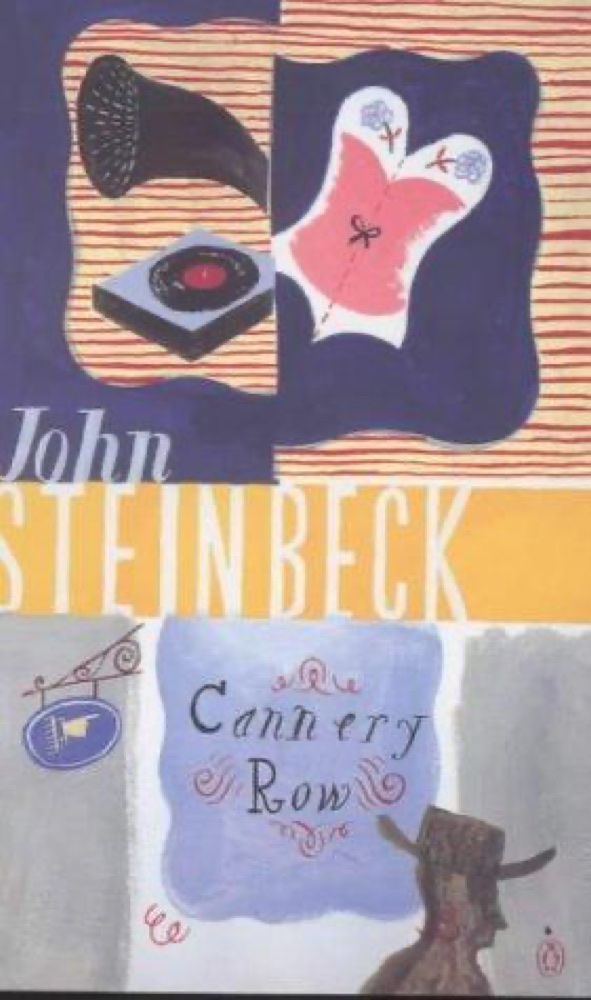 Cannery Row
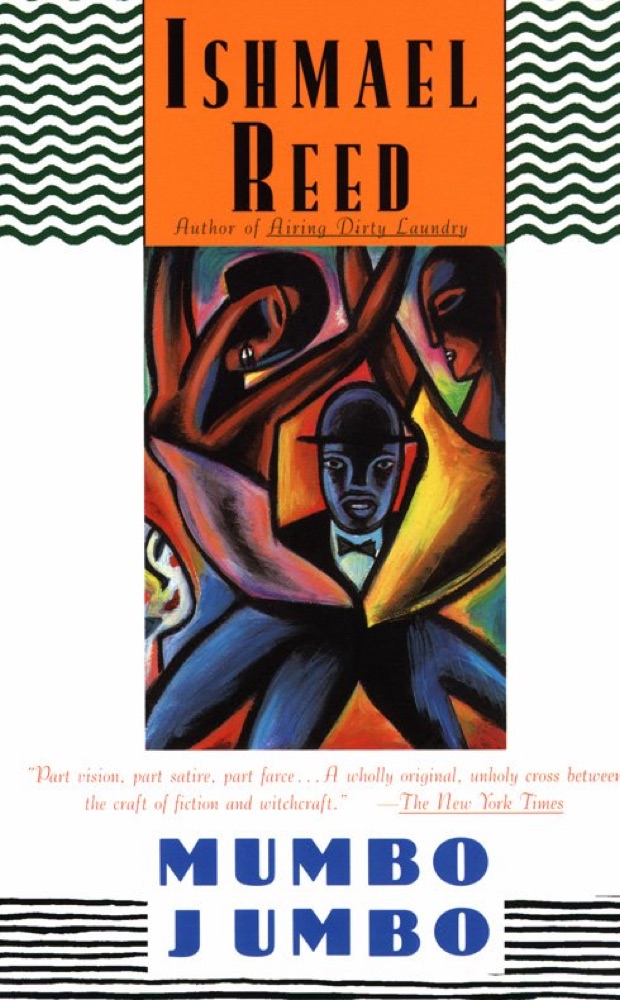 Mumbo Jumbo
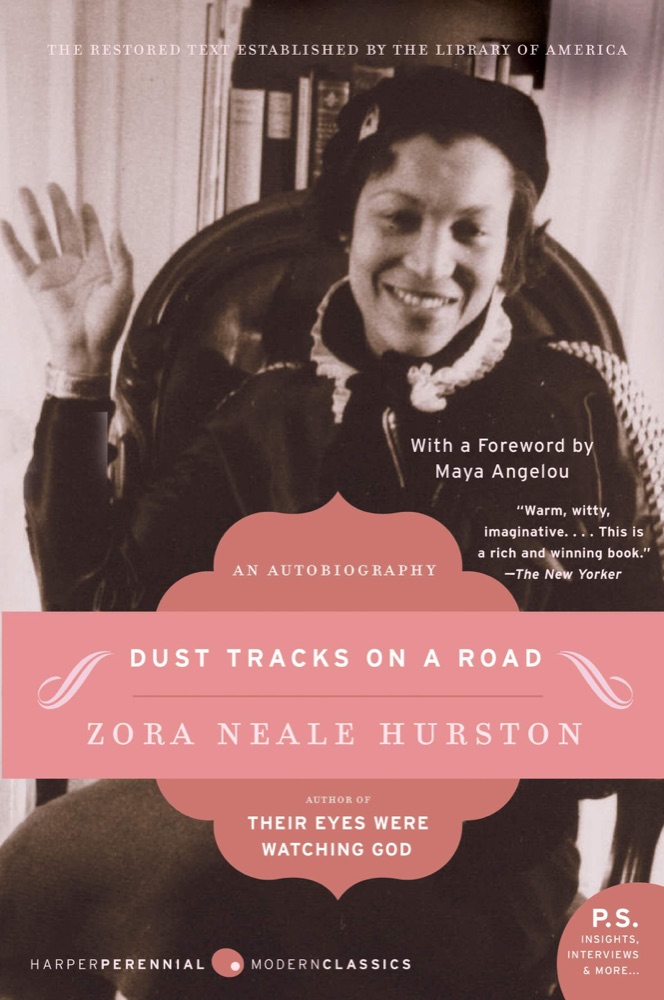 Dust Tracks on a Road
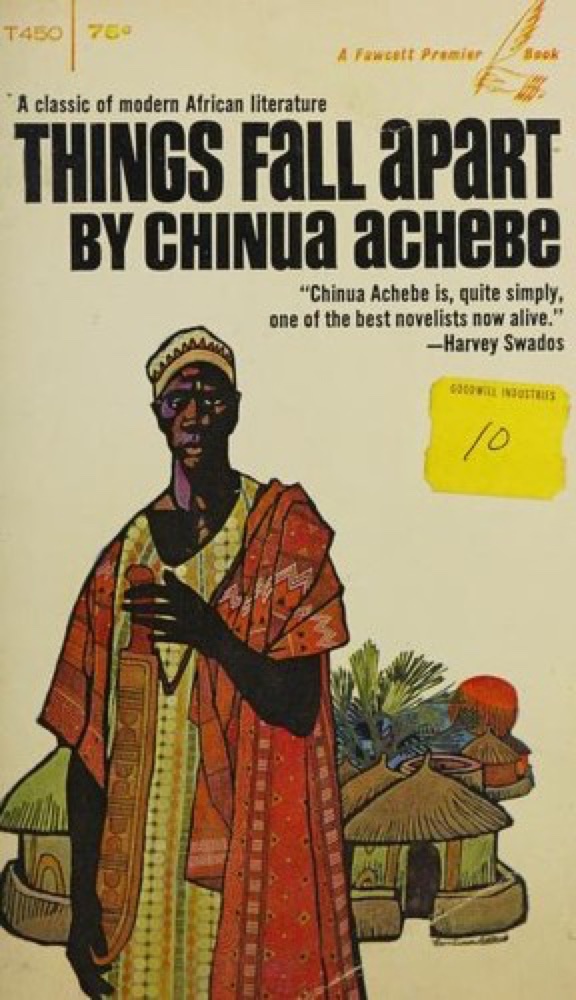 Things Fall Apart
 The Sea Keeper's Daughters
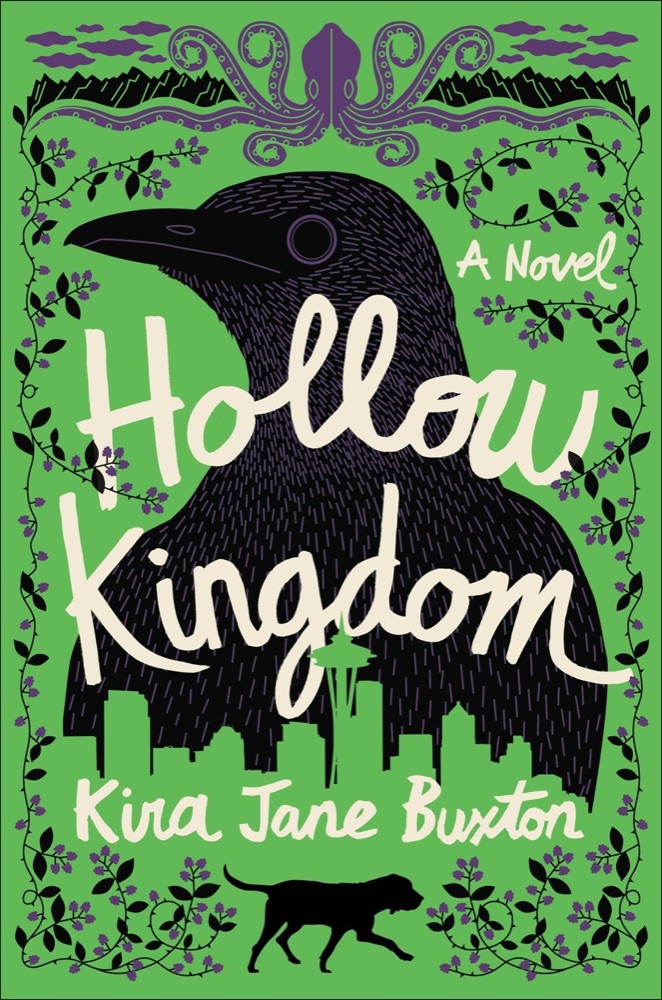 Hollow Kingdom
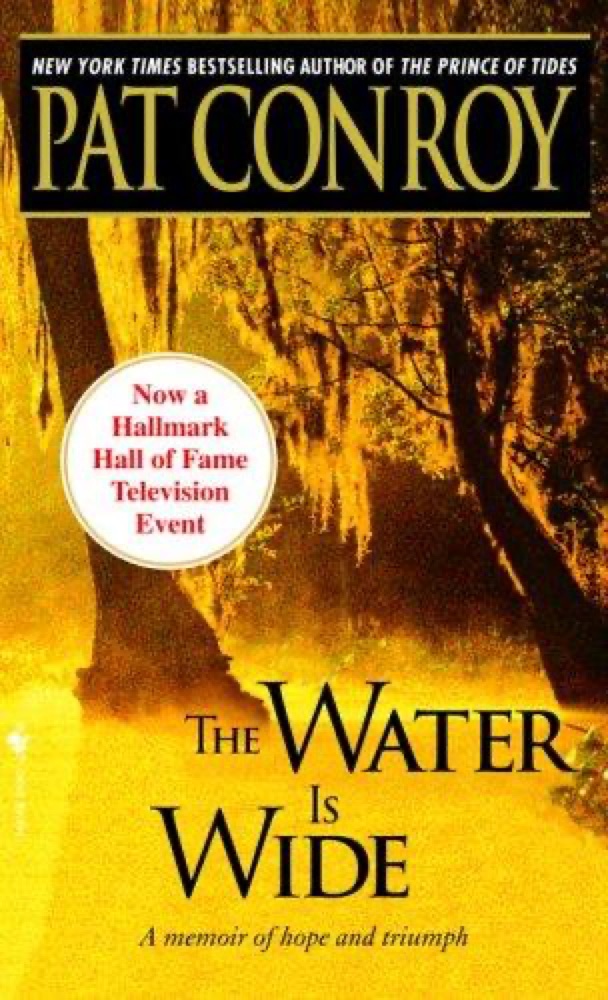 The Water is Wide
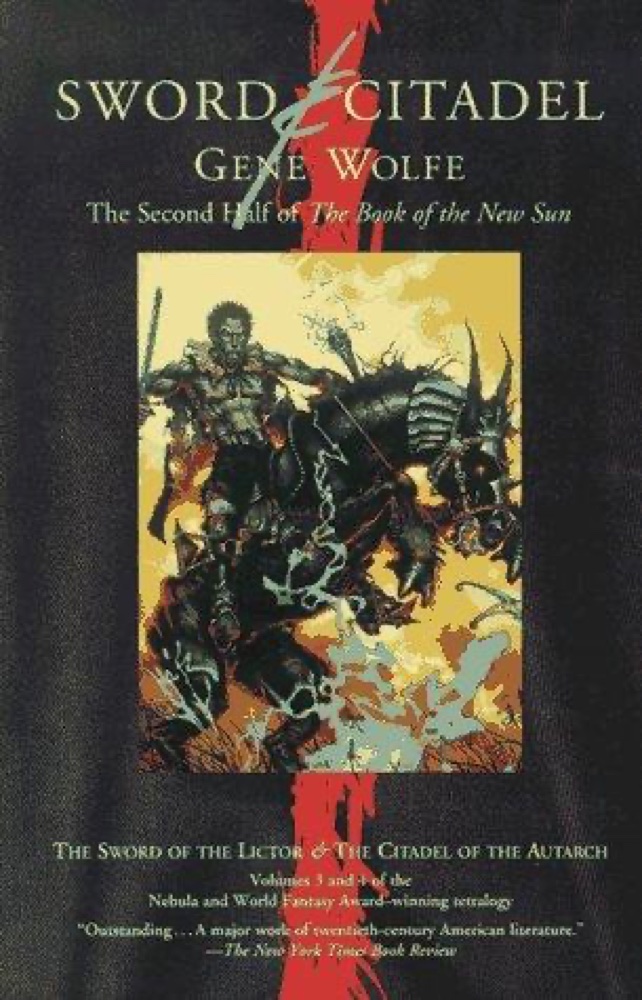 Sword & Citadel
 The Hungry Tide
 Ireland
 Anansi Boys
 The Inquisitor's Tale: Or, The Three Magical Children and Their Holy Dog
 Paradise
 River of Smoke