
 Around the World in Eighty Days
Quotes from the Book
The sea is everything. It covers seven tenths of the terrestrial globe. Its breath is pure and healthy. It is an immense desert, where man is never lonely, for he feels life stirring on all sides. The sea is only the embodiment of a supernatural and wonderful existence. It is nothing but love and emotion; it is the Living Infinite.
We may brave human laws, but we cannot resist natural ones.
If there were no thunder, men would have little fear of lightning.
The human mind delights in grand conceptions of supernatural beings.
Aures habent et non audient` - `They have ears but hear not
The sea is everything. It covers seven-tenths of the terrestrial globe. Its breath is pure and life-giving. It is an immense desert place where man is never lonely, for he senses the weaving of Creation on every hand. It is the physical embodiment of a supernatural existence... For the sea is itself nothing but love and emotion. It is the Living Infinite, as one of your poets has said. Nature manifests herself in it, with her three kingdoms: mineral, vegetable, and animal. The ocean is the vast reservoir of Nature.
The earth does not want new continents, but new men.
Nature's creative power is far beyond man's instinct of destruction.
Steam seems to have killed all gratitude in the hearts of sailors.
Your dead sleep quietly, at least, Captain, out of reach of sharks" "Yes, sir, of sharks and men.
If his destiny be strange, it is also sublime.
What use are the best of arguments when they can be destroyed by force?
The sea is only the embodiment of a supernatural and wonderful existence. It is nothing but love and emotion; it is the 'Living Infinite'...The globe began with sea, so to speak; and who knows if it will not end with it? In it is supreme tranquility.
No sir, it is evidently a gigantic narwhal
Oh, figures!' answered Ned. 'You can make figures do whatever you want.
It was obvious that the matter had to be settled, and evasions were distasteful to me.
However, everything has an end, everything passes away, even the hunger of people who have not eaten
Perfume is the soul of the flower, and sea-flowers have no soul.
With its untold depths, couldn't the sea keep alive such huge specimens of life from another age, this sea that never changes while the land masses undergo almost continuous alteration? Couldn't the heart of the ocean hide the last–remaining varieties of these titanic species, for whom years are centuries and centuries millennia?
I ask no more than to live a hundred years longer, that I may have more time to dwell the longer on your memory.
I am not what you call a civilised man! I have done with society entirely, for reasons which I alone have the right of appreciating. I do not, therefore, obey its laws, and I desire you never to allude to them before me again!
Captain Nemo pointed to this prodigious heap of shellfish, and I saw that these mines were genuinely inexhaustible, since nature's creative powers are greater than man's destructive instincts.
Conseil: If that is the case, this dugong may well be the last of its race, and perhaps it would be better to spare it, in the interest of science. Ned Land: Perhaps it will be better to hunt it, in the interest of the kitchen.
God, if he believed in Him, and his conscience, if he had one, were the only judges to whom he was answerable.
There is the disadvantage of not knowing all languages," said Conseil, "or the disadvantage of not having one universal language.
It was marvellous, a feast for the eyes, this complication of coloured tints, a perfect kaleidoscope of green, yellow, orange, violet, indigo, and blue; in one word, the whole palette of an enthusiastic colourist!
Sir," replied the commander, "I am nothing to you but Captain Nemo; and you and your companions are nothing to me but the passengers of the Nautilus.
Did you know?
- The novel was first serialised from March 1869 to June 1870 in Hetzel's fortnightly periodical Magasin d'education et de recreation before appearing in book form.
- The original French title, Vingt Mille Lieues sous les mers, refers to the distance travelled under the seas, not the depth reached.
- A deluxe octavo edition published by Hetzel in November 1871 included 111 illustrations by Alphonse de Neuville and Edouard Riou.
- Captain Nemo's submarine, the Nautilus, is powered by electricity, a striking prediction decades before practical submarines existed.
- The novel is part of Verne's Voyages Extraordinaires series and is his first story featuring Captain Nemo.
- Nemo's ultimate fate is revealed in Verne's later sequel, The Mysterious Island (1875).
About Jules Verne
Jules Verne (1828-1905) was a French novelist, poet, and playwright, best known for his adventure novels and his pioneering influence on the science fiction genre. His Voyages Extraordinaires series includes classics such as Journey to the Center of the Earth and Around the World in Eighty Days.
More about the author →More by Jules Verne
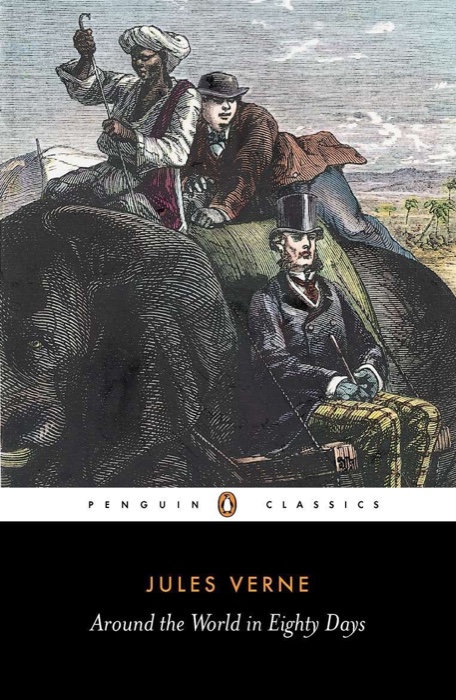
Around the World in Eighty Days
 Journey to the Center of the Earth
 The Mysterious Island
 From the Earth to the Moon
About the book
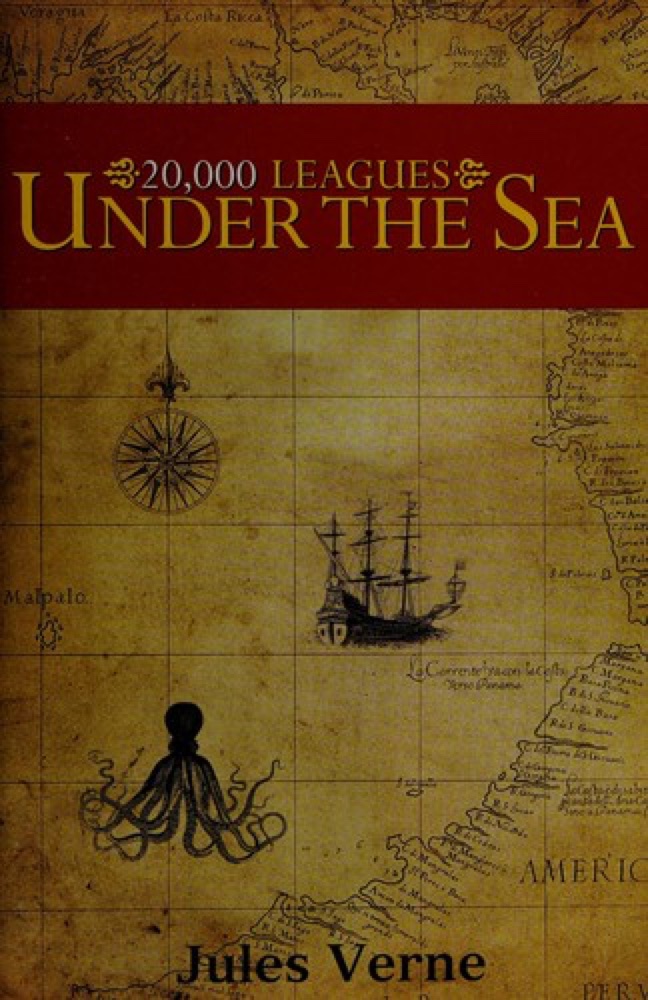
Twenty Thousand Leagues Under the Sea, originally published in French as Vingt Mille Lieues sous les mers, is an adventure novel by Jules Verne. It follows Professor Pierre Aronnax, a French marine biologist, who joins an American expedition to hunt a mysterious sea monster that has been sighting-terrorizing ships around the world. Along with his servant Conseil and the Canadian harpooner Ned Land, Aronnax discovers the creature is in fact the Nautilus, an advanced electrically powered submarine commanded by the enigmatic Captain Nemo, aboard which the three men become long-term passengers touring the oceans of the globe.
The novel is celebrated for its imaginative yet meticulously researched depiction of undersea travel, cataloguing marine life and ocean geography as the Nautilus journeys through the world's seas. Its title refers to the distance travelled beneath the various seas rather than any depth, some 20,000 leagues, nearly twice the circumference of the Earth. Beyond the spectacle, the book explores themes of freedom, isolation, scientific ambition, and rebellion against imperial power, most vividly embodied in Captain Nemo, an exile who has turned his back on a world that destroyed his homeland.
Part of Verne's celebrated Voyages Extraordinaires series and his first Captain Nemo narrative, the book helped define science fiction and popularized the idea of submarine exploration decades before it became practical. Nemo's ultimate fate is revealed in Verne's later novel The Mysterious Island. The story has endured across generations and been adapted many times for film, most famously in the 1954 Walt Disney production starring Kirk Douglas and James Mason.
Key characters
- Captain NemoMysterious, embittered commander and designer of the submarine Nautilus
- Professor Pierre AronnaxFrench marine biologist who narrates the story
- ConseilAronnax's devoted Flemish servant, expert in biological classification
- Ned LandSkilled Canadian harpooner who longs to escape the Nautilus
Book details
- First published
- 1870
- Length
- 303 pages
- Reading time
- 8 hours
- Author
- Jules Verne
- Genre
- Classics
- Goodreads rating
- 3.89 (282k ratings) →
Series & reading order
- 1 Twenty Thousand Leagues Under the Sea
- 2 The Mysterious Island
Movie & TV adaptations
- IMDb
If you liked this, read…
- 1Journey to the Center of the EarthAnother of Verne's Voyages Extraordinaires featuring a daring scientific expedition into the unknown
- 2Around the World in Eighty DaysVerne's globe-spanning adventure with the same blend of travel, ingenuity, and suspense
- 3The Mysterious IslandVerne's direct sequel that resolves the fate of Captain Nemo and the Nautilus
Keep reading
The Mysterious Island
 Moby-Dick
 Nation
 Leonardo's Notebooks
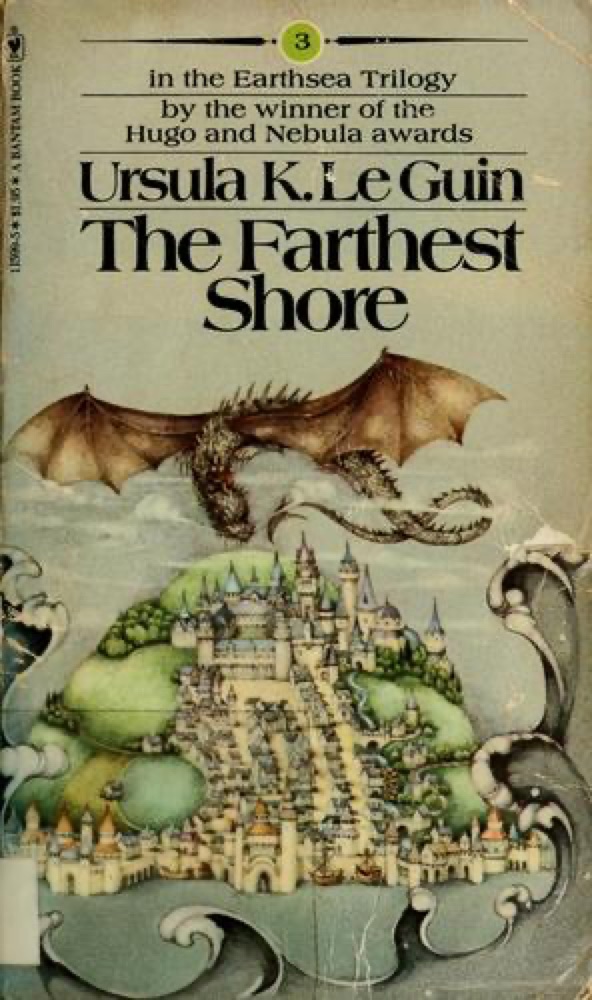 The Farthest Shore
 The Sea, the Sea
 Death's End
 Songs of Distant Earth
 The Sailor Who Fell from Grace with the Sea
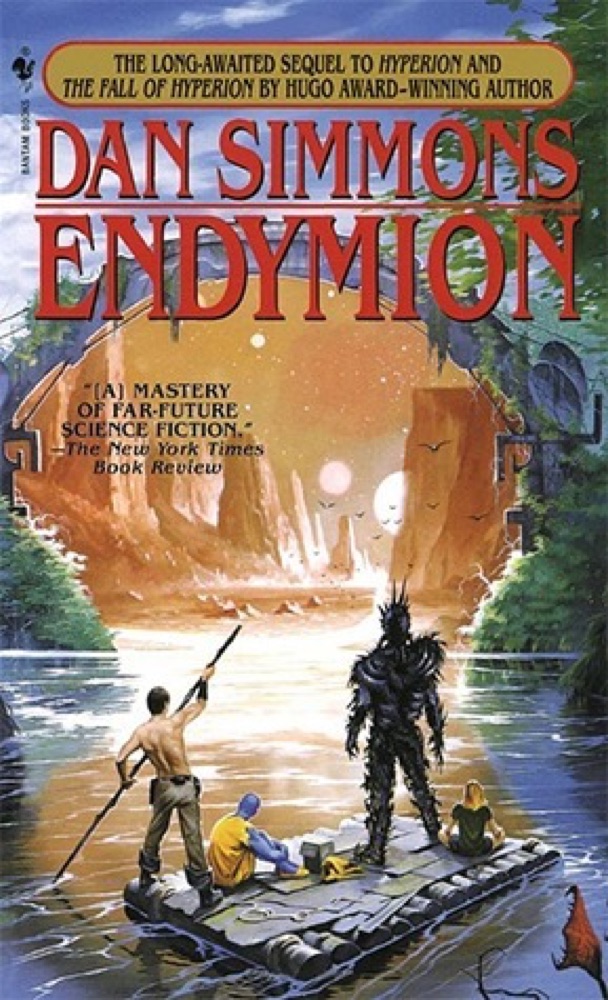 Endymion
 Quicksilver
 The Sirens of Titan
 Selected Poems
 The Sea Wolf
 The Lost World
 Out of the Silent Planet
 The Gone-Away World
 The Midwich Cuckoos
 Following the Equator: A Journey Around the World
 The Island of the Day Before
 The War of the Worlds
 Kon-Tiki
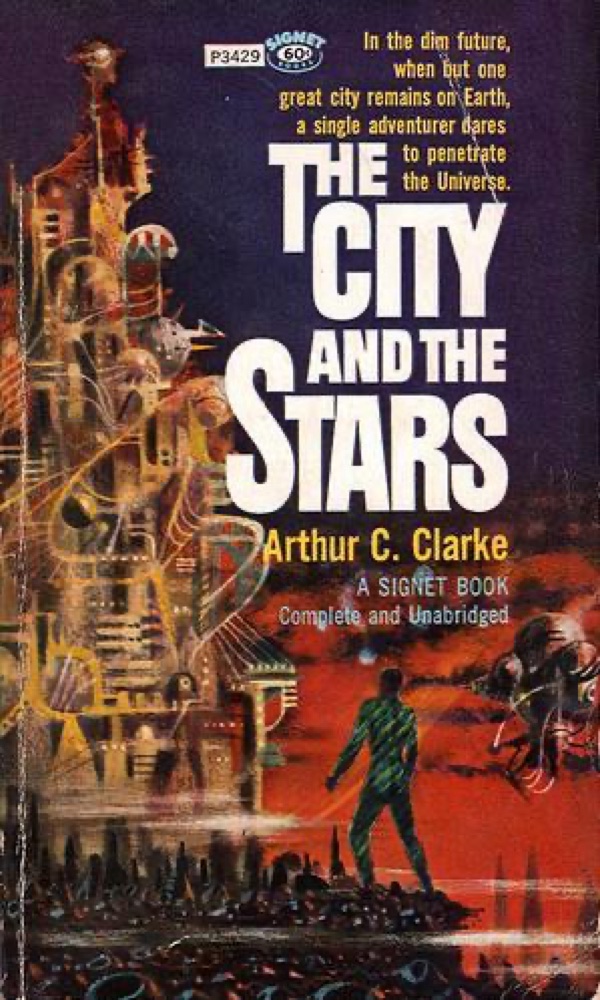 The City and the Stars
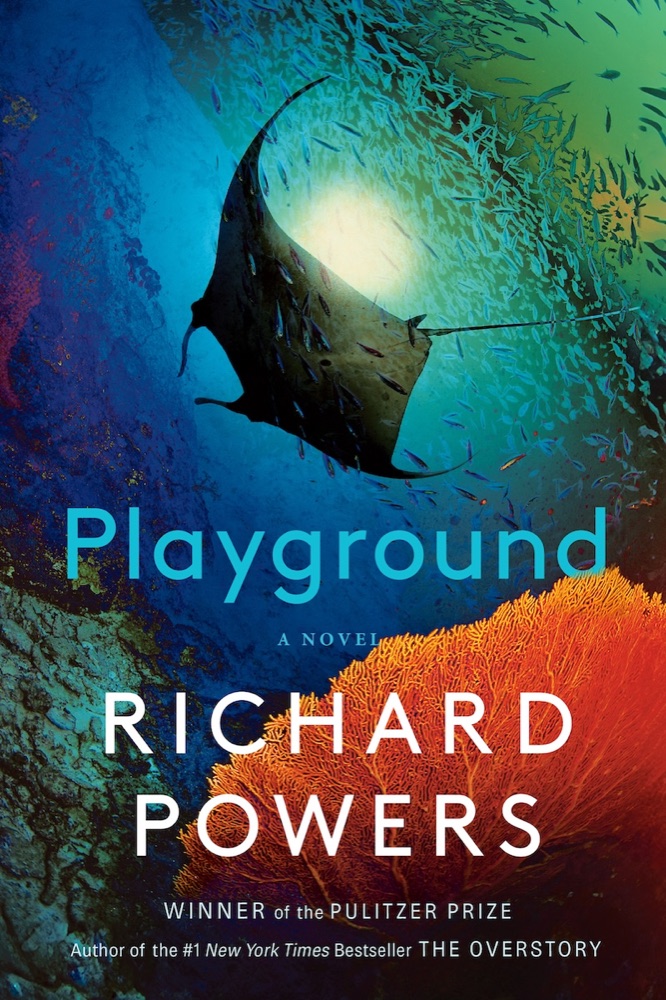 Playground
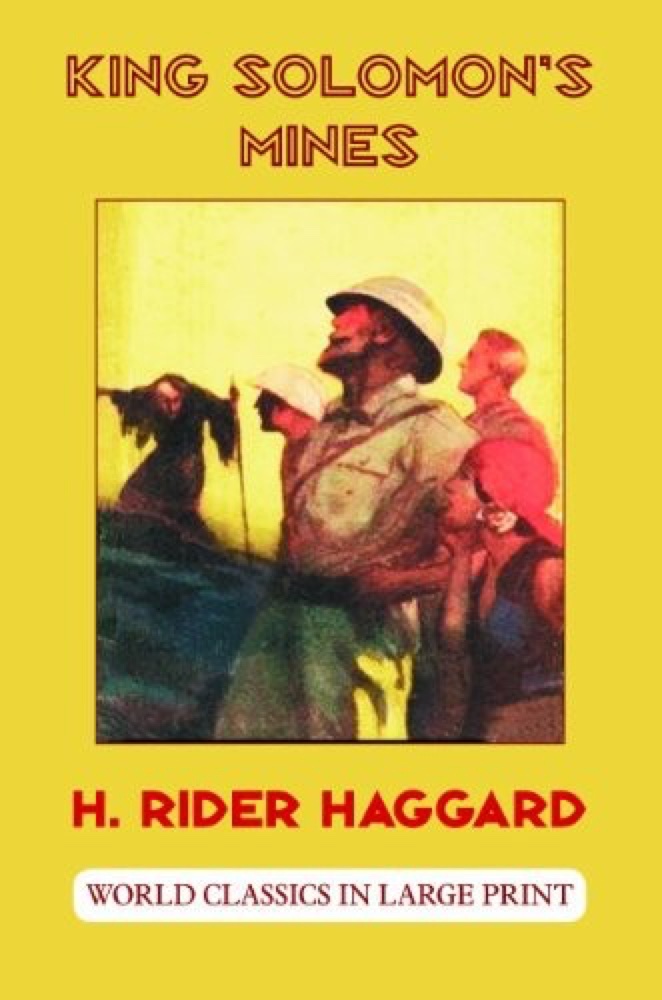 King Solomon's Mines
 Under Western Eyes
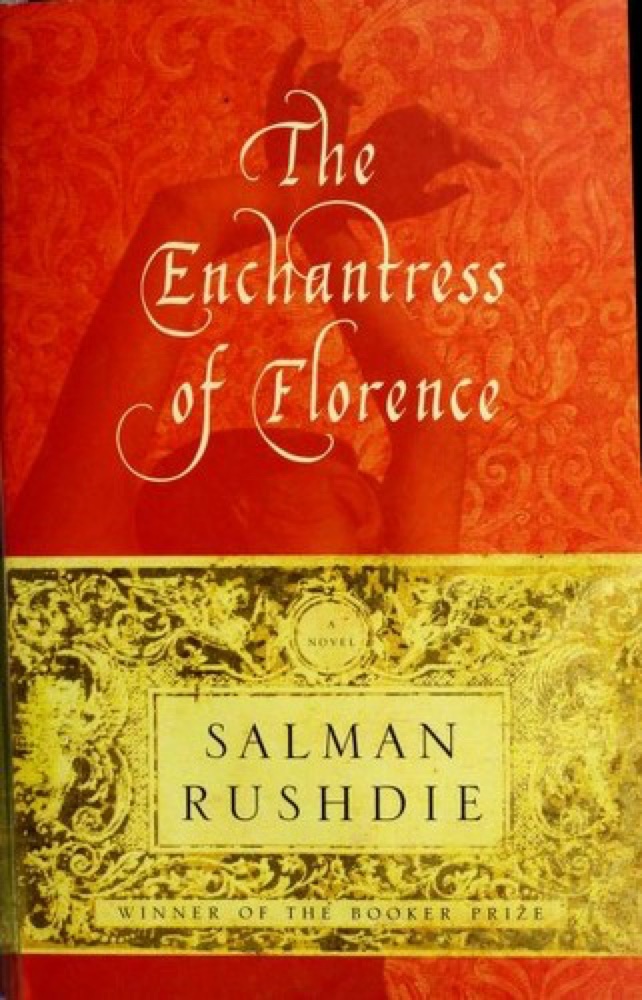 The Enchantress of Florence
 Childhood's End
 Complete Works of Oscar Wilde
 Allan Quatermain
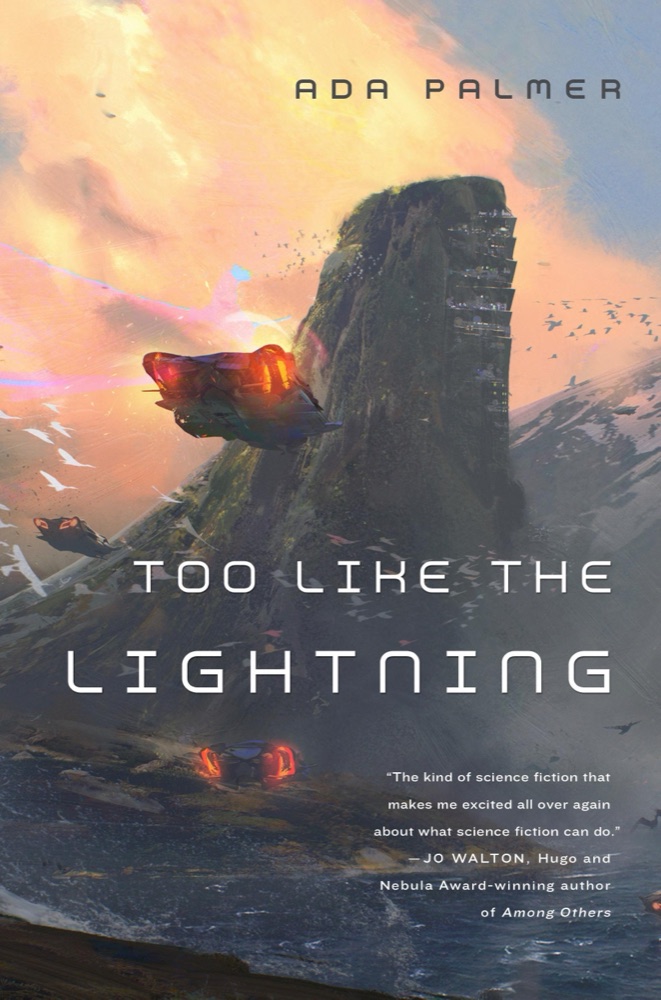 Too Like the Lightning
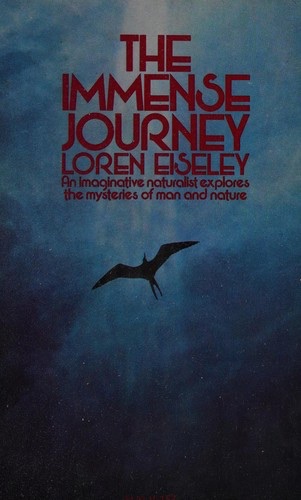 The Immense Journey
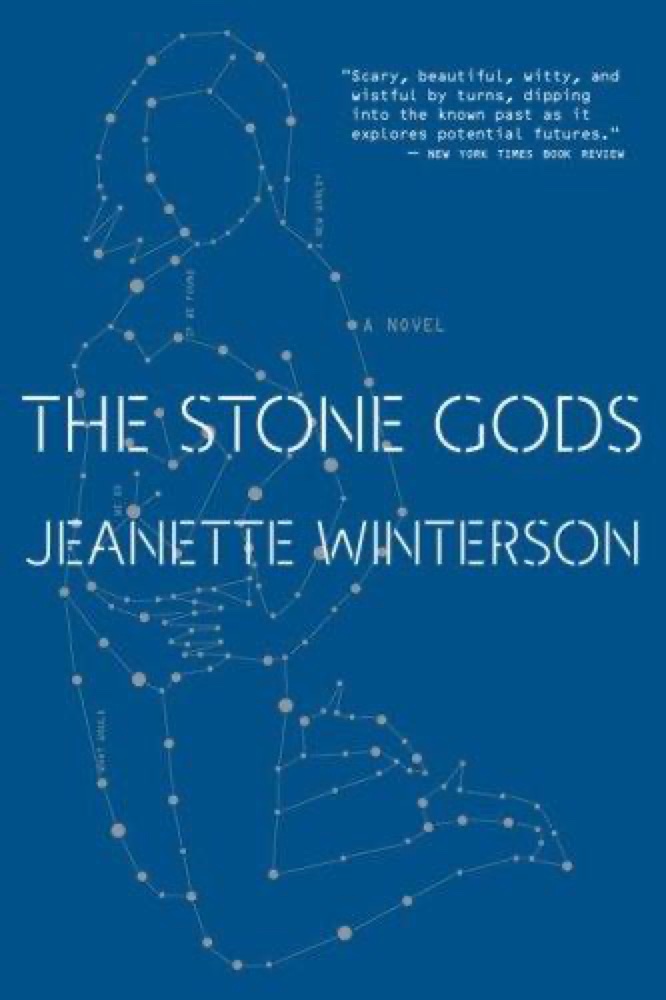 The Stone Gods
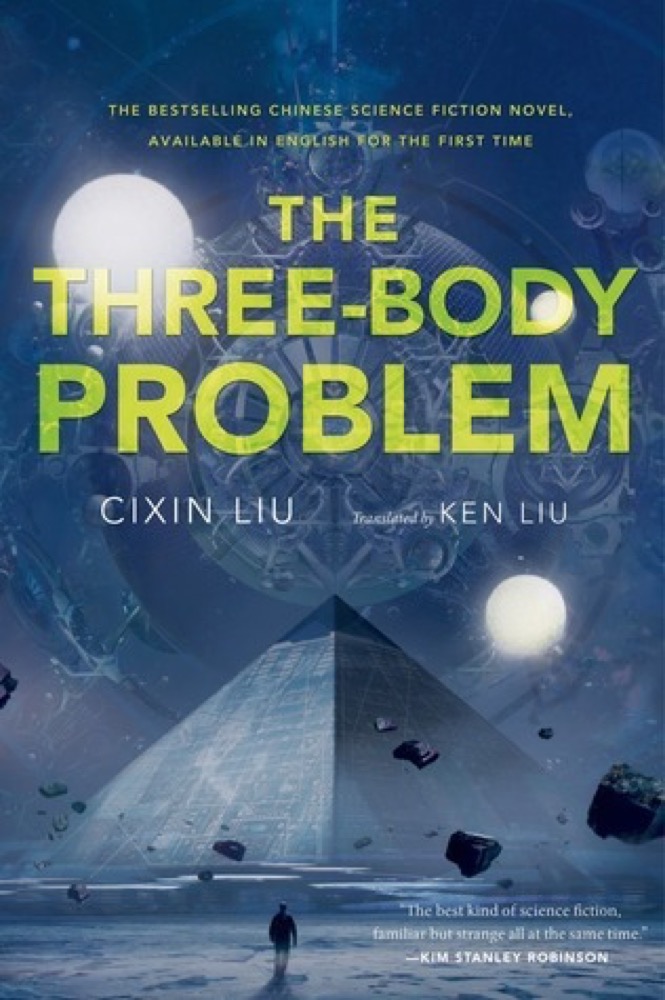 The Three-Body Problem
 Caliban’s War
 The Plover
 A Fire Upon the Deep
 The Long Earth
 The Illustrated Man
 Foundation and Empire
 Perelandra
 Pyramids
 Methuselah's Children
 East of Eden
 Into the Drowning Deep
 The Golden Compass
 Sword & Citadel
 The Log from the Sea of Cortez
 Hyperion
 The Signature of All Things
 That Hideous Strength
 The Fall of Hyperion
 The Shape of Water
 Alas, Babylon
 The Toilers of the Sea
 Earth Abides
 Ninety-Three
 Victory
 The Magic Mountain
 Complete Poems