
 The Vicar of Wakefield
Quotes from the Book
Ask me no questions, and I'll tell you no fibs.
790
All is not gold that glitters, pleasure seems sweet, but proves a glass of bitters.
33
Modesty seldom resides in a breast that is not enriched with nobler virtues.
25
A reserved lover, it is said, always makes a suspicious husband.
11
Where commerce and capitalism are invloved, often times, morality and honor sink to the bottom-Oliver Goldsmith paraphrased
9
I fretted myself about the mistakes of government, like other people; but finding myself every day grow more angry, and the government growing no better, I left it to mend itself.
7
Indeed, Constance, you amaze me. Such a girl as you want jewels! It will be time enough for jewels, my dear, twenty years hence, when your beauty begins to want repairs.
4
Ask me no questions and I'll tell you no lies.
2
An impudent fellow may counterfeit modesty; but I’ll be hanged if a modest man can ever counterfeit impudence.
1
Perish the baubles! Your person is all I desire.
1
Watch on YouTube
About Oliver Goldsmith
We have collected 27 quotes from 2 books by Oliver Goldsmith on BookQuoters.
More about the author →More by Oliver Goldsmith
The Vicar of Wakefield
About the book
""She Stoops To Conquer"" is a play written by Oliver Goldsmith and first performed in 1773. The play is a comedy of manners and tells the story of a young man named Charles Marlow, who is set to visit the home of Mr. Hardcastle with his friend George Hastings. They are both interested in marrying Mr. Hardcastle's daughter, Kate, and her cousin, Constance Neville. However, Marlow is shy around women of his own class and becomes tongue-tied and awkward in their presence. To rectify this, Kate decides to pretend to be a barmaid and flirt with Marlow, hoping to win his affections. Meanwhile, Constance is being forced into a marriage with a man she does not love, and she and Hastings devise a plan to elope. The play is full of mistaken identities, misunderstandings, and humorous situations. It satirizes the manners and customs of the upper class in the 18th century, highlighting their vanity
Book details
- First published
- 1773
- Author
- Oliver Goldsmith
- Genre
- Classics
- Goodreads rating
- 3.65 (12k ratings)
Keep reading
 A Perilous Undertaking
 Emma
Emma
 The Tenant of Wildfell Hall
 Pride and Prejudice
 Much Ado About Nothing
 Vanity Fair
 Pygmalion
 Framley Parsonage
 The Importance of Being Earnest
 Moll Flanders
 The Taming of the Shrew
 Wives and Daughters
 Evelina
 Les Liaisons dangereuses
 A Curious Beginning
 The Misanthrope
 Sense and Sensibility
 An Ideal Husband
 Clarissa, or, the History of a Young Lady
 The Duchess War
 The Gentleman's Guide to Vice and Virtue
 Checkmate
 All's Well That Ends Well
 The Way We Live Now
 The Hod King
 The Professor
 Wicked Becomes You
 The Moonstone
![What Was She Thinking? [Notes on a Scandal]](/i/book/g/08/what-was-she-thinking-notes-on-a-scandal.jpg) What Was She Thinking? [Notes on a Scandal]
What Was She Thinking? [Notes on a Scandal]
 The History of Tom Jones, a Foundling
 The Oedipus Cycle: Oedipus Rex/Oedipus at Colonus/Antigone
 The Virginian
 The Boleyn Inheritance
 The White Queen
 A Woman of No Importance
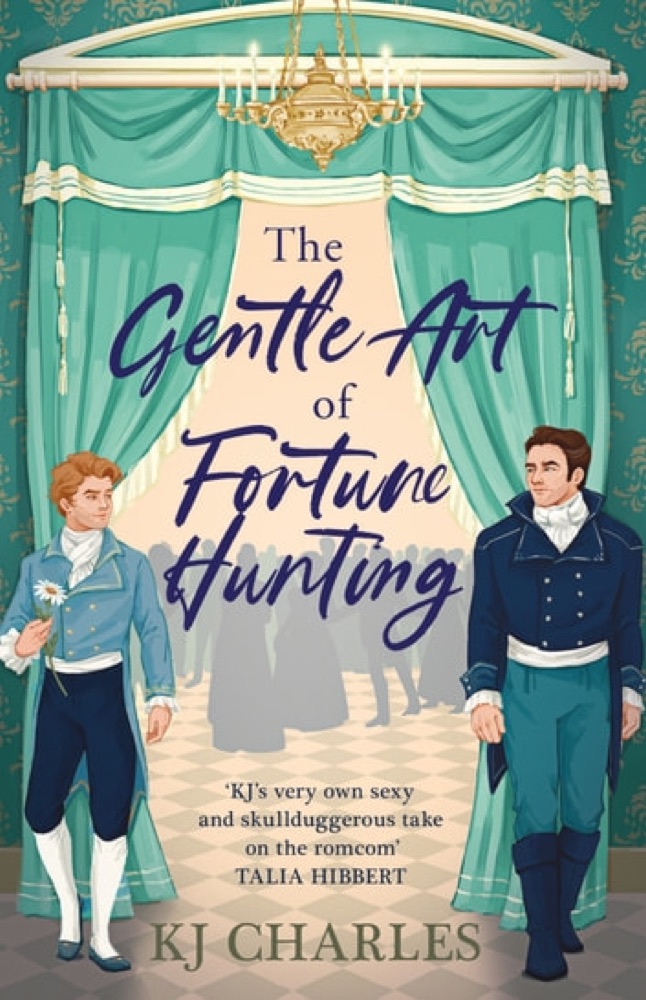 The Gentle Art of Fortune Hunting
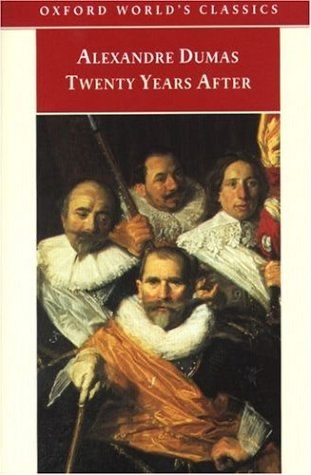 Twenty Years After
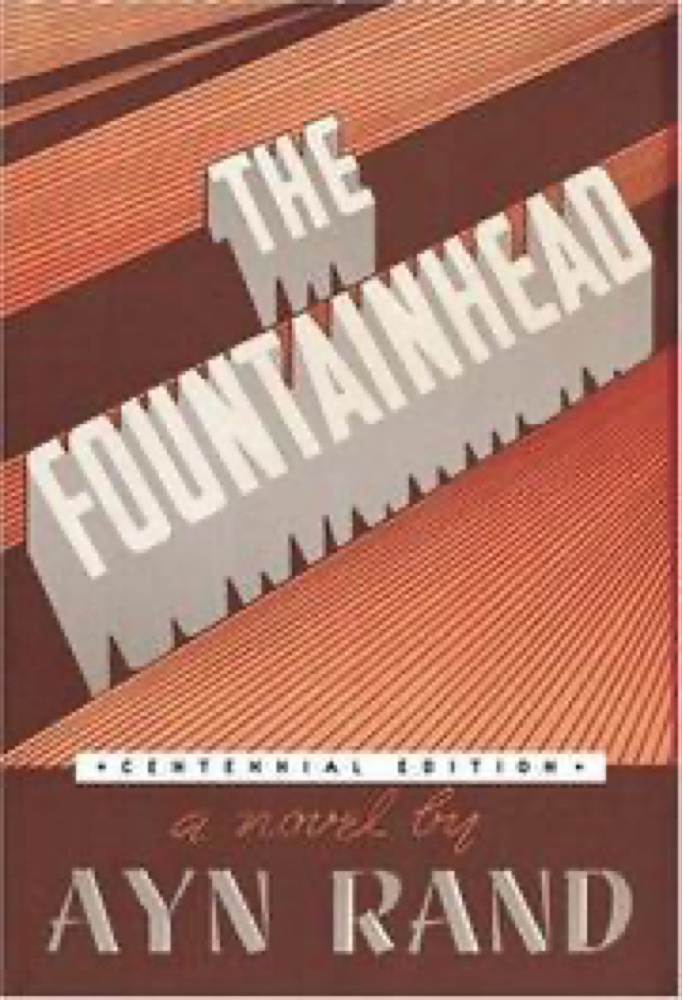 The Fountainhead
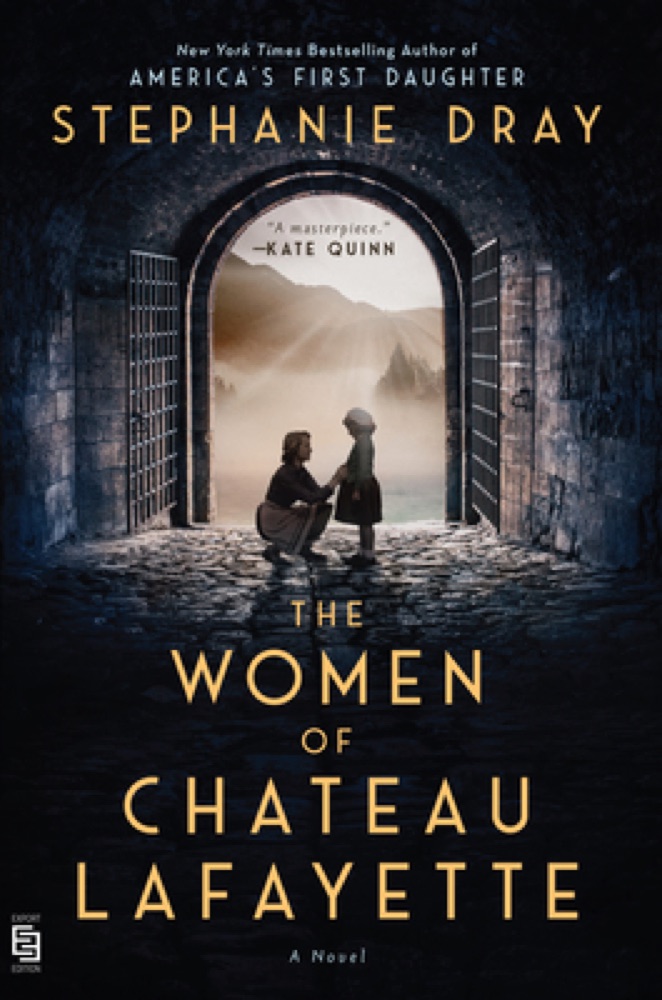 The Women of Chateau Lafayette
 The Immoralist
 Flappers and Philosophers
 Sheever's Journal, Diary of a Poison Master
 Idle Thoughts of an Idle Fellow
 The Game of Kings
 Catch Me If You Can: The True Story of a Real Fake
 The Penelopiad
 The Autobiography of Benjamin Franklin
 The Daughters' War
 Barchester Towers
 All the Murmuring Bones
 The Lady of the Rivers
 Gild
Gild
 The Story of My Life
 Assassin's Apprentice
 Don Juan
 Violet Made of Thorns
 Laura
Laura
 Agnes Grey
 Shirley
 The Woman in White