
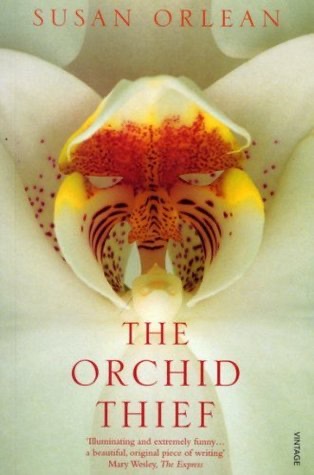
 The Orchid Thief: A True Story of Beauty and Obsession
Quotes from the Book
It's human nature to set a point in our minds when we feel triumphant and to measure everything that comes after it by how far we fall or rise from that point.
10
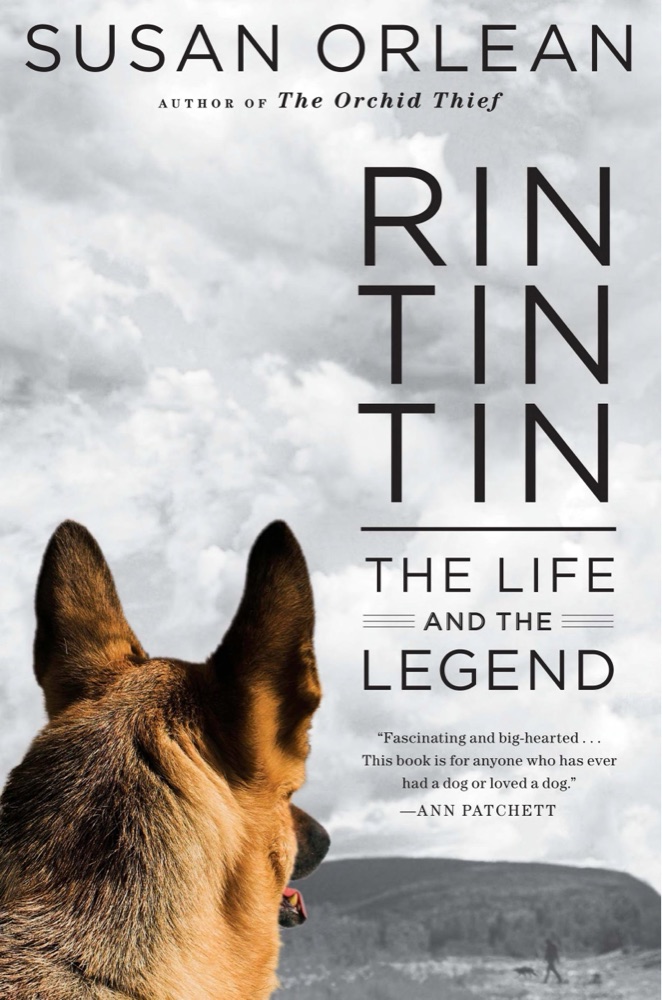
When Rin Tin Tin first became famous, most dogs in the world would not sit down when asked. Dogs performed duties: they herded sheep, they barked at strangers, they did what dogs do naturally, and people learned to interpret and make use of how they behaved. The idea of a dog's being obedient for the sake of good manners was unheard of. When dogs lived outside, as they usually did on farms and ranches, the etiquette required of them was minimal. But by the 1930s, Americans were leaving farms and moving into urban and suburban areas, bringing dogs along as pets and sharing living quarters with them. At the time, the principles of behavior were still mostly a mystery -- Ivan Pavlov's explication of conditional reflexes, on which much training is based, wasn't even published in an English translation until 1927. If dogs needed to be taught how to behave, people had to be trained to train their dogs. The idea that an ordinary person -- not a dog professional -- could train his own pet was a new idea, which is partly why Rin Tin Tin's performances in movies and onstage were looked upon as extraordinary.
7
If only feelings and ideas and stories and history really could be contained in a block of marble—if only there could be a gathering up of permanence—how reassuring it would be, how comforting to think that something you loved could be held in place, moored and everlasting, rather than bobbing along on the slippery sea of reminiscence, where it could always drift out of reach.
4
Dogs, in fact, were perfect heroes: unknowable but accessible, driven but egoless, strong but tragic, limited by their muteness and animal vulnerability. Humans played heroes in films, too, but they were more complicated to admire because they were so particular—too much like us or too much unlike us or too much like someone we knew. Dogs, on the other hand, have the talent of seeming to understand and care about humans in spite of not being human and perhaps are better at it because of that difference. They are compassionate without being competitive, and there is nothing in their valor that threatens us, no demand for reciprocity. As Lee knew very well, a dog can make you feel complete without ever expecting much in return.
2
Television wasn't getting rid of animals, but they were no longer cast as creatures that were omniscient and heroic. They were talking horses like Mr Ed or an absurdist pig like Arnold Ziffle...Just like the heroic animals in silent films became comedians in talkies, animals on television were becoming jesters, something Rin Tin Tin had never been.
2
take the Paris métro to the Mairie de Clichy station and walk north along the Rue Martre, past the long blocks of shabby tire shops and falafel stands, you will eventually come to a small bridge that arches over the Seine. The bank on the far side is steep, slick with moss, and sags toward the river like an old man’s shoulders, as if it were just too weary to hold itself up anymore. Le Cimetière des Chiens—the Cemetery of Dogs—is a few steps west of the bridge, sagging on that saggy bank, under a heavy canopy of huge, drooping trees. I had come to Le Cimetière des Chiens
A real selfish love like yours old pal Is something I shall never know again And I must always be a better man Because you loved me greatly, Rin Tin Tin.
Watch on YouTube
About Susan Orlean
We have collected 35 quotes from 2 books by Susan Orlean on BookQuoters.
More about the author →More by Susan Orlean
The Orchid Thief: A True Story of Beauty and Obsession
About the book
Allegedly found in the ruins of a bombed-out dog kennel in France during World War I, then brought to Los Angeles by Lee Duncan, the soldier who found and trained him, by 1927 Rin Tin Tin had become Hollywood's number one box-office star. Susan Orlean's book--about the dog and the legend--is a poignant exploration of the enduring bond between humans and animals. It is also a richly textured history of twentieth-century entertainment and entrepreneurship. It spans ninety years and explores everything from the shift in status of dogs from working farmhands to beloved family members, from the birth of obedience training to the evolution of dog breeding, from the rise of Hollywood to the past and present of dogs in war.
Book details
- First published
- 2011
- Author
- Susan Orlean
- Genre
- Nonfiction
- Goodreads rating
- 3.55 (5k ratings)
Keep reading
 The Friend
 Dog Songs: Poems
 A Big Little Life: A Memoir of a Joyful Dog
 West with Giraffes
 Marley and Me: Life and Love With the World's Worst Dog
 Tomorrow
 Merle's Door: Lessons from a Freethinking Dog
 The Darkest Evening of the Year
 Watchers
 Where the Red Fern Grows
 A Dog's Journey
 Cannery Row
 The Philosopher and the Wolf
 The Fifth Science
 Thunder Bay
 Drive Your Plow Over the Bones of the Dead
 The Wolf Gift
 Inside of a Dog: What Dogs See, Smell, and Know
 West with the Night
 The Log from the Sea of Cortez
 The Golden House
 The Ogress and the Orphans
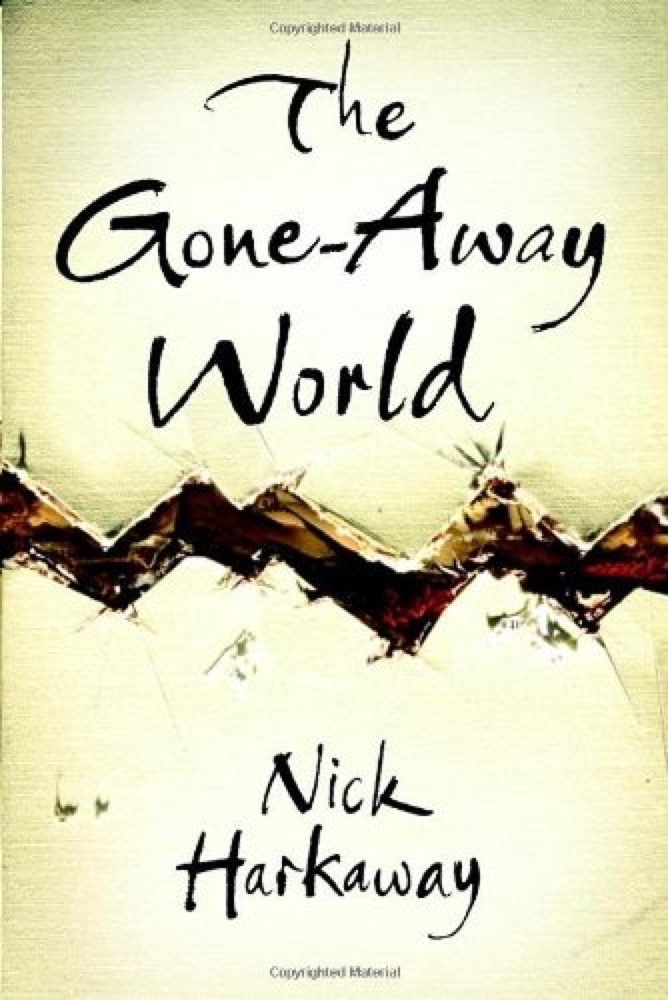 The Gone-Away World
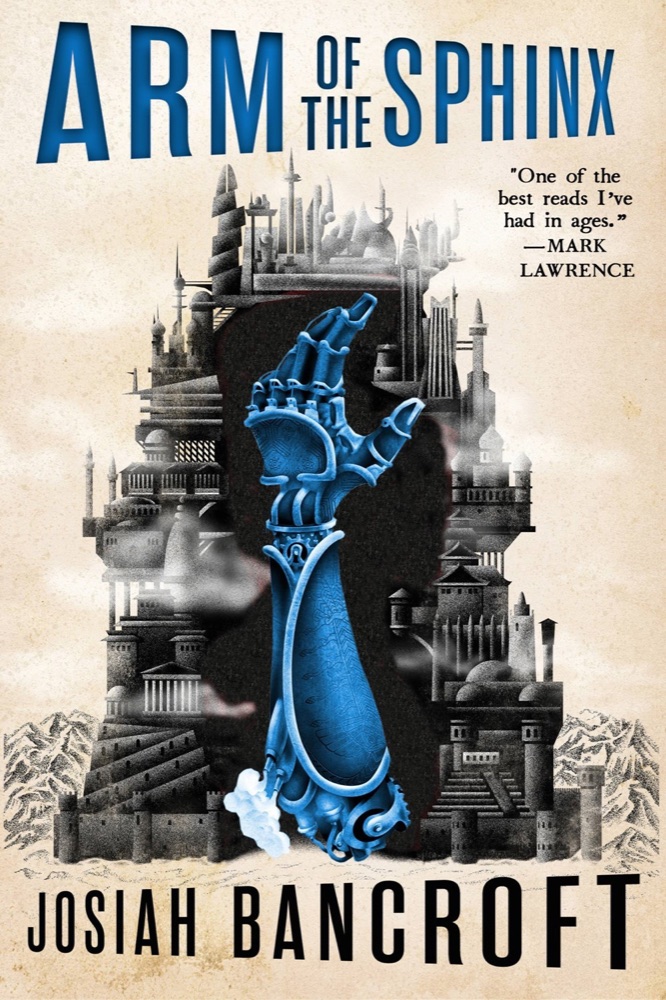 Arm of the Sphinx
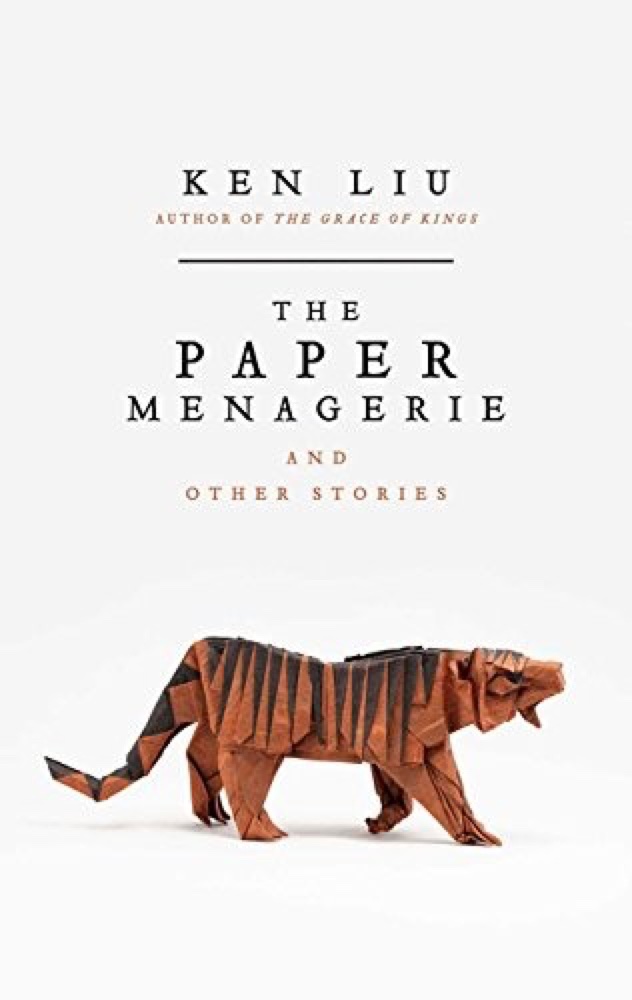 The Paper Menagerie and Other Stories
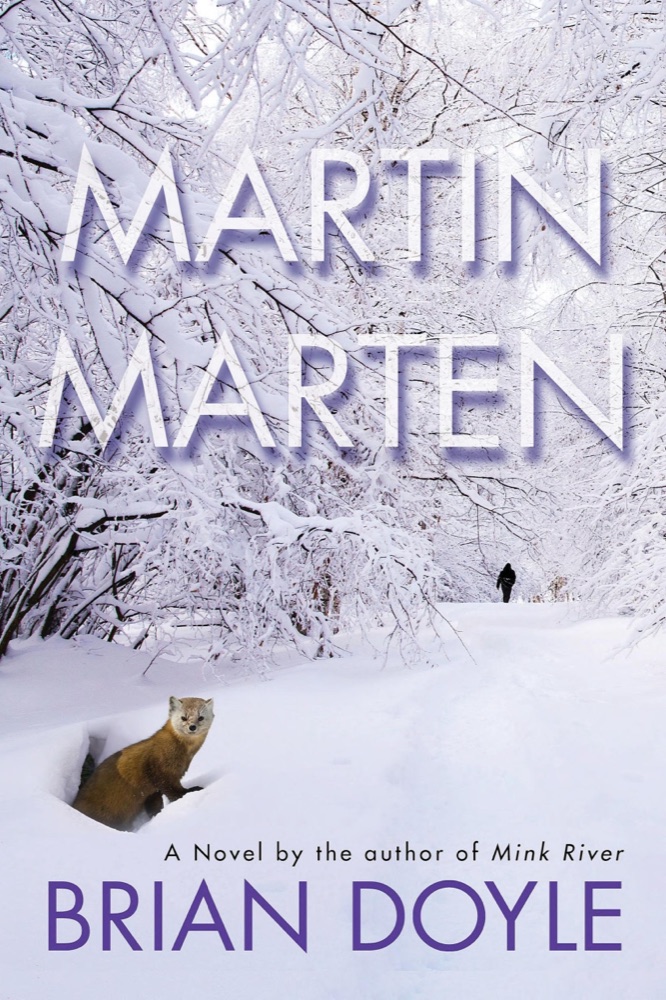 Martin Marten
 Essays of E.B. White
 When Women Were Dragons
 Christmas Holiday
 Reckoning: A Memoir
 The Wars
 Make Something Up: Stories You Can't Unread
 Beasts of a Little Land
 Strange Beasts of China
 Life Itself
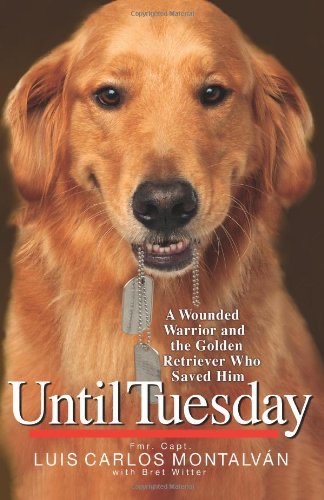 Until Tuesday: A Wounded Warrior and the Golden Retriever Who Saved Him
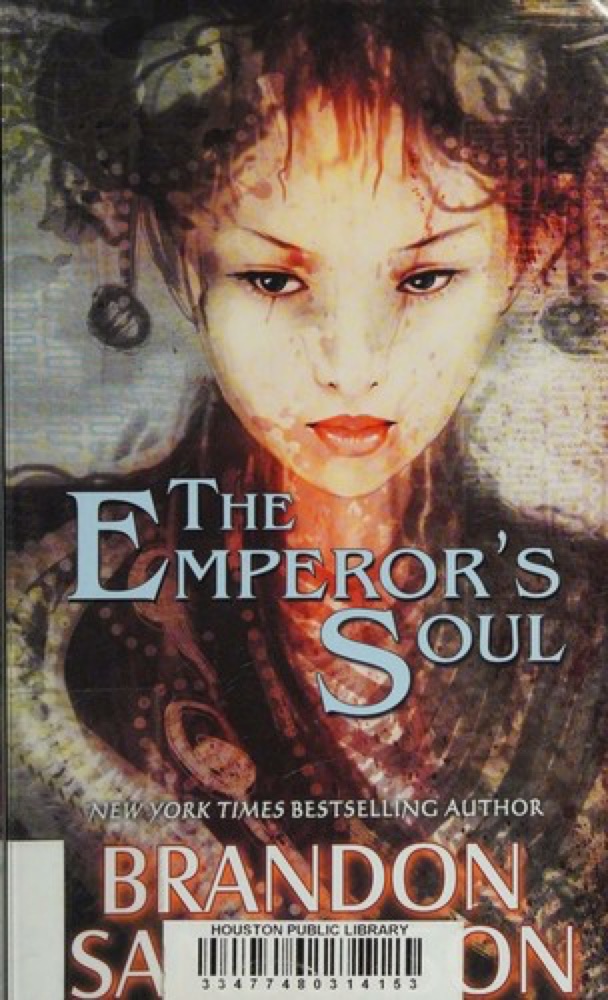 The Emperor's Soul
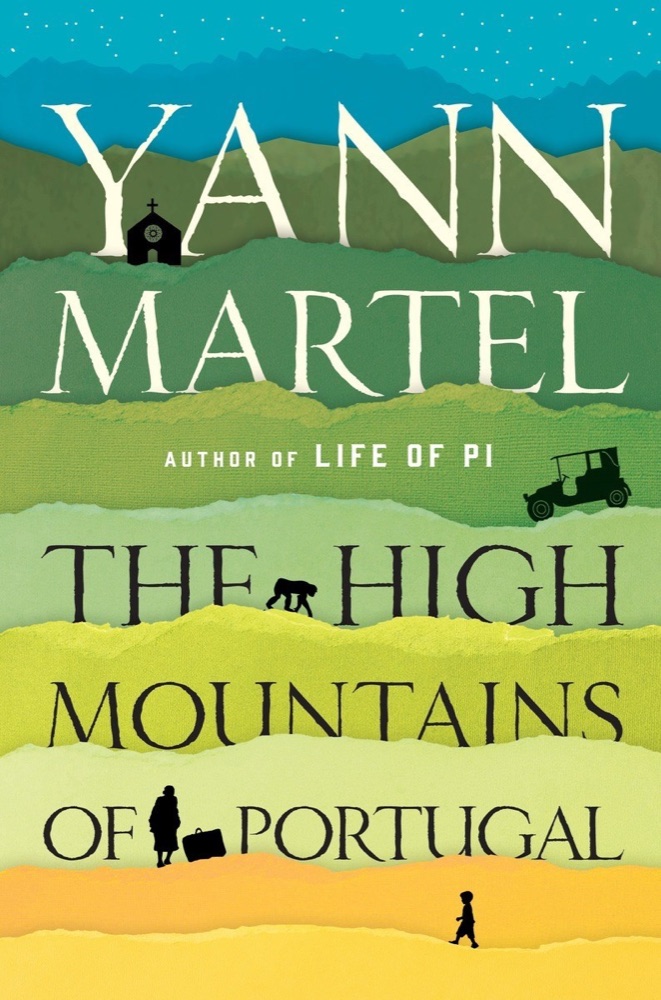 The High Mountains of Portugal
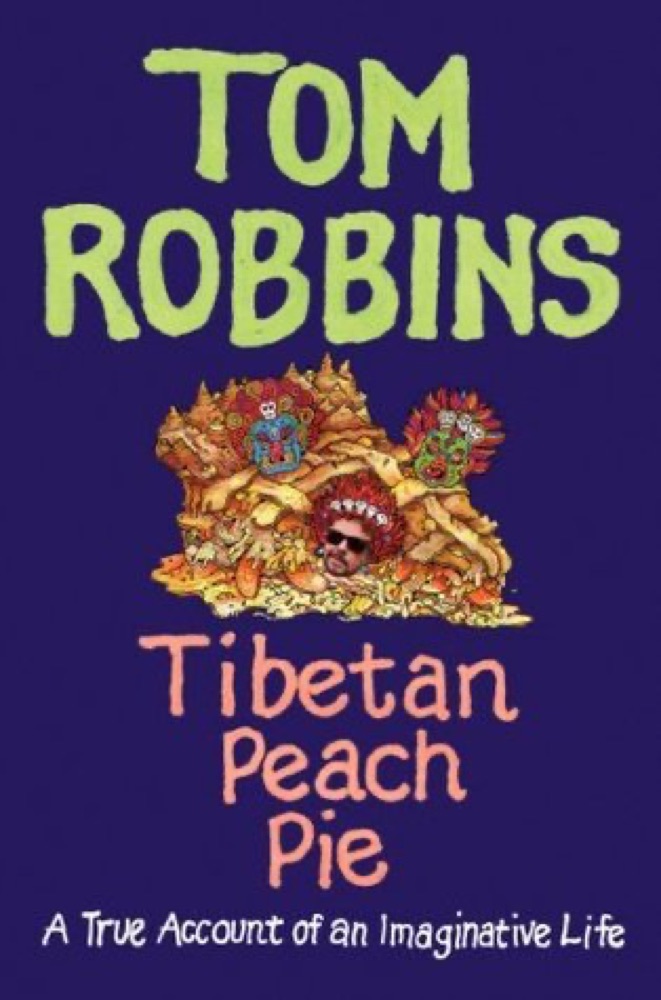 Tibetan Peach Pie
 Perhaps the Stars
 How to Be a Good Creature: A Memoir in Thirteen Animals
 Flaubert's Parrot
 Sometimes a Great Notion
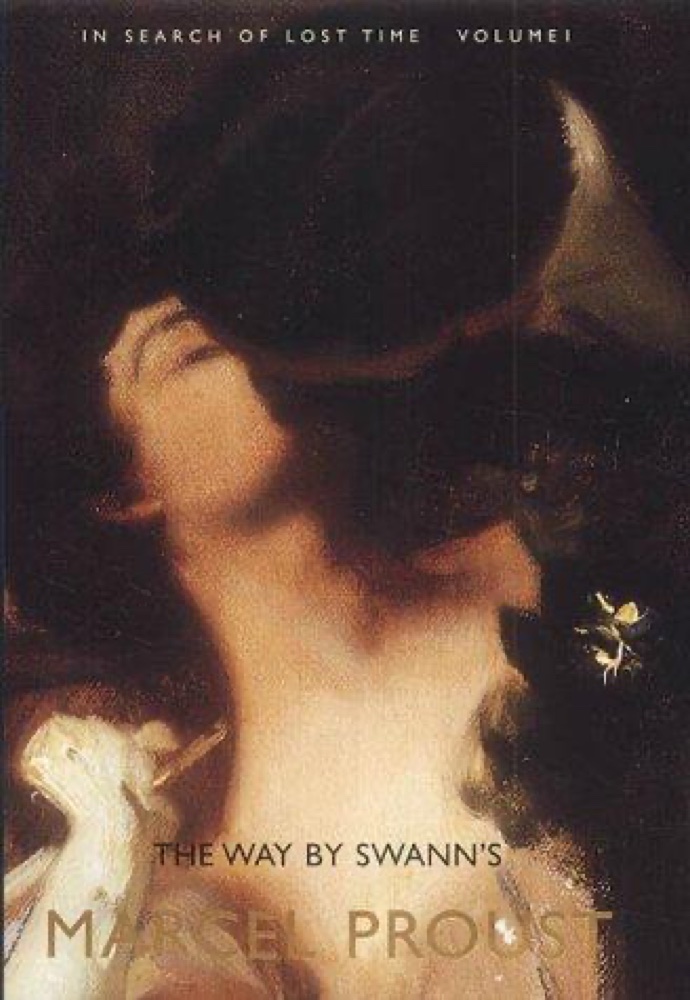 In Search of Lost Time
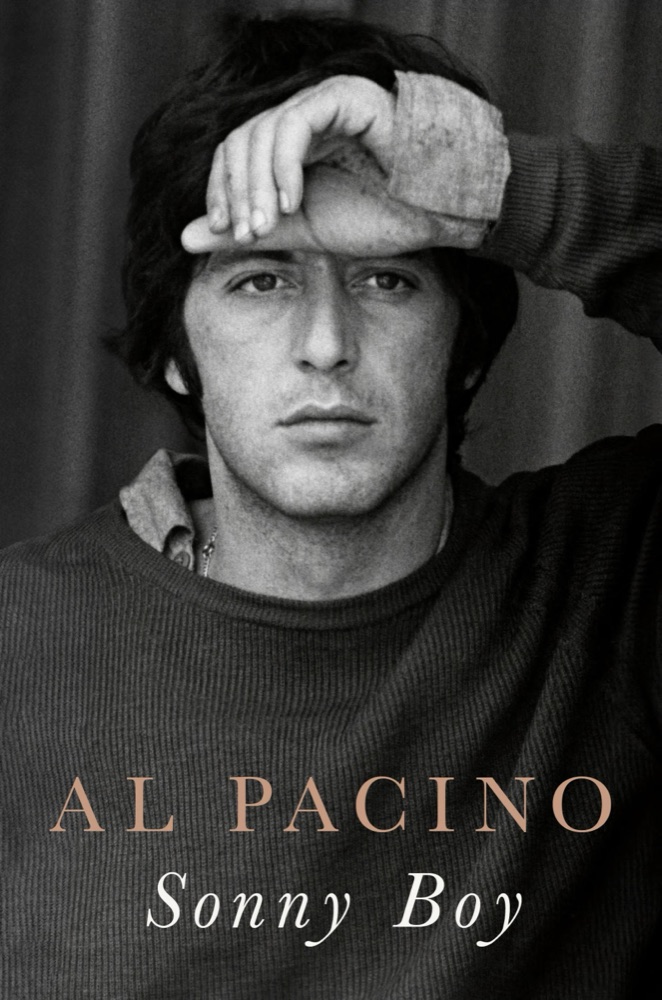 Sonny Boy
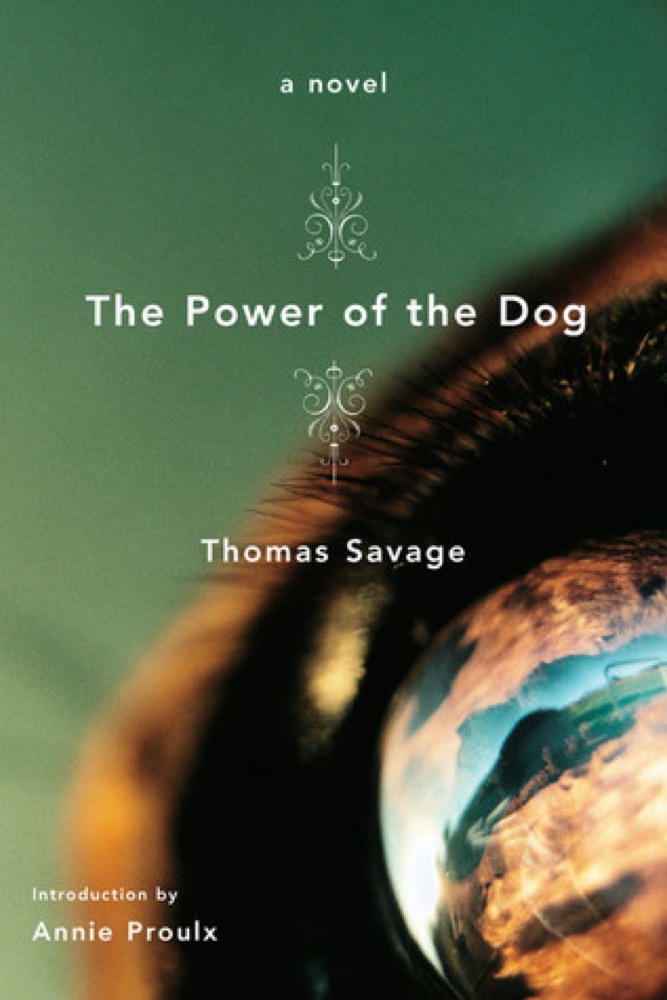 The Power of the Dog
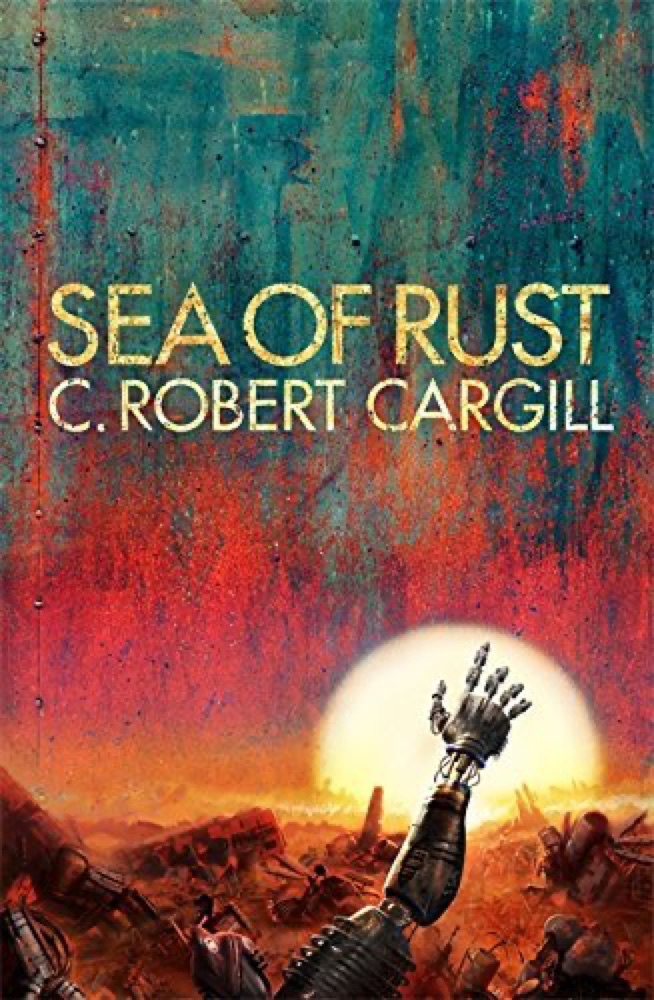 Sea of Rust
 Varina
 Tiamat's Wrath
 The Fall of Babel
 The Hod King
 Villa Incognito
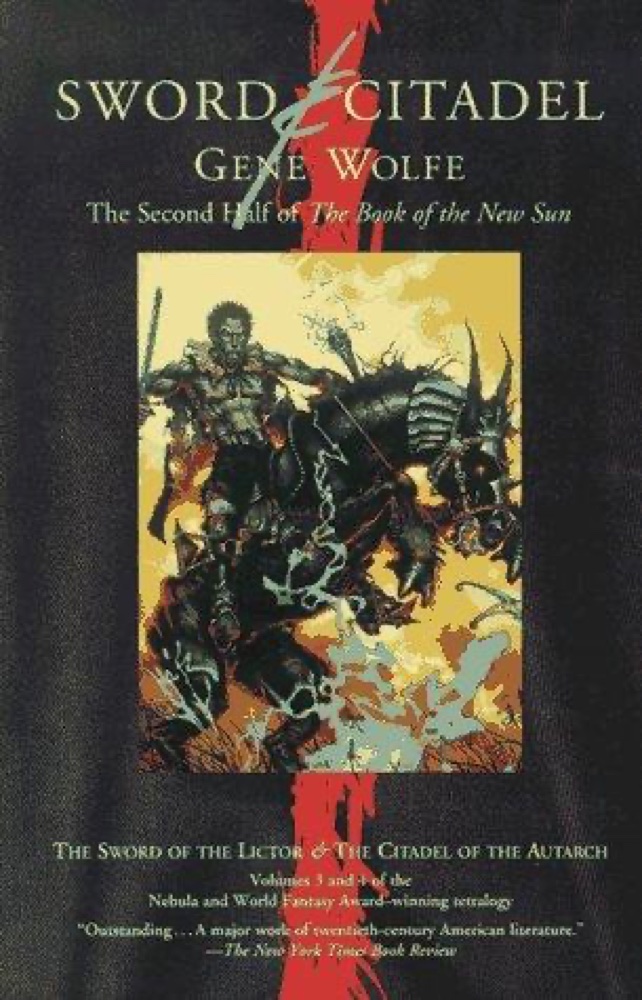 Sword & Citadel
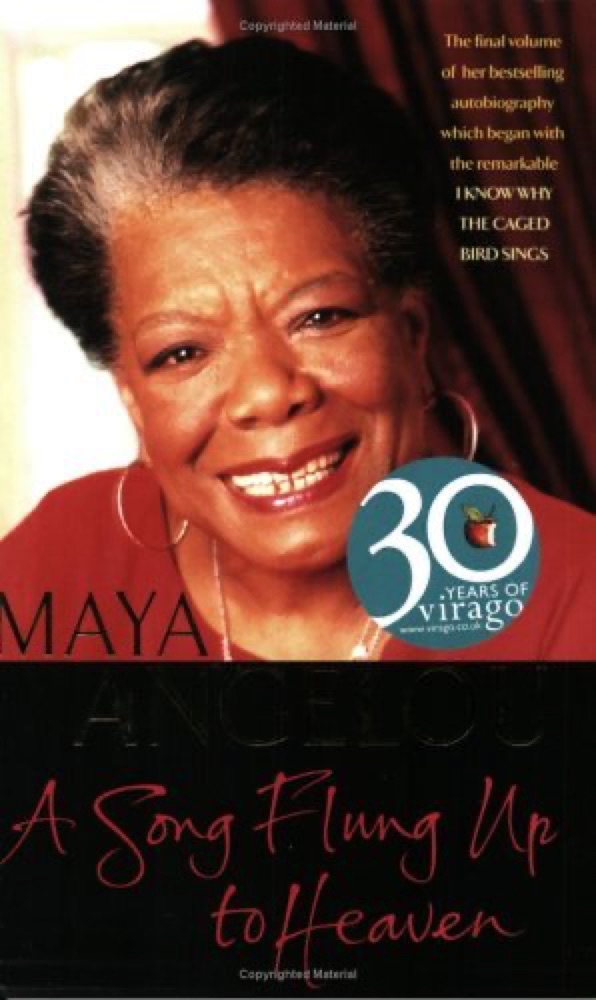 A Song Flung Up to Heaven
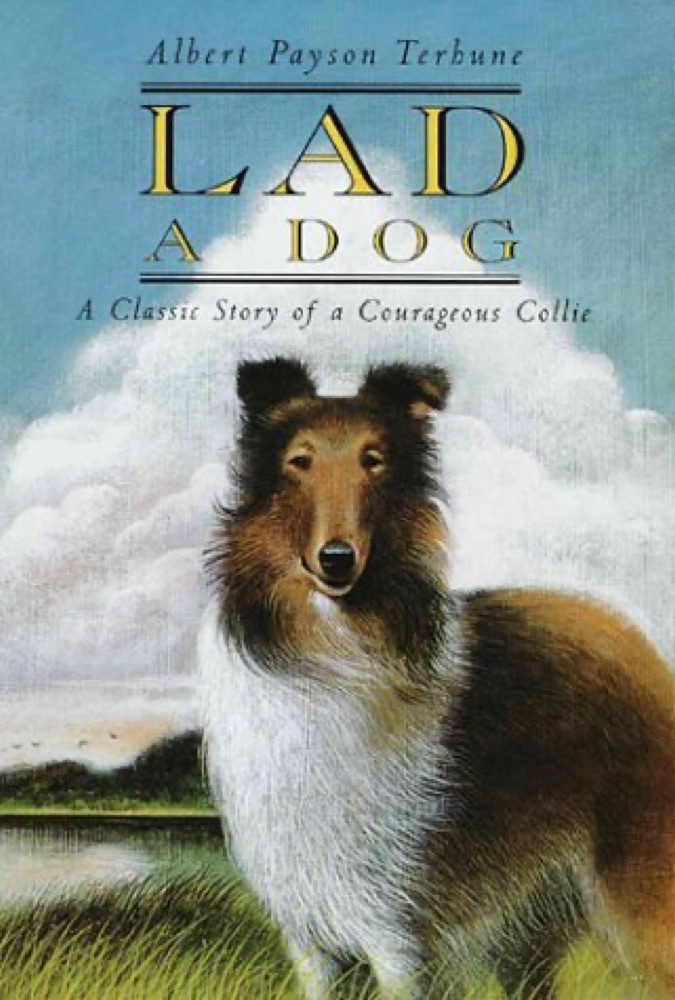 Lad: A Dog
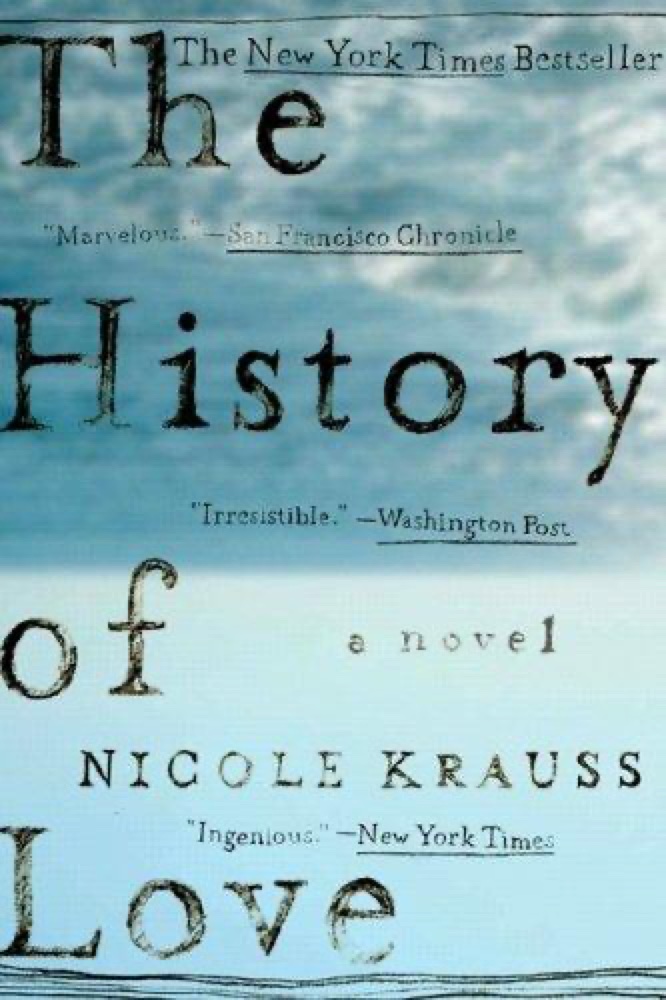 The History of Love
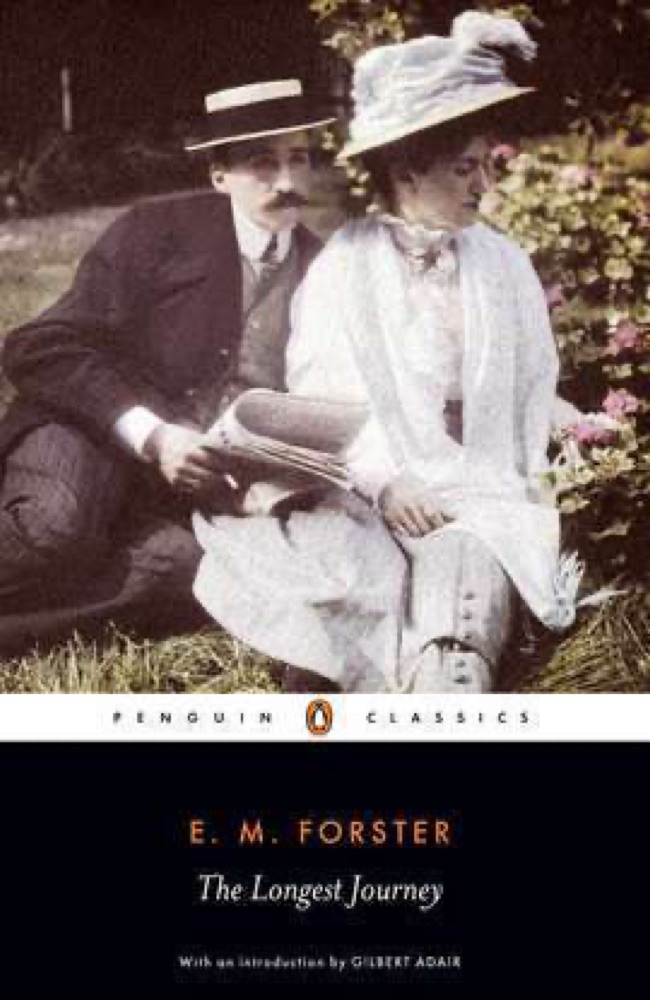 The Longest Journey
 The Fall
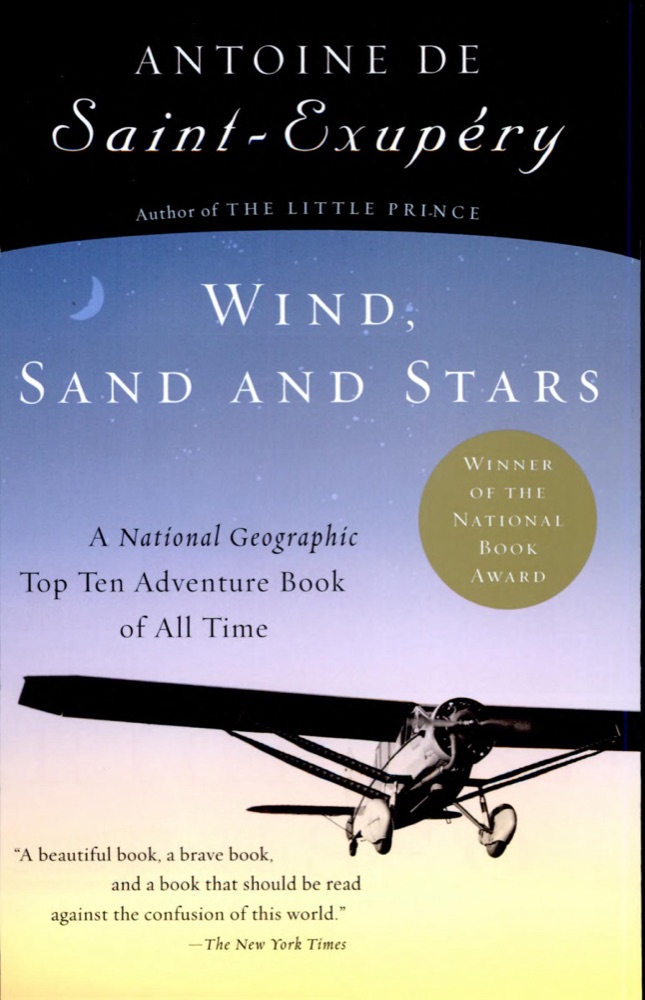 Wind, Sand and Stars
The Orchid Thief: A True Story of Beauty and Obsession
Wind, Sand and Stars
The Orchid Thief: A True Story of Beauty and Obsession