
 Hard Times
Quotes from the Book
Deliver my soul from the sword, my darling from the power of the dog.
23
He knew no more of love, he told himself, than he did of tears, but he enjoyed sitting there. And he enjoyed the conversation which seemed to him on the verge of taking an even more sprightly turn. In other words, he knew all there was to know about love, that it’s the delight of being in the presence of the loved one.
19
How does one man get the power to make the rest see in themselves what he sees in them?
7
It was evening, the hour of speculation; Phil pondered how one man passes a gift on to another, how like the very chains and lengths of rawhide rope a man makes, human character is woven on a strand of this and a strand of that--sometimes beautifully and sometimes poorly. It was in simple homage to Joe and to Bronco Henry, those two braiders and plaiters, that Phil braided now. Each had taught him something.
4
But Phil knew, God knows he knew, what it was to be a pariah, and he had loathed the world, should it loath him first.
3
He taught me that if you’ve got guts, you can do any damned thing, guts and patience. Impatience is a costly commodity, Pete.
3
Take what I’ve got. You’ve been good. Phil, at that moment in that place that smelled of years felt in his throat what he’d felt once before and dear God knows never expected nor wanted to feel again, for the loss of it breaks your heart.
3
his habits and appearance required strangers to alter their conception of an aristocrat to one who can afford to be himself.
3
Whitey was one of those barbers who thinks you pay for the gab.
2
The Pass and Lona Hanson and, to some extent, The Power of the Dog may be seen as late novels from the golden age of American landscape fiction, a period that falls roughly in the first half of the last century. In these novels landscape is used not just as decorative background, but to drive the story and control the characters’ lives, as in the work of Willa Cather, Marjorie Kinnan Rawlings, Walter D. Edmonds, William Faulkner, Flannery O’Connor, John Steinbeck, and nearly all that Hemingway wrote, all resonant with the sense of place, a technique well suited to describing the then strikingly different regions of America, the pioneer ethos, the drive of capitalist democracy on the hunt for resources.
2
His saddle, hanging by a stirrup from a peg in the big long log barn, was a good twenty years old; his spurs were of good plain steel—no fancy silver inlays, not such spurs as crowded the dreams of others; he wore plain shoes instead of boots, scorned the trimmings and trappings of the cowboy, although in his younger days he was as good a rider as any of them, a better roper than George. With all his money and family, he was just folks, dressed like any hired hand in overalls and blue chambray shirt;
2
Walter Van Tilburg Clark’s Track of the Cat, Wallace Stegner’s The Big Rock Candy Mountain, and Katherine Anne Porter’s Noon Wine.
2
Fate punishes the proud, and dashes hope
2
His laughter was an insulting bray; it crowded and pushed the air ahead of it. He said many true words about other men. I never heard him say a kind one.
2
The weather offered a variety of aspects fit for talk, and the subject when broached was leapt on with almost hysterical enthusiasm, that each guest might express and relieve himself before the subject was left lifeless and limp, on the extremes of temperature, of humidity, rain, snow, sleet, the velocity of the wind,
2
he reached out and took her hand, overcome by a shocking tenderness. For a moment he was struck dumb at a habit of hers he saw now for the first time, how whenever she looked up from whatever she was doing, even unwrapping a sandwich in the front seat of a car, she always looked up smiling. He wondered if anybody had ever noticed it before.
2
But how marvelous to get the order into the mails, how delicious and terrible to wait for the parcel from Seattle or Portland that might include with it the new gloves, new shoes for town, phonograph records, a musical instrument to charm away the loneliness of winter evenings when the winds howled like wolves down from the mountain peaks. Our very best guitar. Play Spanish-style music and chords. Wide ebony fingerboard, fine resonant fan-ribbed natural spruce top, rosewood sides and back, genuine horn bindings. This is a real Beauty. Waiting for their order to get to the post office fifteen miles down the road, they read again and again such descriptions, reliving the filling out of the order blank, honing their anticipation. Genuine horn bindings!
2
LONG, long before Mrs. Lewis cooked for the Burbanks, a tree fell on Mr. Lewis in the woods and killed him in his “prime.” Mrs. Lewis hoped to be one with him again in what she called their eternal home, but the suspended relationship left her with a mixed bag of acid sayings, bitter observations and chilly maxims.
2
I would tell you, Peter, never to mind what people say. People can never know the heart of another.' 'I'll never mind what people say.' 'And Peter, please don't say it quite like that. Most who don't mind - most of them grow hard, get hard. You must be kind, you must be kind. I think the man you will become could hurt people terribly, because you're strong. Do you understand kindness, Peter?' 'I'm not sure whether I do, father.' 'Well, then. To be kind is to try to remove obstacles in the way of those who love or need you.
1
But his habits and appearance required strangers to alter their conception of an aristocrat to one who can afford to be himself.
1
Watch on YouTube
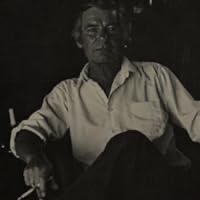
About Thomas Savage
We have collected 20 quotes from 1 book by Thomas Savage on BookQuoters.
More about the author →About the book
First published in 1967, Thomas Savage's western novel about two brothers now includes an afterword by Annie Proulx.
Phil and George are brothers, more than partners, joint owners of the biggest ranch in their Montana valley. Phil is the bright one, George the plodder. Phil is tall and angular; George is stocky and silent. Phil is a brilliant chess player, a voracious reader, an eloquent storyteller; George learns slowly, and devotes himself to the business.
Phil is a vicious sadist, with a seething contempt for weakness to match his thirst for dominance; George has a gentle, loving soul. They sleep in the room they shared as boys, and so it has been for forty years. When George unexpectedly marries a young widow and brings her to live at the ranch, Phil begins a relentless campaign to destroy his brother's new wife. But he reckons without an unlikely protector.
From its viscera
Book details
- First published
- 1967
- Author
- Thomas Savage
- Genre
- Fiction
- Goodreads rating
- 4.17 (16k ratings) →
The buzz
- The New YorkerReview in The New Yorkerprofessional review (via Book Marks)
- Kirkus ReviewsReview in Kirkus Reviewsprofessional review (via Book Marks)
- Publishers WeeklyReview in Publishers Weeklyprofessional review (via Book Marks)
- BooklistReview in Booklistprofessional review (via Book Marks)
- JanuarymagazineReview in Januarymagazineprofessional review (via Book Marks)
- BookverdictReview in Bookverdictprofessional review (via Book Marks)
Keep reading
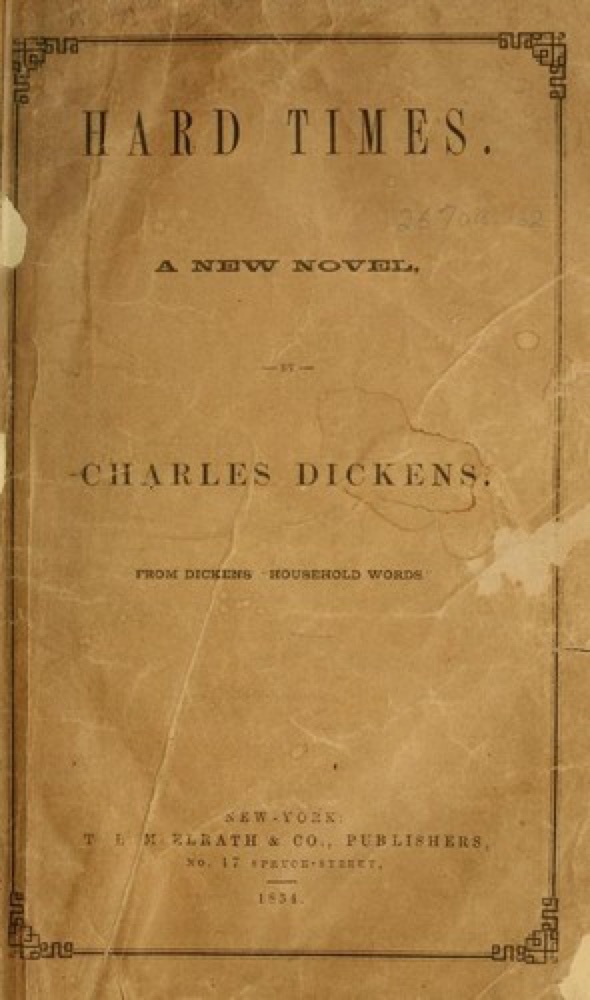
Hard Times
 Mohawk
 From Here to Eternity
 Call for the Dead
 The Virginian
 The Longest Journey
 Martin Eden
 The Sweetness of Water
 The Tiger in the Smoke
 The Given Day
 The Great Santini
 Strangers on a Train
 Roughing It
 Cannery Row
 The Naked and the Dead
 The Lincoln Highway
 Kidnapped
 One of Ours
 A Time of Torment
 The Damnation Game
 The Complete Works of Charles Dickens
 The Great Mistake
 The Bonfire of the Vanities
 Armadale
 Zuleika Dobson
 Framley Parsonage
 The Long Way Home
 Uncle Tom's Cabin
 Lord Jim
 Of Human Bondage
 The Complete Stories
 The Wolf in Winter
 Lonesome Dove
 The Known World
 The Collected Stories
 Omensetter's Luck
 Silas Marner
 Table for Two
 New York
 Babbitt
 Warlock
 Ragtime
 Shadow Country
 Martin Chuzzlewit
 Essays of E.B. White
 Parade's End
 Empire Falls
 Felix Holt: The Radical
 Love Among the Chickens
 Dubliners
 The Secret Chord
 Harlem Shuffle
 Miss Lonelyhearts
 The Ministry of Fear
 Light in August
 Moonglow
 Antic Hay
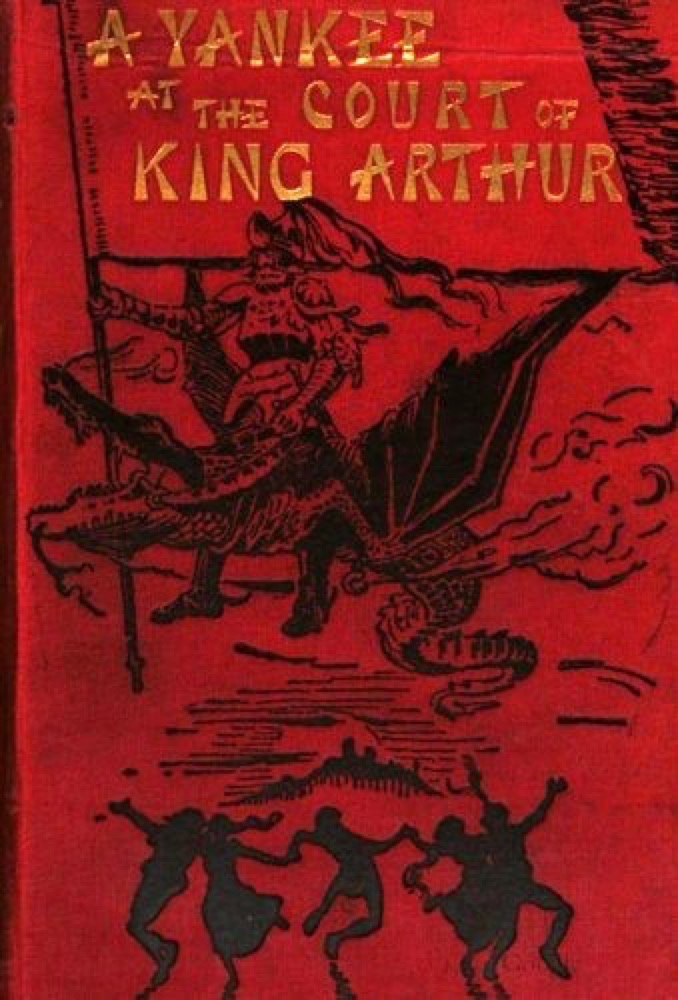 A Connecticut Yankee in King Arthur's Court
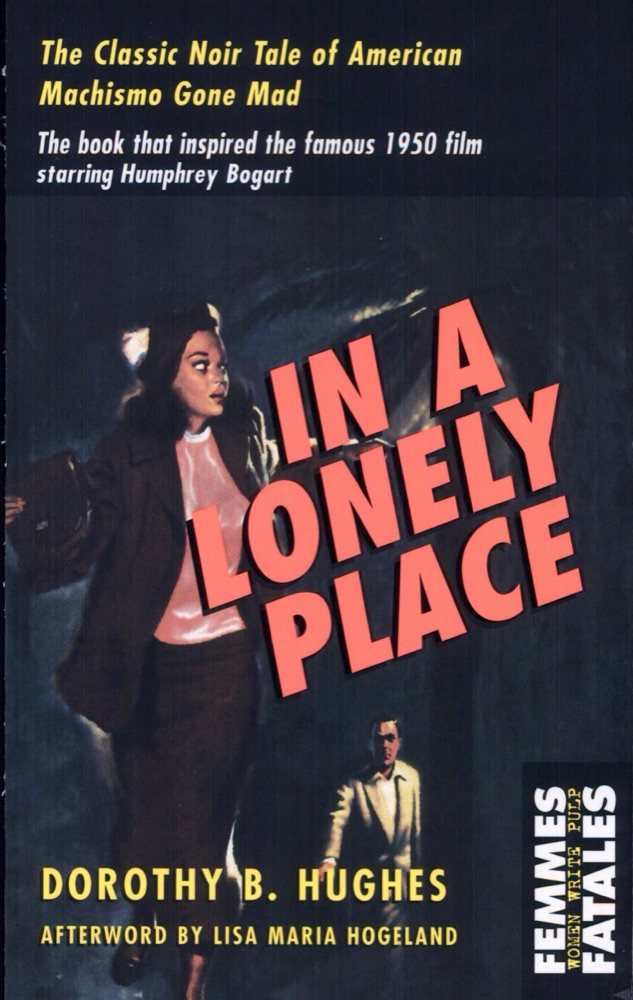 In a Lonely Place