
 The Good Earth
Quotes from the Book
there is one word that can be the guide for your life- it is the word reciprocity.
42
You cannot be happy until you understand that life is sad
37
God—if there is a God—would not choose one man above another or one people above another.
19
The feet bear the burden of the body, the head the burden of the mind, and the heart the burden of the spirit.
18
He was part of a whole, a people scattered over the earth and yet eternally one and indivisible. Wherever a Jew lived, in whatever safety and isolation, he still belonged to his people.
18
Happiness was waiting to be chosen.
16
When foreigners come into a nation, the best way is to make them no longer foreign. That is to say, let us marry our young together and let there be children. War is costly, love is cheap.
12
None on earth can love those who declare that they alone are the sons of God.
10
To repay evil with kindness is the proof of a good man; a superior man blames himself, a common man blames others.
9
Love changes,” she replied. “When the flame dies, the glow remains, but it no longer centers upon one human creature and it warms the whole soul. Then the soul looks at all human creatures with love diffused.
7
Here was that question: Was life sad or happy? She did not mean her life or any one life, but life itself—was it sad or happy? If she but had the answer to that first question, Peony thought, then she would have her guide. If life could and should be happy, if to be alive itself was good, then why should she not try for everything that could be hers? But if, when all was won, life itself was sad, then she must content herself with what she had. Now this old question thrust itself before her, and she found no answer in her heart.
7
To hate another human being is to take a worm into one’s own vitals. It consumes life.
7
She rose and washed and dressed herself and braided her hair freshly, and having made her room neat for the day she went into the peach-tree garden. It lay in the silence of the spring morning. Under the early sun the dew still hung in a bright mist on the grass, and the pool in the center of the garden was brimming its stone walls. The water was clear and the fish were flashing their golden sides near the surface. The great low-built house that surrounded the garden was still in sleep. Birds twittered in the eaves undisturbed and a small Pekingese dog slept on the threshold like a small lioness.
7
I do not blame you, child, for growing up,” she announced. “But I teach you this: Whatever happens is always the woman’s fault.
5
Leah was more than beautiful. She was filled with some spirit, a high quality, which Peony admired and did not understand. The Chinese said of her, "She is heaven-good." They meant that her goodness was natural and that it flowed from a fountain within herself.
5
To do good, to love justice, to grant that all men had an equal right to a pleasant life, these things Kung Chen believed in, and believing, he did all he could to perform his belief.
5
Love must be taken on the tide, before it ebbs.
3
steadily for a few minutes because Leah was so beautiful. She looked at herself in the mirror on her dressing table, and it seemed to her that all
3
We were a proud people. We lost our country. Our only hope for return was to keep ourselves a people. The only hope to keep ourselves a people was to keep our common faith in one God, a God of our own. That God has been our country and our nation. In sorrow and wailing and woe for all that we have lost has been our union. And our rabbis have so taught us, generation after generation.
3
if one can surmount poverty and can love in moderation, there is no obstacle to happiness for anyone.
3
Her busy mind ran hither and thither about her plan.
1
You cannot be happy until you understand that life is sad,
1
You cannot be happy unless you understand that life is sad.
1
Yes, you paid money for me, she answered, but that does not make me yours. A human creature cannot be bought whole.
All human beings have noses, eyes, arms, legs, hearts, stomachs, and so far as I have been able to
Watch on YouTube
About Pearl S. Buck
We have collected 136 quotes from 7 books by Pearl S. Buck on BookQuoters.
More about the author →More by Pearl S. Buck
The Good Earth
 Pavilion of Women: A Novel of Life in the Women's Quarters
 East Wind: West Wind
 The Eternal Wonder
About the book
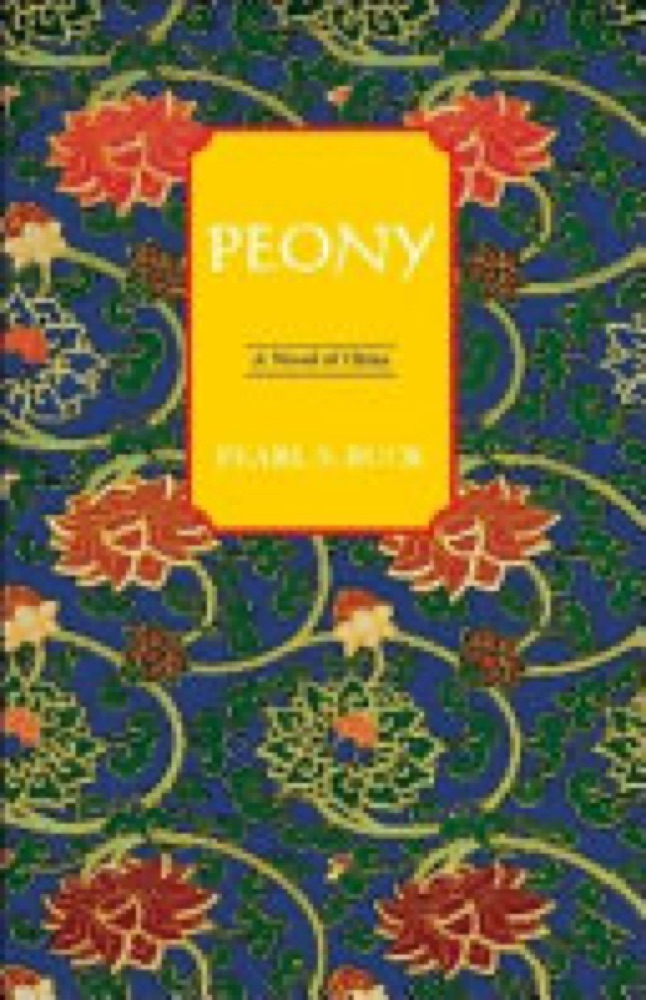
Peony (or The Bondmaid) is set in the 1850s in the city of Kaifeng, in the province of Henan, which was historically a center for Chinese Jews. The novel follows Peony, a Chinese bondmaid of the prominent Jewish family of Ezra ben Israel's, and shows through her eyes how the Jewish community was regarded in Kaifeng at a time when most of the Jews had come to think of themselves as Chinese.
Book details
- First published
- 1948
- Author
- Pearl S. Buck
- Genre
- Historical
- Goodreads rating
- 4.04 (8k ratings)
Keep reading
Pavilion of Women: A Novel of Life in the Women's Quarters
 When Nietzsche Wept
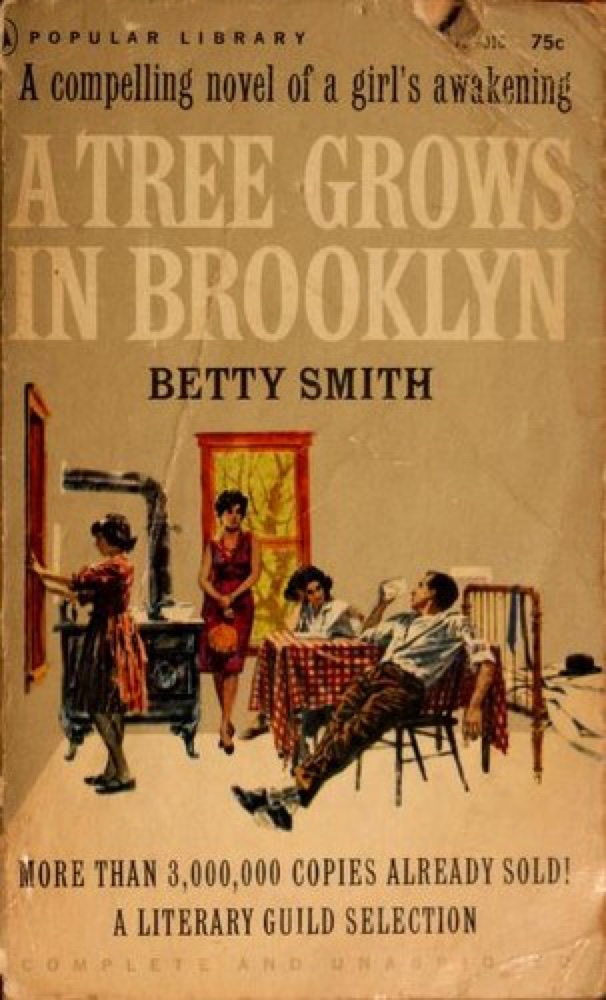 A Tree Grows in Brooklyn
 Howards End
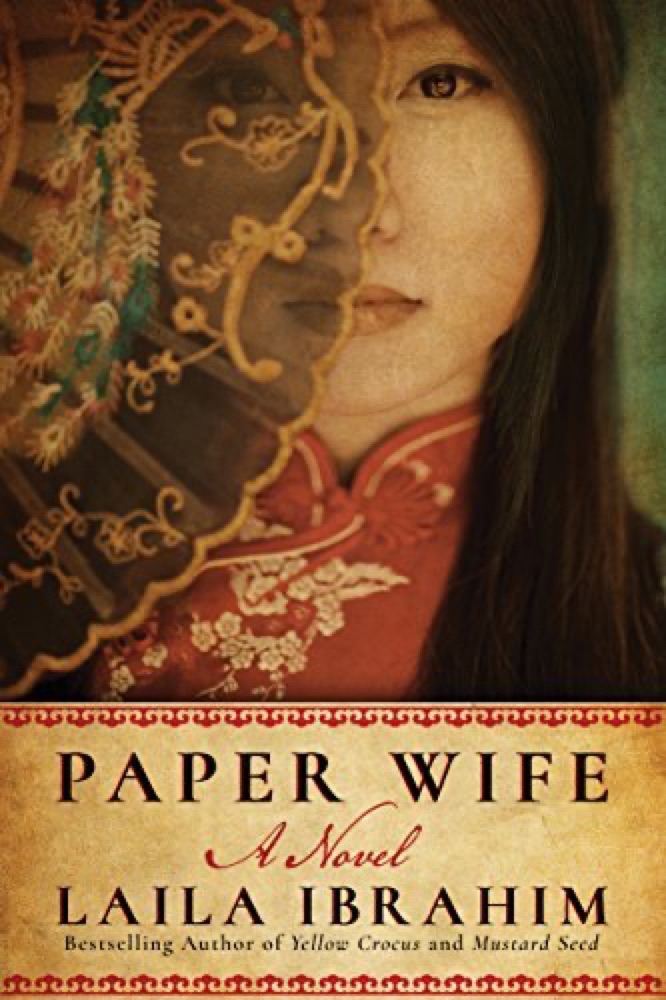 Paper Wife
 Green Dolphin Street
 A Well-Tempered Heart
 Speaker for the Dead
 Anna Karenina
 Under the Udala Trees
 Snow
Snow
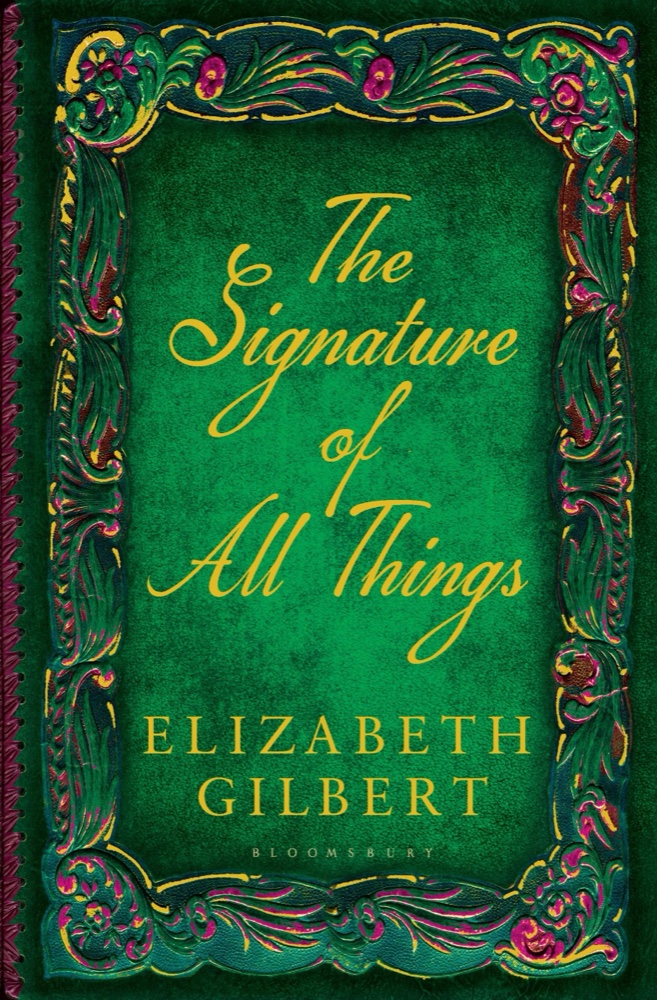 The Signature of All Things
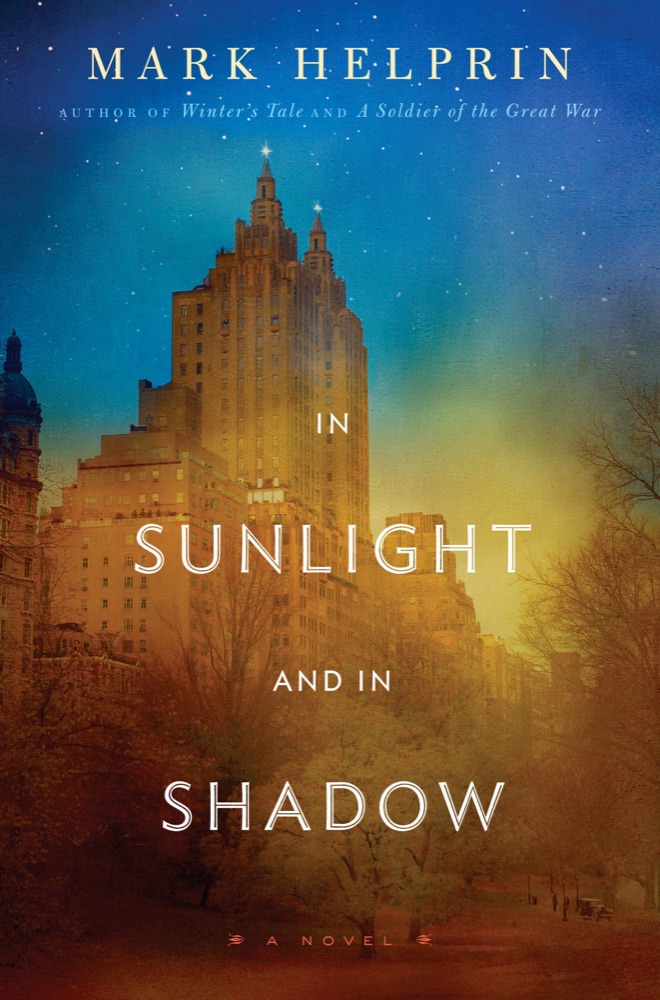 In Sunlight and in Shadow
 De Profundis
 Tales from the Cafe
 Villette
 From the Corner of His Eye
 Prince Lestat
 The Well of Loneliness
 A Song to Drown Rivers
 Immortal
 Beasts of a Little Land
 Independent People
 Sacred Journey of the Peaceful Warrior
 Loving Frank
 Simply Love
 A Room with a View
 The Zahir
 The Spy
 The Loneliness of Sonia and Sunny
 Panenka
 Embers
 Les Misérables
 Varina
 The Jewel in the Crown
 The Weight of Ink
 Babylonia
 Ravelstein
 The Winner Stands Alone
 Children of God
 War and Peace
 Snow Flower and the Secret Fan
 The Rules of Magic
 The Valley of Amazement
 Shōgun
 The Clockmaker's Daughter
 Random Acts Of Heroic Love
 She Who Became the Sun
 Mythology
 The Wish Collector
 Before Midnight: A Retelling of "Cinderella"
 The Proposal
 Ben-Hur: A Tale of the Christ
 The Shoemaker's Wife
 Jane Eyre
 La dame aux camélias
 The Home and the World
 NW
NW
 Good Dirt
 Mary Barton