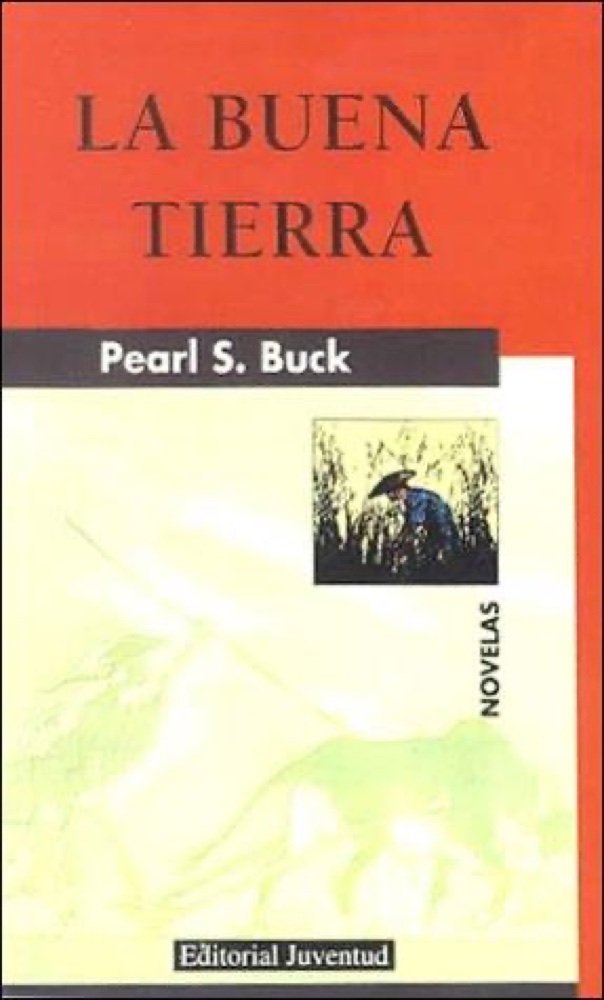

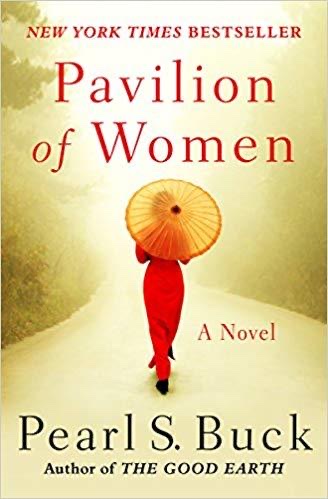
 Pavilion of Women: A Novel of Life in the Women's Quarters
Quotes from the Book
Now, five years is nothing in a man's life except when he is very young and very old... - Wang Lung
I am always glad when any of my books can be put into an inexpensive edition, because I like to think that any people who might wish to read them can do so. Surely books ought to be within reach of everybody.
And roots, if they are to bear fruits, must be kept well in the soil of the land.
It is the end of a family- when they begin to sell their land. Out of the land we came and into we must go - and if you will hold your land you can live- no one can rob you of land.
Wang Lung sat smoking, thinking of the silver as it had lain upon the table. It had come out of the earth, this silver, out of the earth that he ploughed and turned and spent himself upon. He took his life from the earth; drop by drop by his sweat he wrung food from it and from the food, silver. Each time before this that he had taken the silver out to give to anyone, it had been like taking a piece of his life and giving it to someone carelessly. But not for the first time, such giving was not pain. He saw, not the silver in the alien hand of a merchant in the town; he saw the silver transmuted into something worth even more than life itself - clothes upon the body of his son.
Out of the woman's great brown breast the milk gushed forth for the child, milk as white as snow, and when the child suckled at the one breast it flowed like a fountain from the other, ans she let it flow. There was more than enough for the child, greedy though he was, life enough for many children, and she let it flow out carelessly, conscious of her abundance. There was always more. Sometimes she lifted her breast and let it flow out upon the ground to save her clothing, and it sank into the earth and made a soft, dark, rich spot in the field. The child fat and good-natured and ate of the inexhaustible life his mother gave him.
He saw on the paper a picture of a man, white-skinned, who hung upon a crosspiece of wood. The man was without clothes except for a bit about his loins, and to all appearences he was dead, since his head drooped upon his shoulder and his eyes were closed above his bearded lips. Wang Lung looked at the pictured man in horror and with increasing interest.
It was Wang Lung's marriage day.
Well I know I am ugly and cannot be loved—
Now it has been said from ancient times that all women who weep may be divided into three sorts. There are those who lift up their voices and their tears flow and this may be called crying; there are those who utter loud lamentations but whose tears do not flow and this may be called howling; there are those whose tears flow but who utter no sound and this may be called weeping. Of all those women who followed Wang Lung in his coffin, his wives and his sons’ wives and his maid servants and his slaves and his hired mourners, there was only one who wept and it was Pear Blossom.
Then Wang Lung turned to the woman and looked at her for the first time. She had a square, honest face, a short, broad nose with large black nostrils, and her mouth was wide as a gash in her face. Her eyes were small and of a dull black in color, and were filled with some sadness that was not clearly expressed. It was a face that seemed habitually silent and unspeaking, as though it could not speak if it would. She bore patiently Wang Lung’s look, without embarrassment or response, simply waiting until he had seen her. He saw that it was true there was not beauty of any kind in her face—a brown, common, patient face. But there were no pock-marks on her dark skin, nor was her lip split. In her ears he saw his rings hanging, the gold-washed rings he had bought, and on her hands were the rings he had given her. He turned away with secret exultation. Well, he had his woman!
If I have a handful of silver it is because I work and my wife works, and we do not, as some do, sit idling over a gambling table or gossiping on doorsteps never swept, letting the fields grow to weeds and our children go half-fed!" (Buck, 65)
And out of his heaviness there stood out strangely but one clear thought and it was a pain to him, and it was this, that he wished he had not taken the two pearls from O-lan that day when she was washing his clothes at the pool, and he would never bear to see Lotus put them in her ears again.
Well, and they must all starve if the plants starve." 'It was true that all their lives depended upon the earth' (Buck, 71).
But hers was a strange heart, sad in its very nature, and she could never weep and ease it as other women do, for her tears never brought her comfort.
And from that time on the boys were no longer called Elder and Younger, but they were given school names by the old teacher, and this old man, after inquiring into the occupation of their father, erected two names for the sons; for the elder, Nung En, and for the second Nung Wen, and the first word of each name signified one whose wealth is from the earth.
He lived in the rich city as alien as a rat in a rich man's house that is fed on scraps thrown away, and hides here and there and is never a part of the real life of the house.
When I return to that house it will be with my son in my arms. I shall have a red coat on him and red-flowered trousers and on his head a hat with a small gilded Buddha sewn on the front and on his feet tiger-faced shoes. And I will wear new shoes and a new coat of black sateen and I will go into the kitchen where I spent my days and I will go into the great hall where the Old One sits with her opium, and I will show myself and my son to all of them.
and his voice came from him in a whisper,
The first peaches of spring - the first peaches! Buy, eat, purge your bowels of the poisons of winter!
And listening to all the things they would do if they had these things, Wang Lung heard only of how much they would eat and sleep, and of what dainties they would eat that they had never tasted,and how they would gamble in this great tea shop and in that, and what pretty women they would buy for their lust, and above all, how none would ever work again, even as they rich man behind the wall never worked.
To those at the great house it means nothing, this handful of earth, but to me it means how much!" (Buck, 57)
We must have this rule, for there are those whose hearts are so hard that they will come and buy this rice that is given for the poor--for a penny will not feed any man like this--and they will carry the rice home to feed to their pigs for slop. And the rice is for men and not for pigs" (Buck, 105).
Spring passed and summer passed into harvest and in the hot autumn sun before winter comes Wang Lung sat where his father had sat against the wall. And he thought no more about anything now except his food and his drink and his land. But of his land he thought no more what harvest it would bring or what seed would be planted or of anything except of the land itself, and he stooped sometimes and gathered some of the earth up in his hand and he sat thus and held it in his hand, and it seemed full of life between his fingers. And he was content, holding it thus, and he thought of it fitfully and of his good coffin that was there; and the kind earth waited without haste until he came to it.
contempt for himself that a small piece of land should seem so important. Why, when he had poured out his silver proudly before the agent the man had scraped it up carelessly in his hands and said, “Here is enough for a few days of opium for the old lady, at any rate.” And the wide difference that still lay between him and the great house seemed suddenly impassable as the moat full of
Well, and you may have lived in the courts of the Old Lord, and you were accounted beautiful, but I have been a man's wife and I have borne him sons, and you are still a slave.
And to him war was a thing like earth and sky and water and why it was no one knew but only that it was.
The narrator refers to a character as "an oily scoundrel whose hands were heavy with the money that stuck to them.
Did you know?
- The novel was the best-selling work of fiction in the United States in both 1931 and 1932.
- It won the Pulitzer Prize for Fiction in 1932.
- It is the first book of Buck's House of Earth trilogy, followed by "Sons" and "A House Divided".
- The 1937 MGM film adaptation won two Academy Awards, including Best Actress for Luise Rainer.
- The book was influential in Pearl S. Buck being awarded the 1938 Nobel Prize in Literature.
About Pearl S. Buck
Pearl S. Buck (1892-1973) was an American writer who grew up in China as the daughter of missionaries. In 1938 she became the first American woman to win the Nobel Prize in Literature, honored for her epic descriptions of Chinese peasant life.
More about the author →More by Pearl S. Buck
Pavilion of Women: A Novel of Life in the Women's Quarters
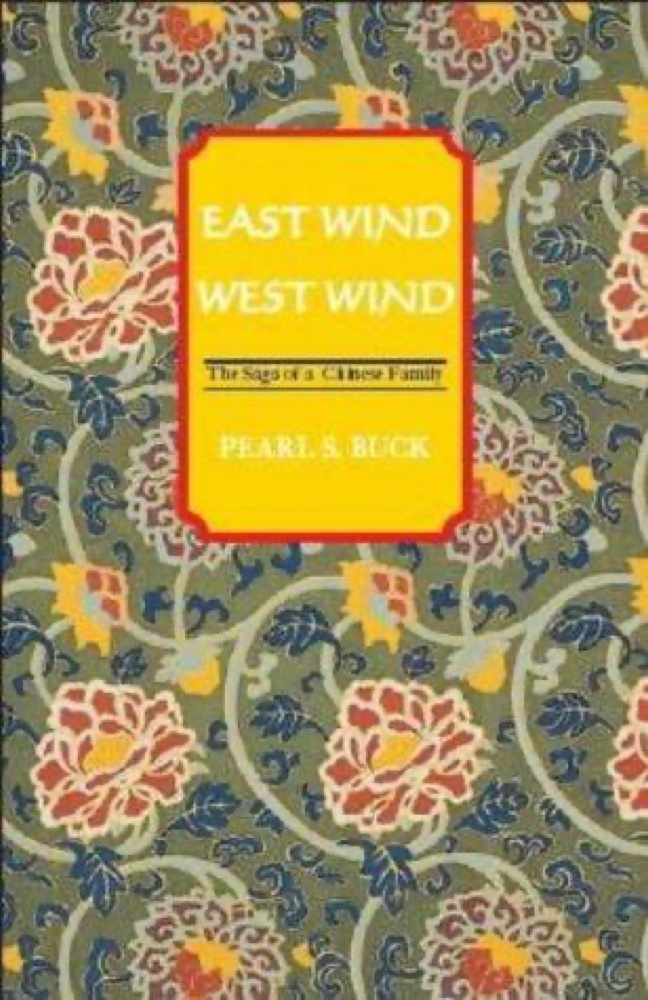 East Wind: West Wind
 The Eternal Wonder
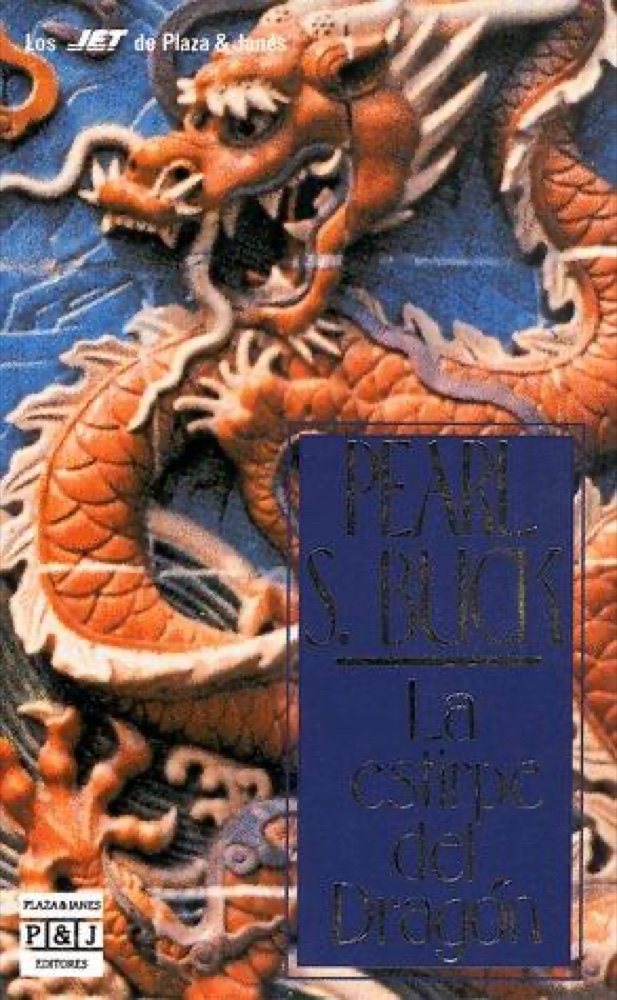 Dragon Seed
About the book
"The Good Earth" is Pearl S. Buck's 1931 novel following Wang Lung, a poor Chinese farmer, from his marriage day to the former kitchen slave O-Lan through his slow rise to wealth as a landowner. Set in rural China before the fall of the last imperial dynasty, the story traces how hard work, thrift, and an unyielding attachment to the land carry Wang Lung and his family through famine, flight to the city, and eventual prosperity.
At its heart the book is about the bond between people and the earth they farm: land is treated as the true source of security, dignity, and identity, and the story dramatizes what happens to that bond as fortune changes. Buck weaves in themes of poverty and survival, the quiet endurance and self-sacrifice of O-Lan, the corrupting pull of wealth, and the generational tension that grows as Wang Lung's sons come to see the ancestral fields as something to be sold.
Written in a plain, almost biblical style, the novel gave many Western readers their first sympathetic, human-scale portrait of ordinary Chinese peasant life. It won the Pulitzer Prize for Fiction in 1932, became one of the best-known American novels of the era, and was central to the body of work that earned Buck the 1938 Nobel Prize in Literature. It is the first book of her House of Earth trilogy.
Key characters
- Wang LungPoor, hard-working farmer who rises to become a wealthy landowner
- O-LanWang Lung's first wife, a former kitchen slave known for her endurance and self-sacrifice
- LotusConcubine and former prostitute whom Wang Lung takes in his prosperity
- Wang Lung's fatherHis aging, dependent father who longs for grandsons
- The Poor FoolWang Lung and O-Lan's mentally disabled eldest daughter
Book details
- First published
- 1931
- Length
- 356 pages
- Reading time
- 5 hours
- Author
- Pearl S. Buck
- Genre
- Classics
- Goodreads rating
- 4.01 (264k ratings) →
- First line
- “It was Wang Lung's marriage day.”
Series & reading order
- 1 The Good Earth
- 2 Sons
- 3 A House Divided
Movie & TV adaptations
- IMDb
- IMDb
If you liked this, read…
- 1SonsThe direct sequel continuing the House of Earth trilogy
- 2East of EdenAnother multi-generational family saga rooted in land and legacy
Keep reading
 Hard Times
Dragon Seed
Hard Times
Dragon Seed
 The Known World
 Independent People
 Kim
Kim
 River of Smoke
 Roughing It
 The Sweetness of Water
 Things Fall Apart
 Peony
Peony
 Birdsong
 One of Ours
 Ragtime
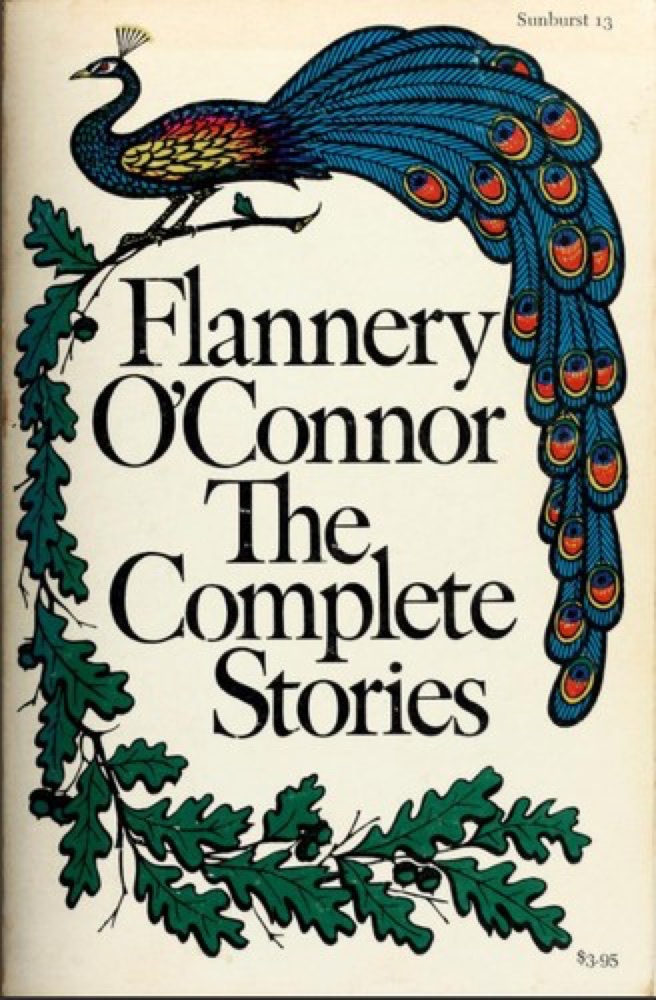 The Complete Stories
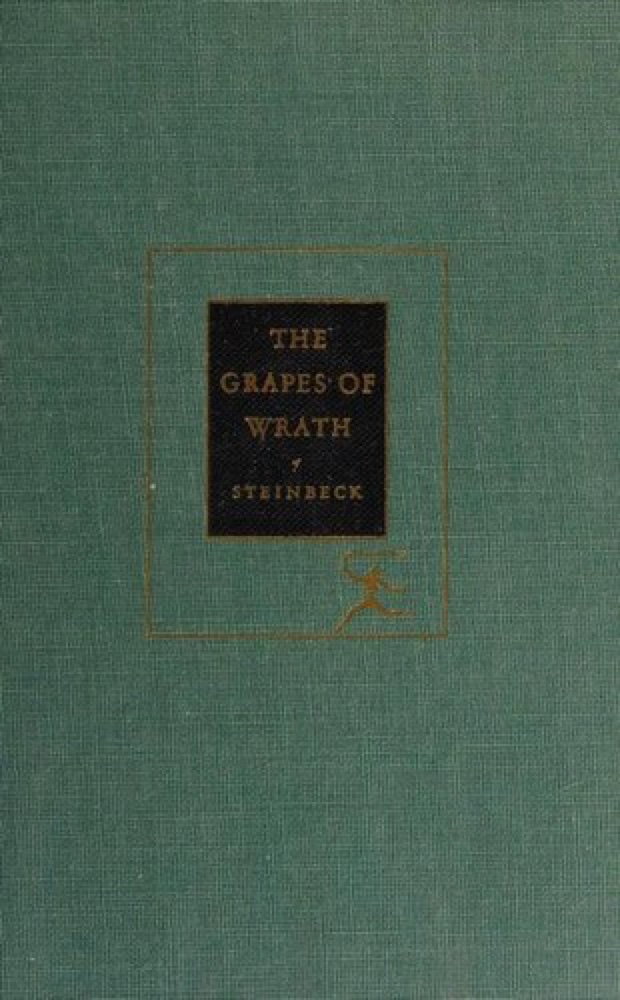 The Grapes of Wrath
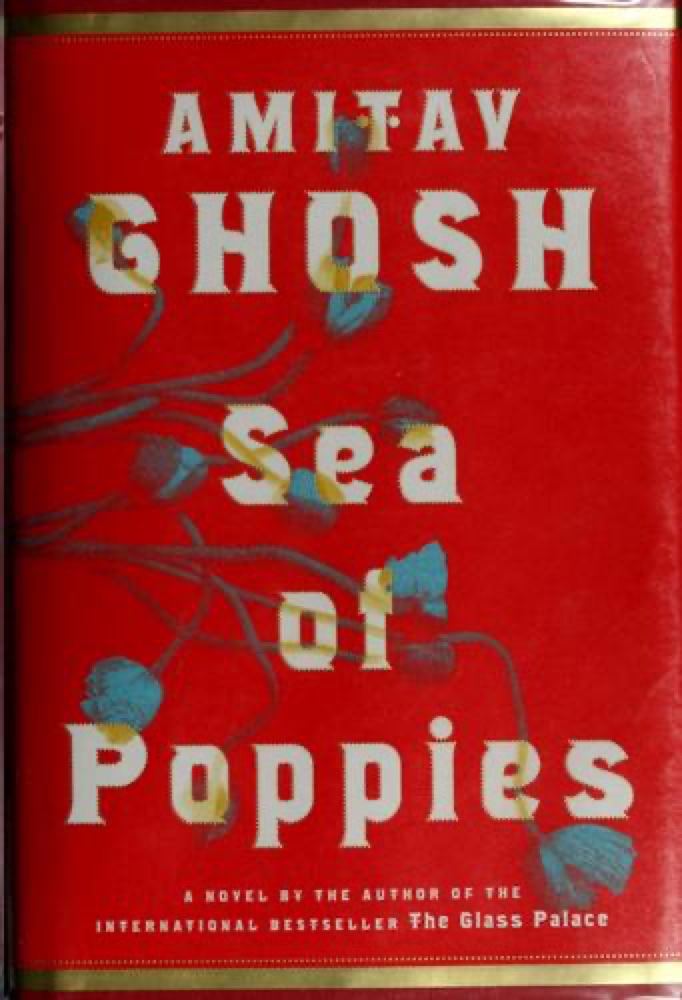 Sea of Poppies
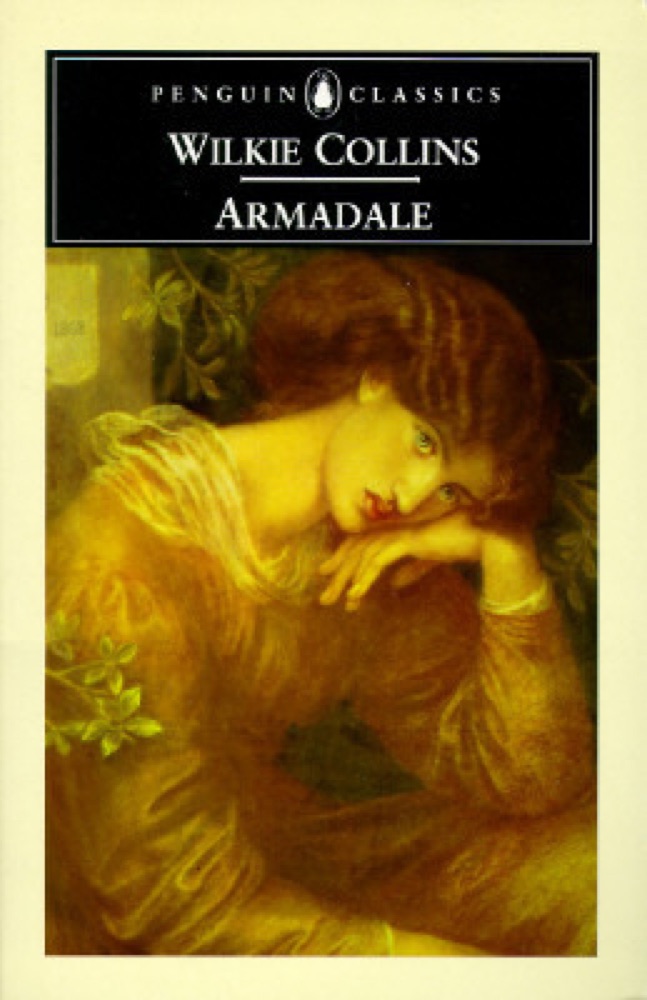 Armadale
 The Night Watchman
 Bleak House
 The Son
 Little Dorrit
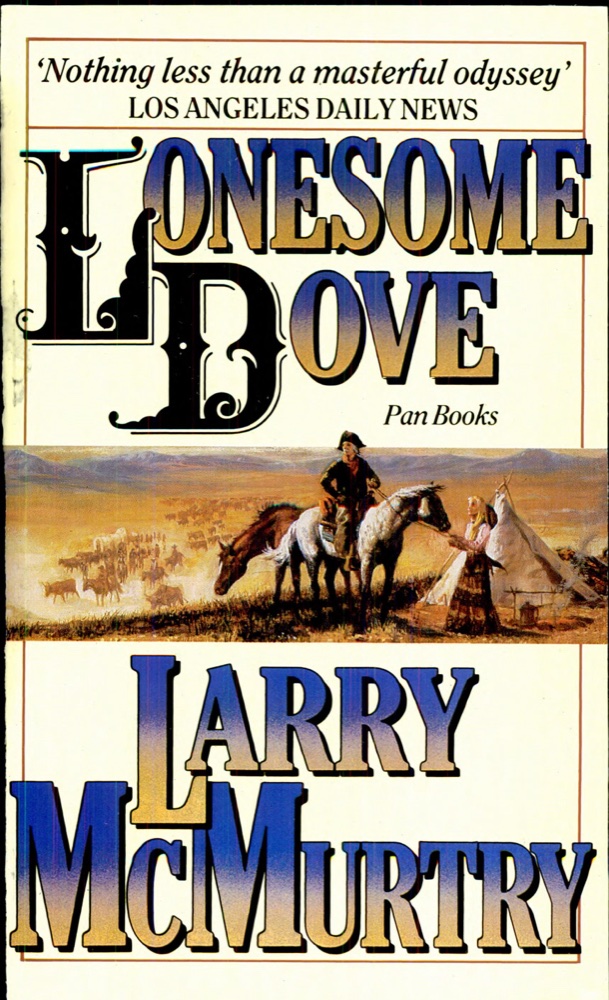 Lonesome Dove
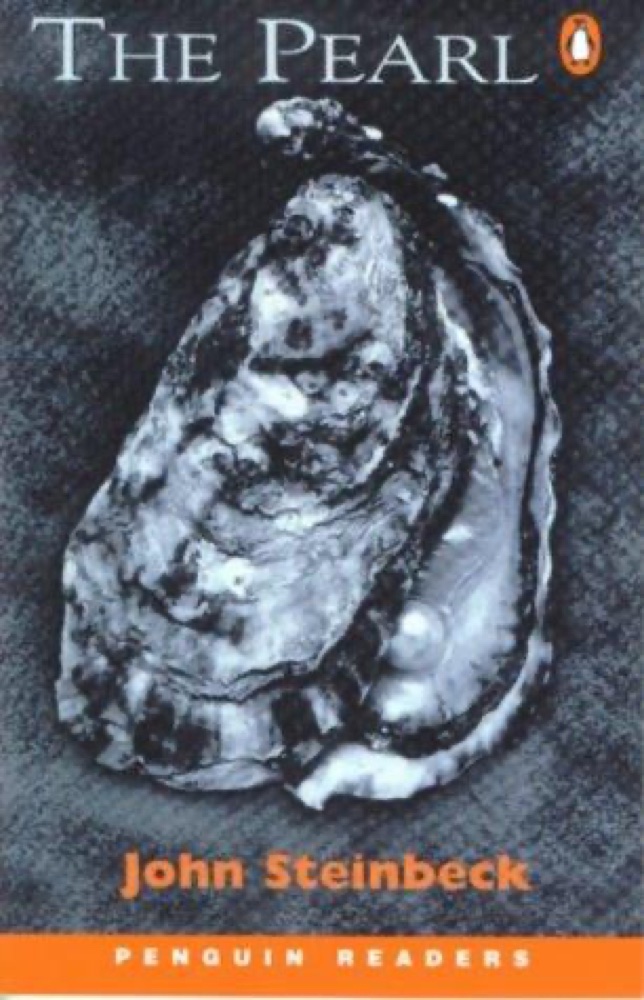 The Pearl
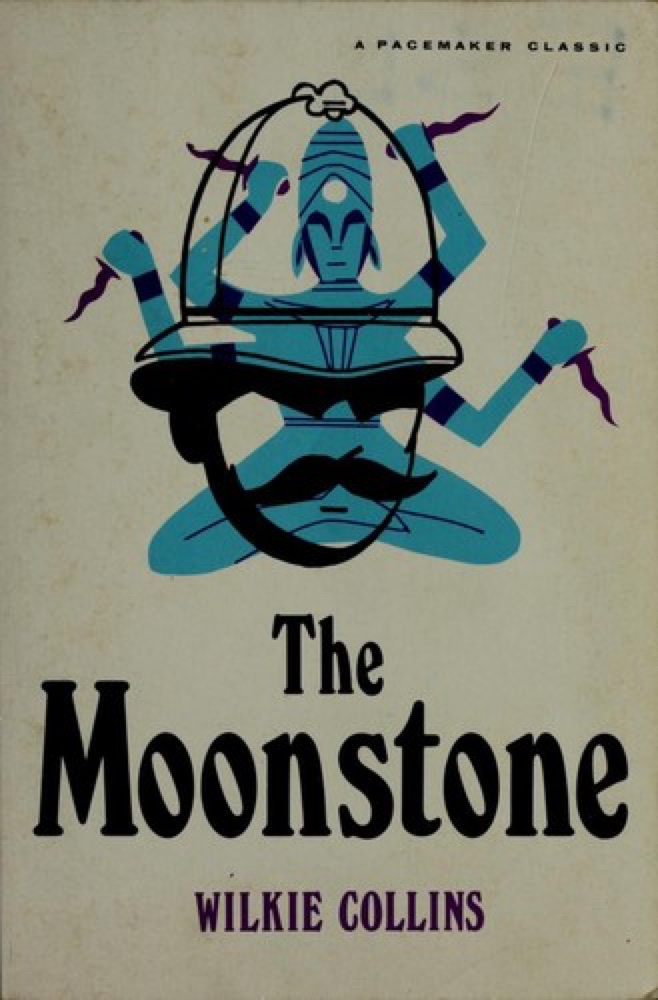 The Moonstone
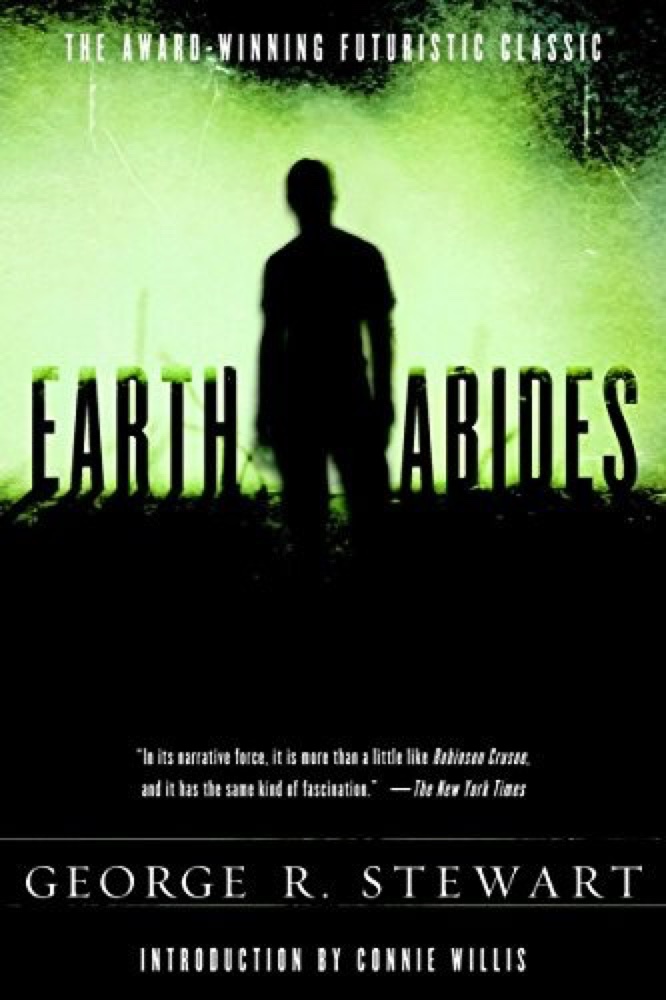 Earth Abides
 The White Tiger
 Spring Snow
 King Solomon's Mines
 Whiskey When We're Dry
 The Ghost Bride
 Remembering
 The Way We Live Now
 The Fires of Heaven
 O Pioneers!
 A Suitable Boy
 The Forsyte Saga
 Go Down, Moses
 The Shipping News
 A Thousand Moons
 The Virginian
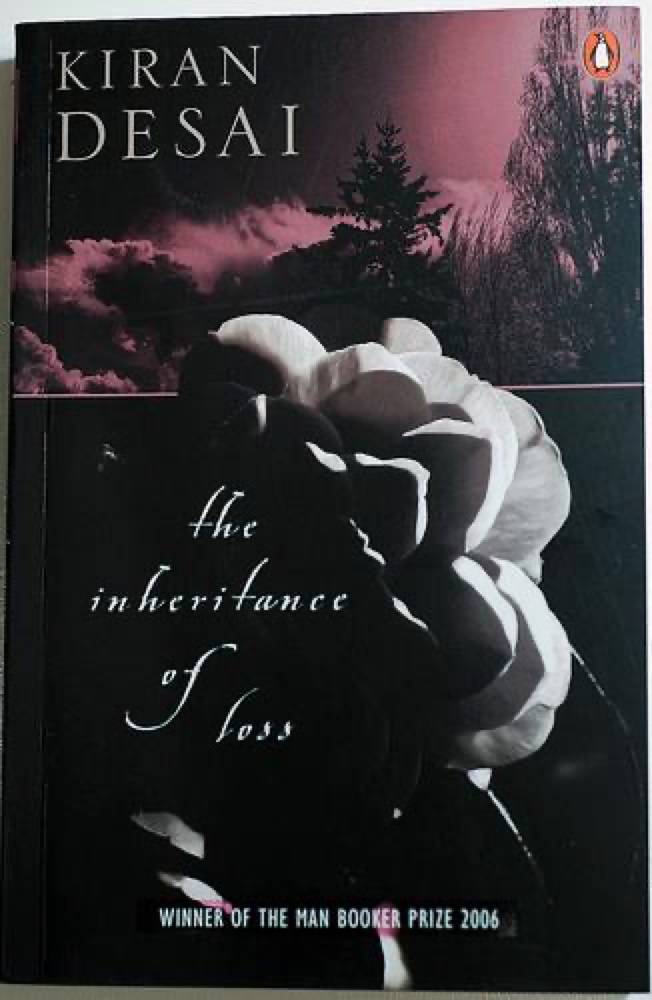 The Inheritance of Loss
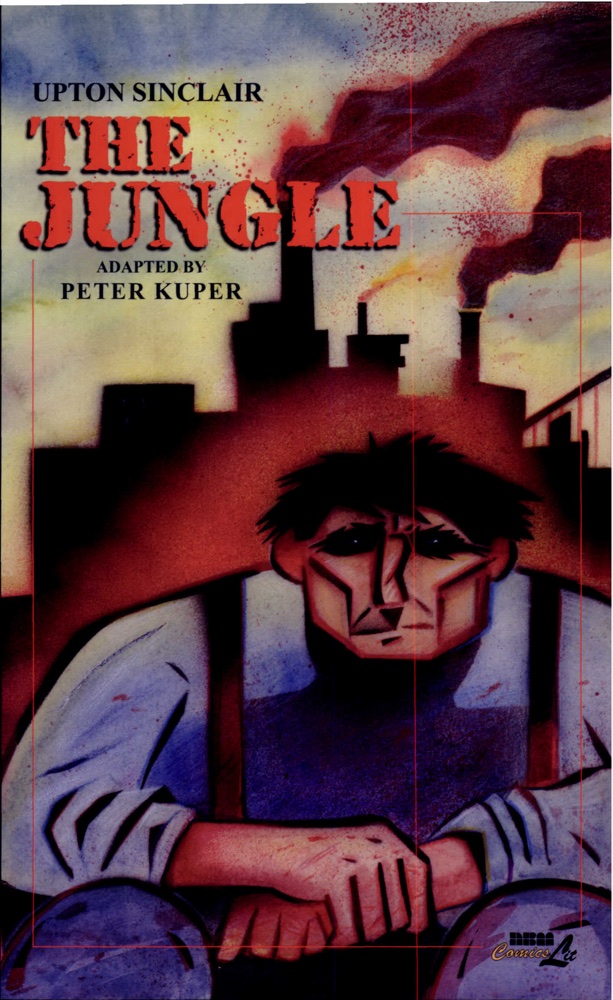 The Jungle
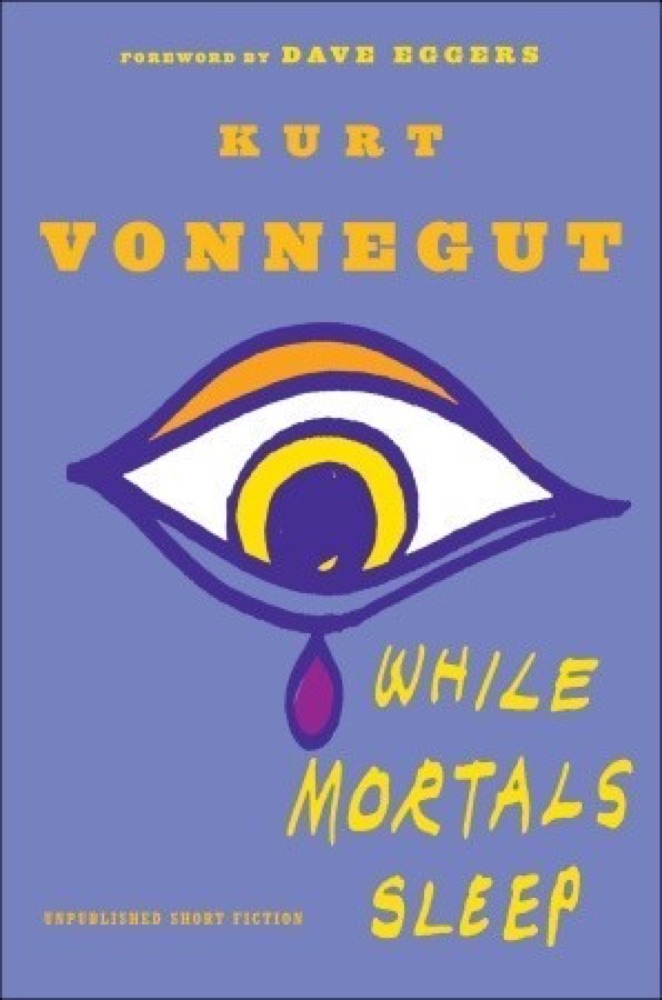 While Mortals Sleep: Unpublished Short Fiction
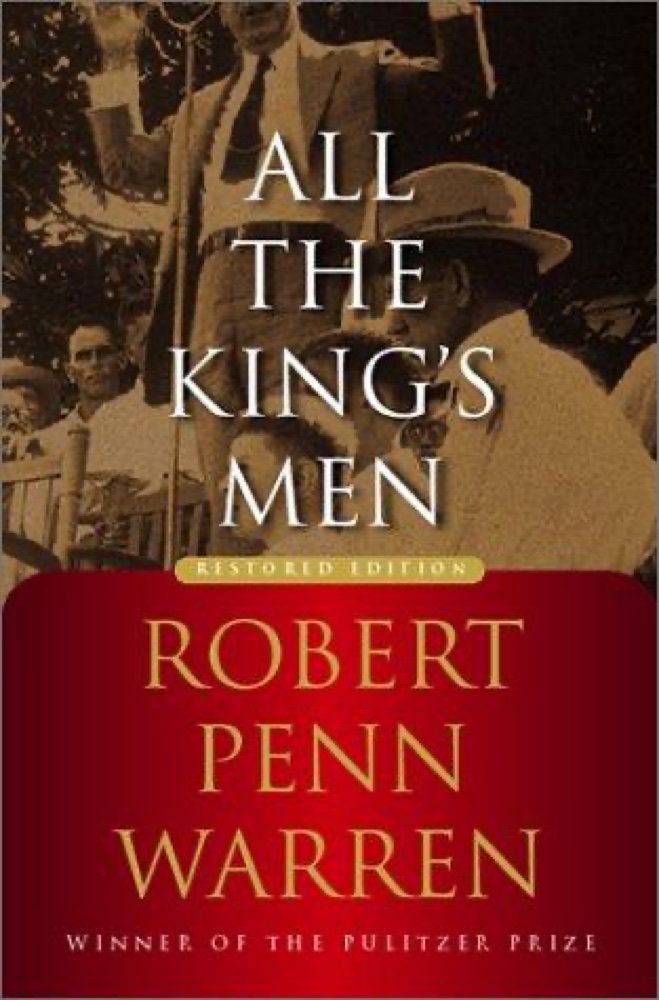 All the King's Men
 Dead Souls
 The Given Day
 Whose Names Are Unknown
 Jeremy Poldark
 The Enchantress of Florence
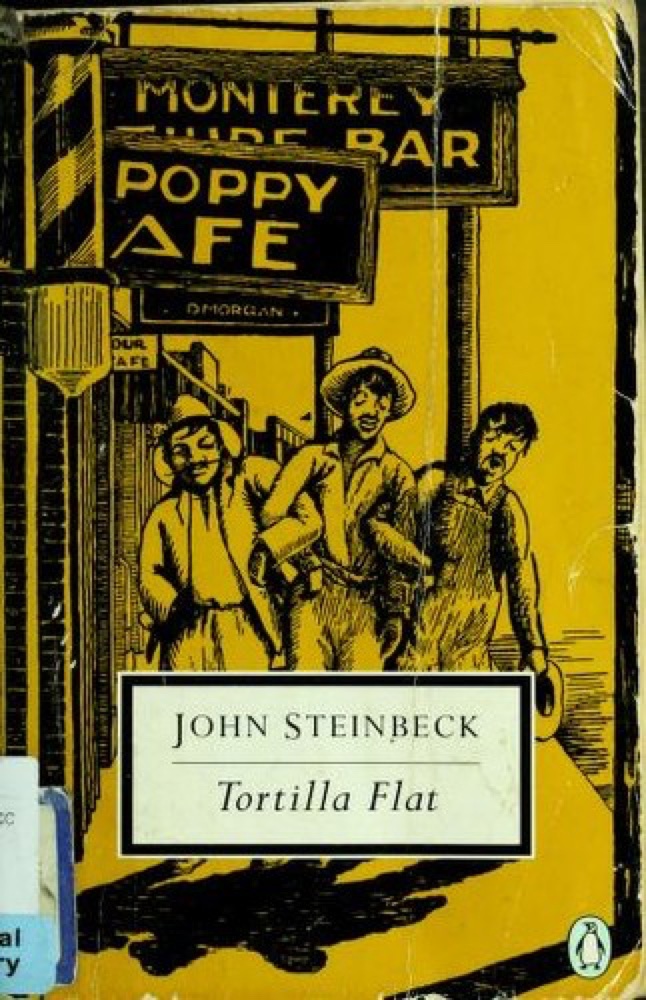 Tortilla Flat
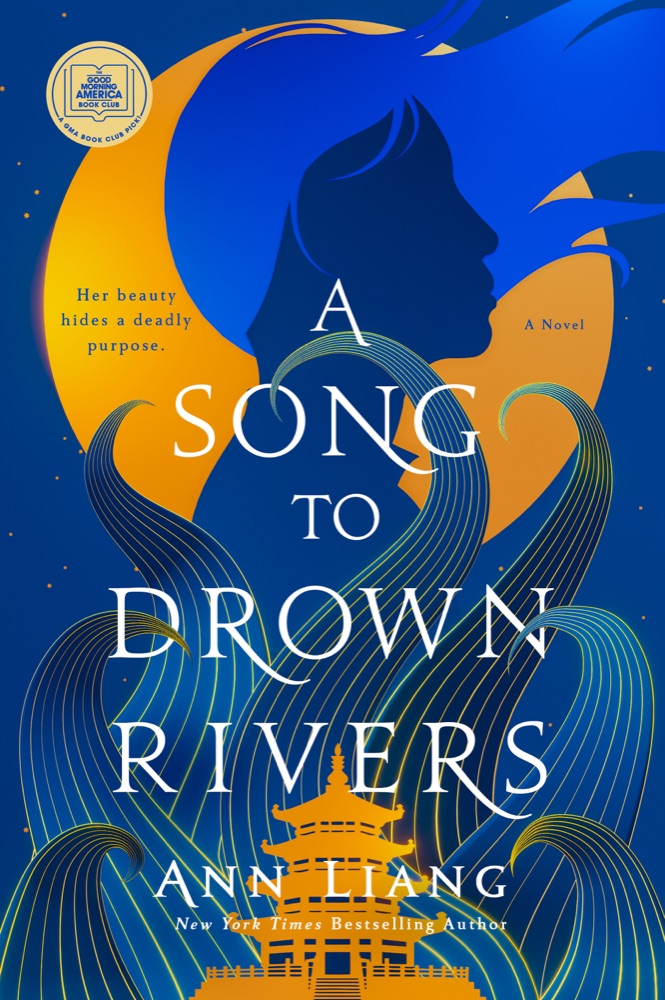 A Song to Drown Rivers
 Cold Mountain
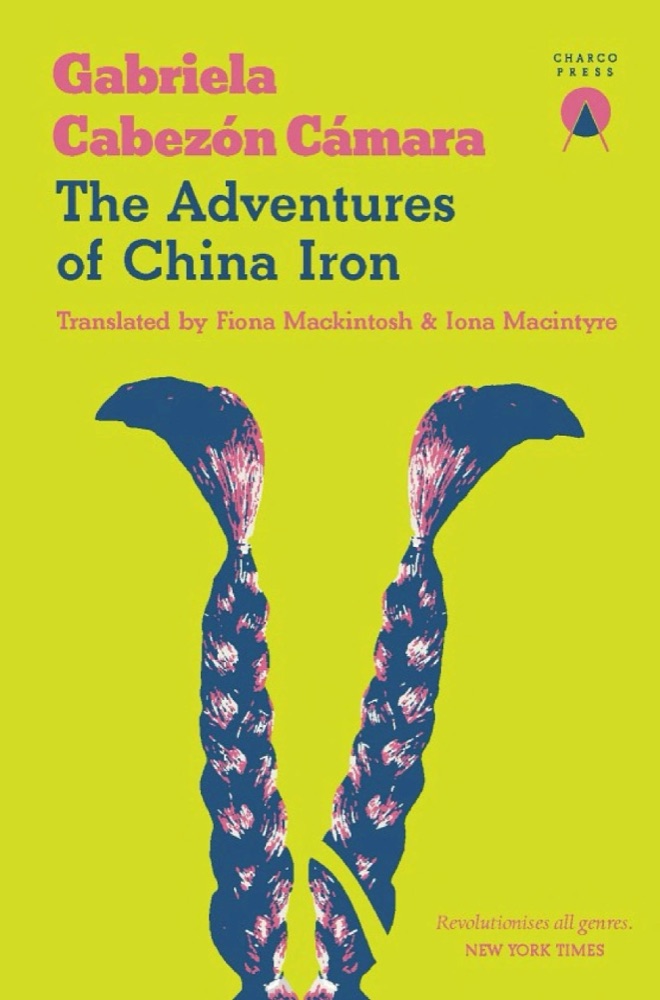 The Adventures of China Iron
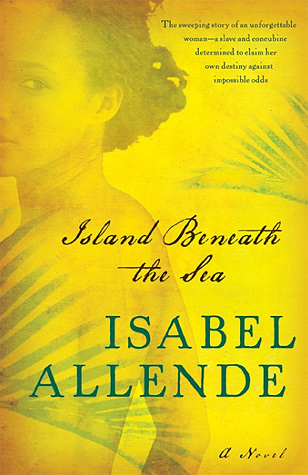 Island Beneath the Sea
 Shadows on the Rock
 The Brutal Telling
 Uncle Tom's Cabin
 The Princess and Curdie
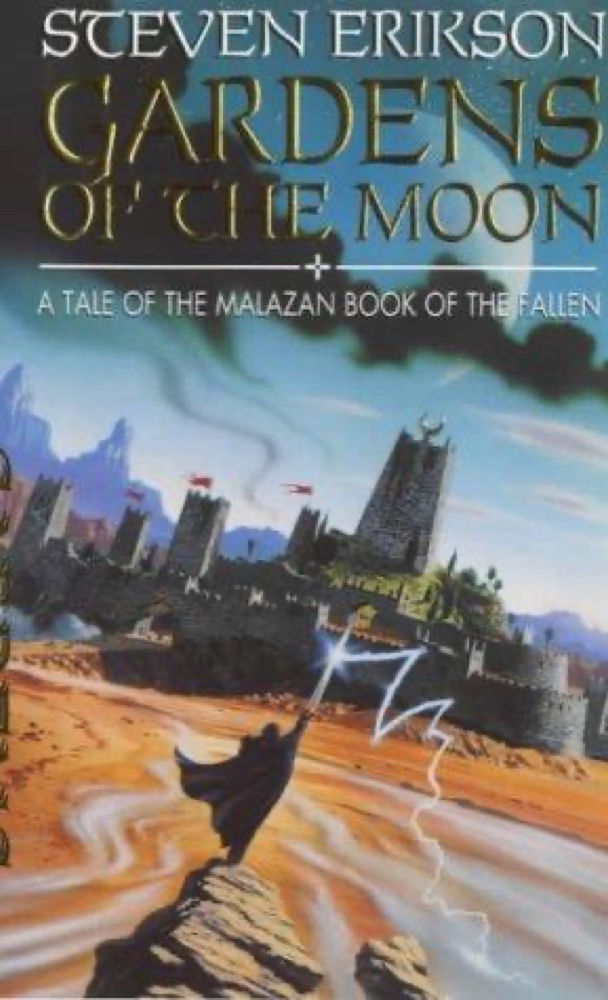 Gardens of the Moon
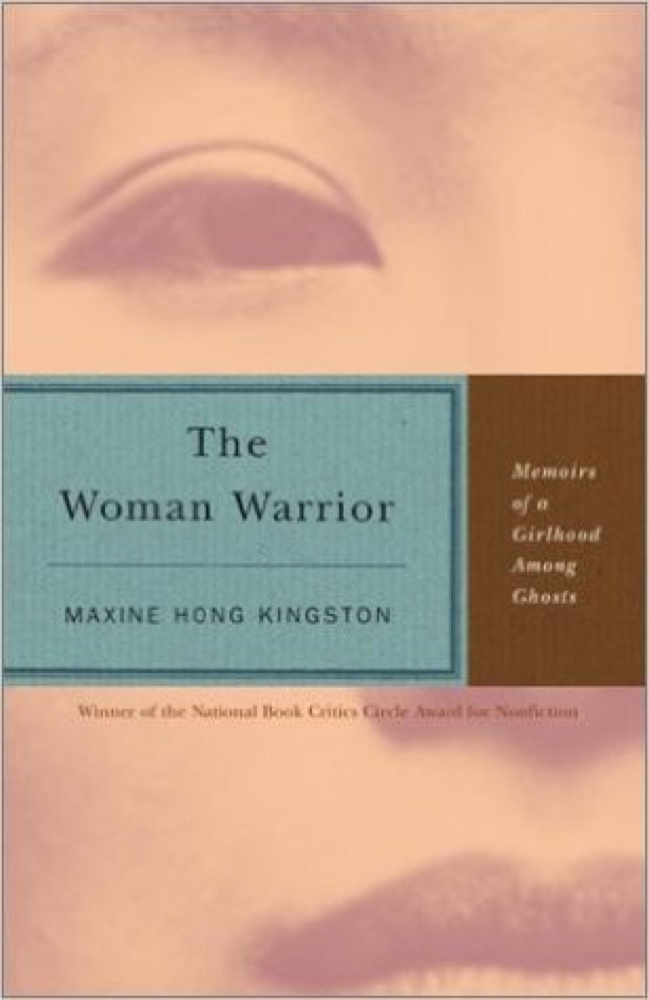 The Woman Warrior