
 The Mysterious Affair at Styles
Quotes from the Book
How can I go on living here and suspecting everybody ?
33
Justice is, after all, in the hands of men and men are fallible.
18
He felt lost without his hatred–lost and afraid. About Mickey Argyle
7
The old gentleman refuses to have the telephone which he regards as a device of the devil, and on a par with radio, television, cinema organs and jet planes, so I had to take a chance of finding him at home.
4
A man is responsible for his deeds, and not just the deeds, but for the consequences of those deeds, as well.
3
Of course people do kill themselves a good deal, between fourteen and nineteen. It's an age in life when things are very much out of proportion. Schoolboys kill themselves because they don't think they can pass examinations and girls kill themselves because their mothers won't let them go to the pictures with unsuitable boy friends. It's a kind of period where everything appears to be in glorious Technicolor. Joy or despair. Gloom or unparalleled happiness. One snaps out of it. The trouble with you is, Hester, it's taken you longer to snap out of it than most people.
2
This river... it's a crossing over Rubicon.
2
O maid most dear, I am not here. I have no place, no part, No dwelling more by sea nor shore, But only in thy heart.
2
That’s what you might call the normal pattern of female life. I’ve seen many girls and women, with strong maternal instincts, keen on getting married but mainly, though they mayn’t quite know it themselves—because of their urge to motherhood. And the babies come; they’re happy and satisfied. Life goes back into proportion for them. They can take an interest in their husbands and in the local affairs and in the gossip that’s going round, and of course in their children. But it’s all in proportion. The maternal instinct, in a purely physical sense, is satisfied, you see.
2
The family would come under suspicion,” he said, “and it might remain under suspicion for a long time—perhaps for ever. If one of the family was guilty it is possible that they themselves would not know which one. They would look at each other and—wonder … Yes, that’s what would be the worst of all. They themselves would not know which…
2
Devotion was all very well when you could get away from it for nine or ten hours of the day. It was a nice thing to come home to. But now he was lapped round with it; watched over, cared for, cherished. It made one yearn for a little wholesome neglect
1
Not selfish things, not things for herself; who could give to unwanted children love, care, a home. All these things she could buy for them, but not their love for her.
1
You’re quite right,” said MacMaster. “You’re putting your finger on the thing that matters. If you think it over, you know, that’s always the interesting part of any murder. What the person was like who was murdered. Everybody’s always so busy inquiring into the mind of the murderer. You’ve been thinking, probably, that Mrs. Argyle was the sort of woman who shouldn’t have been murdered.” “I should imagine that everyone felt that.” “Ethically,” said MacMaster, “you’re quite right. But you know”—he rubbed his nose—“isn’t it the Chinese who held that beneficence is to be accounted a sin rather than a virtue? They’ve got something there, you know. Beneficence does things to people. Ties ’em up in knots. We all know what human nature’s like. Do a chap a good turn and you feel kindly towards him. You like him. But the chap who’s had the good turn done to him, does he feel so kindly to
1
Calgary sighed. Things were never, he thought, the way you imagined them to be. Every day he found himself less attracted to the man whose name he had taken such trouble to vindicate. He was almost coming to understand and share the point of view which had so astounded him at Sunny Point.
1
and fair hair combed off her face and arranged in a large bun at the back of her neck; a style which at the moment happened to be fashionable although that was not her reason for wearing it so. She was a woman who always kept to her own style.
1
Your son was accused of a crime he did not commit, was tried for it, condemned—and died in prison. Justice has come too late for him. But such justice as can be done, almost certainly will be done, and will be seen to be done. The Home Secretary will probably advise the Queen that a free pardon should be granted.” Hester laughed. “A free pardon—for something he didn’t do?” “I know. The terminology always seems unrealistic. But I understand that the custom is for a question to be asked in the House, the reply to which will make it clear that Jack Argyle did not commit the crime for which he was sentenced, and the newspapers will report that fact freely.
1
It’s so awful when people are always right. It’ makes you feel more and more inadequate. - Hester Argyle
One must take responsibility for one’s actions and not only one’s actions but for the result of one’s actions. - Dr. Arthur Calgary
I’ve seen a good many Jackos in my lifetime. Later in life, when the boy has gone hopelessly wrong, the parents say, ‘If only I’d been stricter with him when he was young,’ or else they say, ‘I was too harsh, if only I’d been kinder.’ I don’t think myself it amounts to a penn’orth of difference. There are those who go wrong because they’ve had an unhappy home and essentially feel unloved. And again there are those who go wrong because at the least stress they’re going to go wrong anyway. I put Jacko down as one of the latter.
I perceive your devilish intention,' said Major Finney.
Watch on YouTube
About Agatha Christie
We have collected 1051 quotes from 60 books by Agatha Christie on BookQuoters.
More about the author →More by Agatha Christie
All books by Agatha Christie →
About the book
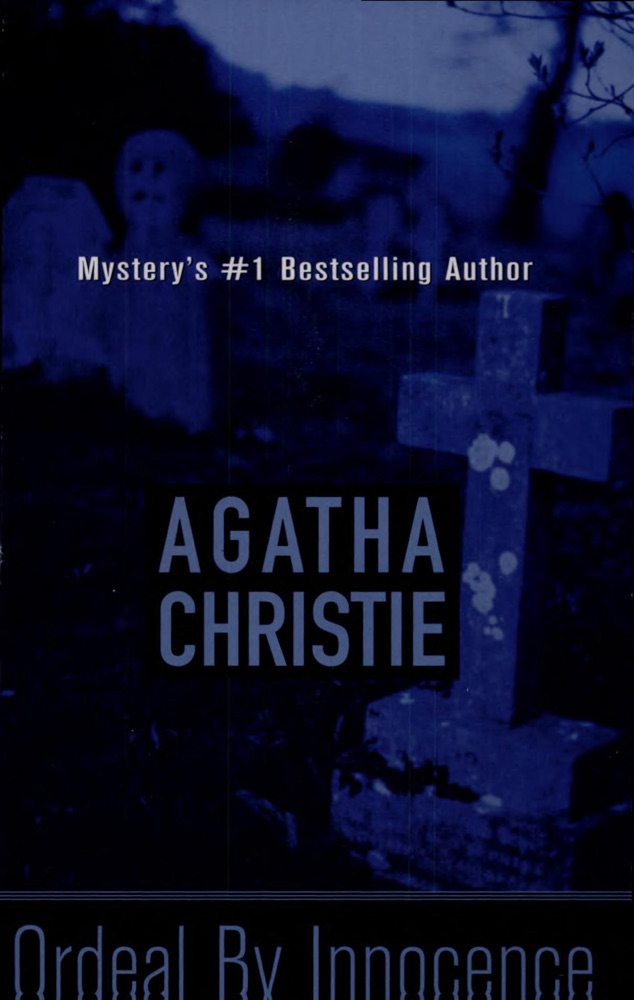
Considered by critics the one of the best of Agatha Christie’s later novels, and a personal favorite for Christie herself, Ordeal by Innocence is a psychological thriller involving crimes from both past and present.
According to the courts, Jacko Argyle bludgeoned his mother to death with a poker. The sentence was life imprisonment. But when Dr. Arthur Calgary arrives with the proof that confirms Jacko’s innocence, it is too late—Jacko died behind bars following a bout of pneumonia. Worse still, the doctor’s revelations reopen old wounds in the family, increasing the likelihood that the real murderer will strike again.
Book details
- First published
- 1958
- Author
- Agatha Christie
- Genre
- Mystery
- Goodreads rating
- 3.83 (34k ratings)
Keep reading
 Jeremy Poldark
 A Fatal Grace
 Alias Grace
 Appointment with Death
 A Rule Against Murder
 The Moonstone
 The Christie Affair
 The Moving Finger
 Death on the Nile
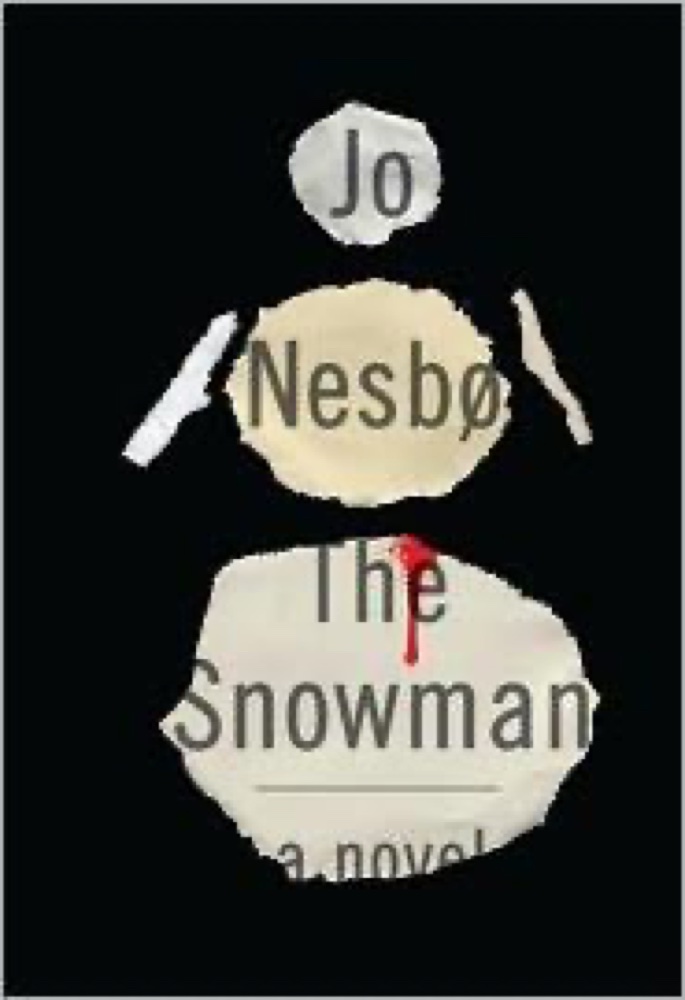 The Snowman
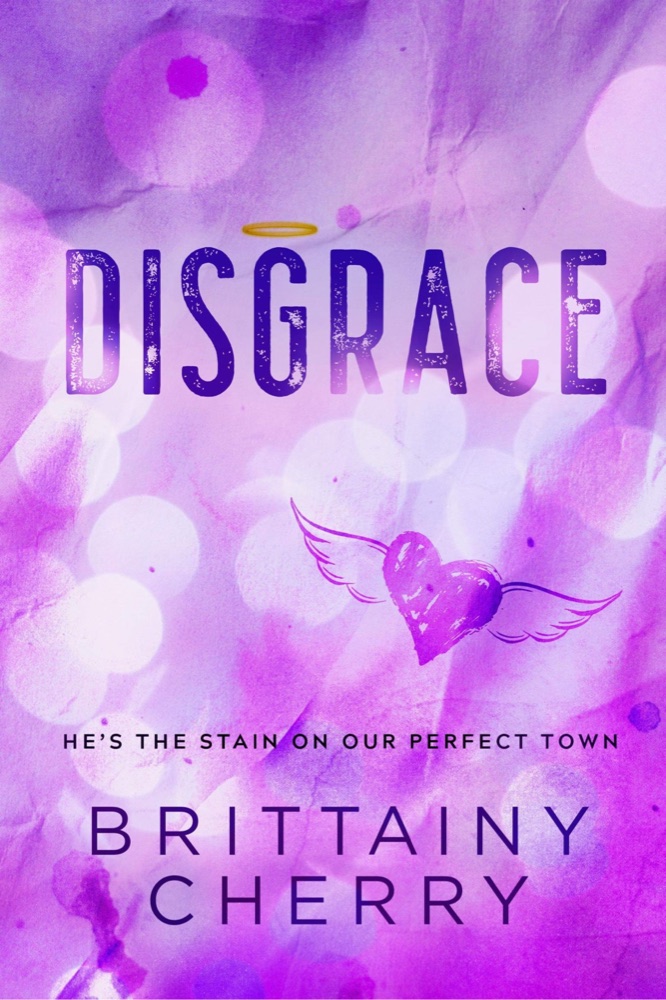 Disgrace
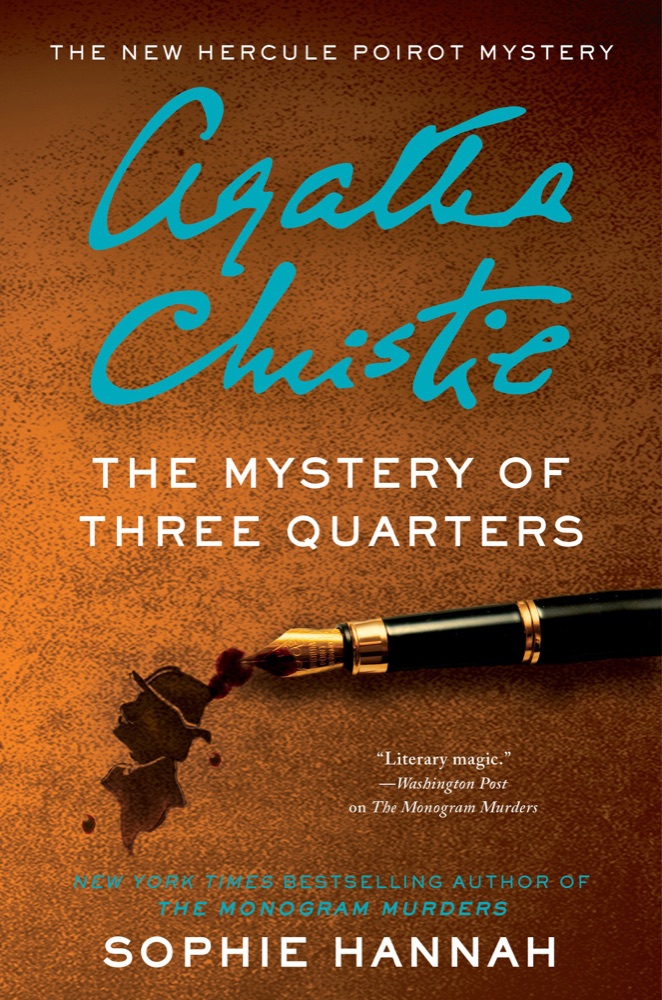 The Mystery of Three Quarters
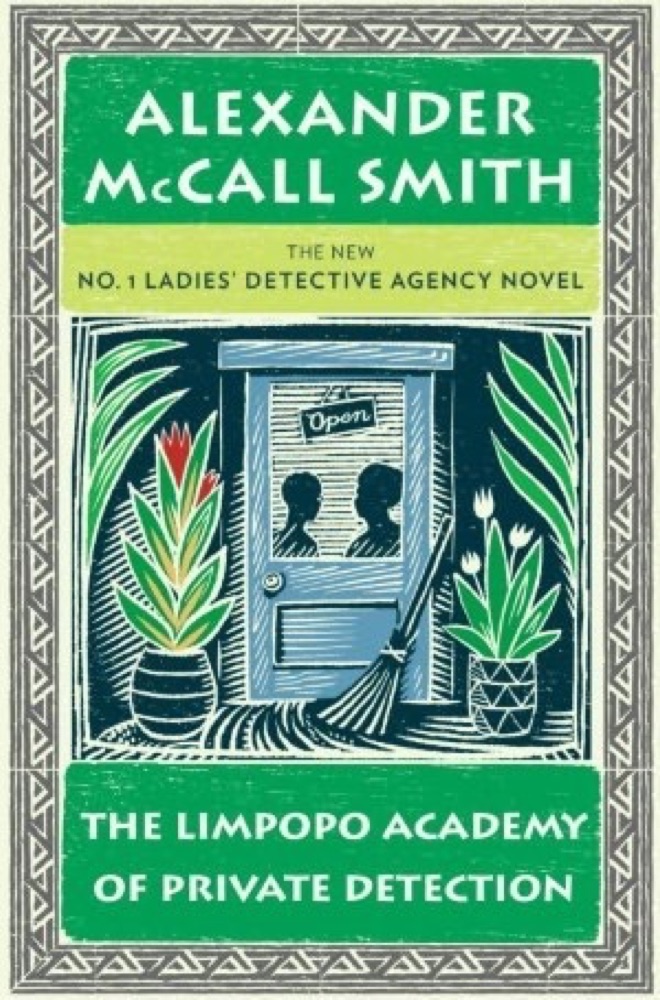 The Limpopo Academy of Private Detection
 The Jewel in the Crown
 A Great Reckoning
 Can You Forgive Her?
 Homecoming
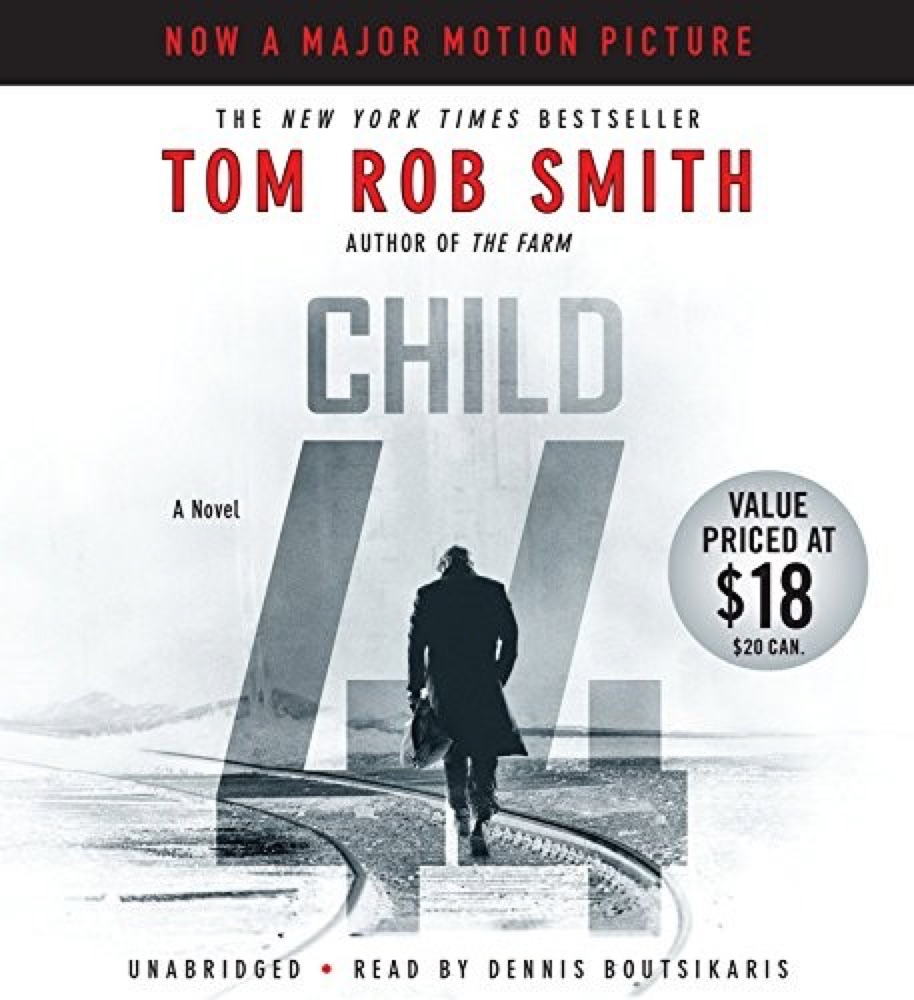 Child 44
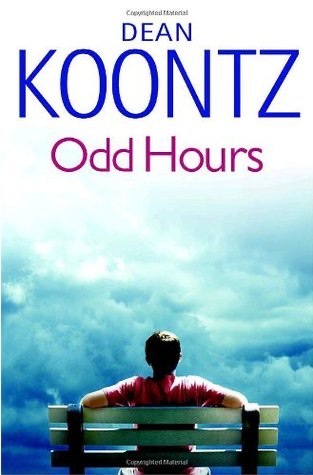 Odd Hours
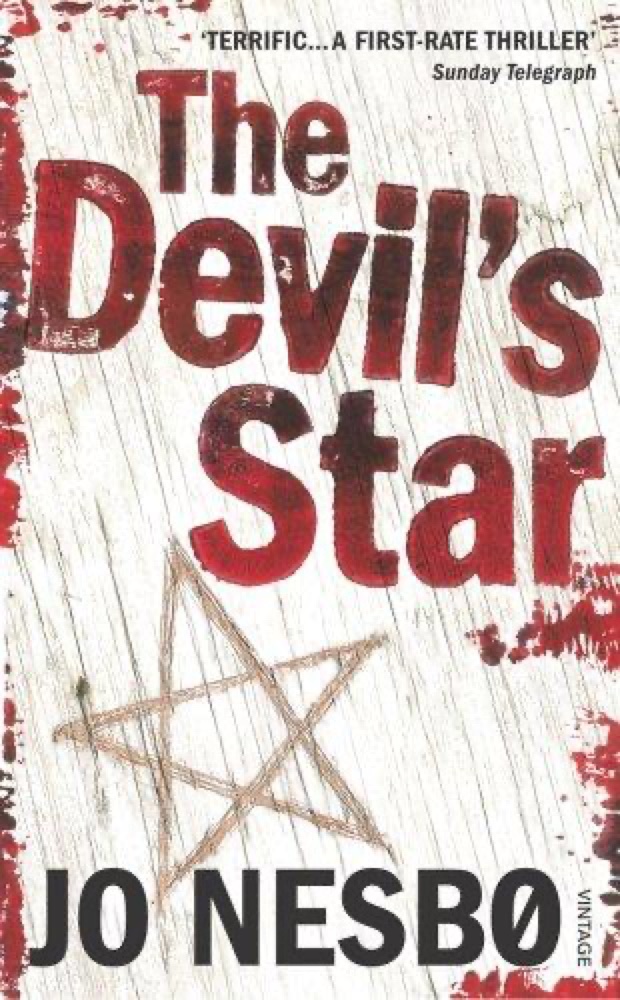 The Devil's Star
 The Naked and the Dead
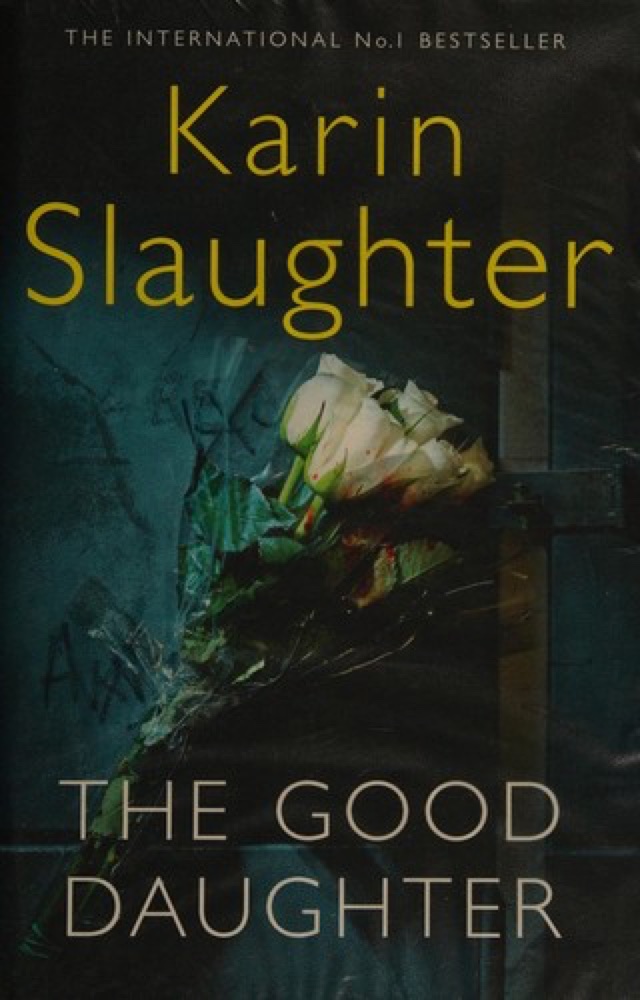 The Good Daughter
 The Woman Who Walked in Sunshine
 The Invasion of the Tearling
 Too Much Happiness: Stories
 The Cider House Rules
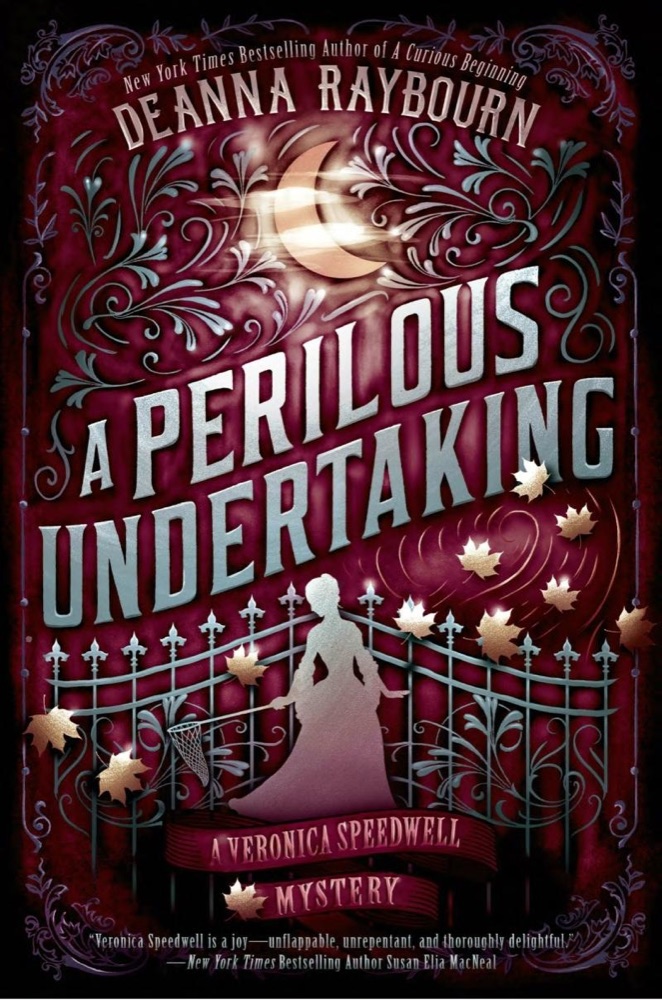 A Perilous Undertaking
 The Manticore
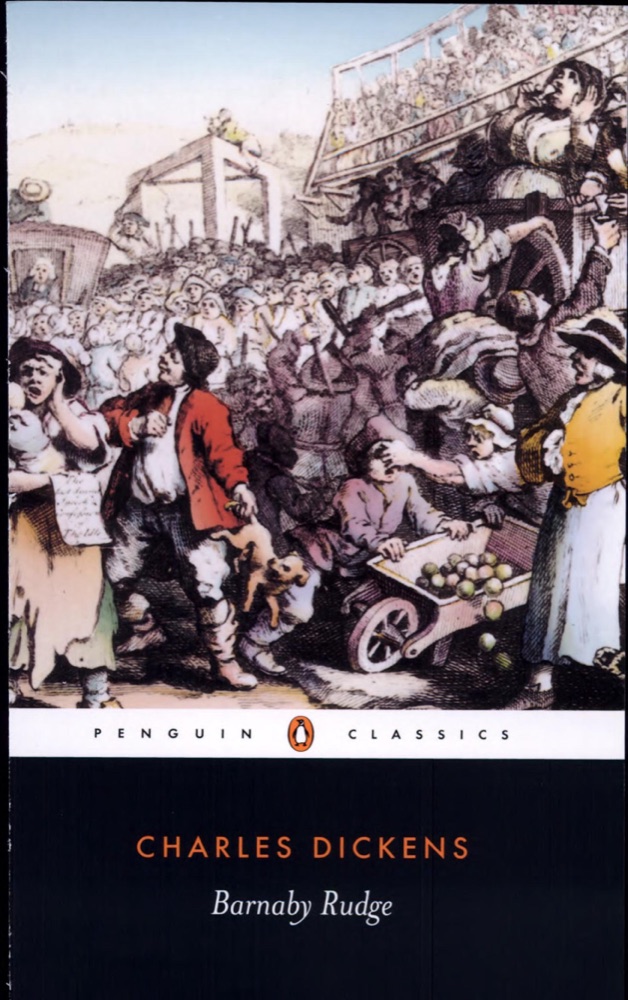 Barnaby Rudge
 The Virginian
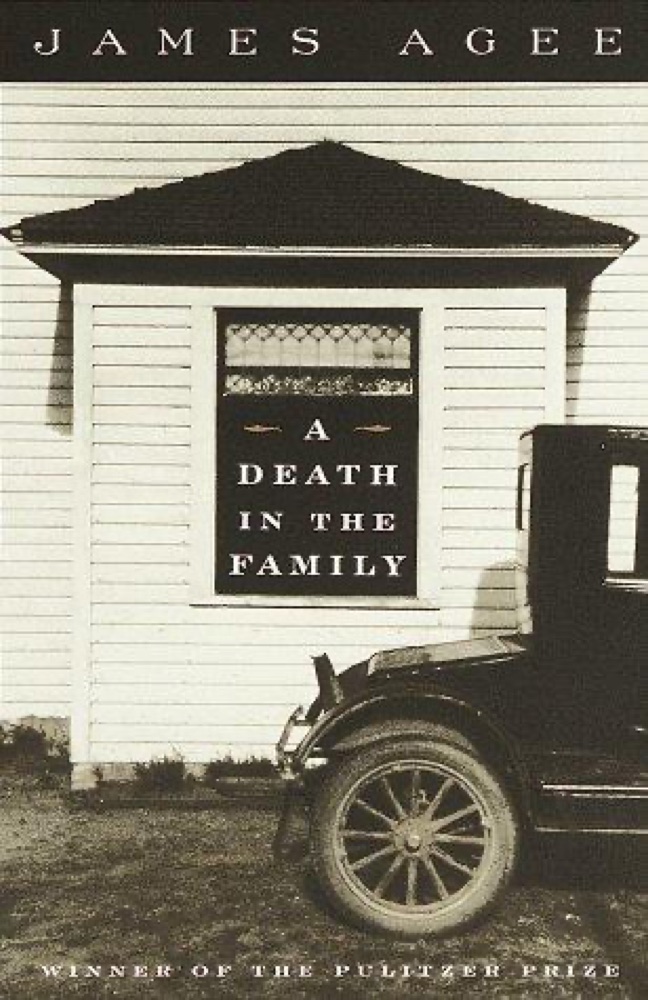 A Death in the Family
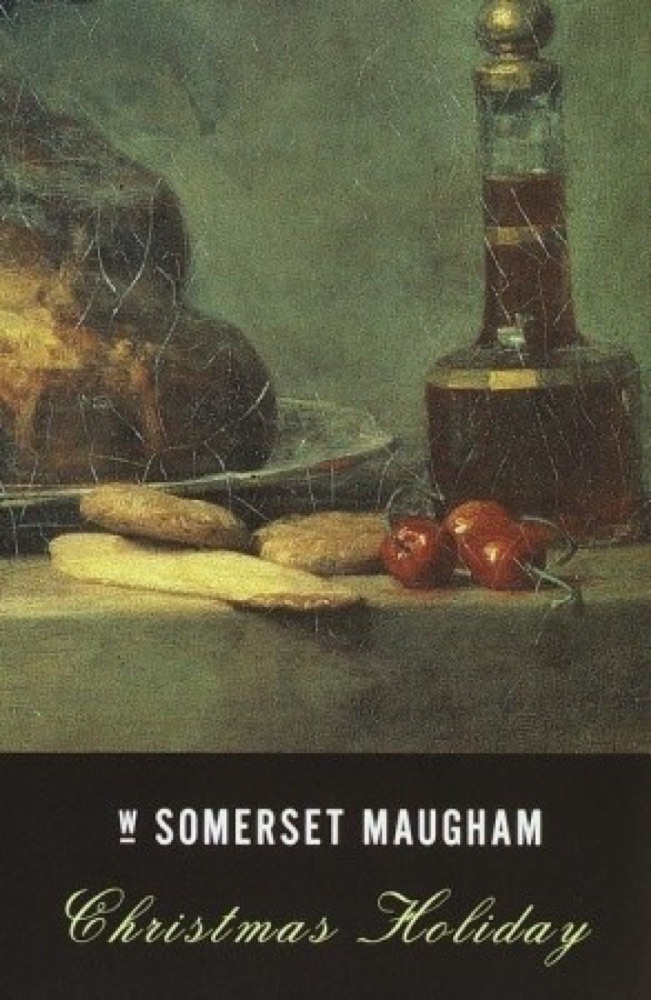 Christmas Holiday
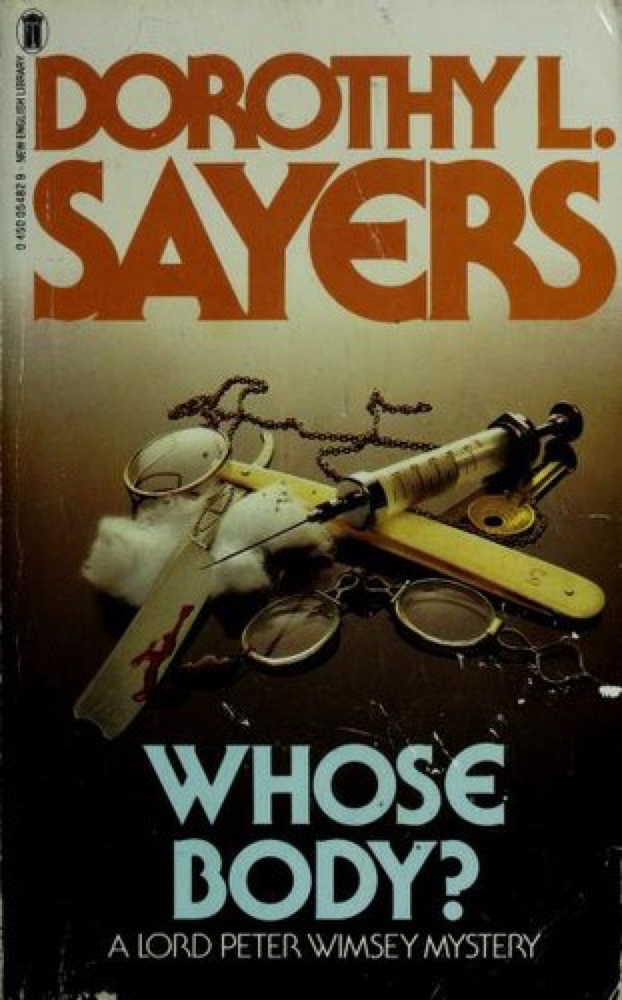 Whose Body?
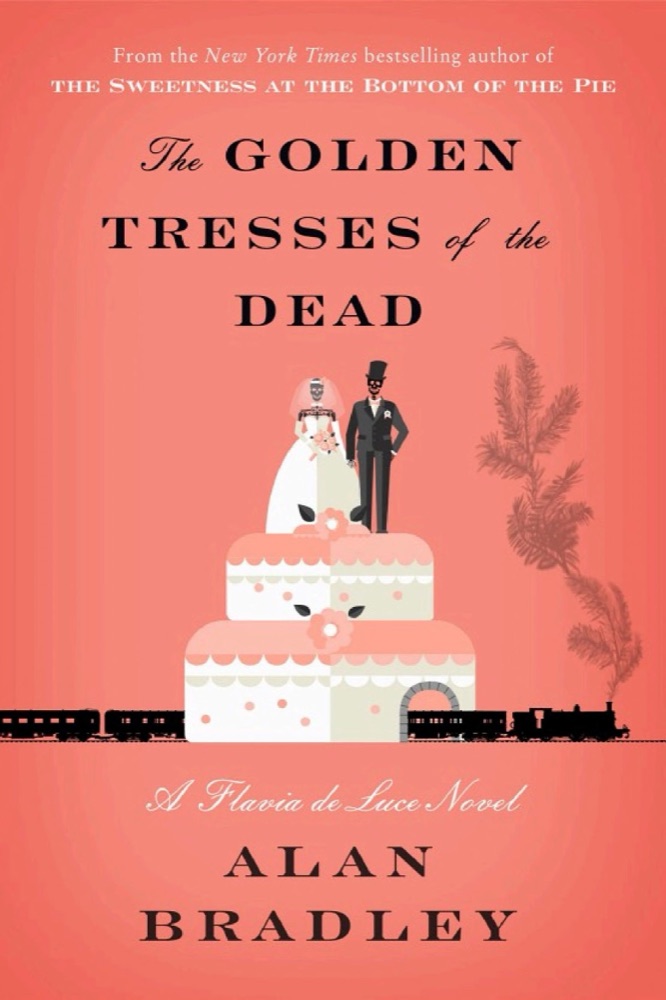 The Golden Tresses of the Dead
 Mohawk
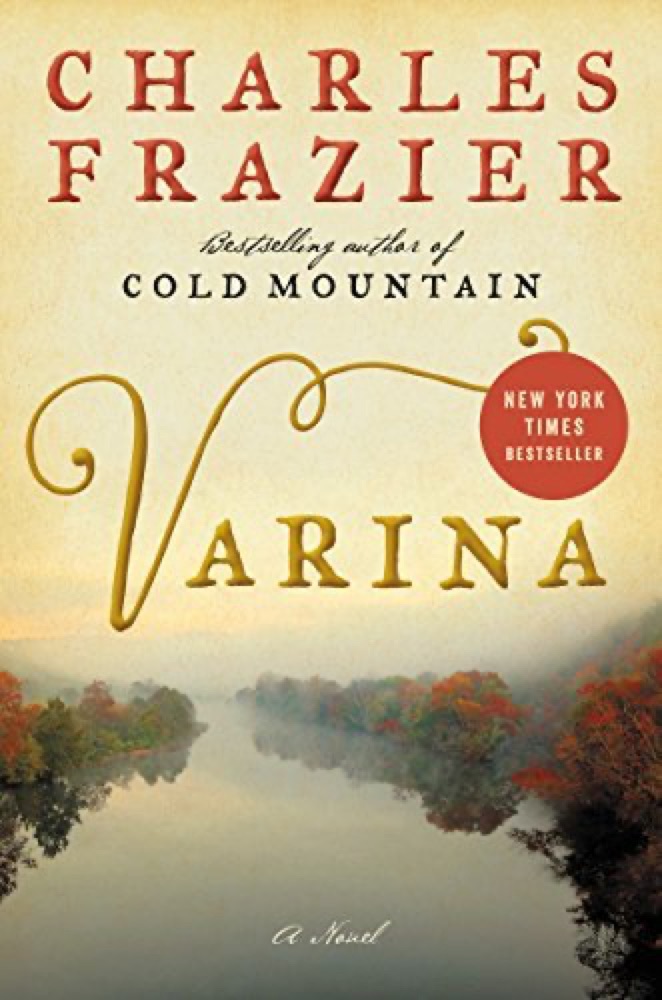 Varina
 Milkman
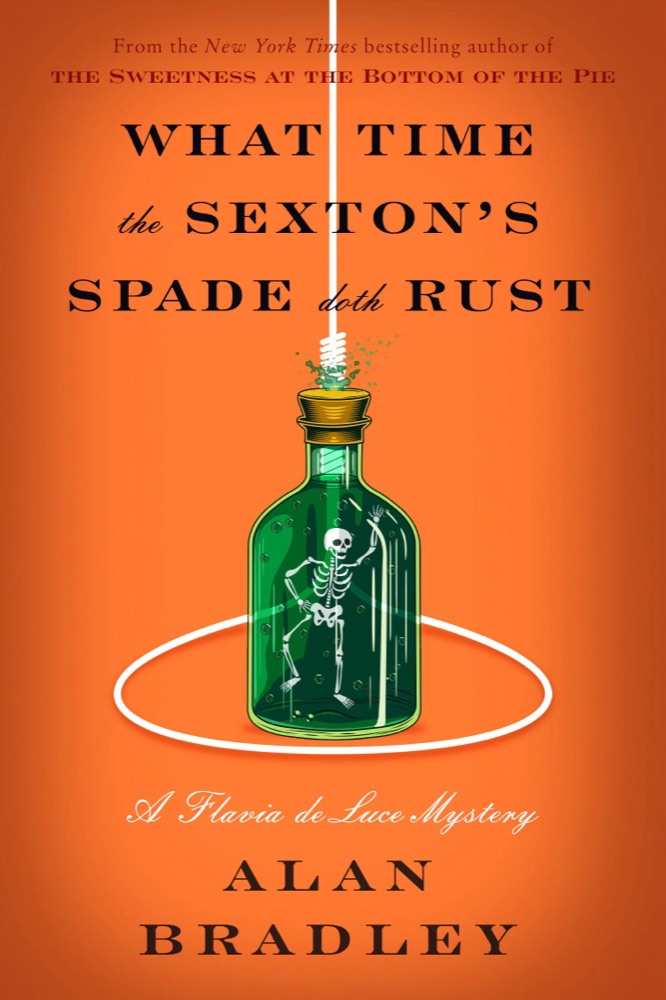 What Time the Sexton's Spade Doth Rust
 The Heretic's Daughter
 Giovanni's Room
 The Lincoln Highway
 Checkmate
 The Kitchen God's Wife
 The Ministry of Fear
 Mary Barton
 Familiaris
 The Burning Soul
 The Orphan Master's Son
 They Call Her Dirty Sally
 The Theft of Sunlight
 So Long, See You Tomorrow
 The Family Upstairs
 A Desperate Fortune
 The Complete Stories
 Turning Angel
 Homegoing
 Bleak House
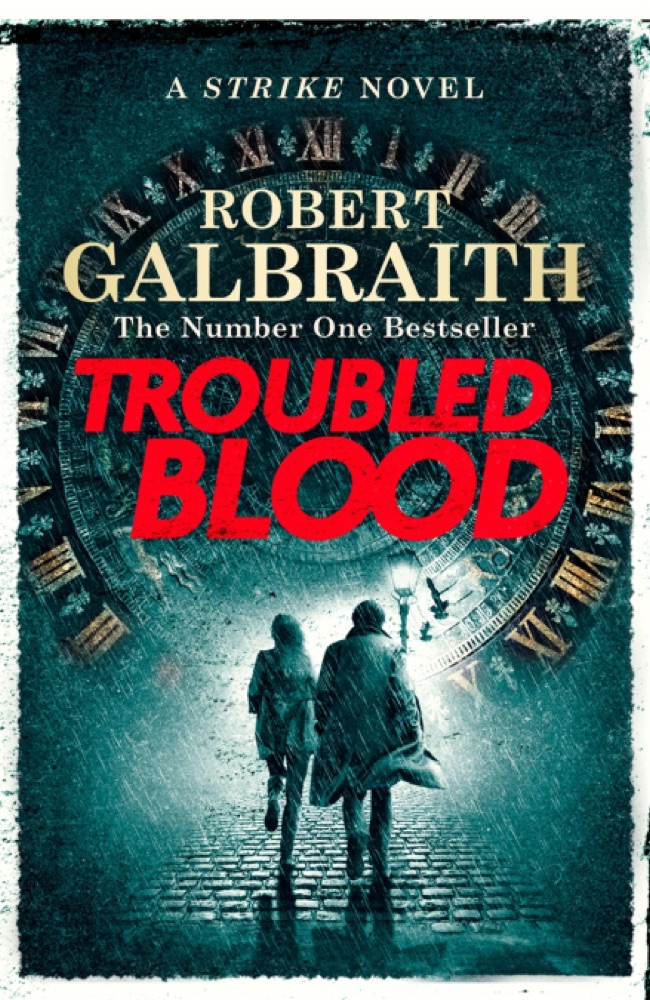 Troubled Blood
 Close
Close
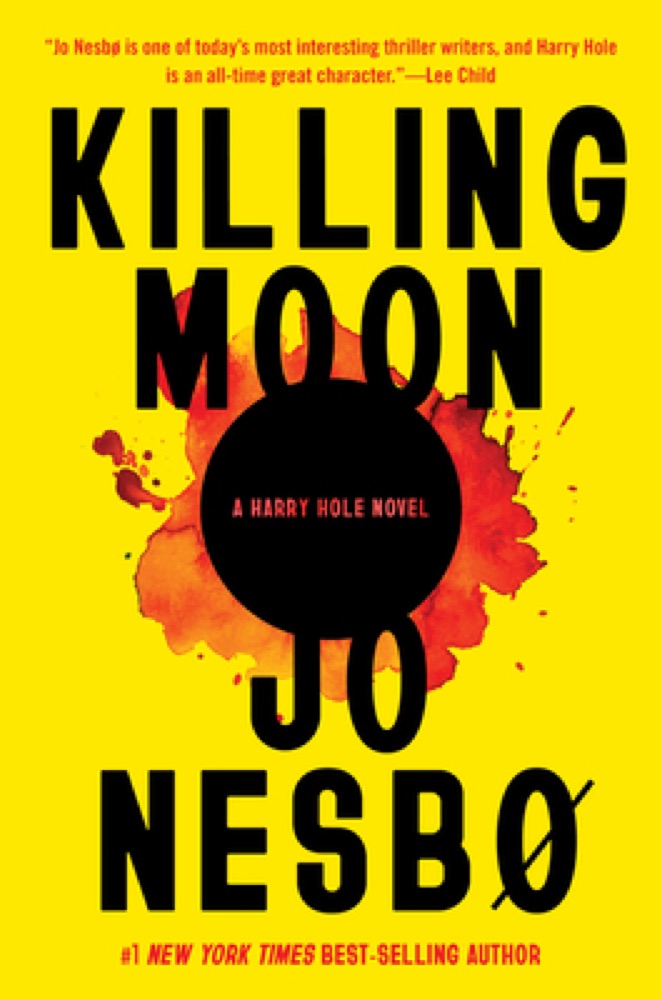 Killing Moon